When mechanics talk about cars that rarely come back with problems, the same names surface again and again in shop conversations and reliability research. Independent technicians who see breakdowns every day point to brands like Toyota, Honda, and Lexus that routinely reach 200,000 miles with minimal drama. Drawing on those front-line opinions and recent reliability rankings, seven specific models stand out as the ones service writers rarely have to book for repeat repairs.
Toyota Camry
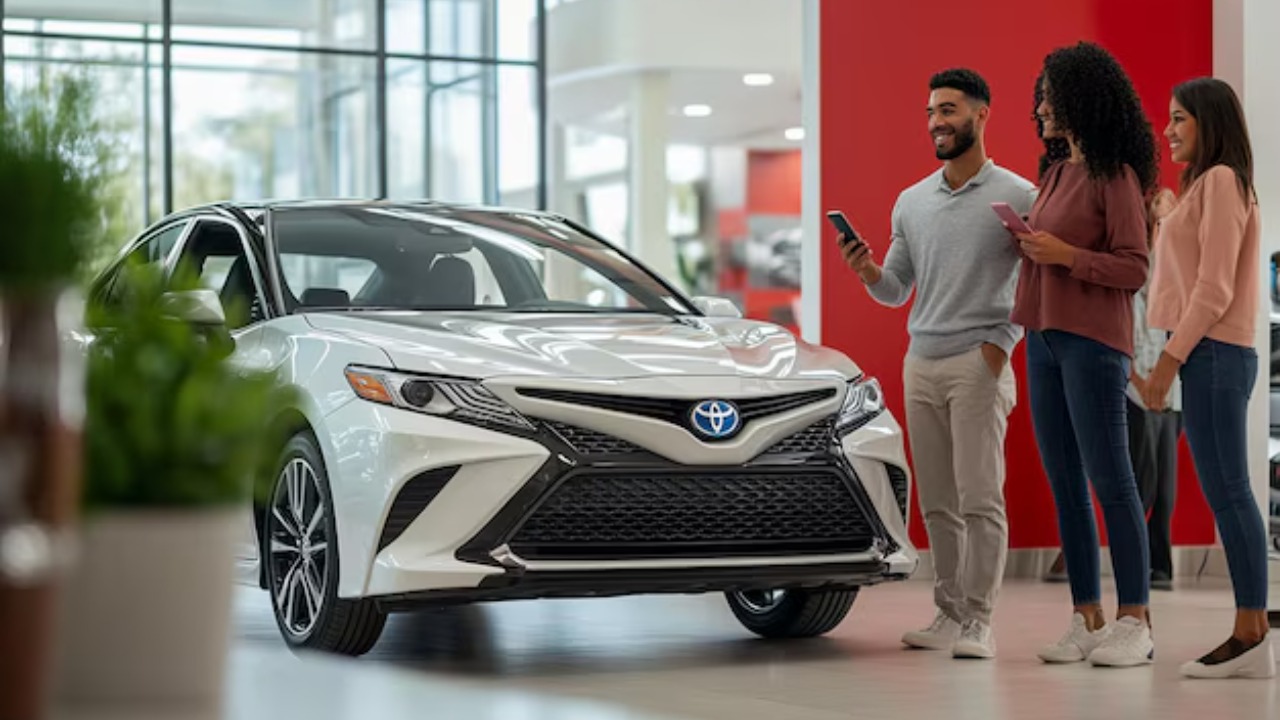
The Toyota Camry is the model many technicians single out when asked which car rarely returns on a tow truck. In one video, mechanic Tyler calls the “most reliable used car” and praises how the company has built the car for decades with durability in mind. A separate breakdown of Cars Known for and Term Reliability highlights the Toyota Camry from 2018 to 2022 for its Simple engine design and few major recalls, which is exactly the combination mechanics like to see.
Because the Camry avoids complicated drivetrains and has widely available, inexpensive parts, it tends to show up in shops for routine maintenance instead of chronic failures. For buyers, that reputation translates into strong resale values and confidence that a well-maintained example can cover well past 150,000 miles without major surprises. In practical terms, that means lower lifetime ownership costs and fewer days spent arranging alternate transportation.
Honda Accord
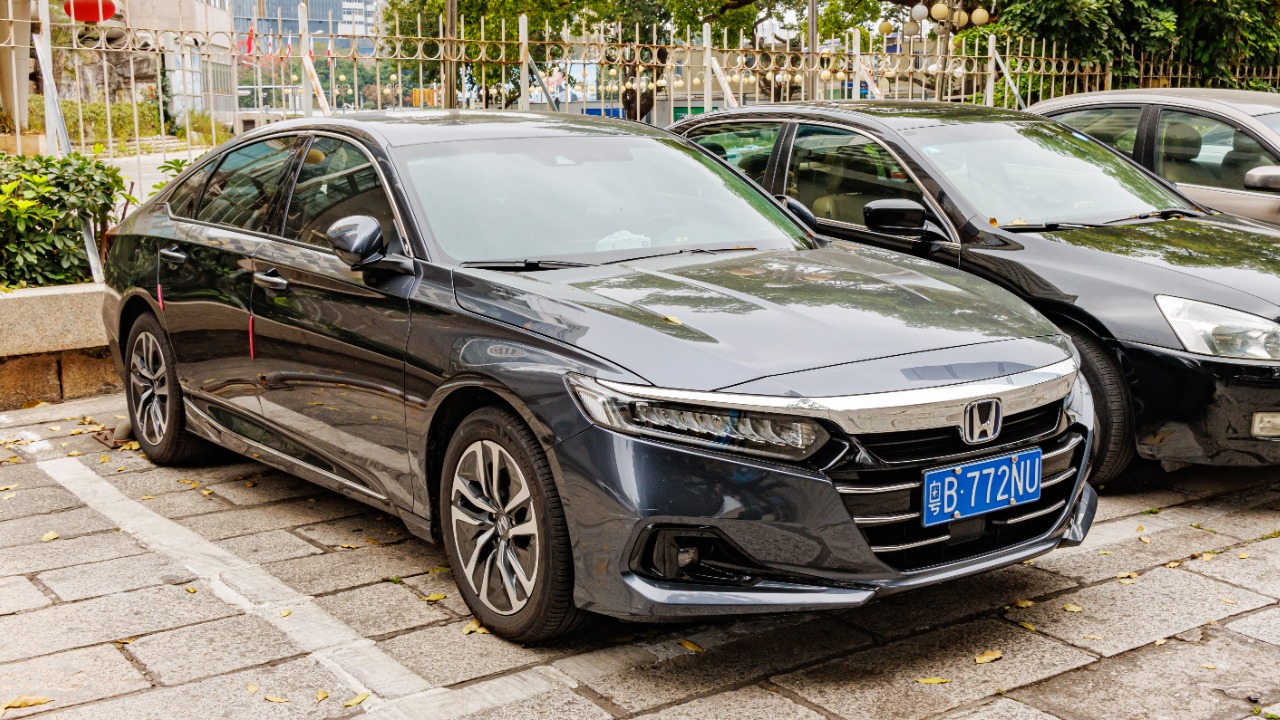
The Honda Accord earns similar praise from technicians who see it as a safe bet for drivers who want to stay out of the waiting room. In the same overview of the 15 most reliable used cars, late model Accords are repeatedly cited for long-term dependability and relatively trouble-free powertrains. A separate list of Cars Known for Long and Term Reliability also points to the Honda Accord from 2017 onward as a sedan that avoids major pattern failures, which is exactly why mechanics recommend it to family members.
Because the Accord shares many components with other high-volume Honda models, parts are widely stocked, and repairs that do arise tend to be straightforward. That keeps labor bills manageable and shortens time in the bay. For owners, the net effect is a midsize sedan that can quietly accumulate mileage while holding value, instead of becoming a financial burden after the warranty expires.
Toyota Corolla
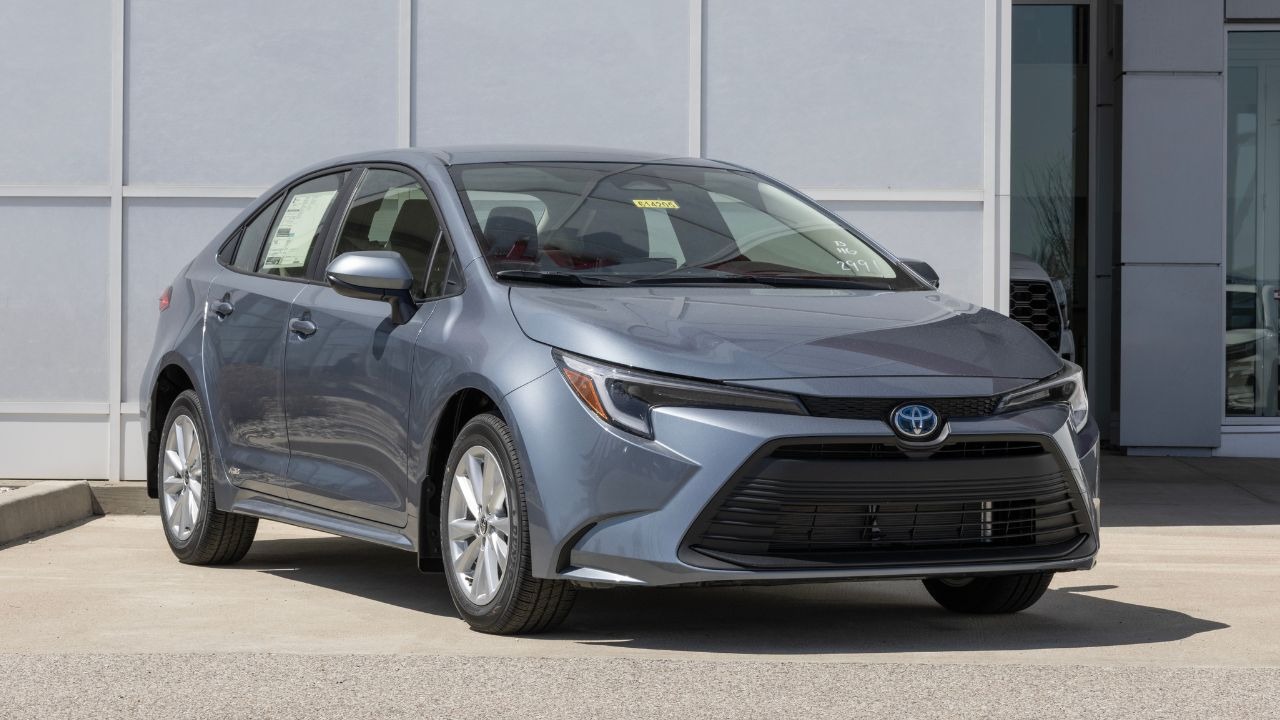
The Toyota Corolla has become shorthand among technicians for a car that just works. A detailed guide to Compact Cars, framed under Efficiency Meets Longevity, describes the 2025 Toyota Corolla as a benchmark for reliability and notes that the Corolla keeps its powertrain simple while still meeting modern efficiency standards. That simplicity is exactly what shop owners like, since fewer complex systems usually mean fewer expensive failures.
Separate reporting on Mechanics reveals that models like the Corolla can easily reach over 300 km without problems, and that these brands have cheap parts and high resale value. For buyers, that combination means the Corolla is rarely a surprise guest at the repair shop and often a smart long-term financial decision.
Honda Civic
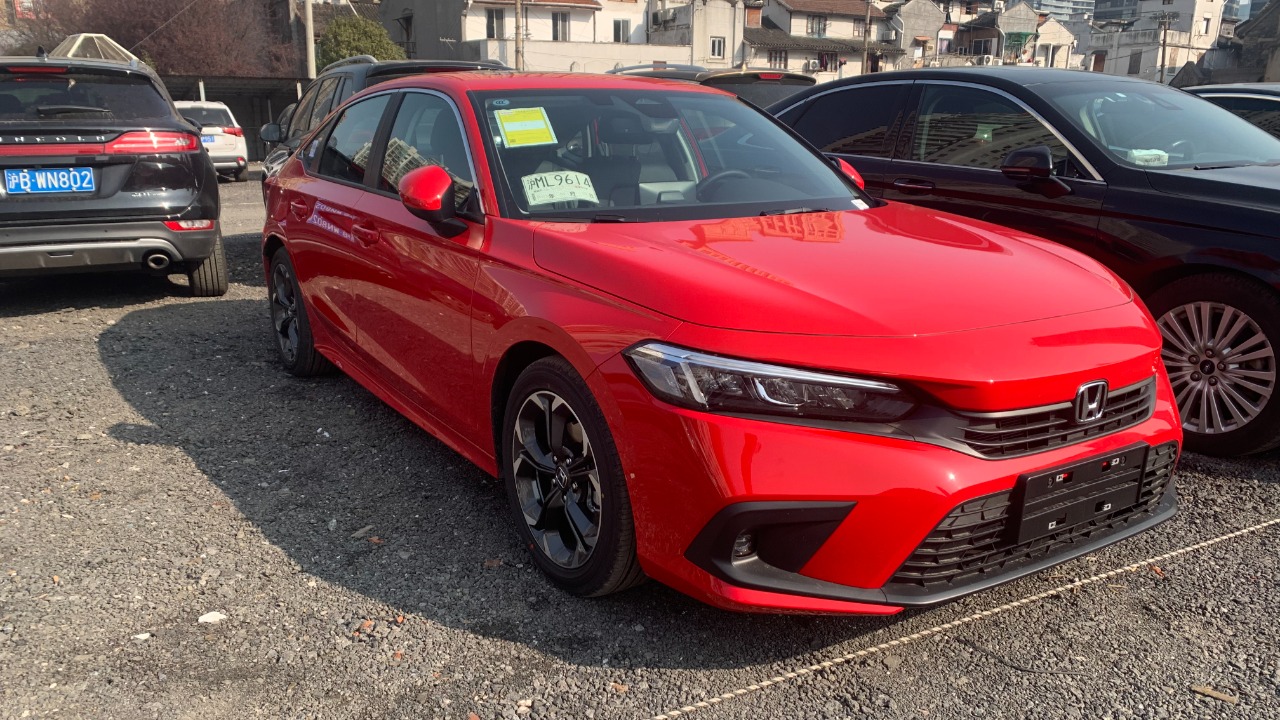
The Honda Civic is another compact that service advisors routinely describe as “boring in the best way.” In the same analysis where Mechanics reveal three car brands that rarely show up in repair shops, the Civic is singled out alongside the Corolla for reaching high mileage with few issues. Those same mechanics emphasize that these cars have cheap parts and high resale value, which makes them attractive both to owners and to used car dealers who do not want inventory tied up in the service bay.
Because the Civic has been built in huge numbers over multiple generations, independent shops know its weak points and can address them before they become serious. That preventive familiarity, combined with generally reliable engines and transmissions, keeps the Civic off the “problem car” lists that technicians warn customers about. For drivers, the result is a compact that feels inexpensive to own without feeling disposable.
Lexus RX
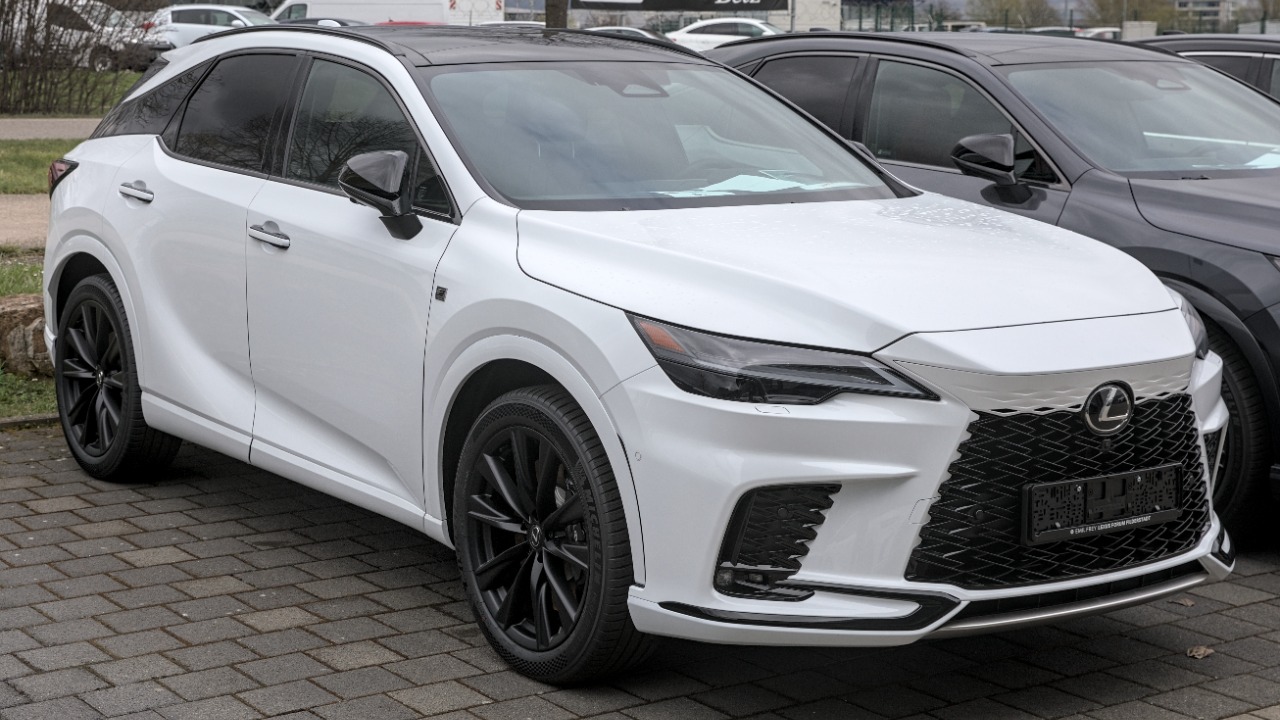
The Lexus RX benefits from the same engineering that makes Toyota sedans so durable, then adds a layer of refinement that appeals to luxury buyers who still care about reliability. A ranking of the Most Reliable Cars places Lexus at the top, ahead of Toyota, Mazda, Buick, and Honda, which reflects how few serious issues owners report. Because the RX shares many components with high-volume Toyota SUVs, mechanics see it as a low-risk way to get a premium interior without sacrificing dependability.
Another analysis that asks What Are the again lists Toyota and Lexus at the front of the pack, alongside Honda and Mazda. For technicians, that brand level performance shows up as fewer warranty claims and fewer repeat visits for the same complaint. Owners who choose an RX typically see long service intervals, high resale values, and a used market that is eager to pay for a clean example.
Subaru Outback
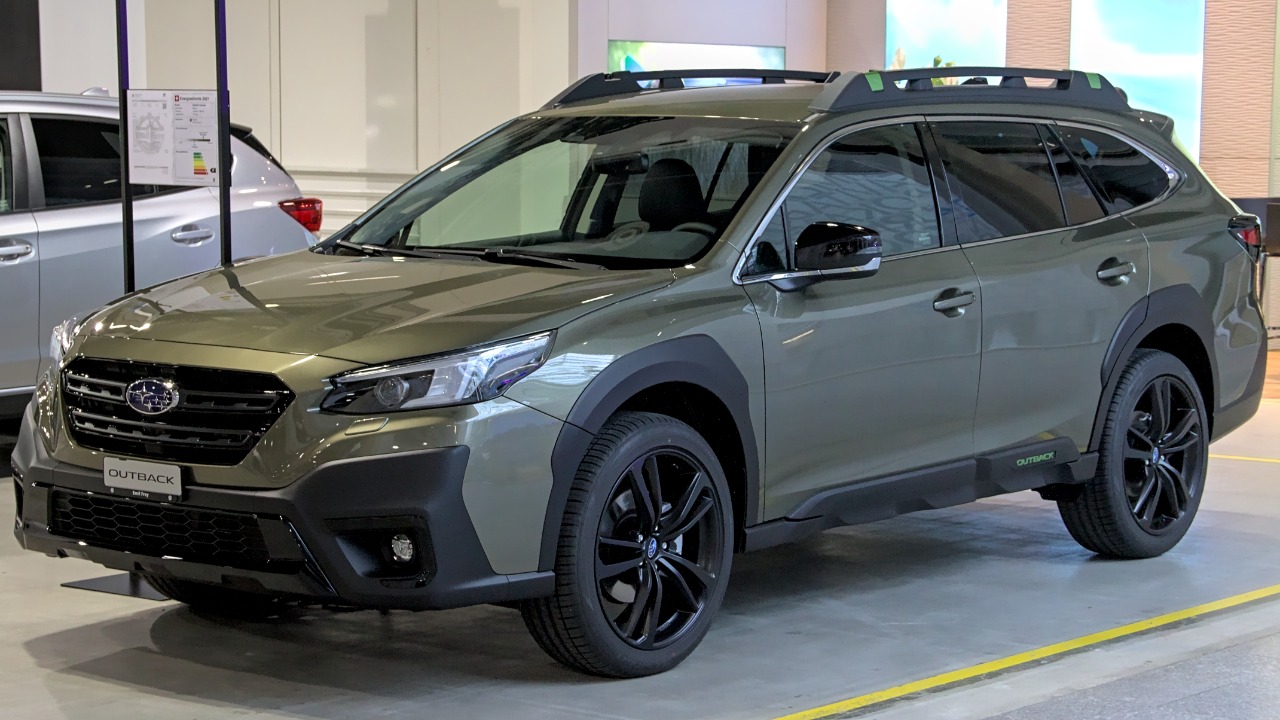
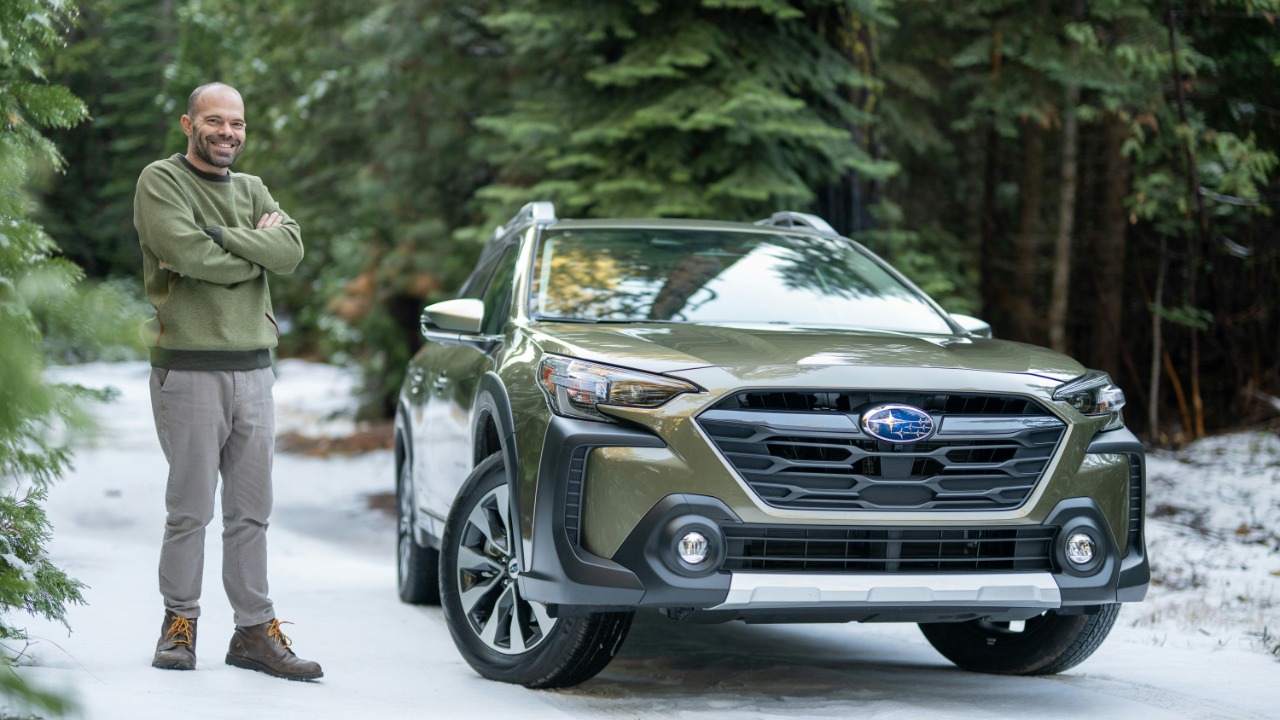
The Subaru Outback has become a fixture in all weather regions, and mechanics in those markets often describe it as one of the few All Wheel Drive wagons that does not constantly need attention. When analysts asked shop staff in Apr about the most reliable car ever built, the resulting shop floor poll featured several Subaru mentions alongside the usual Toyota and Honda picks. That kind of informal endorsement matters because it reflects what technicians see on lifts every day, not just what appears in marketing brochures.
Brand-level data backs up those impressions. In a breakdown of the Toyota Reputation That, analysts note that this brand and its close rivals often perform well past 150,000 miles. Subaru frequently appears in the same long-term reliability discussions, which is why Outbacks are common recommendations for buyers who want year-round traction without constant repair bills.
Toyota RAV4
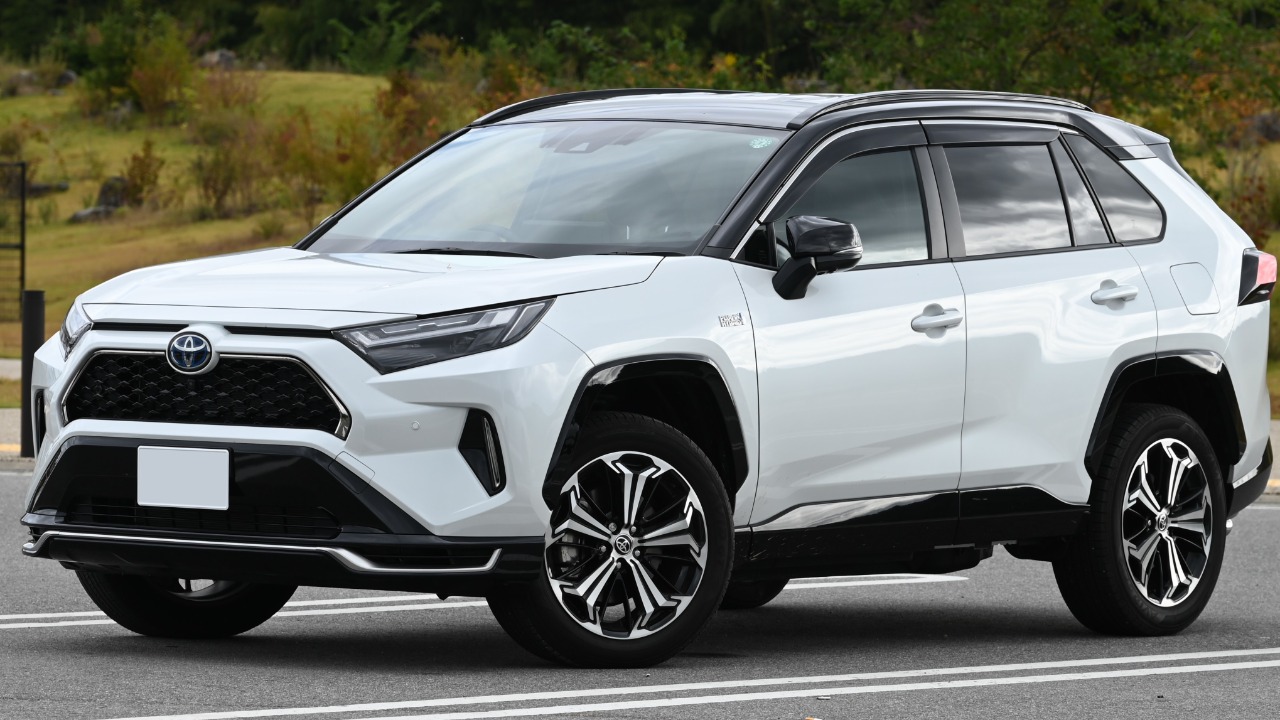
The Toyota RAV4 rounds out the list as a compact SUV that mechanics say behaves more like a durable sedan than a fragile crossover. A guide to Car, trucks, SUV notes that they usually have positive opinions of vehicles that can reliably go more than 200,000 miles, and the RAV4 is often cited as one of those SUVs. That kind of longevity is exactly why independent shops see it mostly for oil changes, brakes, and tires instead of engine or transmission overhauls.
Brand-level research shows that Toyota consistently ranks near the top, and the RAV4 benefits directly from that engineering culture. For owners, the SUV format adds cargo space and a higher seating position without sacrificing the low-drama ownership experience that mechanics associate with Toyota sedans.
More from Fast Lane Only