The 1930s changed American motoring in ways that went far beyond engine power. Automakers experimented with aerodynamics, front-wheel drive, streamlined bodies, improved comfort, and more affordable performance. These 7 cars helped reshape what Americans expected from an automobile and showed that transportation could be practical, stylish, and technologically ambitious at the same time.
Chevrolet Master

The Chevrolet Master emphasized comfort and refinement while remaining accessible to middle-class buyers. Its six-cylinder engine, improved suspension, and larger body made it suitable for both city driving and longer trips. Chevrolet demonstrated that affordable transportation did not have to be uncomfortable or purely utilitarian. The Master reflected the growing importance of ride quality in American cars.
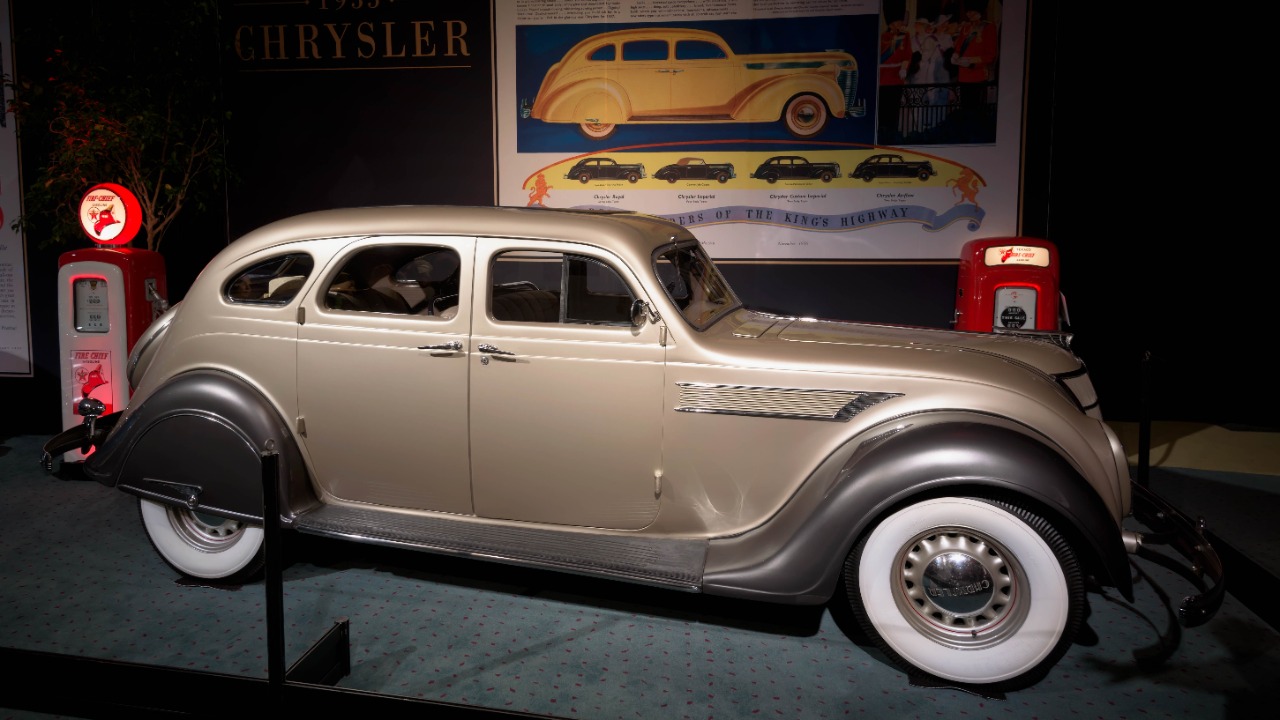
Chrysler Airflow

The Chrysler Airflow was one of the decade’s boldest experiments in automobile design. Its streamlined body, aerodynamic shape, and advanced construction challenged the upright styling of traditional cars. Although buyers did not embrace it in large numbers, the Airflow influenced later designs. It helped demonstrate that aerodynamics and engineering could shape the entire form of an automobile.
Cadillac V-16
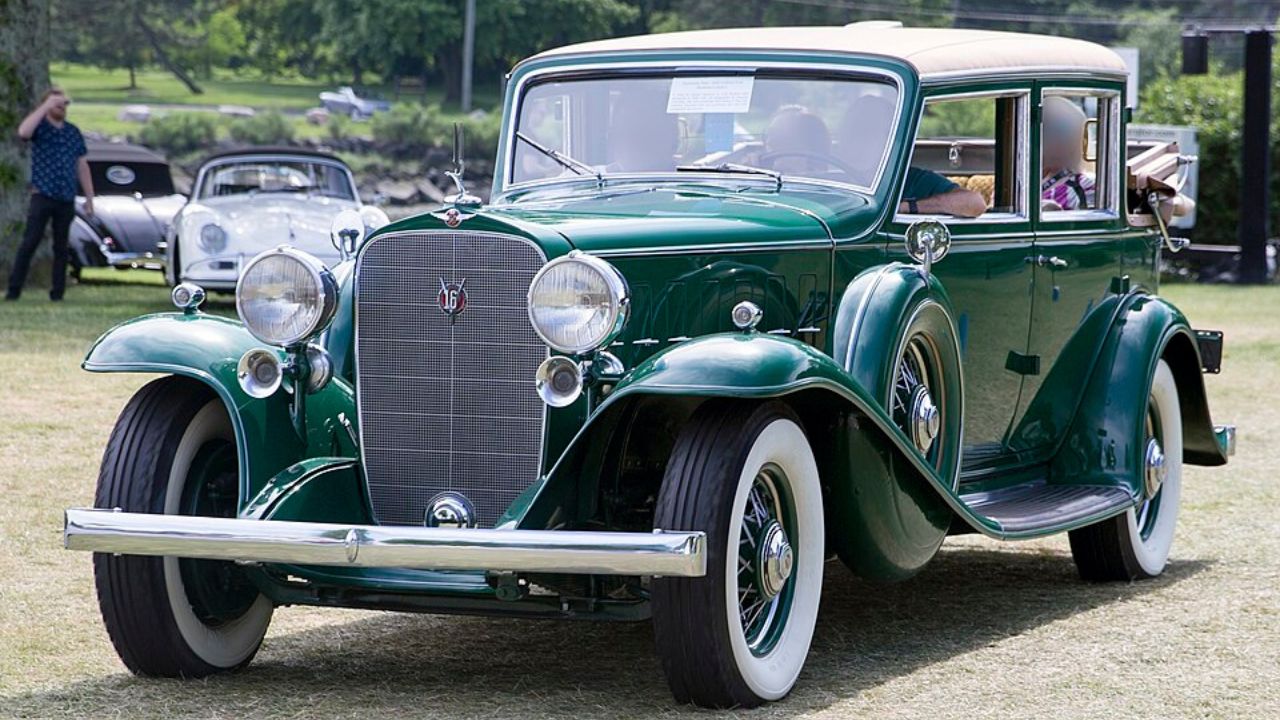
The Cadillac V-16 represented the technological and luxury extreme of American transportation. Its sixteen-cylinder engine provided exceptionally smooth power, while custom bodywork gave buyers enormous freedom in appearance. Production remained very limited because of the economic conditions of the decade. Nevertheless, the V-16 demonstrated what American manufacturers could accomplish when cost was secondary to engineering and prestige.
Cord 810
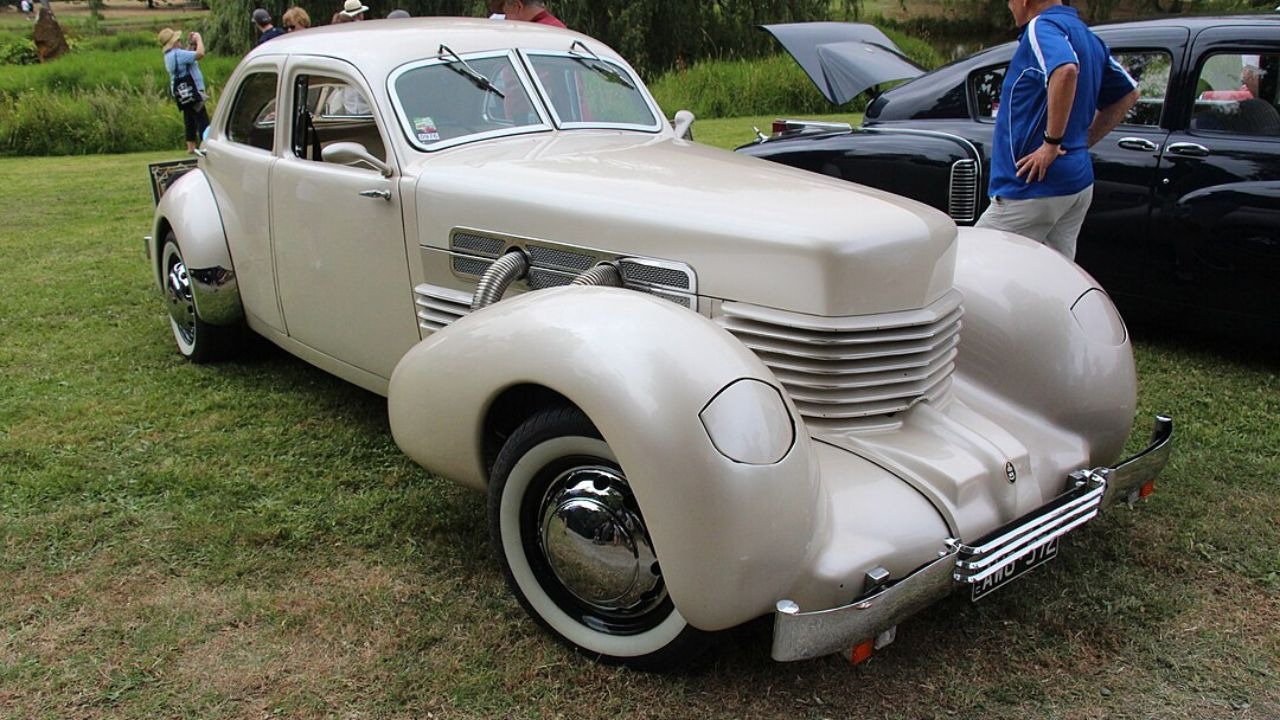
The Cord 810 introduced a remarkably modern combination of styling and engineering. Its front-wheel-drive layout, low body, hidden headlights, and streamlined shape made it look dramatically different from conventional American cars. Its advanced design showed that front-wheel drive could be used in a sophisticated passenger automobile. The 810 remains one of the decade’s clearest examples of automotive innovation.
Lincoln Zephyr
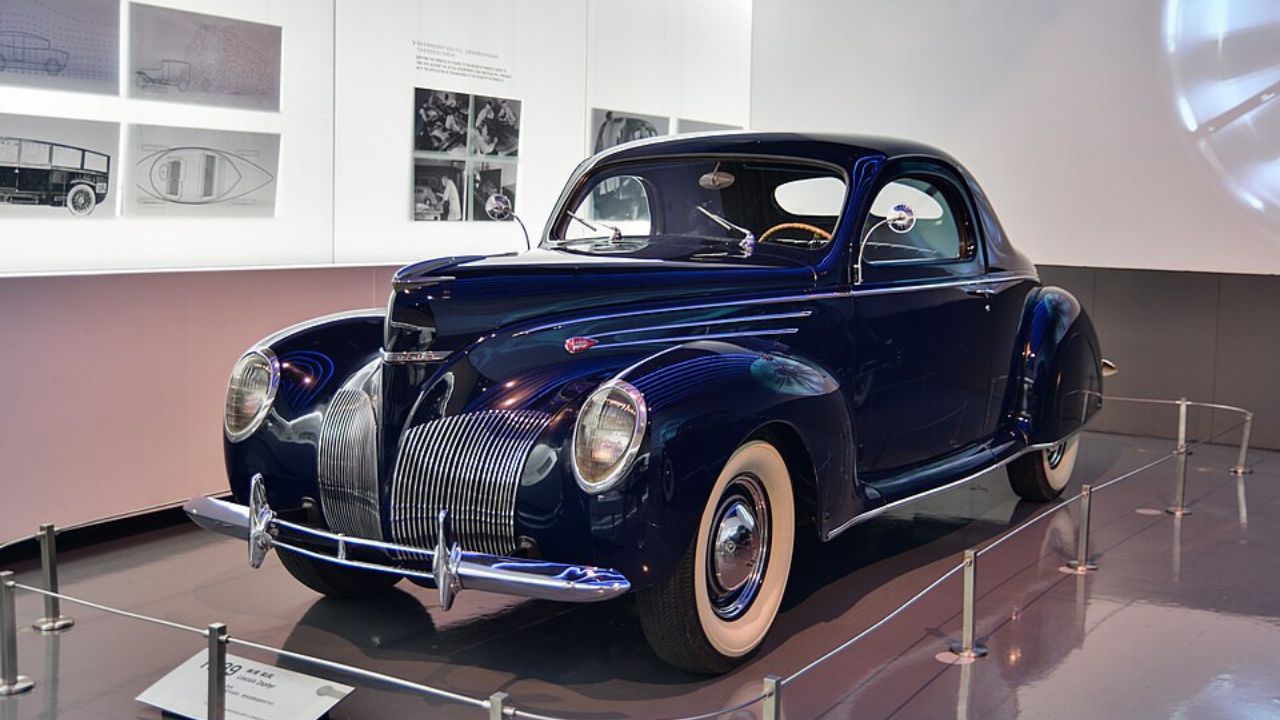
The Lincoln Zephyr brought aerodynamic styling to a broader luxury market. Its smooth body, integrated fenders, and V12 engine gave it a distinctive combination of elegance and performance. The Zephyr’s design helped move American cars toward more unified body shapes. It demonstrated that aerodynamic styling could become an important part of mainstream automobile design.
Buick Series 40
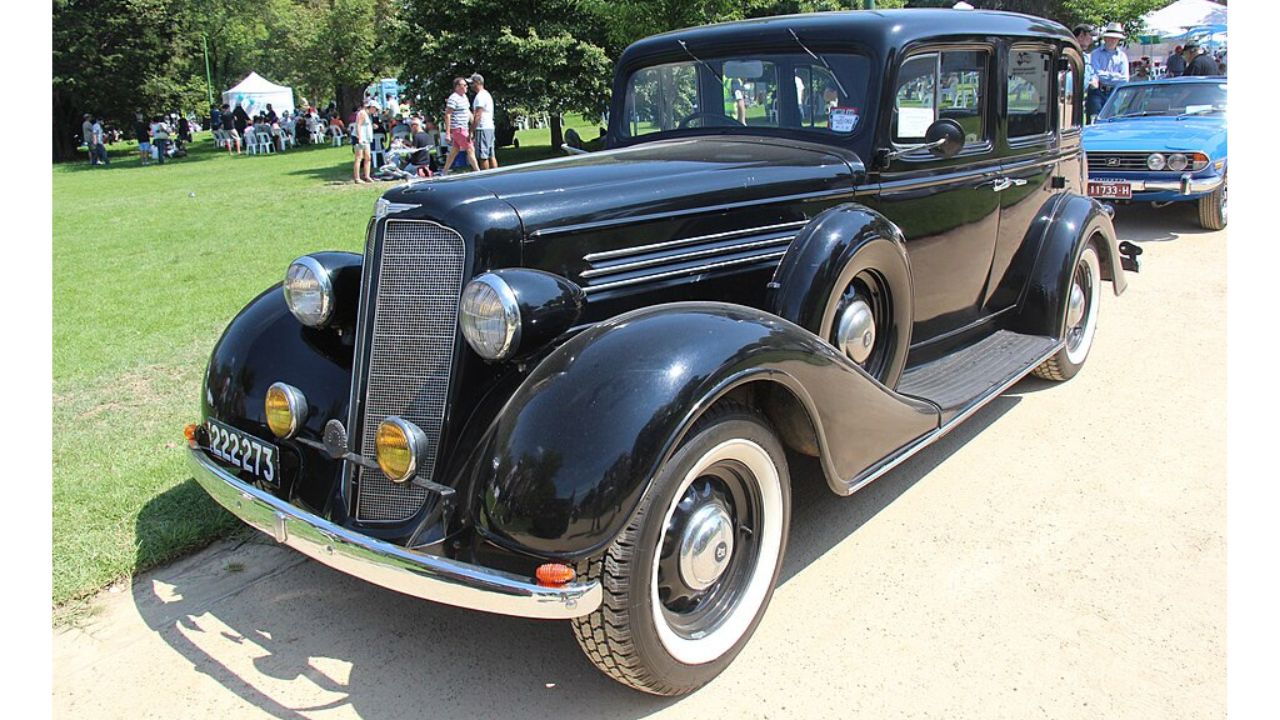
The Buick Series 40 offered a useful combination of comfort, performance, and affordability. Its six-cylinder engine provided adequate power, while Buick’s attention to construction and interior refinement gave it an upscale character. The model reflected an important shift in consumer expectations: buyers increasingly wanted transportation that was comfortable and attractive rather than merely functional.
Packard 120
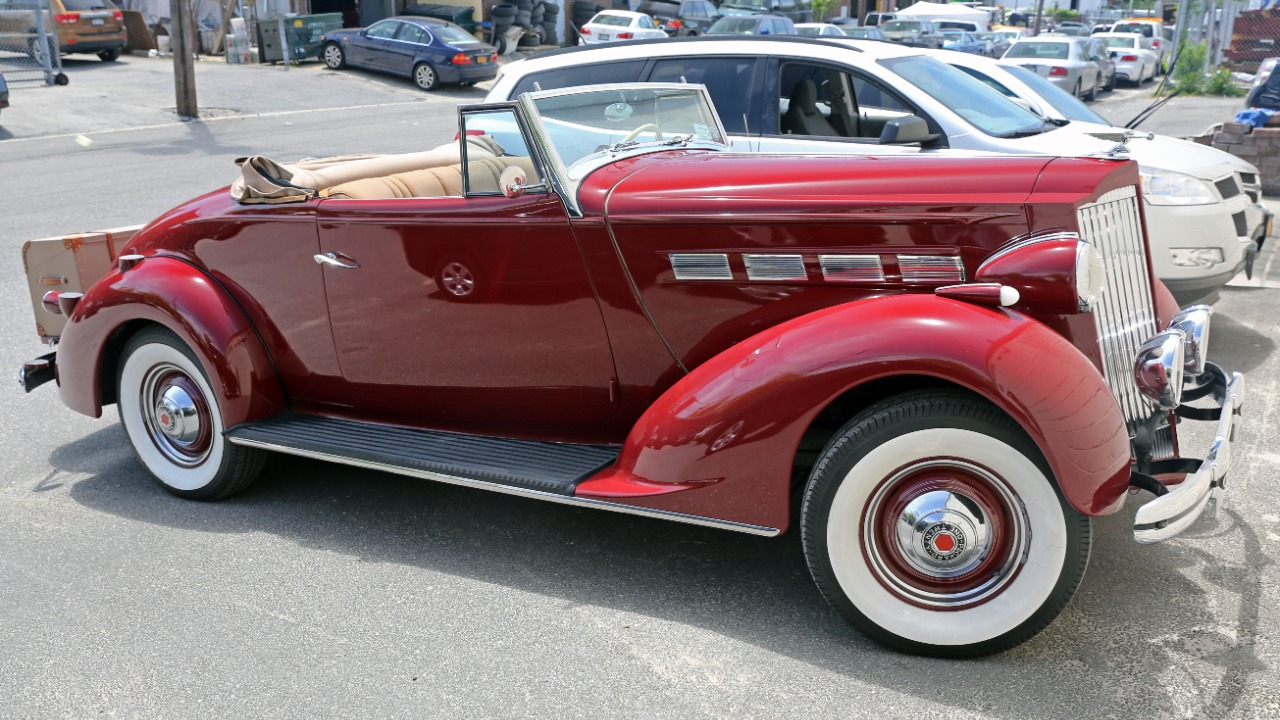
The Packard 120 helped bring Packard’s reputation for engineering and quality to a wider market. Its inline-eight engine, attractive styling, and comfortable interior offered a more accessible alternative to Packard’s larger luxury cars. Its success demonstrated that advanced engineering and premium design could appeal beyond the wealthiest buyers, especially during a difficult economic period.
More from Fast Lane Only
- Unboxing the WWII Jeep in a Crate
- 15 rare Chevys collectors are quietly buying
- 10 underrated V8s still worth hunting down
- Police notice this before you even roll window down
*Research for this article included AI assistance, with all final content reviewed by human editors