In the automotive world, certain numbers immediately attract attention. They can represent legendary engine displacements, limited production runs, or factory performance packages that became highly desirable years later. These eight numbers continue to make enthusiasts stop and take notice.
426 Hemi
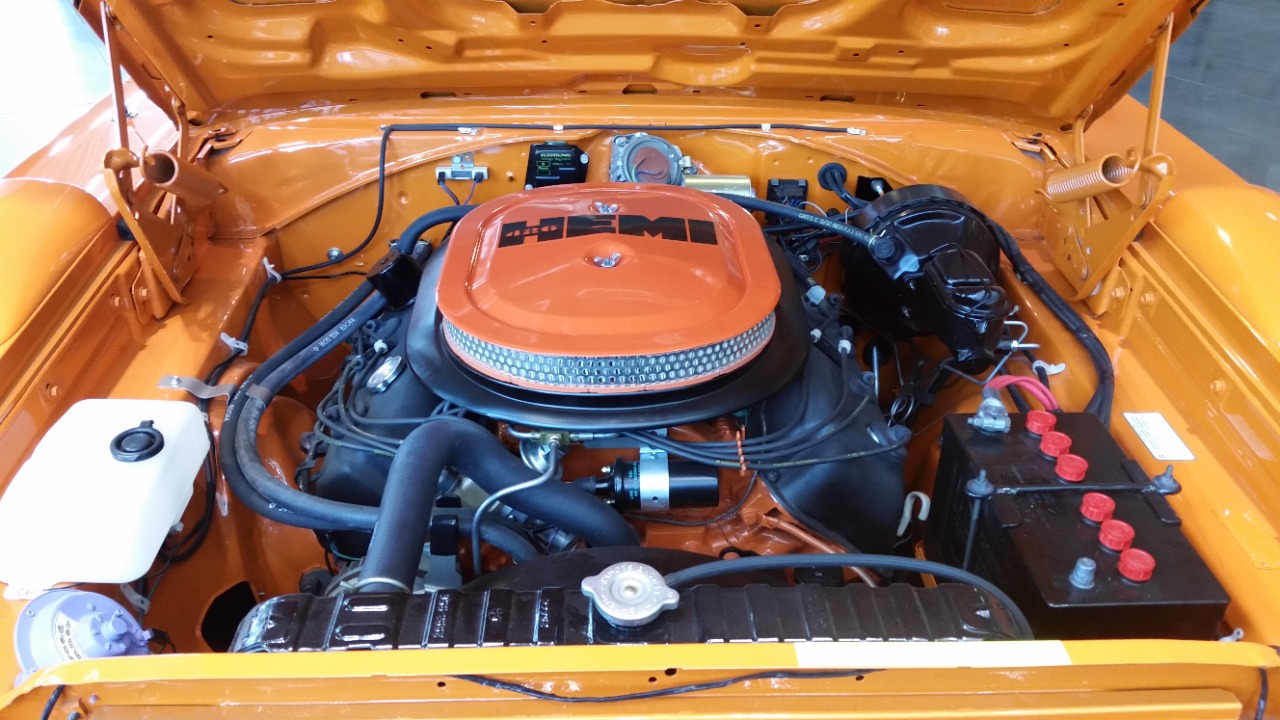
The 426 Hemi remains one of the most famous numbers in American performance history. Its hemispherical combustion chambers, massive power potential, and racing background made it a dominant force during the muscle-car era. Factory Hemi cars were produced in limited numbers, making authentic examples extremely desirable. Even decades later, the words “426 Hemi” can instantly change the mood at a car show.
427
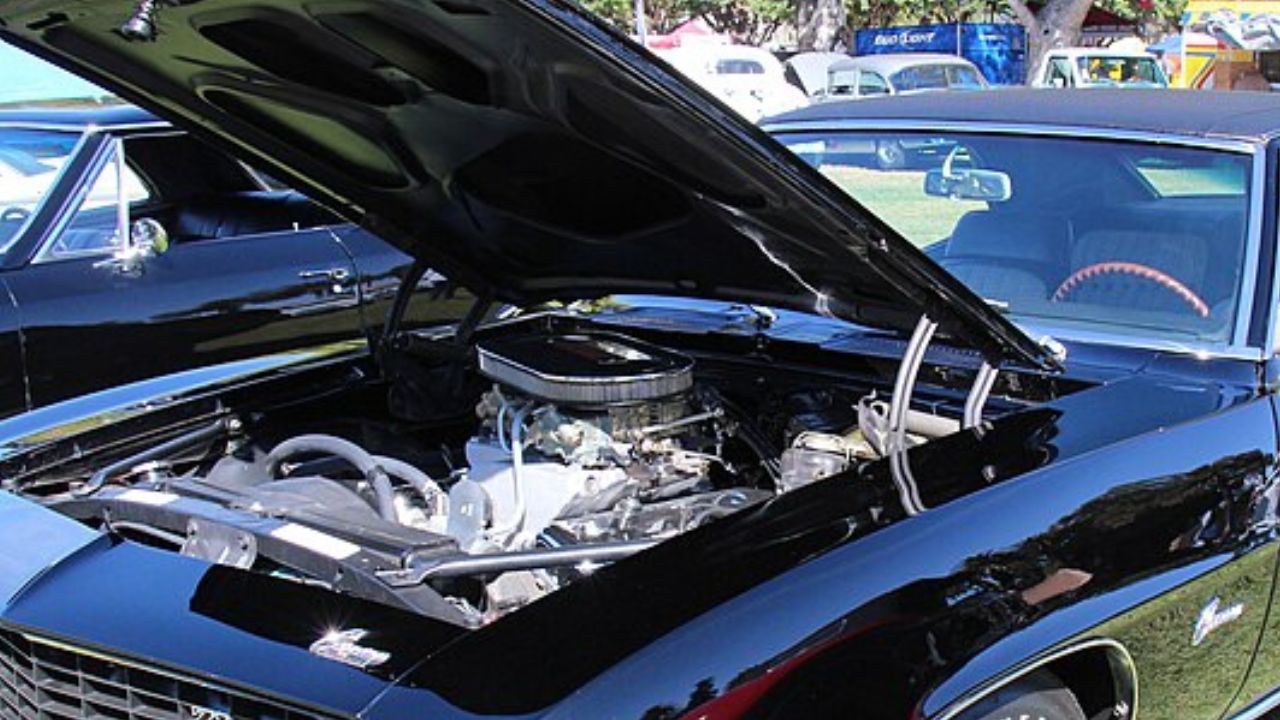
The number 427 became synonymous with extreme American performance during the 1960s. Chevrolet used the displacement for legendary engines such as the L88, while Ford developed its own famous 427 within the FE family. These engines were closely connected to racing and high-performance applications. The number remains instantly recognizable among enthusiasts who understand its importance.
409
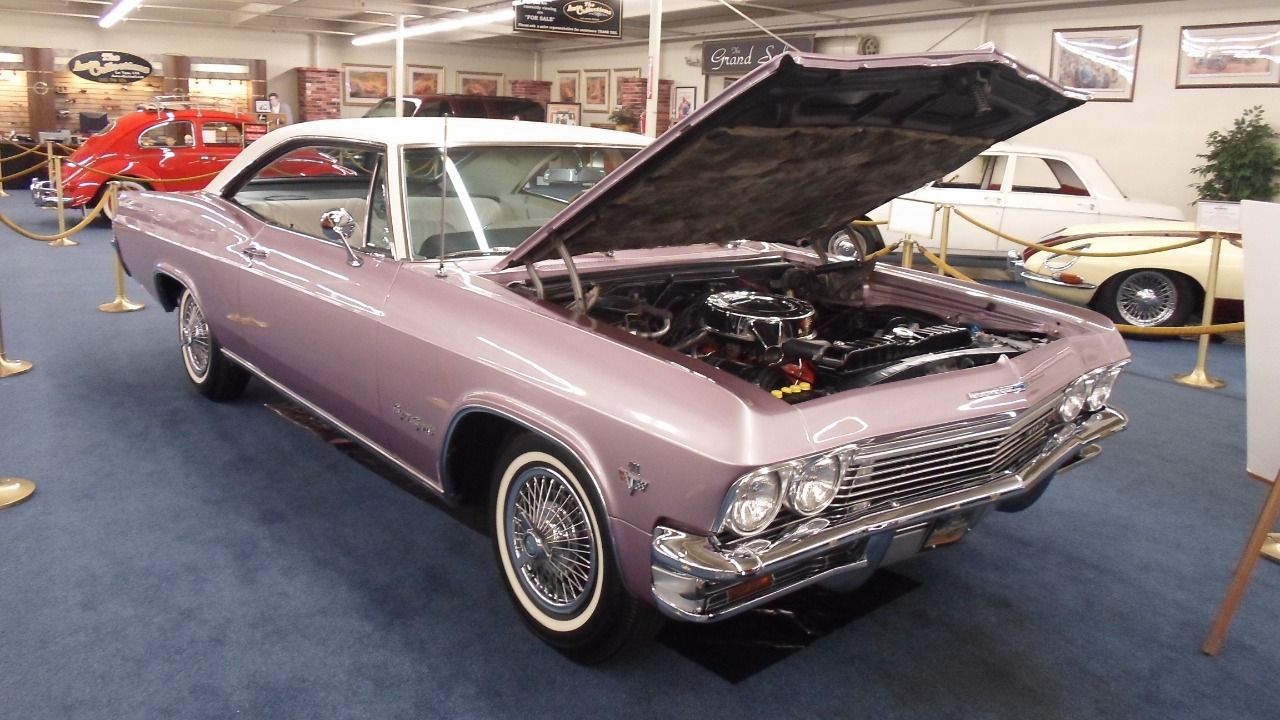
The Chevrolet 409 became one of the defining engine numbers of the early 1960s. Its big-block V8 offered strong performance in Chevrolet’s full-size cars and became especially famous through popular culture. High-output versions with multiple carburetors added even more excitement. Today, the number 409 remains a recognizable symbol of Chevrolet’s early performance era.
440
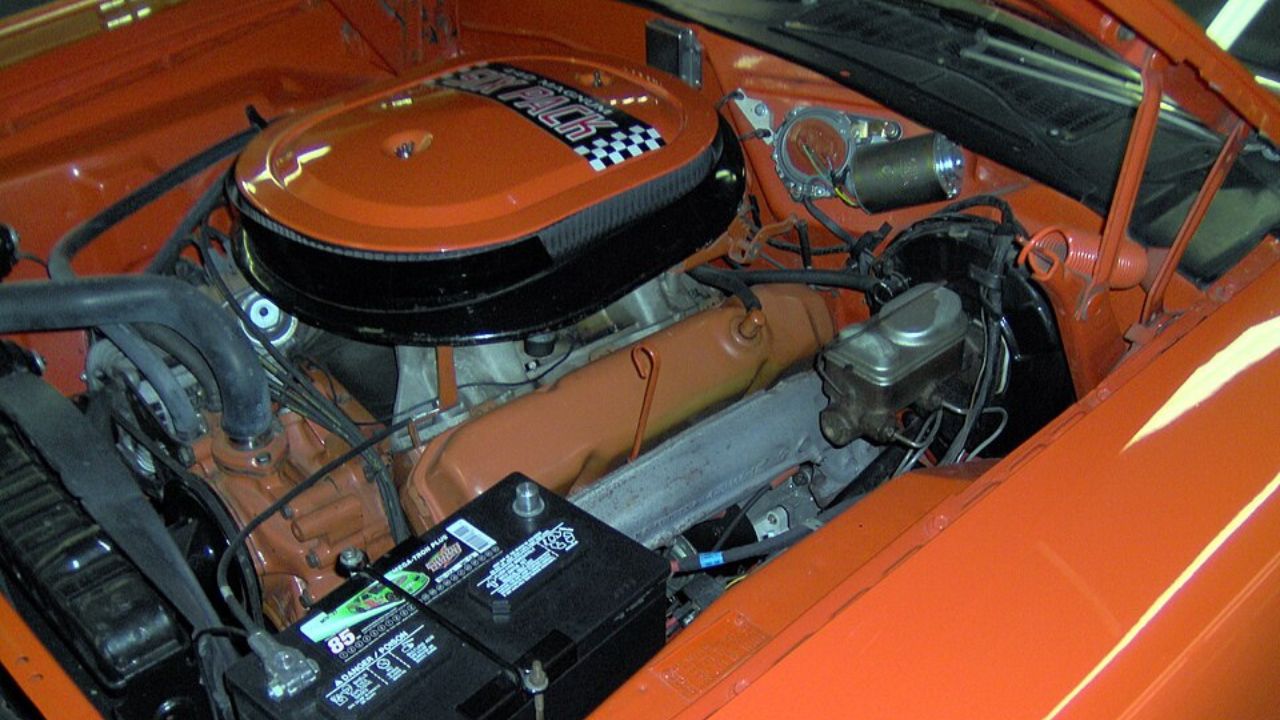
The Chrysler 440 became one of the most respected big-block numbers of the muscle-car era. Its large displacement produced tremendous torque, while versions such as the 440 Six-Pack added serious performance capability. It powered numerous Dodge and Plymouth models during the height of the muscle-car period. A genuine 440-powered Mopar still attracts immediate attention from enthusiasts.
455
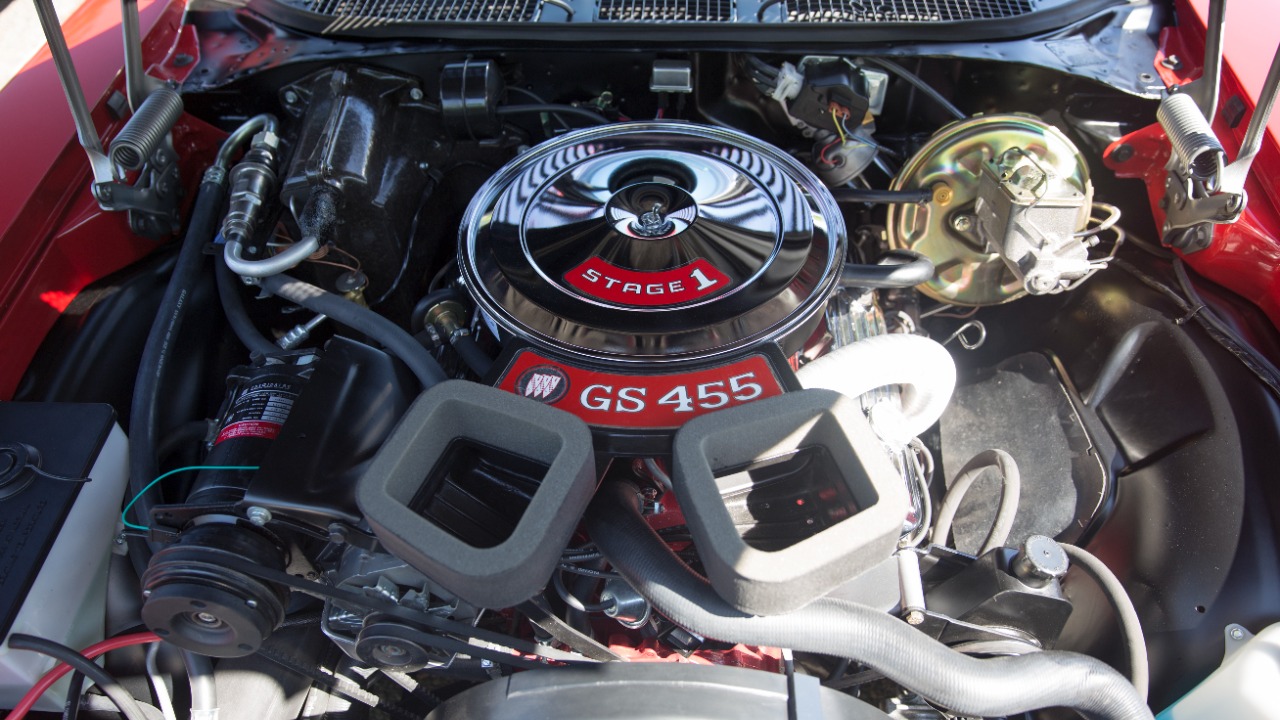
The 455 became an important number across several General Motors divisions. Pontiac, Buick, and Oldsmobile each developed their own 455-cubic-inch engines with different designs and personalities. High-output versions produced enormous torque and powered some of the most memorable muscle cars of the early 1970s. The number remains especially meaningful to dedicated GM enthusiasts.
302
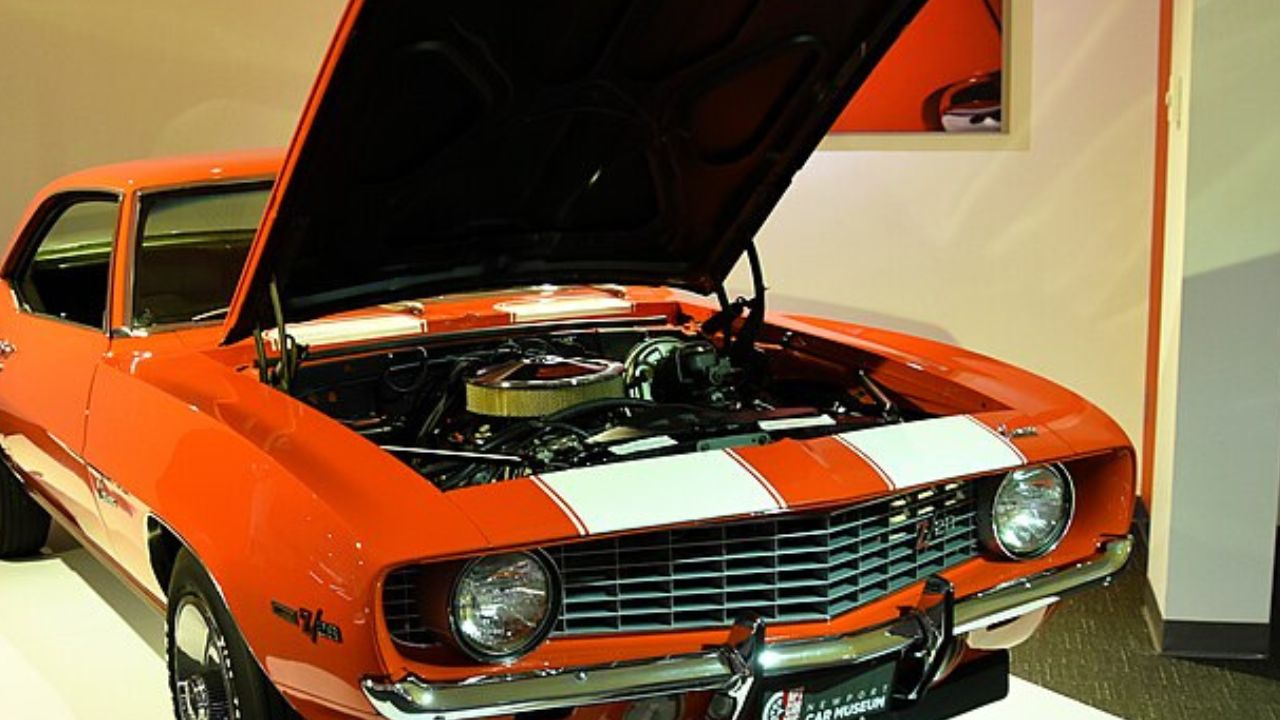
The 302 became famous for providing a compact performance engine with strong high-rpm potential. Chevrolet’s 302-powered Z/28 is perhaps its most famous application, while Ford also used 302-cubic-inch engines in numerous performance vehicles. The displacement became closely associated with road-racing-oriented American cars. Its combination of size and performance continues to make the number desirable.
350
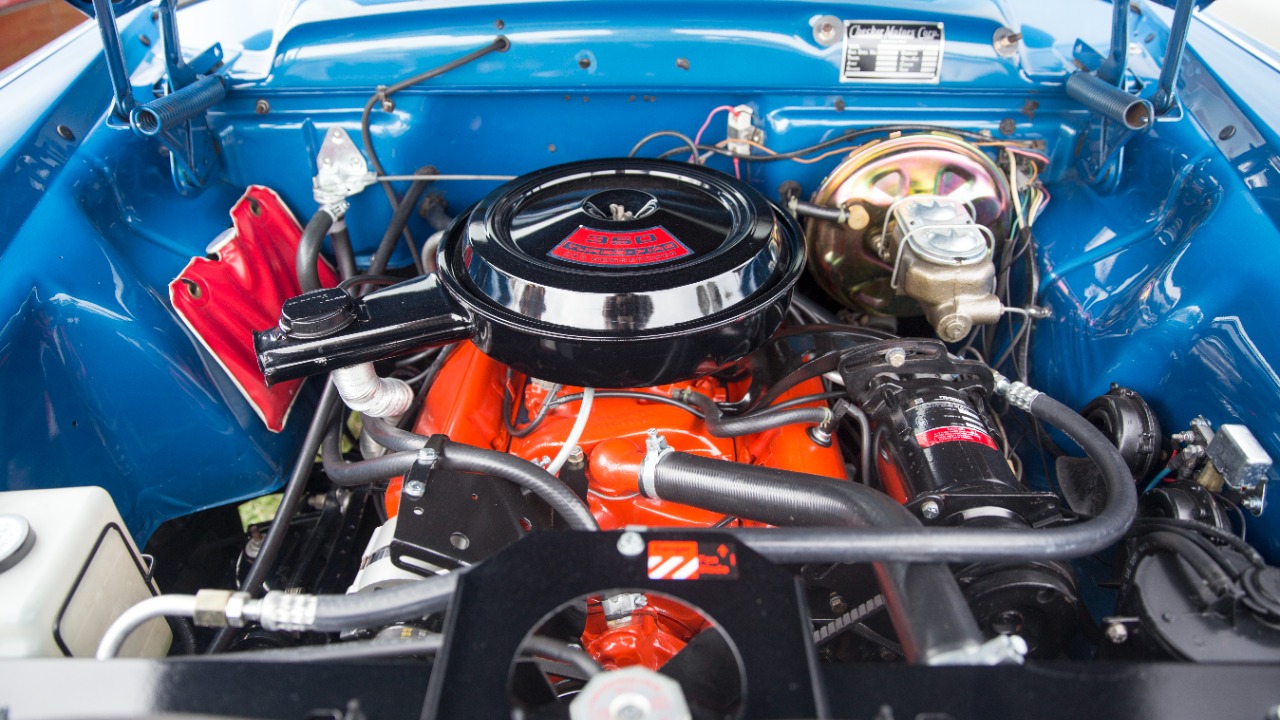
The Chevrolet 350 became one of the most familiar engine numbers in American automotive history. Its compact dimensions, strong performance potential, and enormous parts availability made it useful in everything from passenger cars to trucks. It also became a favorite foundation for hot rods and performance builds. Few engine numbers are as instantly recognizable as “350.”
2JZ
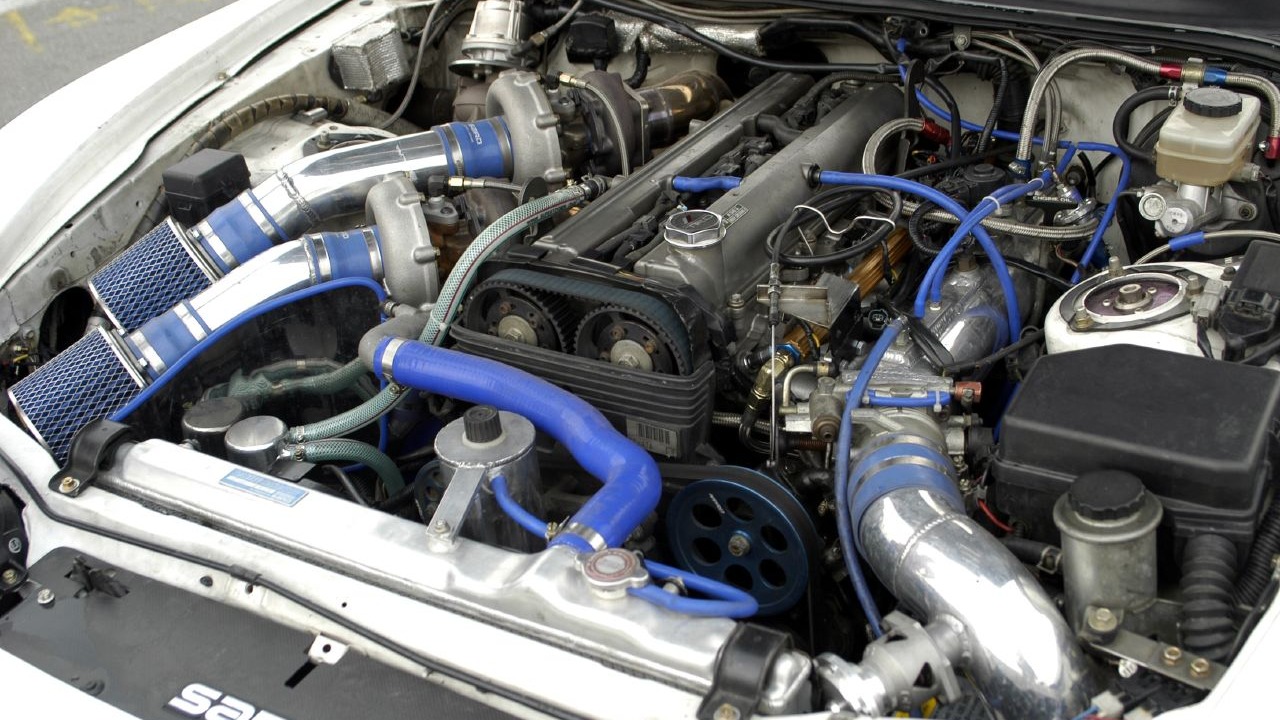
The Toyota 2JZ became a modern performance legend for very different reasons. Its inline-six architecture, strong iron block, and turbocharged 2JZ-GTE version gave it enormous tuning potential. The engine became closely associated with the Toyota Supra and the global tuning scene. Over time, “2JZ” evolved from an engine designation into a symbol of extreme horsepower potential.
More from Fast Lane Only
- Unboxing the WWII Jeep in a Crate
- 15 rare Chevys collectors are quietly buying
- 10 underrated V8s still worth hunting down
- Police notice this before you even roll window down
*Research for this article included AI assistance, with all final content reviewed by human editors