The early 2000s marked a significant renaissance for American automakers, particularly in the realm of high-performance V8 cars. As competition intensified, manufacturers sought to reclaim their dominance in the horsepower wars that initially surged in the 1960s and 1970s. This list highlights seven iconic V8 cars that played pivotal roles in reigniting this passion for power and performance in Detroit.
Ford Mustang SVT Cobra
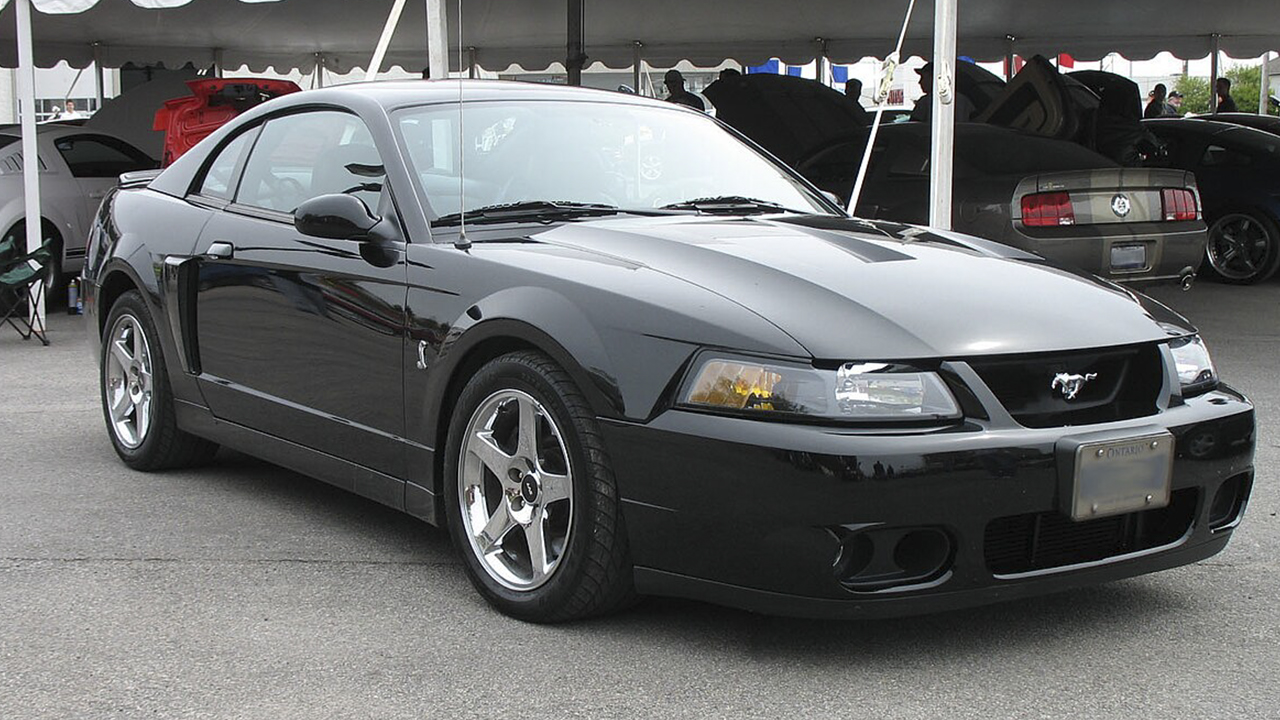
The Ford Mustang SVT Cobra, produced from 2003 to 2004, served as a powerful testament to Ford’s commitment to performance. With its supercharged 4.6-liter V8 engine, it generated a formidable 390 horsepower, enabling it to accelerate from 0 to 60 mph in just over five seconds. The SVT Cobra featured a distinct body kit and upgraded suspension, which enhanced its handling capabilities. This model not only paid homage to the Mustang’s storied heritage but also showcased Ford’s engineering prowess at a time when the muscle car segment was experiencing a resurgence. Collectors and enthusiasts still regard the SVT Cobra as a symbol of Ford’s performance philosophy.
Chevrolet Corvette C5 Z06
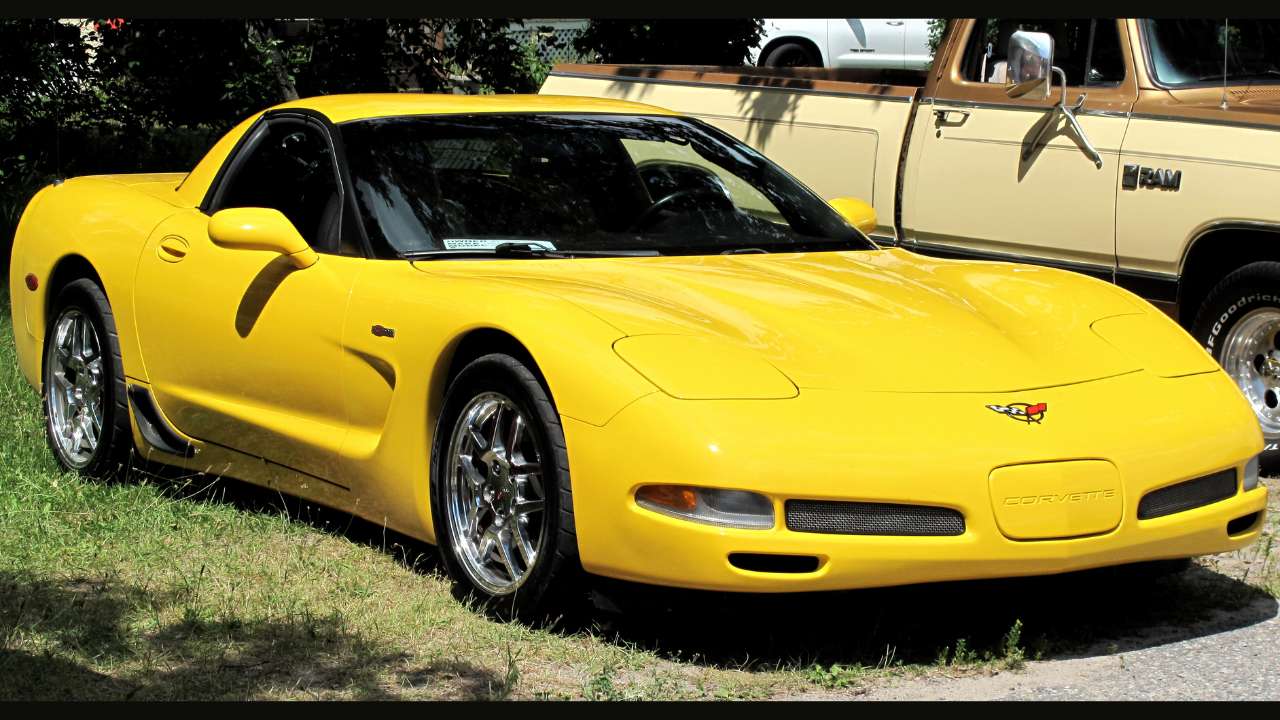
The Chevrolet Corvette C5 Z06, introduced in 2001, redefined the concept of American sports cars. It was equipped with a 5.7-liter V8 engine that produced an astonishing 405 horsepower, making it one of the fastest Corvettes of its time. The Z06 variant featured a lightweight design and a host of performance enhancements, including a more rigid chassis and improved aerodynamics. With its impressive acceleration and handling, the C5 Z06 was not just a car; it was a statement. It set new benchmarks for speed and performance, solidifying Chevrolet’s place in the heart of American automotive culture and igniting competition among its rivals.
Dodge Challenger SRT-8
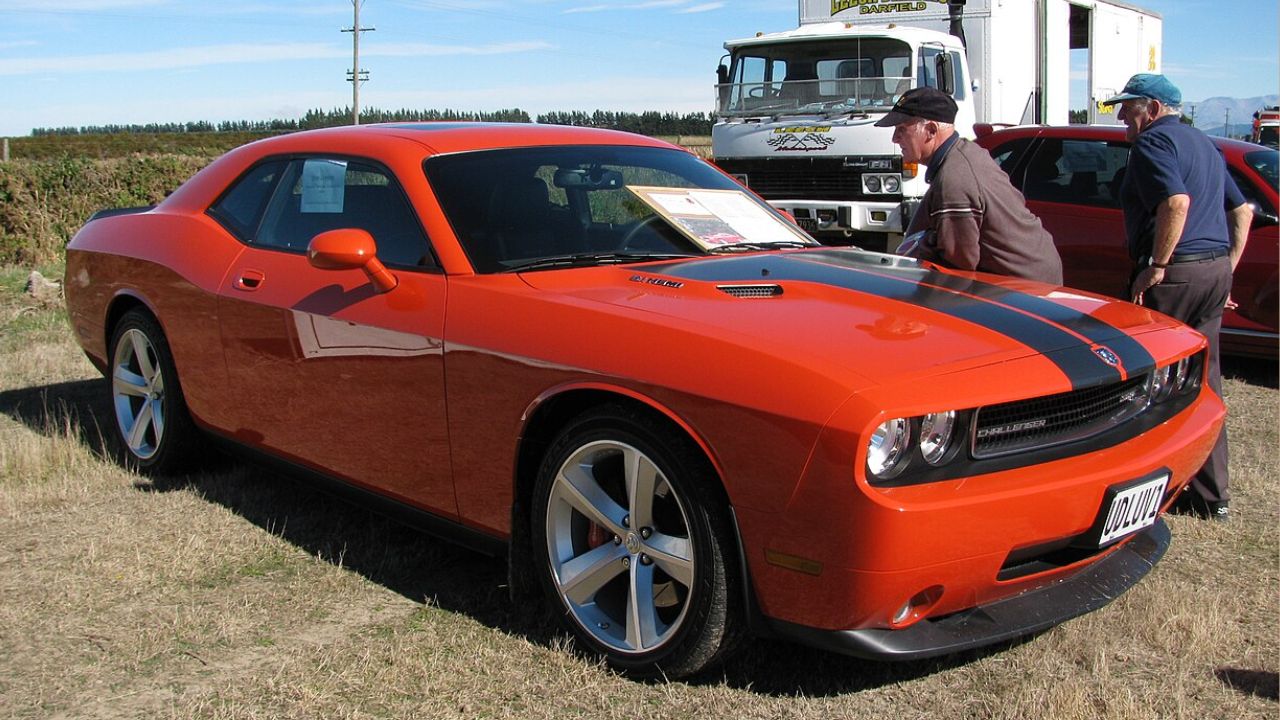
Launched in 2008, the Dodge Challenger SRT-8 was a bold revival of the classic muscle car, bringing back the spirit of the original Challenger. Powered by a 6.1-liter HEMI V8 engine, it delivered 425 horsepower and an unmistakable growl that appealed to enthusiasts. The Challenger’s retro design combined with modern performance features made it a standout in the muscle car market. It offered a range of performance options, including upgraded suspension and brakes, allowing drivers to experience both power and handling. The SRT-8 not only rekindled memories of the muscle car era but also set the stage for Dodge’s future performance models.
Pontiac GTO
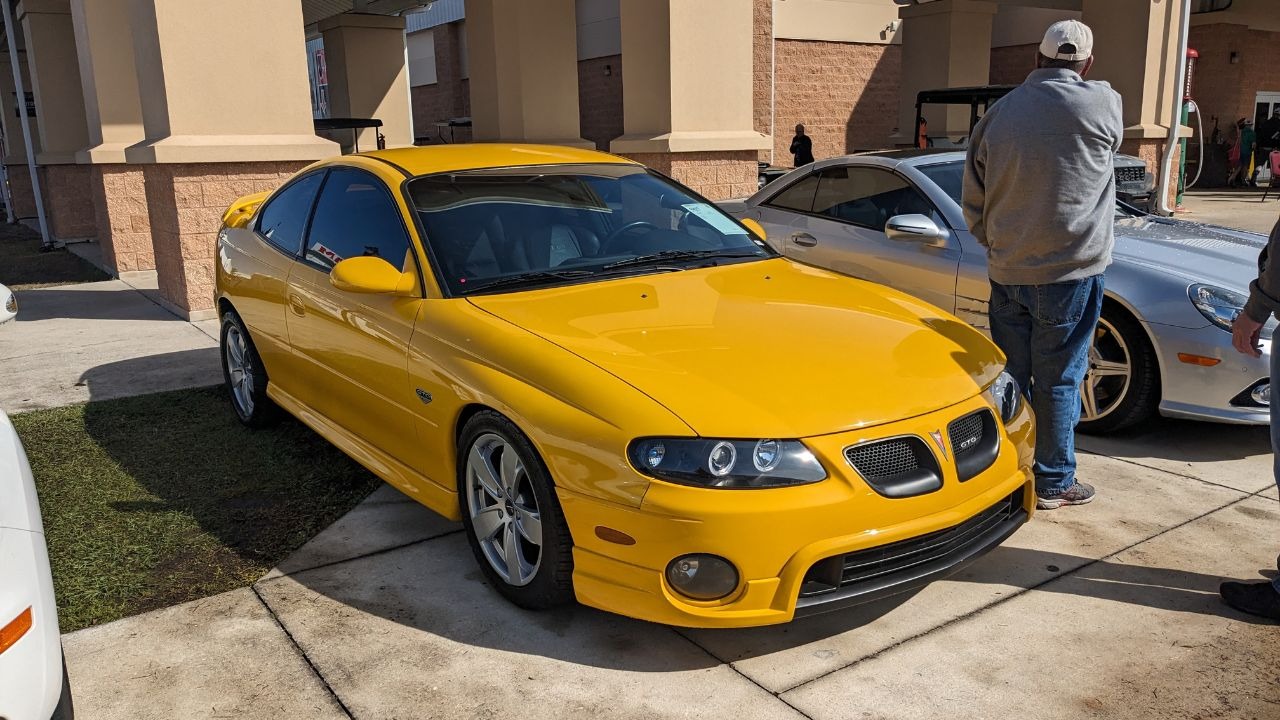
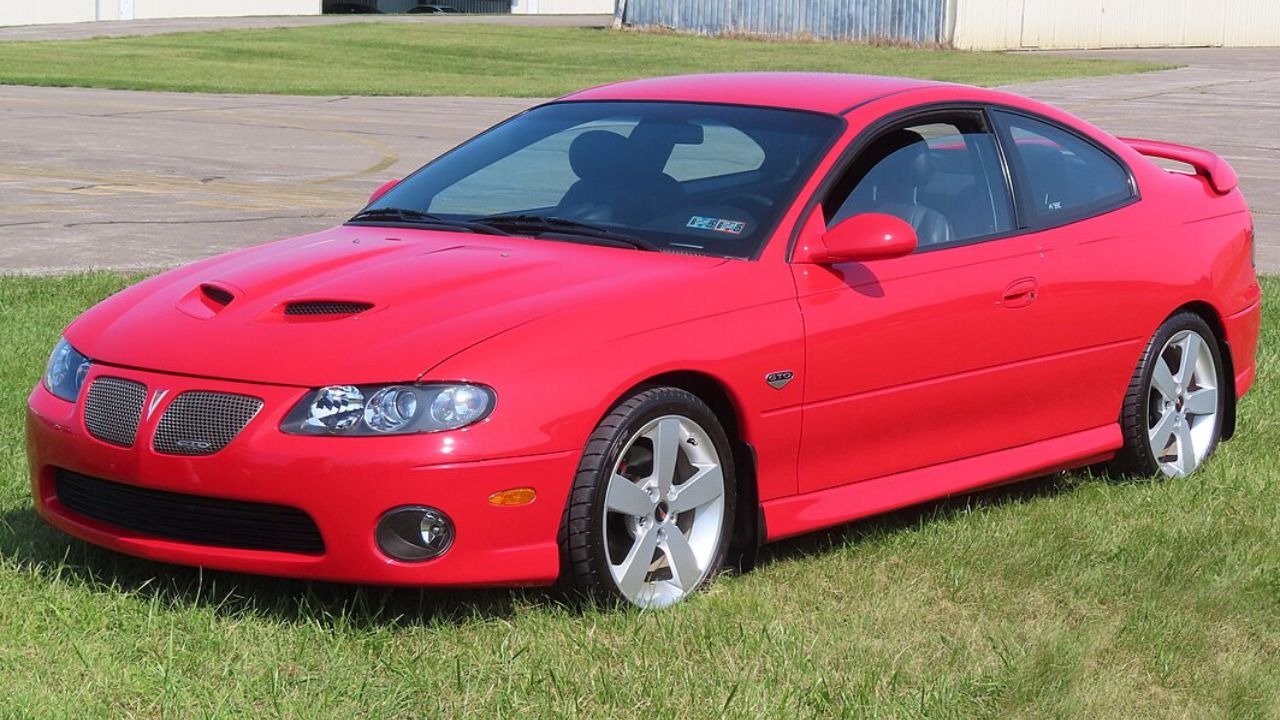
Reintroduced in 2004, the Pontiac GTO made waves with its blend of classic styling and modern performance. This iteration of the GTO featured a 5.7-liter V8 engine capable of producing 350 horsepower, allowing it to compete fiercely in the muscle car arena. Its understated design appealed to those who appreciated a more refined look while still packing a powerful punch under the hood. The GTO’s performance was complemented by rear-wheel drive and a well-tuned suspension, providing an engaging driving experience. Pontiac’s return of the GTO symbolized a commitment to performance that resonated with enthusiasts.
Chrysler 300C HEMI

The Chrysler 300C HEMI, launched in 2005, was a luxury sedan that boldly embraced the muscle car ethos. Its 5.7-liter HEMI V8 engine produced 340 horsepower, delivering a thrilling blend of luxury and performance. The 300C’s distinctive styling and spacious interior made it a favorite among buyers seeking a powerful yet comfortable vehicle. It represented a new direction for Chrysler, combining traditional American muscle with modern luxury features. The 300C HEMI’s success demonstrated that consumers were eager for powerful vehicles that didn’t compromise on comfort or style, further fueling the horsepower wars.
Chevrolet Camaro SS
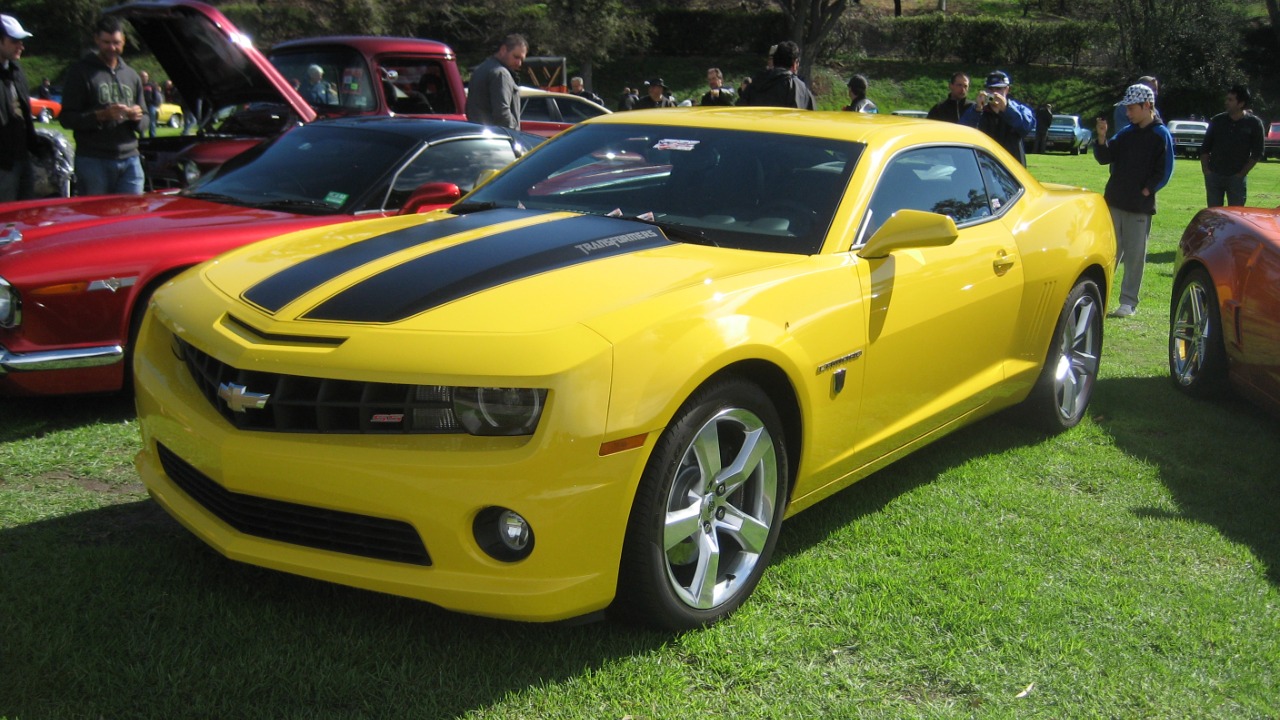
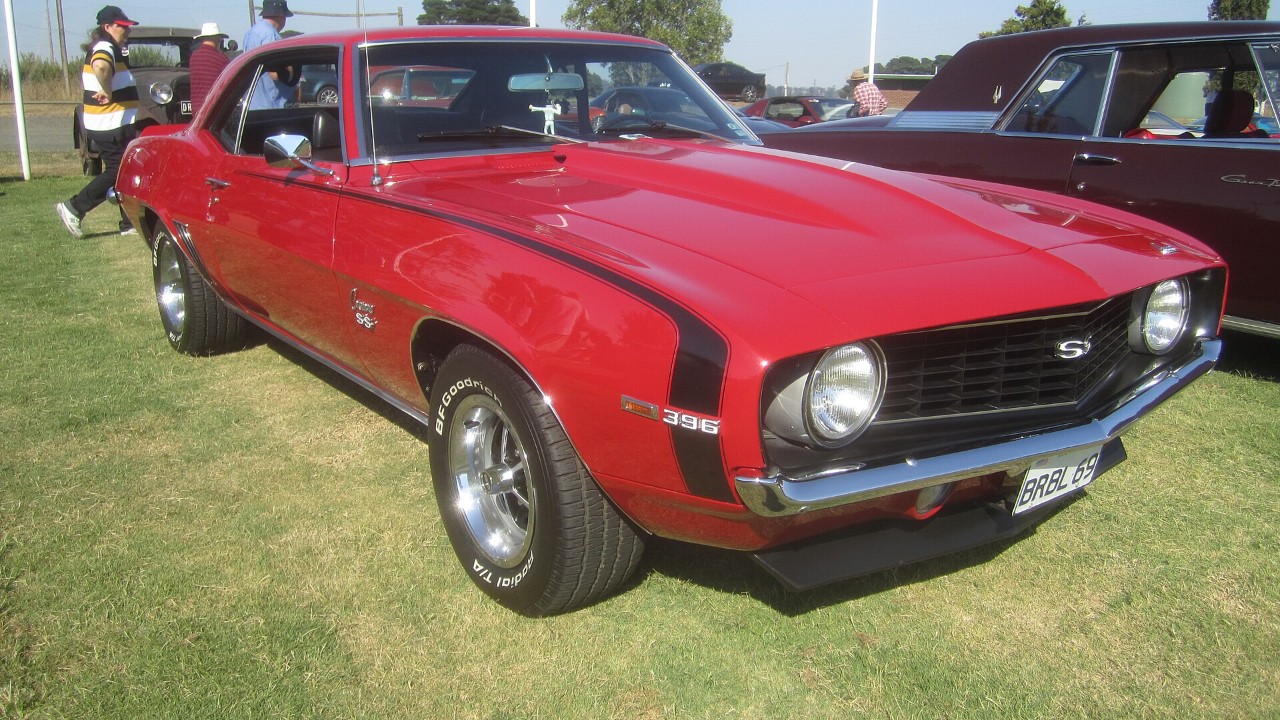
The Chevrolet Camaro SS returned to the market in 2010 with a vengeance, rekindling the flames of American muscle. With a 6.2-liter V8 engine generating 426 horsepower, the Camaro SS was a formidable contender against its rivals. The aggressive styling, combined with a performance-focused chassis, made it an instant classic among enthusiasts. Chevrolet equipped the Camaro with advanced technology, including performance-tuned suspension and brakes, ensuring that it delivered on both the track and the street. The resurgence of the Camaro SS played a crucial role in revitalizing interest in American muscle cars, demonstrating that the spirit of performance was alive and well.
Cadillac CTS-V
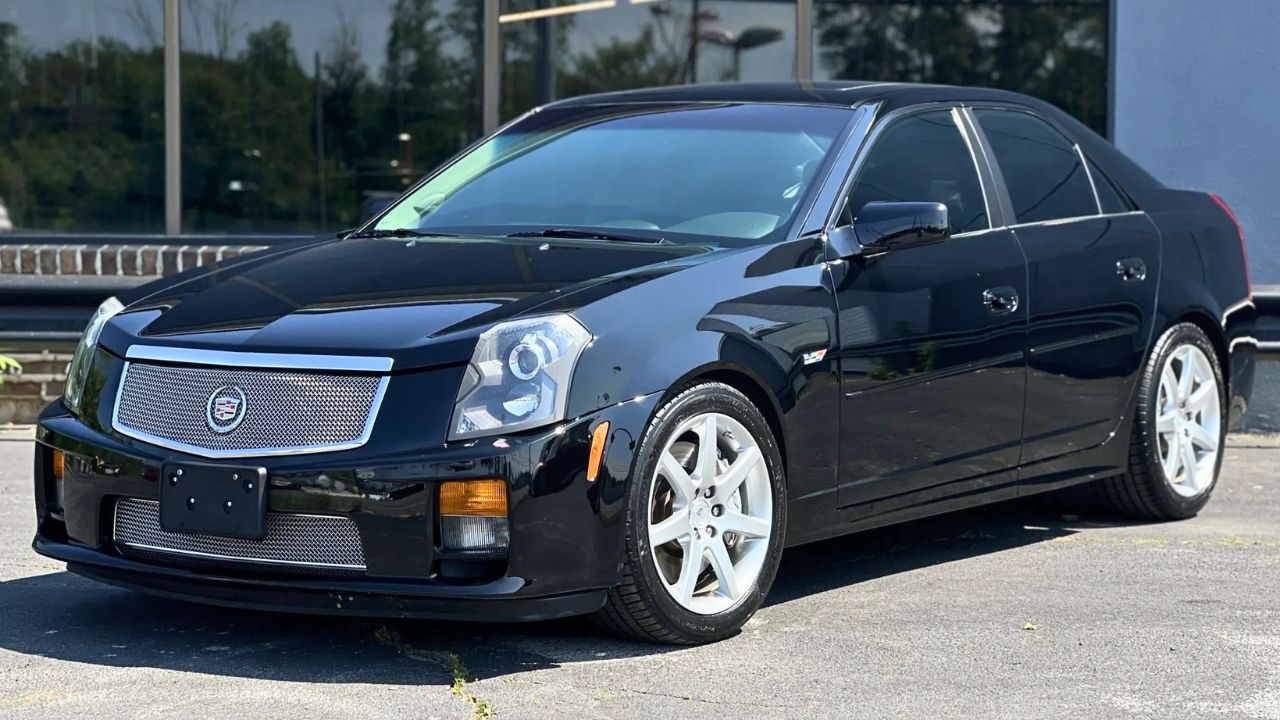
The Cadillac CTS-V, launched in 2004, was a daring move by Cadillac to enter the high-performance realm. With a supercharged 6.2-liter V8 engine producing 556 horsepower, it was one of the fastest sedans available at the time. The CTS-V combined luxury with astonishing performance, featuring refined interiors and cutting-edge technology. Its track-focused capabilities were evident, as it was designed to compete with European sports sedans. The introduction of the CTS-V showcased Cadillac’s commitment to redefining American luxury performance, challenging perceptions and solidifying its place in the competitive landscape of high-powered vehicles.
More from Fast Lane Only