In the world of high-performance vehicles, some engines have become iconic for their raw power and engineering prowess. However, due to increasing emissions regulations and environmental concerns, several of these engines have faced bans or restrictions. Here’s a look at seven notable engines that have been curtailed or outlawed, highlighting their significance in automotive history.
The Dodge Viper V10
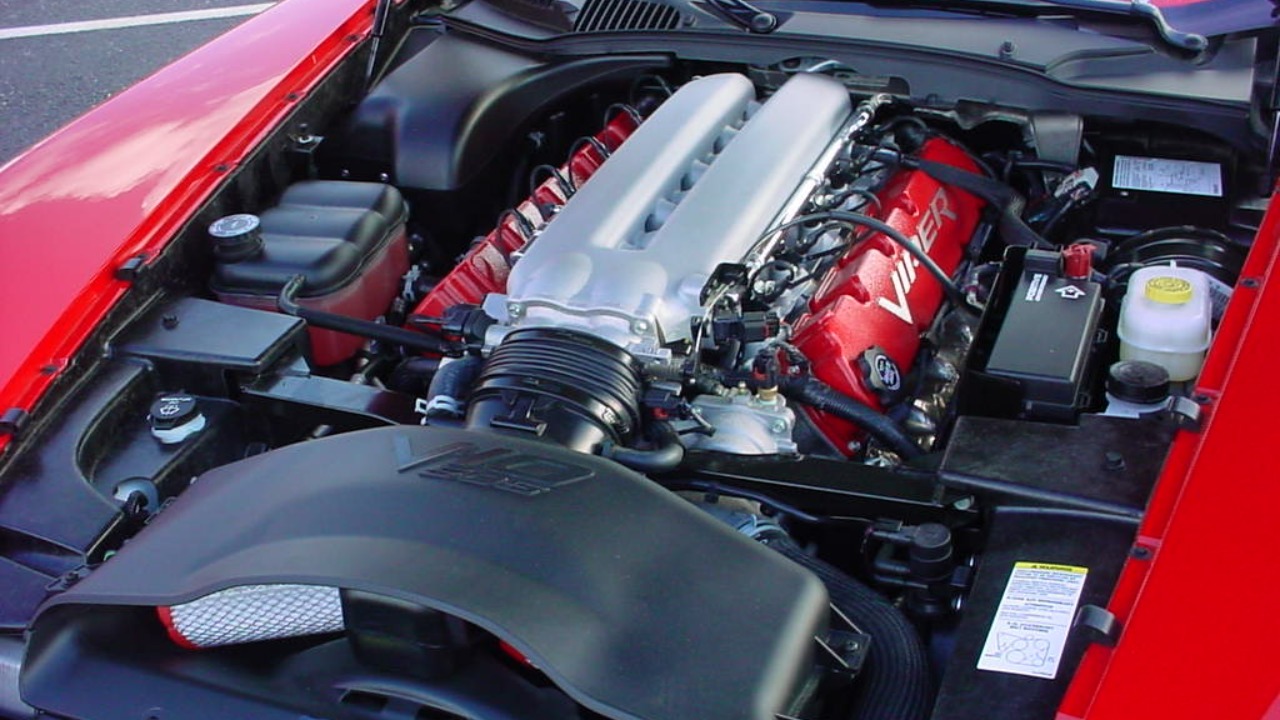
The Dodge Viper V10 engine, renowned for its immense power and distinctive growl, has been a symbol of American muscle since its debut in the early 1990s. With displacements ranging from 8.0 to 8.4 liters, this engine produced up to 645 horsepower in its final iterations before the Viper was discontinued in 2017. Its sheer performance made it a favorite among enthusiasts, but the lack of modern emissions controls and the engine’s high output led to its downfall. As stricter regulations come into play, the V10 has become a relic of a bygone era, leaving many fans yearning for its return.
For those interested in the technical side, the V10’s unique design featured a lightweight aluminum block and a high-revving nature, which contributed to its thrilling driving experience. However, the engine’s inefficiencies in terms of emissions and fuel consumption ultimately led to its classification as environmentally unfriendly. This iconic engine serves as a reminder of the balancing act between performance and responsibility in today’s automotive landscape.
Plymouth Superbird’s 426 Hemi
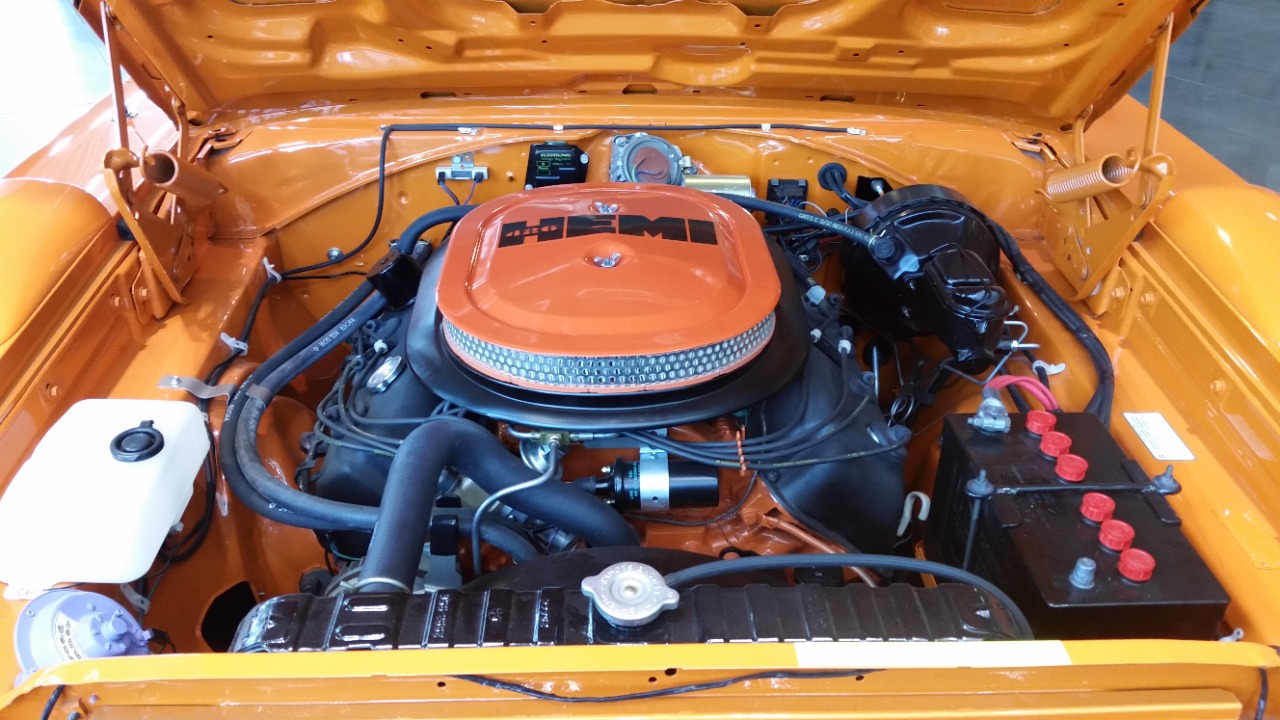
The Plymouth Superbird, launched in 1970, was a remarkable vehicle powered by the legendary 426 Hemi engine. With an output of 425 horsepower, it was designed for NASCAR dominance, combining aerodynamics with raw power. However, the 426 Hemi’s fuel consumption and emissions profile led to its restriction in various markets.
The Superbird’s distinctive design and performance made it a cultural icon, but its engine was ultimately a casualty of the oil crisis and environmental regulations. Today, the Superbird is a collector’s item, with enthusiasts cherishing the power of the Hemi while recognizing the reasons behind its decline. The legacy of the Hemi lives on in the hearts of muscle car fans.
The Bugatti Chiron W16
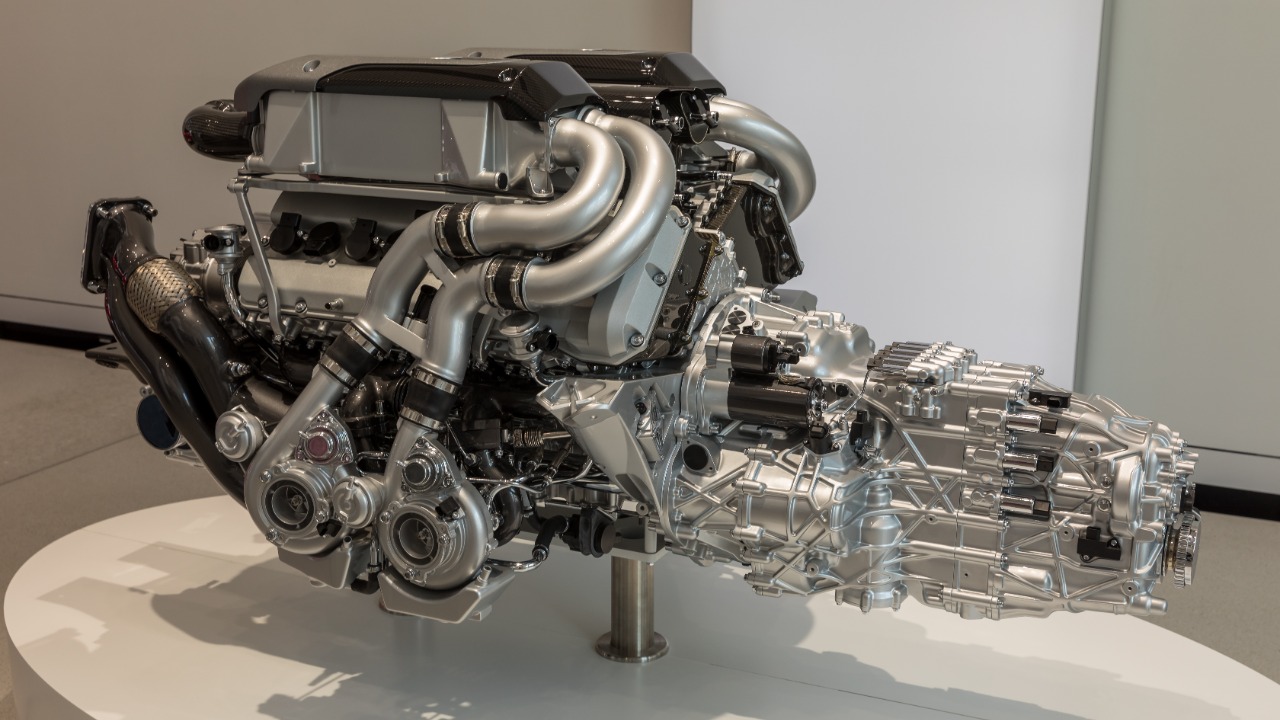
The Bugatti Chiron, featuring its remarkable quad-turbocharged W16 engine, stands as one of the most powerful production cars ever made. With an output of 1,479 horsepower, this engine is a technological marvel, allowing the Chiron to reach speeds exceeding 300 mph. However, the sheer power and fuel consumption associated with the Chiron’s W16 have drawn scrutiny from environmental regulators. As emission standards tighten globally, the future of such hypercars is becoming increasingly uncertain.
As an example, Bugatti’s incredible engineering achievements are being challenged by the need for sustainability. The W16’s massive horsepower figures are impressive, but they come at a cost. It raises questions about the future of hypercars in a world that is progressively leaning towards electric vehicles. The automotive community eagerly awaits how Bugatti will adapt its legendary performance to meet new environmental challenges.
Toyota 2JZ-GTE
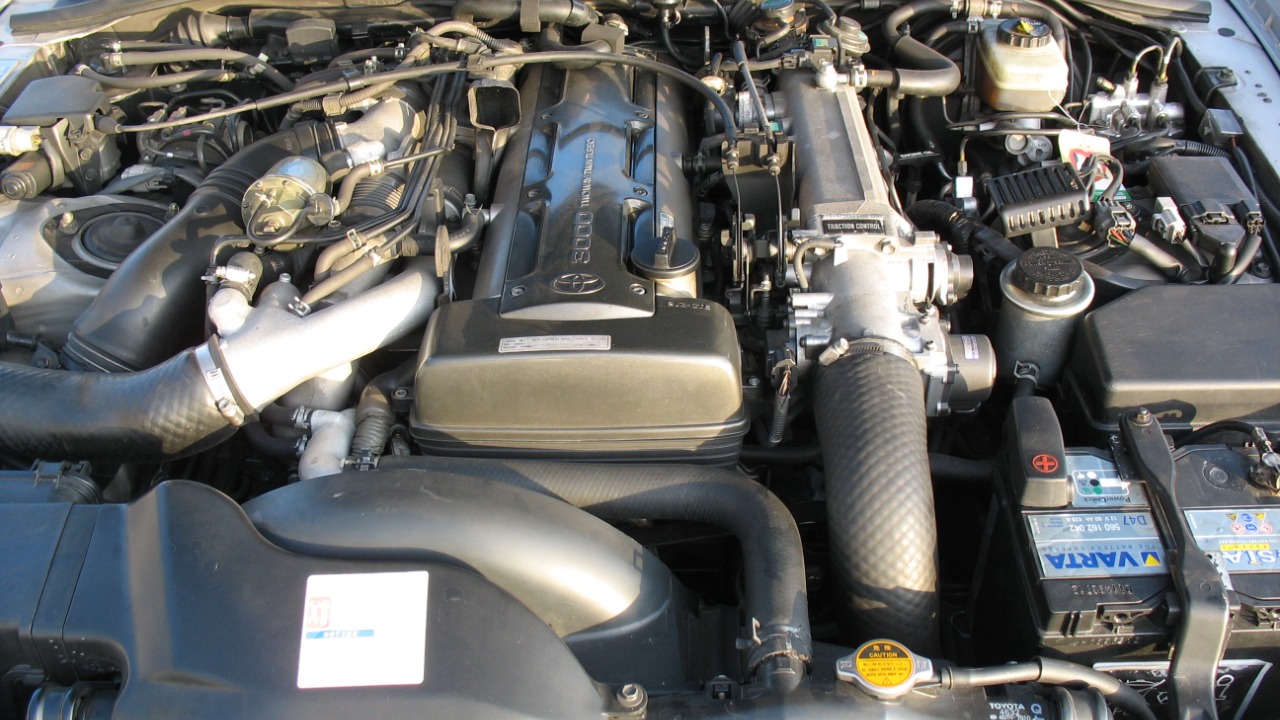
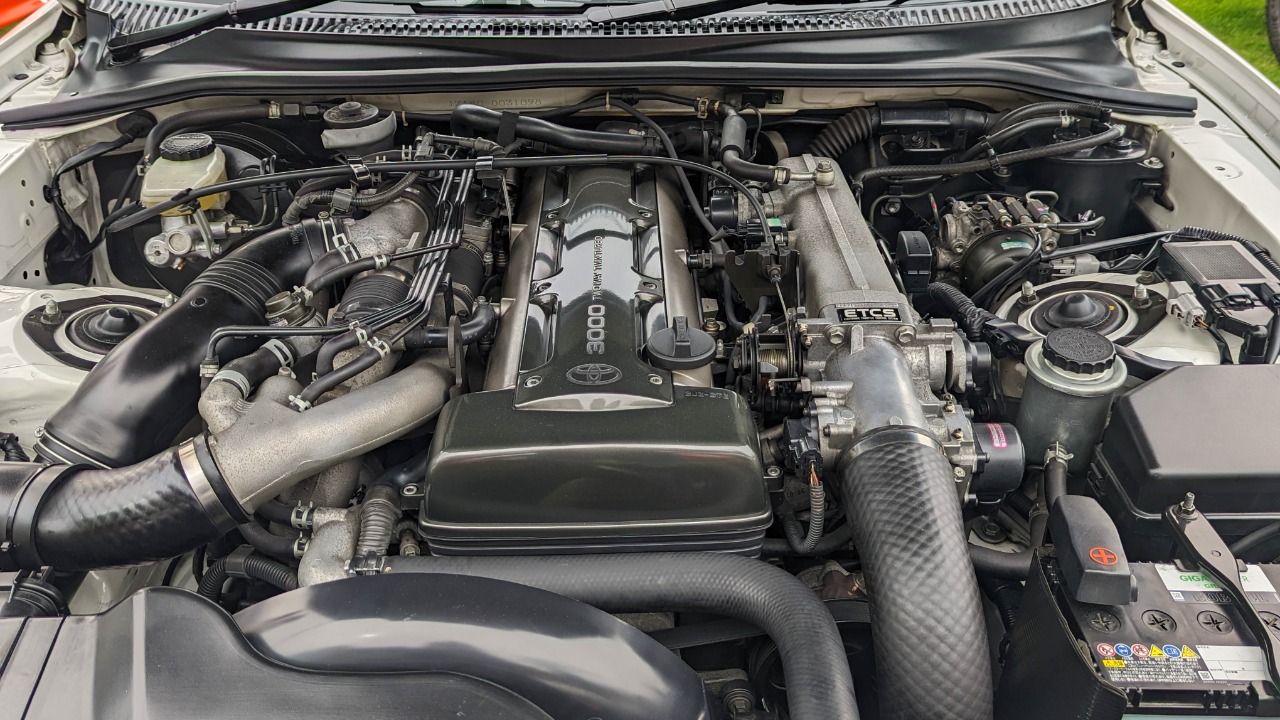
The Toyota 2JZ-GTE engine, famous for its role in the Toyota Supra MK4, is celebrated for its impressive power potential and tuning capabilities. With stock outputs of around 276 horsepower, it quickly gained a reputation among car enthusiasts for its ability to handle significantly more power with the right modifications.
However, as performance became more accessible, the 2JZ-GTE was restricted in various markets due to increasing emissions standards. The engine, while powerful, became a target for regulators aiming to reduce pollution. Despite these challenges, the 2JZ-GTE has maintained its status as a performance icon, often featured in car builds around the world.
Dodge Charger 440 V8
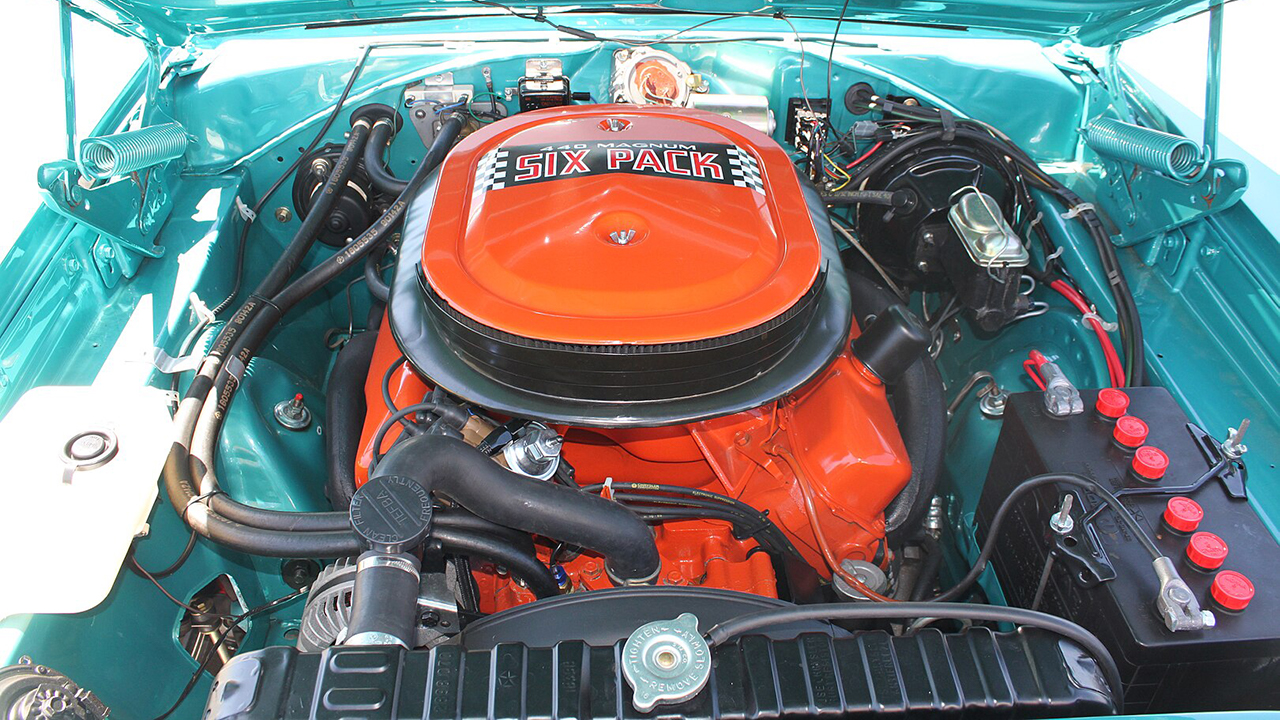
The Dodge Charger 440 V8, produced during the muscle car era of the late 1960s and early 1970s, showcased a blend of style and performance. With a powerful 7.2-liter engine capable of producing up to 375 horsepower, it became a symbol of American automotive might. However, due to rising insurance costs and increasing emissions regulations, the Charger 440 faced restrictions that diminished its market appeal.
The combination of high performance and environmental concerns led to a decline in production, eventually phasing out many of the performance-oriented models. Today, the Charger 440 is celebrated for its classic design and exhilarating performance, even as we navigate the realities of modern automotive legislation.
The Nissan GT-R VR38DETT
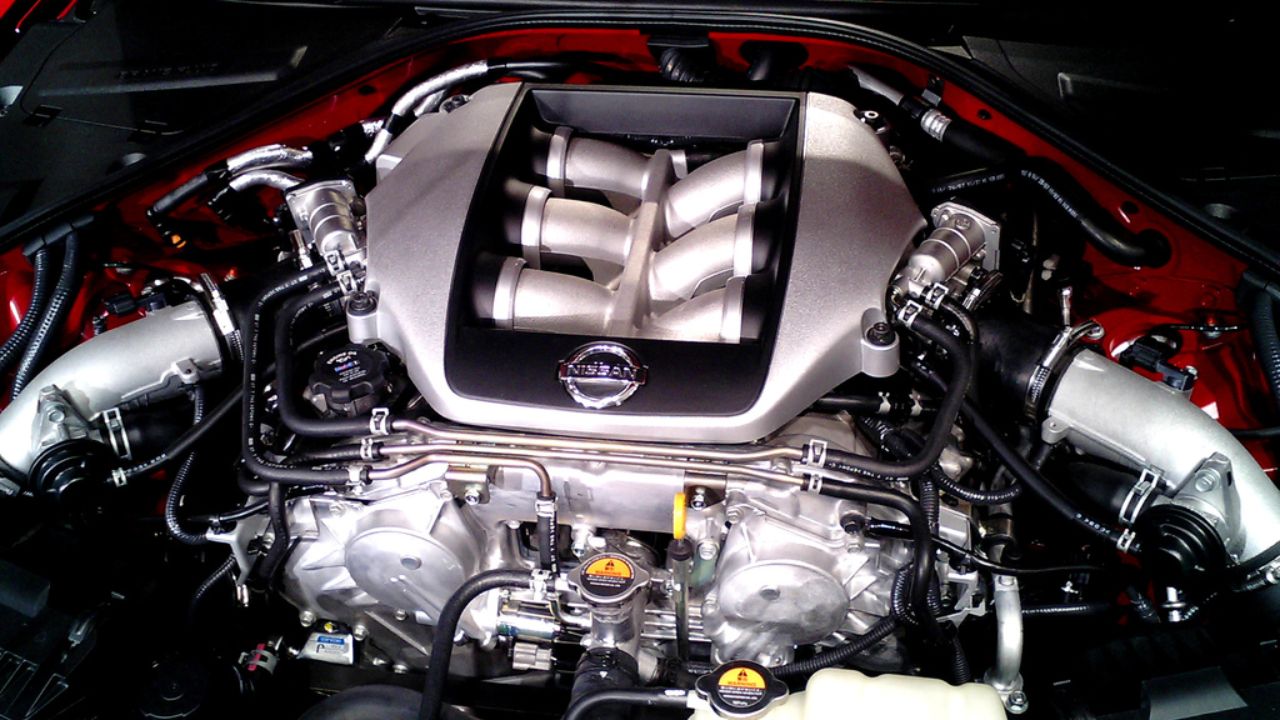
The Nissan GT-R, powered by the legendary VR38DETT engine, has become synonymous with high performance and advanced engineering. With a 3.8-liter twin-turbo V6 generating 565 horsepower, this engine set the benchmark for sports cars when it was first introduced. However, as emissions regulations tighten, the GT-R’s future is under threat. The VR38DETT has been a standout performer on the road and track, but its high output and fuel consumption raise concerns in today’s regulatory environment.
Nissan has been exploring various ways to adapt its performance-focused vehicles, and the GT-R will need to evolve to stay compliant. The shift towards electrification in the automotive industry poses challenges, but it also presents opportunities for innovation. The VR38DETT’s legacy will likely influence Nissan’s approach to future performance models, as they seek to balance speed with environmental responsibility.
The Lamborghini Aventador V12
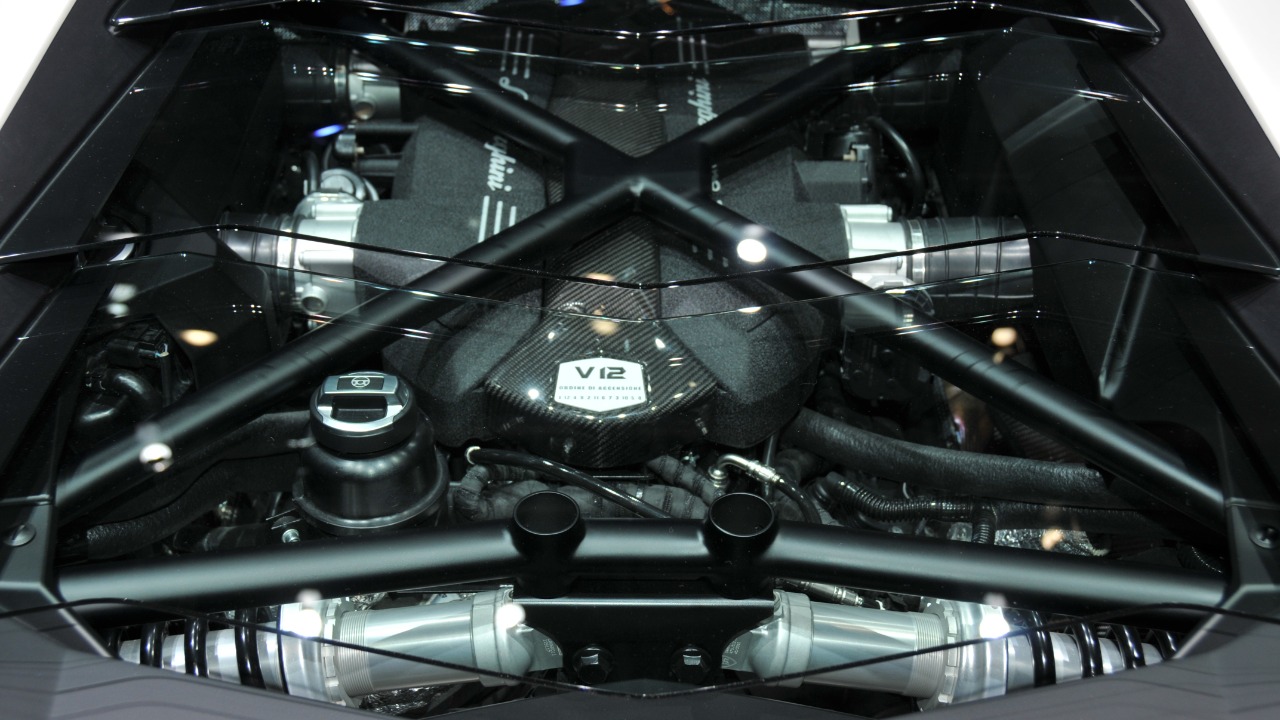
The Lamborghini Aventador, powered by a naturally aspirated 6.5-liter V12 engine, is an automotive masterpiece known for its breathtaking performance and unmistakable sound. With up to 730 horsepower, the Aventador has captivated enthusiasts since its launch in 2011. However, the high output and environmental impact of such engines have led to increased regulatory scrutiny, making the future of the Aventador and its V12 uncertain.
Lamborghini has already announced plans to transition to hybrid powertrains, indicating a shift in focus towards sustainability. The Aventador’s V12 engine represents a pinnacle of performance, but as regulations evolve, manufacturers must adapt to survive. The transition to electric and hybrid powertrains is not just a trend; it’s becoming a necessary reality for automakers committed to reducing emissions. The Aventador is a reminder of the power that once was but also a glimpse into the future of high-performance vehicles.
More from Fast Lane Only
- Unboxing the WWII Jeep in a Crate
- 15 rare Chevys collectors are quietly buying
- 10 underrated V8s still worth hunting down
- Police notice this before you even roll window down
*Research for this article included AI assistance, with all final content reviewed by human editors.