Some cars introduced ideas that seemed strange, unnecessary, or simply too ambitious when they arrived. Years later, many of those same ideas became common across the automotive industry. These forgotten classics experimented with engineering, safety, aerodynamics, comfort, and practicality in ways that pushed their manufacturers beyond the usual formula. They may not have been major sales successes, but each one offered a glimpse of where the automobile was heading.
Citroën DS
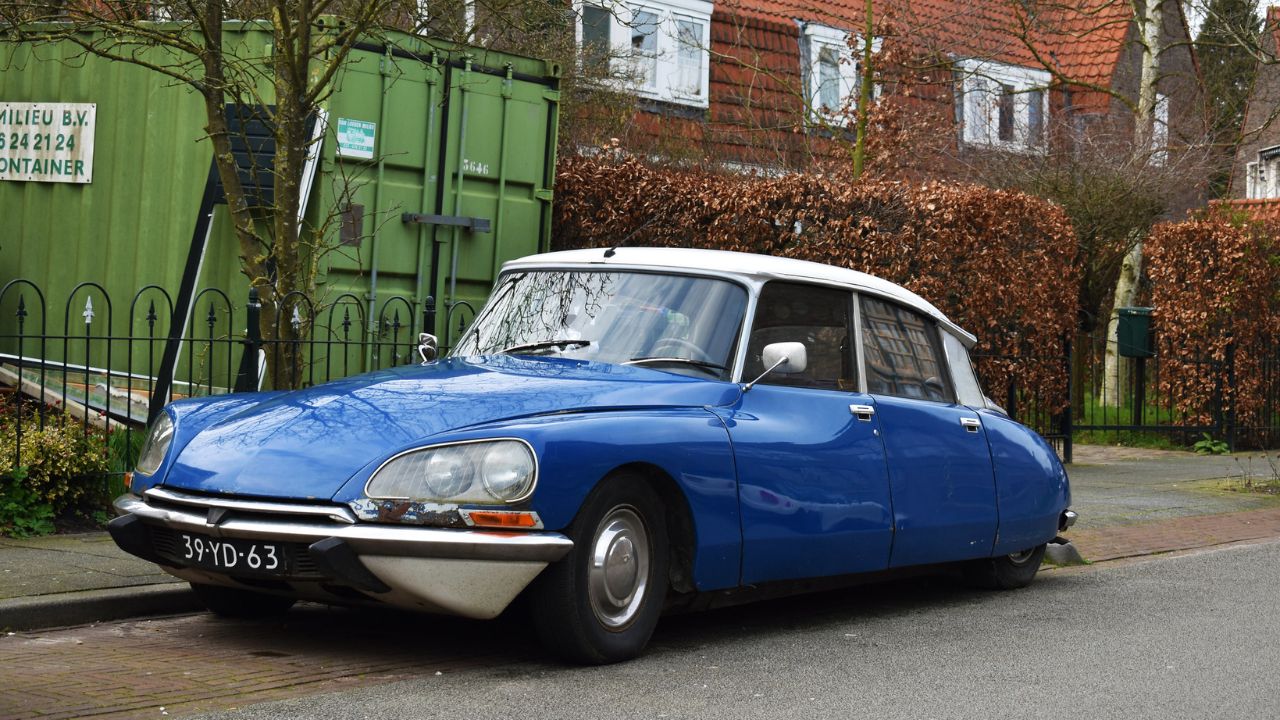
The Citroën DS looked futuristic from the moment it appeared, but its engineering was even more remarkable. Its hydropneumatic suspension provided an exceptionally smooth ride, while advanced braking and steering systems gave it a distinctly modern feel. The aerodynamic body also reduced wind resistance. Although its complicated design could be demanding to maintain, the DS showed how far an automaker could push technology in a family car.
Oldsmobile Toronado
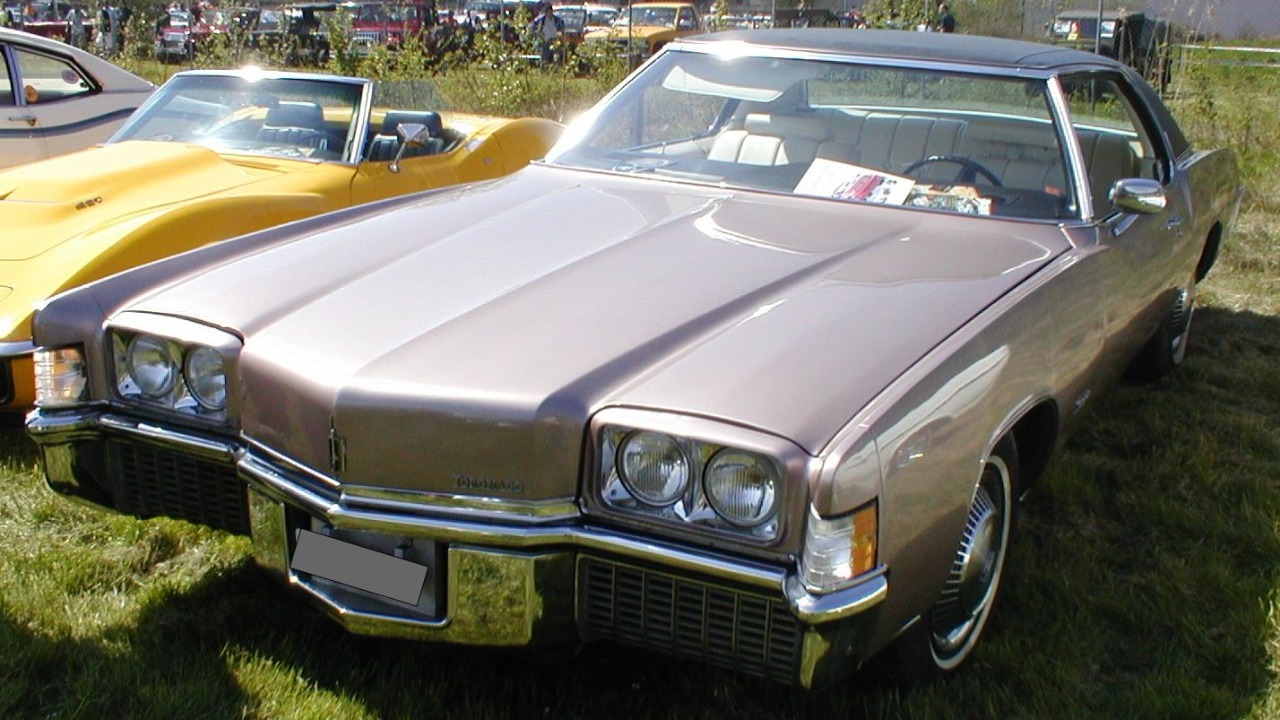
The Oldsmobile Toronado challenged the idea that a large American performance car needed rear-wheel drive. Its front-wheel-drive layout was paired with a powerful V8, requiring engineers to develop an unusual drivetrain arrangement. The result was a dramatic coupe with strong performance and surprisingly useful packaging. The Toronado demonstrated that front-wheel drive could work in a large, powerful automobile long before the layout became common.
NSU Ro 80
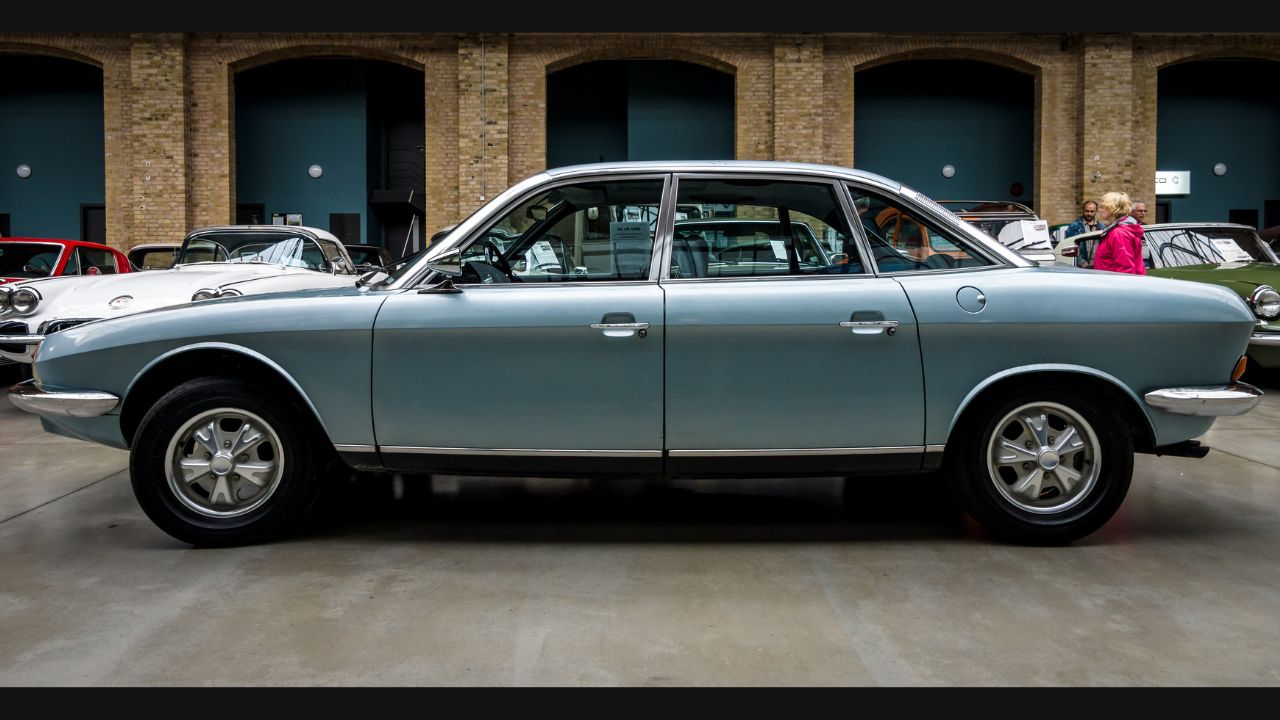
The NSU Ro 80 looked like it had arrived from the future, with its clean aerodynamic shape and unusual rotary engine. Front-wheel drive and a sophisticated suspension added to its advanced character. The rotary engine offered smooth operation and strong performance for its size, although reliability problems eventually hurt the car’s reputation. Despite its commercial struggles, the Ro 80 remains one of the boldest experiments of its era.
Saab 99
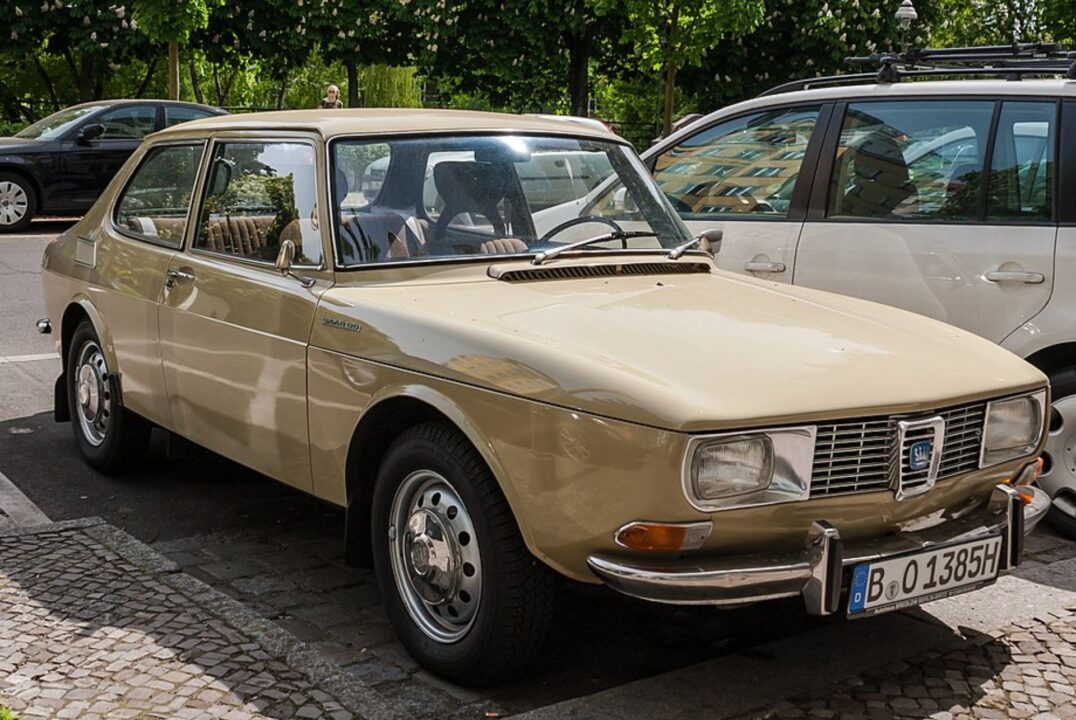
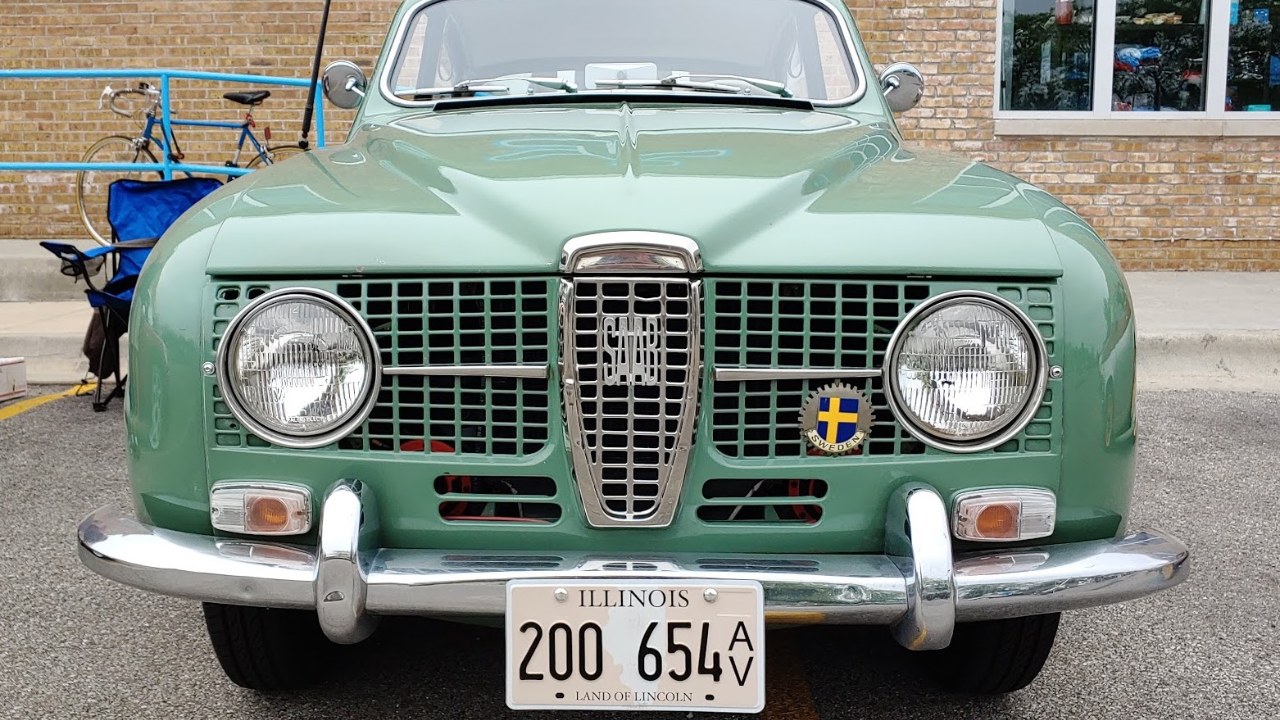
The Saab 99 brought unconventional thinking to the family car market. Its front-wheel-drive layout, strong passenger protection, and unusual interior design reflected the company’s aviation-inspired approach to engineering. Later versions also helped make turbocharging more accessible in an everyday car. The 99 was never a mainstream American favorite, but it demonstrated that practical family transportation could incorporate performance and safety ideas that other manufacturers would later adopt.
Renault 5
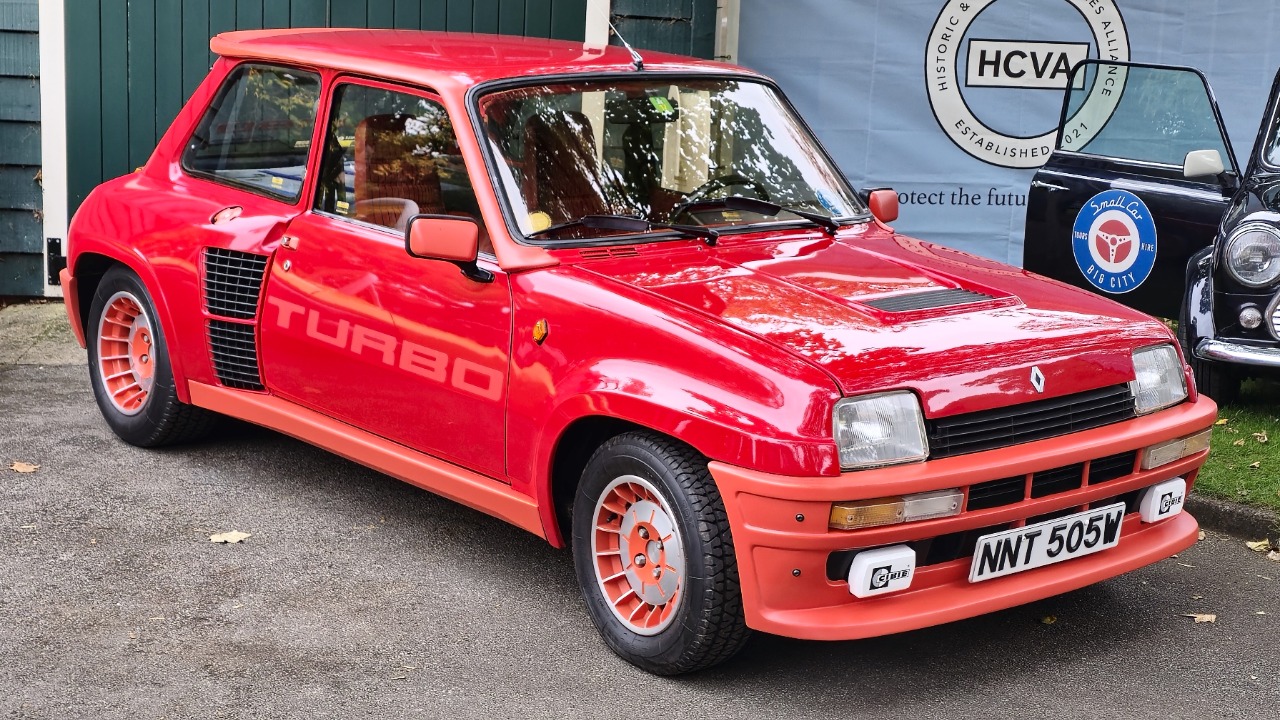
The Renault 5 helped establish the small hatchback as an extremely practical form of transportation. Its compact dimensions made it easy to drive in crowded cities, while the front-wheel-drive layout and rear hatch provided useful interior space. The design was simple but clever, combining efficiency with everyday practicality. As European buyers increasingly embraced compact cars, the Renault 5’s basic formula became influential far beyond its original market.
Volvo 240
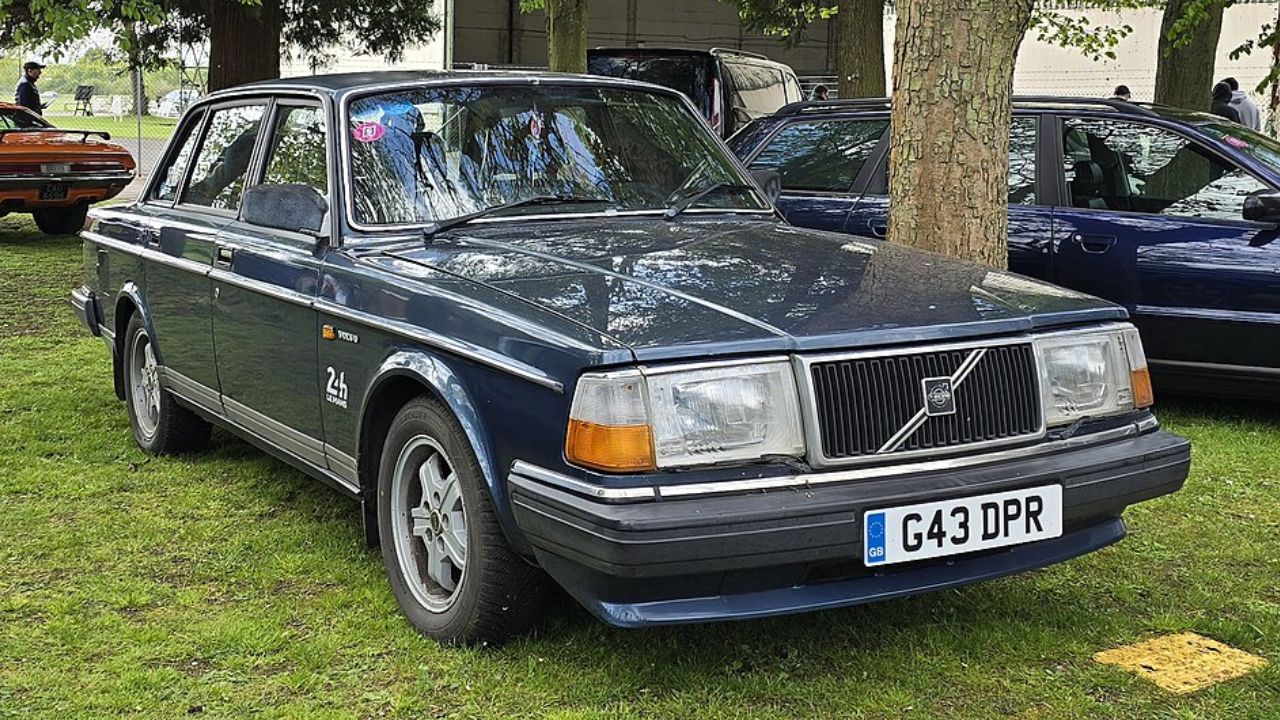
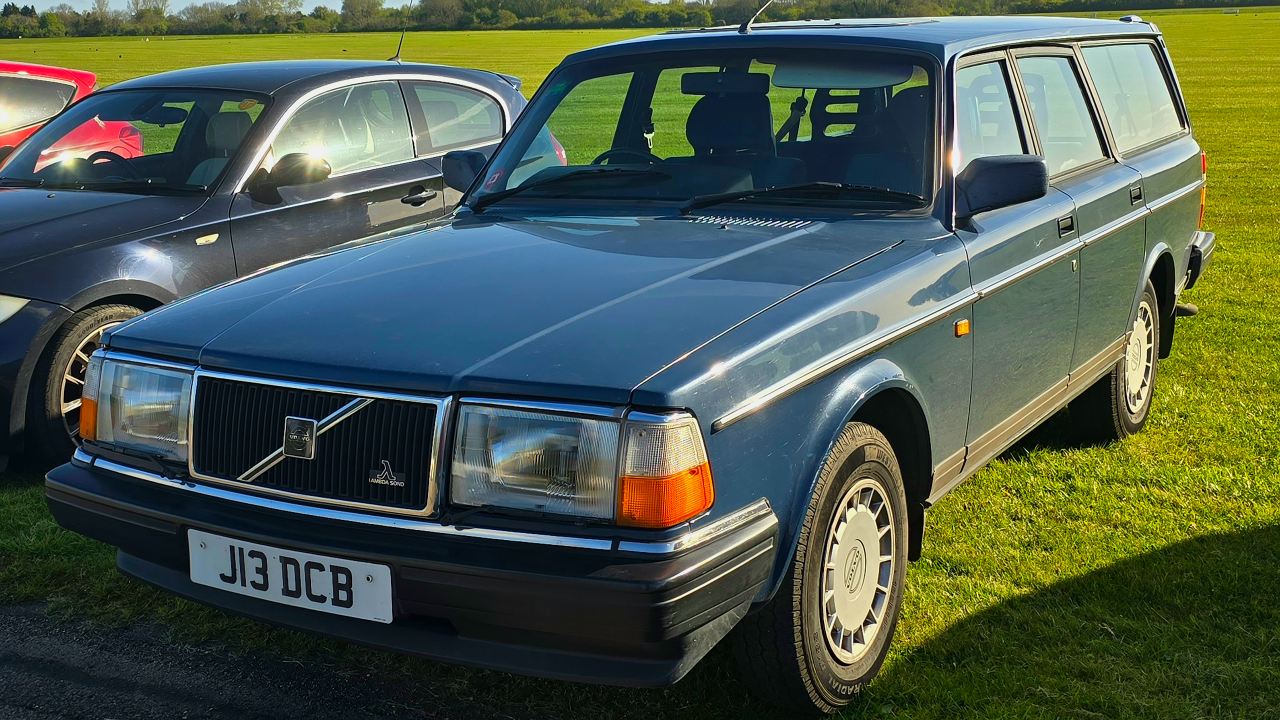
The Volvo 240 was not flashy, but its approach to safety was remarkably advanced. Its strong passenger compartment, energy-absorbing structures, and careful attention to crash protection helped establish Volvo’s reputation for building exceptionally safe cars. The boxy shape became its trademark, yet the engineering underneath mattered more. The 240 showed that safety could be a central part of a car’s design rather than an afterthought.
Subaru XT
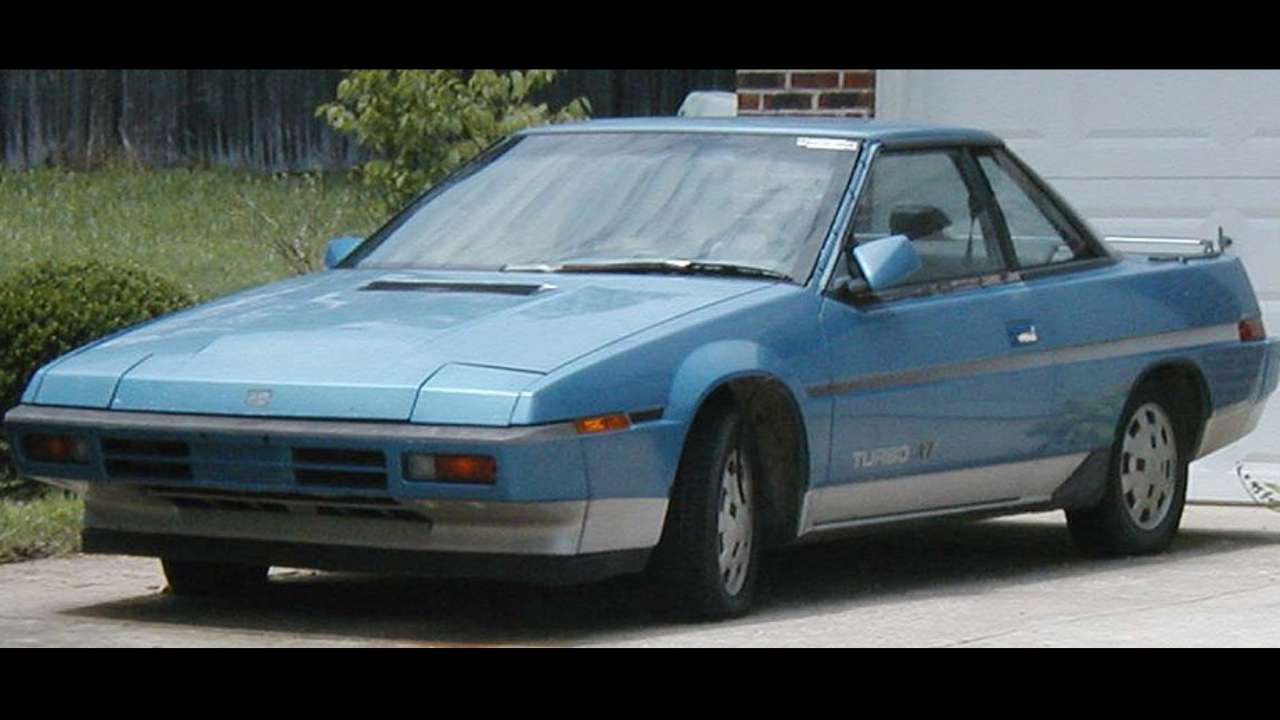
The Subaru XT looked more like a futuristic concept car than a conventional family coupe. Its extremely low hood, wedge-shaped body, unusual dashboard, and available four-wheel drive gave it a distinctive character. The aerodynamic design was particularly unusual for a mainstream Subaru. It never became a major sales success, but the XT demonstrated that Subaru was willing to experiment with styling, packaging, and technology long before such ideas became commonplace.
More from Fast Lane Only
- Unboxing the WWII Jeep in a Crate
- 15 rare Chevys collectors are quietly buying
- 10 underrated V8s still worth hunting down
- Police notice this before you even roll window down
*Research for this article included AI assistance, with all final content reviewed by human editors.