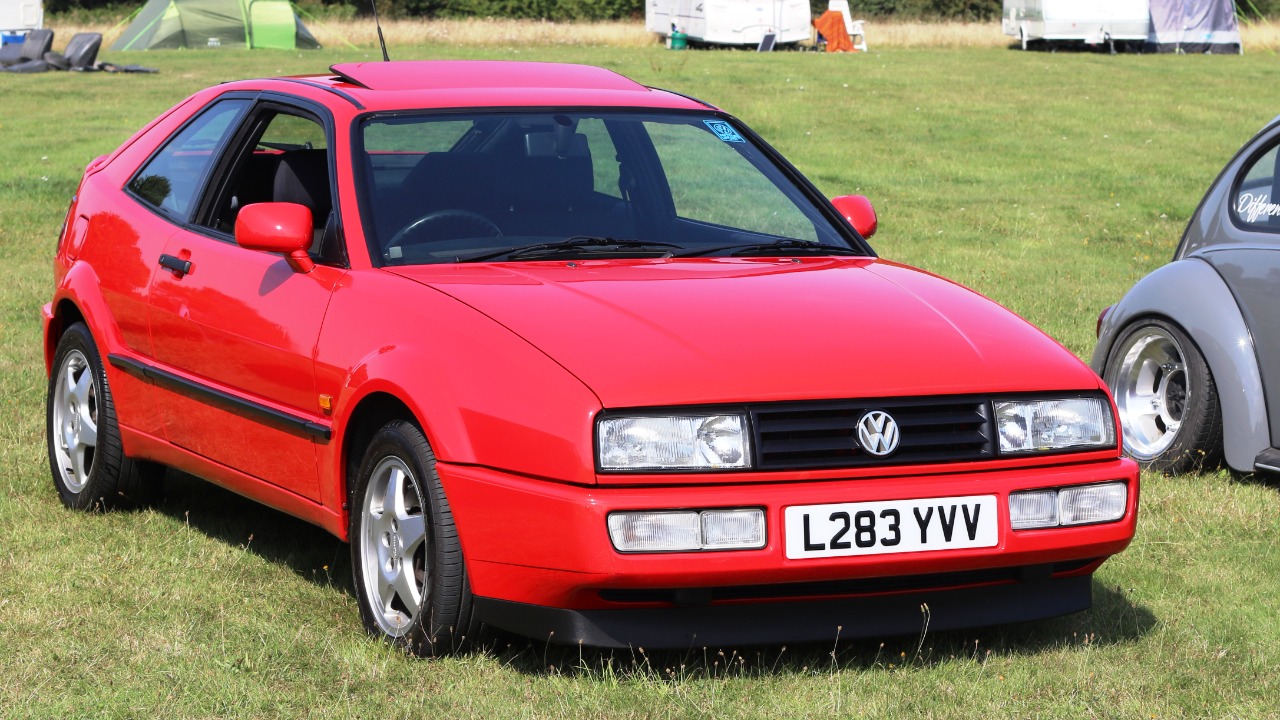
The 1990s became one of the most influential decades in automotive history, especially for imported coupes that blended performance, style, and tuning potential. These cars shaped street racing culture, inspired countless enthusiasts, and became icons through movies, video games, and motorsports. Their impact extended far beyond sales numbers, helping define an entire generation of global car culture.
Toyota Celica GT-Four
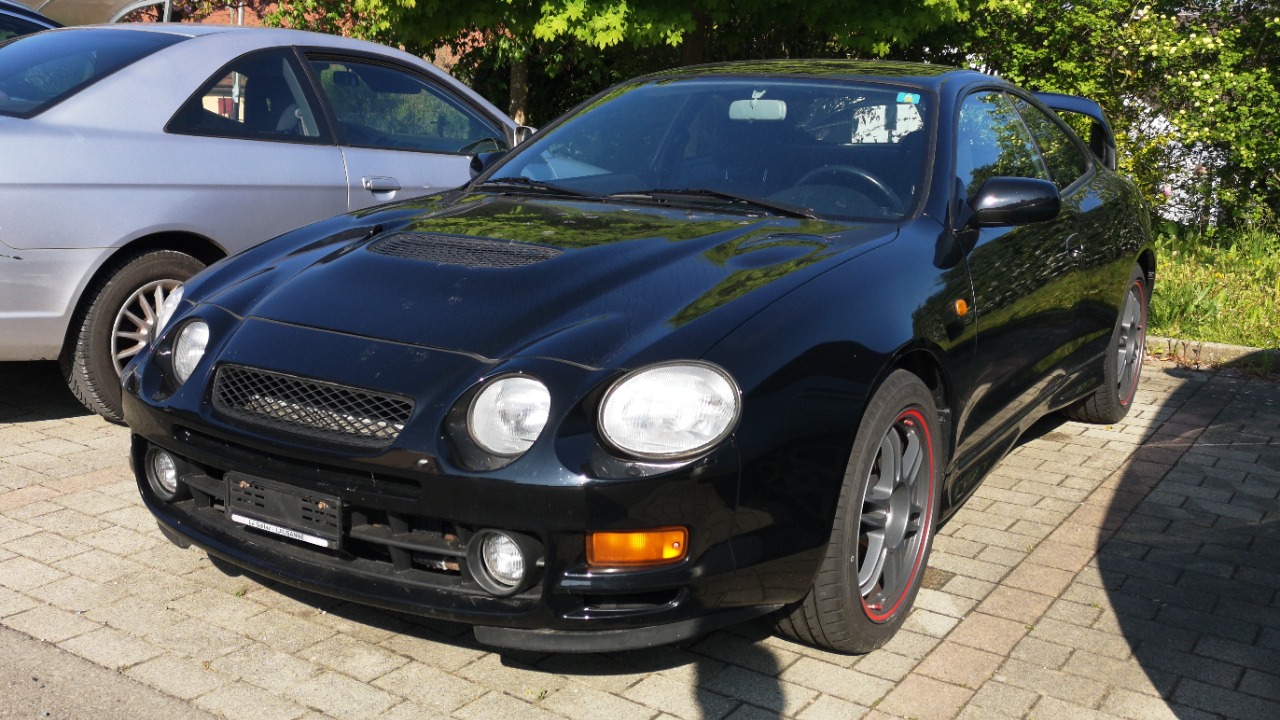
The Toyota Celica GT-Four became a symbol of the era thanks to its turbocharged engine, all-wheel-drive system, and strong World Rally Championship heritage. Unlike ordinary sporty coupes, the GT-Four brought genuine rally technology to public roads and gave enthusiasts a taste of motorsport engineering. Its aggressive styling and tuning potential made it especially popular among younger drivers during the 1990s import performance boom. The car helped establish Toyota as a serious player in global performance culture far beyond traditional reliability-focused vehicles.
Nissan 300ZX Twin Turbo
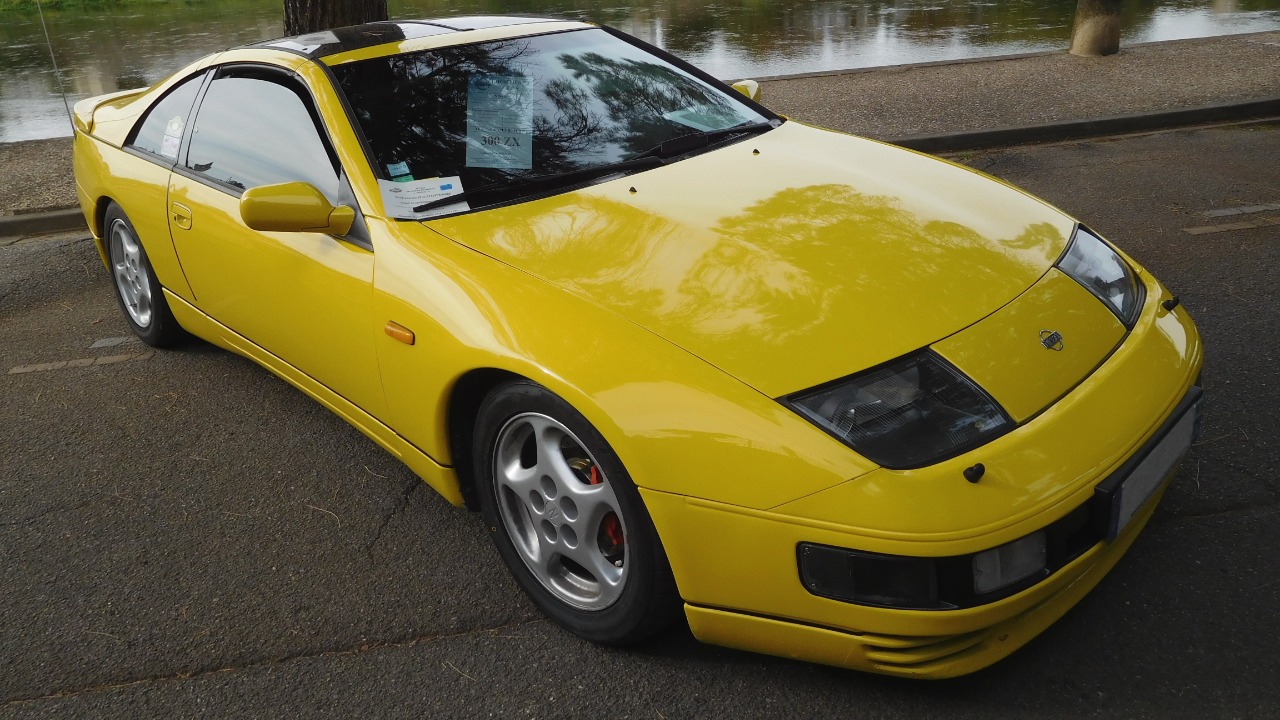
The Nissan 300ZX Twin Turbo represented the technological ambition of Japanese performance cars during the early 1990s. Equipped with twin turbochargers, advanced suspension systems, and futuristic styling, it showcased how sophisticated imported sports coupes had become during Japan’s economic peak. The 300ZX earned respect for combining comfort with impressive speed and handling. Its sleek design and strong tuning community eventually helped turn it into one of the defining imported performance cars of the decade and a lasting icon of 1990s automotive culture.
Mazda MX-6
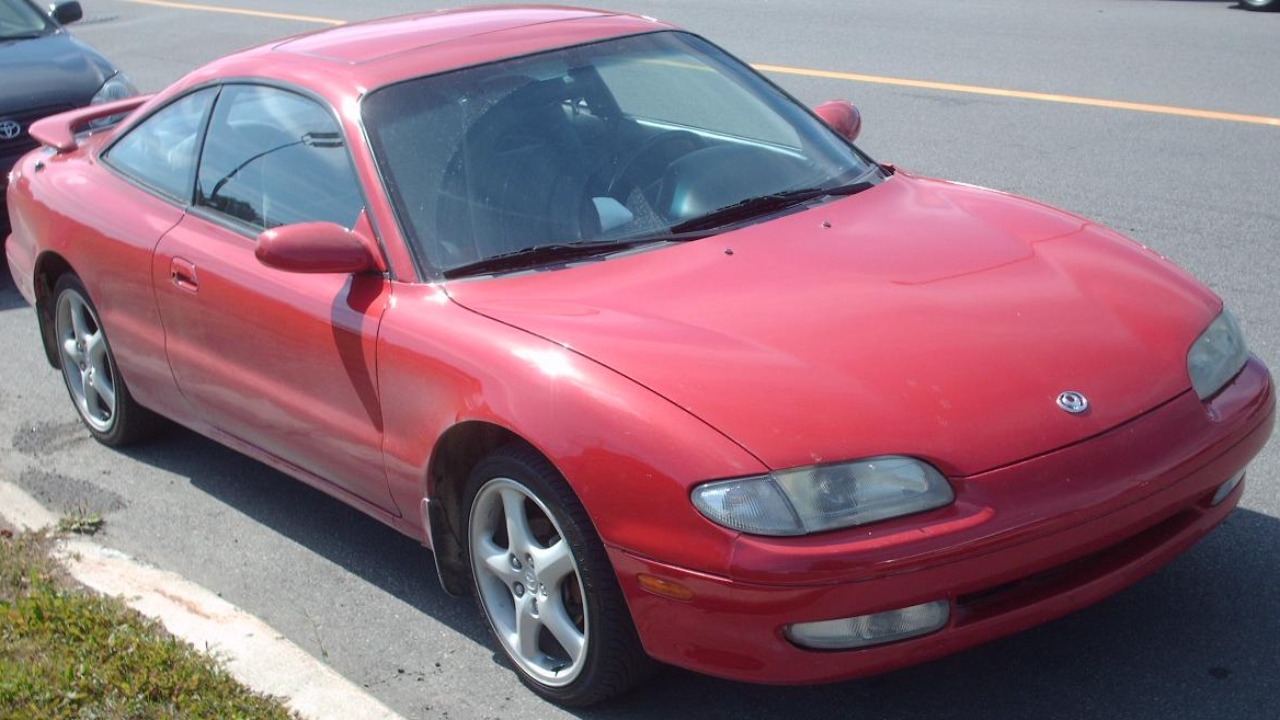
The Mazda MX-6 became an underrated but important part of 1990s car culture because it delivered sporty styling and engaging handling at an accessible price. The coupe appealed to younger enthusiasts who wanted imported performance without the cost of high-end sports cars. Its smooth V6 engine and balanced chassis made it enjoyable to drive while maintaining everyday practicality. Though often overshadowed by more famous Japanese coupes, the MX-6 earned a loyal following and represented the growing popularity of stylish affordable imports during the decade.
Mitsubishi FTO
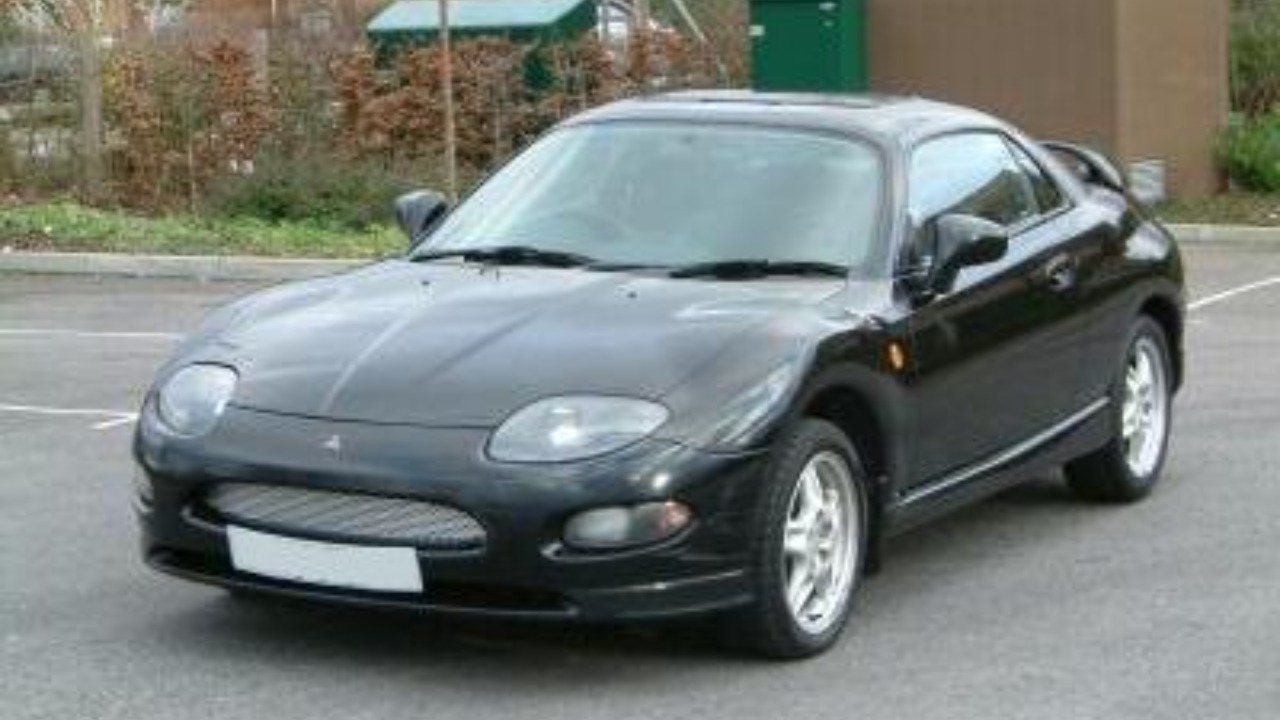
The Mitsubishi FTO helped define 1990s tuner culture with its sharp styling, high-revving engines, and agile front-wheel-drive handling. Particularly popular in Japan and enthusiast import markets, the FTO gained attention for delivering an exciting driving experience in a compact package. Its aggressive appearance and sporty personality fit perfectly within the decade’s growing fascination with imported performance cars. The coupe eventually became recognized as one of Mitsubishi’s most distinctive enthusiast-focused vehicles and remains closely associated with the golden age of Japanese sports coupes.
BMW 850Ci
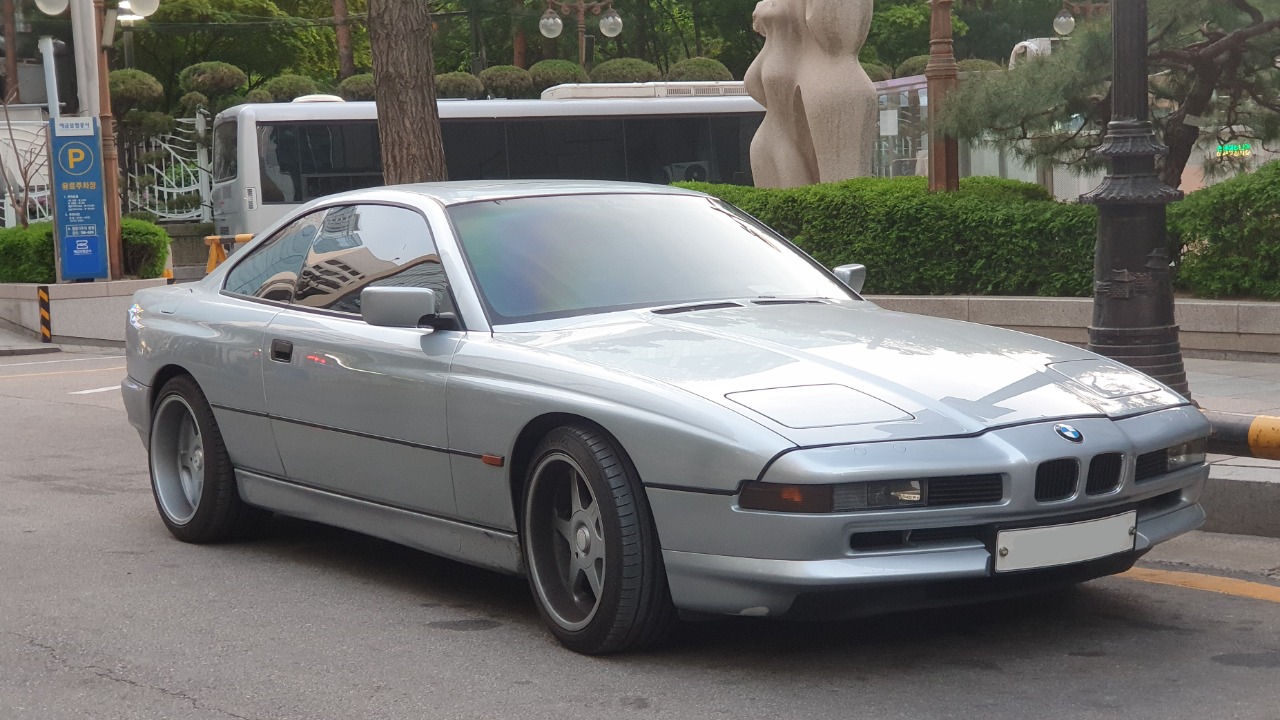
The BMW 850Ci symbolized the high-tech luxury and performance ambitions of 1990s European automakers. With its sleek pillarless design, pop-up headlights, and powerful V12 engine, the 850Ci looked futuristic even by modern standards. The coupe represented an era when manufacturers experimented boldly with advanced technology and dramatic styling. Although expensive and exclusive, it became a dream car for enthusiasts worldwide and helped define the image of sophisticated European performance during the decade’s luxury grand touring boom.
Honda Prelude Si
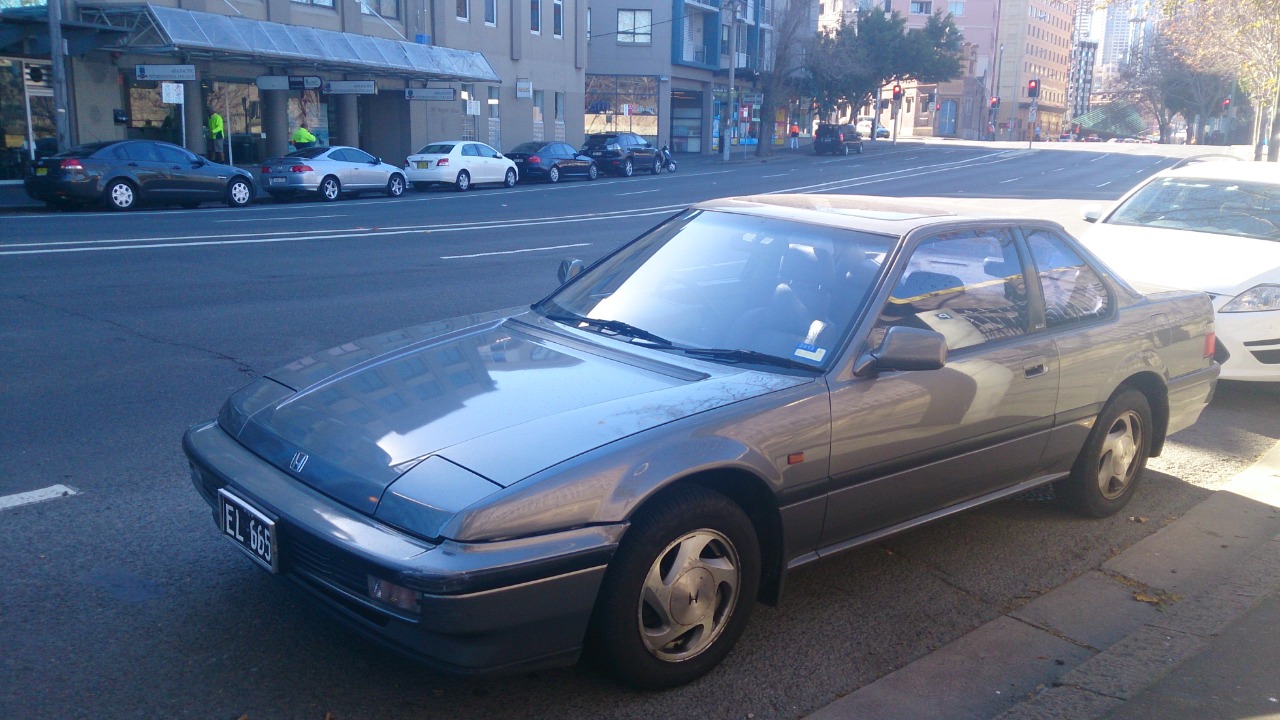
The Honda Prelude Si became a major part of 1990s import culture because it combined Honda reliability with advanced engineering and sleek styling. Features like four-wheel steering and high-revving VTEC engines gave the Prelude a sophisticated personality that appealed strongly to driving enthusiasts. It also became popular within the growing tuner scene thanks to its customization potential and balanced handling. The Prelude Si represented the era when sporty Japanese coupes became everyday attainable dream cars for younger enthusiasts around the world.
Volkswagen Corrado VR6
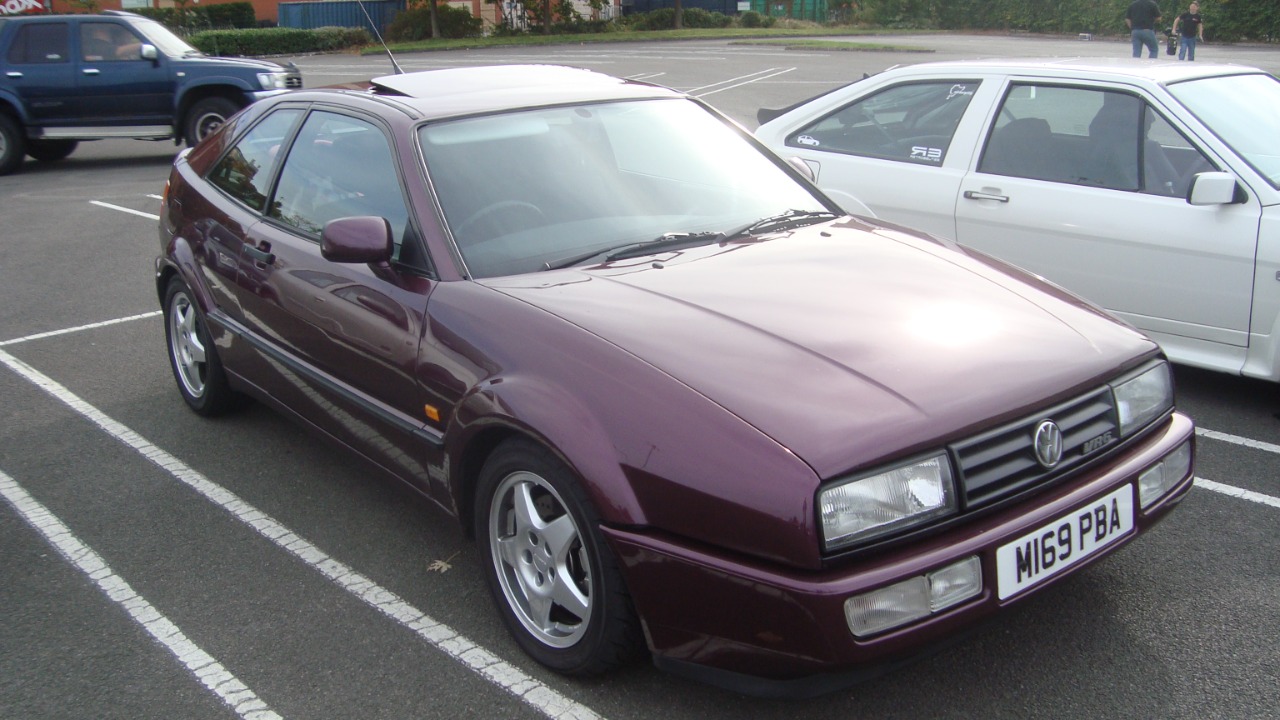
The Volkswagen Corrado VR6 earned cult status during the 1990s because of its unusual VR6 engine, sharp handling, and understated European styling. Unlike flashier Japanese rivals, the Corrado appealed to enthusiasts who appreciated refined engineering and unique performance characteristics. The compact coupe delivered strong acceleration while maintaining practicality and solid German build quality. Its active rear spoiler and distinctive sound helped it stand apart from competitors, turning the Corrado VR6 into one of the most respected and influential European enthusiast cars of the decade.
More from Fast Lane Only