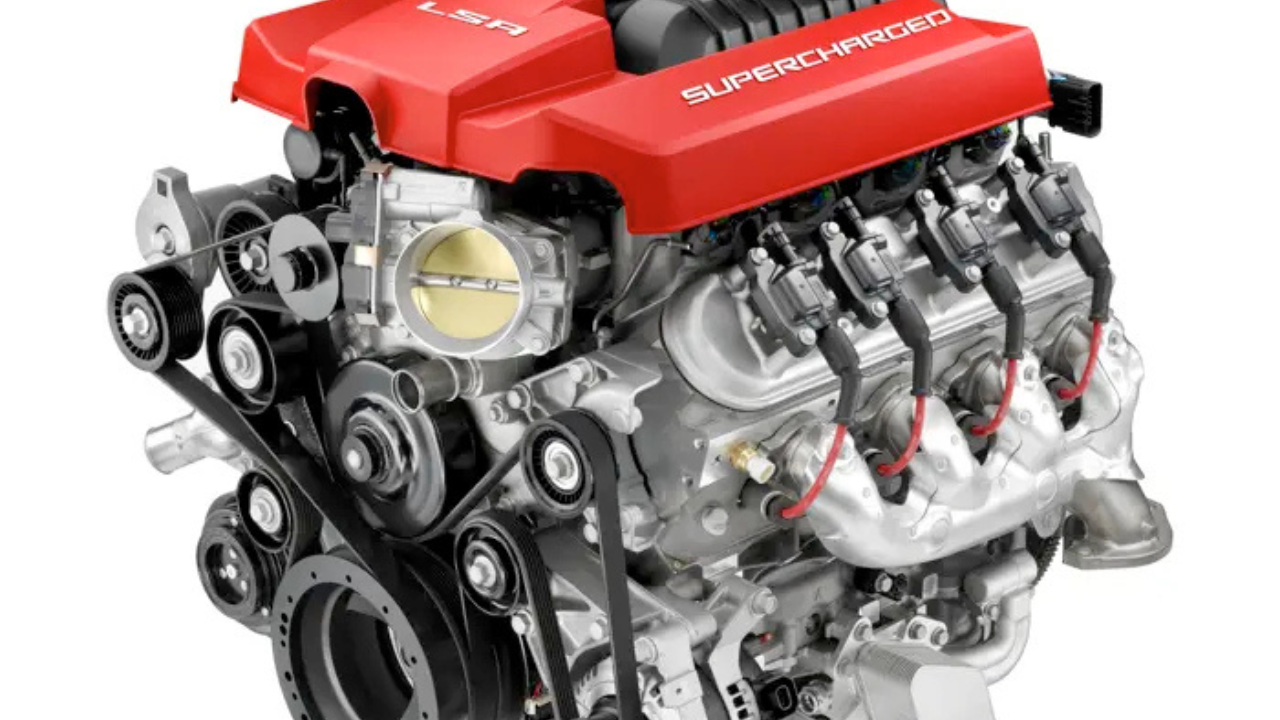
Few engines in automotive history have achieved the kind of universal reputation the Chevrolet LS platform enjoys today. What started as a late-1990s small-block V8 update quietly evolved into the go-to solution for performance builders across nearly every chassis imaginable. The Chevrolet LS engine didn’t just succeed in factory vehicles—it became the default answer for engine swaps worldwide.
What happened
When General Motors introduced the LS engine family in the late 1990s, it was a complete redesign of the traditional small-block V8 formula. While it retained the compact pushrod architecture, everything else was modernized: improved airflow, stronger internal components, and a more efficient combustion design.
Early applications in vehicles like the Chevrolet Corvette C5 and later performance trucks proved the platform’s strength. Even in stock form, LS engines delivered strong horsepower, excellent torque curves, and surprising fuel efficiency for their displacement.
What set the LS apart was its balance of simplicity and capability. Unlike many modern performance engines that rely on overhead cam complexity, the LS retained a pushrod (OHV) layout. This made it physically compact, lighter than many competitors, and easier to fit into a wide range of engine bays.
At the same time, it was engineered with modern precision. Aluminum block options, efficient cylinder heads, and strong bottom-end construction allowed LS engines to handle significant power increases without requiring complete internal redesigns.
As a result, enthusiasts quickly discovered that LS engines could survive major power upgrades with relatively basic modifications. That combination of durability and affordability laid the foundation for its swap dominance.
Why it matters
The rise of the Chevrolet LS engine as the default swap choice comes down to four key advantages: availability, cost, packaging, and strength.
First, availability. GM produced LS-based engines in massive numbers across cars, trucks, and performance models. This created a large supply of used engines and parts, making them far more accessible than exotic or limited-production performance engines.
Second, cost efficiency. Compared to building high-output versions of older V8s or importing specialized engines, LS swaps became relatively affordable. Junkyard engines could be rebuilt or even run in stock form with strong results, making them attractive for budget-conscious performance builds.
Third, physical packaging. The compact pushrod design allows LS engines to fit into a wide range of chassis, from classic American muscle cars to lightweight Japanese sports cars. This flexibility is a major reason the LS has been swapped into platforms far beyond its original GM applications.
Fourth, strength and tuning potential. Even stock LS engines are known for their ability to handle significant horsepower increases with minimal internal upgrades. With aftermarket support expanding rapidly, components like camshafts, intake systems, and forced induction kits made it easy to scale performance.
This combination turned the LS into more than just an engine—it became a performance ecosystem. Builders could reliably predict outcomes, source parts easily, and achieve high power levels without extreme engineering complexity.
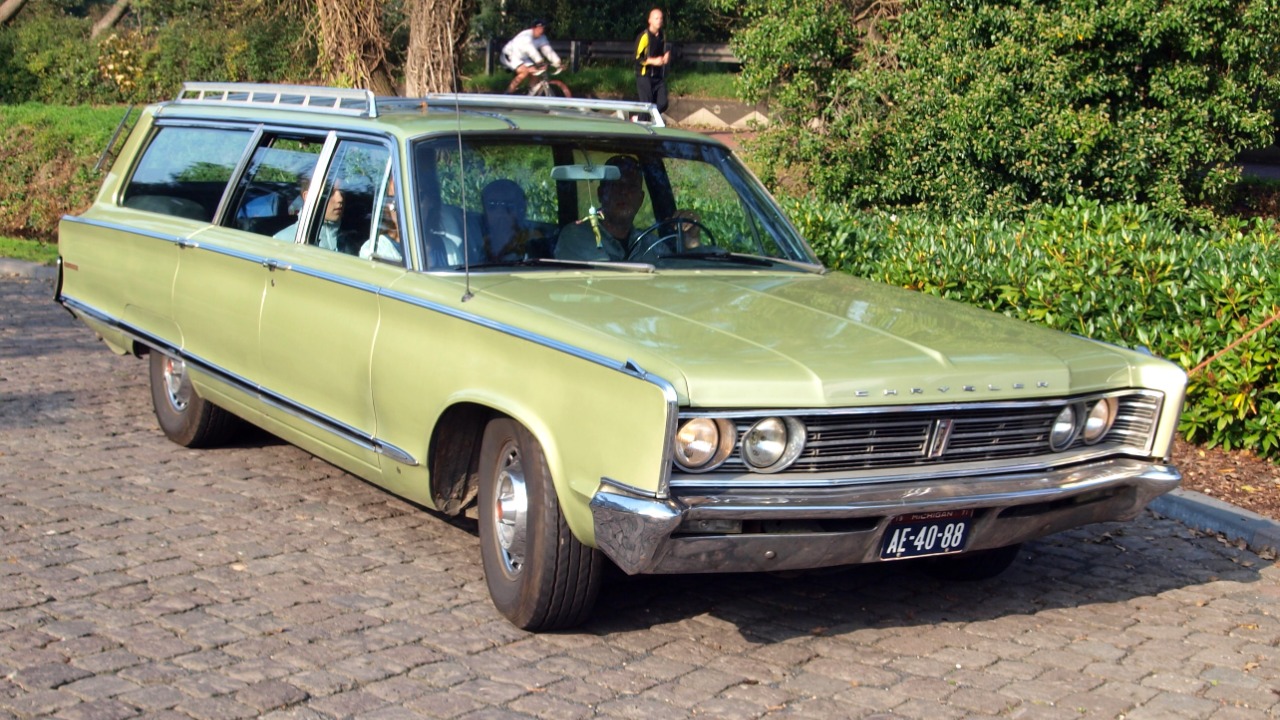
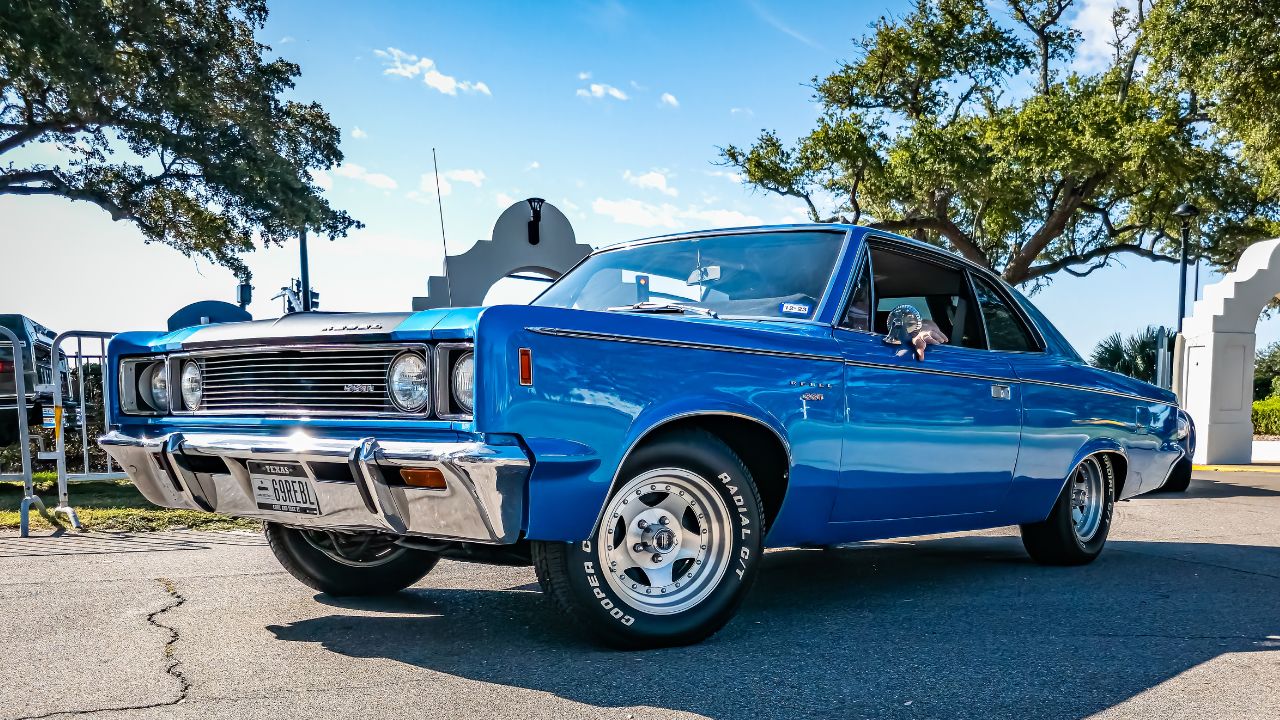
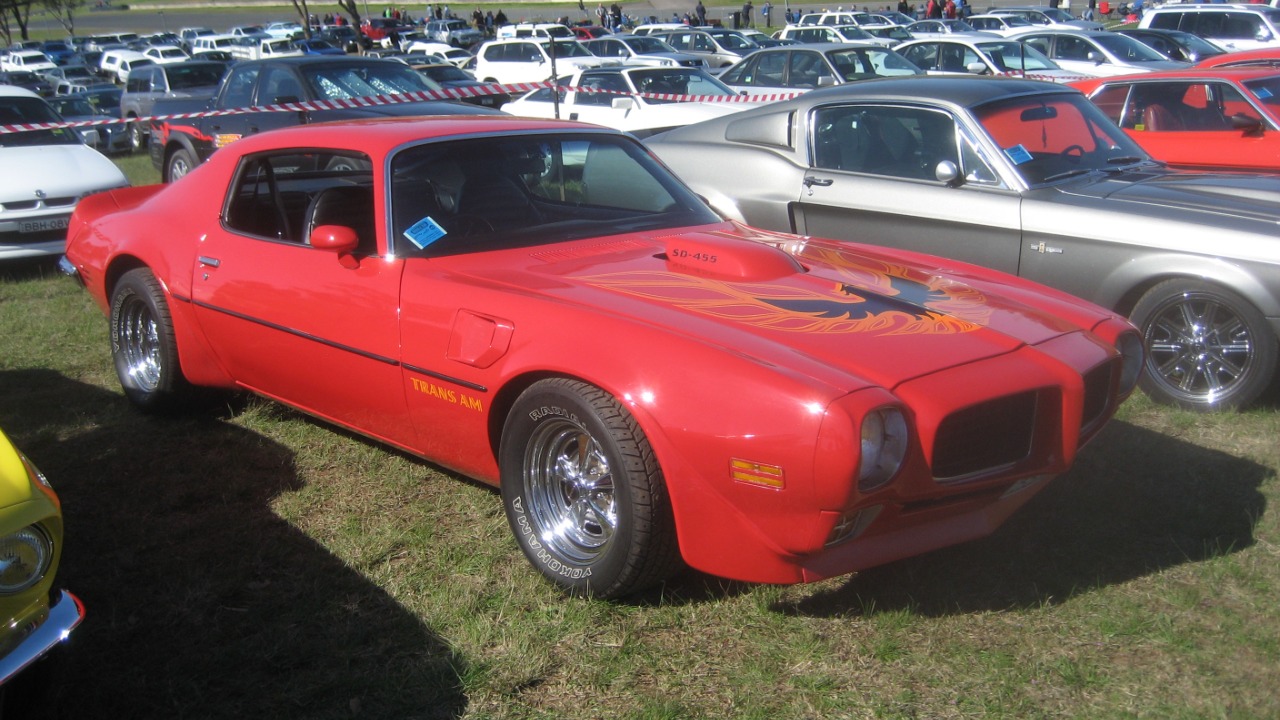
Over time, this reputation spread far beyond GM enthusiasts. The LS became a universal performance solution, used in drift cars, drag builds, off-road trucks, and even non-GM chassis swaps.
What to watch next
Today, the Chevrolet LS engine remains one of the most dominant platforms in the aftermarket performance world. Even as newer engines with direct injection and turbocharging enter the market, the LS continues to thrive due to its simplicity and massive support network.
Its influence is especially visible in the continued popularity of swap culture. Platforms that were once considered incompatible with V8 power are now routinely LS-swapped, thanks to readily available mounting kits, electronics solutions, and aftermarket tuning support.
The legacy of early applications like the Chevrolet Corvette C5 still shapes perception today. That generation proved the LS could deliver both factory refinement and aftermarket potential, helping cement its reputation as a modern small-block evolution.
Looking forward, the LS engine family’s role is unlikely to disappear, even as electrification grows. While newer technologies may dominate new vehicle production, the LS remains deeply embedded in enthusiast culture as the benchmark for internal combustion performance swaps.
In the end, the LS didn’t become the default choice because it was exotic or revolutionary in appearance. It became dominant because it worked—reliably, affordably, and almost anywhere enthusiasts were willing to fit it.
More from Fast Lane Only