AMC never had the resources of Detroit’s biggest automakers, but that often pushed the company toward clever and unconventional performance cars. Some of its quickest models were easy to overlook because they lacked the prestige of Ford, Chevrolet, or Dodge. These seven AMCs delivered surprisingly strong performance and could embarrass better-known rivals when the road opened up.
AMC Javelin AMX
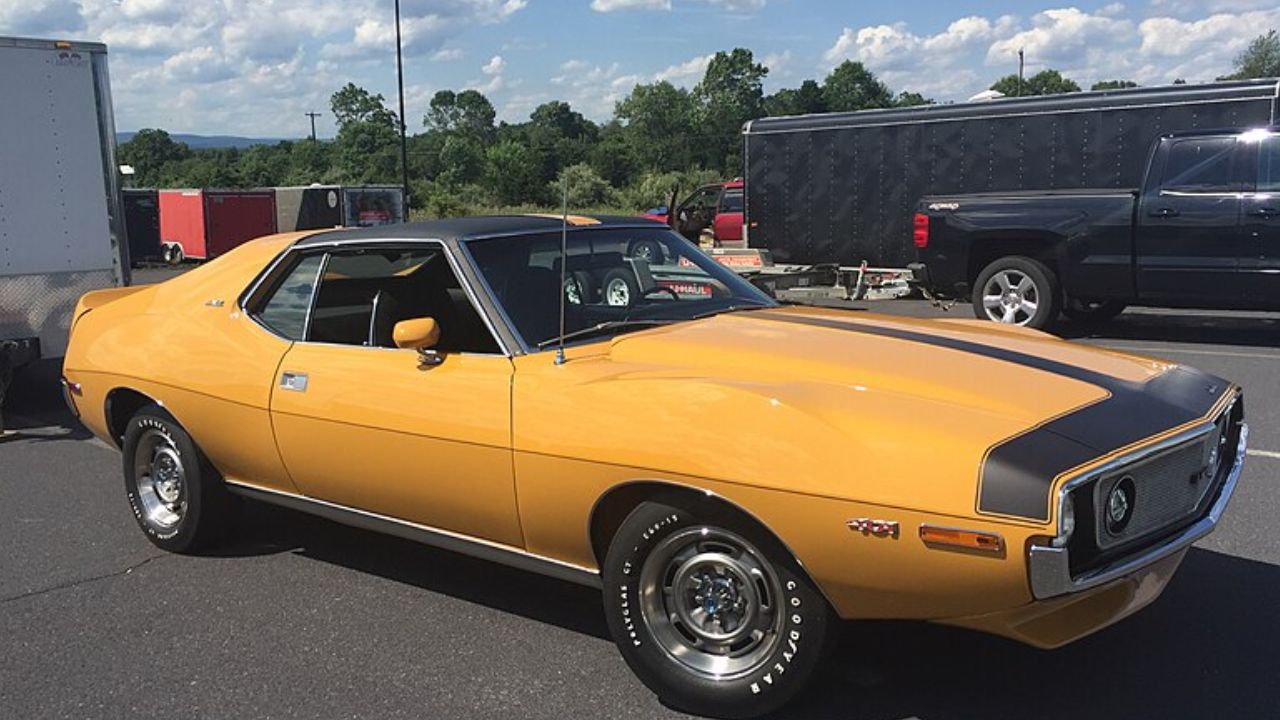
The AMC Javelin AMX gave buyers serious V8 performance in a stylish two-door package. Its powerful engines, relatively compact dimensions, and available performance equipment made it a genuine threat to better-known pony cars. AMC never had the marketing reach of its larger competitors, which helped the Javelin remain underrated. Today, its combination of speed and rarity makes it especially appealing to enthusiasts.
AMC AMX
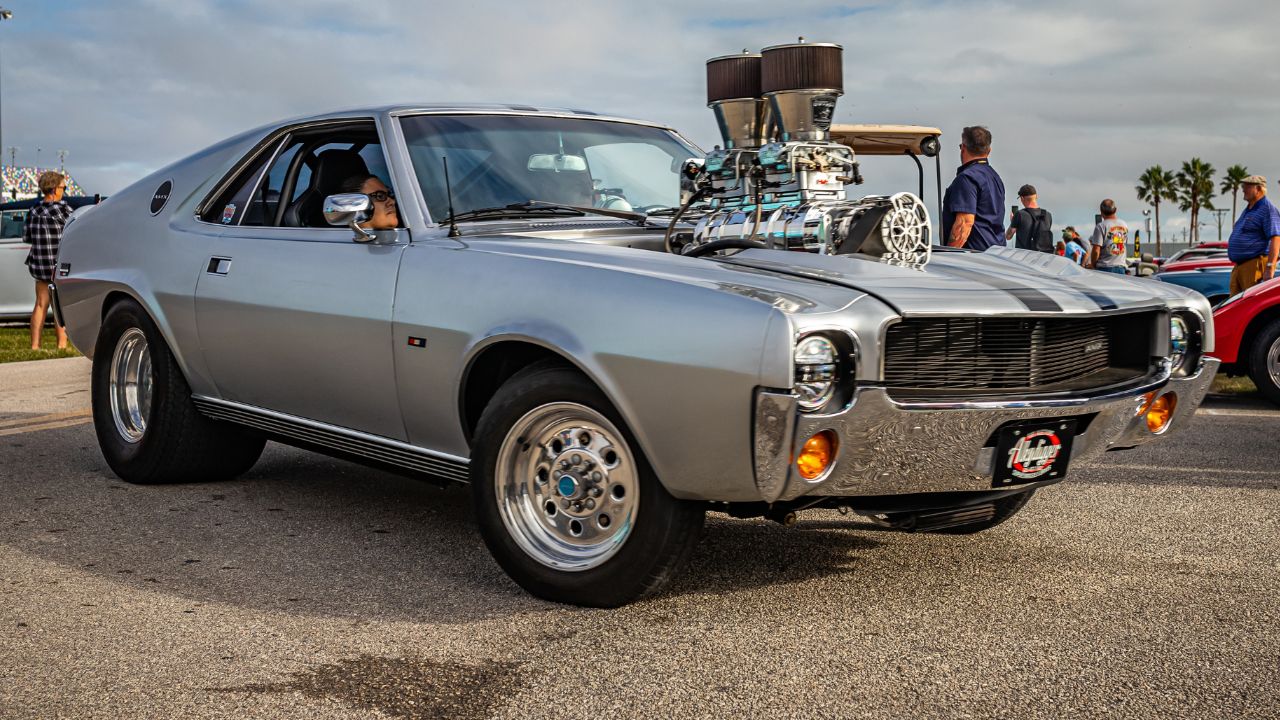
The two-seat AMC AMX was one of the company’s most focused performance cars. Its short wheelbase and available V8s gave it the kind of punch that could surprise much larger muscle cars. The AMX also handled more confidently than its straight-line image might suggest. Because AMC produced relatively few examples, encountering a genuine, well-preserved AMX remains an uncommon experience.
AMC Rebel Machine
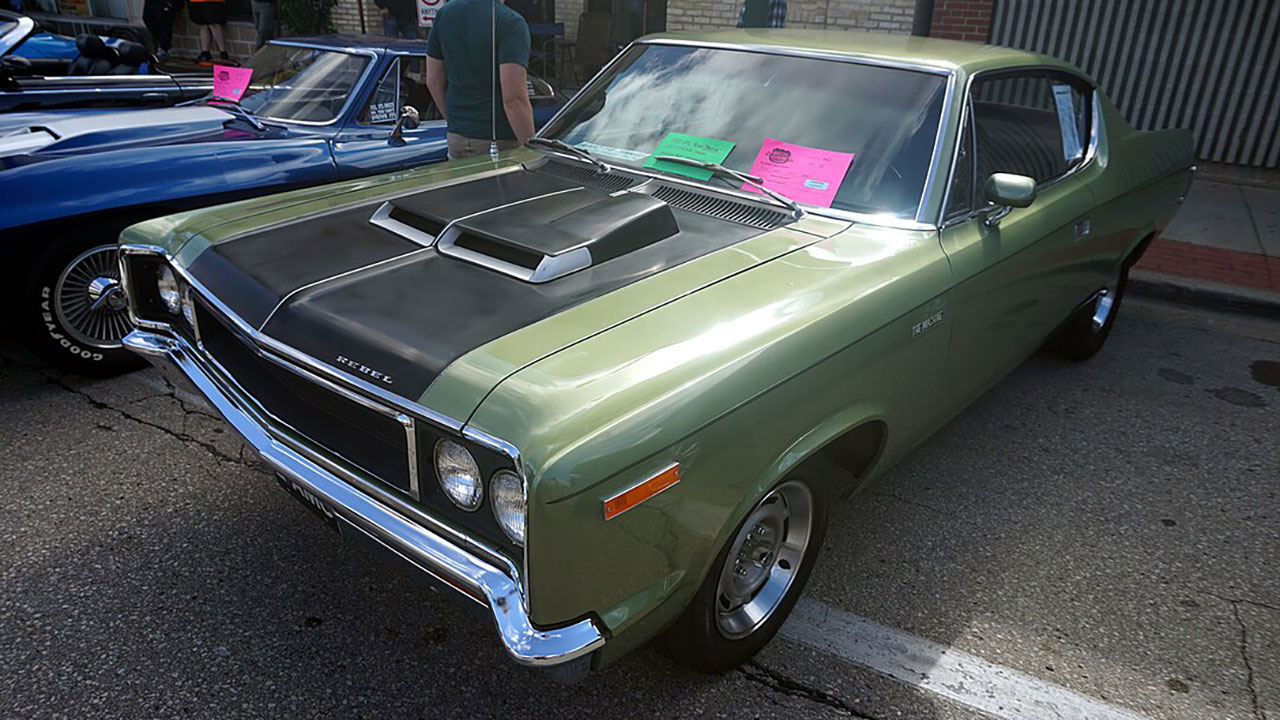
The Rebel Machine looked flamboyant, but its colorful appearance was backed by serious performance hardware. Its big V8, four-speed availability, and performance-oriented setup gave it enough muscle to compete with established American performance cars. AMC positioned it as an affordable alternative, yet it could move remarkably quickly. Its limited production has also made original examples increasingly interesting to collectors.
AMC Matador Machine
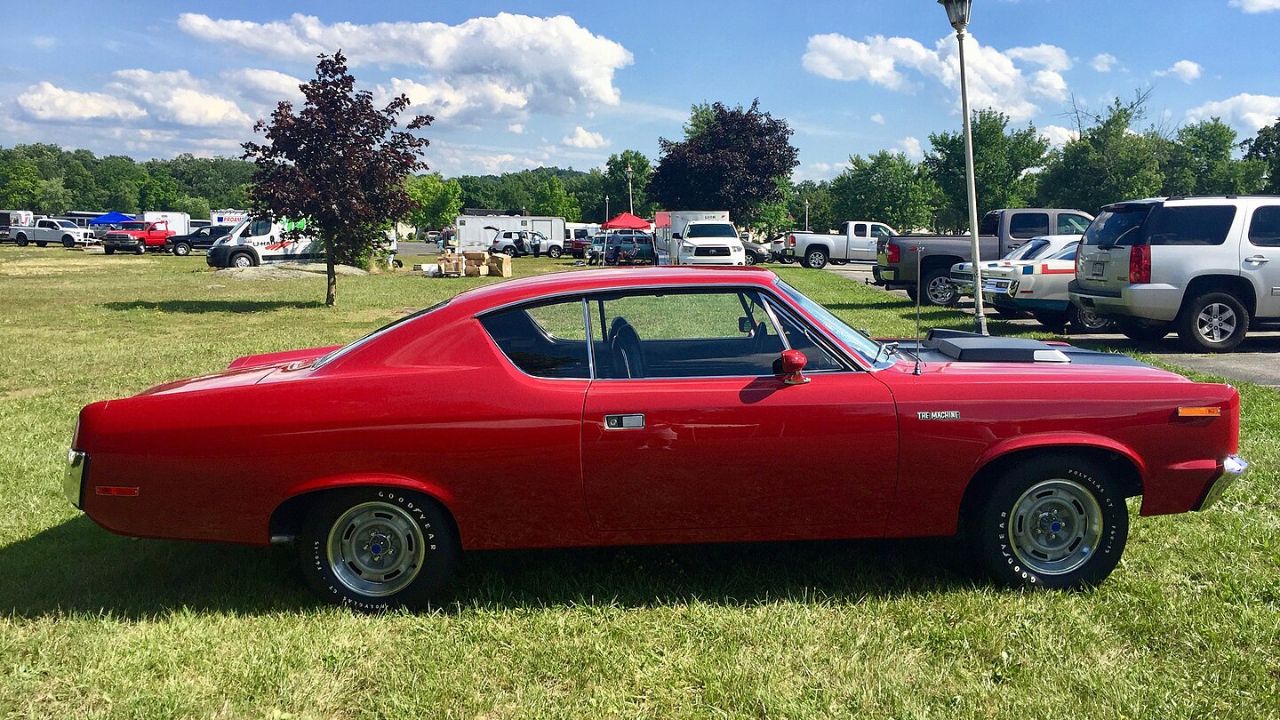
The AMC Matador Machine brought performance equipment to a car that could easily be mistaken for a conventional family sedan. Its V8 power and available performance features gave it surprising straight-line ability. The sleeper quality was part of its charm. While it never received the same attention as the major muscle cars, a properly equipped Matador could deliver considerably more performance than its understated image suggested.
AMC Hornet SC/360
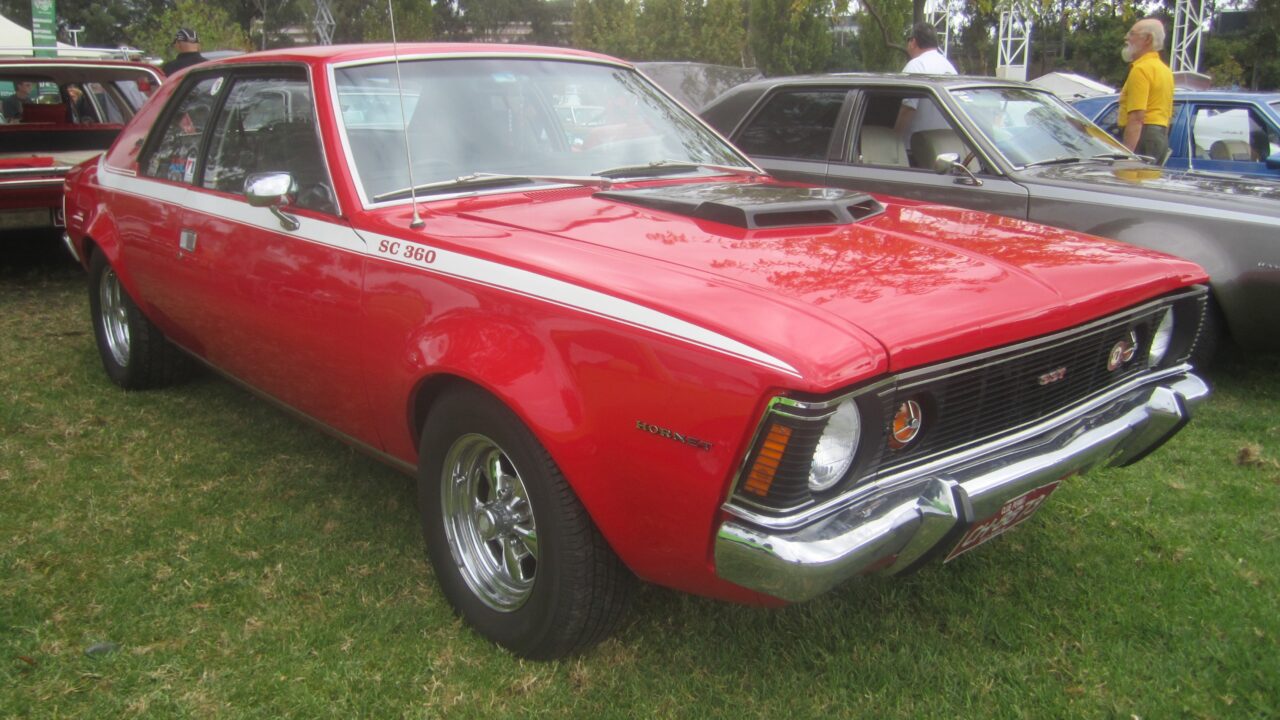
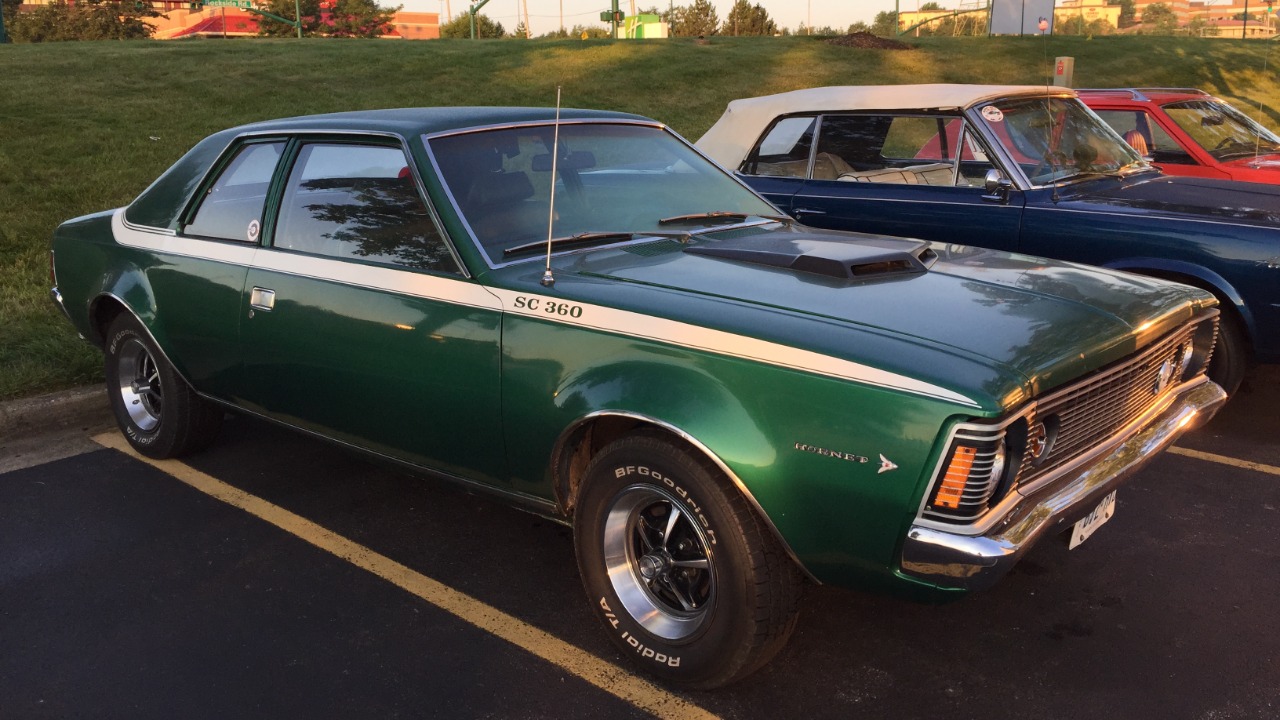
The Hornet SC/360 was a compact performance car with an unusually effective formula. AMC combined a relatively small body with a strong V8, producing a lightweight package capable of impressive acceleration. Its modest appearance helped keep expectations low, which made its performance even more surprising. Limited production means surviving examples are now considerably harder to find than more famous muscle cars.
AMC Gremlin X
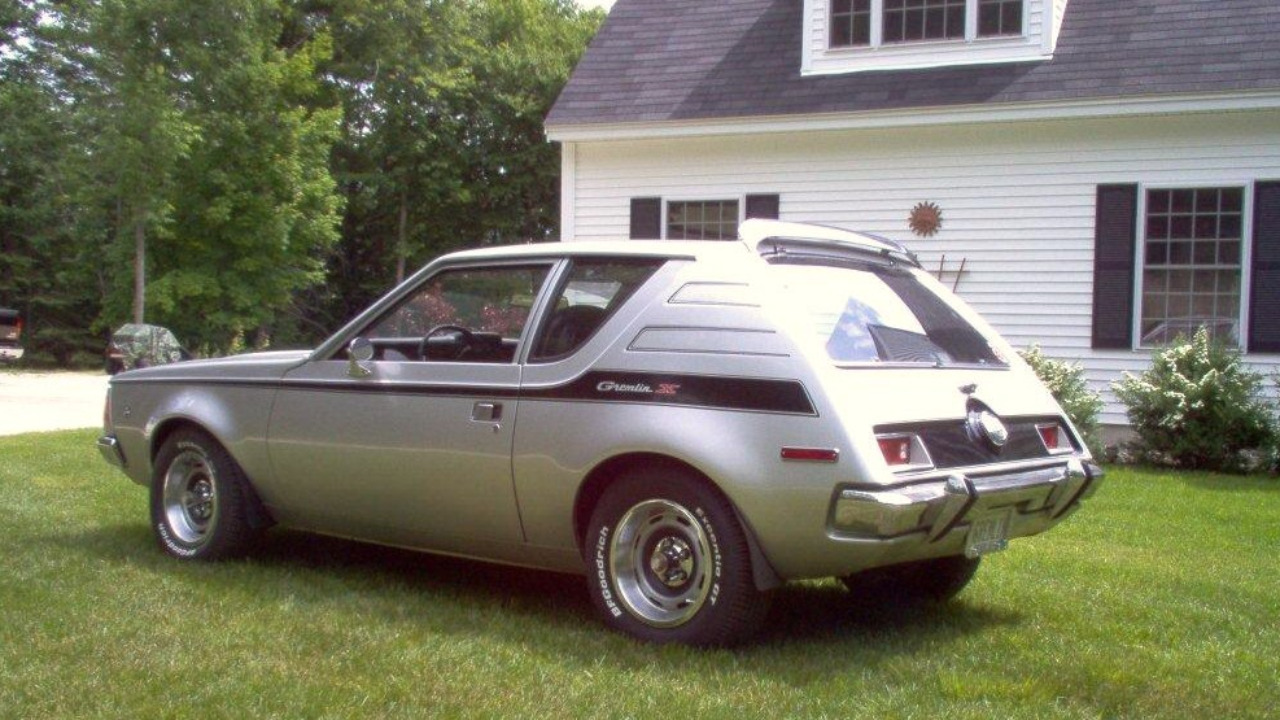
The Gremlin X was an unlikely performance machine, but its compact dimensions gave AMC an interesting platform for V8 power. Its short body and lightweight construction could make it surprisingly quick in a straight line. The unusual appearance also helped create sleeper appeal. While it was never a conventional muscle car, the right Gremlin could deliver performance that seemed completely out of proportion to its size.
AMC Rebel SST
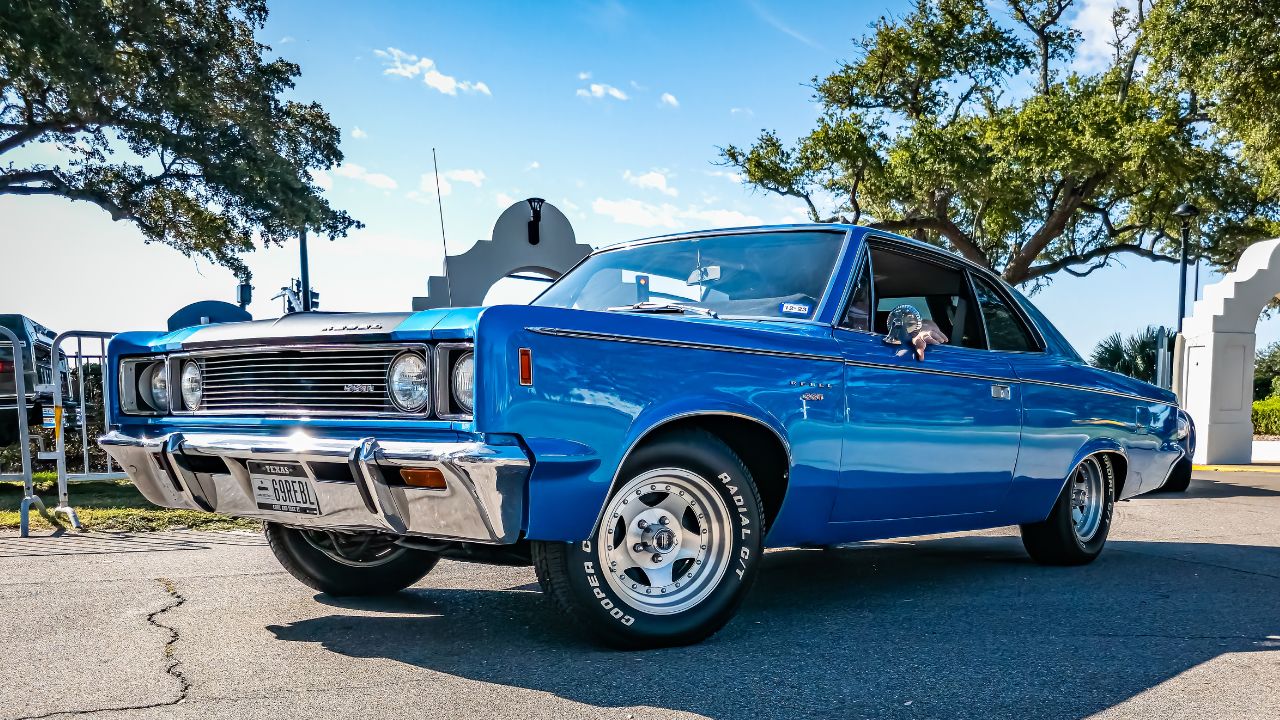
The Rebel SST offered a strong combination of V8 power, relatively light construction, and practical American-car proportions. It could deliver impressive acceleration without carrying the same reputation as the better-known muscle cars from Detroit’s major manufacturers. That obscurity is now part of its appeal. For enthusiasts interested in overlooked performance, the Rebel SST remains one of AMC’s more intriguing forgotten contenders.
More from Fast Lane Only
- Unboxing the WWII Jeep in a Crate
- 15 rare Chevys collectors are quietly buying
- 10 underrated V8s still worth hunting down
- Police notice this before you even roll window down
*Research for this article included AI assistance, with all final content reviewed by human editors