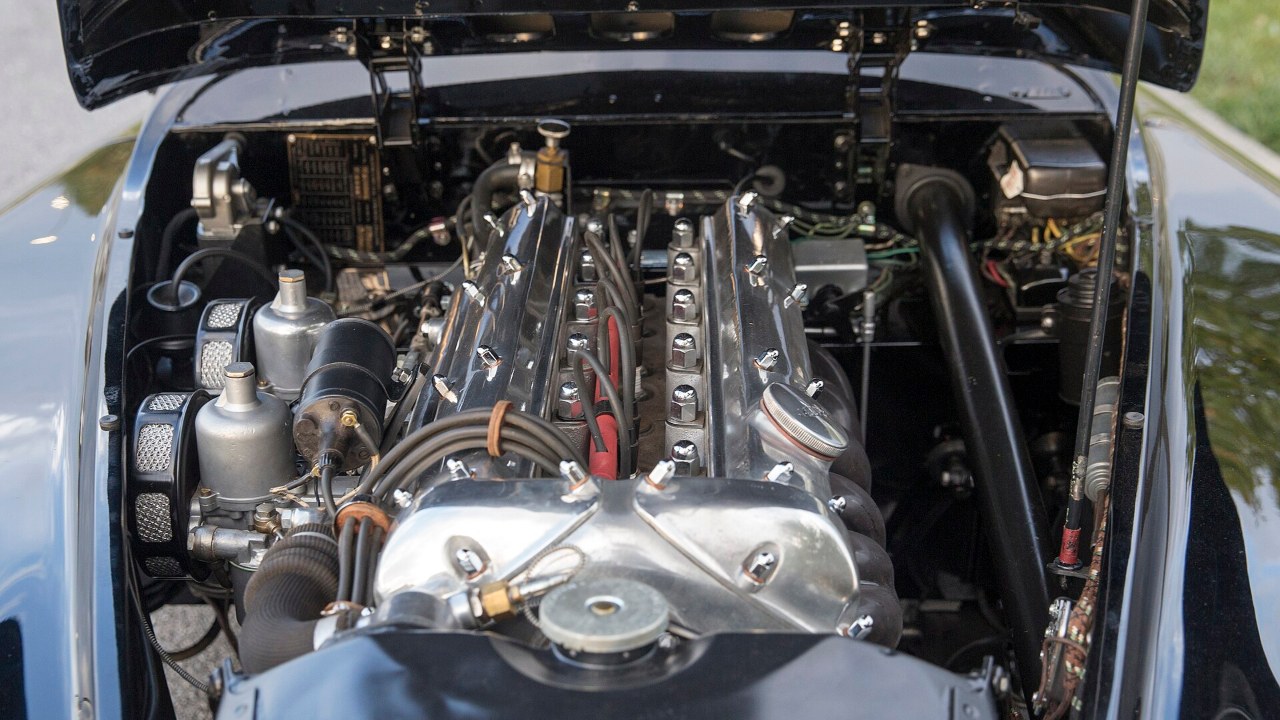
Plymouth produced plenty of memorable cars, but some never received the recognition their engineering, styling, or performance deserved. They were often overshadowed by better-known Dodges, Fords, and Chevrolets, even when they offered something genuinely distinctive. These 7 Plymouths have become especially interesting for collectors who prefer overlooked classics to the usual names.
Plymouth Sport Fury
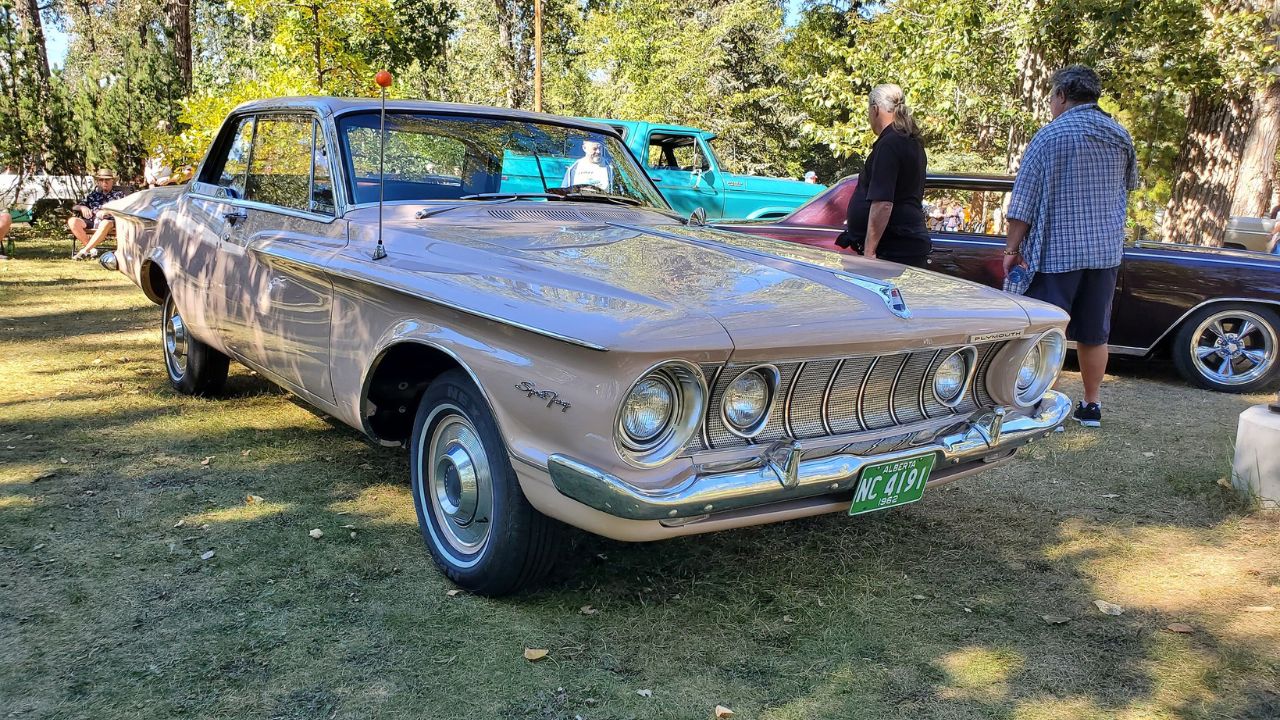
The Sport Fury brought a sporty edge to Plymouth’s full-size lineup without abandoning the comfort expected from a large American cruiser. Its sweeping styling, substantial proportions, and available V8 power gave it plenty of presence. It never became as celebrated as Plymouth’s muscle cars, but that relative obscurity makes surviving examples particularly appealing to enthusiasts looking for something different.
Plymouth VIP

The Plymouth VIP represented an upscale interpretation of the brand’s full-size formula. Its generous equipment, comfortable interior, and smooth V8 power gave it a surprisingly luxurious character. The model was never as fashionable among collectors as performance-oriented Plymouths, so many examples disappeared through ordinary use. A clean VIP today can therefore attract attention simply because so few remain.
Plymouth Fury III
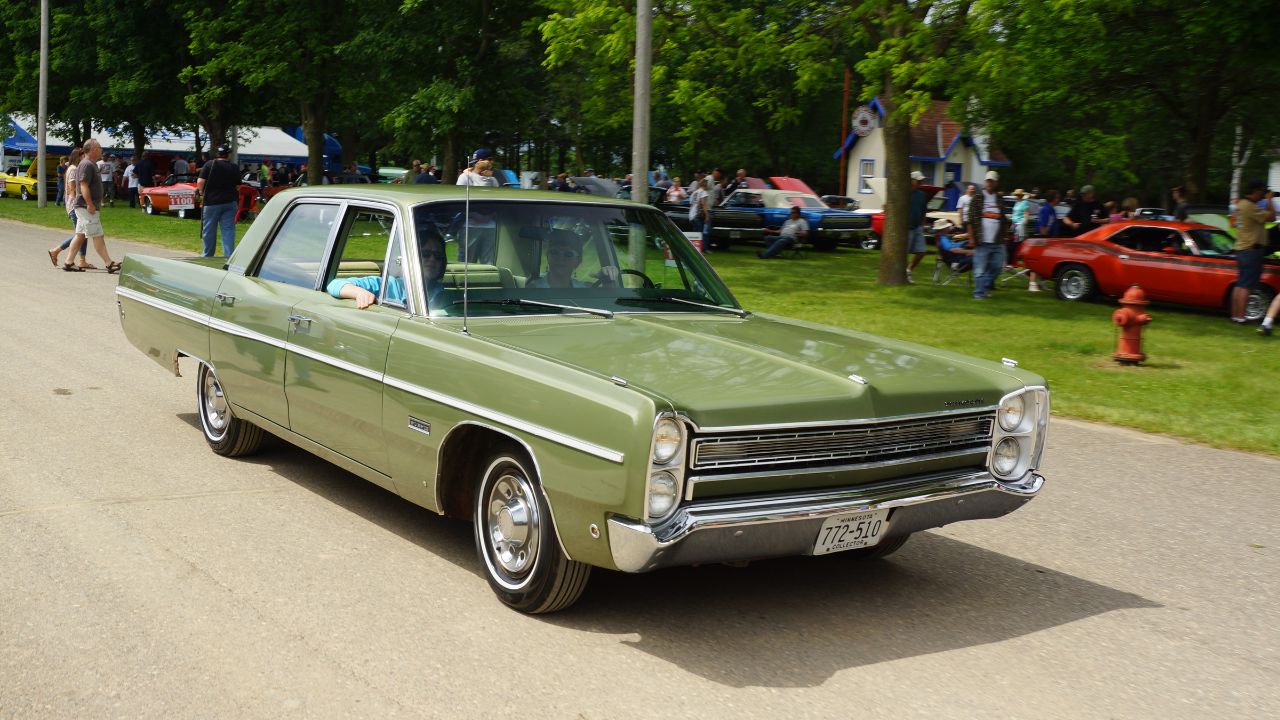
The Fury III offered the traditional American full-size experience with plenty of room, chrome, and V8 power. It was practical enough to serve as family transportation while still carrying the imposing presence buyers expected from a large Plymouth. Because most were used hard rather than preserved, good examples are increasingly difficult to encounter. Its understated nature is now part of its appeal.
Plymouth Gran Fury
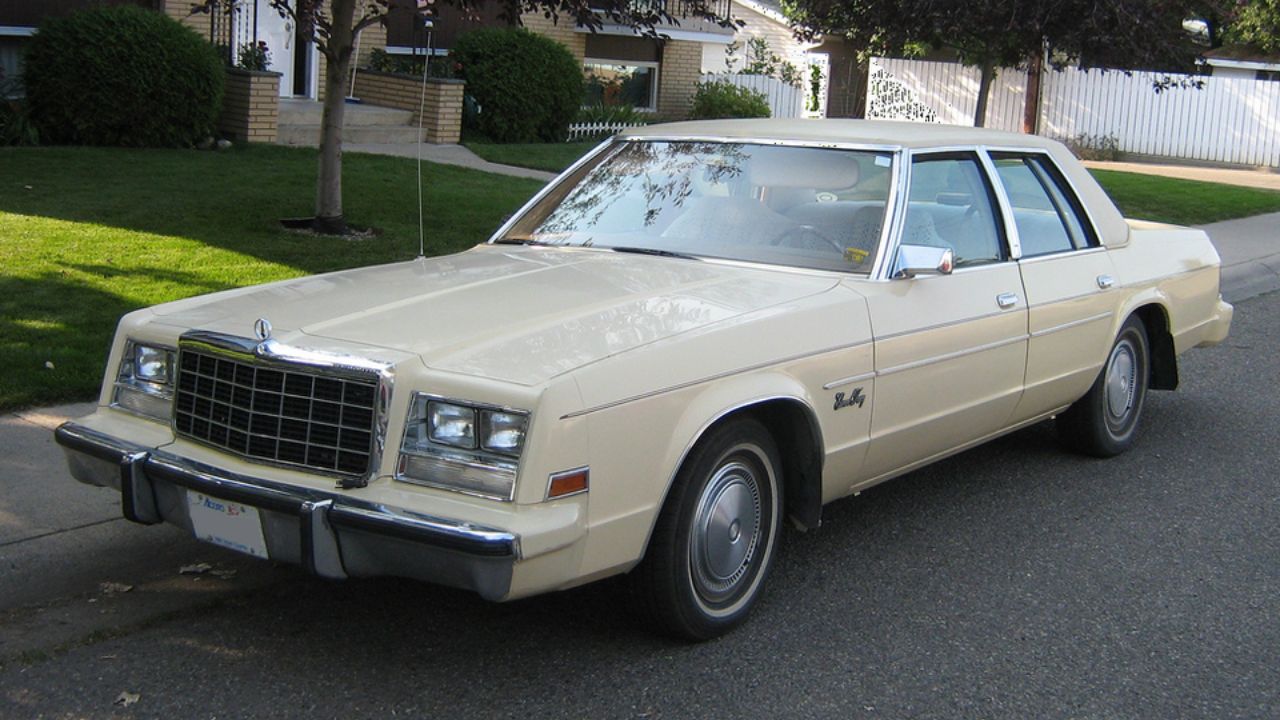
The Gran Fury became one of Plymouth’s more substantial full-size offerings, providing a comfortable cabin and smooth highway manners. Later versions also became familiar in police and fleet service, giving the model a working reputation rather than a collector image. Clean civilian examples have become harder to find, making an original Gran Fury a surprisingly interesting piece of Plymouth history.
Plymouth Satellite Sebring
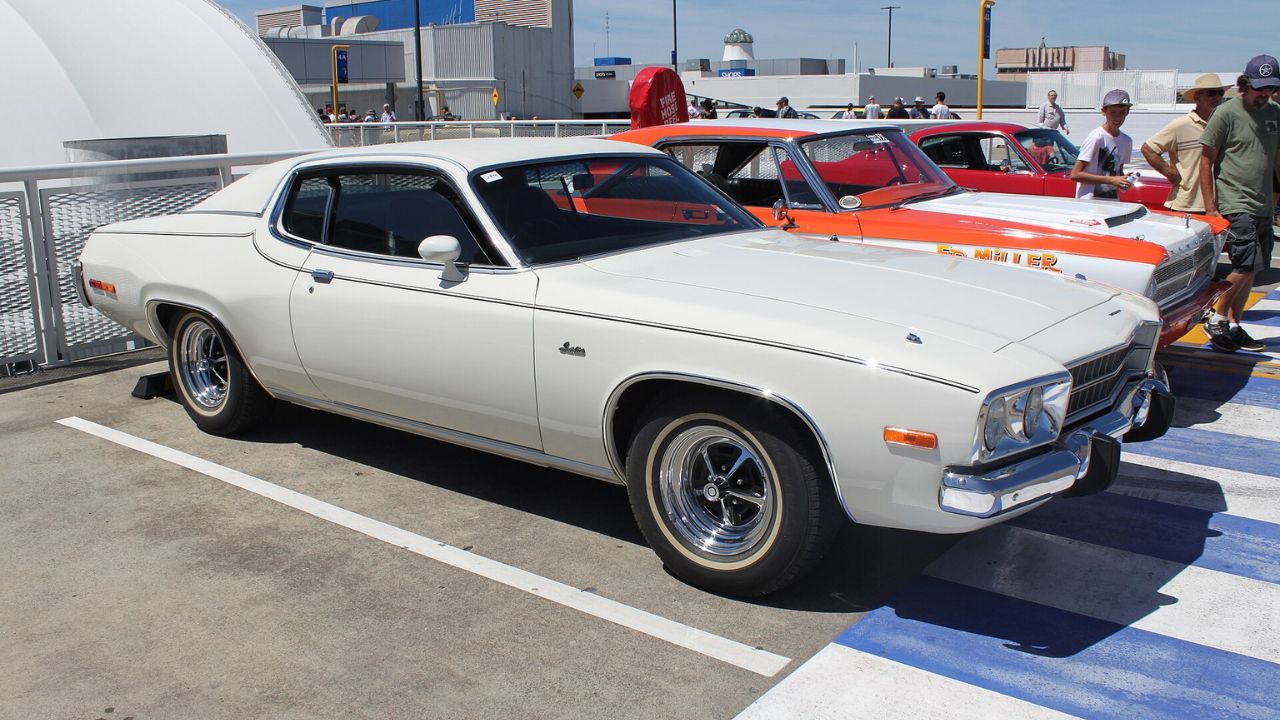
The Satellite Sebring offered a stylish middle ground between ordinary family transportation and full-blown muscle-car territory. Its sporty proportions, available V8 engines, and comfortable interior made it versatile enough for daily use and weekend cruising. It was often overshadowed by the Road Runner and GTX, but that lower profile has helped give surviving examples a distinct appeal among collectors.
Plymouth Cricket

The Plymouth Cricket was an unusual departure from the brand’s traditional American formula. Based on a British compact, it gave Plymouth buyers a smaller and more economical alternative during a period when demand for compact cars was growing. Its short market life and limited survival make it particularly uncommon today. For collectors, its oddball character is precisely what makes it worth remembering.
Plymouth GTX Convertible
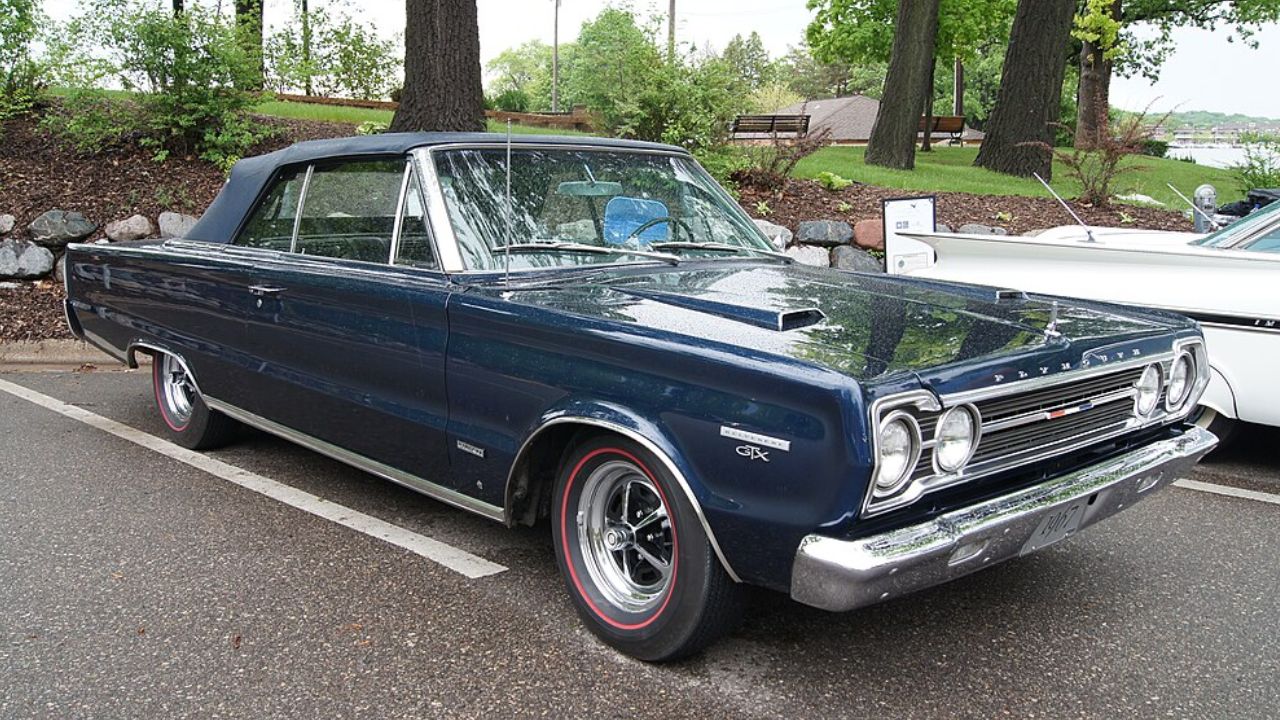
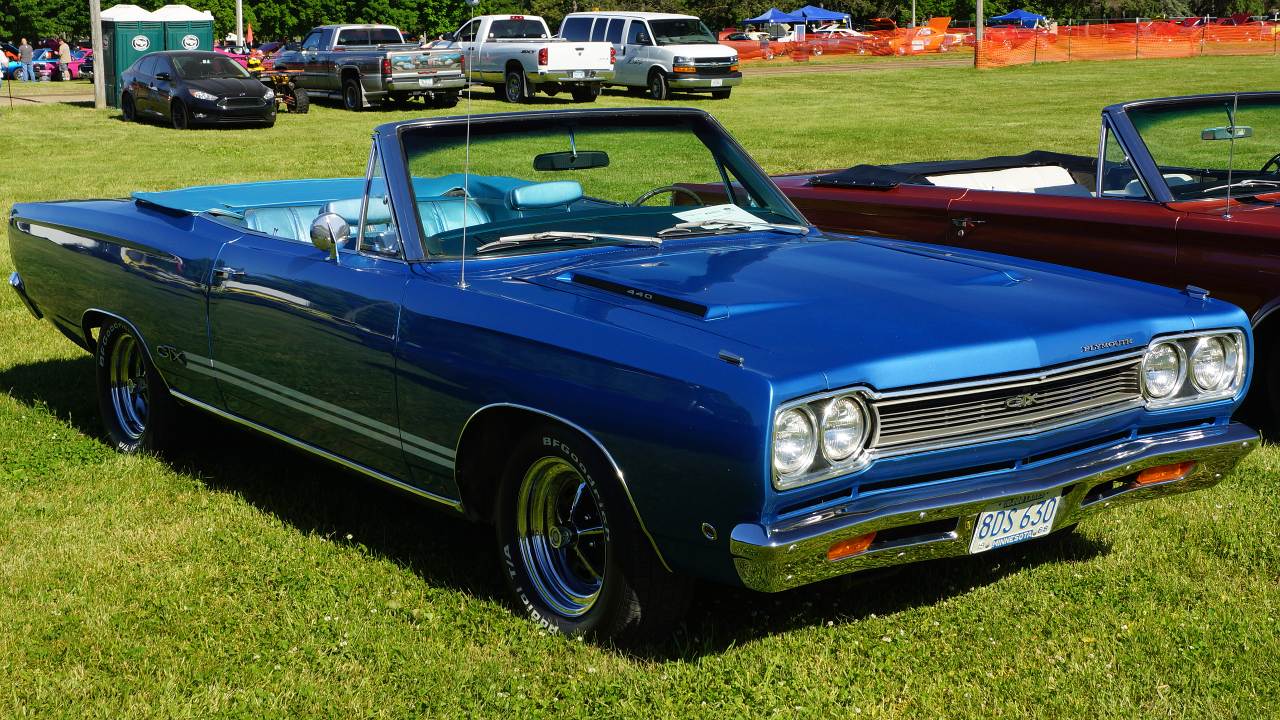
The Plymouth GTX Convertible combined open-air cruising with serious V8 performance, creating a rare combination of comfort and muscle. Its limited production compared with ordinary Plymouth convertibles makes surviving examples particularly desirable. Many were modified, raced, or simply exposed to decades of weather. A genuine, well-preserved GTX Convertible can therefore command attention far beyond what its Plymouth badge might suggest.
More from Fast Lane Only
- Unboxing the WWII Jeep in a Crate
- 15 rare Chevys collectors are quietly buying
- 10 underrated V8s still worth hunting down
- Police notice this before you even roll window down
*Research for this article included AI assistance, with all final content reviewed by human editors