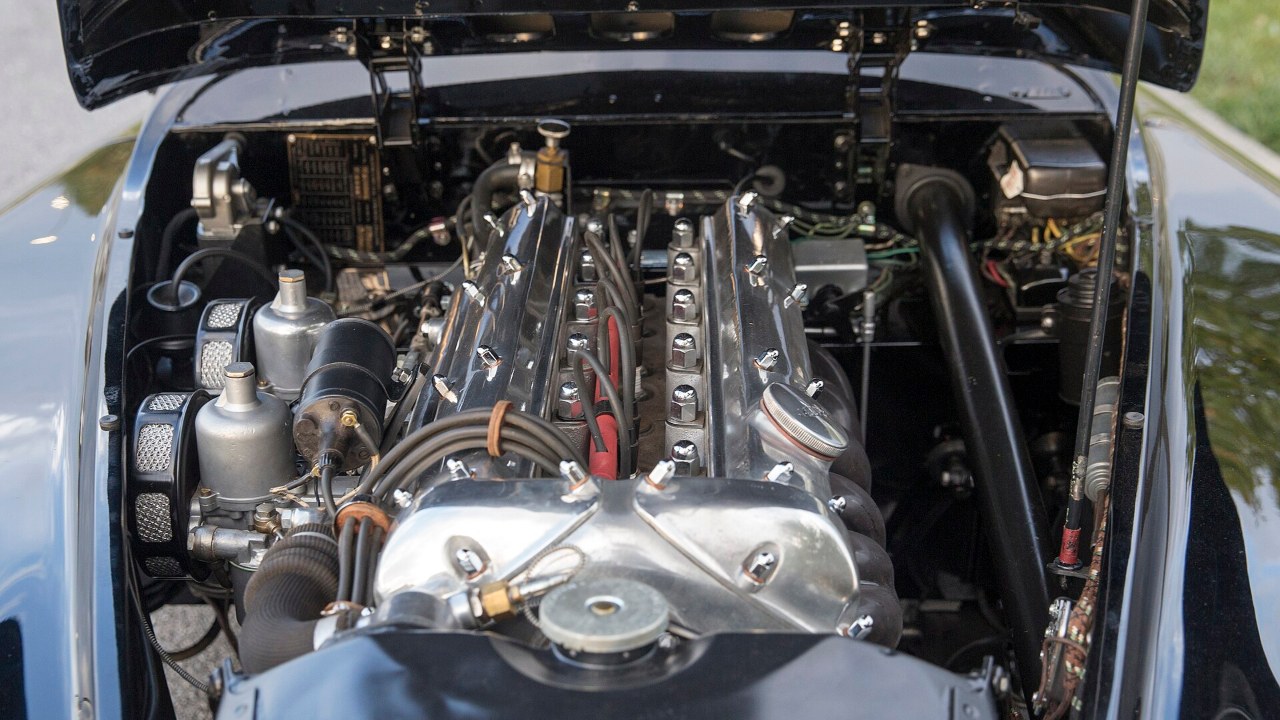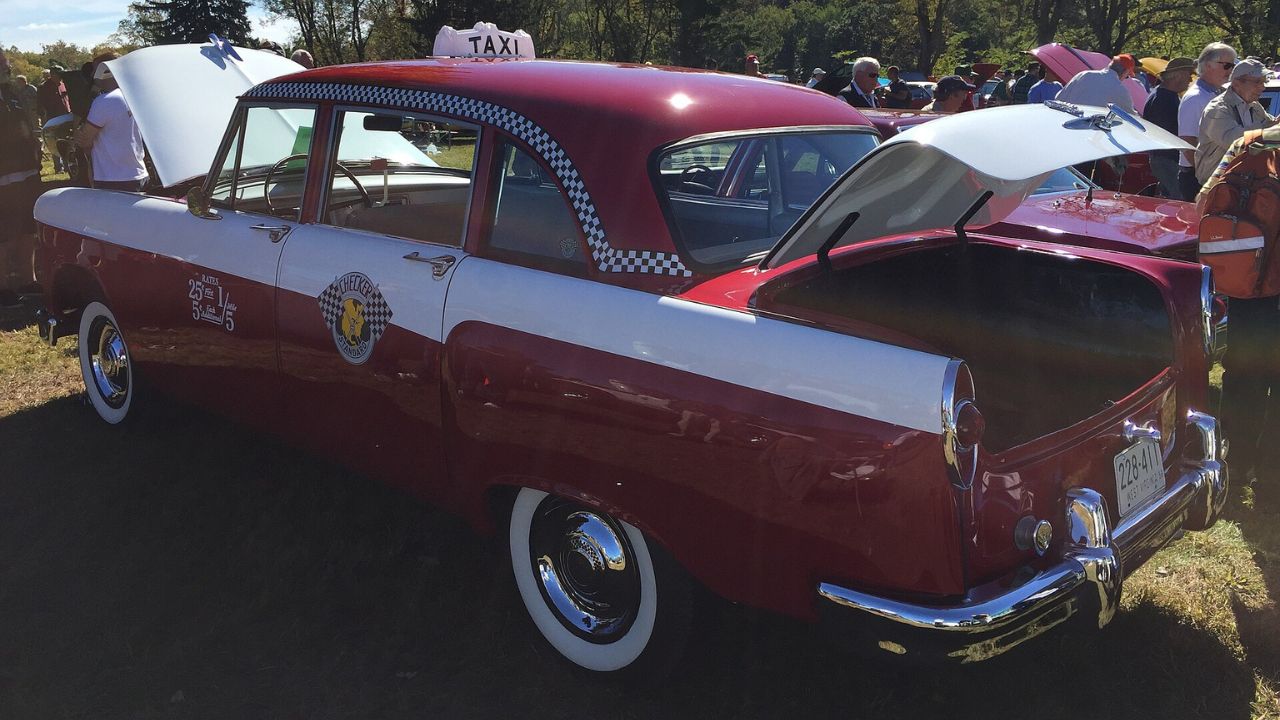
Vintage taxis were some of the hardest-working vehicles on the road, carrying passengers through crowded streets for years before eventually disappearing from service. Many were built in relatively small numbers or subjected to punishing daily use, making surviving examples surprisingly rare. These 7 classic taxis are now unusual enough that most enthusiasts will probably never encounter one in person.
Checker Aerobus
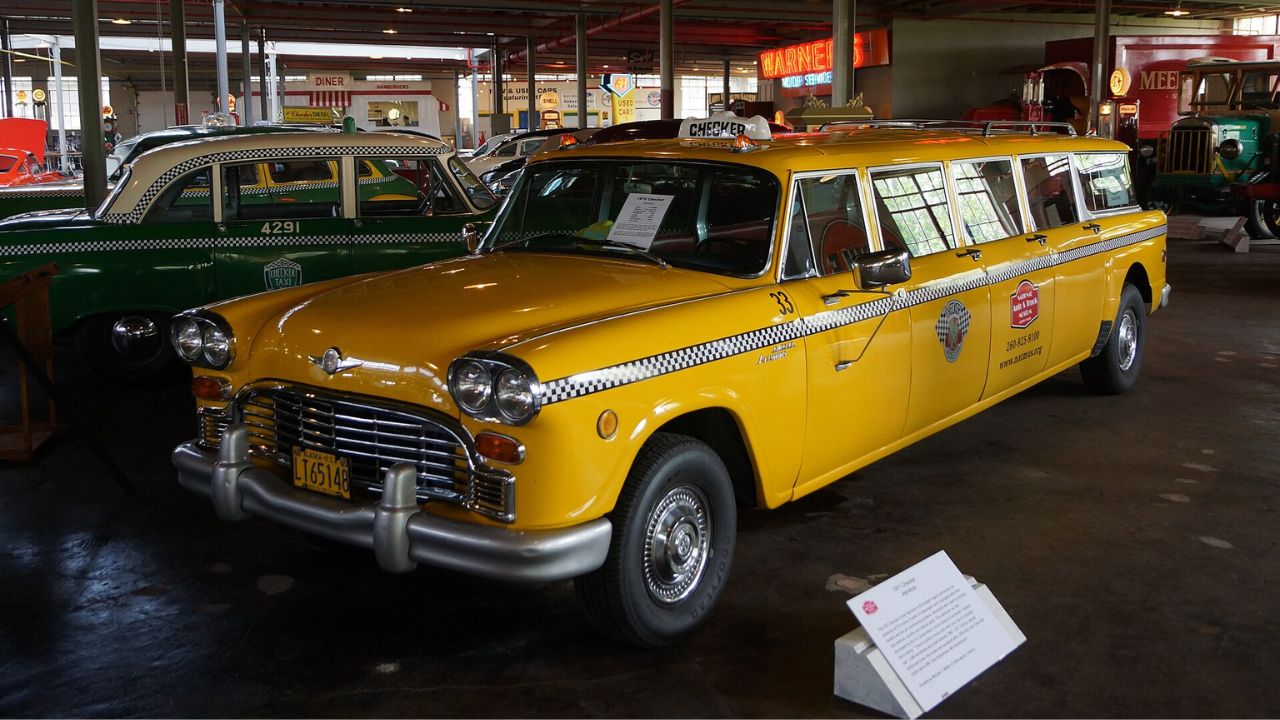
The Checker Aerobus was an unusually large passenger vehicle that could carry far more people than a conventional sedan. It was used for airport transfers, hotel transportation, and other commercial duties. Its specialized purpose and limited production make surviving examples exceptionally rare. Seeing one today is unusual even at major transportation or commercial-vehicle gatherings.
Checker Marathon
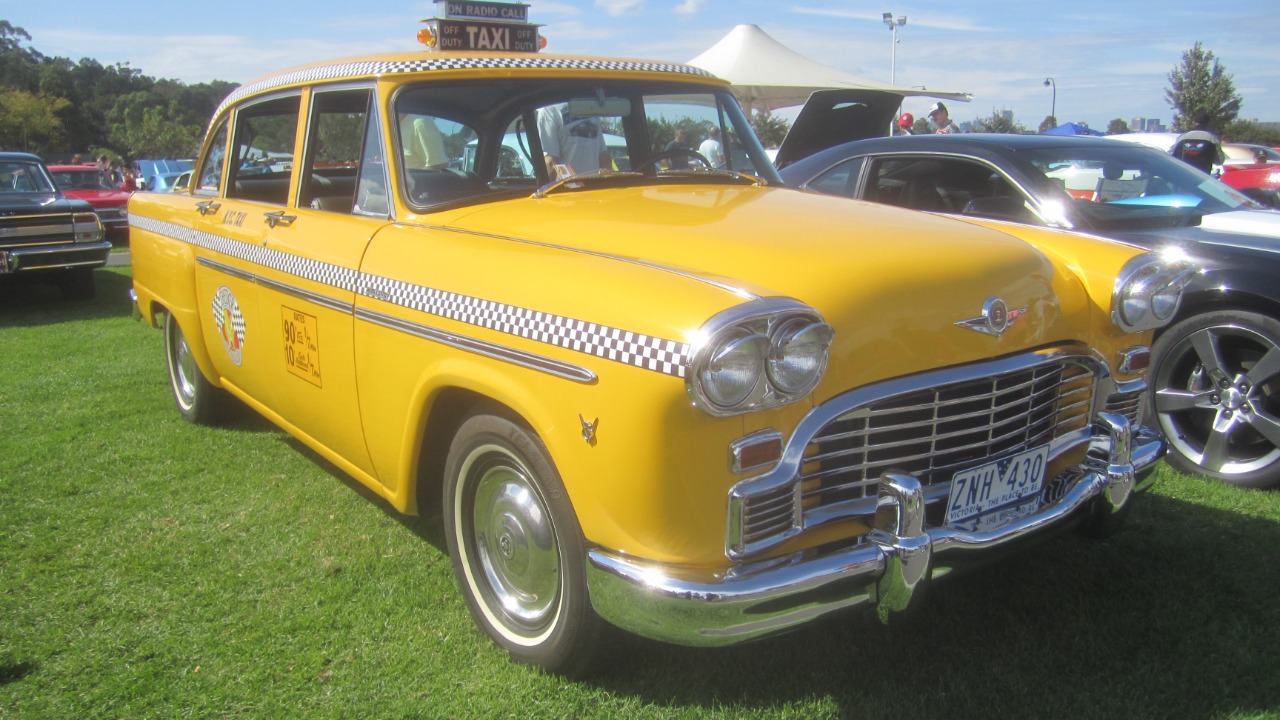
The Checker Marathon became one of the most recognizable American taxi designs, but genuine surviving examples are increasingly difficult to find. Years of commercial service often meant enormous mileage, frequent repairs, and harsh urban driving. Many were discarded once their working lives ended. A well-preserved Marathon therefore offers a fascinating glimpse at an era when purpose-built taxis were common on American streets.
Austin FX4
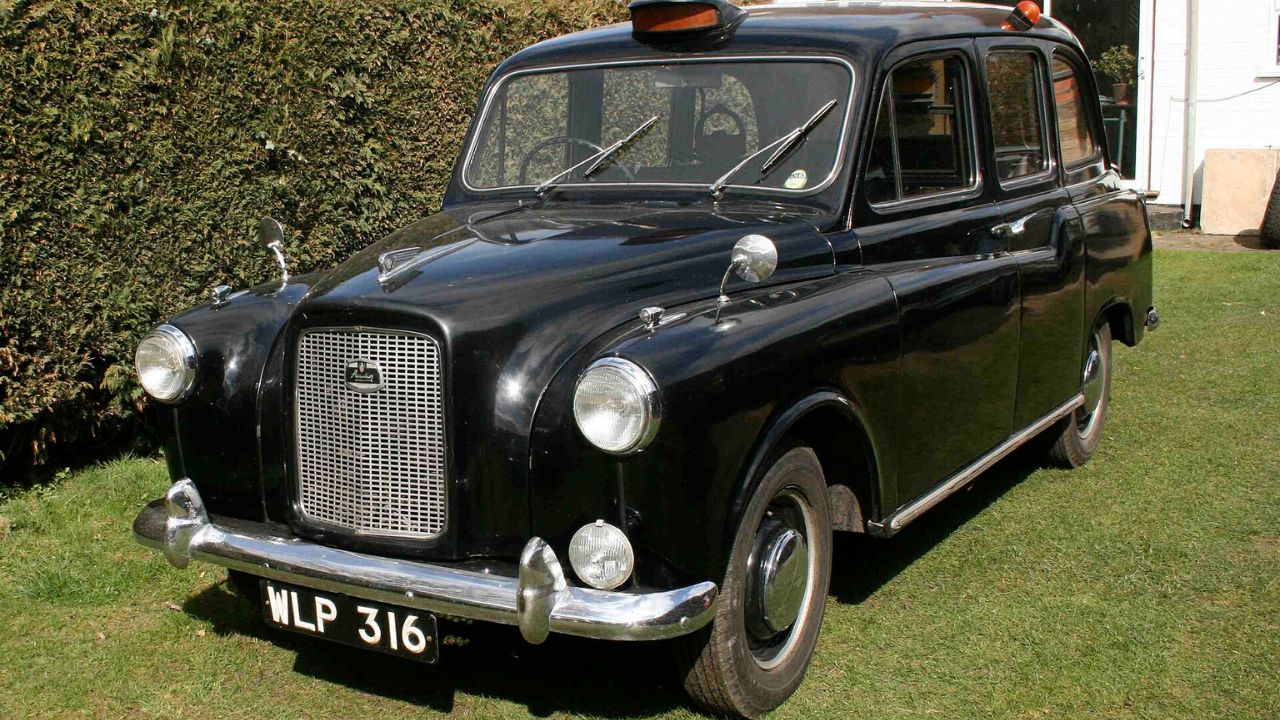
The Austin FX4 became synonymous with London’s black-cab tradition, but its distinctive shape is now far less common than it once was. These taxis were engineered for constant urban work, which meant durability was essential. Surviving examples often have fascinating service histories. Outside Britain and specialist collections, however, encountering a genuine FX4 in person can be surprisingly difficult.
Peugeot 404 Taxi
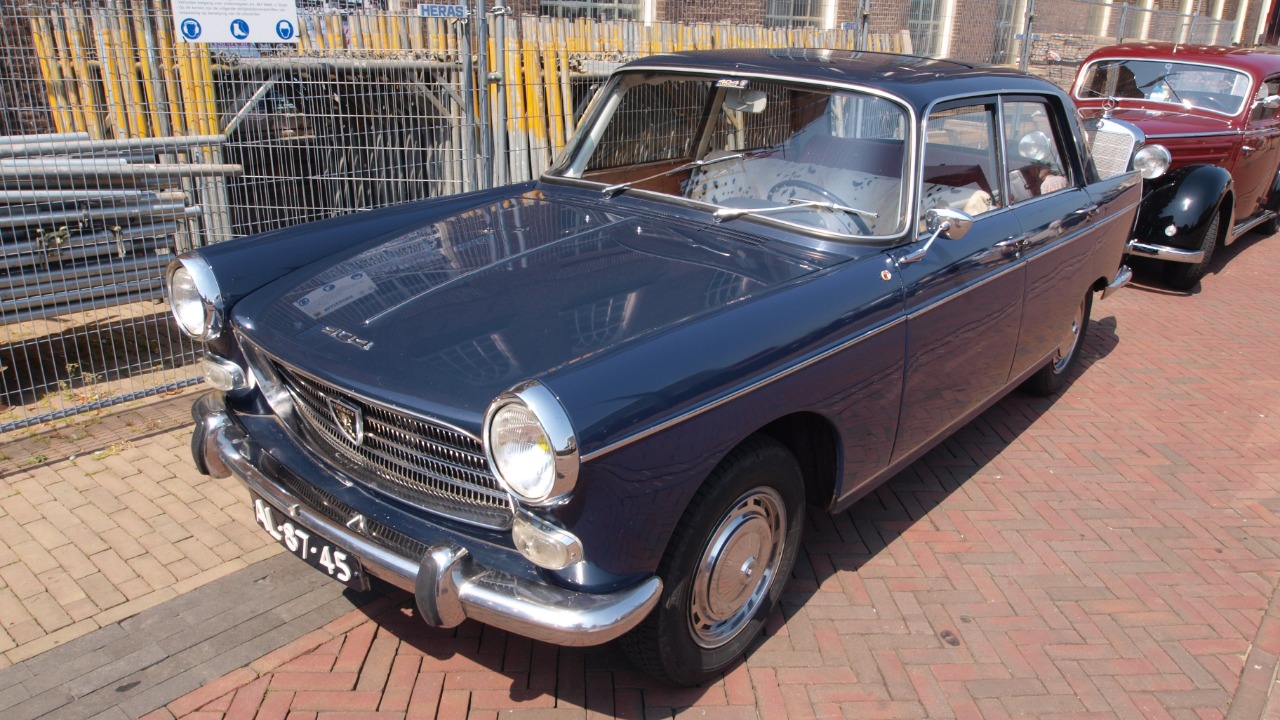
The Peugeot 404 became a hugely important taxi in parts of Africa and other regions where rugged transportation was essential. Its durable construction and dependable mechanical components allowed it to handle demanding roads and enormous mileage. Many examples remained in service for years, leaving relatively few preserved today. A well-restored taxi-specification 404 can be a remarkable sight.
Fiat 1100 Taxi

The Fiat 1100 served as practical taxi transportation in Italy and other European markets, where its compact dimensions were ideal for crowded streets. Its relatively simple mechanical design made it well suited to commercial use. Most examples were eventually worn out or discarded, however. A surviving taxi with its original equipment and period details would be a particularly unusual find.
Beardmore Paramount
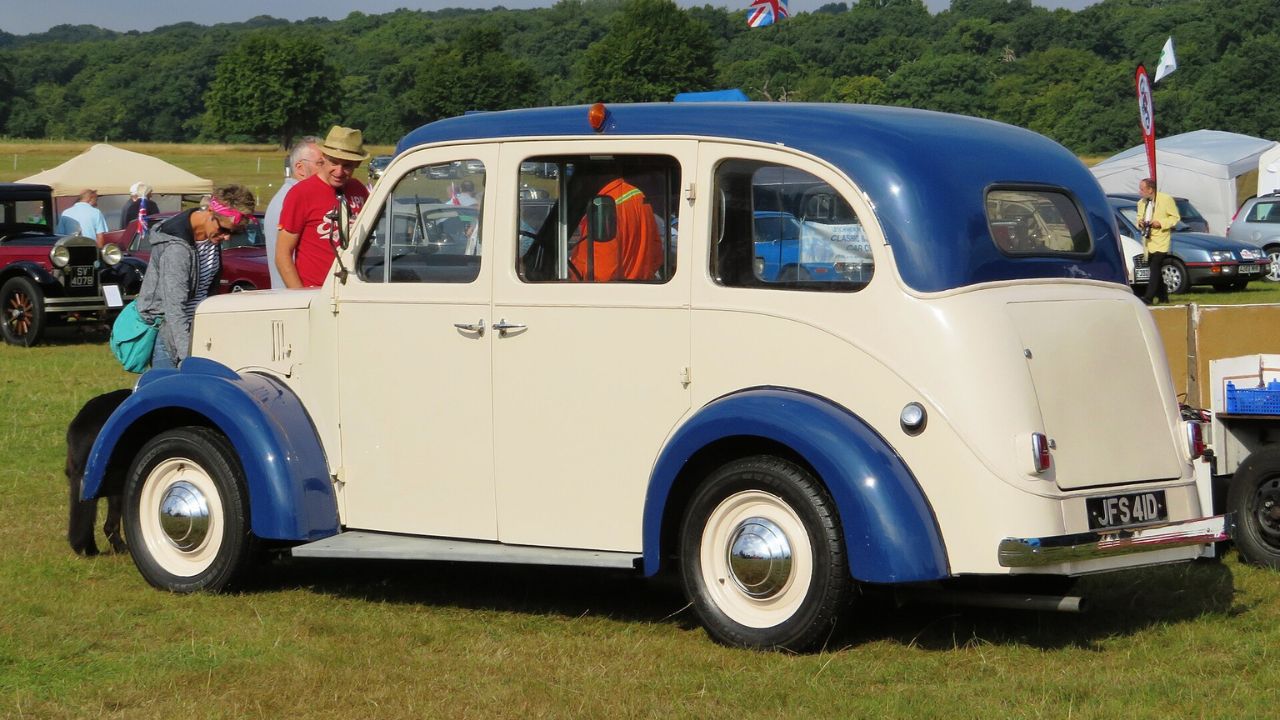
The Beardmore Paramount was another distinctive British taxi built specifically for demanding urban service. Its substantial construction and traditional styling gave London streets a very different appearance before more standardized cab designs became dominant. Most were eventually retired and disappeared. Surviving examples are now unusual pieces of British transportation history that few people ever encounter outside specialist collections.
Toyota Crown Taxi
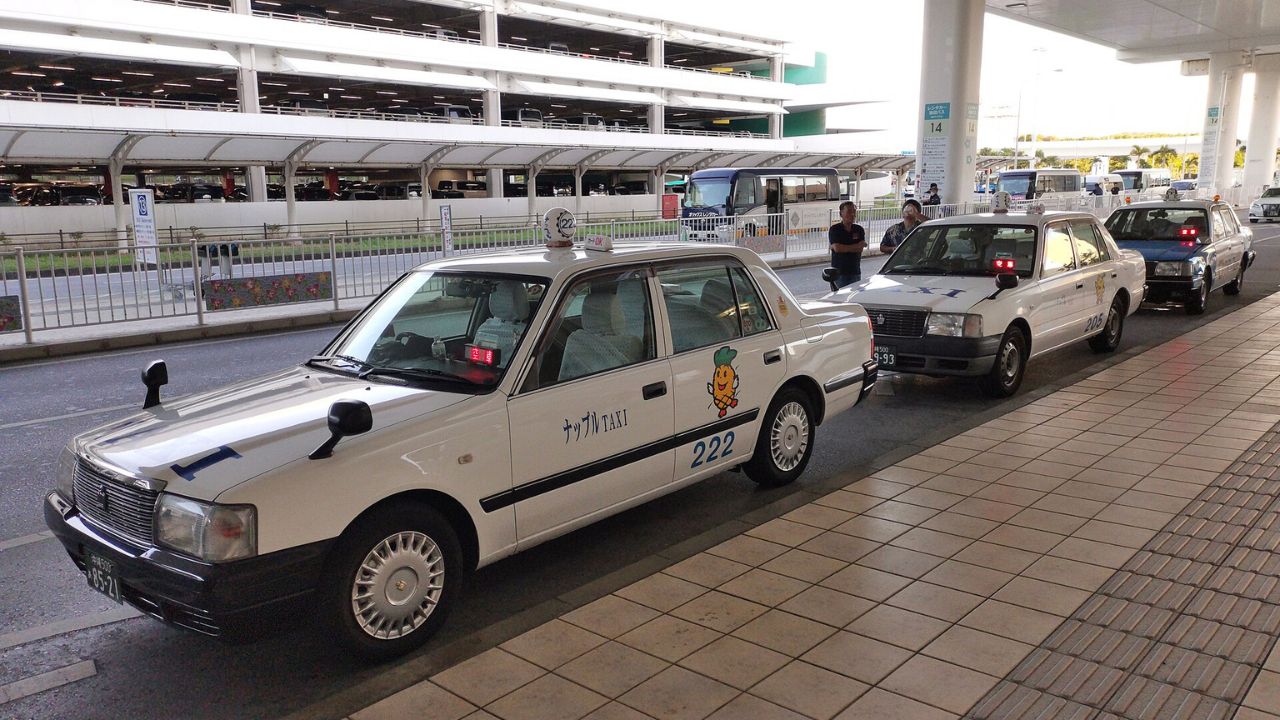
The Toyota Crown became an important taxi in Japan and several other markets, offering a combination of comfort, durability, and practical engineering. Taxi examples often accumulated enormous mileage under demanding conditions before being retired. That makes preserved cars especially interesting. Outside Japan, finding an authentic Crown with its original taxi equipment and history can be a remarkably rare experience.
More from Fast Lane Only
- Unboxing the WWII Jeep in a Crate
- 15 rare Chevys collectors are quietly buying
- 10 underrated V8s still worth hunting down
- Police notice this before you even roll window down
*Research for this article included AI assistance, with all final content reviewed by human editors