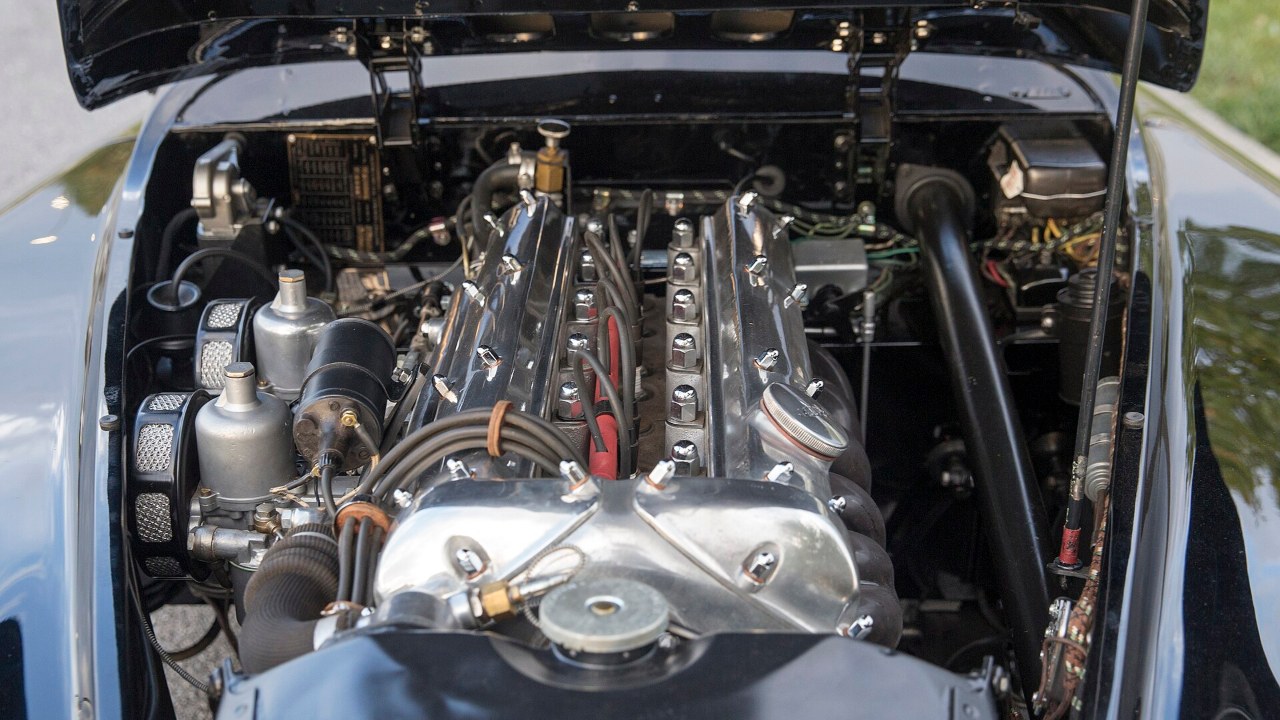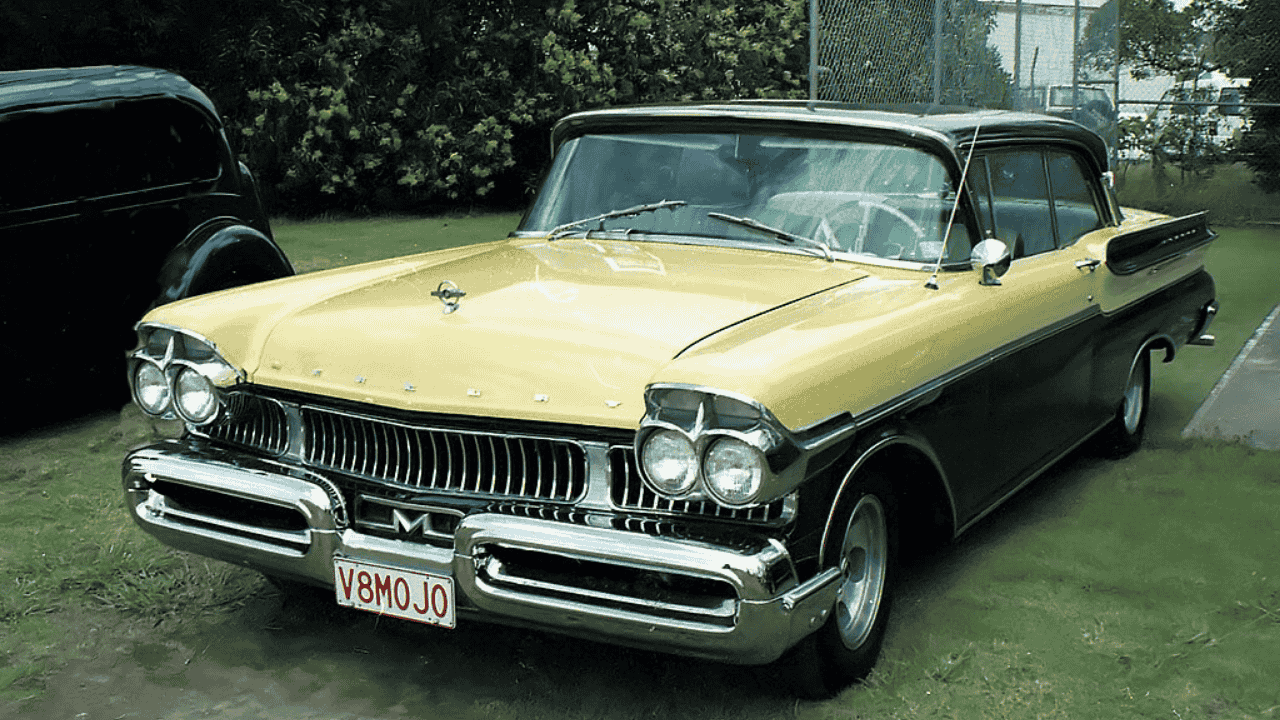
Mercury occupied an interesting space between Ford’s mainstream cars and Lincoln’s luxury offerings, but several of its most unusual models have nearly vanished from the roads. Limited production, hard use, and decades of neglect took their toll. These seven Mercurys are rare enough today that even dedicated American-car enthusiasts may have never encountered one outside a photograph or collection.
Mercury Turnpike Cruiser
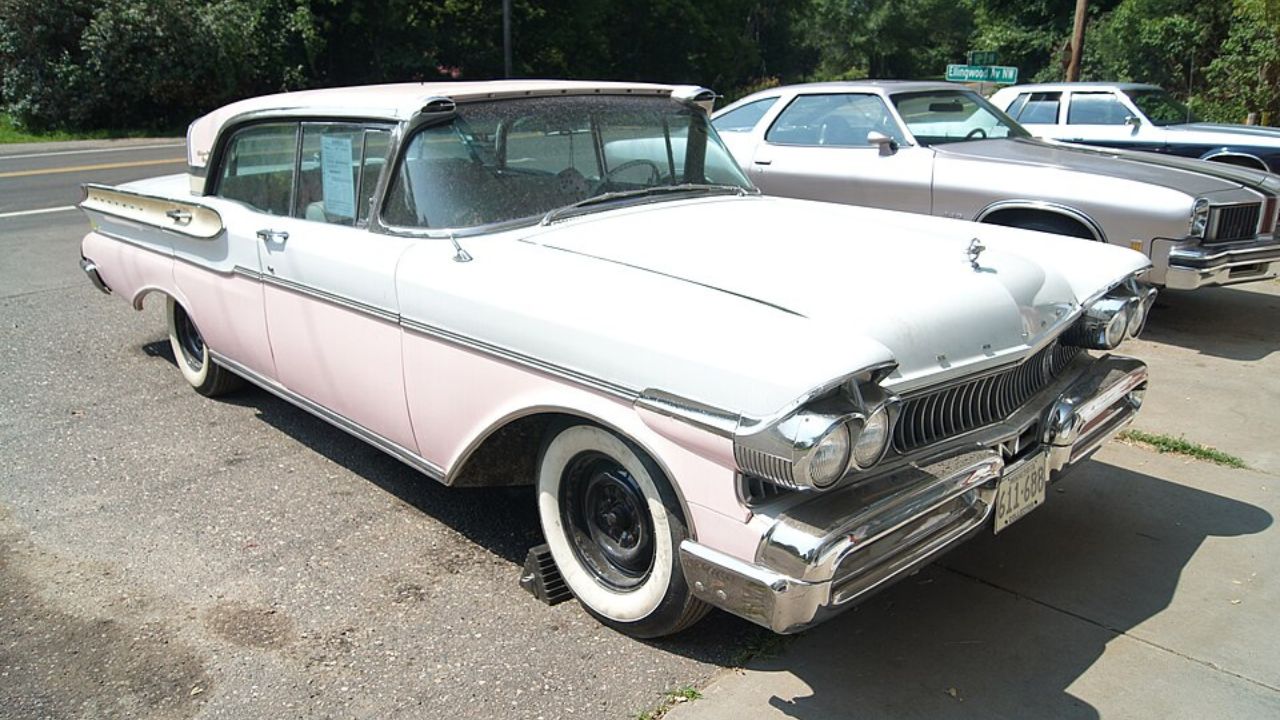
The Mercury Turnpike Cruiser was one of the boldest designs of the 1950s, with towering rear styling, elaborate chrome, and distinctive roof details. Its extravagant appearance reflected an era when American manufacturers competed to create increasingly dramatic cars. Despite its striking design, relatively few have survived in excellent condition. Seeing an original Turnpike Cruiser today is a genuine rarity.
Mercury Park Lane
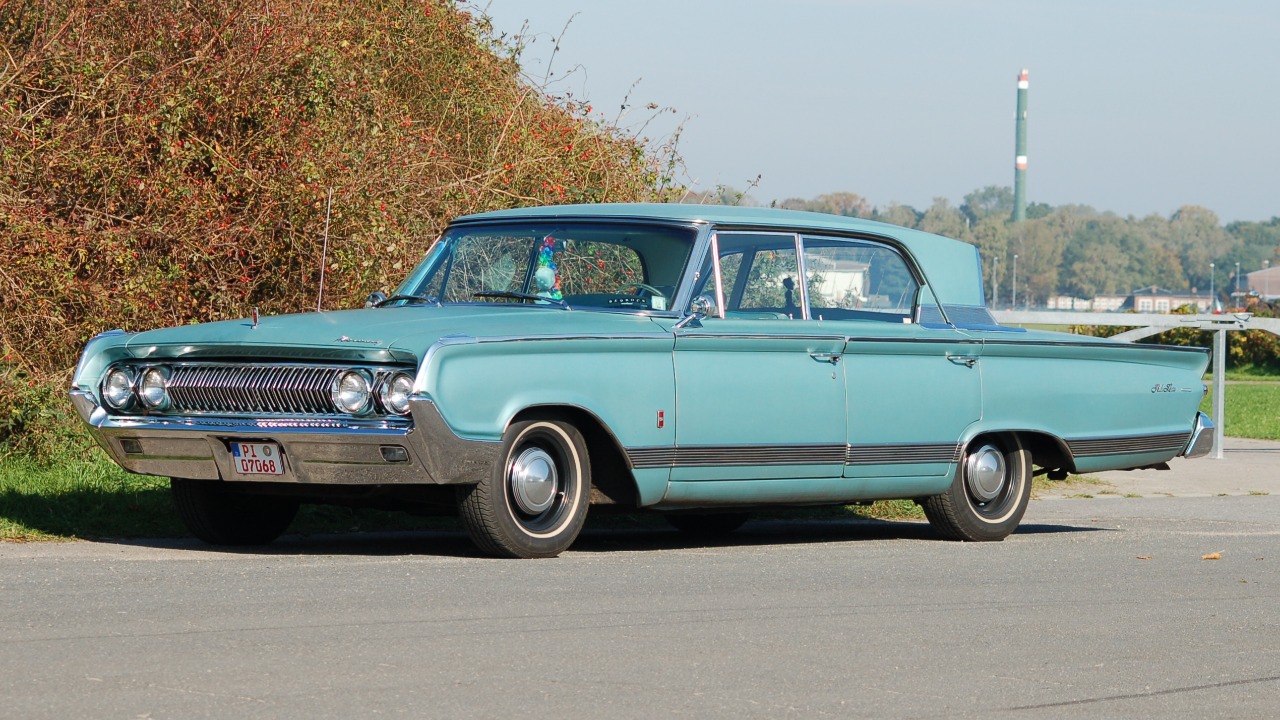
The Mercury Park Lane represented the upper end of the brand’s lineup and delivered substantial size, power, and luxury. Its imposing proportions and lavish trim made it stand apart from ordinary Mercury models. Many were used as everyday family transportation before disappearing from the roads. Well-preserved examples are now uncommon, particularly cars retaining their original interiors and extensive brightwork.
Mercury Montclair
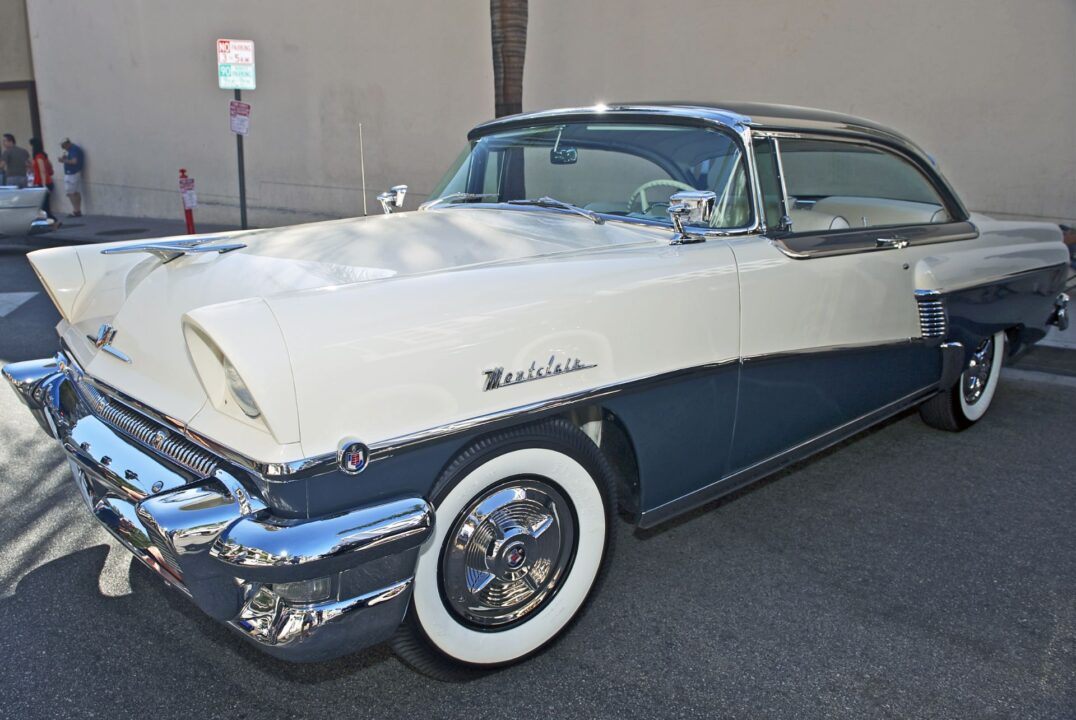
The Mercury Montclair combined upscale equipment with the dramatic styling that defined the brand during the mid-century period. Its large body, prominent chrome, and distinctive rear treatment gave it considerable road presence. Because these cars were rarely treated as future collectibles, many were simply driven until they were worn out. Surviving examples can therefore be surprisingly difficult to encounter.
Mercury Commuter

The Mercury Commuter is one of the more unusual surviving choices for collectors because it represents the brand’s full-size station-wagon era. Its long body and substantial cargo area made it practical, but years of family and commercial use took a heavy toll on surviving examples. A complete Commuter with original trim and a solid body is now a genuinely uncommon sight.
Mercury Medalist

The Mercury Medalist occupied a less glamorous position in the lineup, which partly explains why so few have survived. It offered traditional American styling and straightforward mechanicals without the prestige of the brand’s most expensive models. Most were simply inexpensive used cars after their first owners moved on. Today, that lack of collector attention makes an original Medalist particularly unusual.
Mercury Marauder
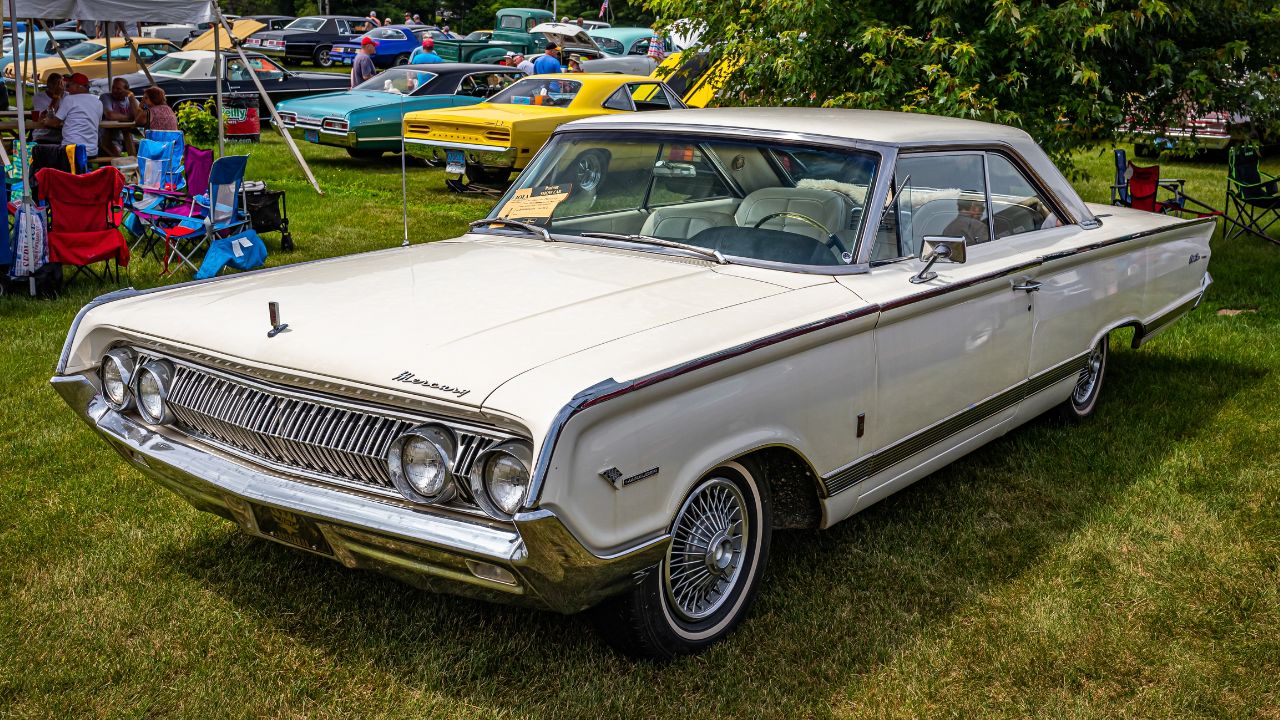
The Mercury Marauder brought a more aggressive personality to the Mercury range, combining distinctive styling with available V8 performance. Its limited production compared with more mainstream Mercury models helped make it less common from the beginning. Many surviving examples were modified or lost to ordinary use. A clean, original Marauder can therefore be much harder to find than its familiar Mercury badge suggests.
Mercury Comet Caliente
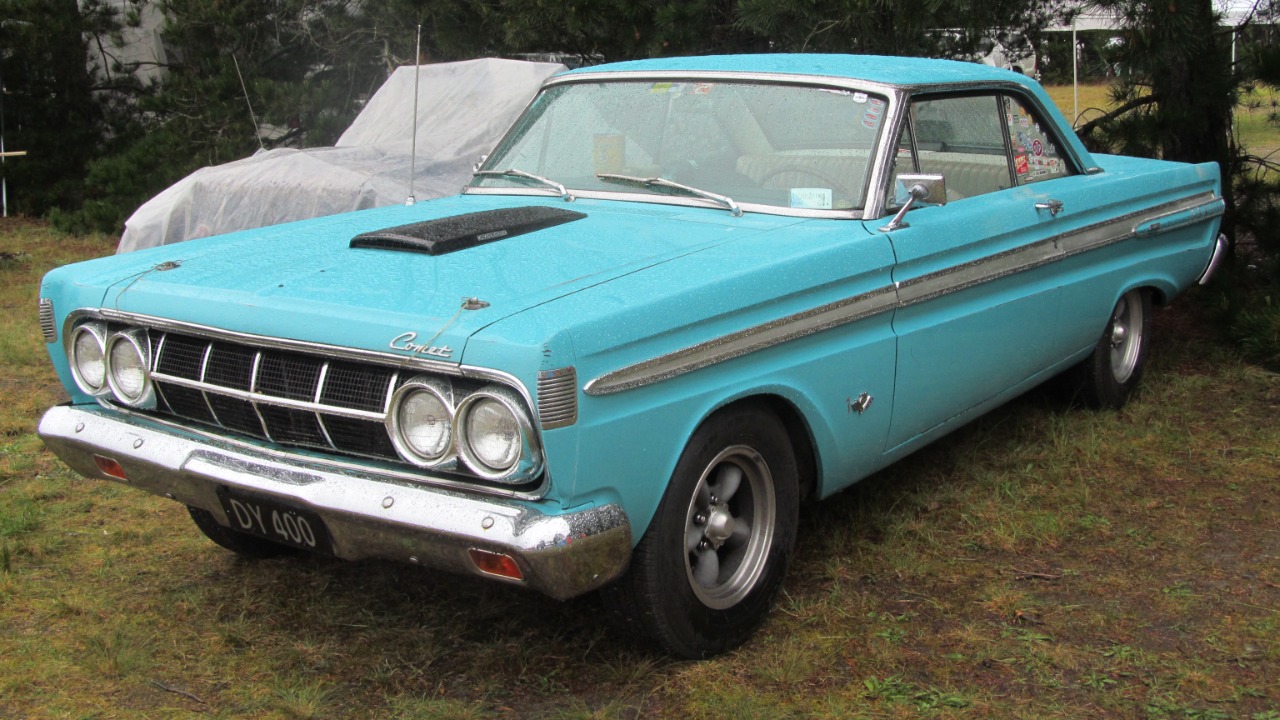
The Mercury Comet Caliente added sportier styling and upscale details to Mercury’s compact lineup. Its smaller proportions made it stand apart from the brand’s larger cruisers, while its available performance options gave it additional appeal. Many examples spent their lives as affordable transportation rather than collector cars. Today, an intact Caliente with its original trim can be a surprisingly rare find.
More from Fast Lane Only
- Unboxing the WWII Jeep in a Crate
- 15 rare Chevys collectors are quietly buying
- 10 underrated V8s still worth hunting down
- Police notice this before you even roll window down
*Research for this article included AI assistance, with all final content reviewed by human editors