Engines that look compromised in spec sheets sometimes turn into cult favorites once the key turns. I focus here on five powerplants that critics flagged for design, durability, or layout concerns, yet drivers still celebrate them for the way they sound and feel on real roads. Each one shows how character, especially through the exhaust, can outweigh what appears to be flawed engineering on paper.
Volkswagen’s Early Entry That Revived Itself
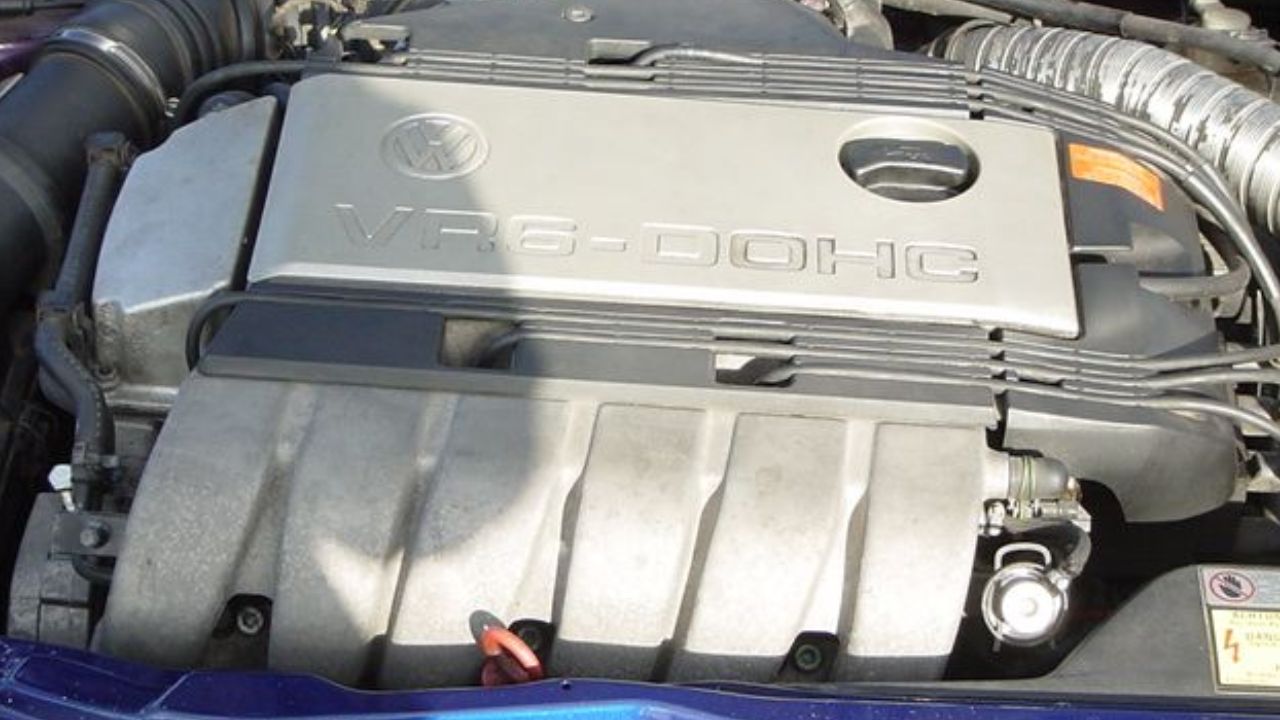
Volkswagen’s early problem child on the worst engines list is remembered for theoretical shortcomings in build quality, including fragile internals and questionable long-term durability. Owners complained about piston ring issues and timing layouts that looked marginal even in factory diagrams, a concern echoed in enthusiast discussions that treat these units as cautionary tales. Yet when I look past the spreadsheets, this engine’s relatively free-revving nature and mechanical growl give it a surprisingly harmonious presence on the road.
In period Volkswagens, that flawed design translated into a lively throttle response and a coarse but charismatic soundtrack that encouraged drivers to chase the redline. The stakes for Volkswagen were significant, because a misstep in reliability risked alienating loyal buyers just as the brand was chasing broader appeal. Instead, many enthusiasts now accept the maintenance headaches as the price of admission for an engine that feels more analog and communicative than its reputation suggests.
The Quintessential Oddball Five-Cylinder
One of the standout five-cylinder engines highlighted among the best sounding powerplants looked mismatched on paper because of its odd cylinder count and inherent balance compromises. Traditionalists argued that a straight-four or inline-six would be smoother and easier to package, and early technical commentary often framed the five-cylinder as a compromise solution. Yet once installed in performance models, its offbeat firing order produced a melodic, warbling exhaust note that enthusiasts now recognize instantly on the highway.
Manufacturers from Acura to Volvo experimented with this layout, but the most celebrated examples turned their supposed imbalance into a signature rhythm that blends four-cylinder urgency with six-cylinder richness. For drivers, that meant an engine that felt unique every time it climbed through the rev range, reinforcing the idea that emotional engagement can trump theoretical refinement. The broader trend is clear: unconventional architectures can succeed when their acoustic personality becomes part of a brand’s identity.
VW’s Notorious Powerplant With Addictive Response
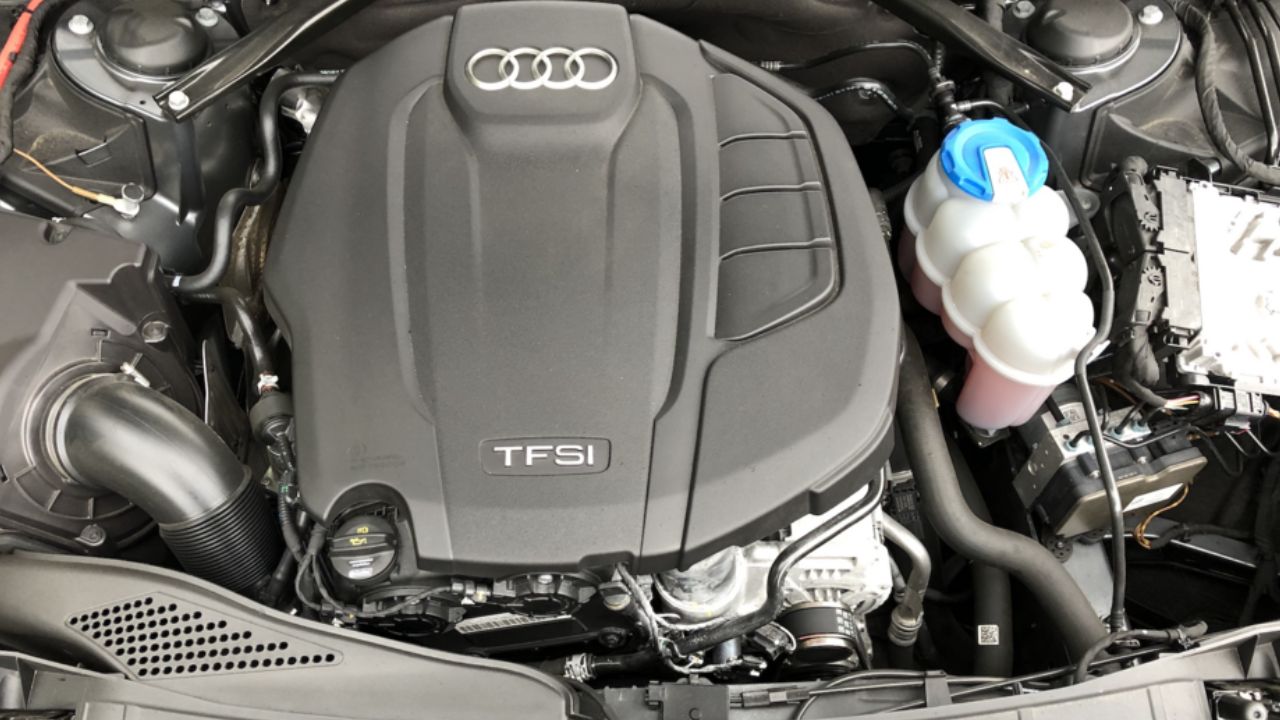
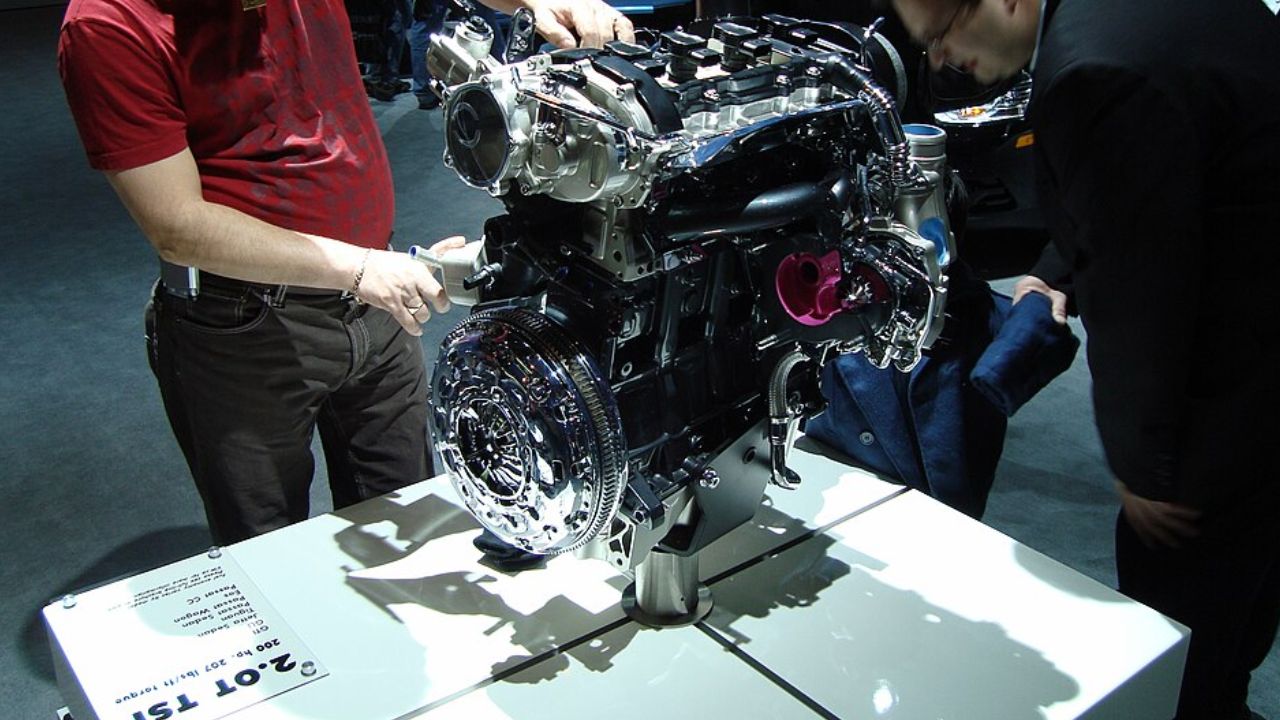
Another notorious Volkswagen engine frequently criticized in owner forums and reliability rundowns suffered from piston ring failures plus a bad timing design in its first and second generations. Enthusiasts point out that these flaws were serious enough that later Mk7-era revisions were needed to tame the issues, confirming that the original blueprint had real weaknesses. On paper, that combination of oil consumption risk and timing vulnerability should have made the engine a nonstarter for anyone thinking long term.
Yet behind the wheel, the same engine delivered sharp throttle response and a muscular midrange that made everyday driving feel urgent and engaging. The soundtrack, a mix of induction roar and turbo whistle in many applications, encouraged spirited use even as owners knew they were stressing marginal components. For Volkswagen, the stakes involved balancing warranty exposure against the marketing value of a responsive, exciting powertrain, and this engine shows how performance character can keep a flawed design in demand.
Iconic Five-Cylinder Standout With Raw Soundtrack
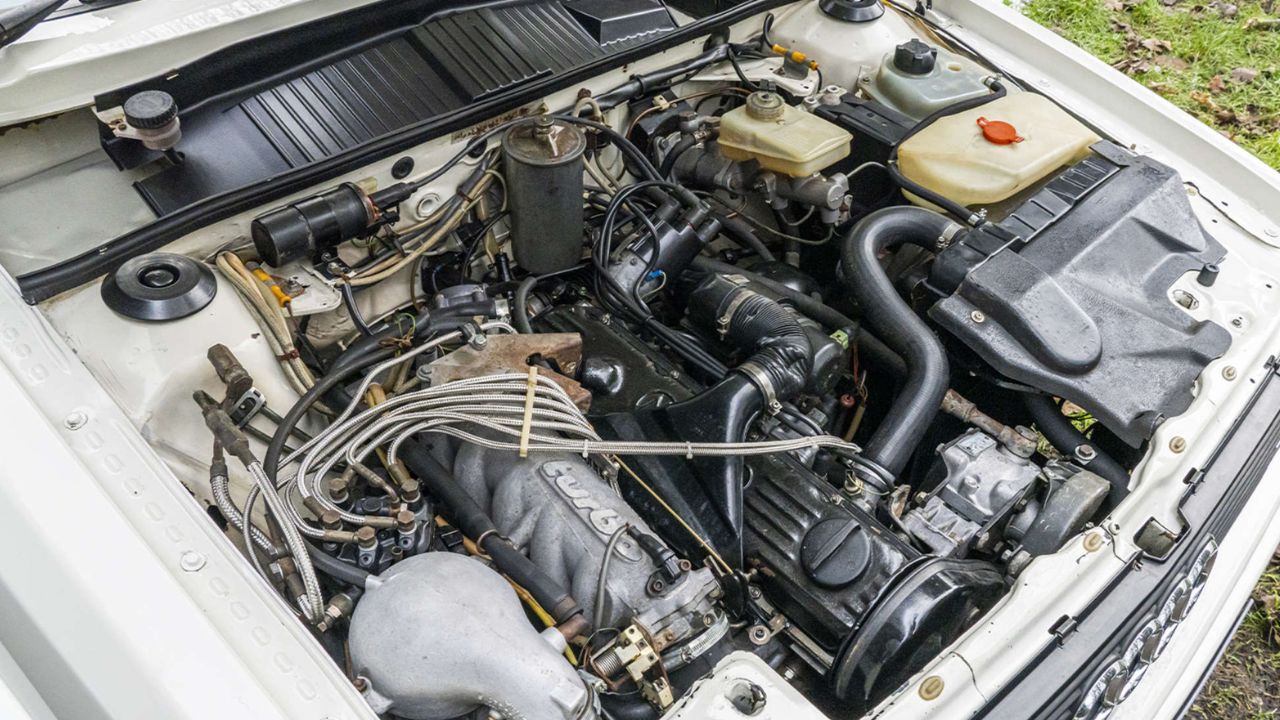
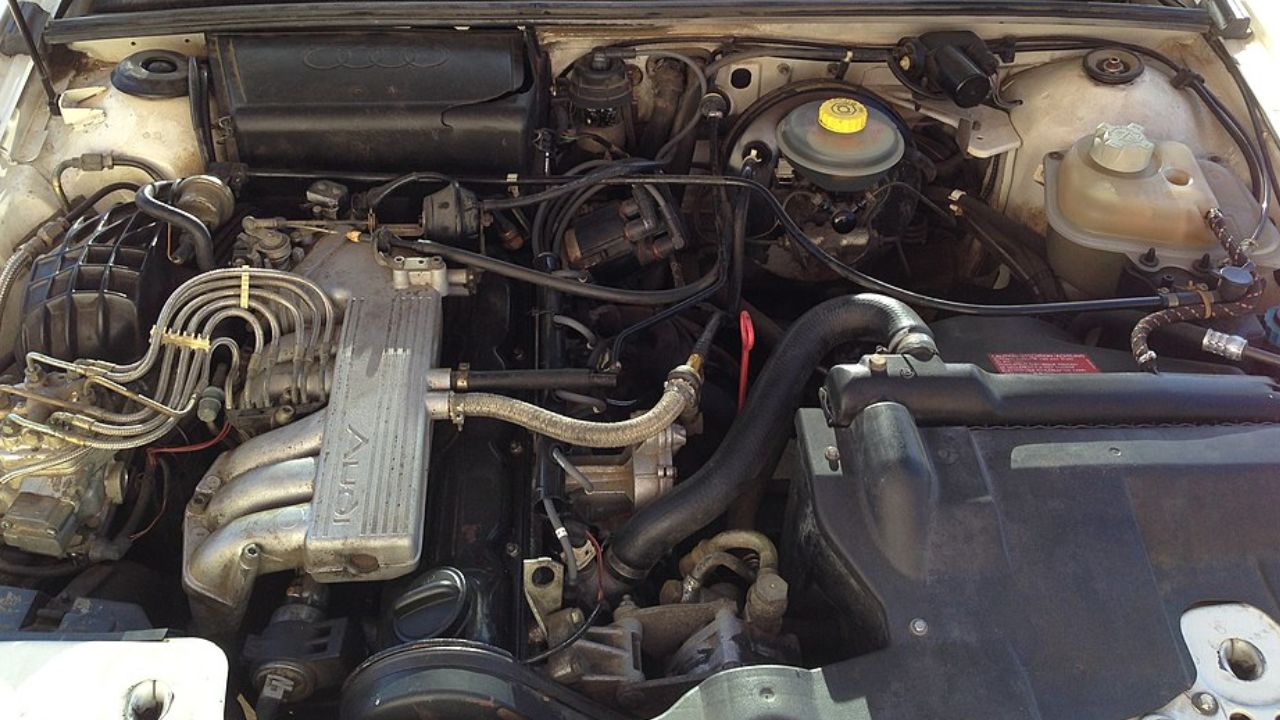
The Audi five-cylinder Turbo celebrated in tributes such as 50 Years of Audi Five-Cylinder, looked unconventional when engineers first committed to an odd-numbered inline layout. Skeptics questioned whether a long, narrow block with five cylinders could match the smoothness of a six or the simplicity of a four, especially once forced induction entered the picture. Yet the result was an engine described as “one of the best engines ever made,” very tough and backed by a rich motorsport history that validated the concept.
On the road and in rally Legends, that Turbo five delivered a raw, syncopated soundtrack that built in intensity as boost rose, turning every tunnel into a stage. The distinctive warble and offbeat crackle became shorthand for serious performance, influencing how Modern Performance cars approached sound tuning. For stakeholders, from engineers to marketers, the success of this layout proved that taking acoustic risks could yield a long-lasting brand signature and loyal fanbase.
A Flawed Yet Forgiven Volkswagen Mill
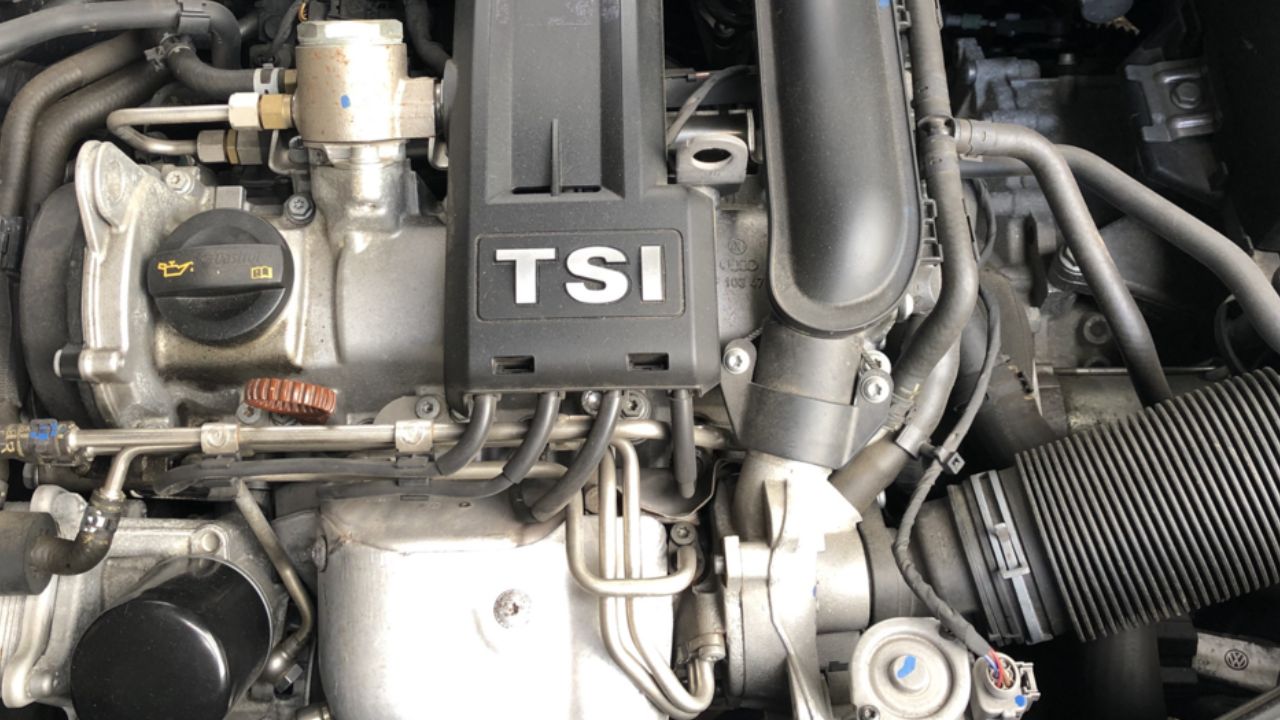
Among the units singled out in detailed breakdowns of Volkswagen engines, one mill stands out for efficiency and durability red flags that were obvious even in early technical literature. Analysts warned about marginal cooling capacity, stressed emissions hardware, and service intervals that left little margin for neglect, all of which pushed it toward the “avoid” column. On paper, it looked like a short-lived experiment that prioritized output and fuel numbers over robustness.
Yet in real-world driving, this engine’s smooth torque delivery and surprisingly rich exhaust note helped many owners forgive its shortcomings. The way it pulled from low revs and settled into a quiet but characterful cruise made daily commuting feel more refined than the spec sheet implied. For Volkswagen, the trade-off highlighted a broader industry tension between chasing efficiency targets and preserving mechanical longevity, and it showed how sound and feel can keep even a flawed design in loyal service.
More from Fast Lane Only