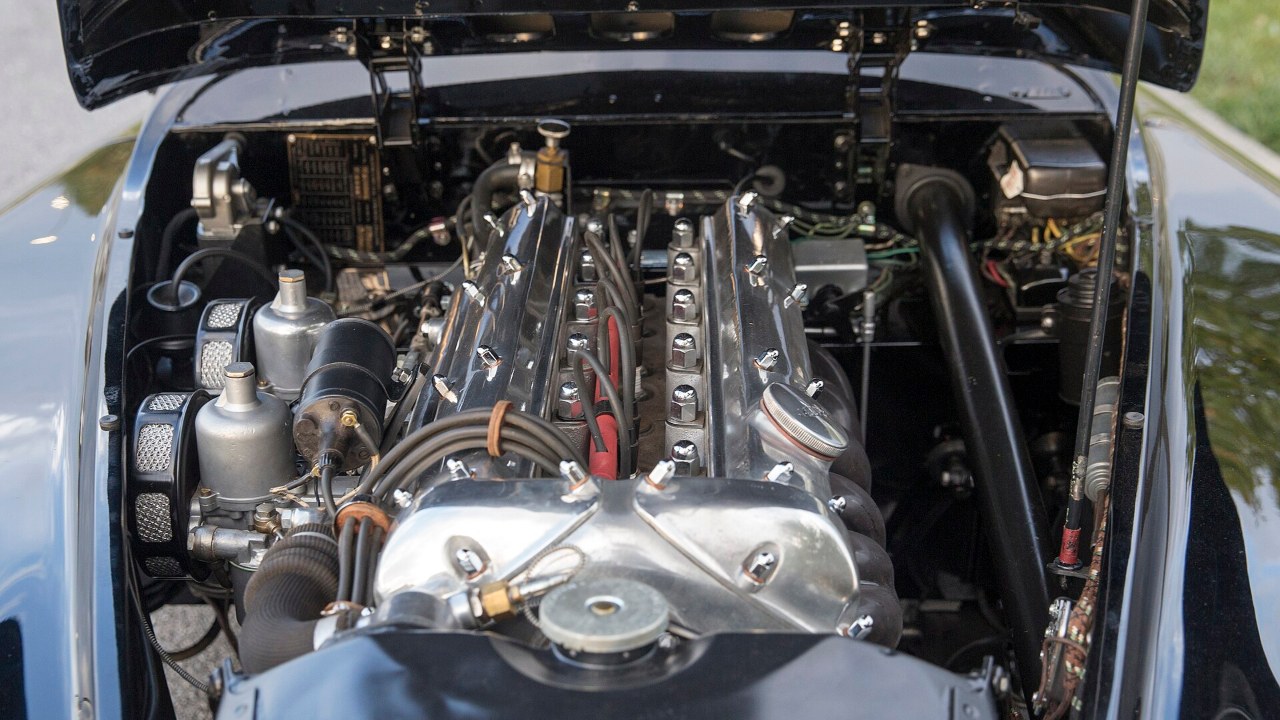
Turbocharging was once an unusual way to extract serious performance from relatively small engines. Before forced induction became commonplace, several manufacturers used it to create cars that could surprise much larger and more powerful rivals. Some disappeared from memory because they were produced in small numbers, while others were overshadowed by more famous performance cars.
Buick Regal Grand National
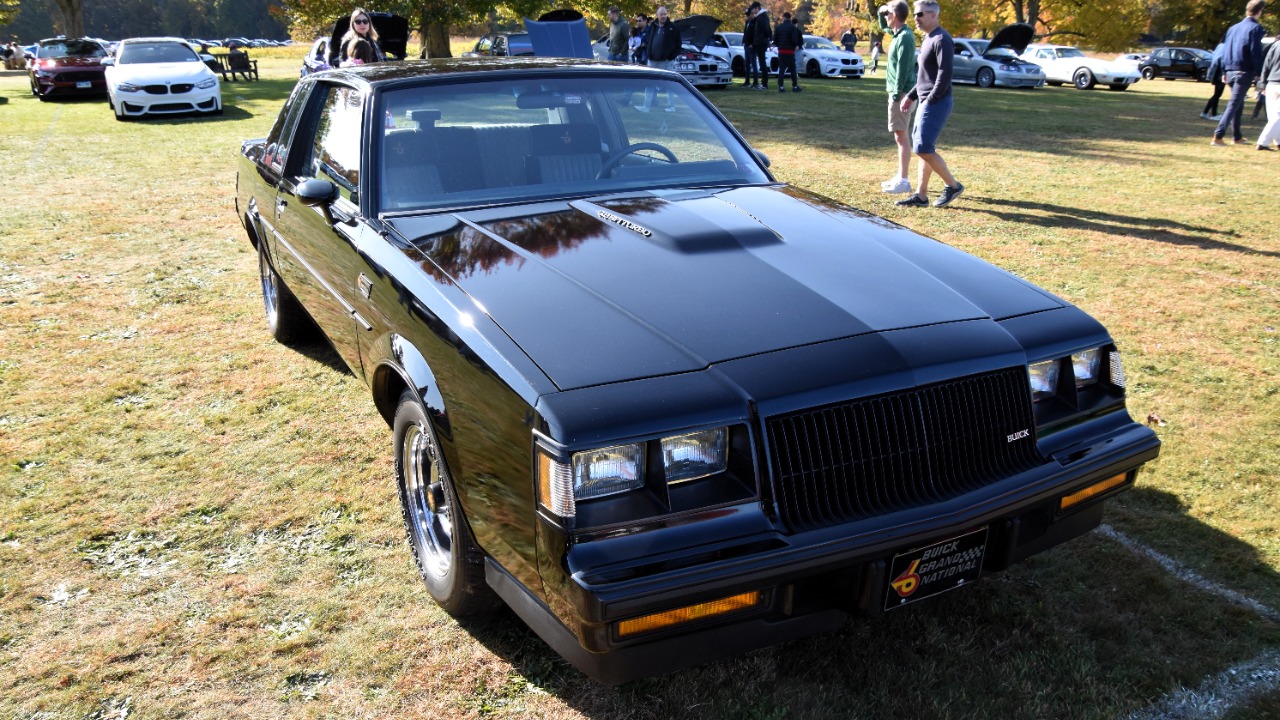
The Buick Regal Grand National became one of America’s most surprising performance cars of the 1980s. Its turbocharged V6 delivered serious acceleration while the understated black body made it look more like a luxury coupe than a street weapon. As V8 muscle cars struggled with changing regulations, the Grand National showed that forced induction could deliver enormous performance from a smaller engine.
Saab 99 Turbo
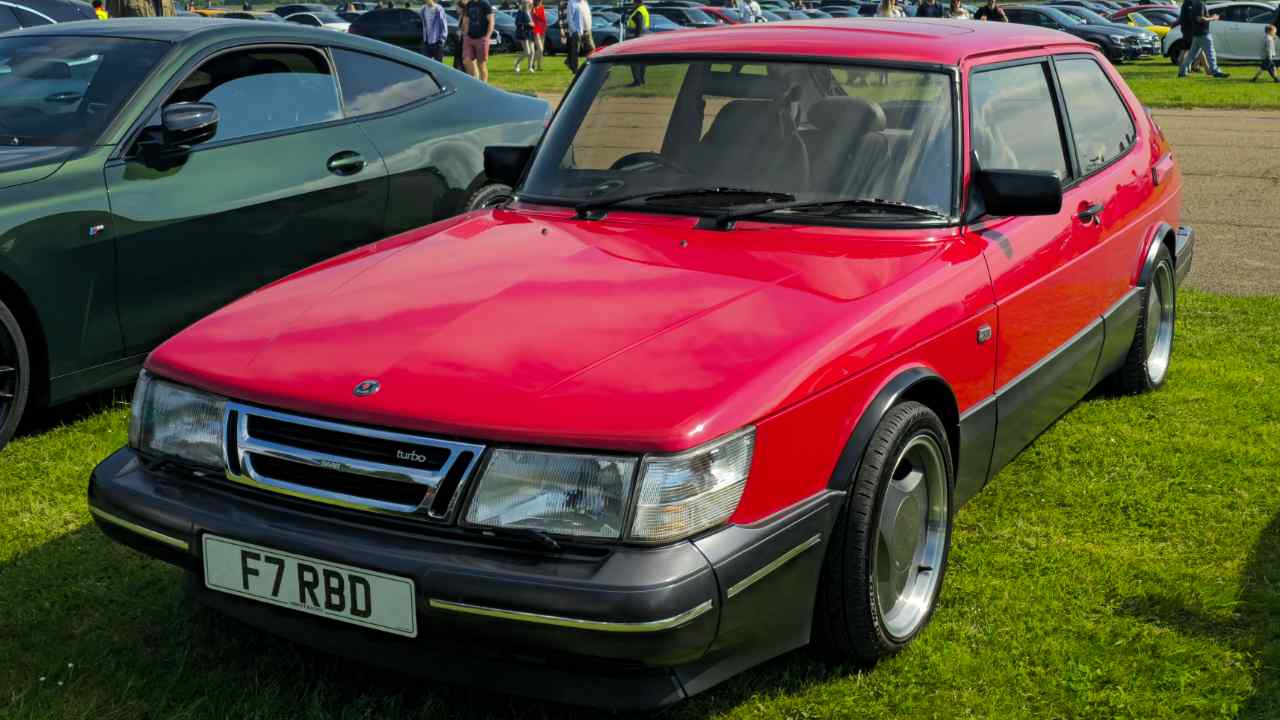
The Saab 99 Turbo helped prove that turbocharging could work in a practical everyday car. Its compact four-cylinder engine delivered strong acceleration while the front-wheel-drive layout provided useful traction. Saab’s unusual engineering made the car very different from American performance machines. Although it never achieved the fame of later turbocharged icons, it played an important role in making turbocharging more mainstream.
BMW 2002 Turbo

The BMW 2002 Turbo transformed the already capable 2002 into a much more serious performance machine. Its turbocharged four-cylinder engine produced strong power for such a compact car, while rear-wheel drive kept the driving experience engaging. Limited production made it rare even when new. Today, an original 2002 Turbo is one of the most desirable early European turbo classics.
Oldsmobile Jetfire
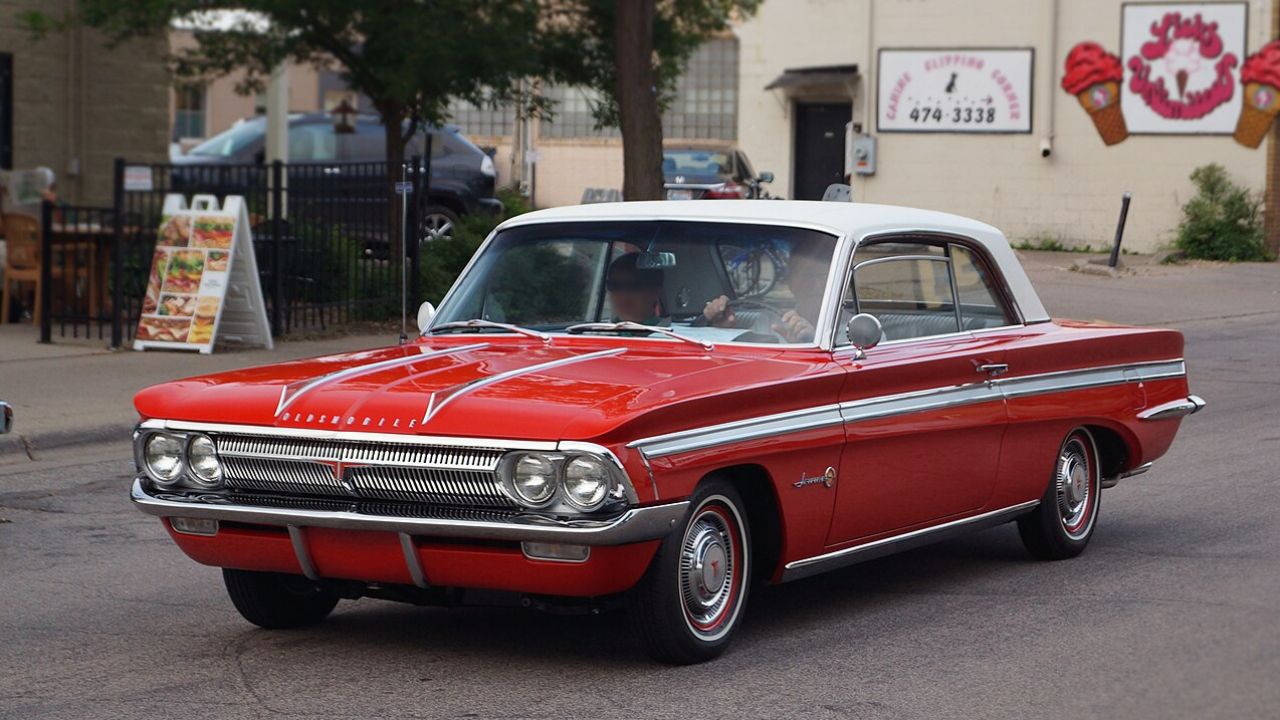
The Oldsmobile Jetfire was remarkably advanced for its time, pairing a turbocharger with a compact V8. Its unusual water-alcohol injection system helped control the engine under boost. The system required careful maintenance, and many cars eventually lost their turbo equipment. Original examples are now extremely rare and represent one of America’s earliest experiments with production turbocharging.
Chevrolet Corvair Monza Spyder
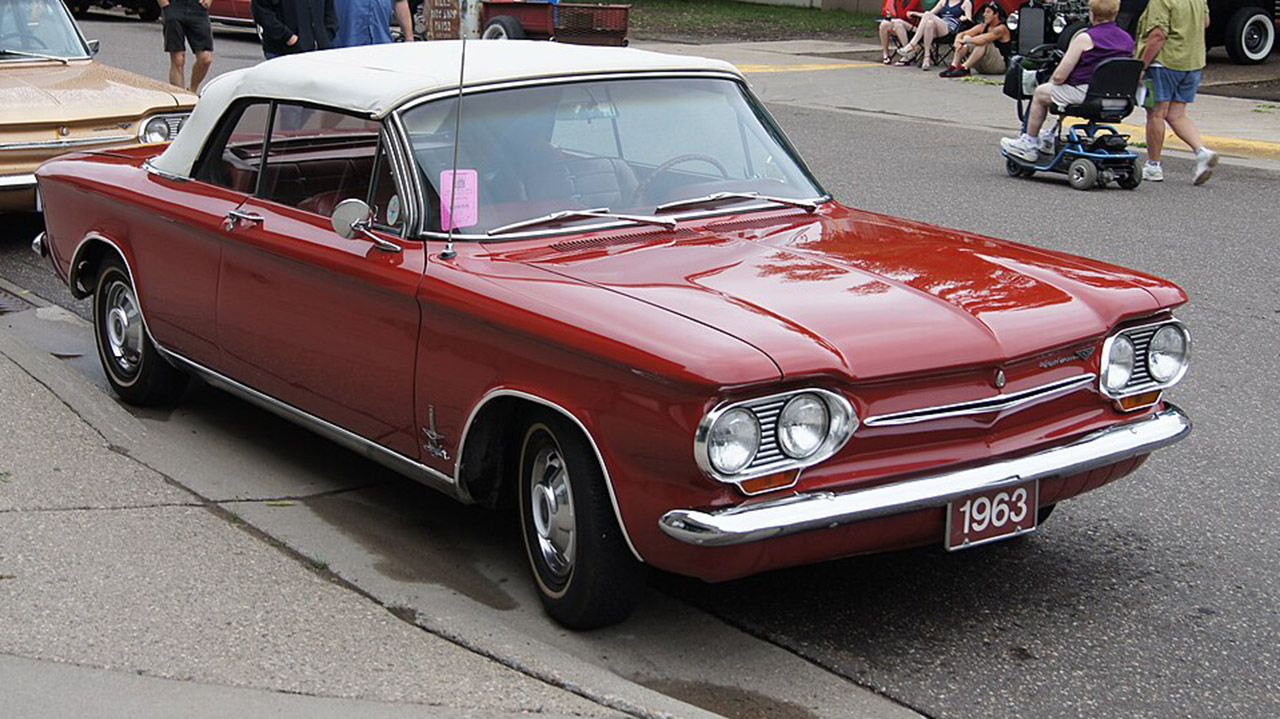
The Corvair Monza Spyder combined a turbocharged flat-six with a rear-engine layout, creating an unusual performance car unlike almost anything else sold in America. Its compact body and relatively low weight made the turbocharged engine surprisingly effective. Chevrolet’s experiment was short-lived, and surviving examples are increasingly difficult to find. The Spyder remains one of the most fascinating early American turbo cars.
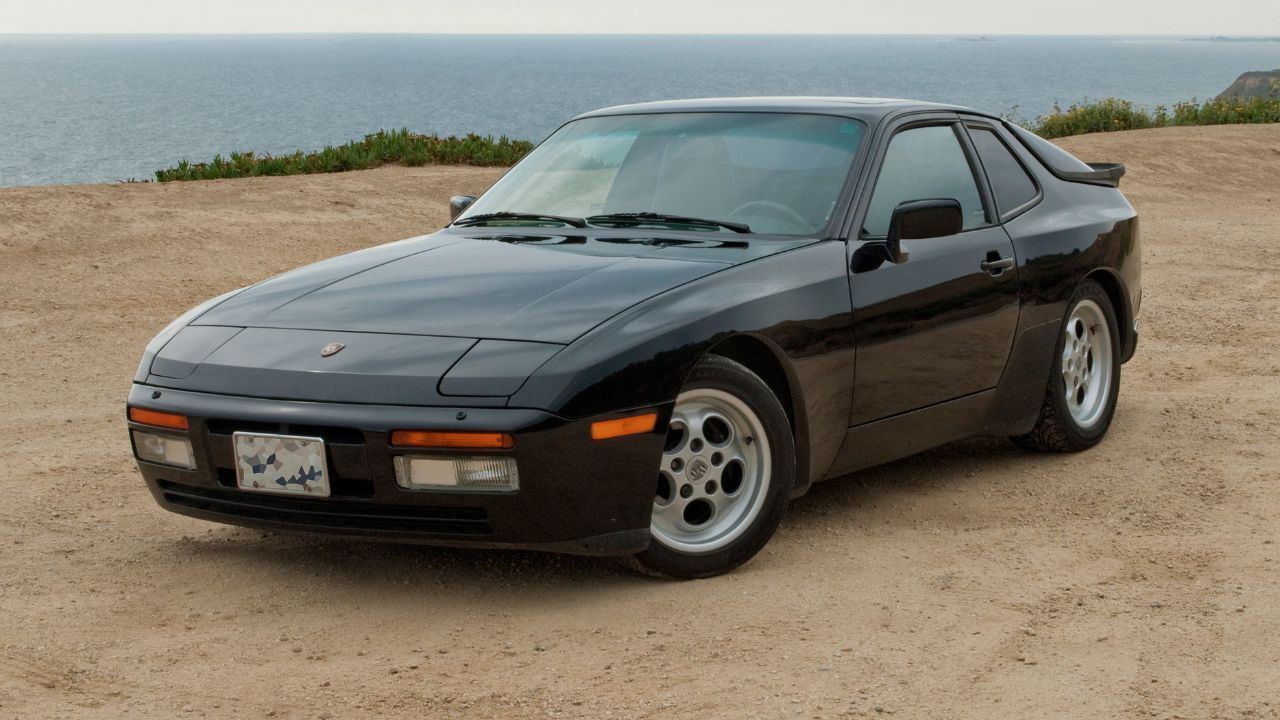
Porsche 944 Turbo
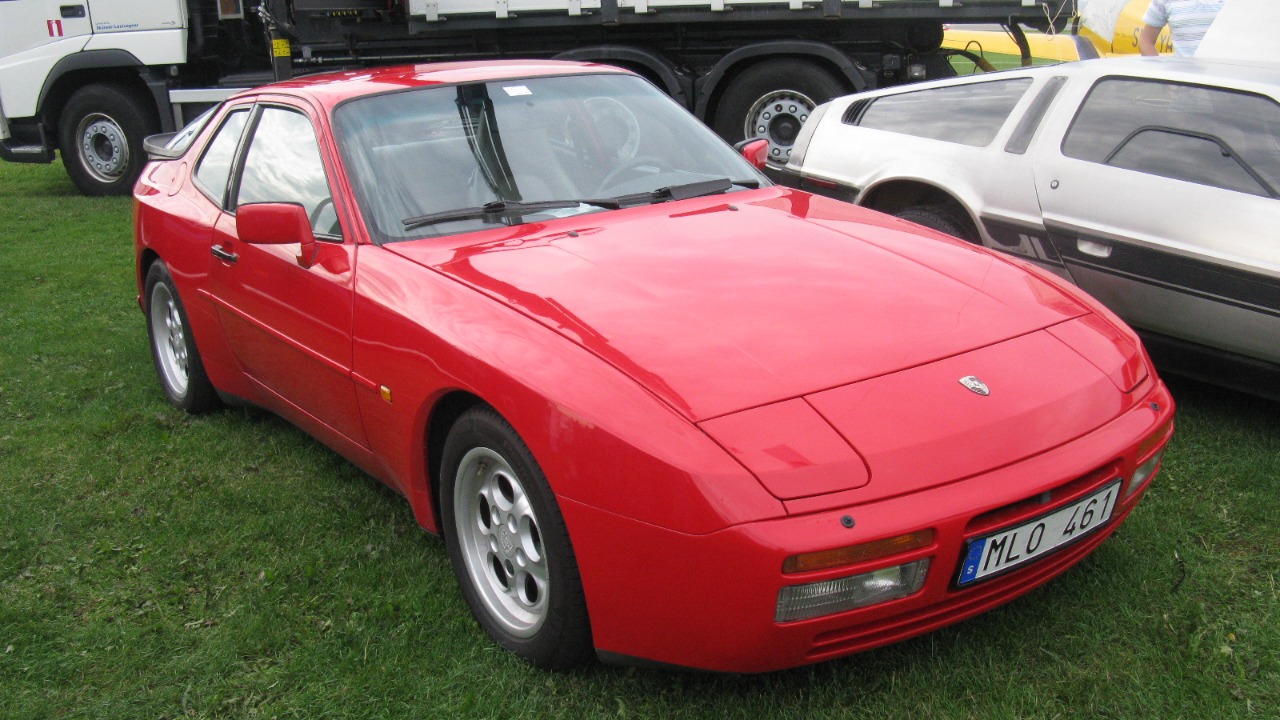
The Porsche 944 Turbo demonstrated how effectively forced induction could transform a balanced sports-car platform. Its front-engine, rear-transaxle layout provided excellent weight distribution, while the turbocharged four-cylinder delivered strong performance. Many examples were modified or driven hard, reducing the number of original survivors. A clean, properly maintained 944 Turbo remains an impressive and increasingly collectible sports car.
Renault 5 Turbo
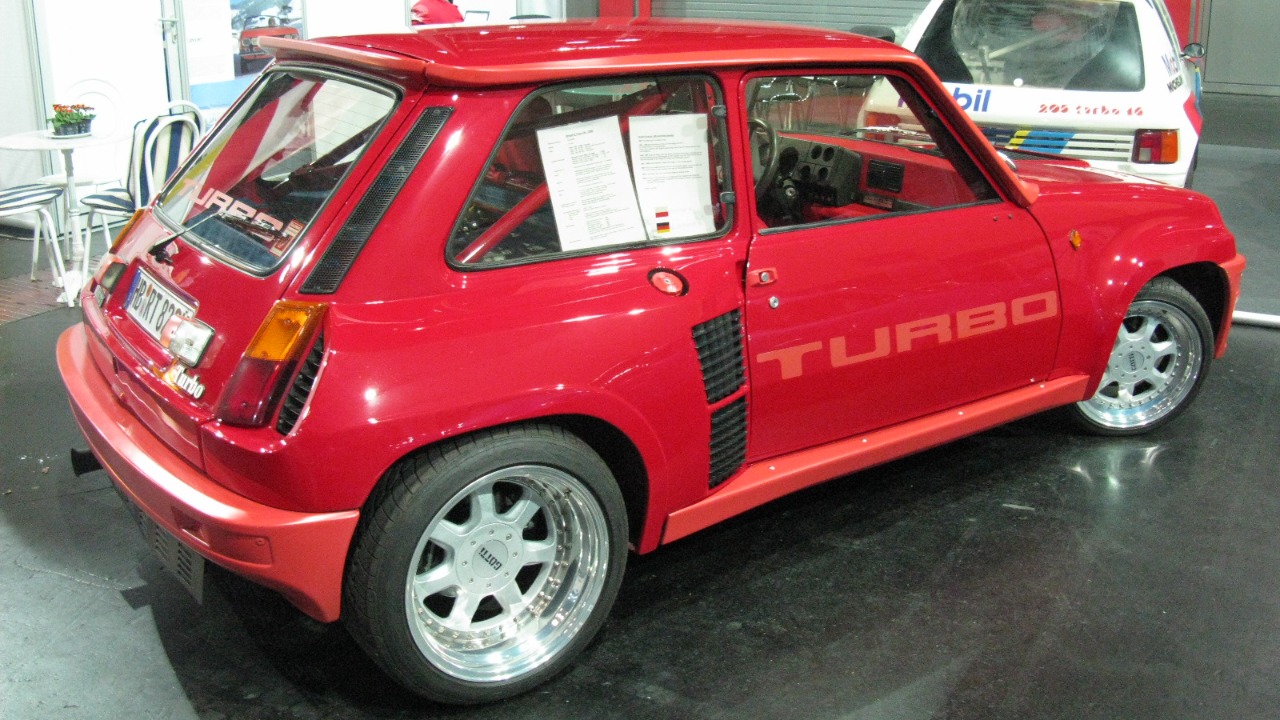
The Renault 5 Turbo took the small turbocharged-car formula to an extreme. Its engine was mounted behind the driver, while wide bodywork and aggressive suspension turned the little hatchback into a serious performance machine. Developed with rallying in mind, it was radically different from an ordinary economy car. Limited production makes genuine examples particularly rare today.
More from Fast Lane Only
- Unboxing the WWII Jeep in a Crate
- 15 rare Chevys collectors are quietly buying
- 10 underrated V8s still worth hunting down
- Police notice this before you even roll window down
*Research for this article included AI assistance, with all final content reviewed by human editors