The 1970s marked a pivotal decade in the automotive industry, characterized by fierce competition among American manufacturers to produce the most powerful muscle cars. These vehicles not only pushed the limits of performance but also became cultural icons, reflecting the spirit of an era defined by speed, style, and rebellion. Here, I delve into seven iconic muscle cars that not only defined the horsepower wars but also left a lasting legacy in automotive history.
1. Ford Mustang Mach 1
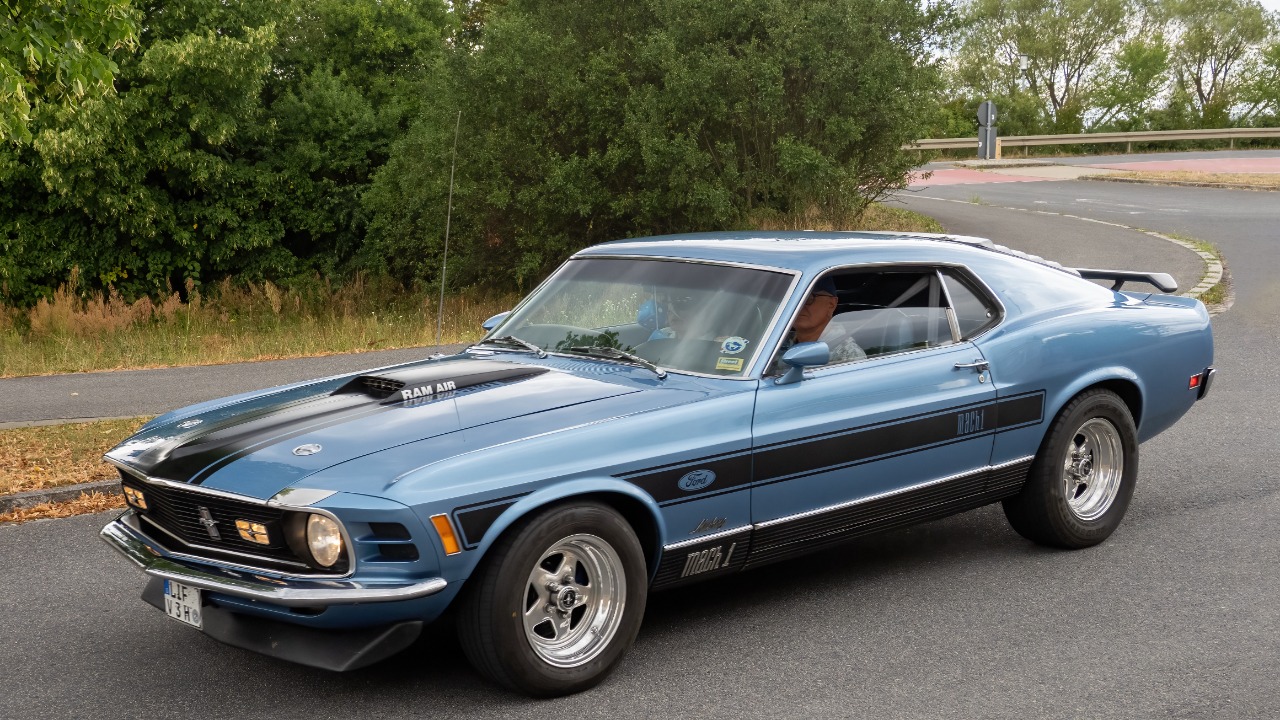
The Ford Mustang Mach 1 was introduced in 1969 but gained significant traction in the 1970s as a formidable player in the muscle car movement. Known for its aggressive styling and performance-oriented design, the Mach 1 quickly became a symbol of American automotive prowess. With its long hood and short rear deck, the Mach 1 presented a sleek and sporty profile that caught the attention of car enthusiasts and casual drivers alike.
Under the hood, the Mach 1 offered a variety of engine options, including the 351 cubic inch V8 and the high-performance 429 cubic inch engine. These powertrains delivered thrilling horsepower and torque, allowing the Mach 1 to achieve impressive quarter-mile times. The car’s performance was complemented by features like heavy-duty suspension, dual exhaust, and a distinctive hood scoop, making it a standout on the streets and the racetrack. The Mach 1’s presence in films and television during the 1970s, such as in the iconic movie “Diamonds Are Forever” further solidified its status as a cultural icon.
2. Chevrolet Camaro Z28
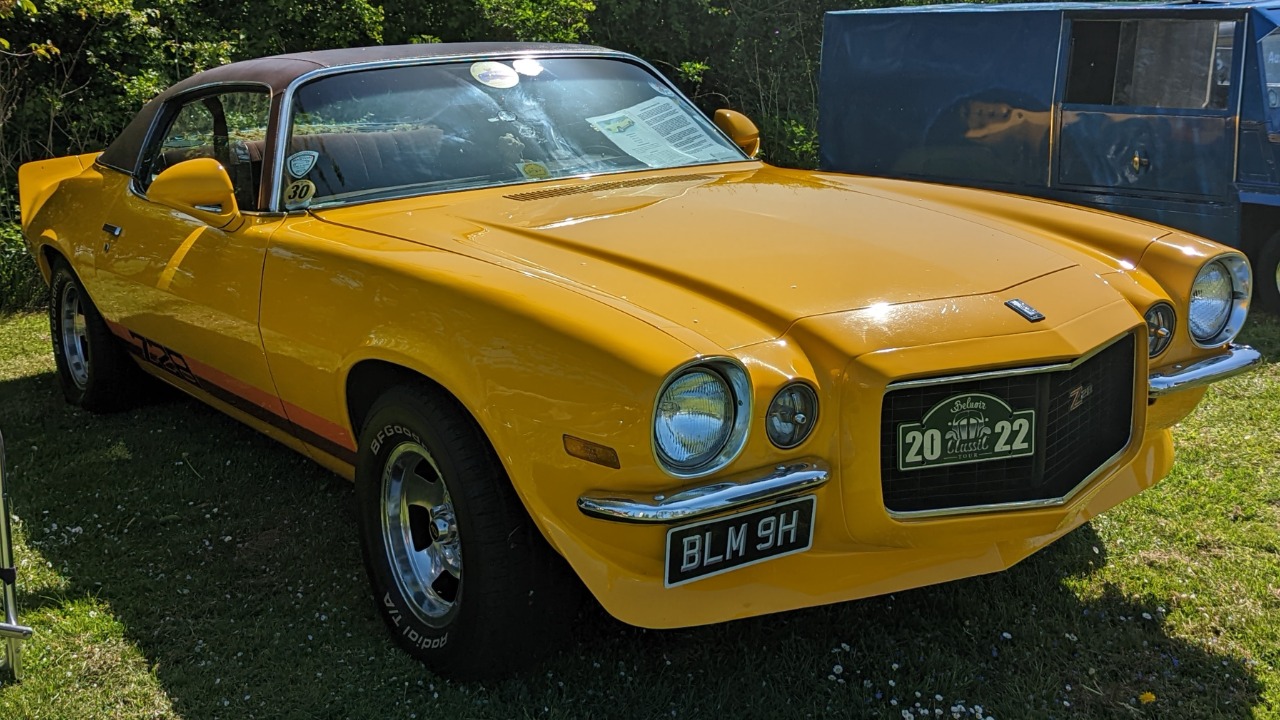
The Chevrolet Camaro Z28 emerged as a true performance icon in the 1970s, capturing the hearts of muscle car enthusiasts. Launched in 1967, the Z28 was designed specifically for racing and featured a powerful 302 cubic inch V8 engine that produced 290 horsepower. This performance-focused model quickly became known for its agility, handling, and raw power, making it a favorite among speed seekers.
When comparing the Z28 to its competitors, such as the Ford Mustang and AMC Javelin, it stood out for its combination of performance and style. The Z28’s aerodynamic body design, coupled with its aggressive stance, gave it an unmistakable presence on the road. Notably, the Z28 also made appearances in popular culture, including the hit television show “The Dukes of Hazzard,” where it showcased its performance capabilities in thrilling chase scenes. Its influence continues to resonate among car enthusiasts, ensuring that the Z28 remains a revered name in the muscle car legacy.
3. Dodge Challenger R/T
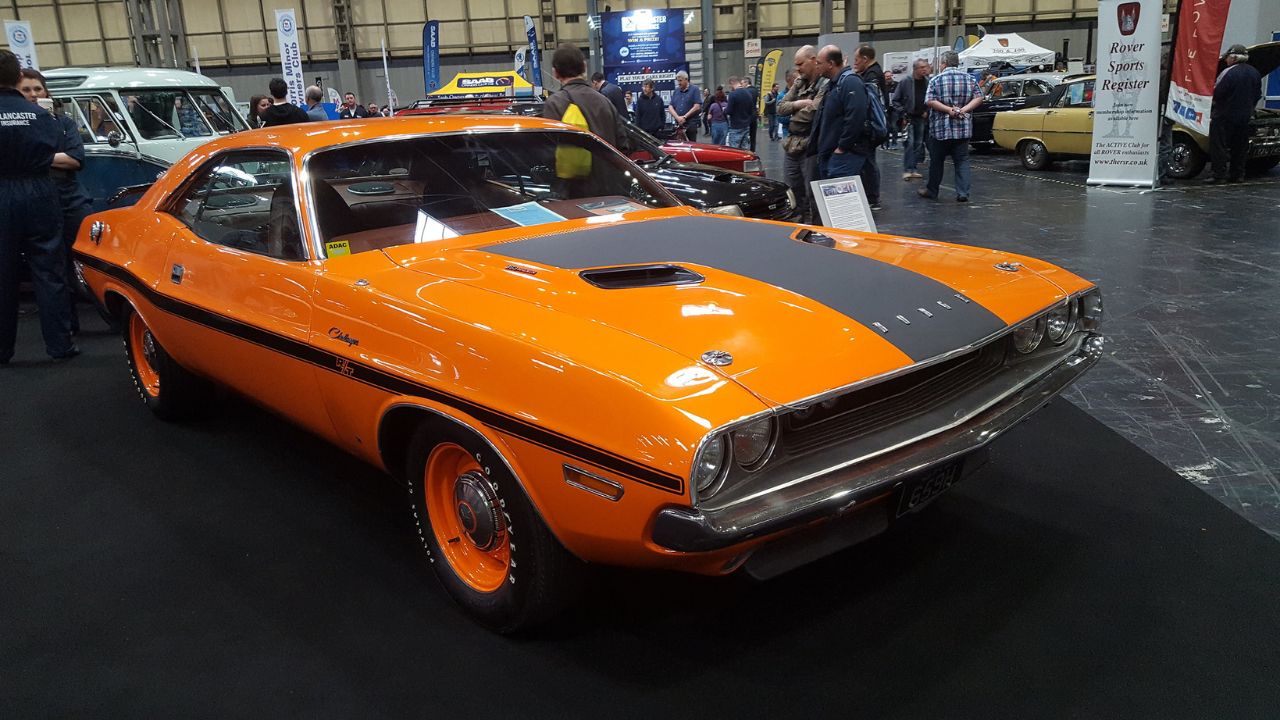
The Dodge Challenger R/T debuted in 1970 and quickly made a name for itself as a powerhouse in the muscle car segment. With its bold styling and muscular stance, the Challenger R/T exuded confidence and performance. The design featured a long hood and a wide body, emphasizing its aggressive character and hinting at the power that lay beneath the surface.
At the heart of the Challenger R/T was the legendary HEMI engine, which offered staggering performance metrics. The available 426 cubic inch HEMI V8 engine produced a mind-blowing 425 horsepower, allowing it to compete fiercely with other muscle cars of the era. The Challenger’s reputation was further solidified on the racetrack, where it excelled in various competitions. Its legacy has endured, with modern iterations of the Challenger paying homage to its roots while incorporating contemporary technology and performance enhancements.
4. Pontiac Firebird Trans Am
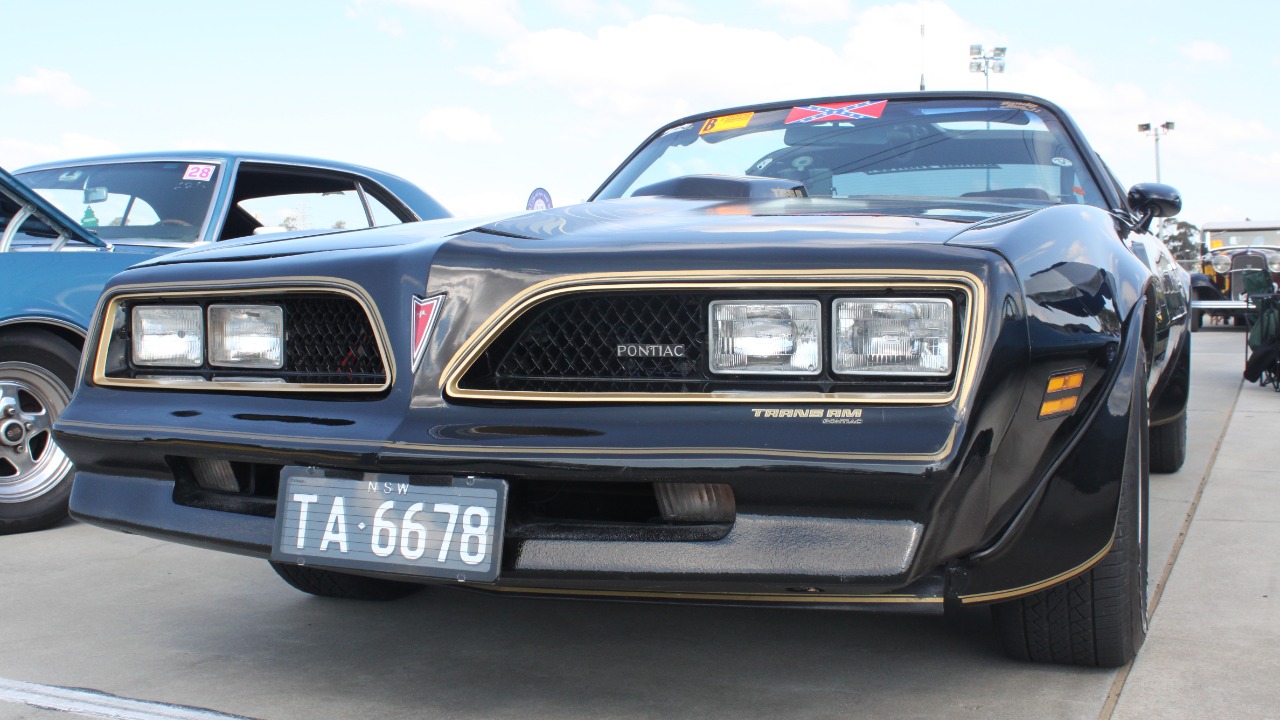
The Pontiac Firebird Trans Am was a standout model within Pontiac’s lineup, introduced in 1969 but reaching its peak popularity in the 1970s. The Trans Am was known for its distinctive styling, featuring a bold front grille, flared fenders, and the iconic “screaming chicken” hood decal. These design elements set it apart from other muscle cars and captured the attention of car enthusiasts.
Performance-wise, the Trans Am was equipped with powerful engine options, including the 400 cubic inch V8 and later the 455 cubic inch V8, which provided exhilarating horsepower and torque. The car’s agile handling and responsive steering made it a favorite on both the street and the racetrack. The Trans Am’s role in films, particularly in “Smokey and the Bandit,” further cemented its place in American car culture, turning it into a symbol of freedom and rebellion. Its appeal continues to resonate today, as collectors seek out well-preserved examples from this iconic era.
5. Oldsmobile 442
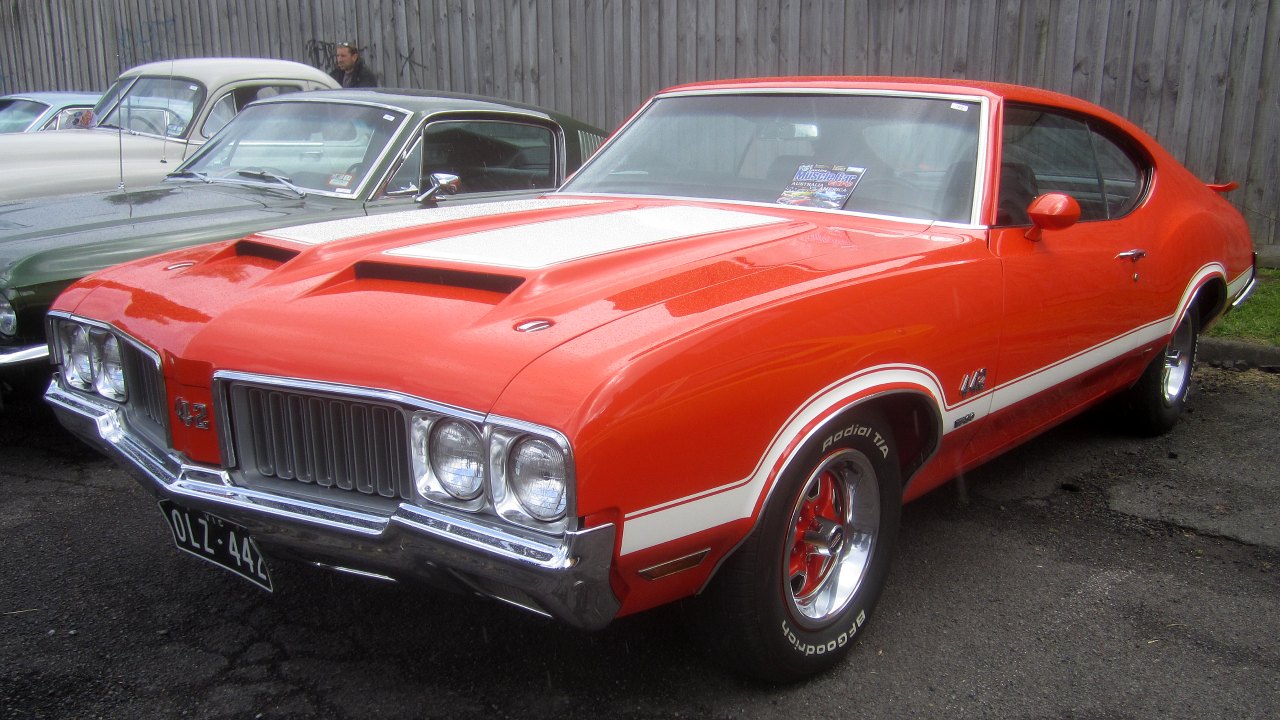
The Oldsmobile 442 evolved significantly throughout the 1970s, transitioning from a performance-oriented model to one that reflected the changing automotive landscape. Originally introduced in the mid-1960s as a high-performance variant of the Cutlass, the 442 became a cornerstone of Oldsmobile’s lineup. By the early ’70s, the model continued to showcase impressive performance capabilities while adapting to new emissions regulations.
Throughout the decade, the 442 offered a range of engine options, including the 350 cubic inch V8 and the more powerful 455 cubic inch V8, which provided thrilling acceleration and a satisfying driving experience. The 442 was known for its muscular styling, which included distinct badging and sporty features that appealed to performance enthusiasts. Despite facing challenges from rising insurance costs and fuel economy concerns, the 442 maintained a loyal following and secured its place in the muscle car hierarchy during this transformative period.
6. AMC Javelin
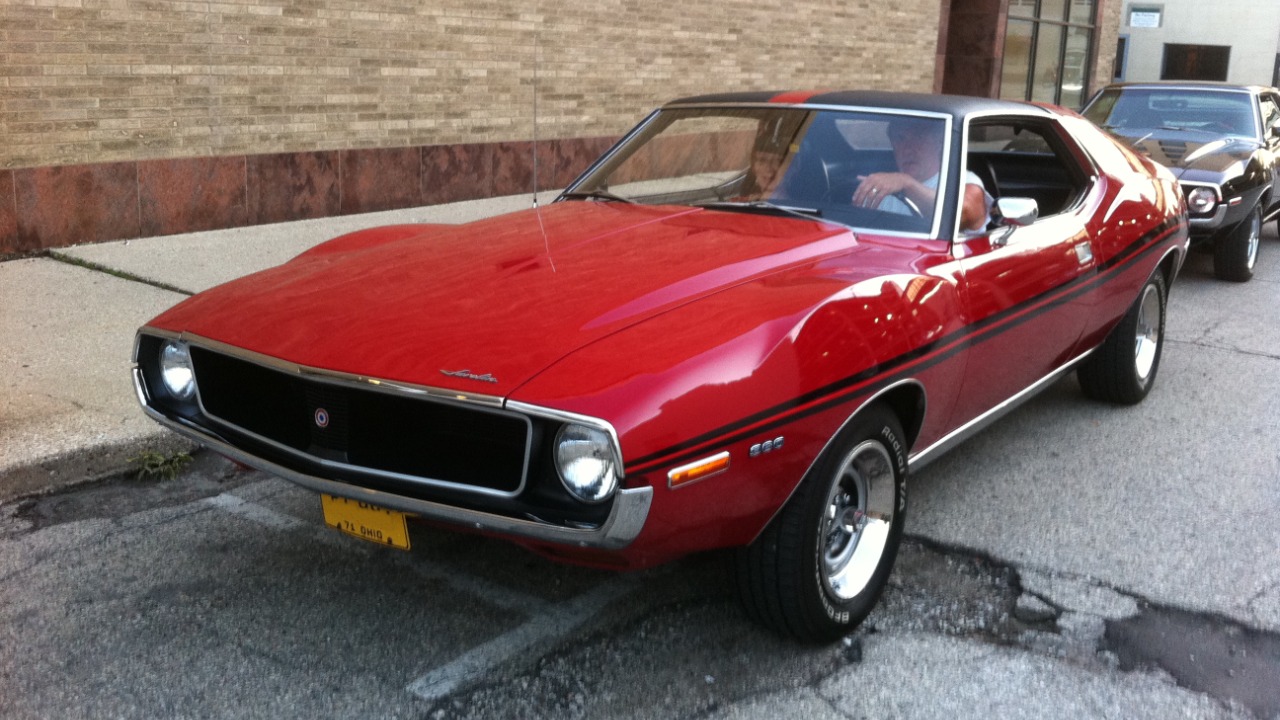
The AMC Javelin was introduced in 1968 as a competitor in the muscle car market, aiming to carve out its unique niche. While it may not have garnered the same level of fame as some of its rivals, the Javelin still offered a distinctive design and performance characteristics that appealed to a dedicated fan base. Its sporty appearance, with a long hood and compact rear, provided an attractive silhouette that stood out on the road.
Under the hood, the Javelin boasted competitive engine options, including the 304 cubic inch V8 and the more powerful 390 cubic inch V8, which allowed it to compete effectively against other muscle cars. AMC’s marketing strategy targeted younger drivers, promoting the Javelin as an accessible and stylish option for those seeking performance without breaking the bank. While the Javelin may not have achieved the same level of recognition as some of its contemporaries, its unique charm and performance capabilities have garnered a loyal following among classic car enthusiasts.
7. Chrysler Plymouth Road Runner
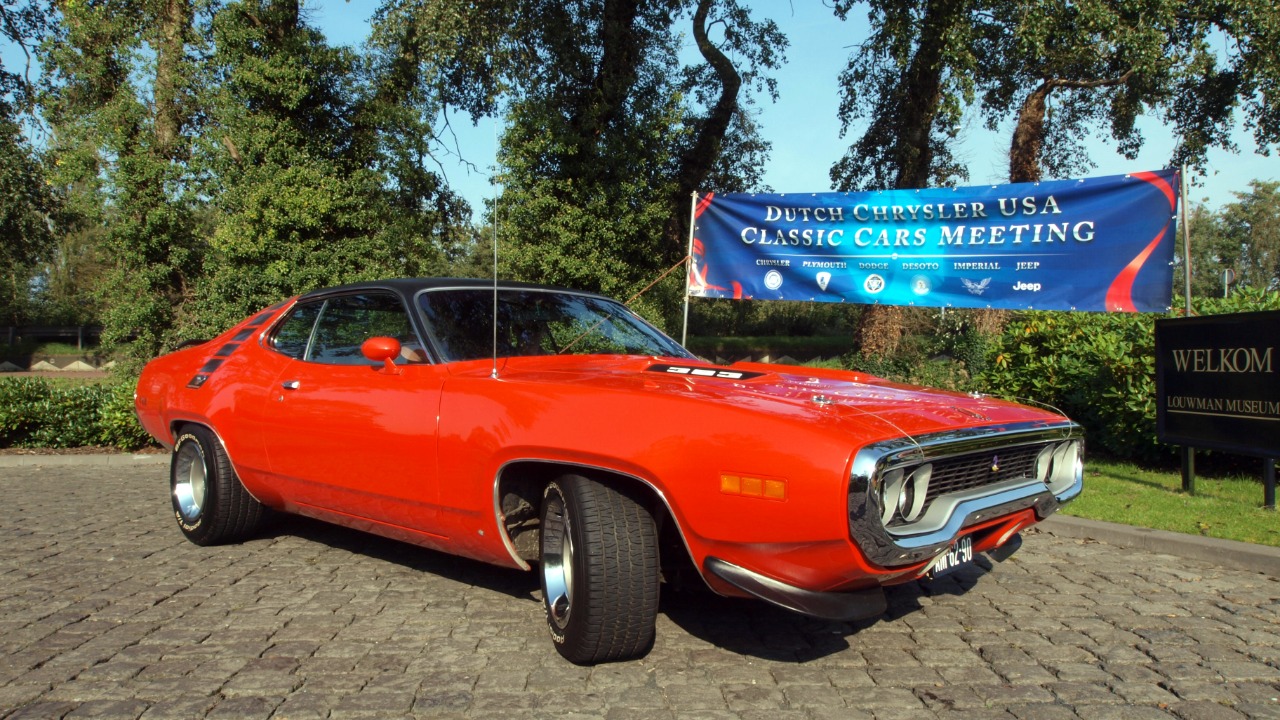
The Plymouth Road Runner was developed in the late 1960s as a budget-friendly muscle car aimed at younger buyers seeking performance without the hefty price tag. By the 1970s, the Road Runner had established itself as a popular choice among muscle car enthusiasts, thanks to its combination of affordability and powerful performance. The signature “Beep Beep” horn and cartoon branding captured the spirit of fun and adventure associated with the Road Runner character from Warner Bros.
Performance-wise, the Road Runner was available with several engine options, including the potent 383 cubic inch V8 and the iconic 426 cubic inch HEMI V8, which offered impressive horsepower and torque. The Road Runner’s reputation for speed and performance made it a formidable competitor against other muscle cars of the decade. Today, the Road Runner remains a sought-after classic, with collectors drawn to its unique styling and performance pedigree, ensuring its place in automotive history.