Nash built some of the most inventive cars in postwar America, but rarity can make certain examples difficult and expensive to own today. Parts availability, unusual engineering, rust, and restoration challenges can turn a seemingly affordable Nash into a serious project. These 7 deserve especially careful inspection before you buy one.
Nash Metropolitan
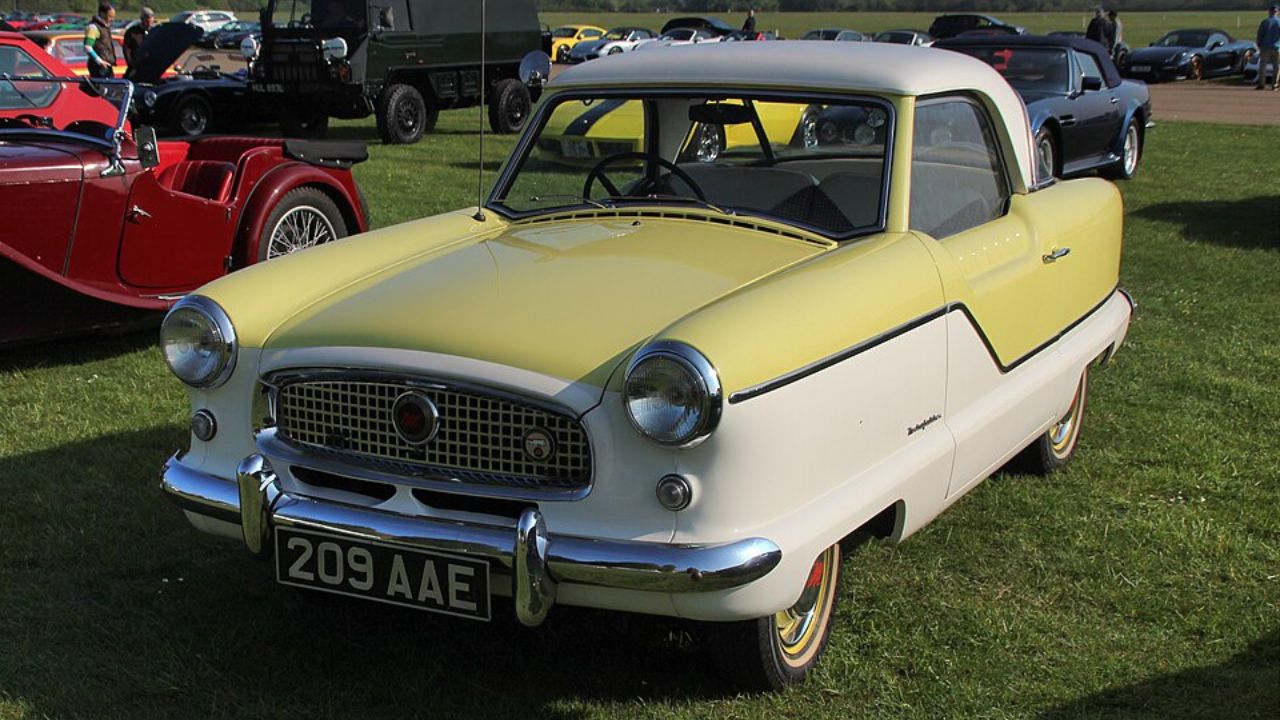
The Metropolitan is charming and relatively simple, but neglected examples can become surprisingly difficult projects. Rust is a major concern, while replacement body and trim pieces can be harder to source than parts for more common American classics. A complete, solid car is far preferable to a cheap restoration candidate with missing components.
Nash-Healey

The Nash-Healey combined an American identity with British sports-car engineering, making it one of Nash’s most unusual products. That uniqueness can become a disadvantage during restoration. Specialized components, limited production, and scarce trim can make repairs expensive. Buyers should pay close attention to originality and completeness because replacing missing parts can quickly become costly.
Nash Ambassador
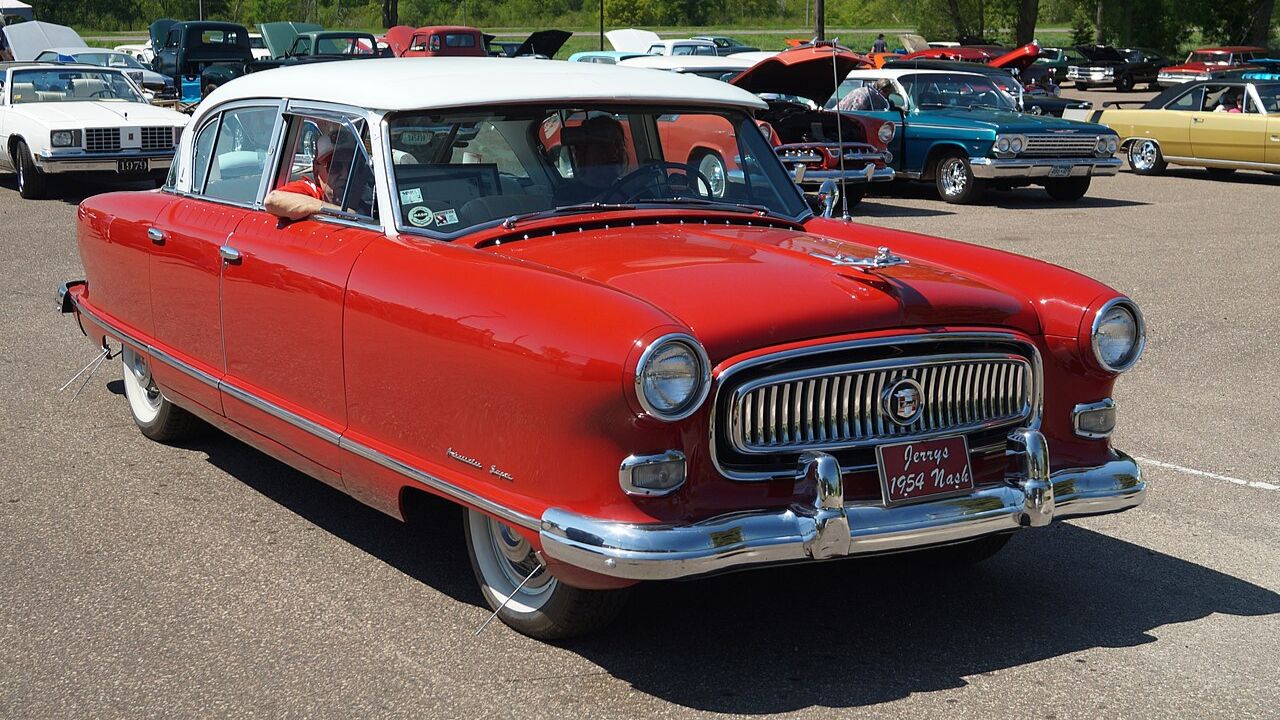
The Ambassador was a large, comfortable Nash, but its advanced-for-the-era construction can make restoration complicated. Its unusual body design and specialized components are not as easy to service as conventional Detroit cars. Rust and deteriorated interiors add further headaches. A well-preserved example is appealing, but a rough Ambassador can require considerable specialist work.
Nash Statesman
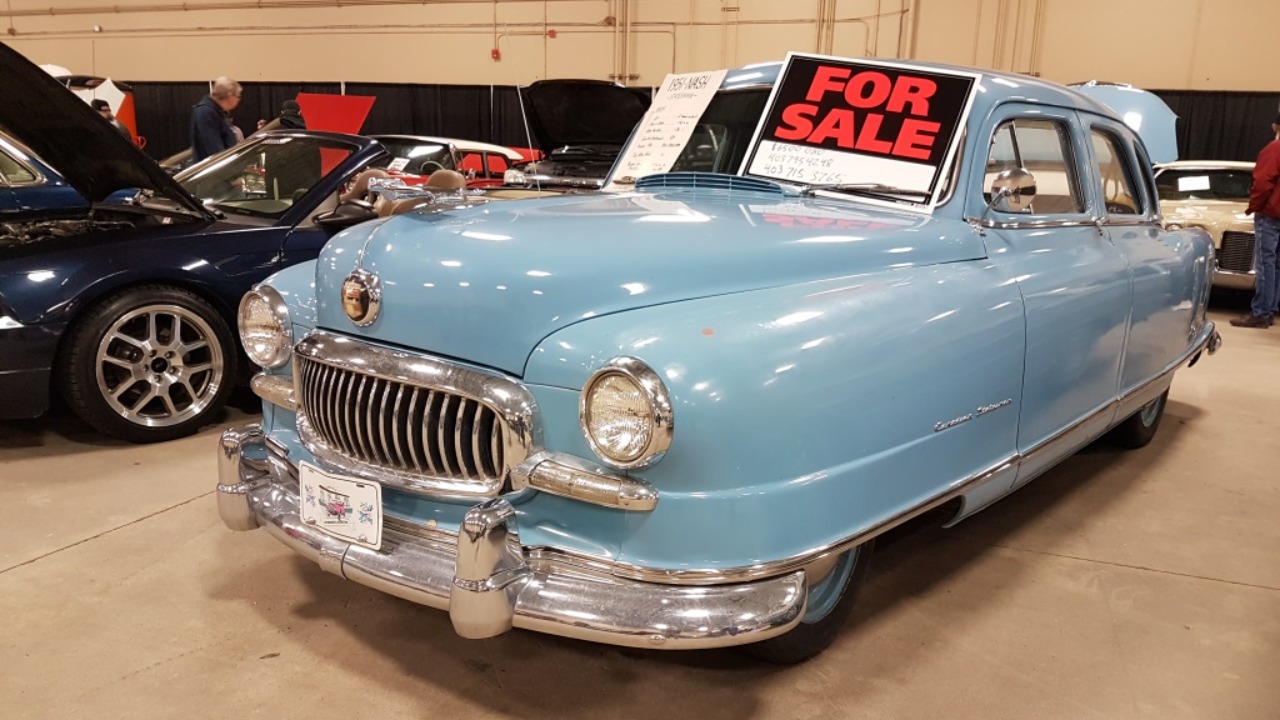
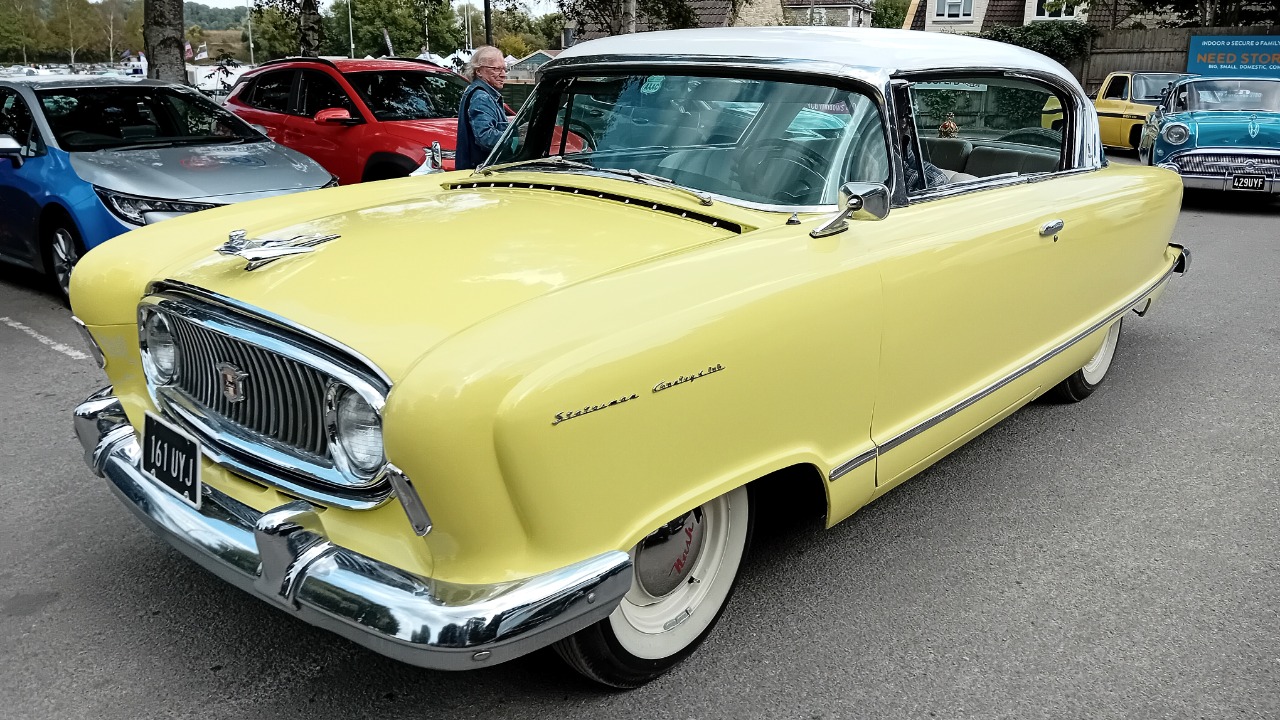
The Statesman offered a more affordable alternative to the Ambassador, but surviving examples can still present restoration challenges. Many were used as ordinary transportation and were never preserved. Rust, missing trim, and tired mechanical components are common concerns. Because replacement parts are less readily available than for Chevrolet or Ford models, completeness matters enormously.
Nash Rambler
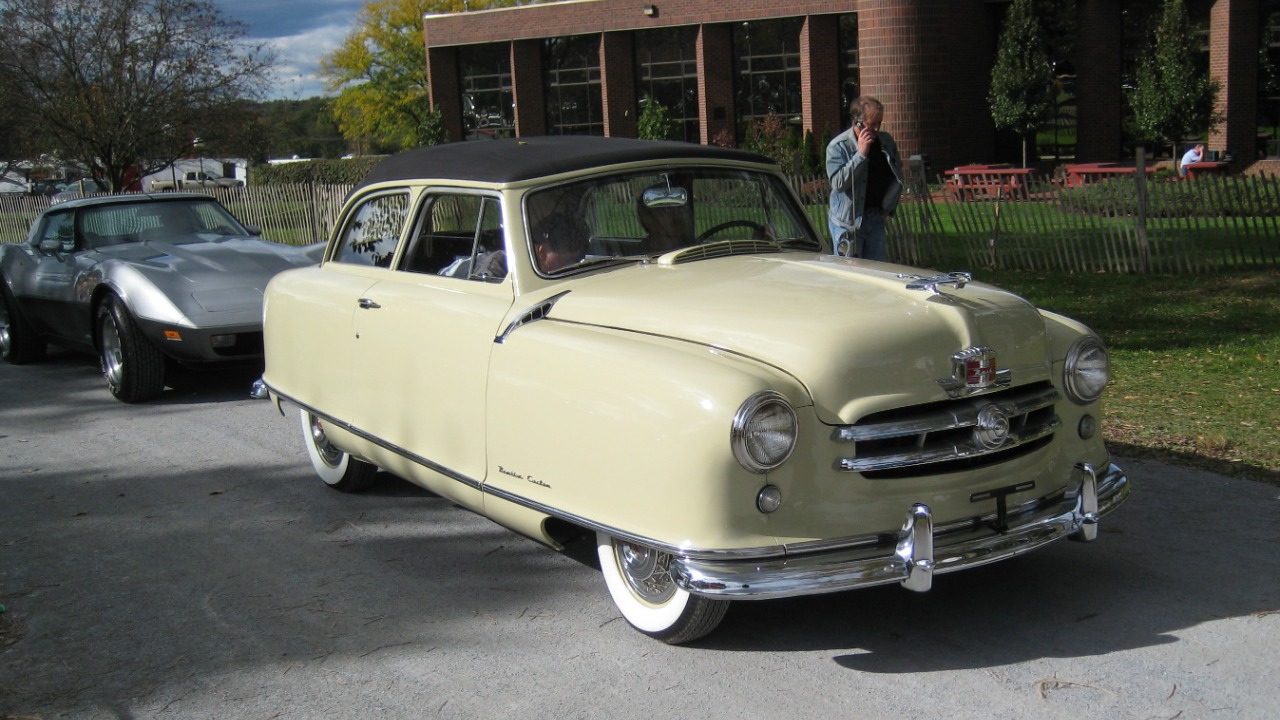
The early Rambler helped establish the compact-car formula in America, but its small size does not necessarily mean an easy restoration. Early examples can have difficult-to-find body, interior, and mechanical components. Many were used heavily and discarded once they became inexpensive used cars. A complete survivor is a much better purchase than a partially dismantled project.
Nash Airflyte
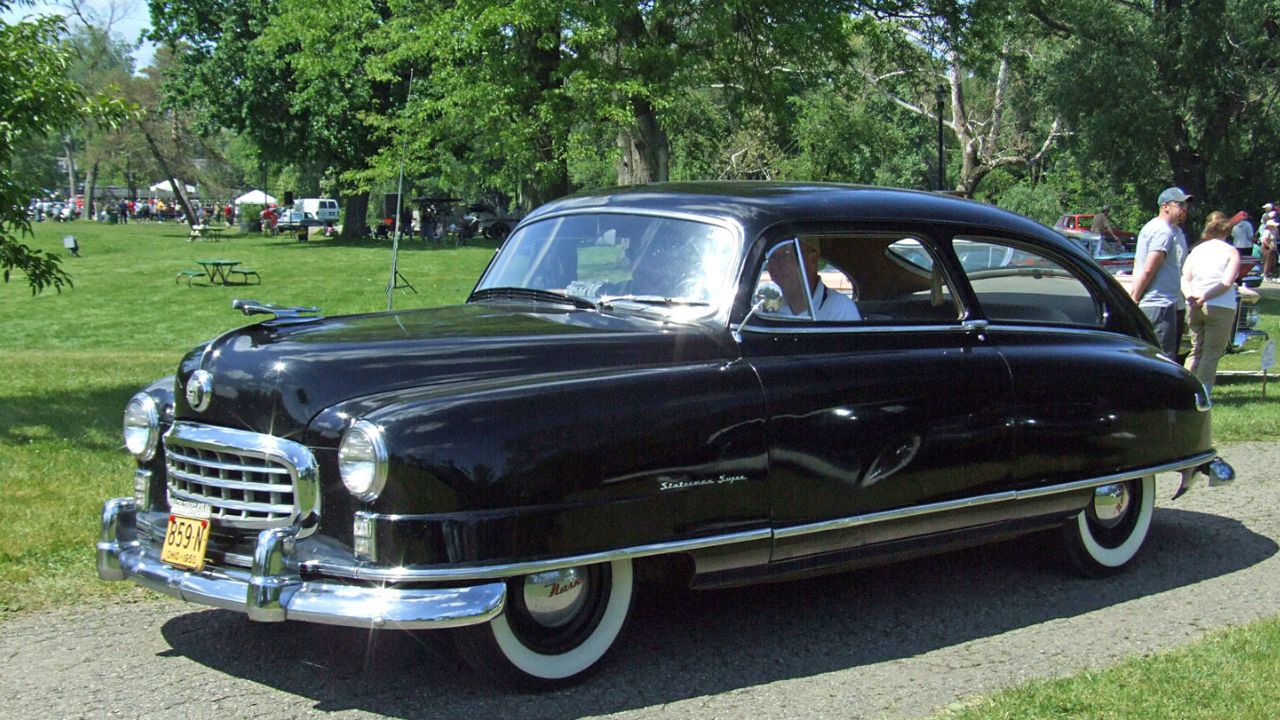
The Airflyte’s streamlined body made it one of the most distinctive postwar American cars, but that unusual construction can make restoration challenging. Large curved panels, specialized trim, and unusual interior pieces are not always easy to replace. A rusty or incomplete example can quickly become expensive. Solid bodywork should be a priority when considering one.
Nash 600
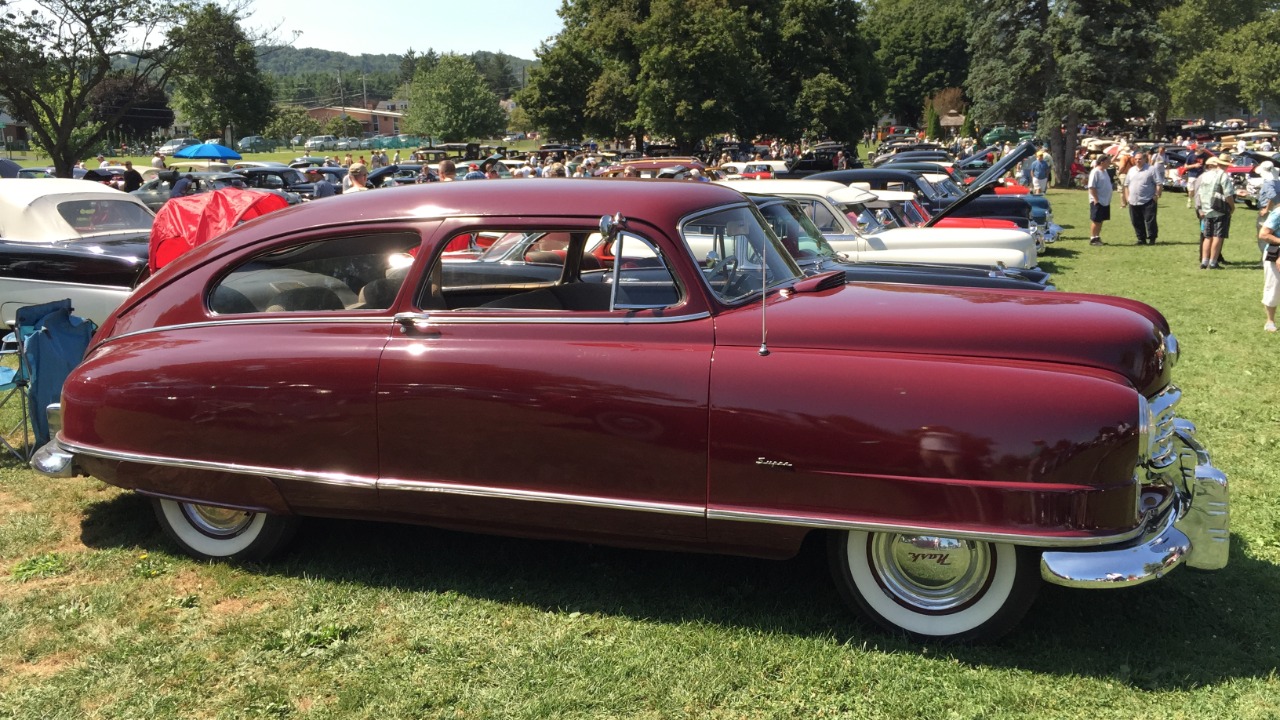
The Nash 600 introduced unibody construction to the brand, making it historically important but potentially more complicated to restore than traditional body-on-frame cars. Rust and structural deterioration are particularly concerning because repairs can involve more than simply replacing exterior panels. Original survivors are rare, so buyers should inspect the body carefully before committing to a project.
More from Fast Lane Only
- Unboxing the WWII Jeep in a Crate
- 15 rare Chevys collectors are quietly buying
- 10 underrated V8s still worth hunting down
- Police notice this before you even roll window down
*Research for this article included AI assistance, with all final content reviewed by human editors