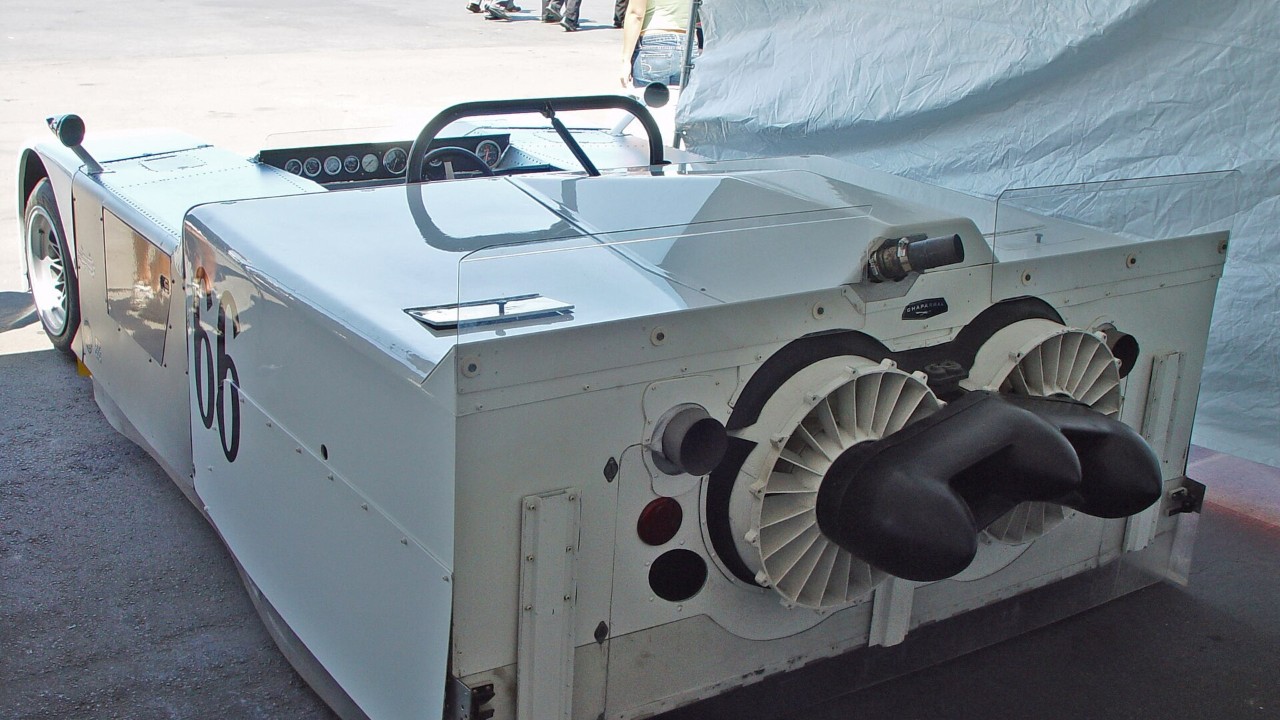
Tail fins are usually remembered for their dramatic styling, but the best examples were more than rolling pieces of chrome. Some combined eye-catching designs with durable engines, straightforward mechanical systems, and sturdy construction. Mechanics who appreciate older American cars often point to these classics as particularly solid choices. These nine deserve attention for what lies underneath those famous fins.
Chevrolet Bel Air
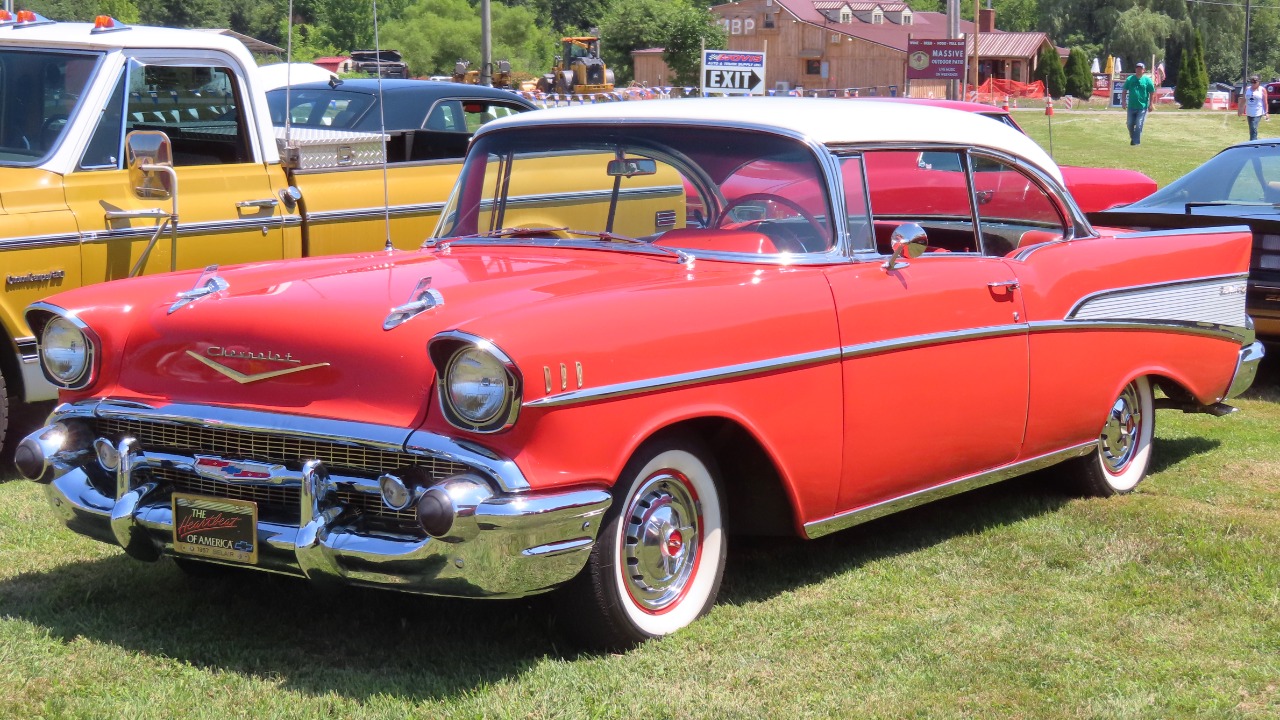
The Chevrolet Bel Air is one of the easiest tail-fin classics to recognize, but its appeal goes beyond styling. The conventional V8 engines, rear-wheel-drive layout, and enormous parts supply make these cars relatively approachable to maintain. Many were built, and decades of enthusiast knowledge remain available. A solid Bel Air can therefore be much easier to keep running than its age suggests.
Pontiac Bonneville
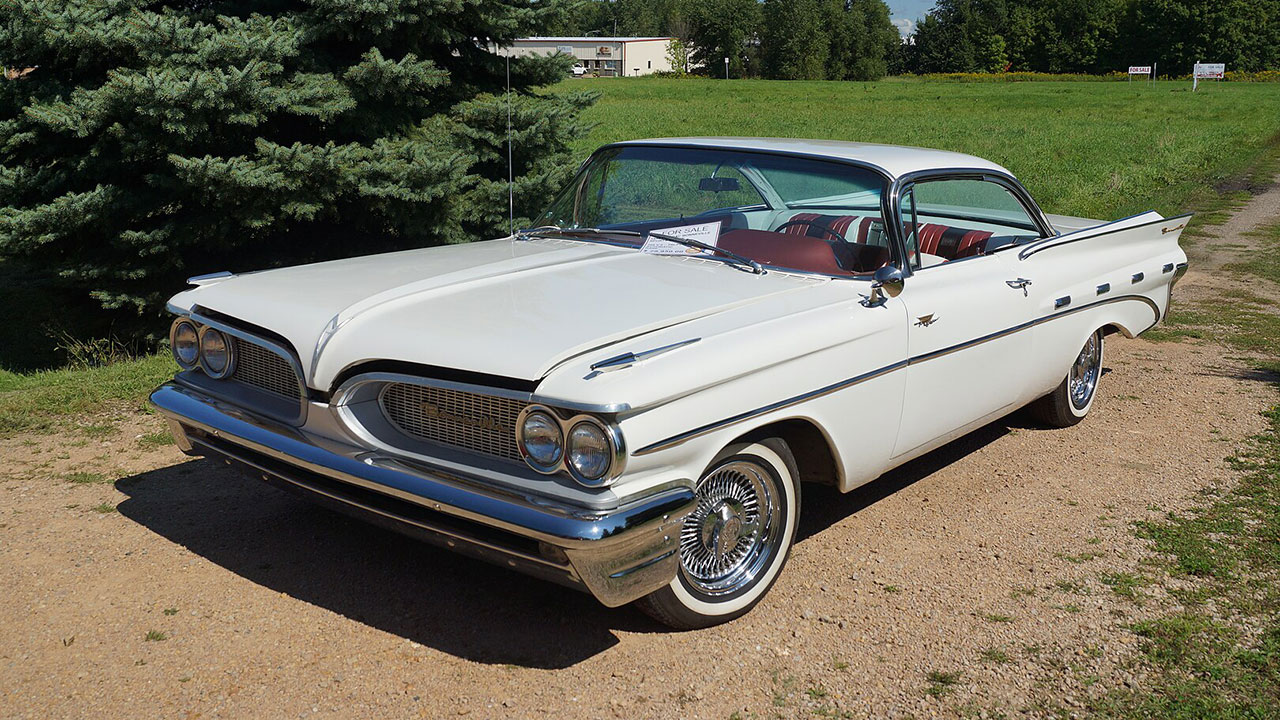
The Pontiac Bonneville combined dramatic styling with powerful engines and a sturdy full-size platform. Its conventional mechanical layout made routine repairs familiar to American-car mechanics. The large engine bay also provided plenty of working room. Well-maintained examples can still deliver smooth highway cruising while demonstrating why traditional Pontiac engineering earned a loyal following.
Oldsmobile 88
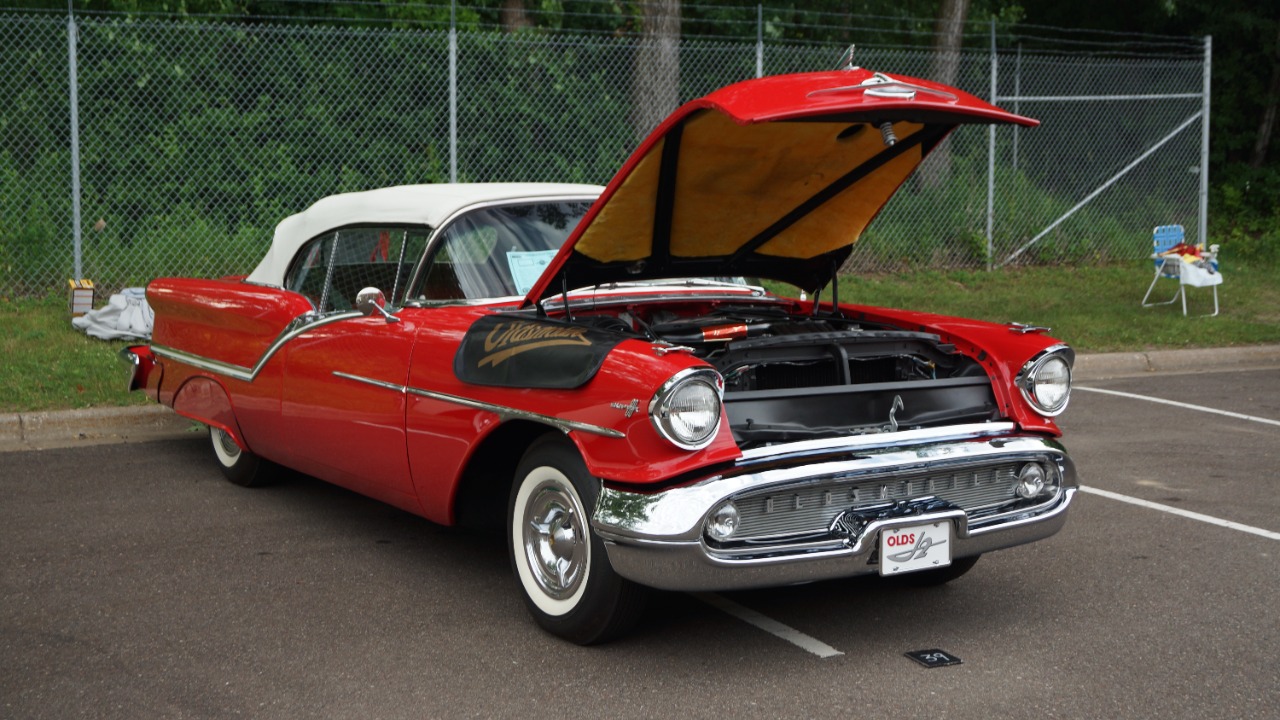
The Oldsmobile 88 offered a useful combination of full-size comfort and proven V8 power. Its conventional rear-wheel-drive architecture kept the mechanical side relatively straightforward, while replacement parts remain available through a large enthusiast community. Many examples were used as ordinary family cars and disappeared over time. Clean survivors now show how durable these big Oldsmobiles could be.
Buick LeSabre
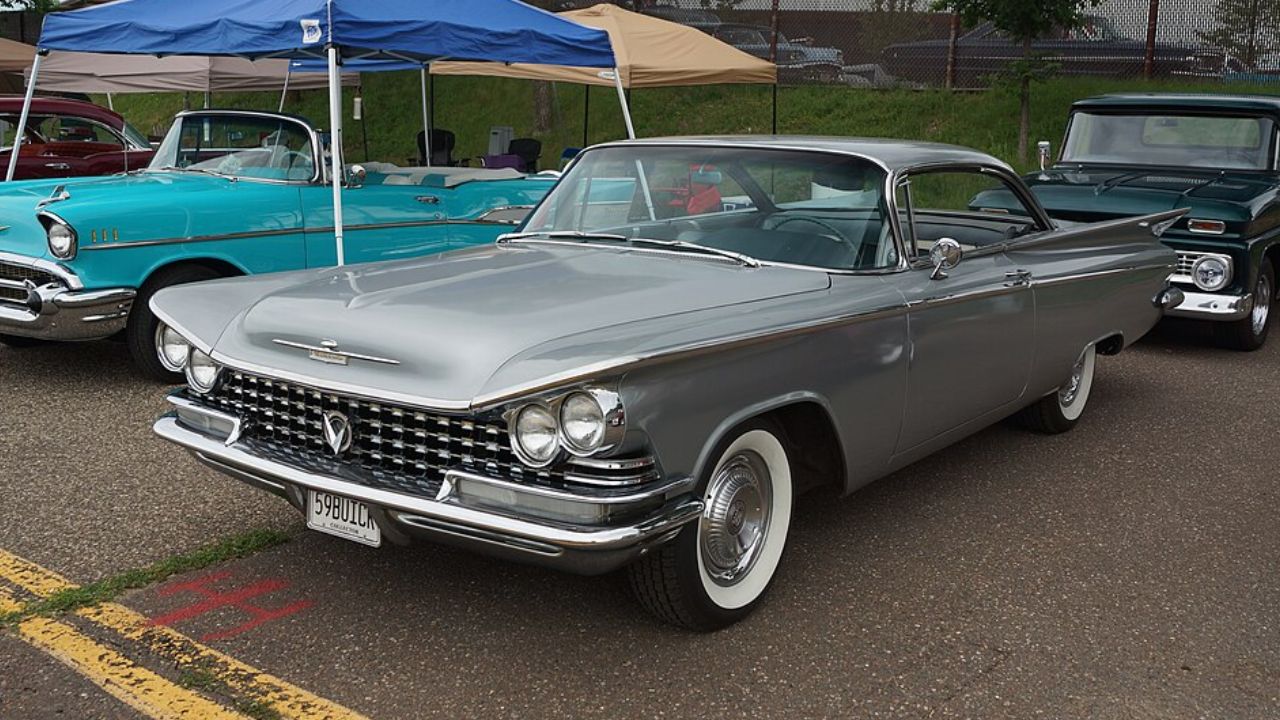
The Buick LeSabre was designed primarily as comfortable transportation, but its robust mechanical foundation helped many examples survive years of everyday use. V8 power, a conventional drivetrain, and a spacious engine compartment made servicing relatively straightforward. Its understated character also means it has received less collector attention than flashier rivals, leaving good examples surprisingly interesting today.
Chrysler 300
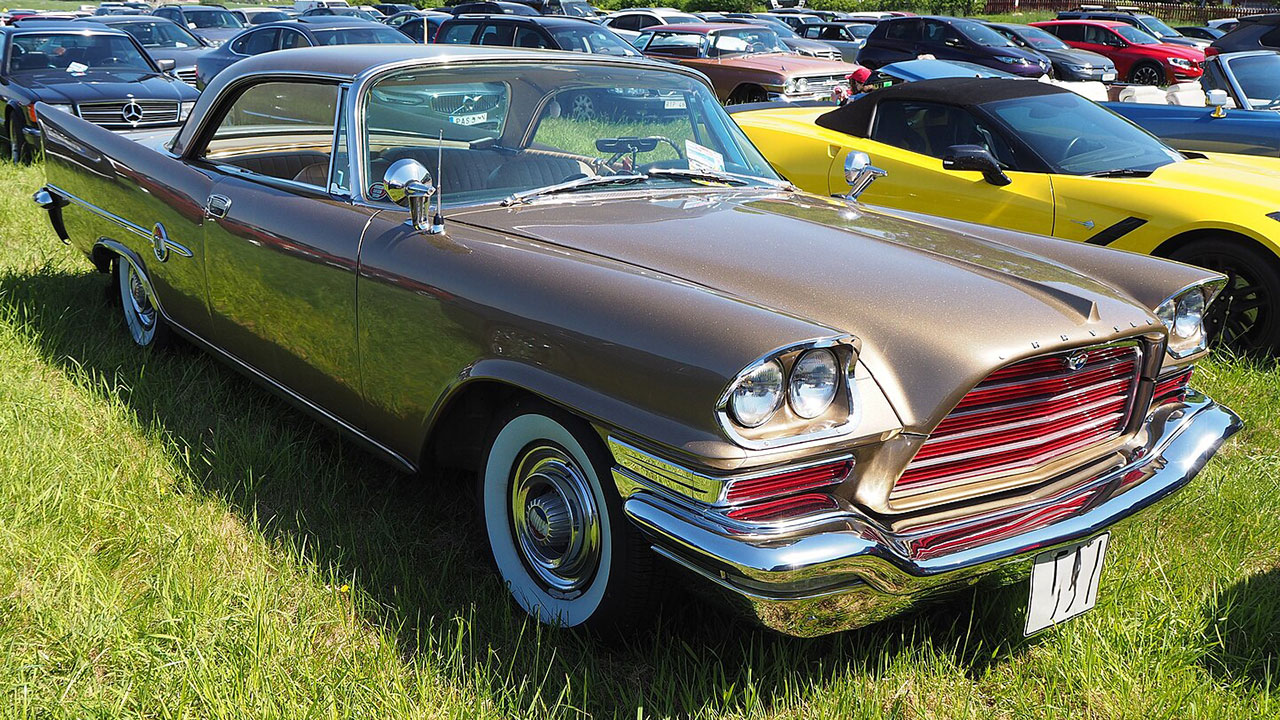
The Chrysler 300 combined distinctive styling with serious V8 performance, giving mechanics a substantial but familiar mechanical package to work with. Its rear-wheel-drive layout and robust engines were well suited to high-speed highway cruising. Limited production compared with mainstream Chrysler models also makes survivors less common. A solid early 300 remains one of the more compelling tail-fin classics.
Dodge Coronet
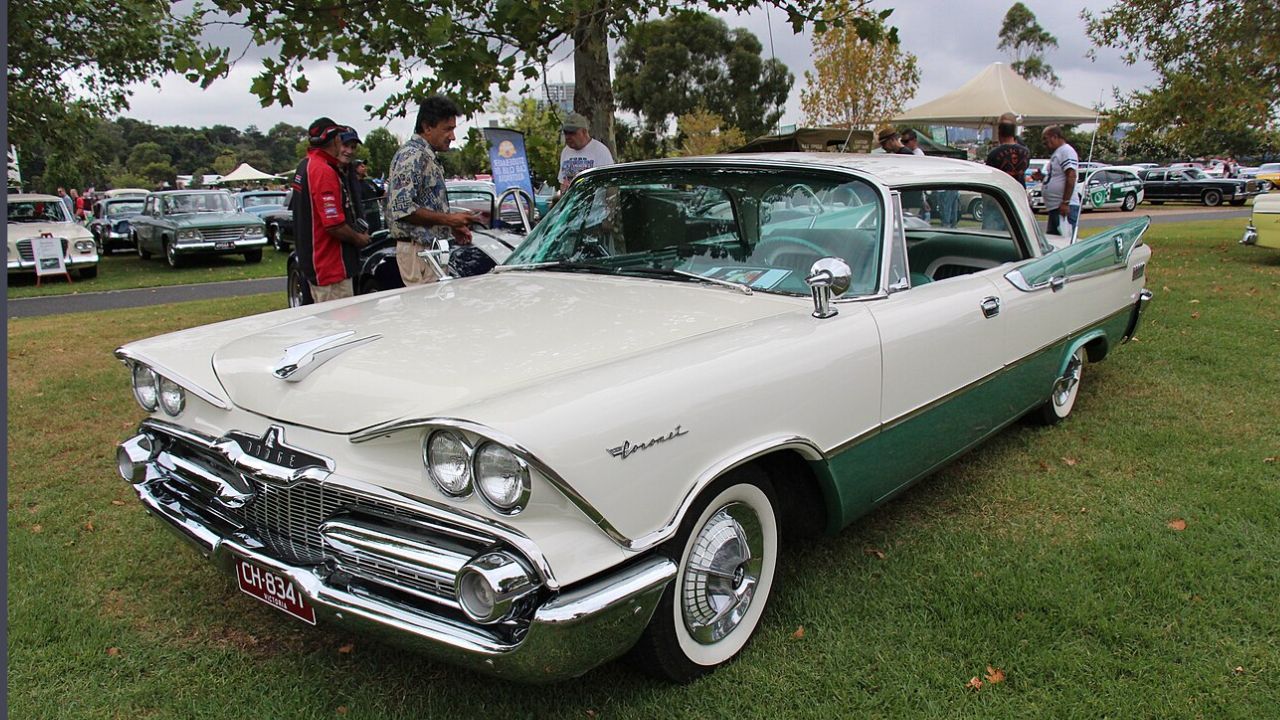
The Dodge Coronet evolved into a stylish full-size car during the tail-fin era, offering V8 power and conventional mechanical components. Its straightforward architecture made repairs relatively familiar, while the model’s broad production numbers provided useful parts support. Many were driven hard and eventually disappeared. Original examples today can be both affordable and mechanically rewarding.
Plymouth Fury
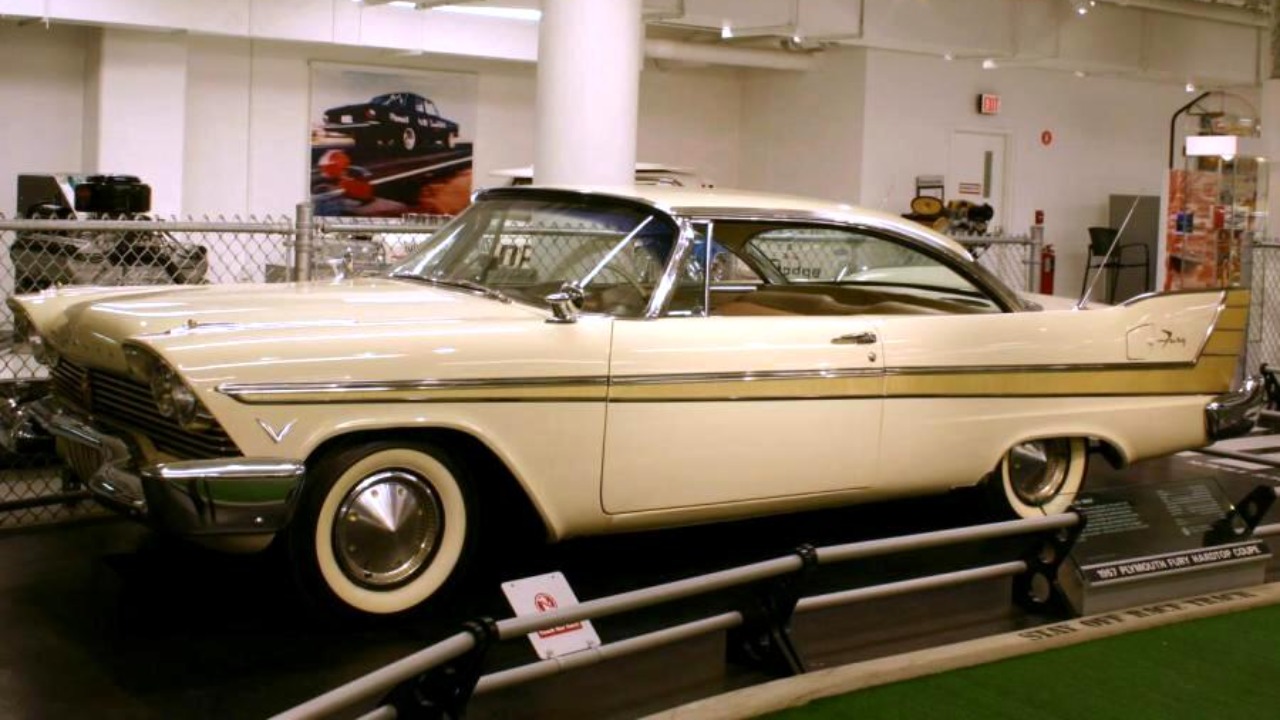
The Plymouth Fury became famous for its exaggerated styling, but the underlying car used conventional American mechanical engineering. Its V8 engines and rear-wheel-drive chassis were straightforward for mechanics accustomed to Detroit products. Many were ordinary family cars rather than carefully preserved classics. A mechanically sound Fury can still be a surprisingly practical way to experience 1950s American motoring.
DeSoto Fireflite
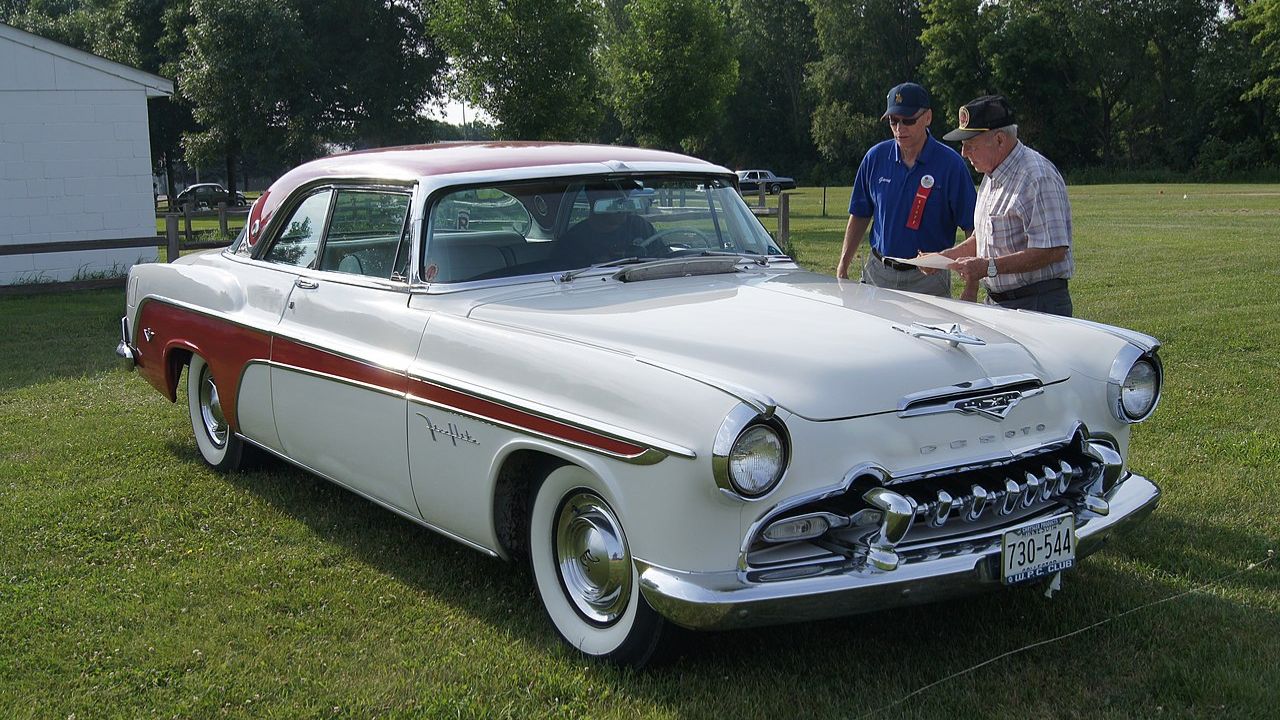
The DeSoto Fireflite paired extravagant styling with proven V8 power and a conventional drivetrain. Its spacious construction made many mechanical jobs relatively accessible, while the car’s robust components suited long-distance American driving. The brand’s disappearance has made parts and specialist knowledge less common than for Chevrolet or Ford, but good survivors remain remarkably rewarding.
Ford Thunderbird

The Thunderbird combined a relatively compact body with V8 power and sophisticated styling, making it one of Ford’s most successful personal-luxury cars. Its conventional mechanical systems were familiar to mechanics, while the model’s huge popularity created strong parts support. Early examples can require careful attention to rust and trim, but a solid Thunderbird is an excellent mechanical and historical package.
More from Fast Lane Only
- Unboxing the WWII Jeep in a Crate
- 15 rare Chevys collectors are quietly buying
- 10 underrated V8s still worth hunting down
- Police notice this before you even roll window down
*Research for this article included AI assistance, with all final content reviewed by human editors