Automakers have spent the past decade turning cars into rolling computers, yet for many boomers, the most memorable features are the ones that disappeared along the way. The shift to touchscreens, modular platforms, and strict safety rules has quietly erased a set of tactile, sometimes quirky details that once defined everyday driving. I find that those losses are not just about nostalgia, but about how different the relationship between driver and machine has become.
Bench seats and the lost living room on wheels
For drivers who came of age in the 1950s and 1960s, the front of the car was less a cockpit and more a sofa on wheels. Bench Seats let three people sit across, and as one detailed account notes, old cars used a single cushion instead of the separate, sculpted chairs and individual belts that dominate cabins today. Unlike the modern layout, that wide pad meant a couple could slide close together, or a family could squeeze in a “fourth skinny one” without much complaint, turning even short trips into shared experiences rather than isolated rides in separate buckets.
Safety regulations and crash standards have made that layout almost impossible to justify, and Cars that boomers grew up driving would not pass today’s tests for good reason. Side airbags, rigid seat frames, and precise belt anchoring all work better with distinct seats, not a continuous bench. Yet when I listen to older drivers, they rarely reminisce about crumple zones; they remember the feeling of a date night on a front bench, or piling friends into a big sedan that looked as individual as a ’57 Chevy, a ’58 Plymouth, or a Thunderbird with opera window, models that enthusiasts still single out when they lament how Now cars are “literally indistinguishable.” The bench seat sat at the center of that social, highly personal space, and its disappearance signals how thoroughly safety engineering has reshaped the cabin.
Vent windows and the art of natural airflow
Before automatic climate control and dual-zone menus, drivers relied on clever glasswork to keep cabins comfortable. Small triangular vent windows, sometimes called quarter lights, sat ahead of the main side glass and could be cracked open to scoop air into the cabin. They were normally small panels in front of the main side windows, and They opened outwards to send a gentle breeze across the driver without the roar and buffeting that comes from dropping a full window. Mar accounts of older models stress how Today power windows are convenient, but vent windows let you direct air away from your face, keep rain mostly out, and still clear cigarette smoke or summer heat.
Unlike the blunt on-or-off feel of a modern blower fan, those little panes offered a kind of analog fine tuning that many boomers still praise. One enthusiast discussion about Old School Features We Miss on Modern Cars puts vent windows in the same breath as ashtrays, not because anyone wants to revive smoking, but because those details made cabins feel tailored to human habits rather than software menus. As aerodynamics, noise standards, and cost cutting took over, the extra seals and hinges became hard to justify, and the industry quietly deleted them. I hear the regret most from drivers who now find themselves fiddling with touchscreen climate sliders just to get the kind of subtle airflow a flick of a vent window once delivered.
Ashtrays, lighters, and the vanishing rituals of the road
Few features capture the cultural shift on the road as clearly as the ashtray and cigarette lighter. In the middle of the last century, smoking was so embedded in driving that cars came with multiple ashtrays and a dedicated heating element, and one breakdown of Classic Car Features You Don’t See Anymore lists ashtrays and lighters alongside Manual Hand Crank Windows as standard equipment of the era. Classic Window Crank and door handle photos, often shared via Pinterest, sit next to images of deep, chrome-trimmed ashtrays that were as much design statement as utility.
Today, those cavities have been repurposed into cupholders, storage bins, and wireless charging pads, and the lighter socket has been rebadged as a generic 12‑volt outlet. A video tour of 10 CRAZY Old Car Options That No Longer Exist shows how integrated smoking once was, right down to little pull-out trays and even bodywork details for flicking ashes out the window. Another short clip on Old School Features We Miss on Modern Cars hears drivers say they miss ashtrays not because they want to light up again, but because those compartments were handy for coins, parking tickets, or small tools. I see that as a reminder that when Car Features Are Going Away, they often take with them a set of small rituals, from tapping ash into a metal tray to pushing in a glowing lighter, that made long drives feel like their own self-contained world.
Chrome, curves, and the death of distinctive styling
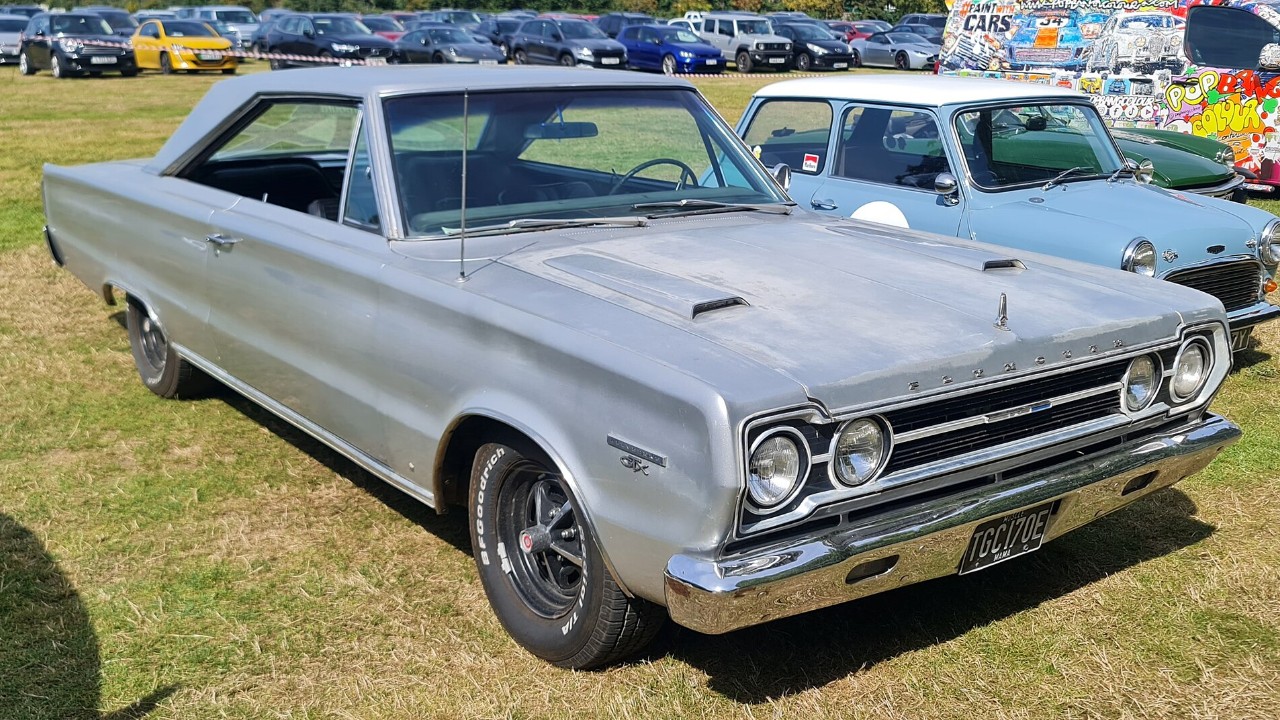
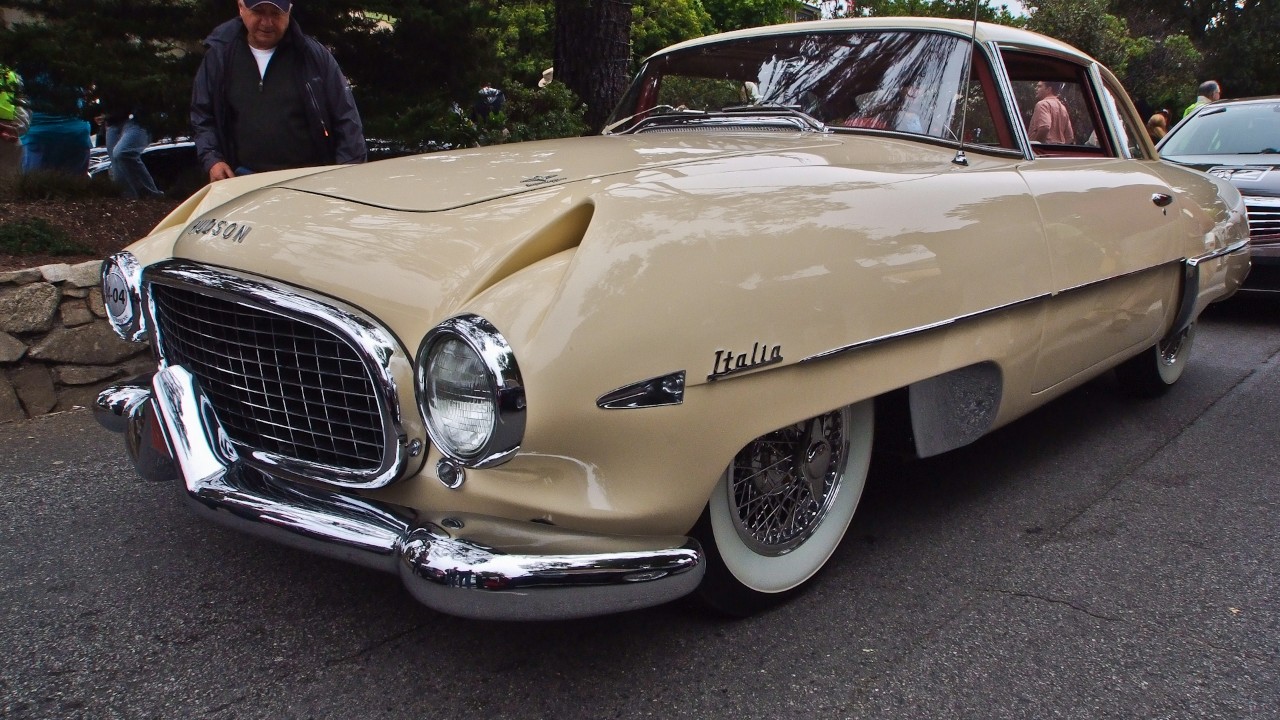
Ask a boomer to name a favorite car and the answer is rarely a model code; it is a shape. In one widely shared reflection on the Loss of unique car styling and character, enthusiasts rattle off a ’57 Chevy, a ’58 Plymouth, a Thunderbird with opera window, and early 60’s Dod designs as shorthand for an era when you could spot a car from a block away. Love me some, one commenter writes, before lamenting that Now, they are literally indistinguishable. The complaint is not just about nostalgia for tailfins and chrome, but about the sense that each brand once had a visual identity that extended from grille to roofline.
Modern safety rules, pedestrian impact standards, and wind tunnel work have pushed designers toward similar silhouettes, and platform sharing has only deepened that sameness. Cars that boomers grew up driving often lacked the crash protection that regulators now demand, and the tradeoff for stronger structures and better fuel economy has been a narrower design envelope. I notice that even performance models, such as The BMW M8 with its 4.4-liter twin-turbo V8, are being retired as companies rationalize lineups and chase efficiency targets, a trend that reinforces the sense of a shrinking palette. For older drivers, the loss is not only visual; it is emotional, because those flamboyant shapes were tied to specific memories, from first road trips to the moment a particular hood ornament came into view outside a childhood home.
Cranks, switches, and the feel of mechanical control
Beyond big styling statements, boomers often talk about missing the small, mechanical interactions that defined older cabins. Manual Hand Crank Windows required a twist of the wrist, and Classic Car Features You Don’t See Anymore notes how that simple mechanism has been replaced almost everywhere by power switches. The floor-mounted high beam switch, described in detail as a staple from the 1940s through the 1970s, let drivers tap their left foot to change lighting without taking a hand off the wheel, a design that one analysis says represented straightforward functionality and nostalgic charm.
In online discussions about what features from classic cars should return, Sep contributors argue that They caught on to another fact: replacing ergonomic, easily usable controls with a maddening touchscreen or “physical butto” hybrids has made simple tasks more distracting. Instead of a dedicated knob or rocker switch, drivers now swipe through menus to adjust climate or change drive modes, a shift that some see as driven as much by cost savings and data collection as by genuine usability. I find that tension especially sharp when I read complaints about new models where Some manufacturers have even made spare tires optional extras, as one Jalopnik-style survey notes, and Not every buyer realizes they are getting only a tire repair kit. The combination of fewer physical controls and fewer physical backups, from cranks to spares, leaves many boomers feeling that cars have become less forgiving and more opaque.
More from Fast Lane Only