The Porsche 911 GT3 and the Segway SuperScooter GT3 Pro sit at opposite ends of the performance spectrum, yet they are united by more than a shared badge. Both are engineered to turn everyday movement into something closer to a track session, prioritising precision, feedback and driver confidence over simple point A to B transport. Look closely at how each machine is built and tuned, and the GT3 name starts to feel less like a marketing coincidence and more like a common philosophy translated into very different forms.
Where the Porsche 911 GT3 refines decades of motorsport into a road‑legal coupe, the Segway GT3 Pro distils similar ideas into an electric scooter that can keep pace with city traffic and then some. I find that comparing them side by side, from chassis to stability systems, reveals how far performance thinking has migrated from supercars into micromobility, and why both appeal to enthusiasts who care as much about feel as they do about speed.
Two GT3s, one performance mindset
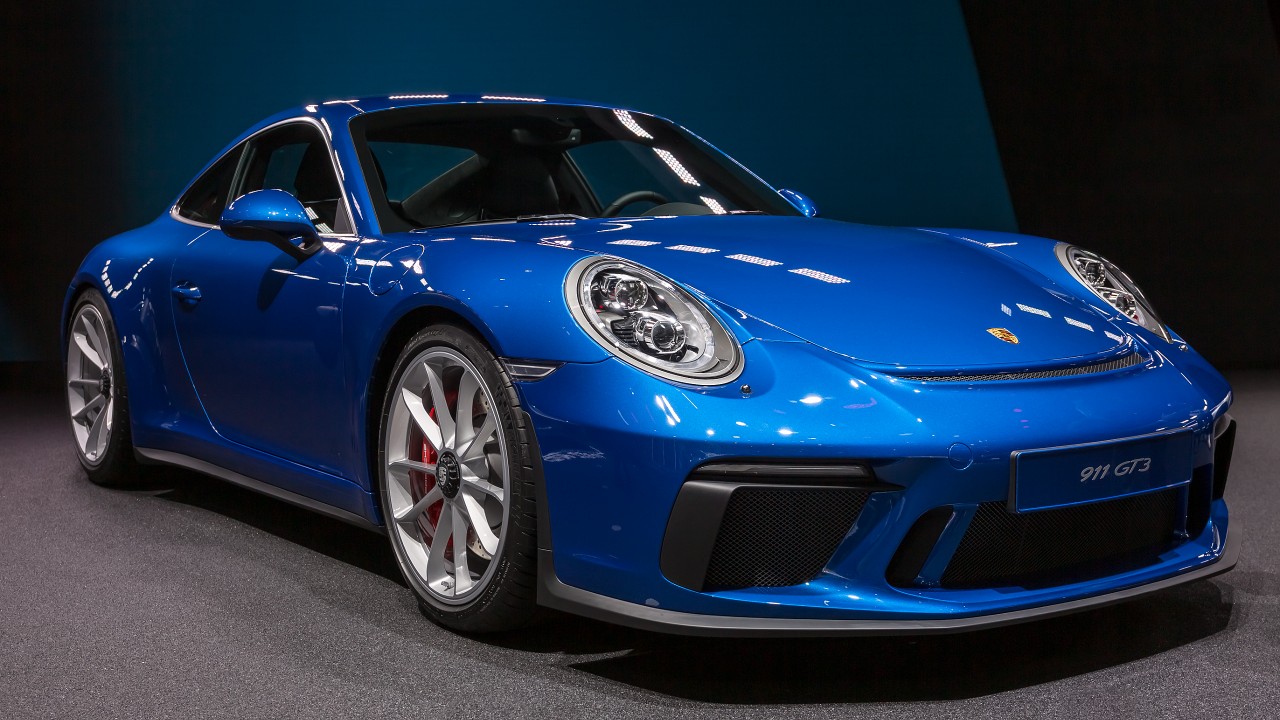
The modern Porsche 911 GT3 is defined by its singular focus on speed and feedback, even when it is used as a daily driver. Since the type 992 generation arrived, the 911 GT3 and its Touring variant have carried over hardware and aero concepts from the 911 RSR race car, a lineage that underscores how closely it is tied to circuit development. In every 911 GT3 so far, owners can count on a naturally aspirated flat‑six engine, a chassis tuned for track work and very little in the way of unnecessary comfort features, a combination that keeps the car firmly in the realm of purist performance rather than luxury cruiser.
The Segway SuperScooter GT3 Pro approaches the same goal from the opposite direction, starting with urban commuting and pushing it toward motorsport‑style capability. Intended for the open‑air commuter needing to keep pace with fast traffic, the Segway GT3 Pro is described as a genuine vehicle rather than a toy, with a top speed around 50 mph and acceleration that places it in “superscooter” territory. Owners such as Seth Bright, who calls it his fifth scooter and second Segway, highlight build quality and attention to detail on Segways as key reasons they trust the GT3 Pro at these speeds, which mirrors the way Porsche drivers talk about the 911 GT3’s engineering depth.
Chassis, suspension and the pursuit of control
At the heart of the 911 GT3’s reputation is a chassis that treats body control as non‑negotiable. The 992 g generation uses a double‑wishbone front suspension derived from the 911 G endurance racers, paired with a rear setup tuned to keep the car stable at extreme cornering loads. That hardware, combined with extensive aero work and a rigid body structure, allows the GT3 to deliver the kind of precise turn‑in and mid‑corner balance that track drivers demand, even if it means a firmer ride and fewer creature comforts on rough roads.
The Segway GT3 Pro mirrors that focus on control with a surprisingly sophisticated suspension package for a scooter. It uses an Adjustable Hydraulic Suspension, combining an Adjustable Hydraulic Front Linkage and Hydraulic Rear Trailing Arm to keep the platform composed over bumps and during hard braking. The chassis is designed around an 80 mm large trailing arm that improves stability when the surface turns unpredictable, so the rider can maintain confidence at higher speeds. When I look at that hardware in the context of its segment, it feels like the scooter equivalent of Porsche’s decision to give the 911 GT3 race‑inspired suspension rather than softening it for comfort.
Stability tech: from track telemetry to SegRide
Modern performance machines no longer rely on mechanical grip alone, and both GT3s lean heavily on electronic aids that aim to enhance, rather than dilute, the rider’s or driver’s skill. In the 911 GT3, stability and traction systems are calibrated to intervene late and transparently, allowing experienced drivers to explore the car’s limits while still providing a safety net when conditions deteriorate. The car’s development alongside the 911 G competition models means its electronics are tuned with track data in mind, not just road‑car conservatism.
The Segway GT3 Pro takes that philosophy and makes it explicit in its software. The scooter features selectable two‑wheel drive, Dynamic Traction Control and a SegRide Stability Enhancement System that intelligently tunes the power delivery to each wheel. Segway and Ninebot describe the SegRide Stability Enhancement System as technology that improves control in difficult riding situations, including hard acceleration, tight turns and slick roads, while SDTC 2.0 precisely manages each wheel’s grip and instantly sends power where it is needed so the ride is always in control. Enjoy the way these systems work together and the GT3 Pro starts to feel like a lightweight, electric analogue to the 911 GT3’s carefully calibrated stability electronics, prioritising agility without sacrificing safety.
Everyday usability, extraordinary intent
One of the most intriguing parallels between the two GT3s is how they balance daily usability with their more extreme personalities. The 911 GT3 can be driven to the office or the supermarket, yet owners and reviewers alike stress that it “simply is that special”, with a naturally aspirated engine and focused cabin that make every trip feel like a warm‑up lap. The Touring variant softens the visual drama slightly, but the underlying 992 g hardware and 911 G‑inspired dynamics remain, so even in its most restrained form the car never stops reminding the driver of its racing roots.
The Segway GT3 Pro is framed in a similar way, only for the urban grid instead of the autobahn. Whether you are commuting, exploring or looking to dominate the roads in style, the GT3 Pro does not just show up, it shows off, yet reviewers emphasise that it is not just about being fast. The Pro is described as a genuine vehicle made to inspire a level of confidence that typical scooters cannot match, with features like the Stability Enhancement System and robust suspension intended to make everyday rides feel secure rather than precarious. For riders who might otherwise default to a car or motorcycle, that blend of practicality and drama is precisely what has long defined the appeal of the 911 GT3.
Brand loyalty and the GT3 badge
Finally, the GT3 name itself has become a kind of shorthand for a certain type of enthusiast, and both Porsche and Segway are clearly aware of the expectations that come with it. For Porsche, the 911 GT3 badge signals the most track‑focused version of its core sports car, a model that sits apart from more comfort‑oriented 911s and leans heavily on its 911 G and 911 RSR connections. Owners buy into that identity as much as the performance numbers, trusting that any car wearing the GT3 script will deliver a very specific, highly engaging driving experience.
Segway appears to be cultivating a similar relationship with its GT3 line. The comparison between the Segue GT3 and Segue GT3 Pro highlights how both scooters look fairly identical from the outside, yet the Pro commands extra cash by offering higher performance and more advanced features. Early adopters like Seth Bright, who notes that his Segways have worked flawlessly and praises their build quality, reinforce the idea that the GT3 Pro is not a disposable gadget but part of a trusted ecosystem. When I see that level of loyalty around a scooter, combined with technology like the Stability Enhancement System and Dynamic Traction Control, it becomes clear that the GT3 badge now signals a performance‑first mindset in both Stuttgart and the urban scooter scene, even if the vehicles themselves could not look more different.
More from Fast Lane Only