Plymouth built plenty of dependable and desirable cars, but some models can become surprisingly difficult ownership propositions once age, scarcity, and restoration costs enter the picture. A low asking price does not always mean a bargain. These 7 Plymouths deserve especially careful inspection before anyone takes on a neglected example.
Plymouth Cricket

The Plymouth Cricket is rare today, but rarity alone does not make it a sensible restoration project. Its British origins mean some parts and mechanical components can be harder to source than those for mainstream Plymouths. The model’s short American run also limits the pool of specialists familiar with it. A complete survivor is far more appealing than a heavily deteriorated project.
Plymouth Volaré
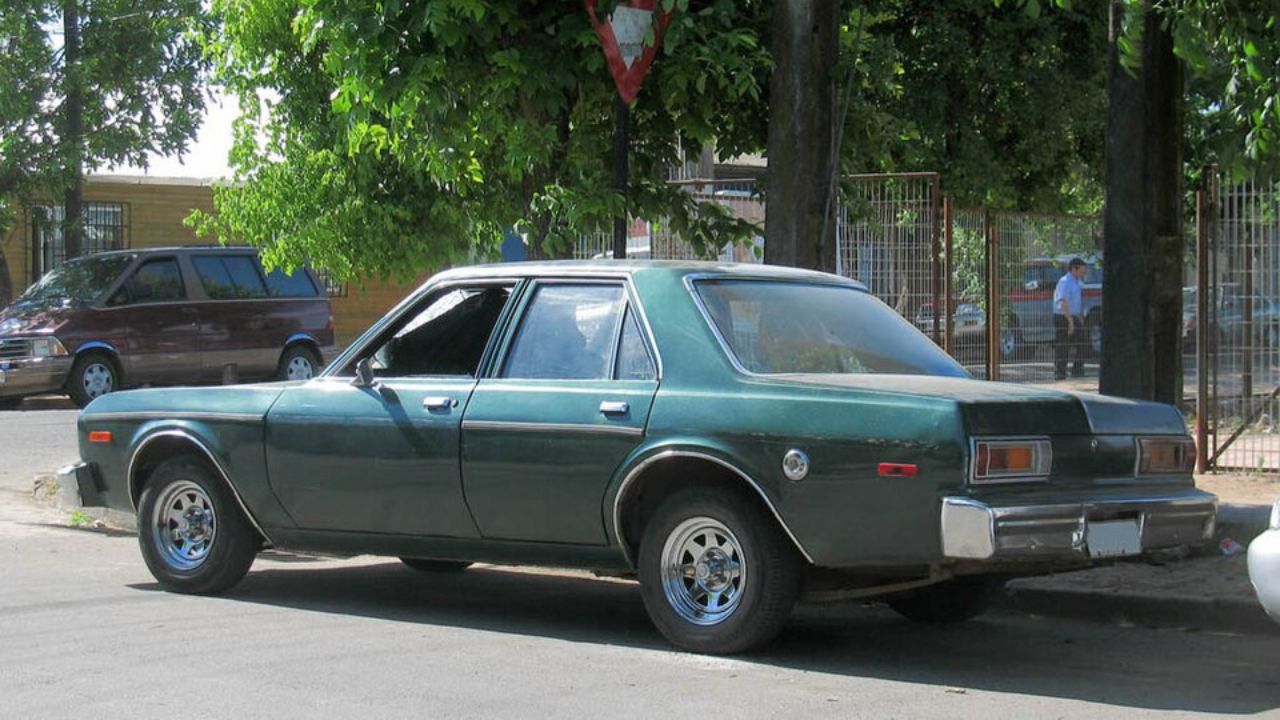
The Plymouth Volaré is an interesting piece of automotive history, but neglected examples can be troublesome. Rust is a major concern, particularly on cars that spent decades exposed to harsh weather. Aging electrical components, worn suspension parts, and deteriorated interiors add further expenses. Because good survivors are relatively uncommon, finding one that is already solid is usually preferable to restoring a poor example.
Plymouth Reliant
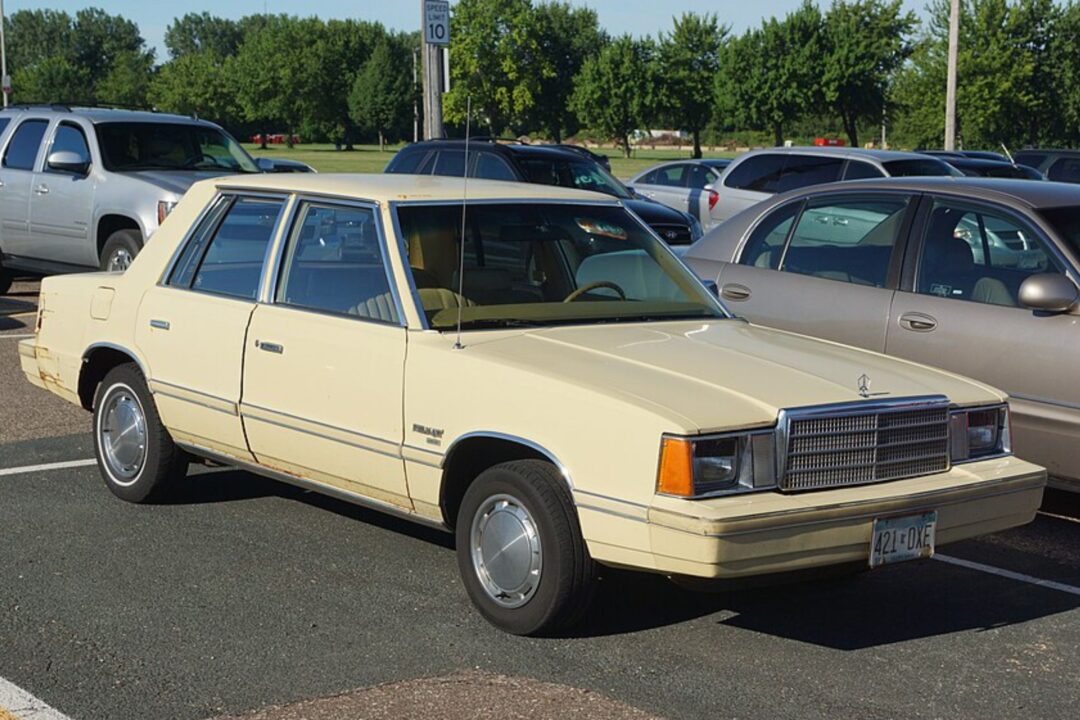
The Plymouth Reliant was designed as affordable everyday transportation rather than a future collectible. That means many surviving examples have suffered years of deferred maintenance. Rust, deteriorated interiors, worn drivetrain components, and aging electrical systems can make restoration exceed the car’s value. A well-preserved survivor is interesting, but buying the cheapest project available can quickly become a frustrating proposition.
Plymouth Caravelle
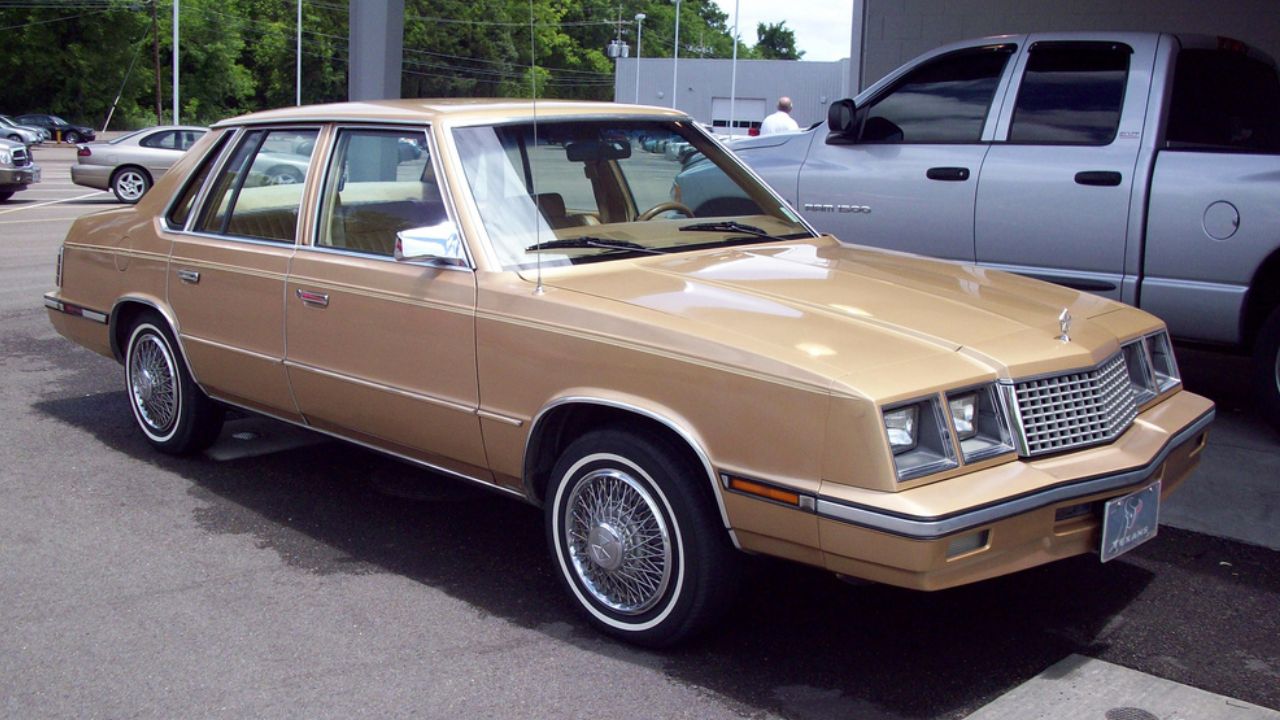
The Plymouth Caravelle offered comfortable transportation and formal styling, but its low collector profile creates a parts and restoration dilemma today. Model-specific trim, interior pieces, and body components can be difficult to locate. A neglected example may require considerable searching simply to become complete. Unless the car has an unusually strong history or exceptional originality, restoration costs can easily overwhelm its market value.
Plymouth Barracuda
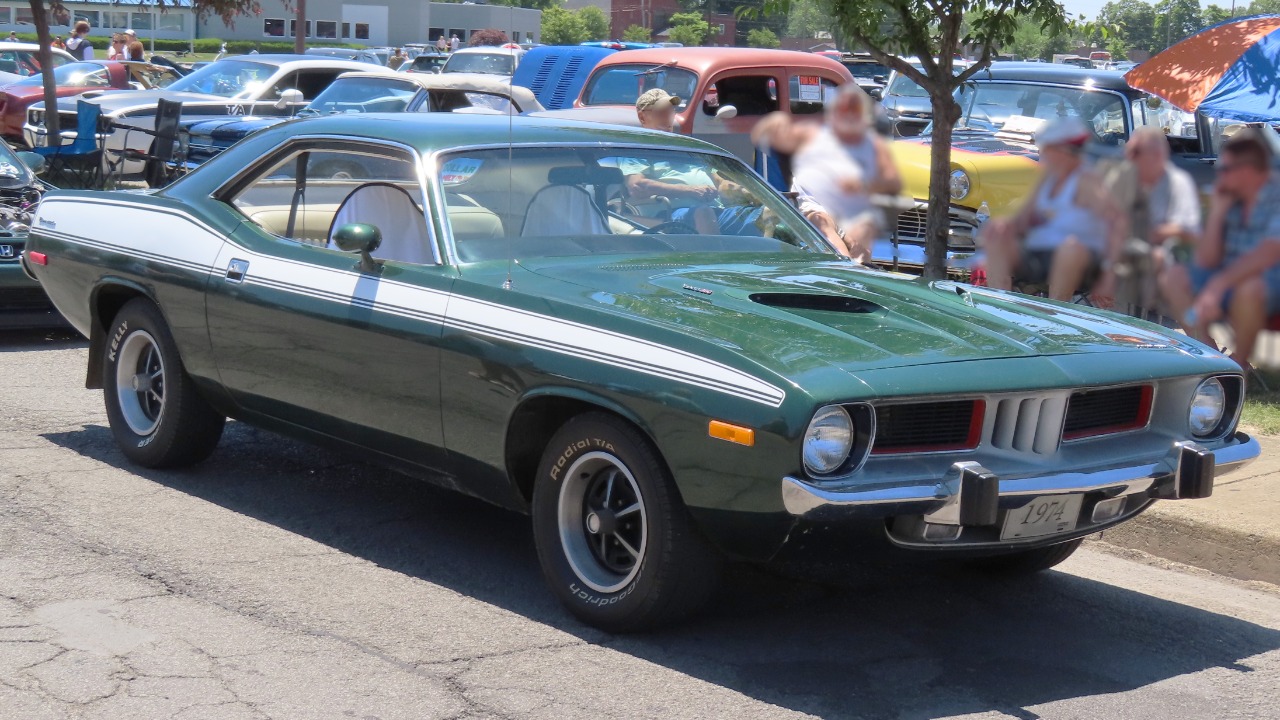
The Barracuda is highly desirable, but that popularity can make neglected examples particularly expensive to restore. Rust, missing trim, incorrect engines, and decades of modifications can quickly turn a seemingly affordable project into a major undertaking. Parts are available, but desirable original components can be costly. Buyers should be especially cautious with incomplete cars that have already been heavily modified.
Plymouth Road Runner
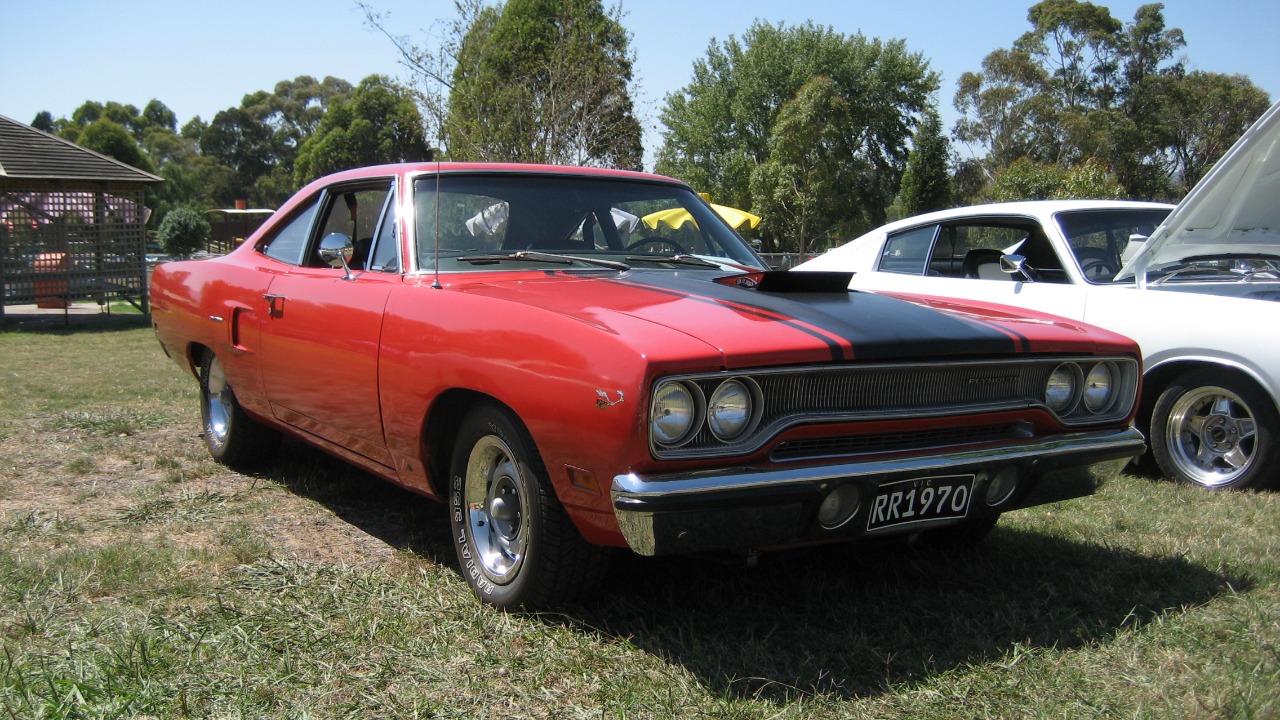
The Road Runner’s popularity among muscle-car collectors means many surviving examples have been modified, cloned, or restored multiple times. A cheap car may not be what it appears to be, especially when factory specifications and original documentation matter. Rust and missing performance equipment can add further costs. A complete, properly documented example is much safer than a questionable project.
Plymouth GTX
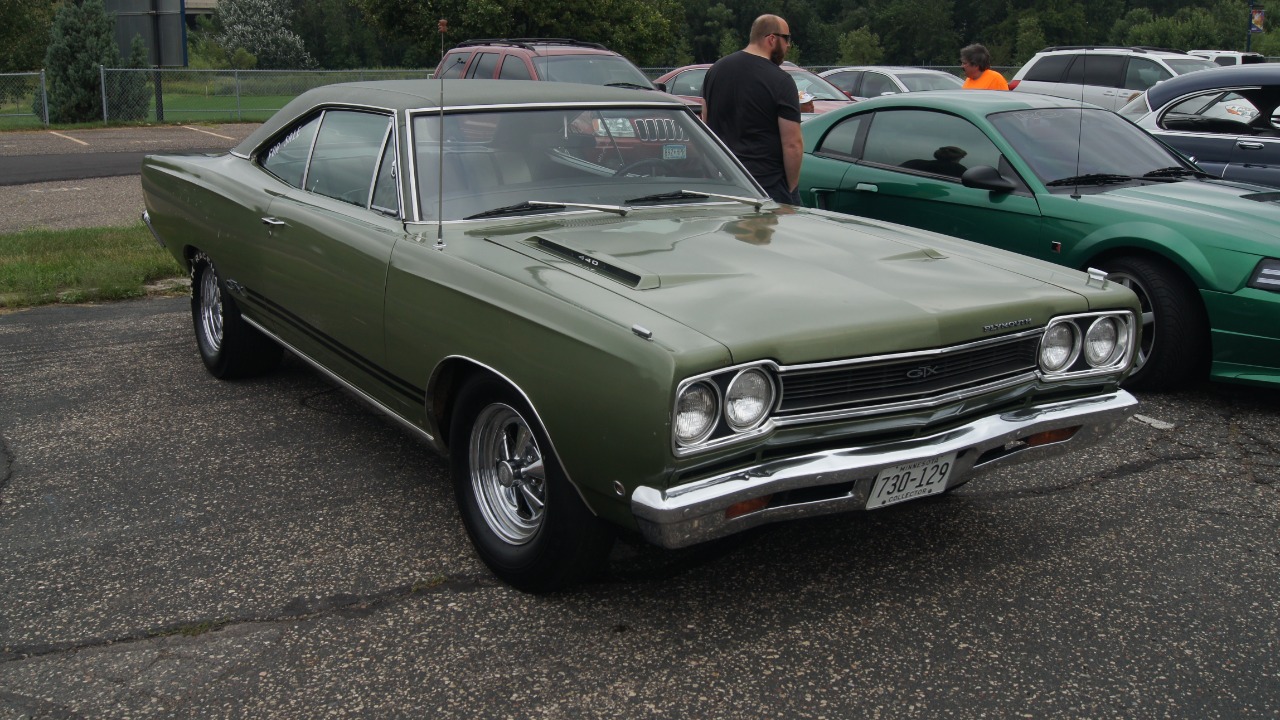
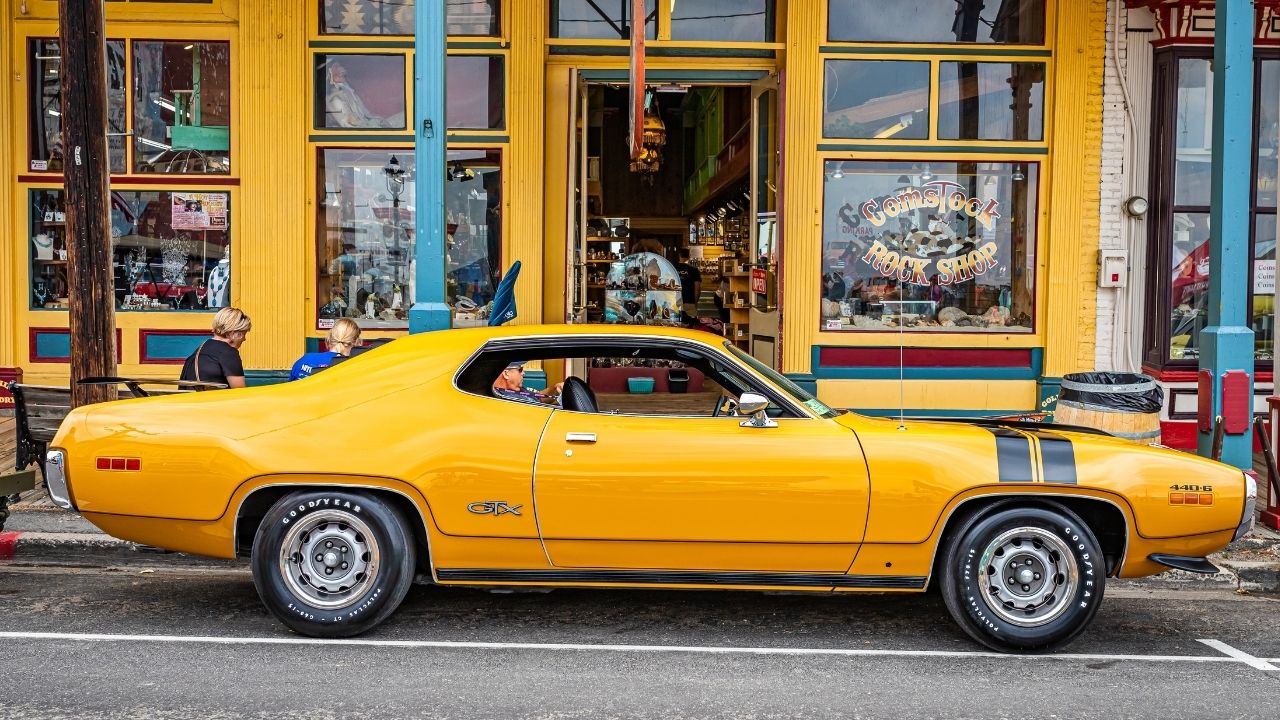
The GTX combined powerful engines with upscale equipment, making restoration particularly expensive when important original components are missing. Engine, transmission, trim, interior, and bodywork can all add substantial costs. Because genuine GTXs are valuable, poorly restored examples can also hide previous modifications. Buyers should carefully verify authenticity before spending heavily on one.
More from Fast Lane Only
- Unboxing the WWII Jeep in a Crate
- 15 rare Chevys collectors are quietly buying
- 10 underrated V8s still worth hunting down
- Police notice this before you even roll window down
*Research for this article included AI assistance, with all final content reviewed by human editors