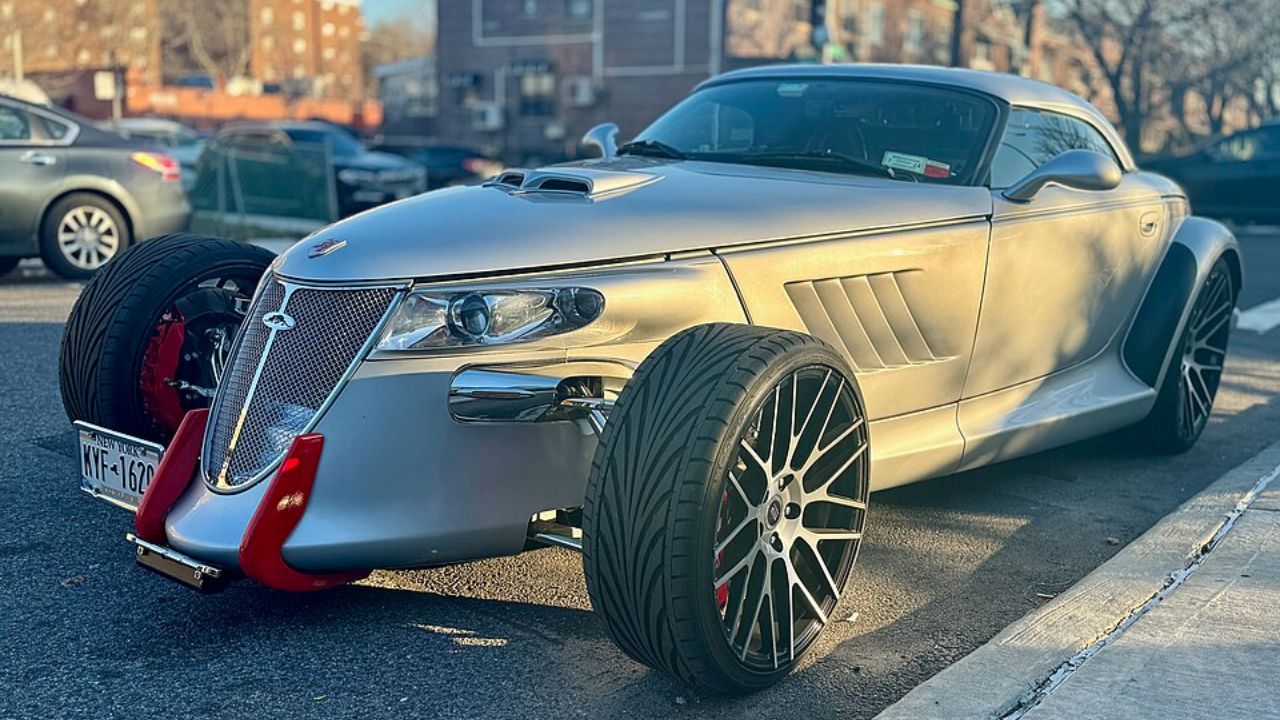
The automotive world is filled with vehicles that, despite their innovative designs and engineering prowess, have fallen into obscurity. Many of these forgotten road cars captured the imagination of enthusiasts but never achieved the commercial success they deserved. Here, we highlight 20 such cars that merited more recognition and acclaim in the automotive landscape.
Nissan NX2000

Nissan sold the NX coupe from 1991 to 1993, using the front-drive Sentra platform. The NX2000 shared its 2.0-liter SR20DE twin-cam four with the Sentra SE-R. It made 140 hp and came with rear disc brakes and a limited-slip differential. Removable T-bar roof panels were an option.
Reviewers praised its quick acceleration, nimble handling and sporty looks. The coupe had flaws, though. The rear seat was tiny, the cabin was noisy, and the low seating position hurt visibility. Sales were weak, especially in its final seasons. Nissan dropped the NX after the 1993 model year.
Toyota 2000GT
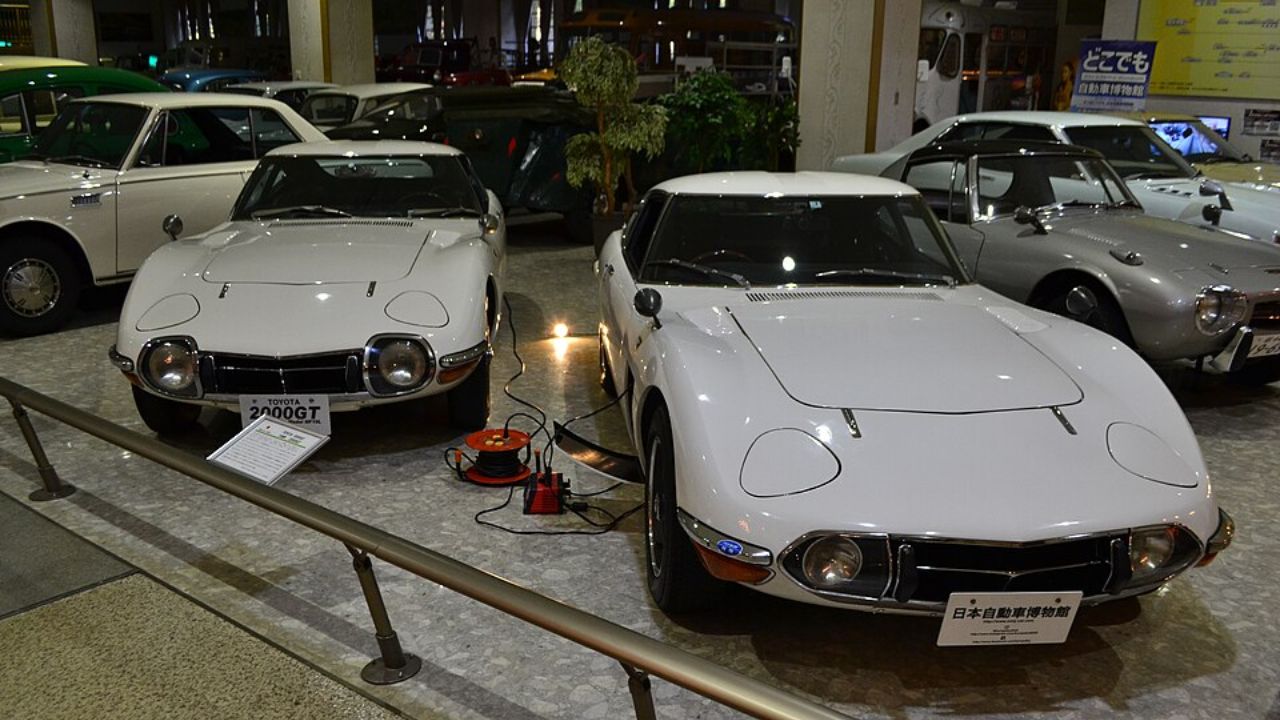
The Toyota 2000GT, produced from 1967 to 1970, is a stunning example of Japanese engineering and design. With only 351 units made, it was one of the first Japanese sports cars to achieve international acclaim. Its sleek lines and powerful 2.0-liter inline-six engine allowed it to compete with European rivals of the time. The 2000GT played a significant role in establishing Toyota’s reputation for quality and performance. Today, it is a highly sought-after collector’s item, yet its impact on the sports car market is often overlooked.
Mazda RX-7 (FC)
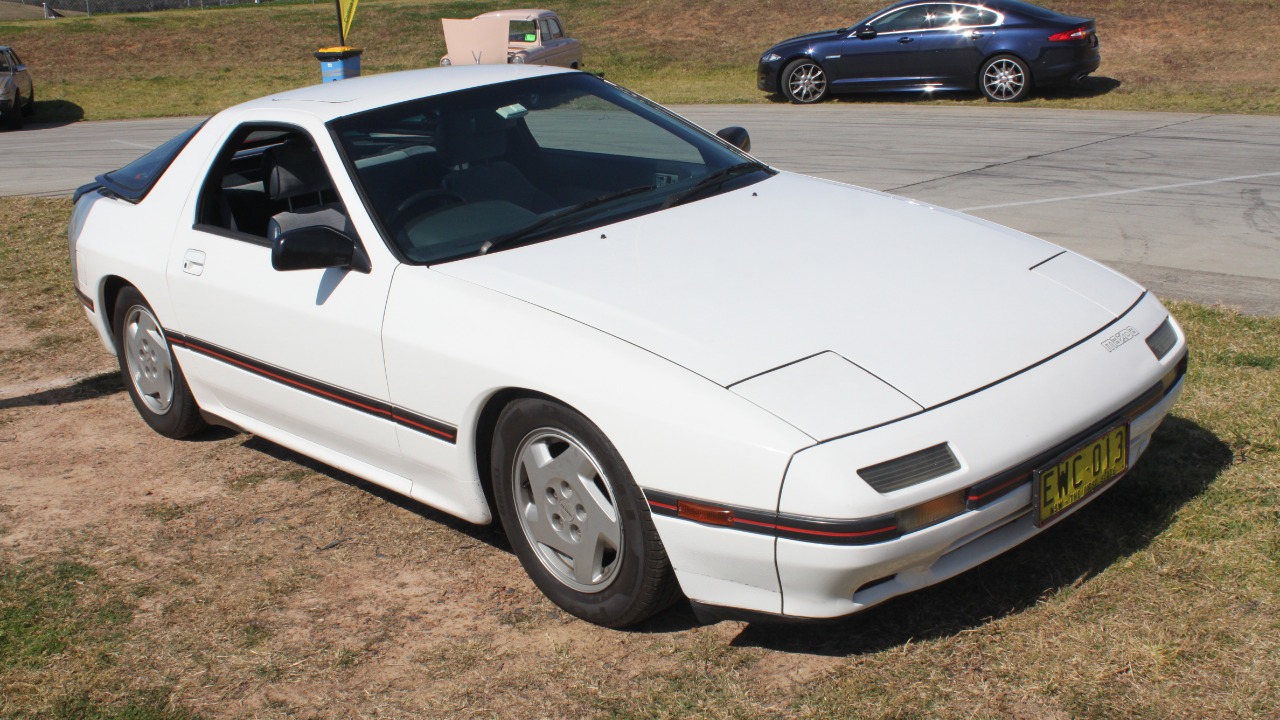
The second-generation Mazda RX-7, known as the FC, was produced from 1986 to 1992 and is frequently overshadowed by its predecessor and successor. The FC RX-7 offered a balance of performance and comfort, featuring a turbocharged rotary engine that delivered impressive power. Its lightweight design and excellent handling made it a favorite among driving enthusiasts. Despite its capabilities, the RX-7 FC did not achieve the same level of recognition as competitors like the Nissan 300ZX, and it remains a hidden treasure in the world of Japanese sports cars.
Plymouth Prowler
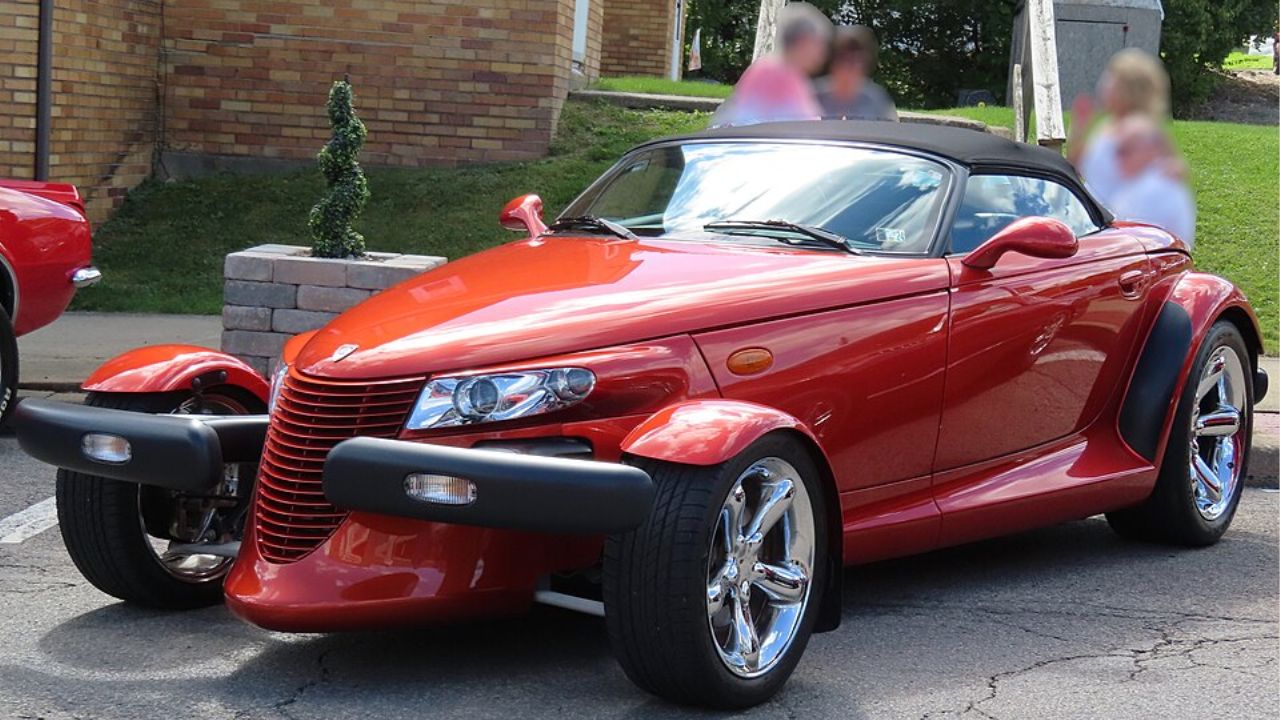
Produced from 1997 to 2002, the Plymouth Prowler was a unique attempt by Chrysler to blend retro styling with modern technology. Its eye-catching design, inspired by hot rods, garnered attention, but its limited production numbers and high price hindered its success. While it offered a V6 engine and rear-wheel drive, performance was not its strongest suit compared to competitors. Despite its shortcomings, the Prowler has become a cult favorite, representing a bold design experiment that deserved a longer lifespan.
Nissan 240SX
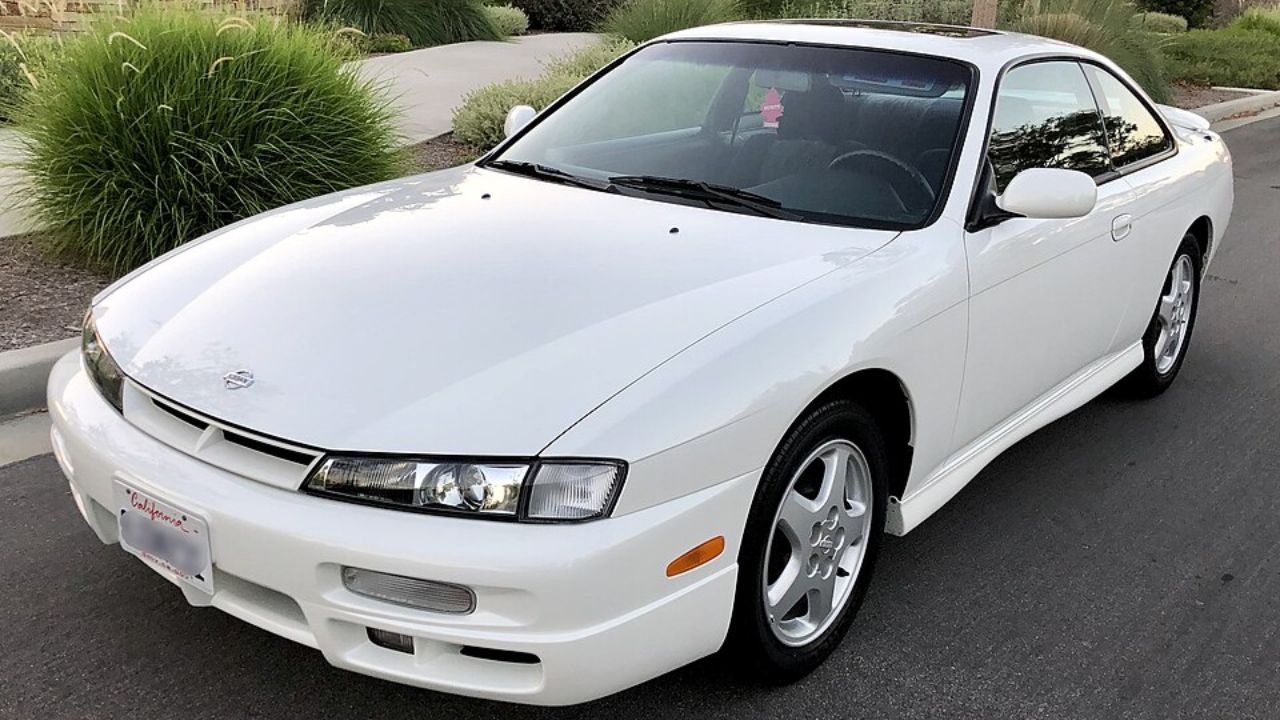
The Nissan 240SX, produced from 1989 to 1998, is a sports coupe that has gained a loyal following among car enthusiasts. Its lightweight chassis and rear-wheel-drive layout made it an excellent platform for modifications and drifting. However, its understated styling and limited marketing resulted in it being overshadowed by more flashily marketed competitors. The 240SX’s potential as a performance vehicle remains largely unrecognized, but it continues to be cherished by a dedicated community of fans and tuners.
Chrysler Crossfire

The Chrysler Crossfire was produced from 2004 to 2008 and is a collaboration between Chrysler and Mercedes-Benz. Its distinctive styling and coupe/roadster variants were eye-catching, but the car struggled to find its niche in a competitive market. While it shared a platform with the Mercedes SLK, its unique design and American branding failed to resonate with buyers. Critics often overlooked its performance capabilities, which included a supercharged V6 engine, leading to its early discontinuation despite its potential.
Porsche 968
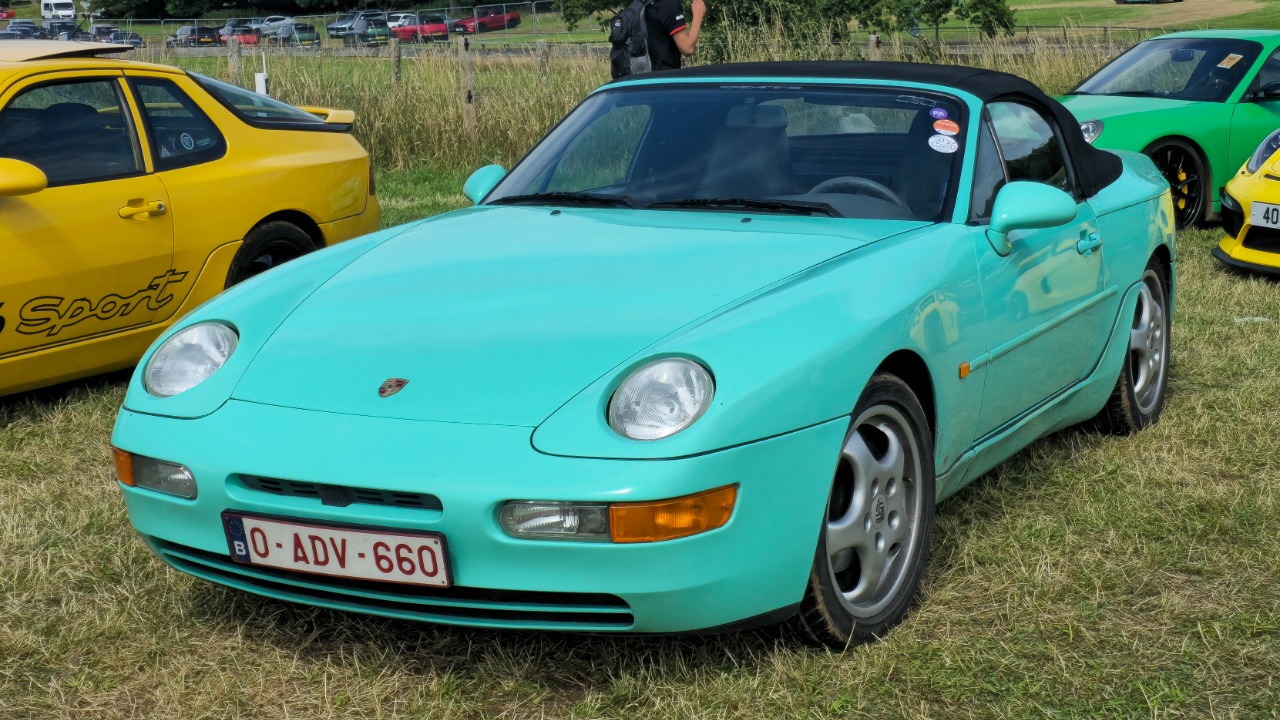
Porsche launched the 968 in 1991 as the final step in the front-engined 924 and 944 line. Its 3.0-liter four-cylinder used VarioCam valve timing and made 236 hp in US trim. Buyers could choose a coupe or a Cabriolet, with a new six-speed manual or a Tiptronic automatic. Europe also got a lighter Club Sport.
The 968 never won hearts the way the 911 did, and Porsche itself says it lacked the 911’s emotional pull. US buyers paid $39,950 for a base car. Porsche ended production in mid-1995 after a four-year run. Just 11,245 cars left the Zuffenhausen plant, and only 4,665 coupes and Cabriolets were sent to North America.
BMW Z1
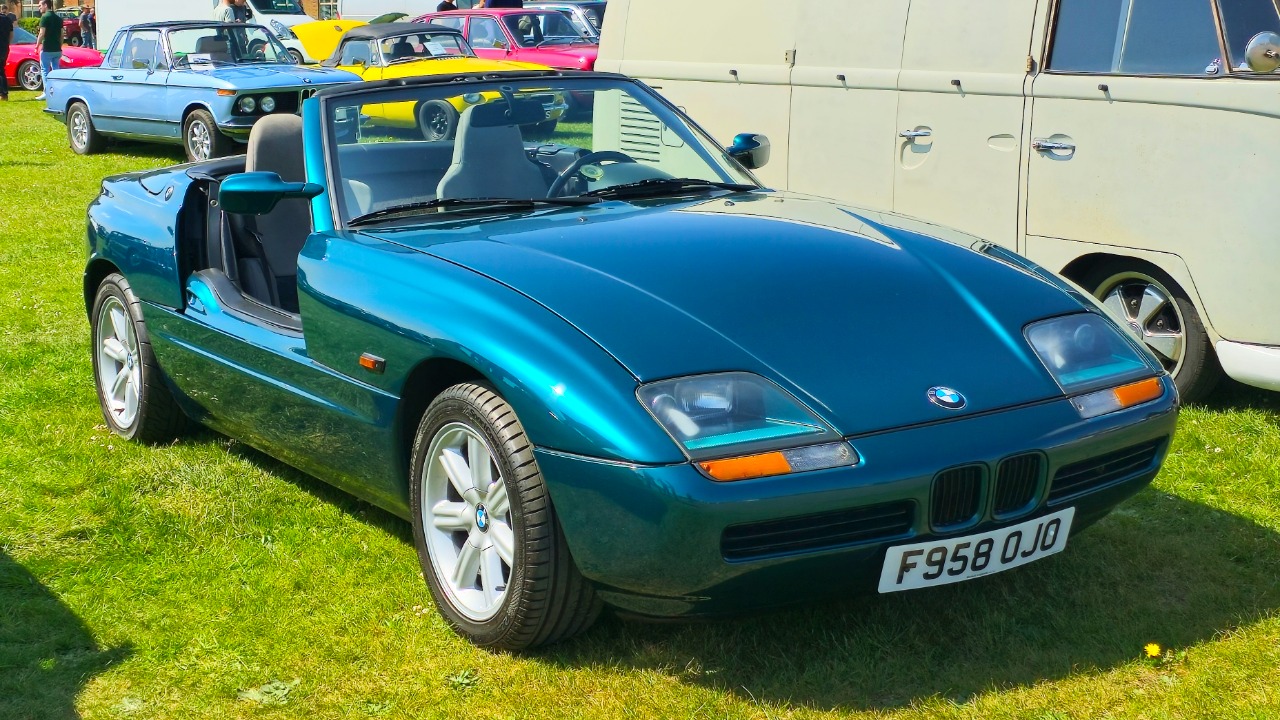
The BMW Z1, produced from 1989 to 1991, is a rare and innovative roadster that featured a unique design with retractable doors. Its lightweight construction and agile handling made it a joy to drive, showcasing BMW’s engineering prowess. However, its high price and limited production numbers kept it from achieving widespread popularity. The Z1 remains an intriguing example of BMW’s capability to blend performance with avant-garde design, meriting more recognition in automotive history.
Ford GT90

The Ford GT90 was a concept car introduced in 1995, designed to be the successor to the legendary Ford GT40. With a striking design and a quad-turbocharged V12 engine, it promised to deliver exhilarating performance. However, despite its impressive specifications and innovative features, the GT90 never reached production due to high development costs and changing market conditions. Today, it stands as a symbol of what could have been for Ford, showcasing the brand’s commitment to pushing boundaries in automotive design.
Lancia Delta Integrale

The Lancia Delta Integrale, produced from the mid-1980s to the early 1990s, is celebrated for its rallying success but often overlooked in everyday automotive discussions. Its all-wheel-drive system and turbocharged engine made it a formidable competitor on the rally circuit, leading to numerous championships. Despite its racing pedigree, the Delta Integrale was not widely recognized outside of Europe. Its unique blend of practicality and performance makes it a worthy candidate for greater appreciation among automotive enthusiasts.
Alfa Romeo GTV6

The Alfa Romeo GTV6, produced from 1980 to 1986, is a remarkable sports coupe that combines Italian flair with impressive performance. Its V6 engine and balanced chassis provided an engaging driving experience, making it a favorite among enthusiasts. However, its limited production numbers and niche appeal meant it never achieved the mainstream success it deserved. The GTV6’s distinctive style and enthusiastic driving dynamics continue to attract a dedicated following, highlighting its lost potential in the automotive market.
Maserati Shamal

Maserati unveiled the Shamal in Modena in December 1989. Marcello Gandini reworked its Biturbo-based shape with bold wheel arches. Under the hood sat a new 3.2-liter twin-turbo V8 with four camshafts, rated at 326 hp. A six-speed Getrag gearbox drove the rear wheels, and Maserati quoted a top speed of 168 mph.
The car arrived at a bad time. Biturbo sales were already falling, and the brand’s image had taken hits over quality. A confusing spread of model variants had pushed prices up. Maserati was nearly out of money, and Fiat’s new management left the Shamal out of its plans. Production ran in fits and starts, and only 369 were built.
Lancia Montecarlo

Lancia’s Montecarlo made its debut at the 1975 Geneva show as a mid-engined two-seater, with a body designed and built by Pininfarina. A 2.0-liter Fiat twin-cam four sat behind the cabin. Testers liked its crisp handling and sharp styling. American buyers got it as the Scorpion for 1976 and 1977.
Emissions rules hobbled the US car. Its smaller engine made just 81 hp, and Road & Track needed 13.4 seconds to reach 60 mph. It also cost far more than the Fiat X1/9. Overeager front brakes added to the trouble. Lancia halted production in early 1978 as unsold cars piled up. A revised car returned in 1980, but fewer than 8,000 were built before the line ended in 1981.
Mazda MX-6

Mazda restyled the MX-6 for 1993 and built it in Flat Rock, Michigan, at a plant it shared with Ford. The LS model carried a 2.5-liter V6 rated at 164 hp, paired with a five-speed manual or four-speed automatic. Reviewers liked its smooth engine, crisp handling and clean styling.
Its toughest rival came from the same factory. The Ford Probe used the same mechanical parts for less money. By 1997, a fully loaded Probe GT cost about $2,000 less than a base MX-6 and added a hatchback. The Mazda also had a cramped rear seat and a high price. Both coupes disappeared after 1997.
Dodge Stealth
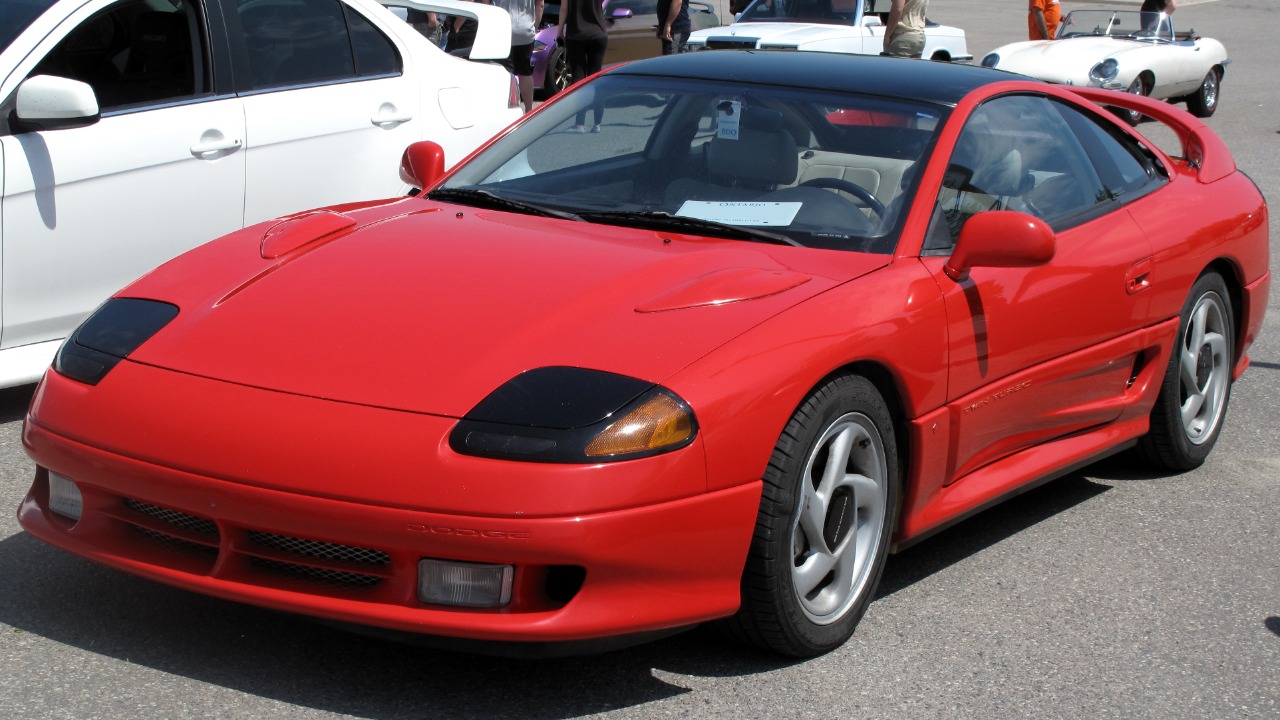
The Dodge Stealth, produced from 1991 to 1996, was a sports coupe that shared much of its technology with the Mitsubishi 3000GT. Featuring a powerful twin-turbocharged V6 engine and all-wheel drive, it offered impressive performance capabilities. However, its underwhelming marketing and competition from other sports cars led to its limited recognition. The Stealth remains a hidden gem, with enthusiasts appreciating its sleek design and performance potential, making it a vehicle that deserved more acclaim during its production run.
Isuzu Impulse

The Isuzu Impulse, produced from 1983 to 1992, was a compact sports coupe that showcased innovative design and technology, including a turbocharged engine option. Its unique styling and agile handling made it a fun car to drive, but it struggled to gain traction in a competitive market dominated by more famous brands. The Impulse’s potential as a performance vehicle remains largely unrecognized, yet it earned a spot in the hearts of a niche group of enthusiasts who value its unique attributes and driving experience.
Peugeot 205 GTI
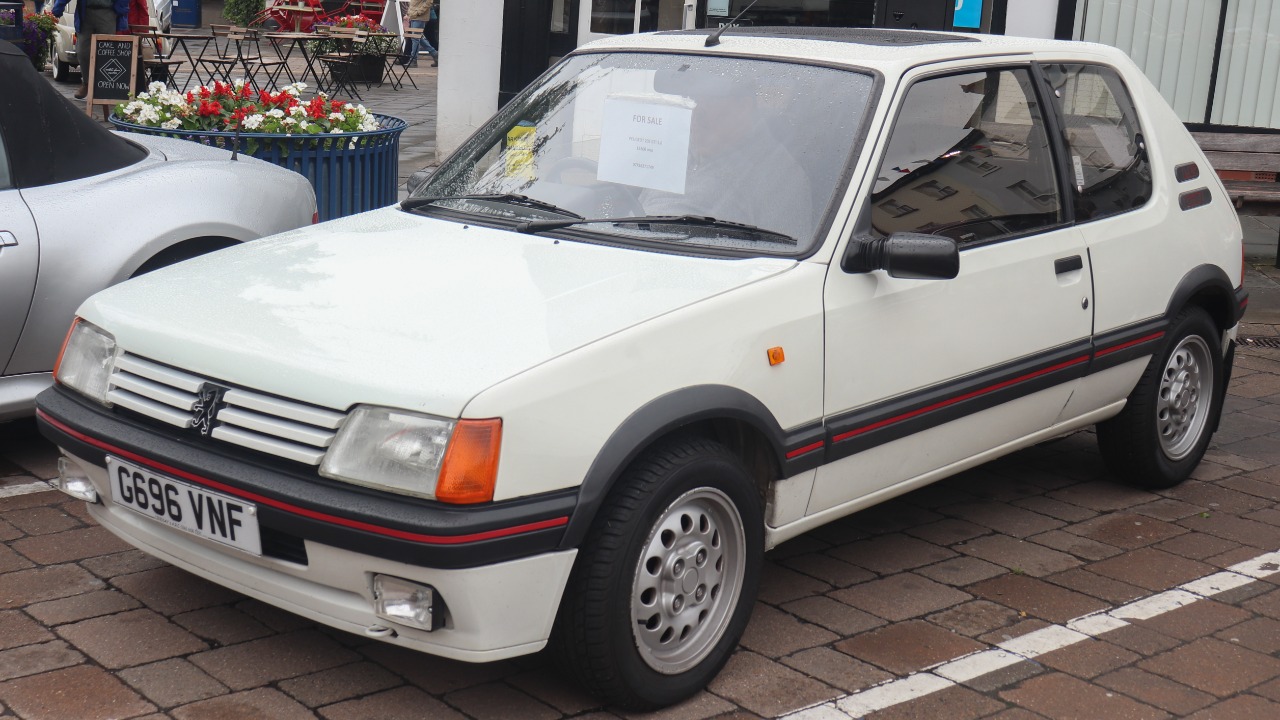
The Peugeot 205 GTI, produced between 1984 and 1994, is often hailed as one of the best hot hatches of its era. Its lightweight design, responsive handling, and spirited engine made it a favorite among driving enthusiasts. Despite its acclaim in Europe, the 205 GTI never achieved the same level of recognition in other markets, particularly in North America. Its combination of performance and practicality should have solidified its status as a classic, yet it remains a somewhat forgotten icon in automotive circles.
Subaru SVX

The Subaru SVX, produced from 1991 to 1996, was a unique sports coupe that combined innovative design with Subaru’s signature all-wheel-drive technology. Its distinctive styling and powerful flat-six engine made it a standout in the marketplace. However, its high price and niche appeal limited its success. The SVX’s blend of performance and practicality, along with its futuristic design, deserves more recognition, as it represents an ambitious attempt by Subaru to break into the sports car segment.
Volvo 480

The 480 broke Volvo’s mold in 1986. It was the brand’s first series-built front-wheel-drive car, with pop-up headlights and a glass rear hatch that echoed the 1800ES. Volvo’s Dutch arm developed it, and Lotus helped tune the suspension. A Renault-sourced 1.7-liter four made 108 hp, and a 120-hp turbo version followed in 1988.
Volvo shaped the bumpers to meet US rules, yet the car never went on sale in America. Early build-quality problems hurt its image, even though Volvo fixed most of them under warranty. A 2.0-liter engine joined the range for 1992. Production ended in 1995 after 76,375 cars.
Mitsubishi Galant VR-4
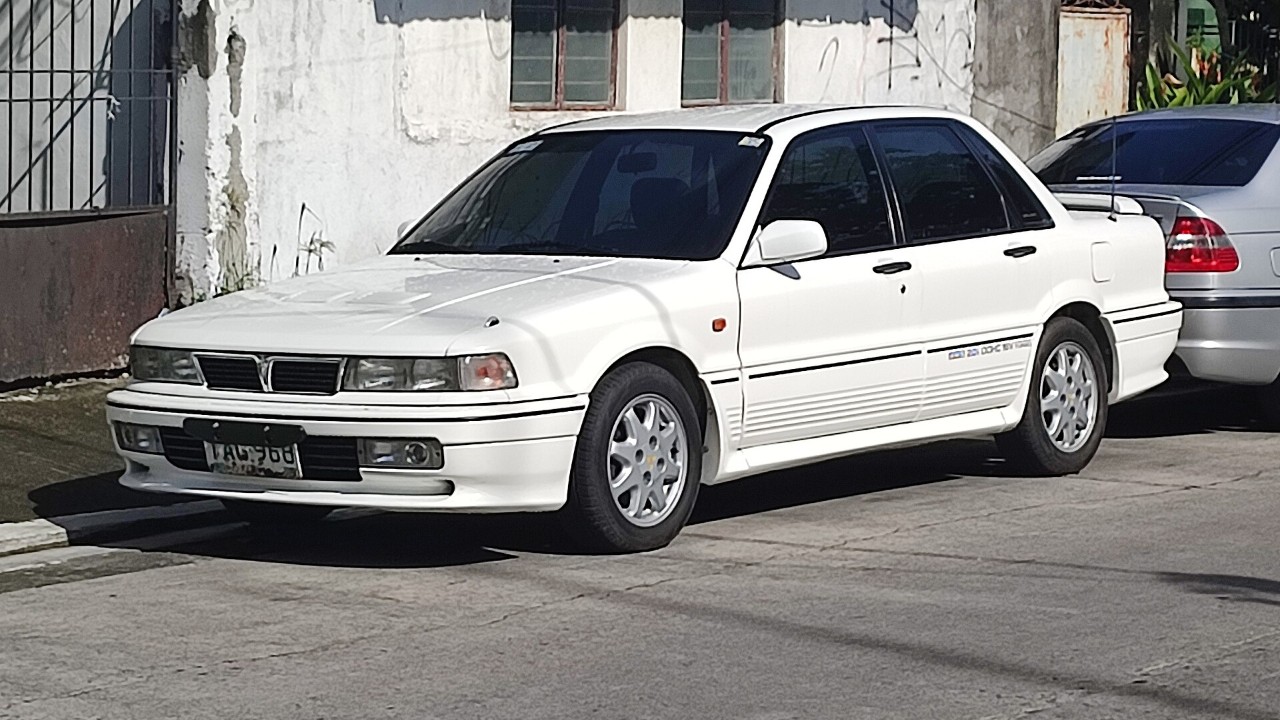
Mitsubishi built the Galant VR-4 so the sedan could compete in Group A rallying. It packed a turbocharged 2.0-liter 4G63 four, full-time all-wheel drive, four-wheel steering and ABS. The rally car won the 1000 Lakes and RAC rallies in 1989. US-spec cars, rated at 195 hp, reached showrooms in the fall of 1990.
The VR-4 was expensive, and Mitsubishi brought only about 3,000 to the US across 1991 and 1992. Its complex electronic systems could lead to steep repair bills, and many cars were later driven hard or modified. Its engine lived on in the Lancer Evolution, which debuted in October 1992.
More from Fast Lane Only