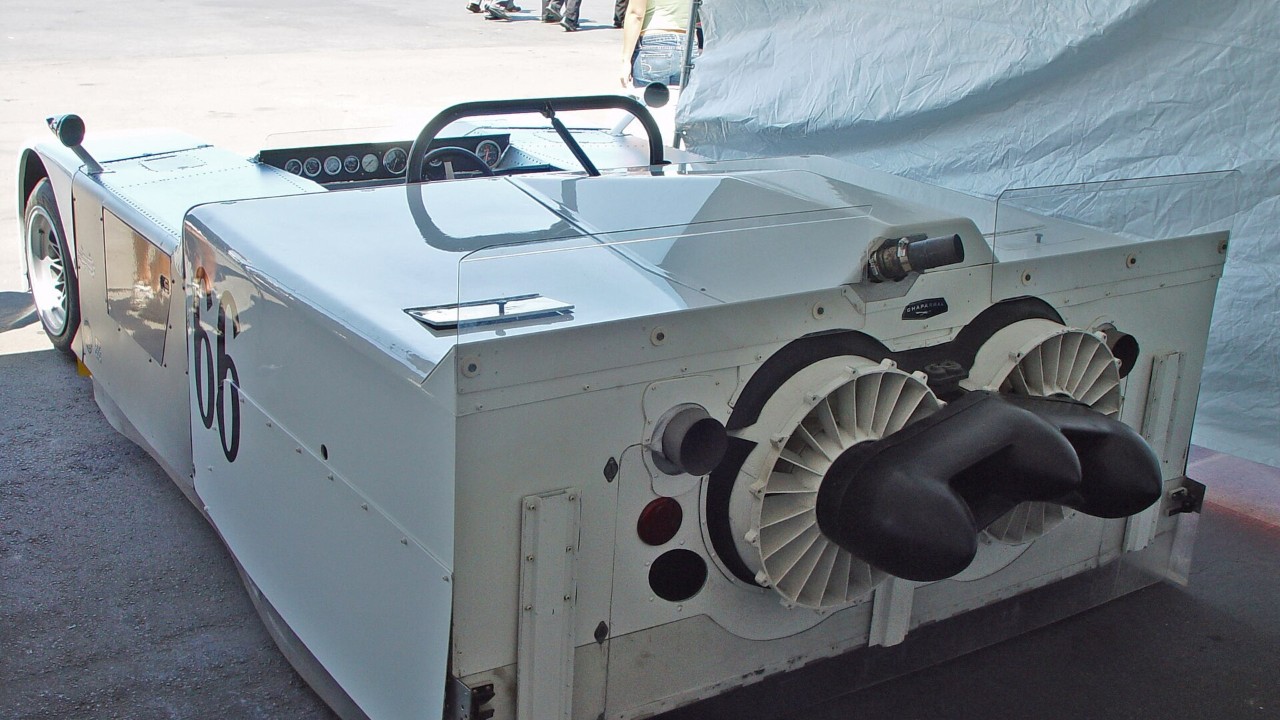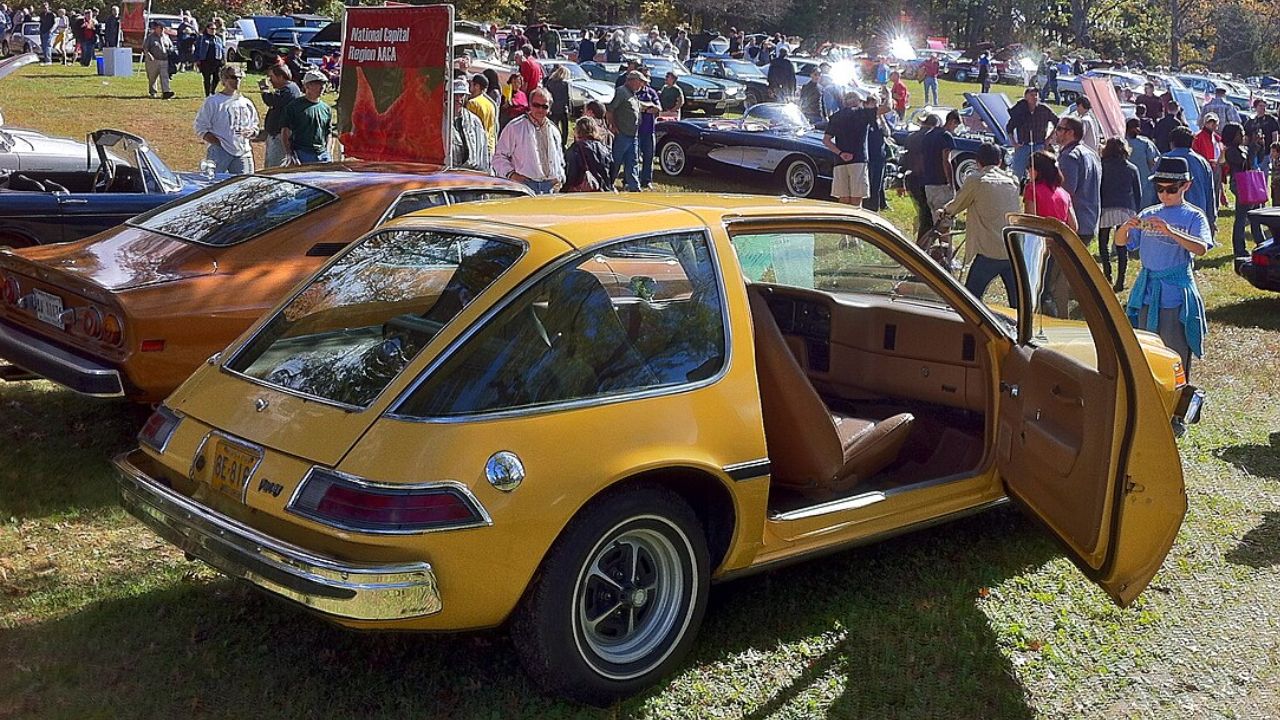
Some cars were so different when they arrived that they seemed more like predictions than production vehicles. Bold shapes, unusual technology, and unconventional engineering made them stand apart from everything around them. Many were never major sales successes, but that only made surviving examples more interesting. Today, these rare cars offer collectors a fascinating glimpse at what earlier designers thought the future would look like.
Chrysler Turbine
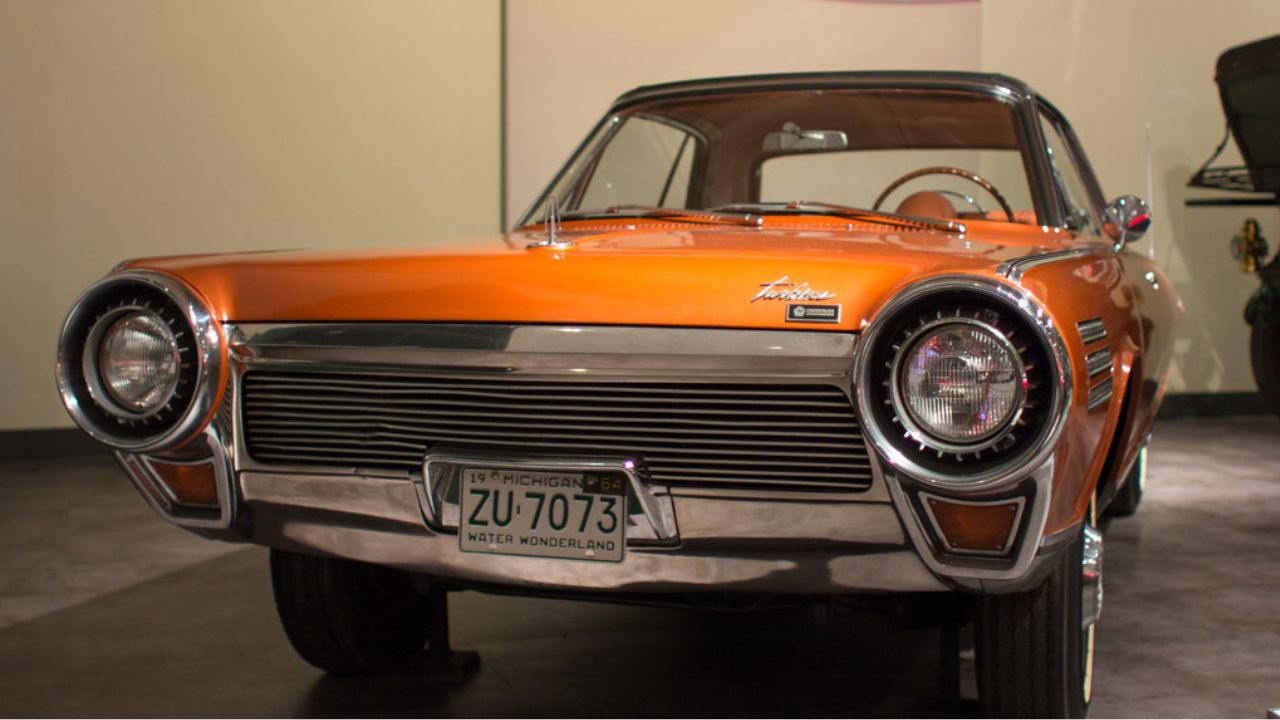
The Chrysler Turbine looked like a normal coupe from a distance, but its engine was anything but conventional. Instead of a traditional piston engine, it used a gas turbine that could run on several different fuels. The smooth power delivery and futuristic engineering made it one of America’s most ambitious automotive experiments. Very few were produced, making surviving examples exceptionally rare and historically significant.
Citroën SM
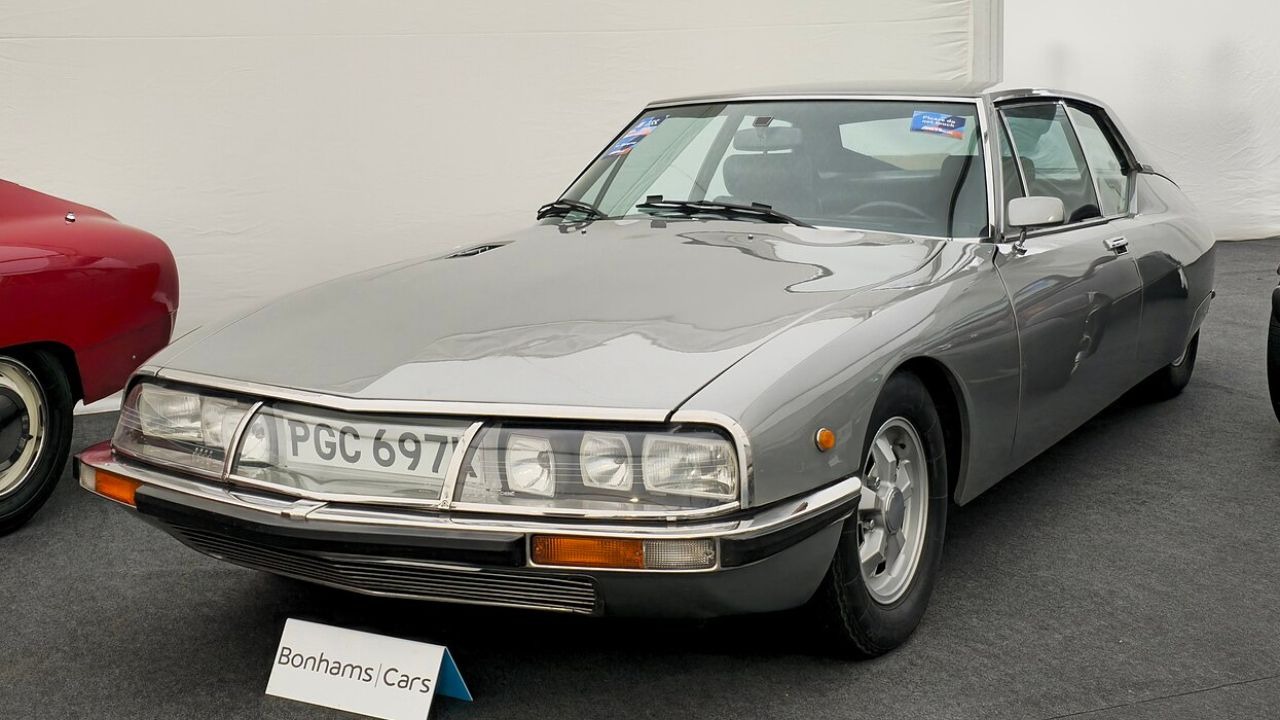
The Citroën SM combined French styling with advanced engineering in a package that looked unlike almost anything else on the road. Its aerodynamic body, sophisticated suspension, and unusual steering system gave it an unmistakably futuristic character. The Maserati-derived V6 added performance to its long-distance touring ability. Production was limited, and surviving examples are now prized for their combination of technology, elegance, and eccentricity.
NSU Ro 80
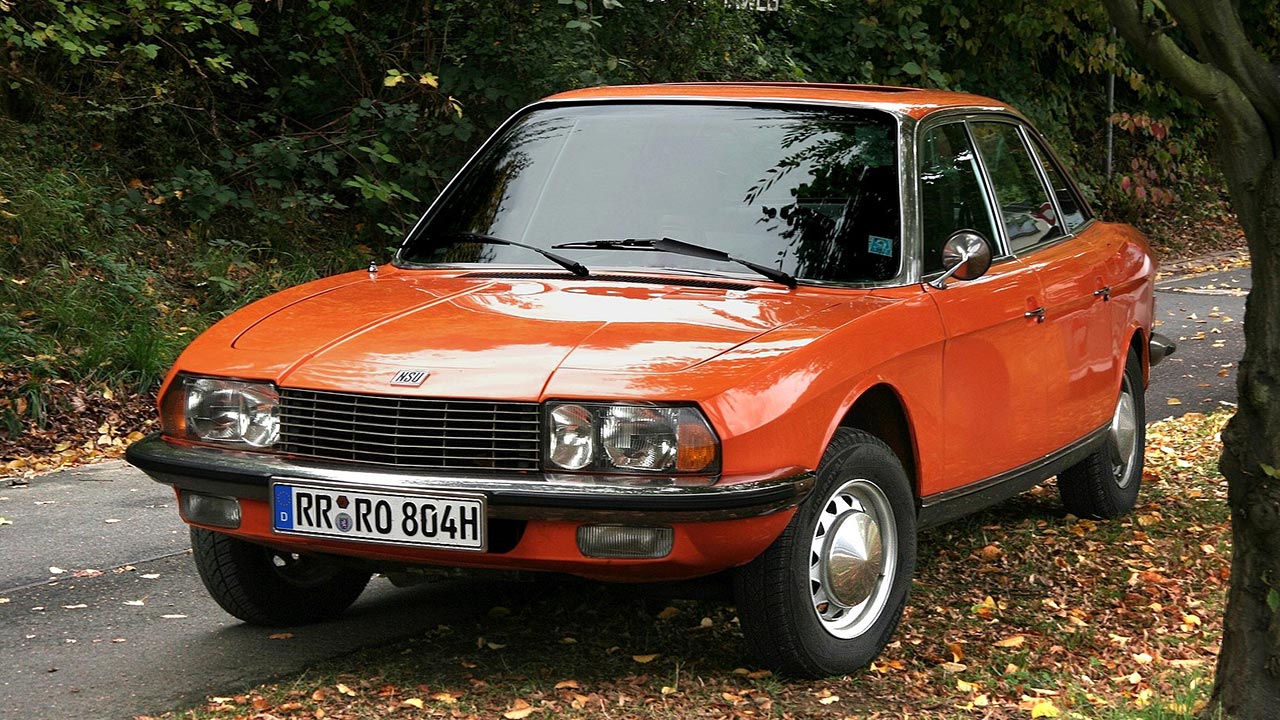
The NSU Ro 80 looked remarkably modern thanks to its clean aerodynamic shape and carefully integrated details. Underneath was an equally unusual rotary engine paired with front-wheel drive and advanced suspension. The rotary’s reliability problems ultimately damaged the car’s reputation, but its engineering was far ahead of many competitors. Today, collectors appreciate the Ro 80 as one of the boldest examples of European automotive experimentation.
Buick Riviera
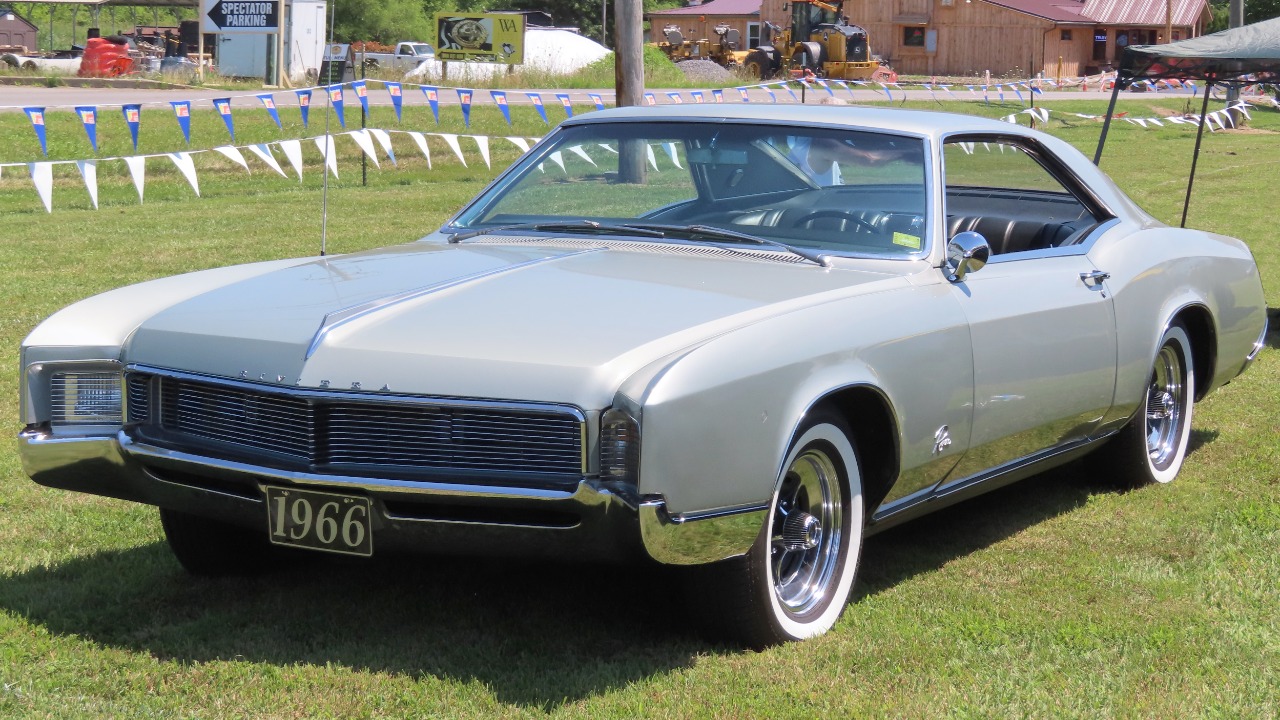
The Buick Riviera gave American buyers a taste of futuristic styling without requiring an exotic European badge. Its dramatic proportions, clean bodywork, and frameless side glass created a distinctive appearance that immediately separated it from conventional sedans. The powerful V8 and comfortable cabin made it practical enough for everyday use. Well-preserved examples still look remarkably sophisticated at modern car shows.
AMC Pacer

The AMC Pacer seemed strange when new because it rejected many familiar ideas about American car design. Its wide body, huge glass area, and compact overall length created an unusually open interior. The shape was driven partly by AMC’s effort to improve visibility and passenger space. While the styling was controversial, its unusual proportions now give the Pacer a futuristic quality that has aged into genuine character.
Lamborghini Espada

The Lamborghini Espada brought exotic performance into a surprisingly practical grand touring package. Its long, low body, sharp glasshouse, and unusual four-seat layout gave it an appearance that seemed years ahead of conventional sports cars. The powerful V12 provided the performance expected from Lamborghini. Limited production and distinctive styling have made surviving examples highly desirable among collectors who appreciate unconventional Italian designs.
Ford Probe
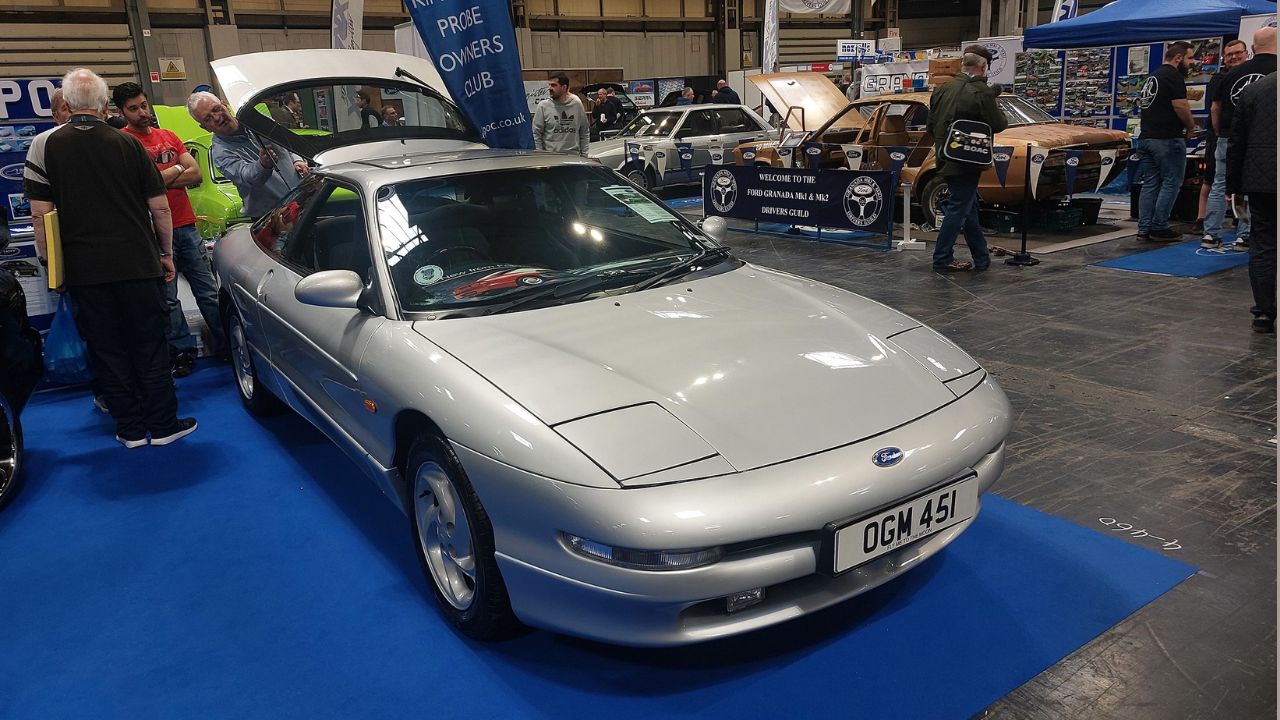
The Ford Probe looked dramatically different from the boxier American coupes that preceded it. Its smooth aerodynamic body, low nose, pop-up headlights, and sleek proportions reflected the growing influence of wind-tunnel design. Turbocharged versions added genuine performance to the futuristic appearance. Although it never became the Mustang replacement Ford originally envisioned, the Probe remains an intriguing example of how quickly American car design was changing.
More from Fast Lane Only
- Unboxing the WWII Jeep in a Crate
- 15 rare Chevys collectors are quietly buying
- 10 underrated V8s still worth hunting down
- Police notice this before you even roll window down
*Research for this article included AI assistance, with all final content reviewed by human editors