Increasing Collectibility and Demand
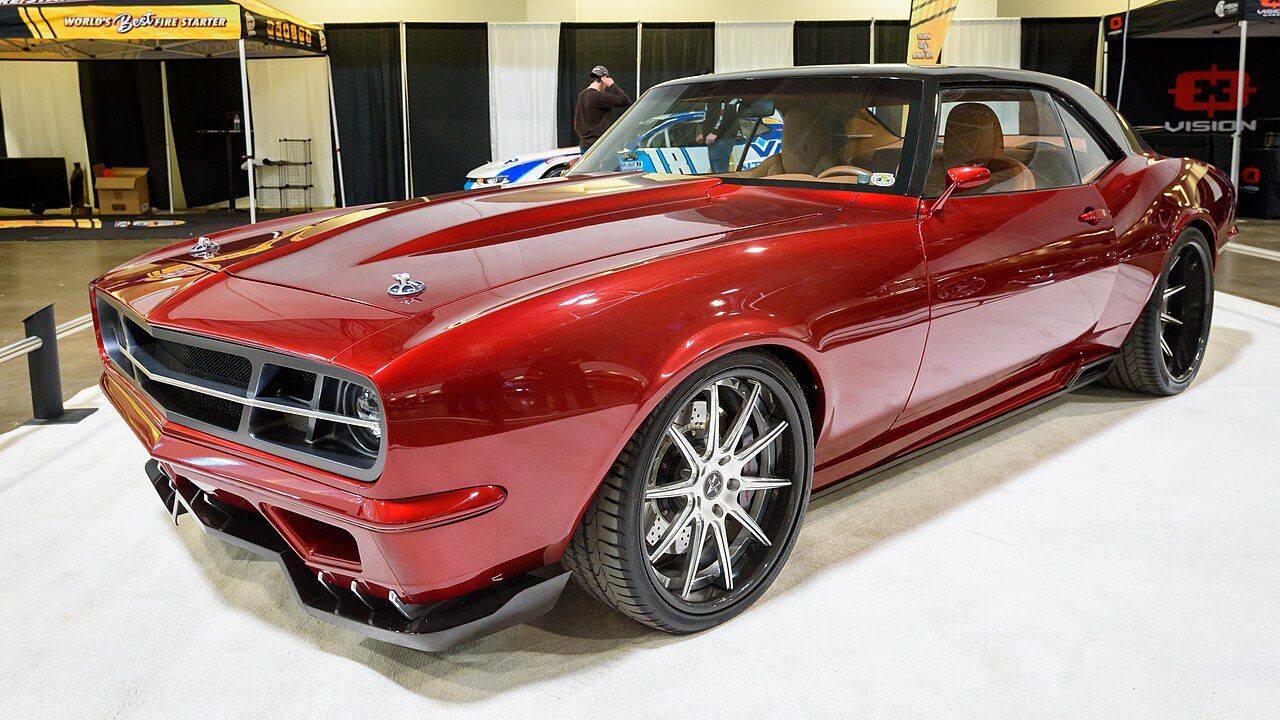
As the interest in automotive history grows, so does the collectibility of classic cars. Iconic models like the 1967 Chevrolet Camaro are becoming increasingly sought after due to their historical significance and distinctive design. Enthusiasts and collectors are eager to own a piece of automotive history, driving demand up.
The popularity of car shows and auctions such as Barrett-Jackson further fuels this trend, as they provide platforms for collectors to showcase and acquire vintage automobiles. This heightened interest makes classic cars more than just vehicles; they become treasured artifacts.
Limited Supply of Vintage Models

Unlike modern vehicles, classic cars are not being produced anymore, making their supply finite. Models like the 1959 Cadillac Eldorado are rare finds today, as production numbers were limited even during their original manufacturing runs. This scarcity is a key factor in driving up prices.
As time passes, more vintage models face issues like rust, wear, and other forms of deterioration. The result is an even smaller pool of well-preserved examples, which increases their market value significantly.
Rising Interest from Younger Generations

Interestingly, younger generations are showing a growing interest in classic cars. The 1995 Mazda RX-7, for instance, is experiencing a renaissance among millennials who appreciate its unique rotary engine and sleek design. This demographic shift introduces new buyers to the market.
Younger enthusiasts are drawn to the analog driving experience that modern cars often lack. As they seek to invest in these nostalgic rides, their entry into the market contributes to increased demand and, consequently, higher prices.
Economic Trends and Inflation
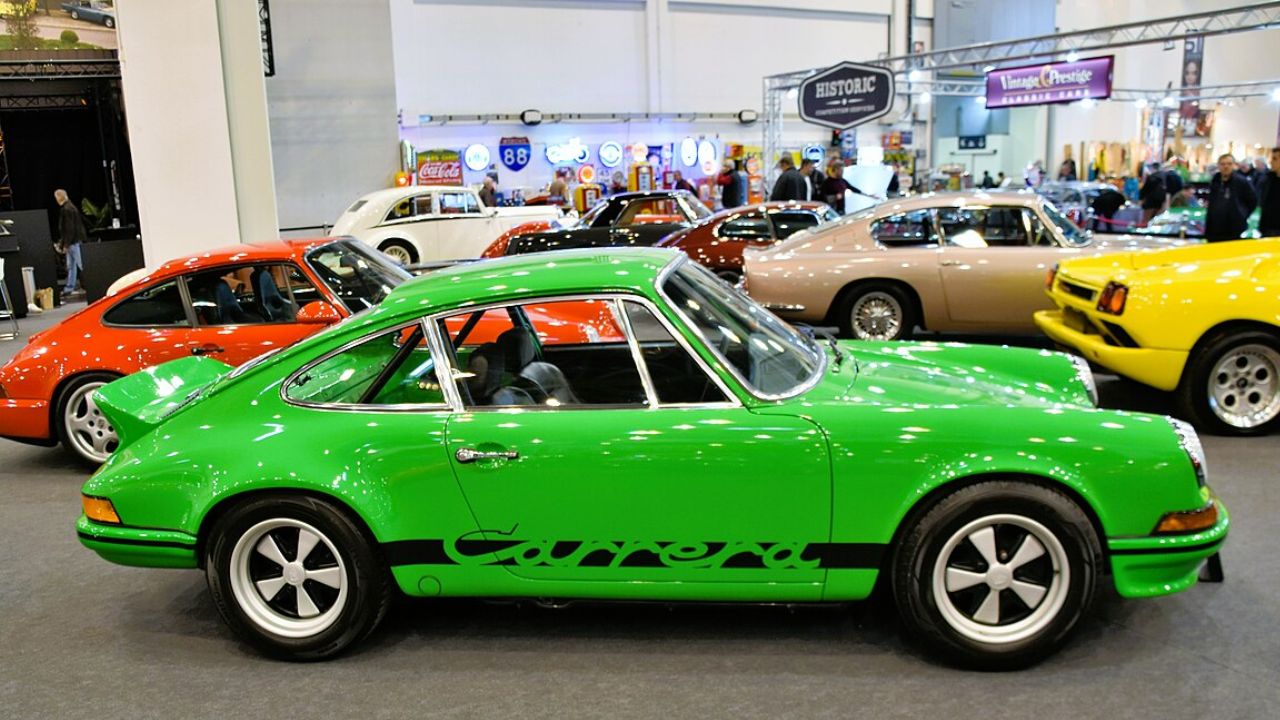
Economic conditions, including inflation, play a significant role in the pricing of classic cars. When currencies weaken, tangible assets like a 1973 Porsche 911 become more appealing investments. As inflation rises, these cars often appreciate in value as they are seen as reliable stores of wealth.
With fluctuating economic conditions, people are looking for alternative investment opportunities. Classic cars offer a tangible asset that can provide both enjoyment and financial security, driving up their market value.
Technological Advancements in Restoration
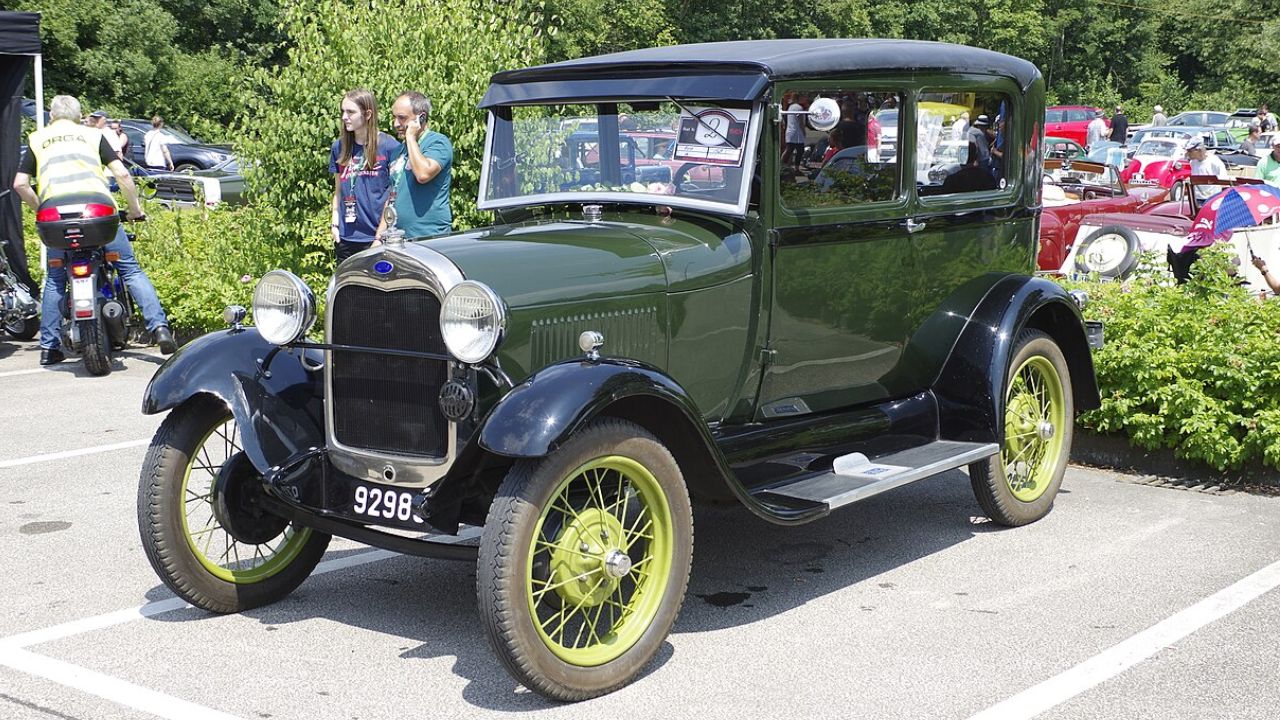
Restoration technology has advanced significantly, allowing for more precise and authentic restorations. Cars like the 1928 Ford Model A can now be restored to their former glory with improved techniques and materials. This has made it easier for collectors to maintain and enhance the value of their investments.
High-quality restorations not only preserve the aesthetic and functional aspects of classic cars but also increase their overall appeal and market value. As restoration becomes more accessible, it attracts more buyers willing to pay a premium.
Nostalgia and Cultural Influence
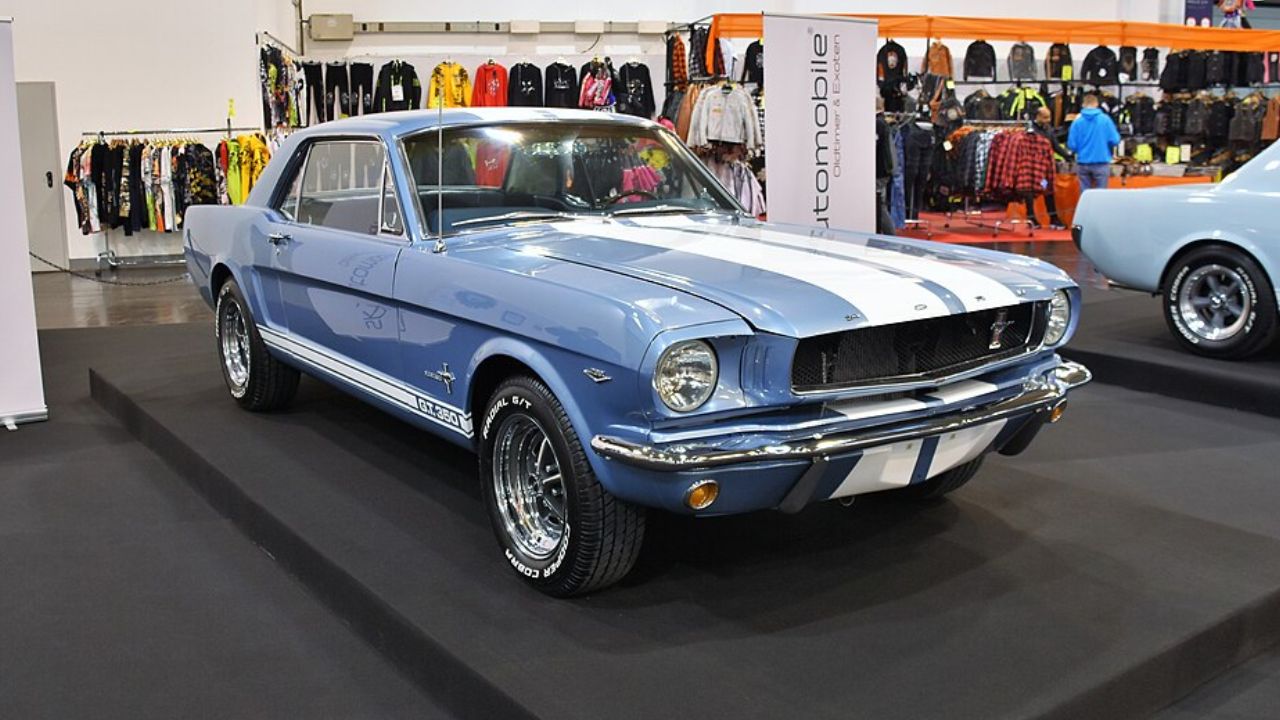
Nostalgia is a powerful motivator in the classic car market. Vehicles such as the 1965 Ford Mustang evoke memories of a bygone era, capturing the imagination of both previous and new generations. Cultural references in movies, music, and media further cement these models as icons.
As these cultural narratives continue to resonate, the demand for classic cars grows. This emotional connection can lead to higher willingness to pay, as buyers invest not only in a car but in a piece of their personal history.
Investment Potential and Market Speculation
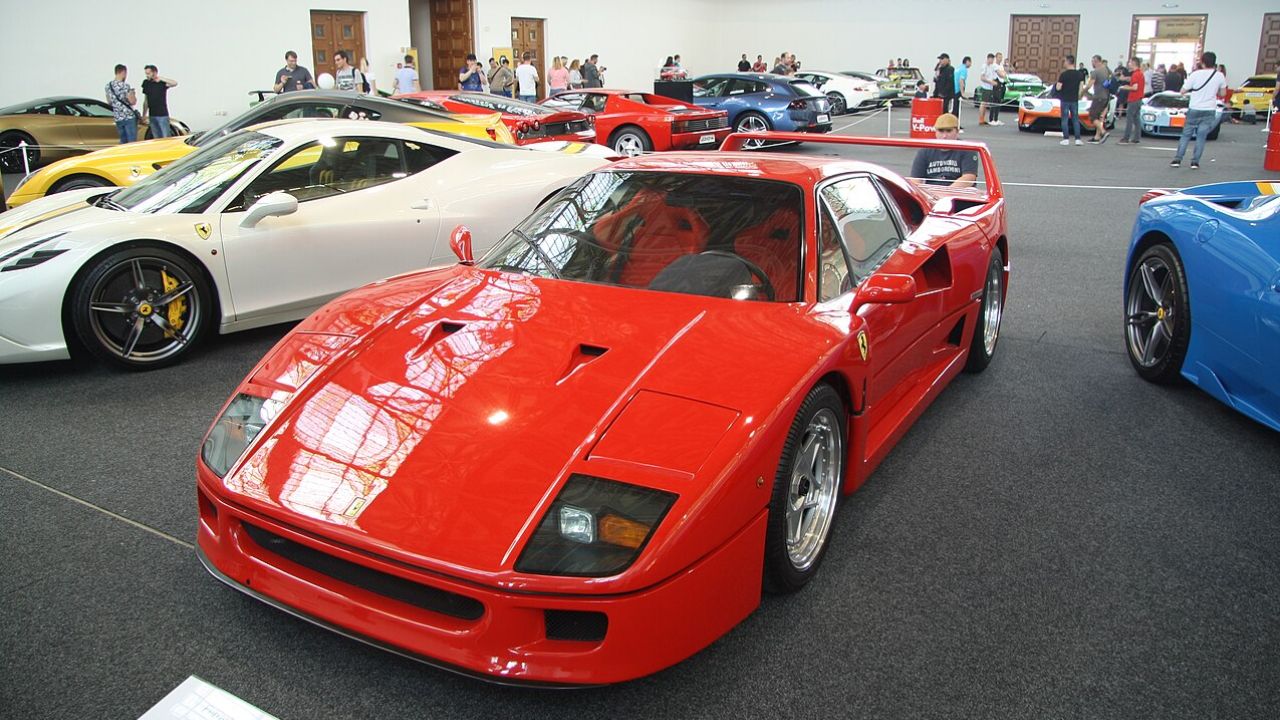
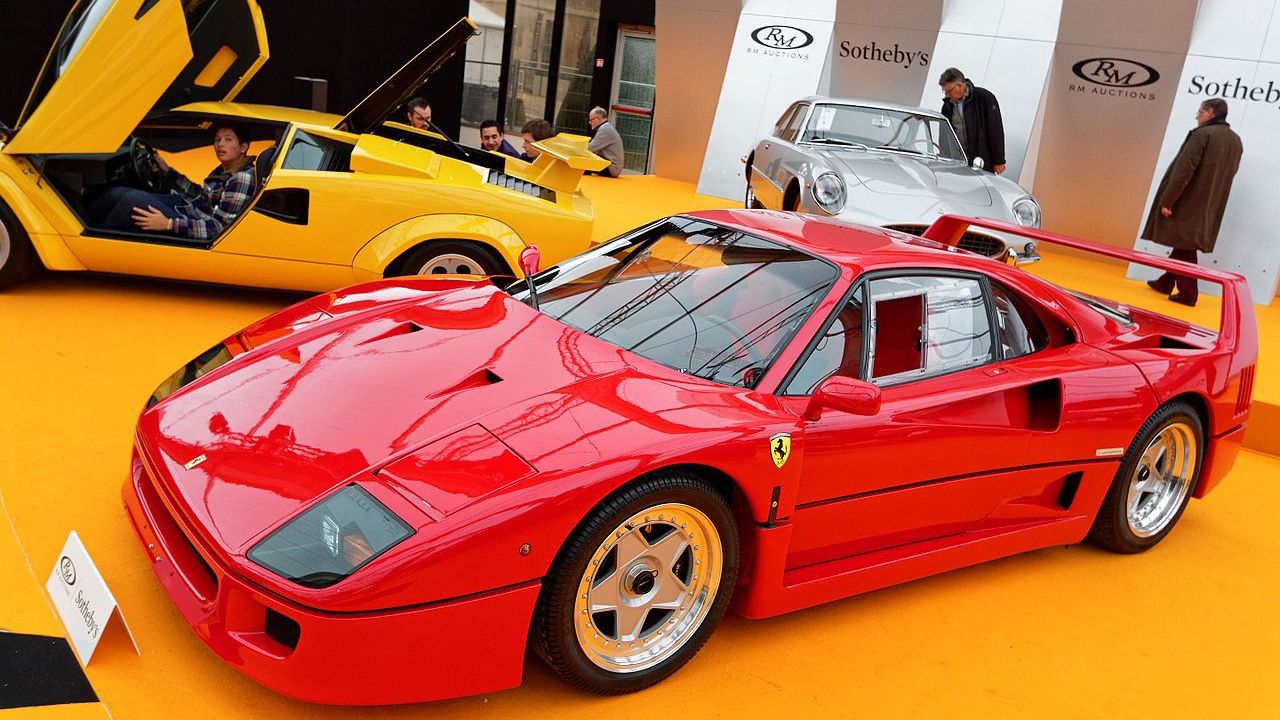
The classic car market is increasingly being viewed as a lucrative investment opportunity. Models like the 1989 Ferrari F40 are not only prized for their performance and design but also for their potential to appreciate in value over time. Investors are attracted by the possibility of substantial returns.
Market speculation further drives prices as collectors and investors anticipate future demand. This speculative nature can create a cycle of rising prices, as people rush to acquire these valuable assets before they become even more expensive.