Throughout the history of motorsports, certain race cars have not only achieved legendary status due to their performance but have also revolutionized the sport itself. These vehicles have pushed the boundaries of technology and design, leaving an indelible mark on racing enthusiasts and car manufacturers alike. Let’s delve into these iconic machines that changed the landscape of racing forever.
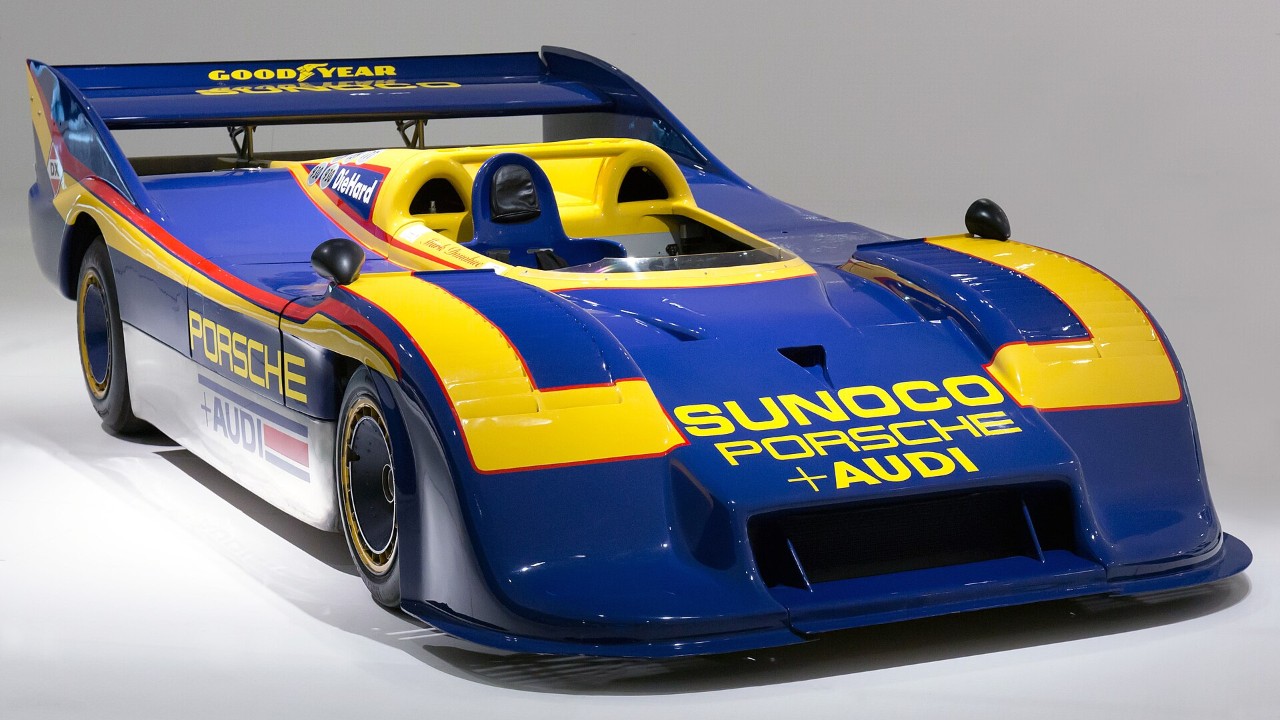
Porsche 917

The Porsche 917 is a legend in the world of endurance racing, particularly known for its domination at the 24 Hours of Le Mans in the early 1970s. With its powerful flat-12 engine, the 917 could reach speeds exceeding 240 mph, a groundbreaking achievement at the time. Its success helped cement Porsche’s reputation as a leading manufacturer of high-performance sports cars.
One of the most famous iterations, the 917K, clinched back-to-back victories at Le Mans in 1970 and 1971. The car’s innovative engineering and distinctive Gulf Oil livery have made it an enduring icon, and it remains a favorite among collectors and racing historians.
Ford GT40

The Ford GT40 was born out of a fierce rivalry between Ford and Ferrari in the 1960s. Determined to beat the Italian marque at Le Mans, Ford developed the GT40, which ultimately ended Ferrari’s dominance by winning the race four consecutive times from 1966 to 1969. The GT40’s success was attributed to its robust V8 engine and aerodynamic design.
Perhaps the most famous victory came in 1966, when Ford secured a 1-2-3 finish at Le Mans, a feat that solidified the GT40’s place in racing history. The car remains a symbol of American ingenuity and determination in motorsports.
Ferrari 250 GTO
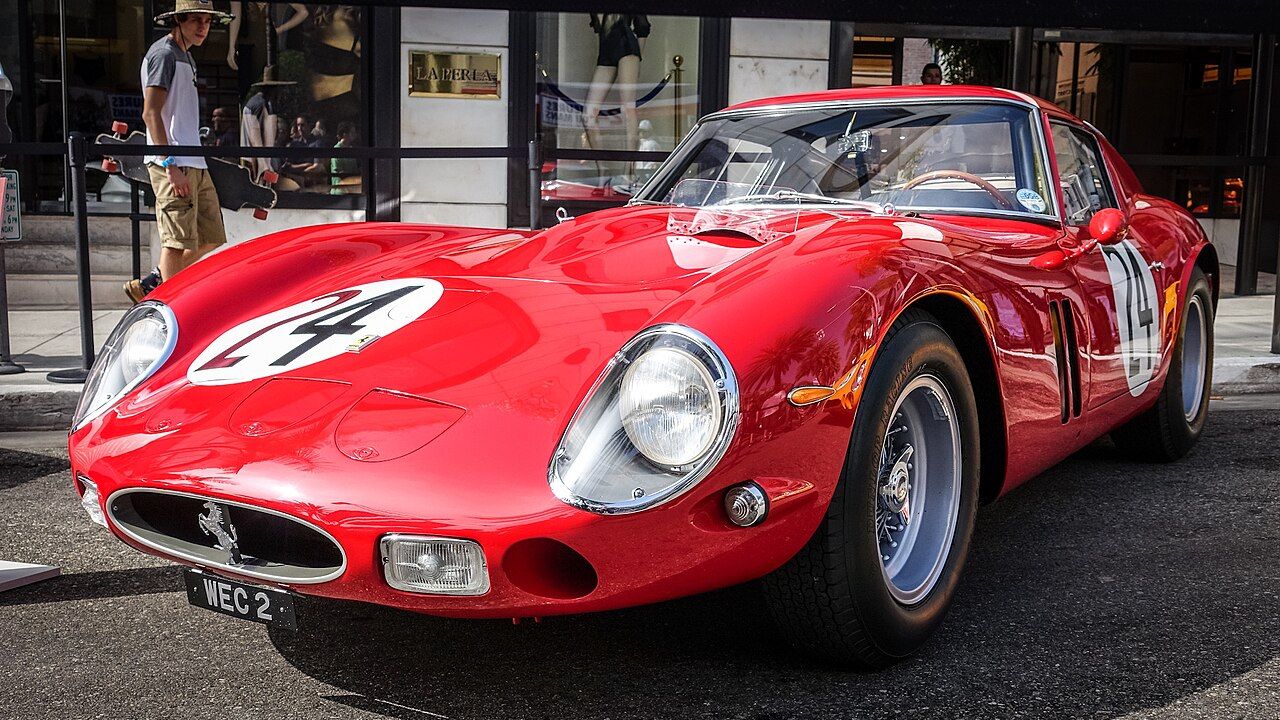
The Ferrari 250 GTO is often regarded as the pinnacle of Ferrari’s early racing efforts. Built between 1962 and 1964, only 36 units were produced, making it one of the most sought-after collector cars today. Its success on the track was matched by its stunning design, combining form and function seamlessly.
The 250 GTO won multiple FIA World Championships for Ferrari, thanks to its advanced engineering and powerful V12 engine. Its rarity and performance have made it one of the most valuable cars ever, with some models fetching over $70 million at auction.
McLaren MP4/4
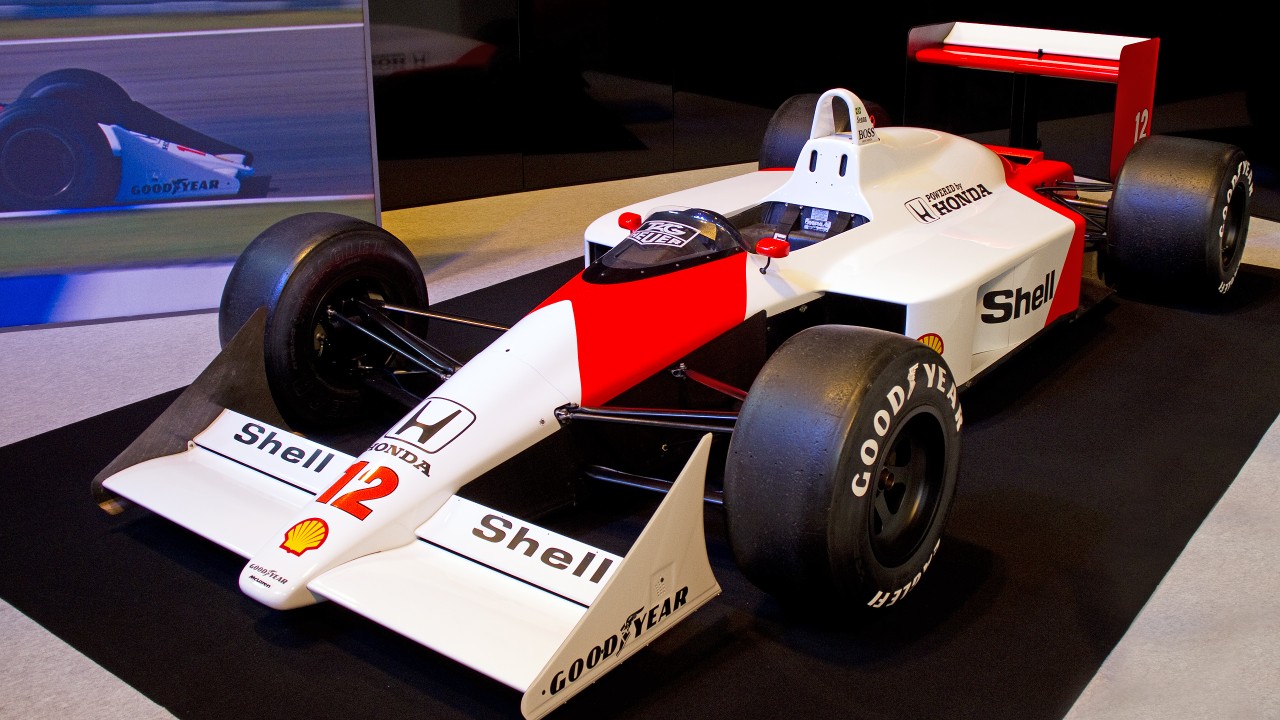
In the world of Formula 1, the McLaren MP4/4 is synonymous with dominance. In the 1988 season, driven by legends Ayrton Senna and Alain Prost, the MP4/4 won 15 out of 16 races, a record that still stands. Its Honda turbocharged engine and innovative aerodynamics made it unbeatable on the track.
The MP4/4’s success is a testament to McLaren’s engineering prowess and strategic thinking. It remains one of the most iconic F1 cars, and its legacy lives on as a benchmark for performance and design in the sport.
Audi Quattro
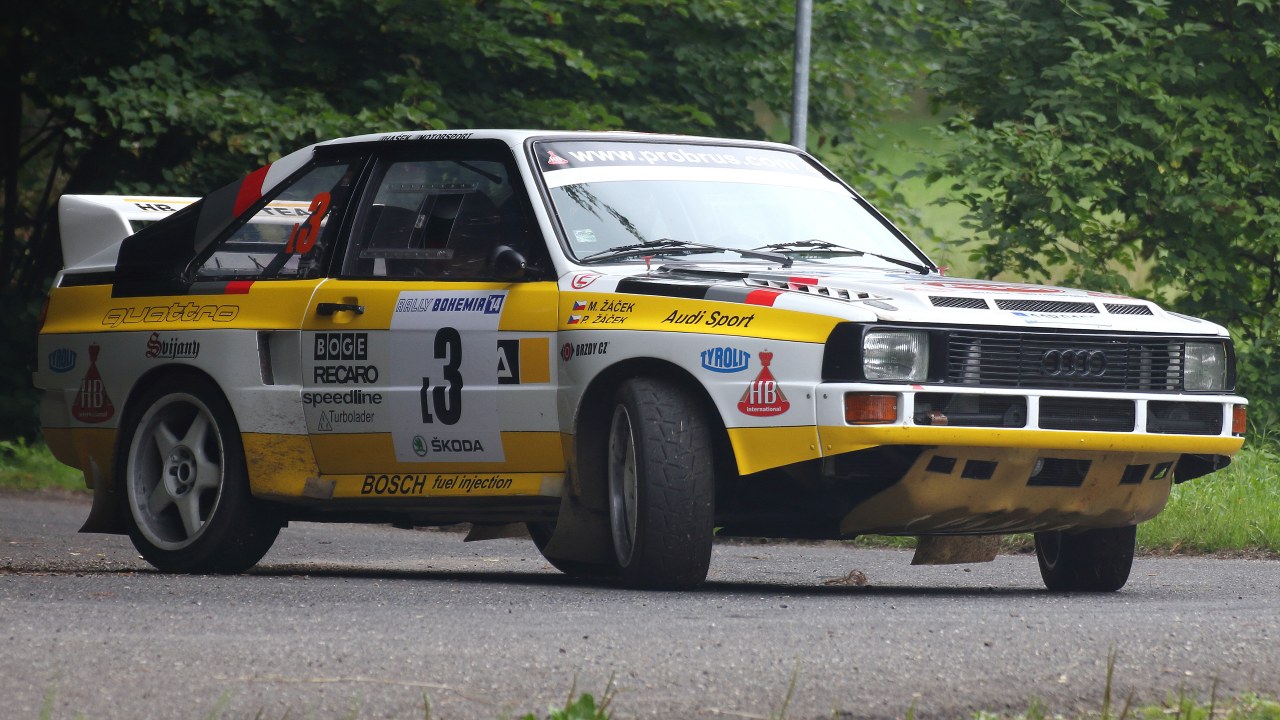
The introduction of the Audi Quattro in the early 1980s marked a turning point in rally racing. It was the first car to successfully implement all-wheel drive in a competitive racing environment, revolutionizing the way rally cars were designed and driven.
The Quattro’s dominance in the World Rally Championship, winning titles in 1982 and 1984, showcased the advantages of all-wheel-drive systems. This innovation not only changed rally racing but also influenced the broader automotive industry, leading to the widespread adoption of AWD technology in passenger cars.
Lotus 79
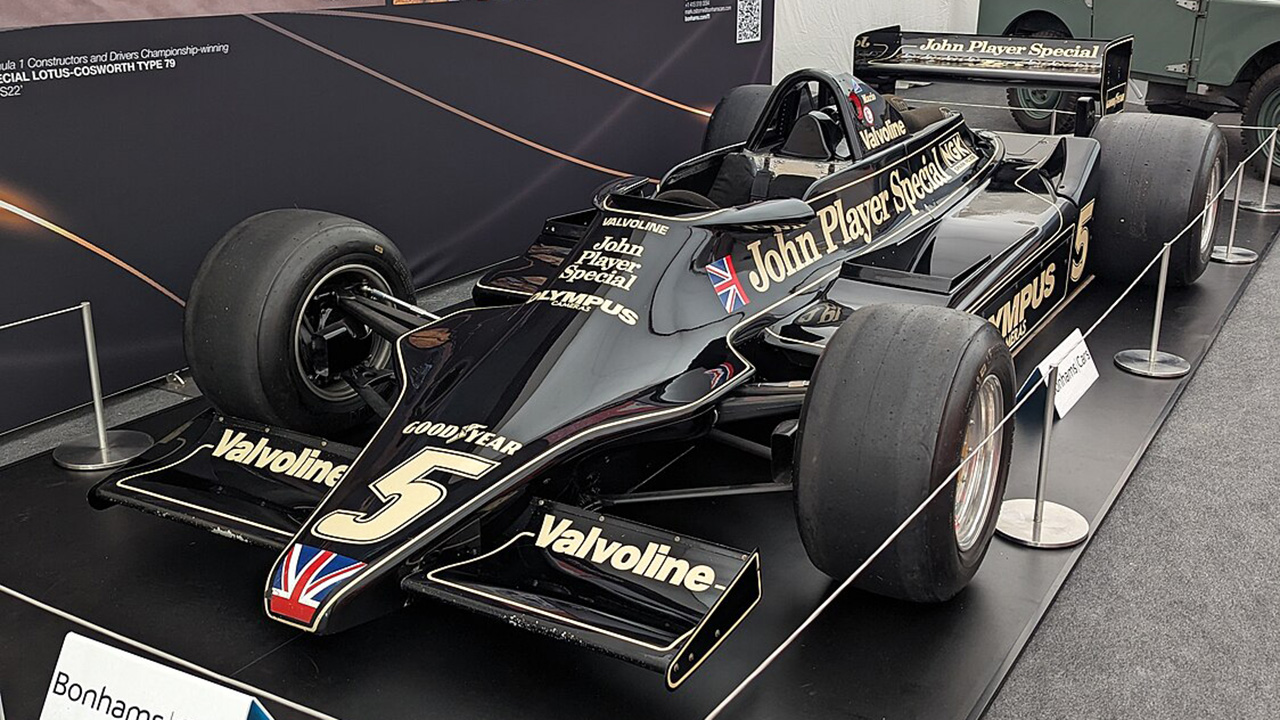
The Lotus 79, introduced in 1978, was a groundbreaking Formula 1 car known for its pioneering use of ground effect aerodynamics. This design approach allowed the car to achieve unprecedented levels of downforce, significantly improving its cornering speed and handling.
Driven by Mario Andretti and Ronnie Peterson, the Lotus 79 secured the 1978 Constructors’ Championship and propelled Andretti to the Drivers’ Championship. Its revolutionary design influenced the development of future F1 cars and underscored the importance of aerodynamics in racing.
Mercedes-Benz 300 SLR
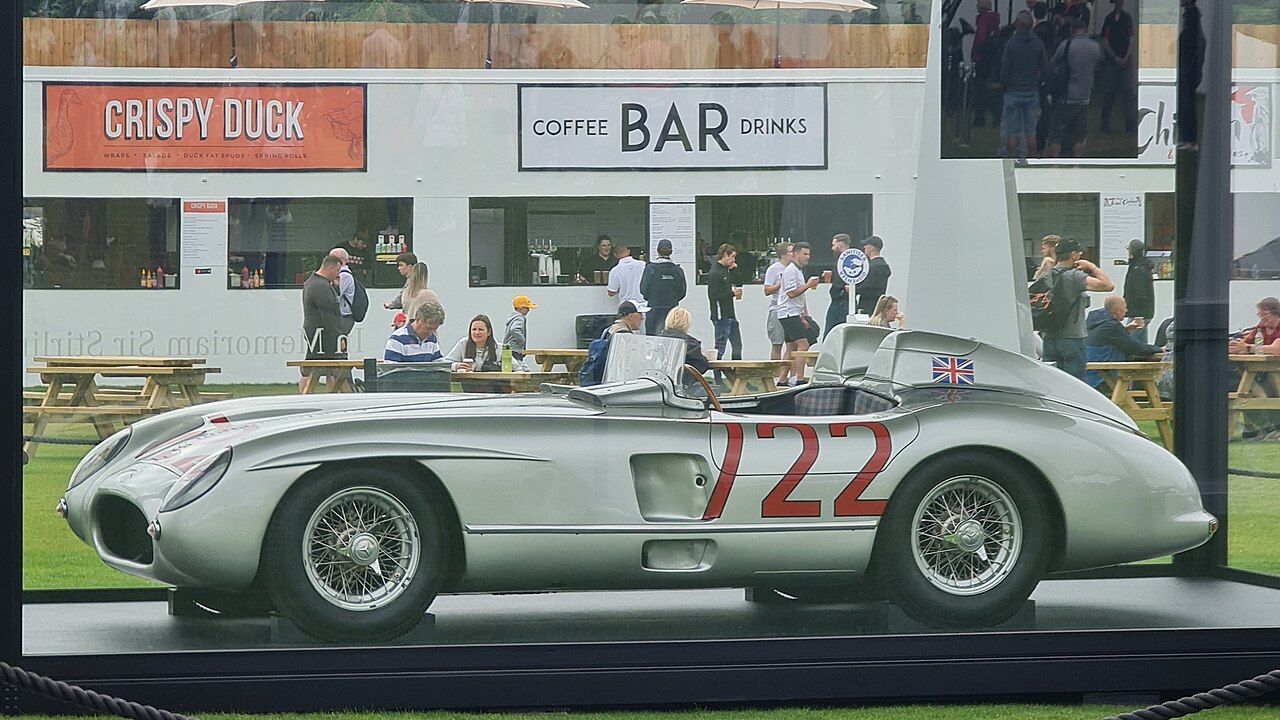
The Mercedes-Benz 300 SLR is a legendary sports car that made its mark in the 1955 World Sportscar Championship. With its advanced engineering, including a lightweight design and a powerful inline-8 engine, the 300 SLR secured multiple victories, including the Mille Miglia and the Targa Florio.
The car is perhaps best known for its role in the tragic 1955 Le Mans disaster, which ultimately led Mercedes-Benz to withdraw from motorsport for several decades. Despite this, the 300 SLR remains a symbol of engineering excellence and racing prowess.
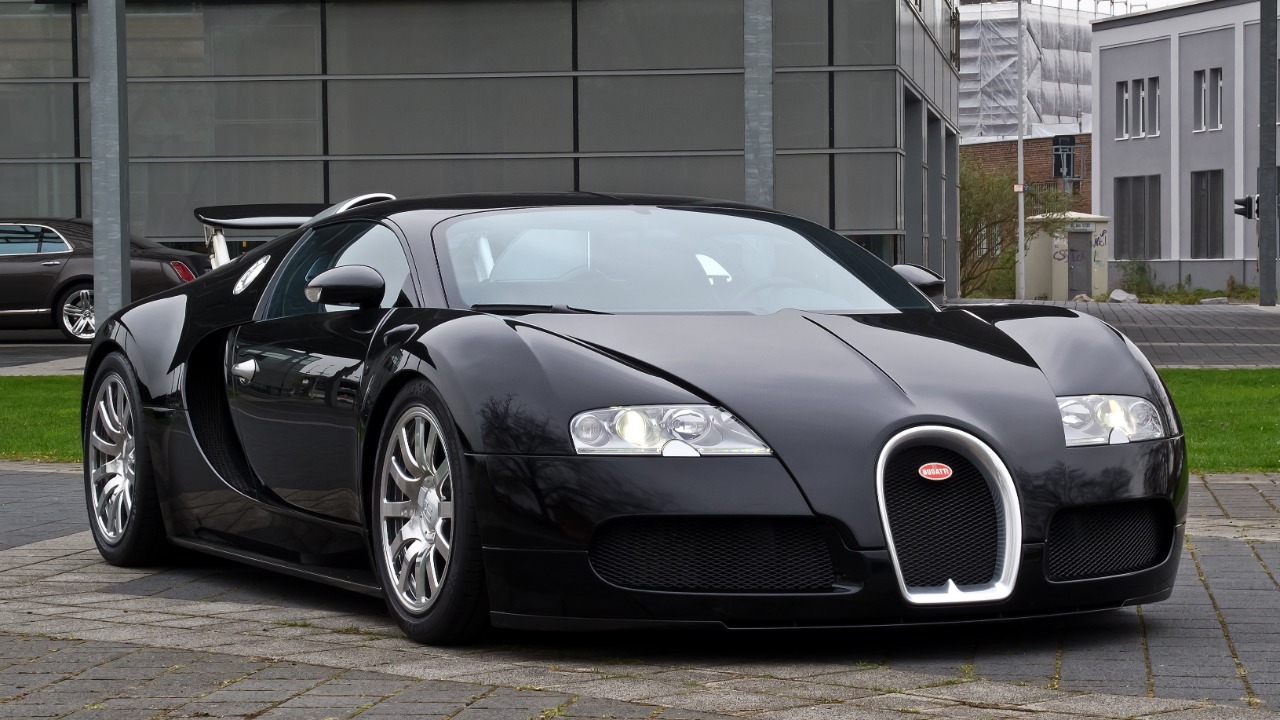
Bugatti Veyron Super Sport
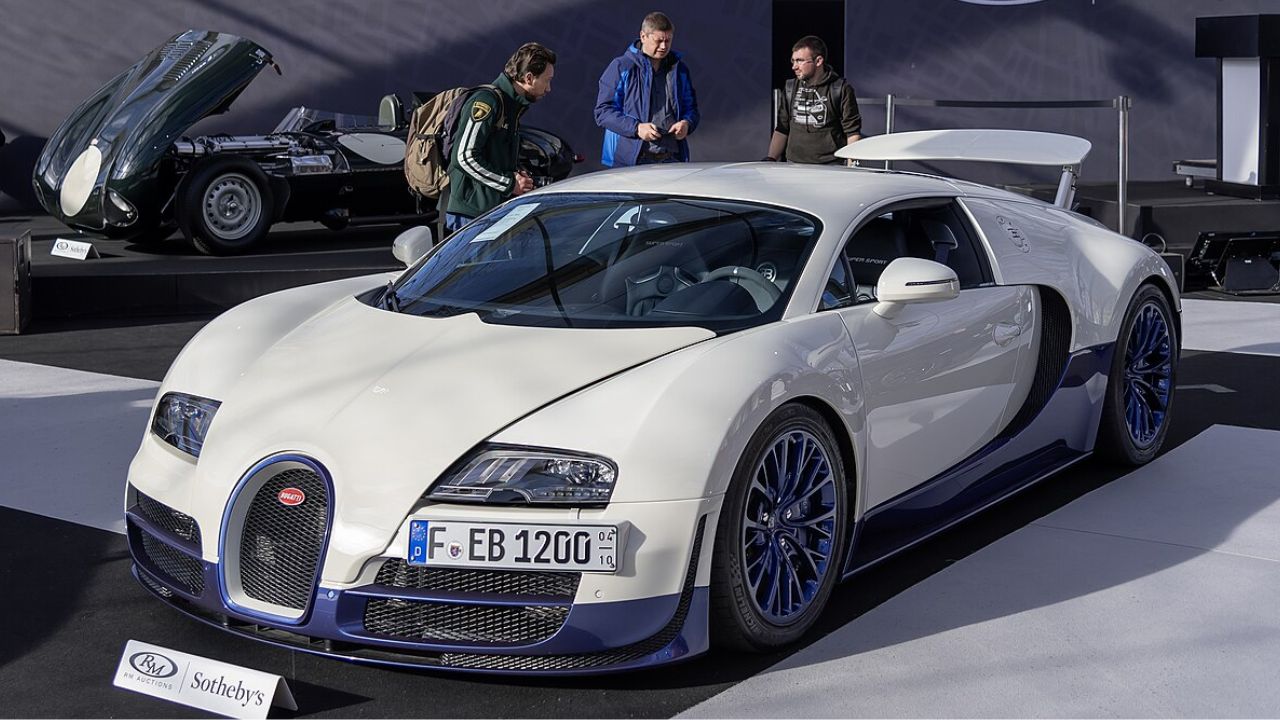
While not a traditional race car, the Bugatti Veyron Super Sport pushed the boundaries of what was possible in automotive engineering. Introduced in 2010, it set a new world record for the fastest production car, reaching a top speed of 267.8 mph.
The Veyron Super Sport’s quad-turbocharged W16 engine and advanced aerodynamics made it a marvel of modern engineering. Its impact on the automotive industry is undeniable, inspiring a new era of hypercars that prioritize both extreme speed and luxury.