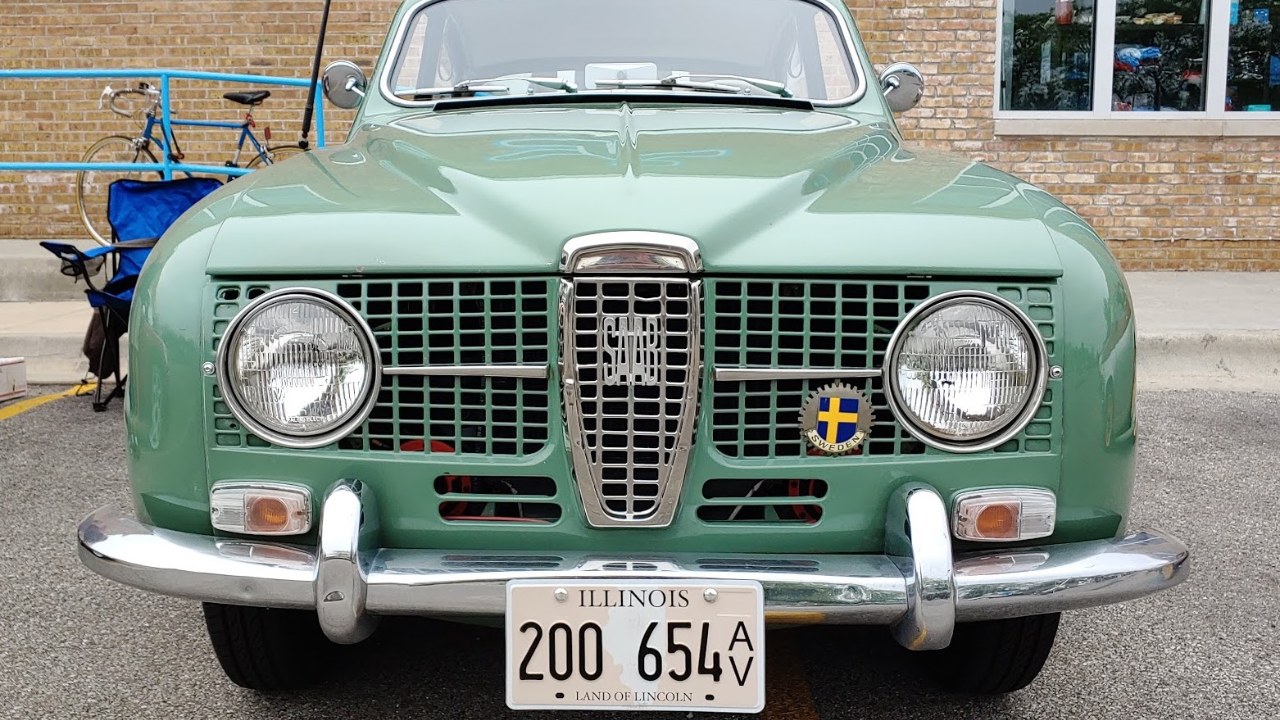
Station wagons were built to work for their owners, carrying families, luggage, tools, and everything else that came along. Some models proved especially durable, staying on American roads long after newer vehicles replaced them. Their simple engines, sturdy construction, and useful cargo space helped them survive years of everyday use. Today, these vintage wagons are remembered not just for their practicality, but for their remarkable ability to keep going.
Volvo 240 wagon
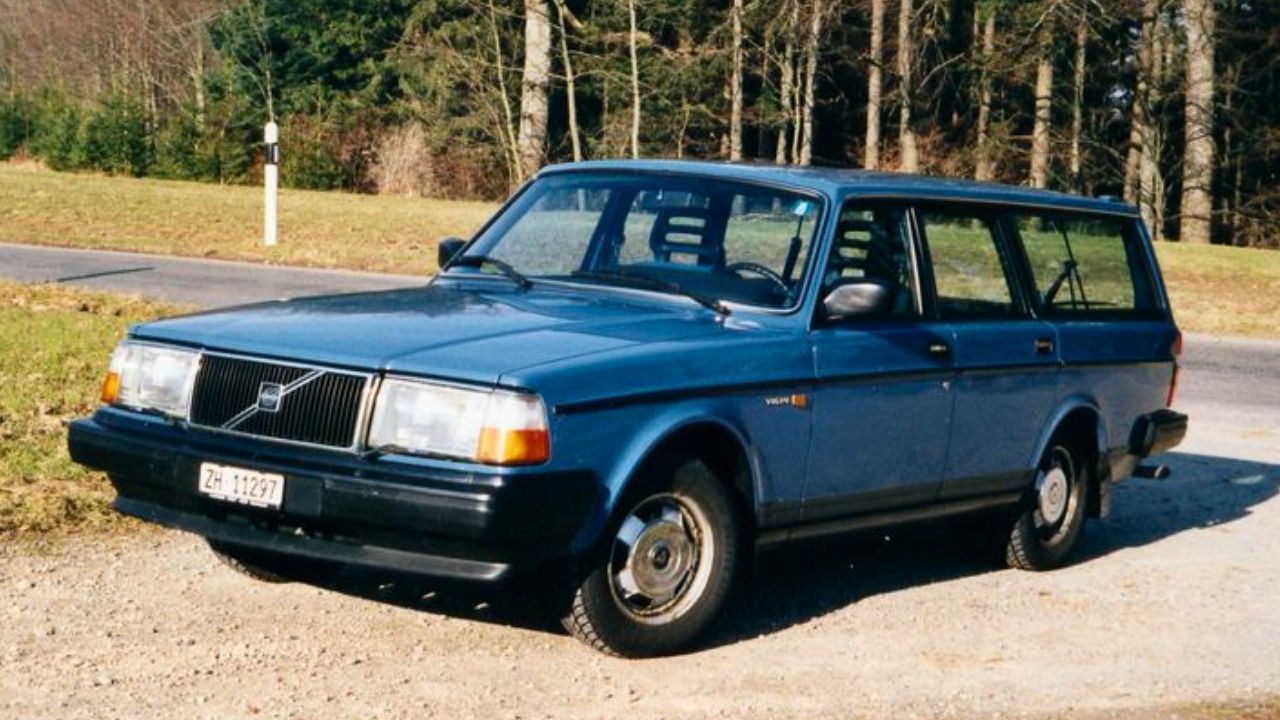
The Volvo 240 wagon became famous for its sturdy construction, simple mechanical design, and spacious cargo area. Its boxy shape was practical rather than fashionable, giving owners plenty of room for passengers and equipment. The engines were not built for speed, but they were designed to provide dependable service for years. Well-kept examples can still accumulate impressive mileage, which explains the model’s lasting reputation.
Mercedes-Benz W123 wagon
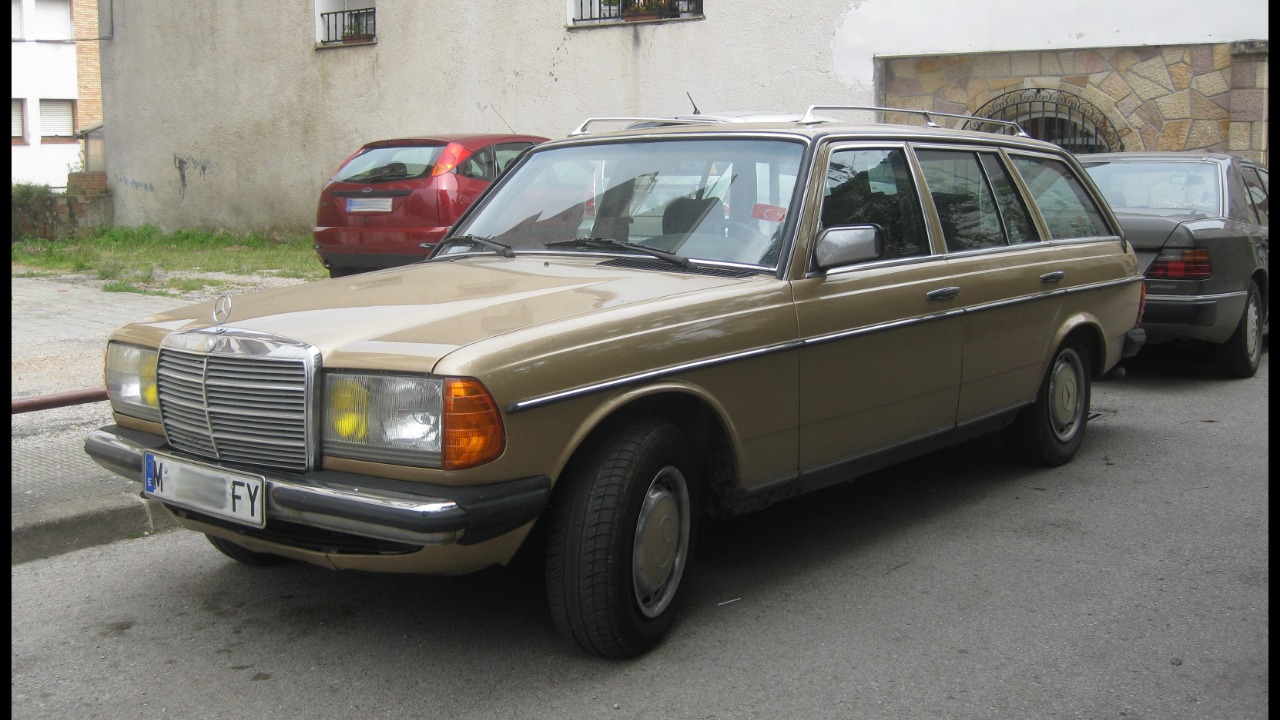
The Mercedes-Benz W123 wagon combined traditional Mercedes-Benz build quality with the practicality of a large cargo area. Diesel versions became particularly well known for their ability to handle enormous mileage when properly maintained. The solid body and carefully engineered mechanical components helped these wagons survive demanding daily use. Today, surviving examples are prized because they offer a rare combination of durability, comfort, and classic European styling.
Toyota Corolla wagon
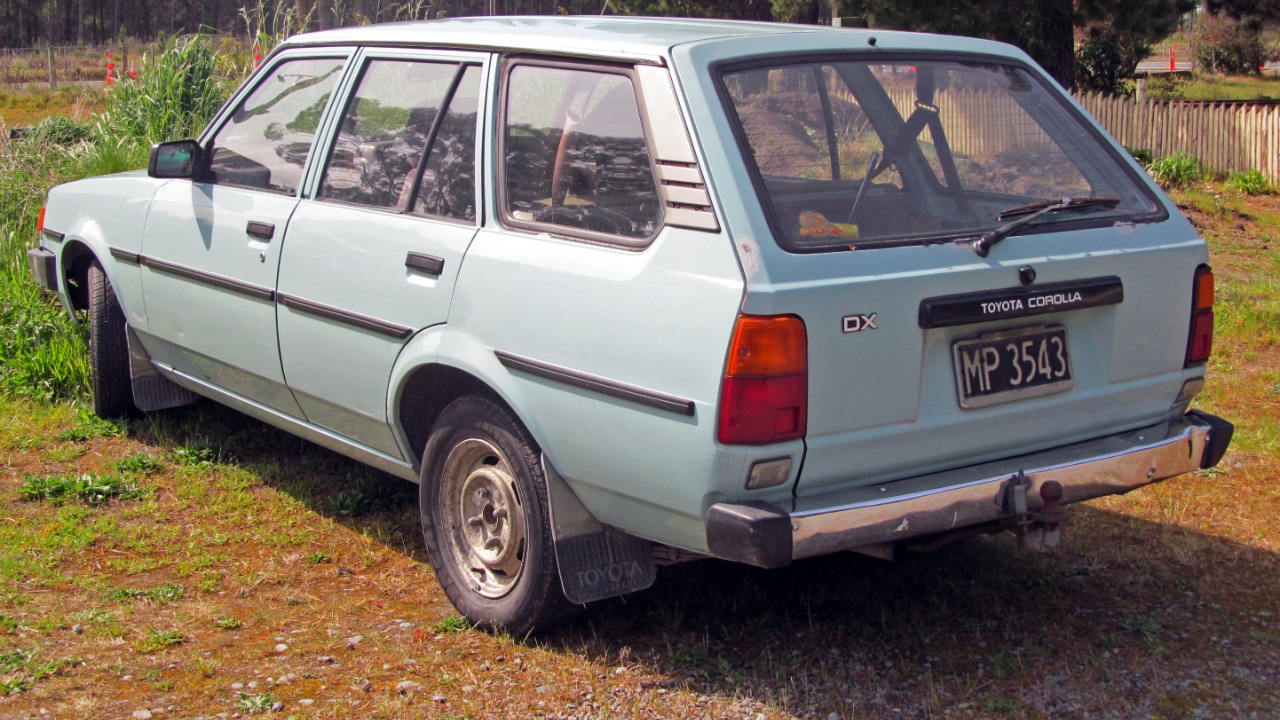
The Toyota Corolla wagon brought the model’s reputation for reliability into a practical family-friendly body. Its compact dimensions made it easy to use in town, while the rear cargo area provided useful space for everyday needs. Simple engines and straightforward mechanical systems helped many examples survive years of routine driving. Clean wagons are increasingly interesting today because so many were used up rather than preserved.
Ford Country Squire
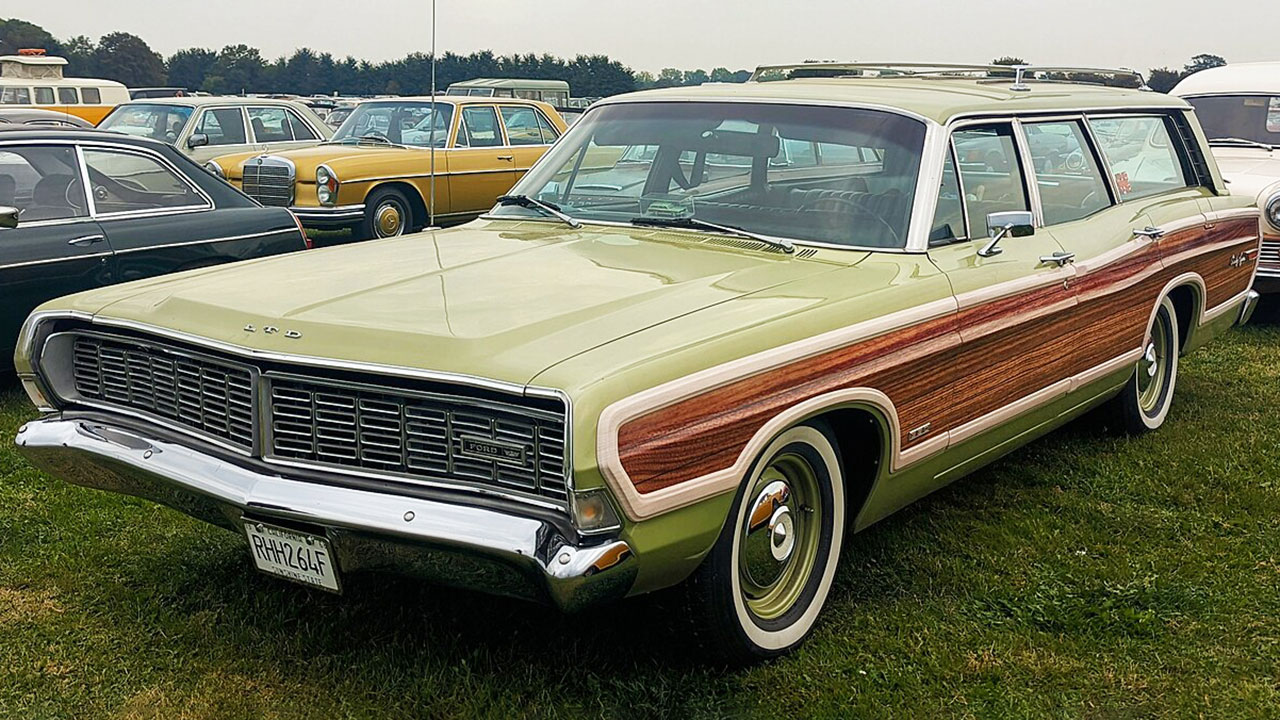
The Ford Country Squire represented the classic American family wagon, with a large body, generous seating, and substantial cargo capacity. V8 power gave it enough strength for long highway trips and heavy loads, while the roomy cabin made it ideal for large families. Many were driven extensively, making surviving examples increasingly uncommon. Its woodgrain appearance also gives it an unmistakable place in American automotive history.
Chevrolet Caprice Estate
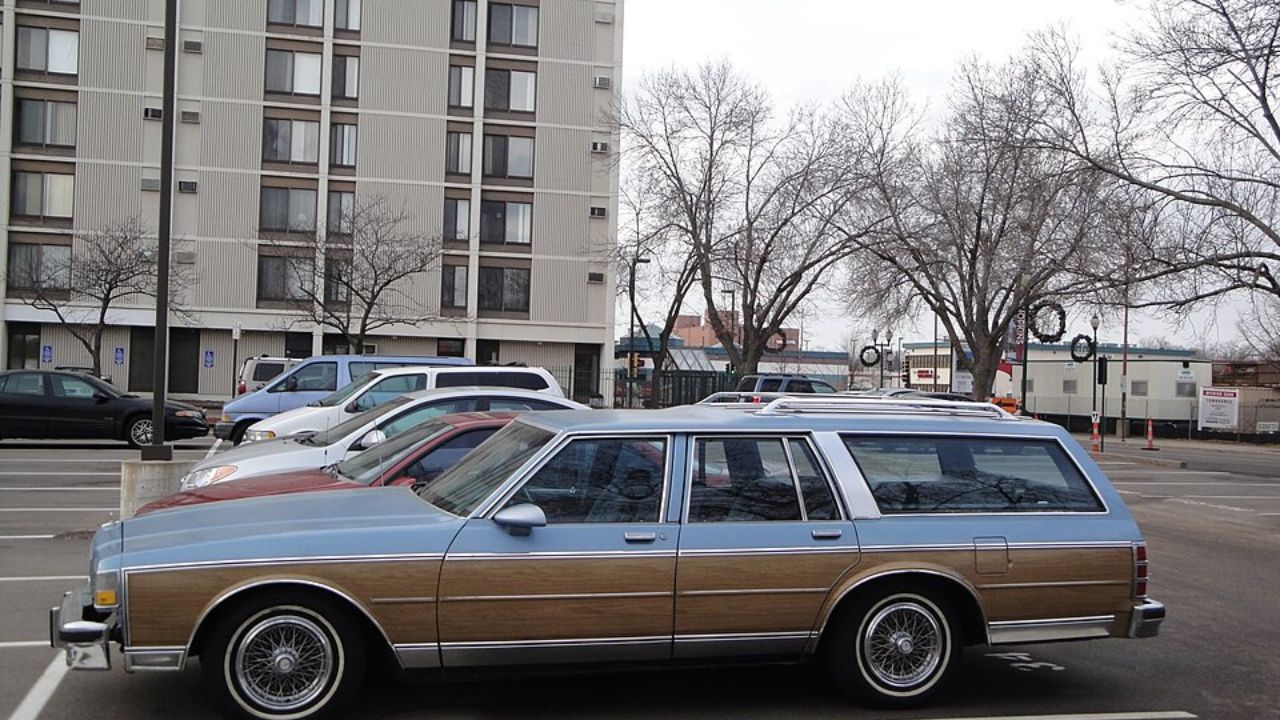
The Chevrolet Caprice Estate combined full-size comfort with the practicality of a large station wagon. Its spacious interior could carry a family and plenty of luggage, while available V8 engines provided enough power for long-distance travel. These wagons were often used heavily, whether for family trips or daily transportation. Today, a clean example offers a nostalgic look at the era when enormous family cars ruled American roads.
Buick Roadmaster Estate
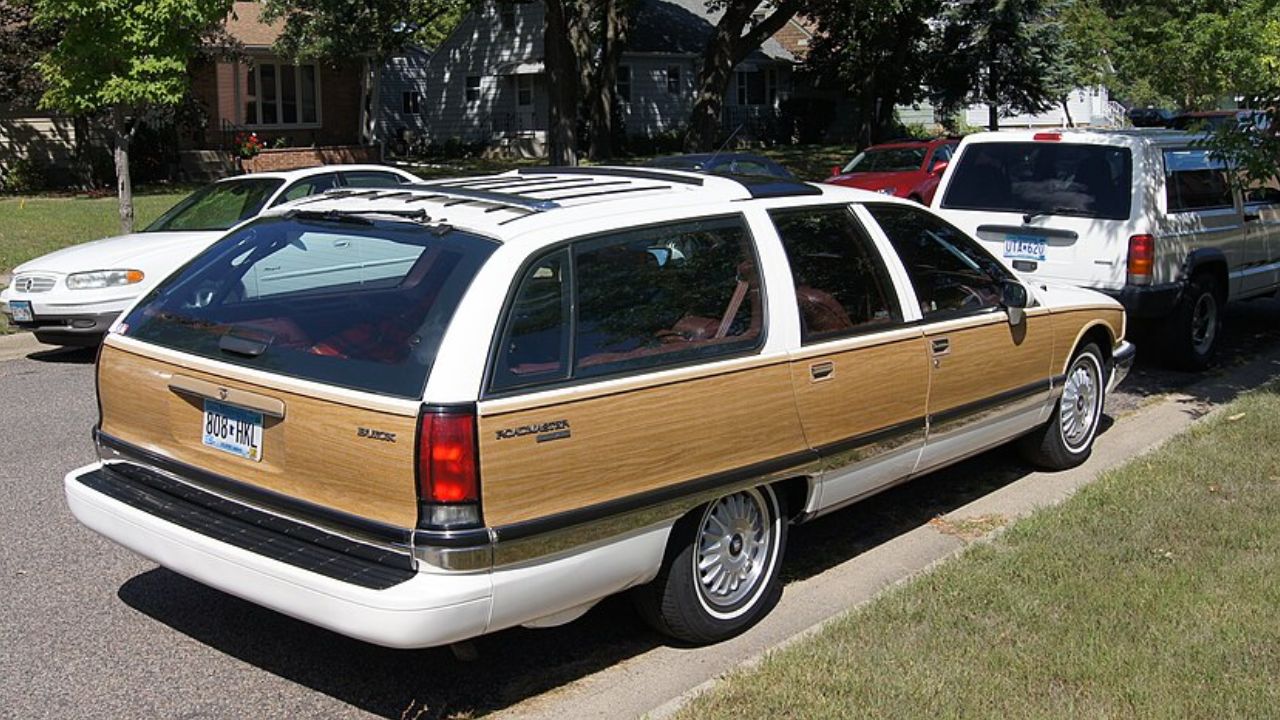
The Buick Roadmaster Estate represented the final generation of the traditional American full-size wagon before the SUV took over the family market. Its large cargo area, comfortable cabin, and V8 power made it an excellent long-distance vehicle. The Roadmaster also offered a quieter and more refined experience than many ordinary work-oriented wagons. Its combination of size and practicality has made it increasingly popular among enthusiasts.
Subaru Legacy wagon
The Subaru Legacy wagon brought all-wheel drive and practical packaging to buyers who wanted something smaller and more manageable than a traditional American wagon. Its relatively compact body made it easy to drive, while the cargo area gave families useful versatility. The combination of traction and practicality helped establish Subaru’s reputation among outdoor-minded buyers. Older examples remain appealing because they offer genuine usefulness in a classic package.
More from Fast Lane Only
- Unboxing the WWII Jeep in a Crate
- 15 rare Chevys collectors are quietly buying
- 10 underrated V8s still worth hunting down
- Police notice this before you even roll window down
*Research for this article included AI assistance, with all final content reviewed by human editors.