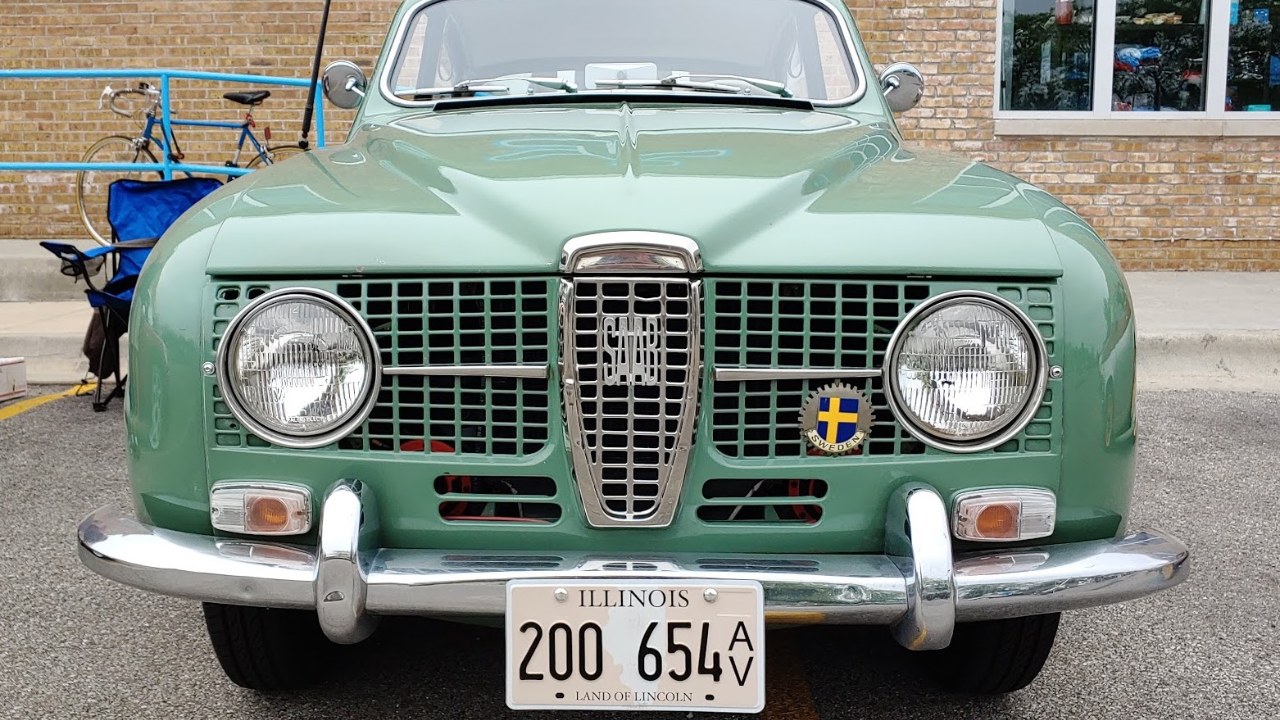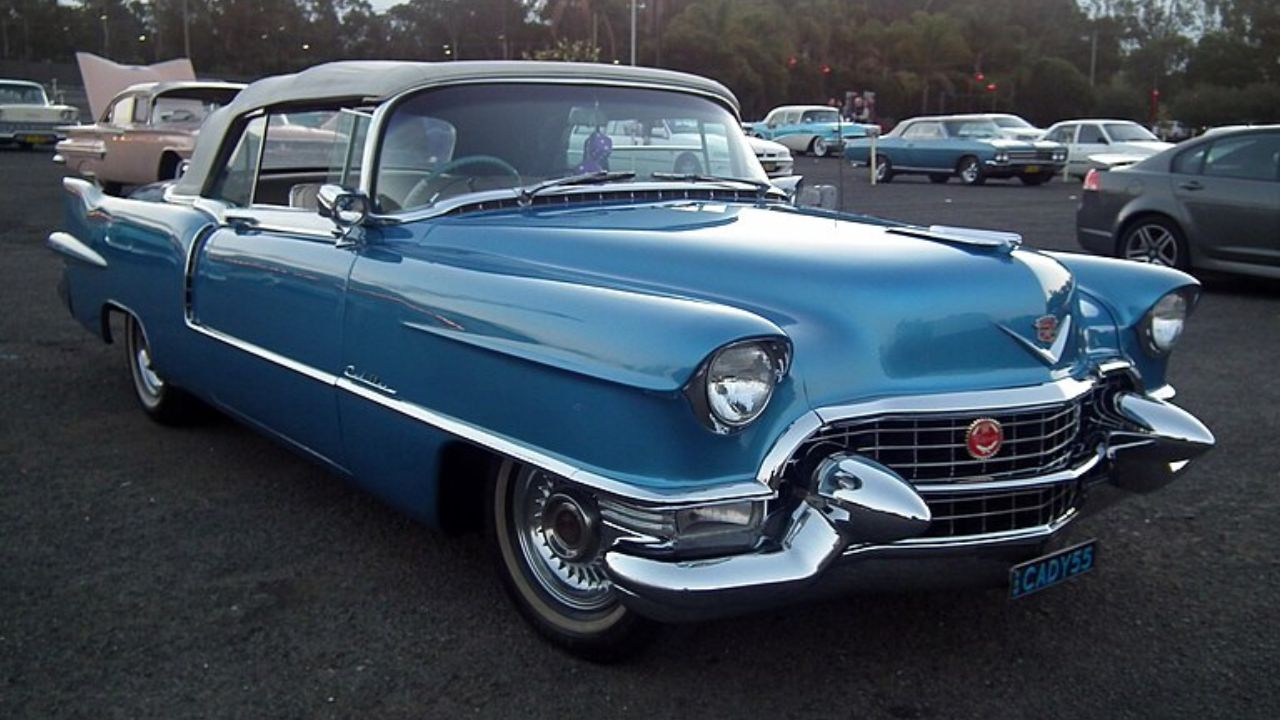
The 1950s transformed American driving. New highways, growing suburbs, colorful styling, and powerful V8 engines made road trips more exciting than ever. These eight American cars captured the spirit of the decade, combining comfort, performance, dramatic design, and the freedom of traveling across America’s expanding highway network.
Chevrolet Bel Air
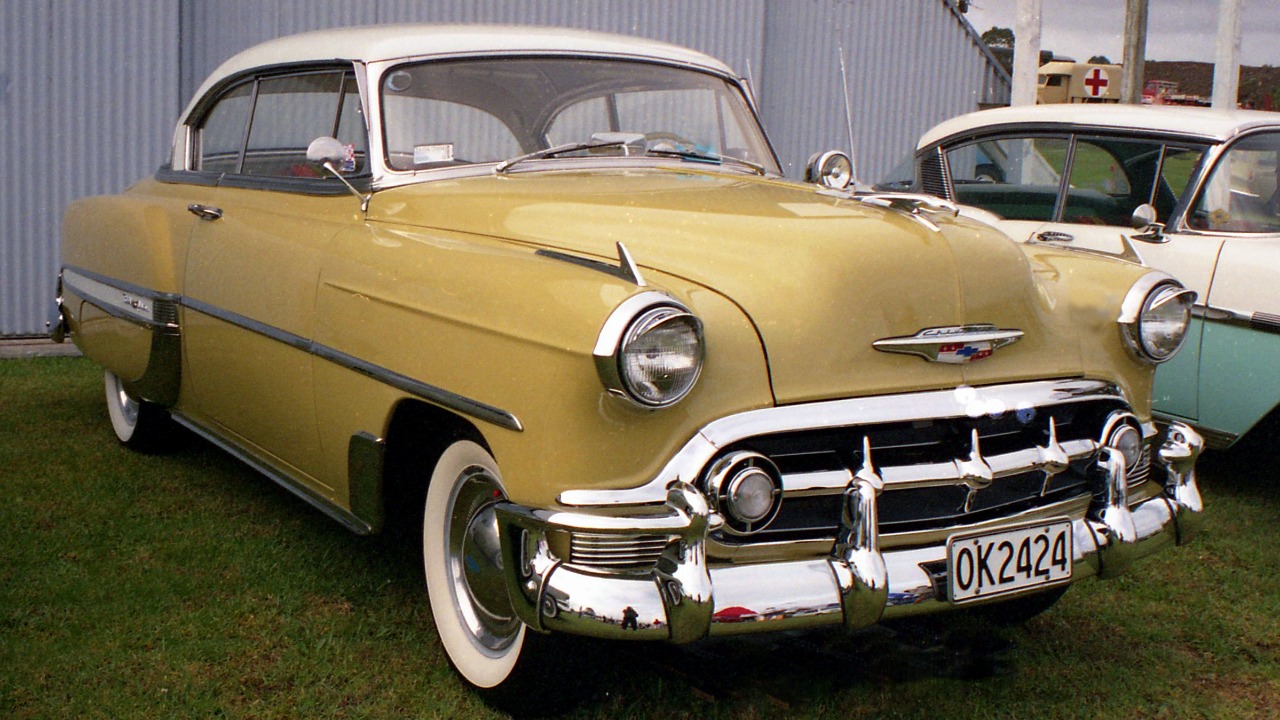
The Chevrolet Bel Air became one of the defining cars of 1950s America. Its sweeping body lines, chrome details, wraparound windshield, and prominent tailfins reflected the decade’s fascination with modern design. The Bel Air was also practical enough for families taking long highway trips. Its comfortable interior and available V8 engines made it an ideal symbol of America’s growing road-trip culture.
Ford Fairlane
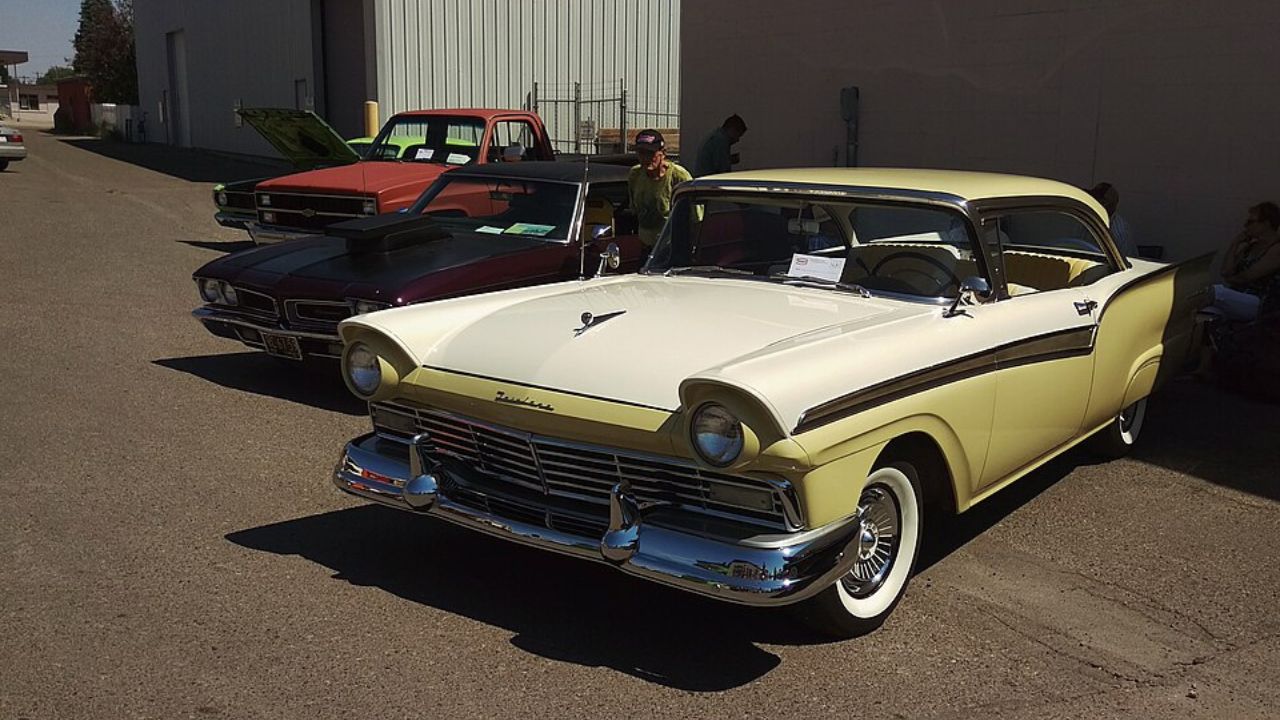
The Ford Fairlane brought bold styling and V8 power to American highways during the height of the 1950s design race. Its chrome-heavy appearance and large tailfins made it easy to spot in traffic. Inside, passengers enjoyed the space expected from a full-size American car. The Fairlane represented Ford’s effort to combine family transportation with the excitement surrounding America’s rapidly changing automotive culture.
Chrysler New Yorker
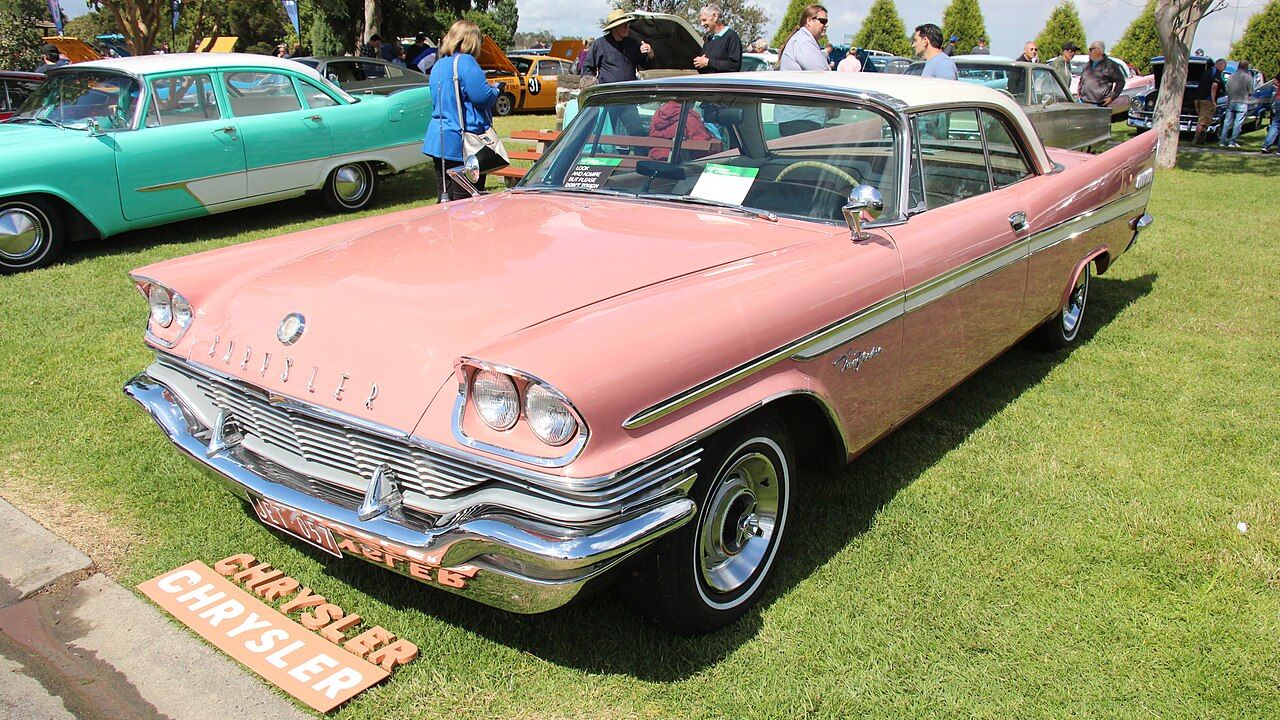
The Chrysler New Yorker offered a combination of luxury, powerful engines, and dramatic styling. Its large body and spacious cabin made long-distance highway travel comfortable, while Chrysler’s V8 power provided effortless cruising. The car’s extensive chrome and futuristic details perfectly matched the decade’s fascination with technology. For many Americans, a New Yorker represented the idea that a highway journey could be both comfortable and glamorous.
Cadillac Eldorado
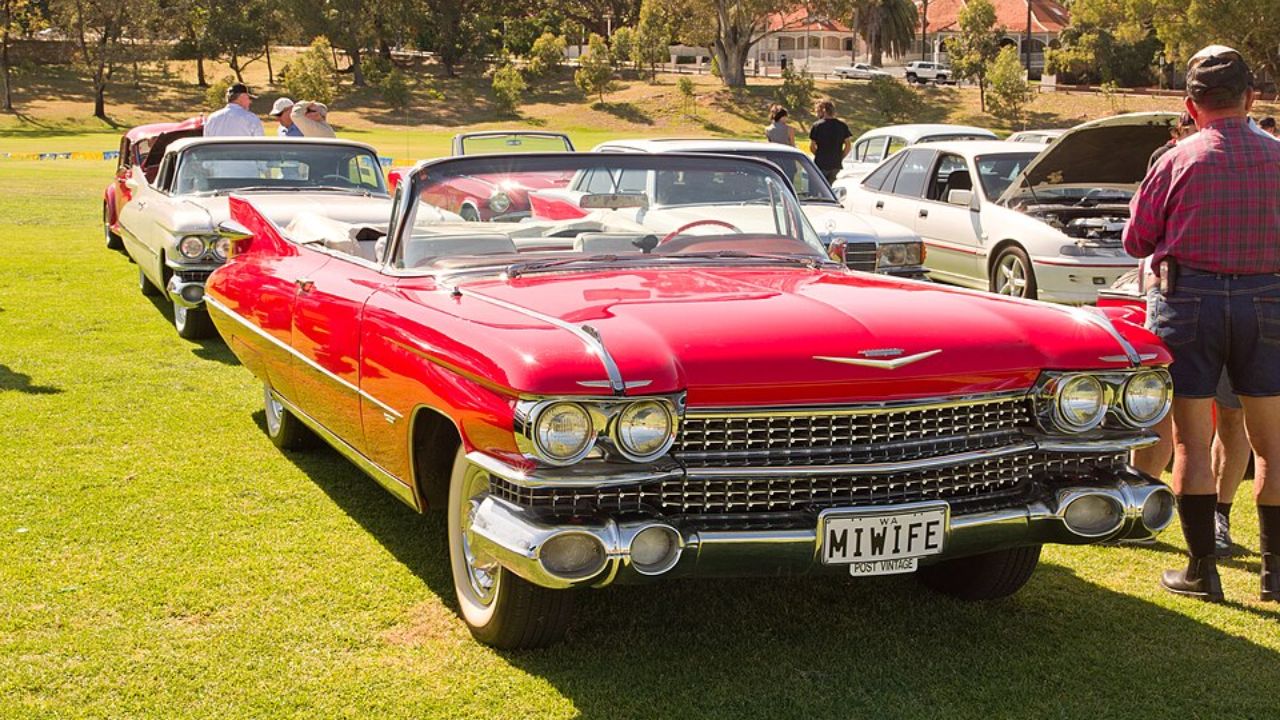
The Cadillac Eldorado represented the glamorous side of 1950s highway travel. Its enormous body, lavish chrome, powerful V8, and dramatic tailfins made it difficult to ignore. Cadillac positioned the Eldorado as a symbol of luxury and success rather than basic transportation. Seeing one on a newly built highway could turn an ordinary drive into a memorable experience, especially during the peak of America’s fascination with extravagant automotive design.
Ford Thunderbird
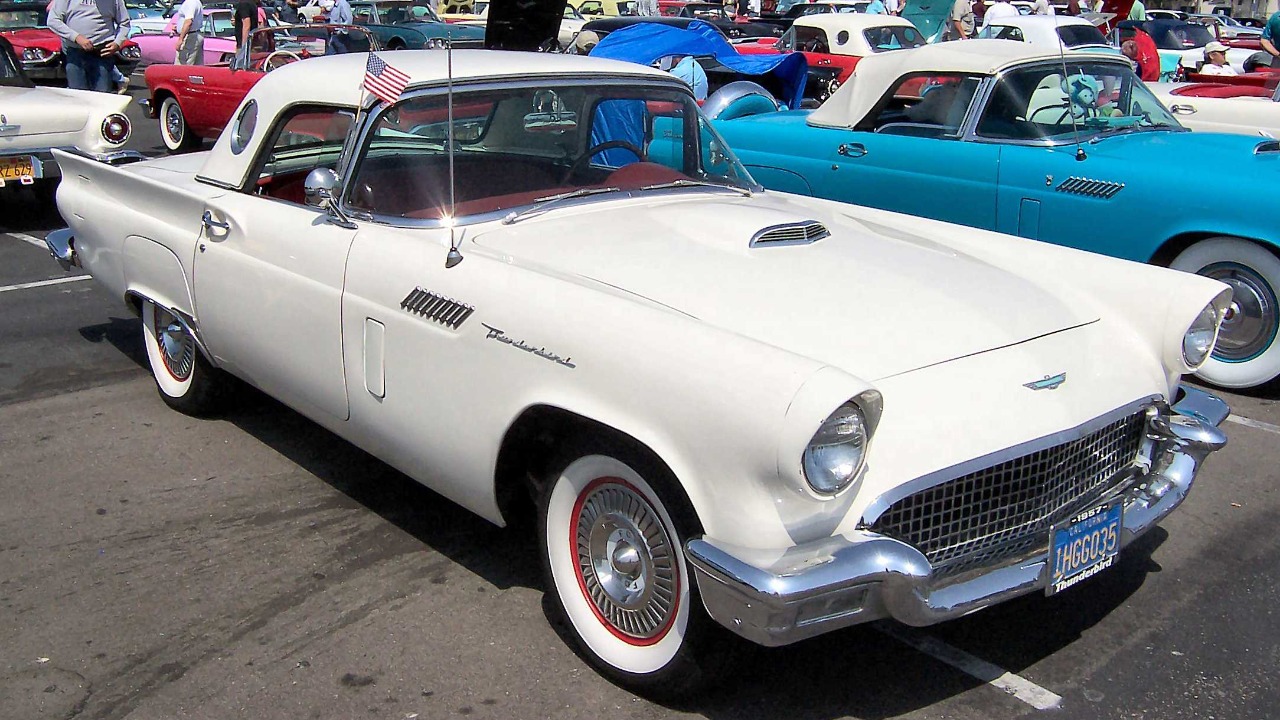
The Ford Thunderbird brought a different kind of excitement to the American highway. Its two-seat body, V8 engine, and sporty proportions gave it a more personal character than the enormous family cars surrounding it. The Thunderbird quickly became associated with freedom, style, and success. It showed that highway cruising did not always require a large sedan or station wagon.
Oldsmobile 88
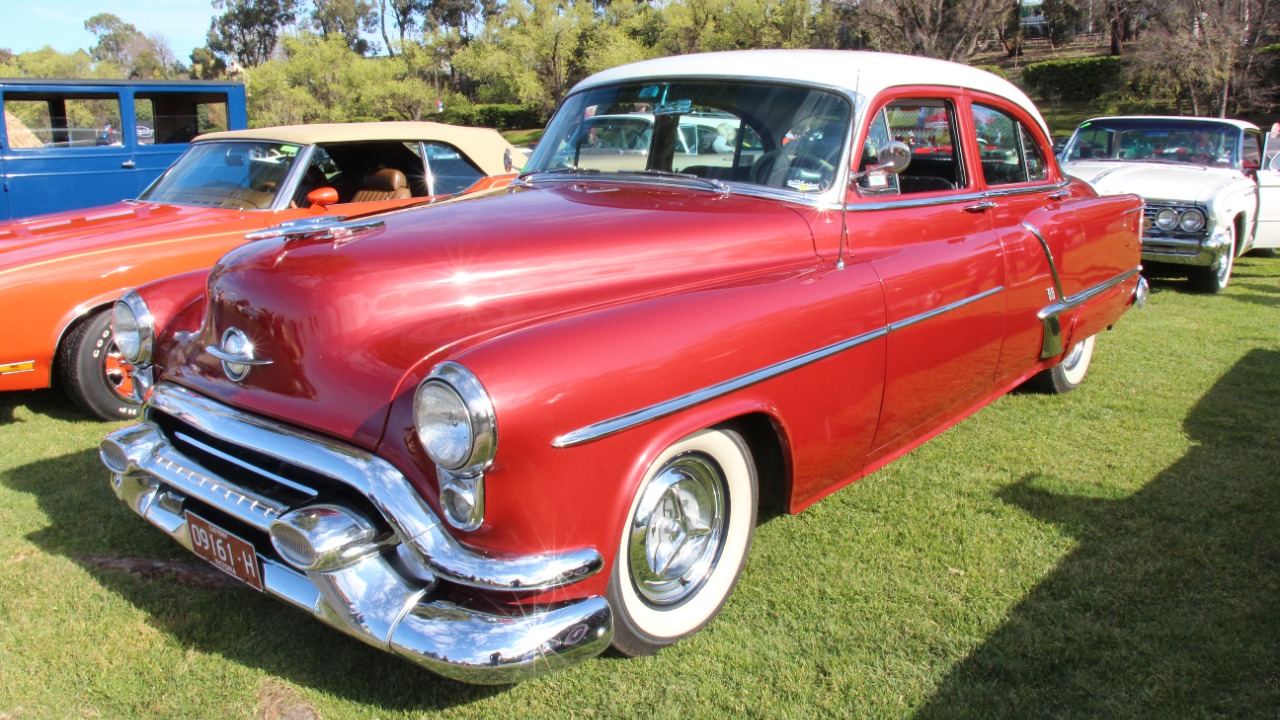
The Oldsmobile 88 became famous for combining a relatively lightweight body with the powerful Rocket V8. That combination gave it impressive acceleration and made it more exciting than many ordinary family cars. The 88 also offered the comfort needed for long highway journeys. Its blend of performance, practicality, and futuristic styling helped make it one of the memorable cars of 1950s America.
Pontiac Bonneville
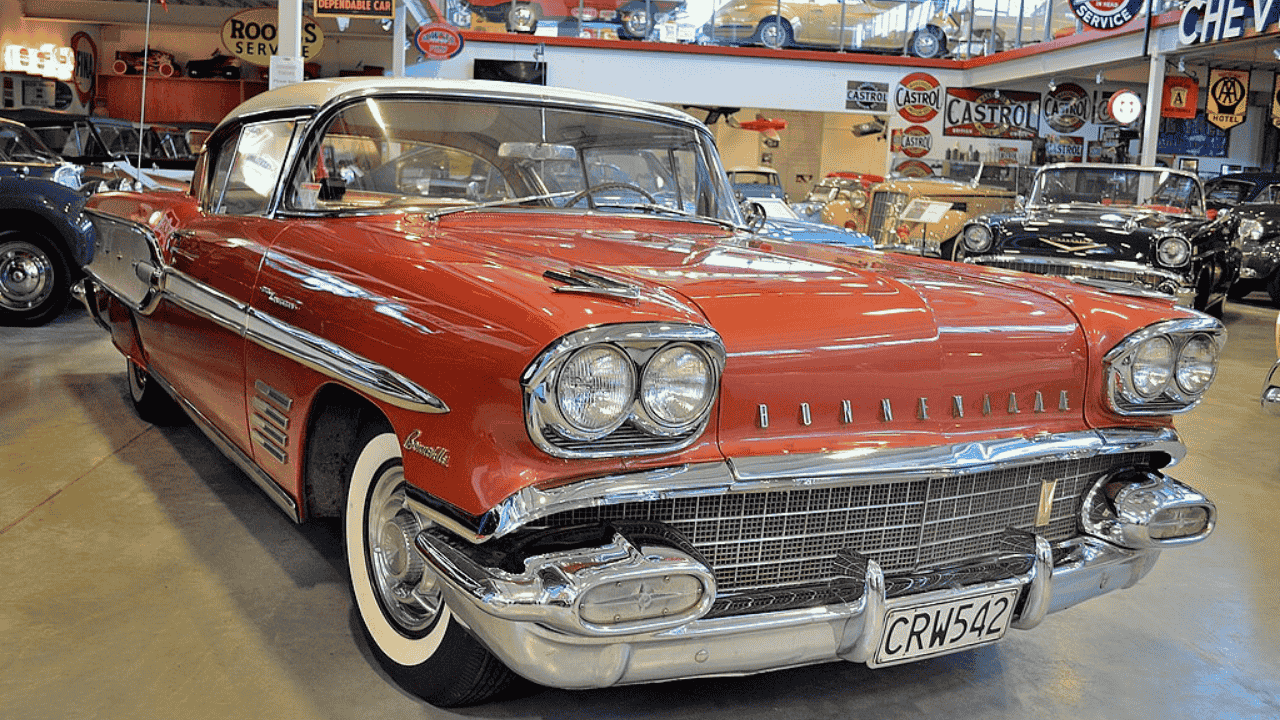
The Pontiac Bonneville helped establish Pontiac as a more performance-focused American brand. Its large V8 engine provided strong acceleration, while its wide body and spacious interior suited long-distance travel. Dramatic chrome and distinctive styling made it stand out on the highway. The Bonneville represented the growing idea that a family-oriented American car could also deliver serious performance and visual excitement.
Chevrolet Corvette
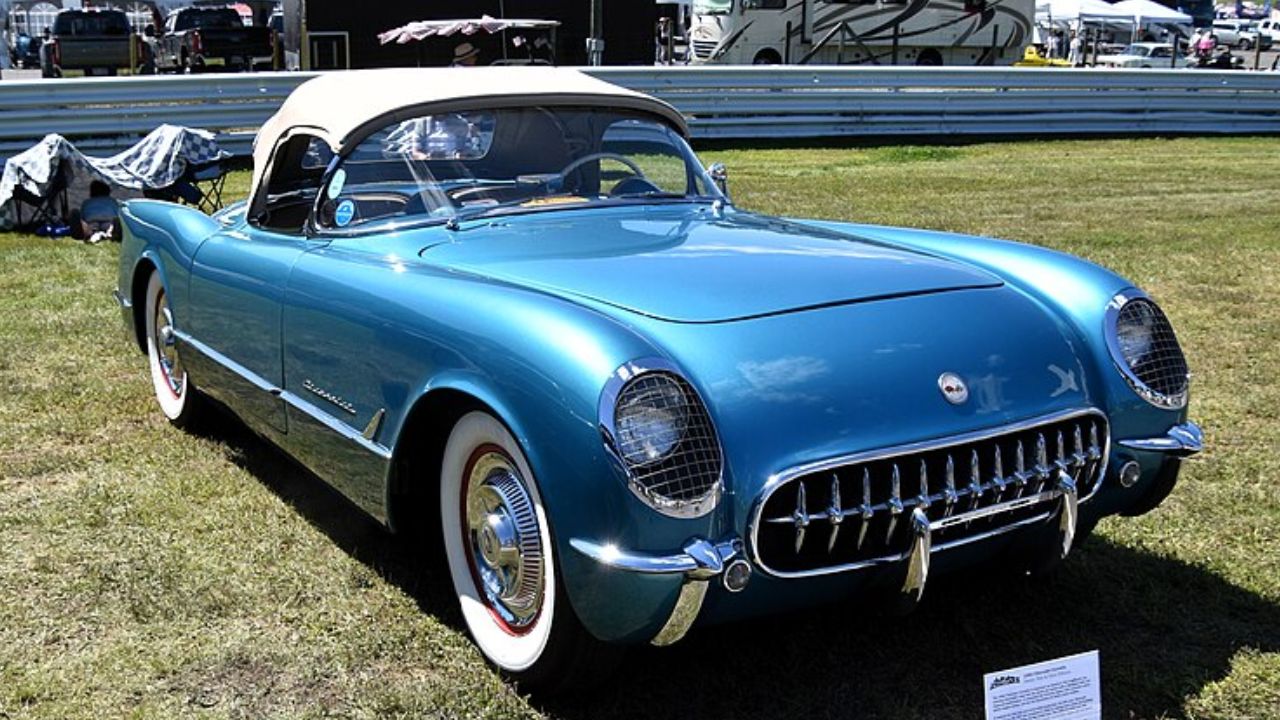
The Chevrolet Corvette brought sports-car excitement to America’s growing highway system. Its two-seat fiberglass body and low profile looked completely different from the large sedans of the period. As Chevrolet introduced stronger engines, the Corvette became increasingly capable on the open road. It gave American drivers a taste of European-style sports-car design while creating an identity that would eventually become one of the country’s most famous automotive icons.
More from Fast Lane Only
- Unboxing the WWII Jeep in a Crate
- 15 rare Chevys collectors are quietly buying
- 10 underrated V8s still worth hunting down
- Police notice this before you even roll window down
*Research for this article included AI assistance, with all final content reviewed by human editors