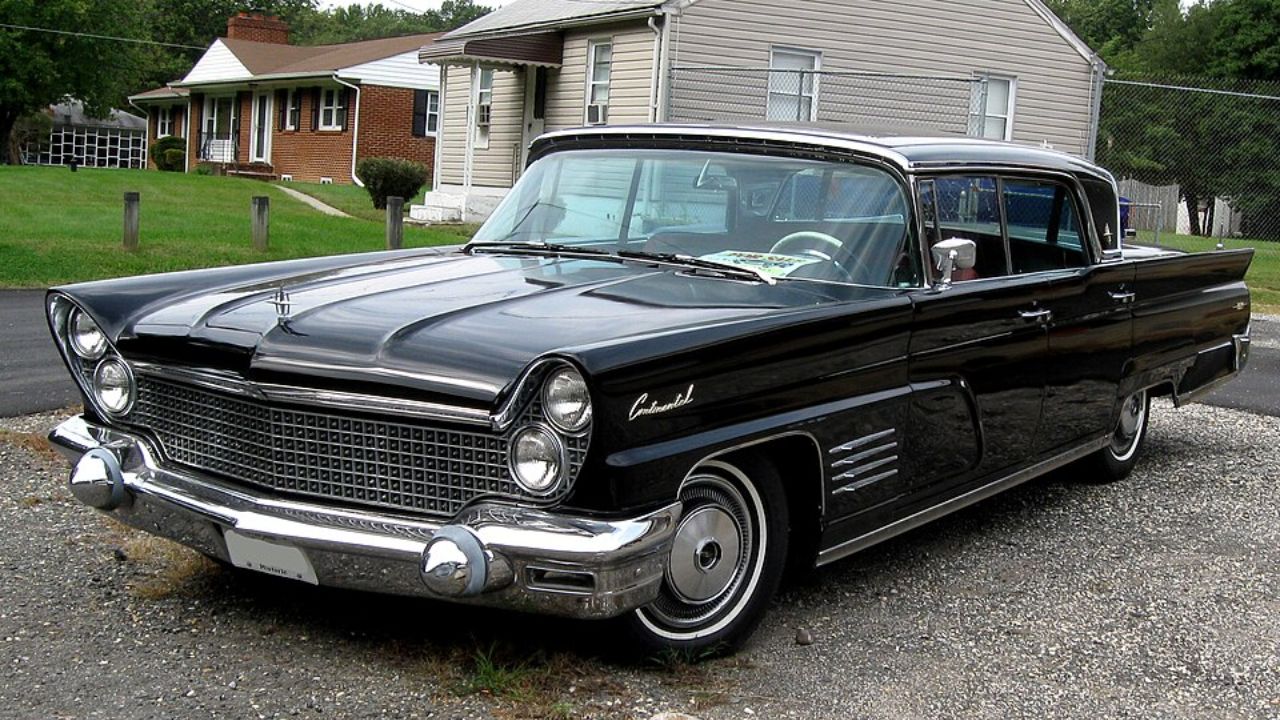
Chrome has long been synonymous with American automotive design, symbolizing luxury, power, and innovation. From the streamlined shapes of the early 20th century to modern interpretations, these vehicles have captivated the public’s imagination. Here are eight iconic automobiles that transformed chrome into an enduring obsession in the United States.
1936 Chrysler Airflow
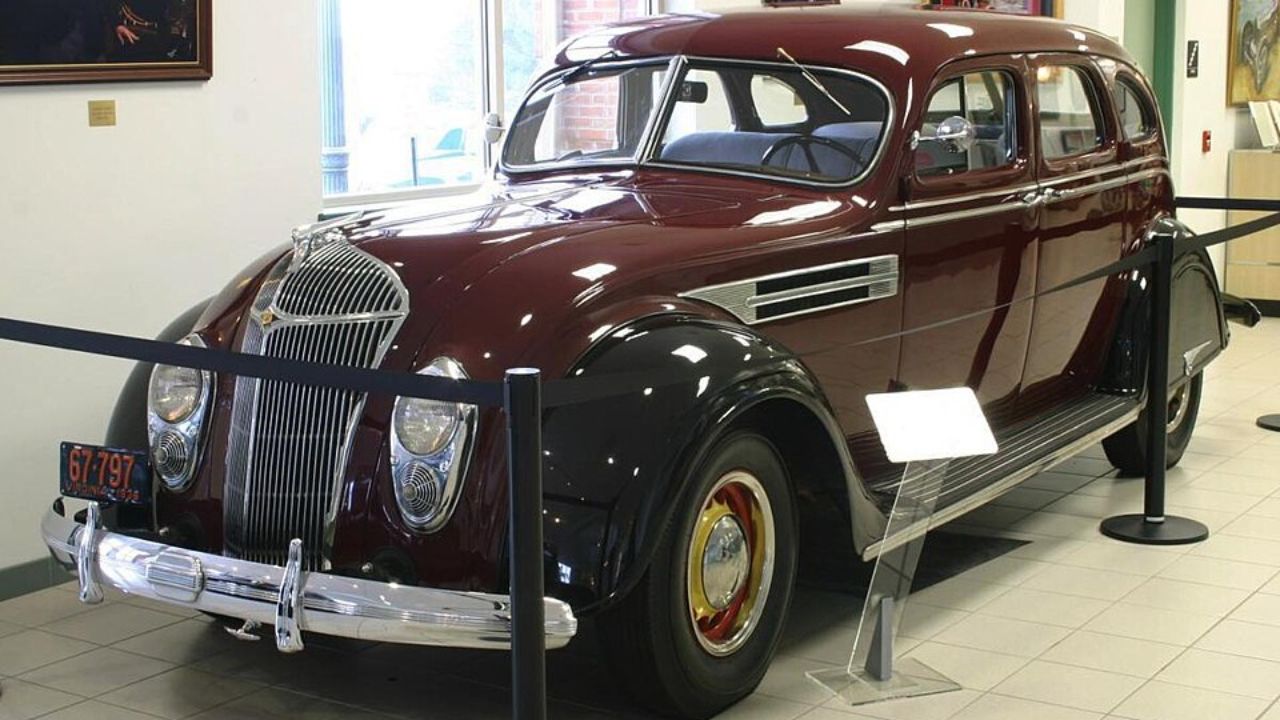
The 1936 Chrysler Airflow marked a significant shift in automotive design, pioneering the use of streamlined forms that enhanced both aesthetics and aerodynamics. Its distinctive chrome grille and sculpted body were revolutionary for their time. This vehicle showcased the potential of chrome not just as a decorative element but as a functional design feature that contributed to reduced drag. The Airflow’s futuristic look set the stage for future designs, earning it a place in automotive history as a symbol of innovation and modernity.
What truly set the Airflow apart was its commitment to style and performance, which was reflected in its extensive use of chrome detailing. The vehicle’s design aimed to evoke a sense of speed and luxury, appealing to a growing consumer base eager for modernity. The Airflow’s unique aesthetic paved the way for the incorporation of chrome in subsequent models, solidifying its role in American automotive culture. As such, the Airflow is often seen as a benchmark for future designs, resonating with enthusiasts and collectors alike.
1949 Cadillac Series 62
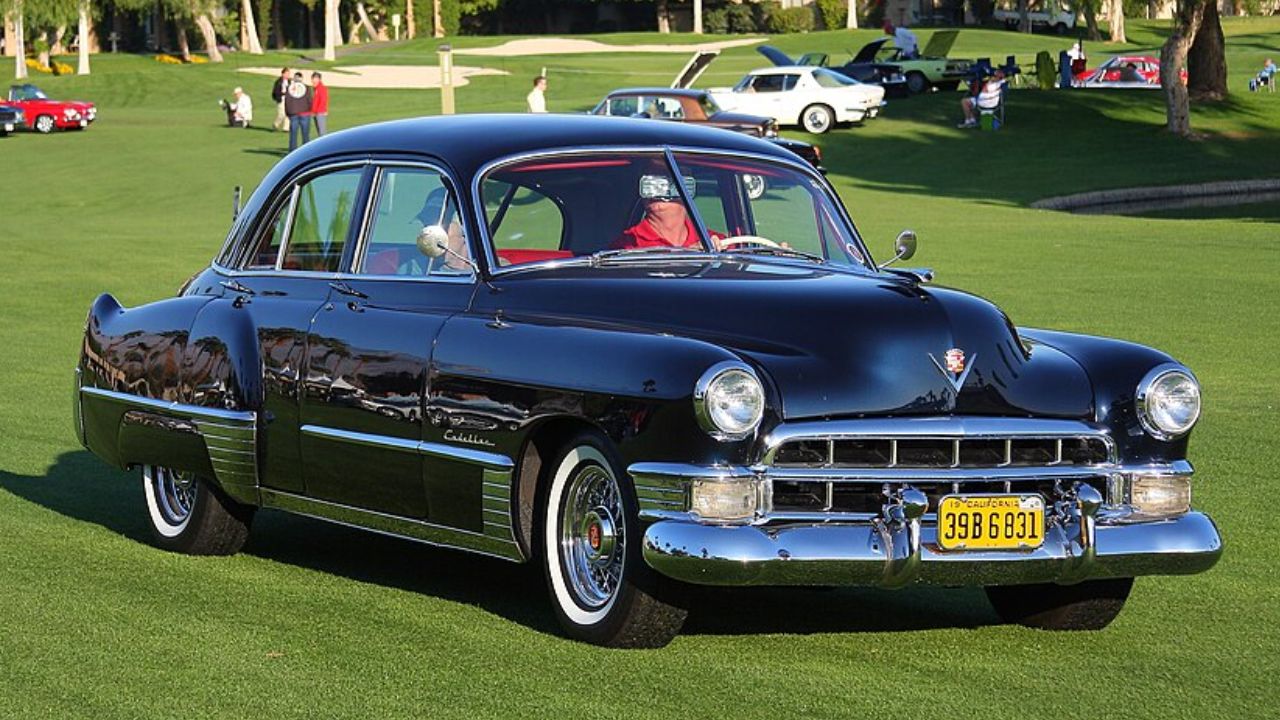
The 1949 Cadillac Series 62 is a classic example of post-war American optimism, featuring a stunning array of chrome accents that epitomized luxury. With its expansive chrome grille and ornate bumpers, this model elevated the use of chrome to an art form. Cadillac’s bold design choices were instrumental in establishing the image of American cars as symbols of success and sophistication. The Series 62 became a favorite among celebrities and influential figures, further embedding chrome into the culture of luxury automobiles.
This model also highlighted Cadillac’s commitment to innovation, introducing features like power windows and a sleek, low-slung body that emphasized its chrome detailing. The Series 62’s impact on automotive design was profound, as it influenced not just Cadillac, but the entire industry. It served as a template for future luxury vehicles, making chrome an essential component of American car design. As a result, the 1949 Cadillac remains a revered icon, celebrated for its role in the evolution of automotive aesthetics.
1957 Chevrolet Bel Air
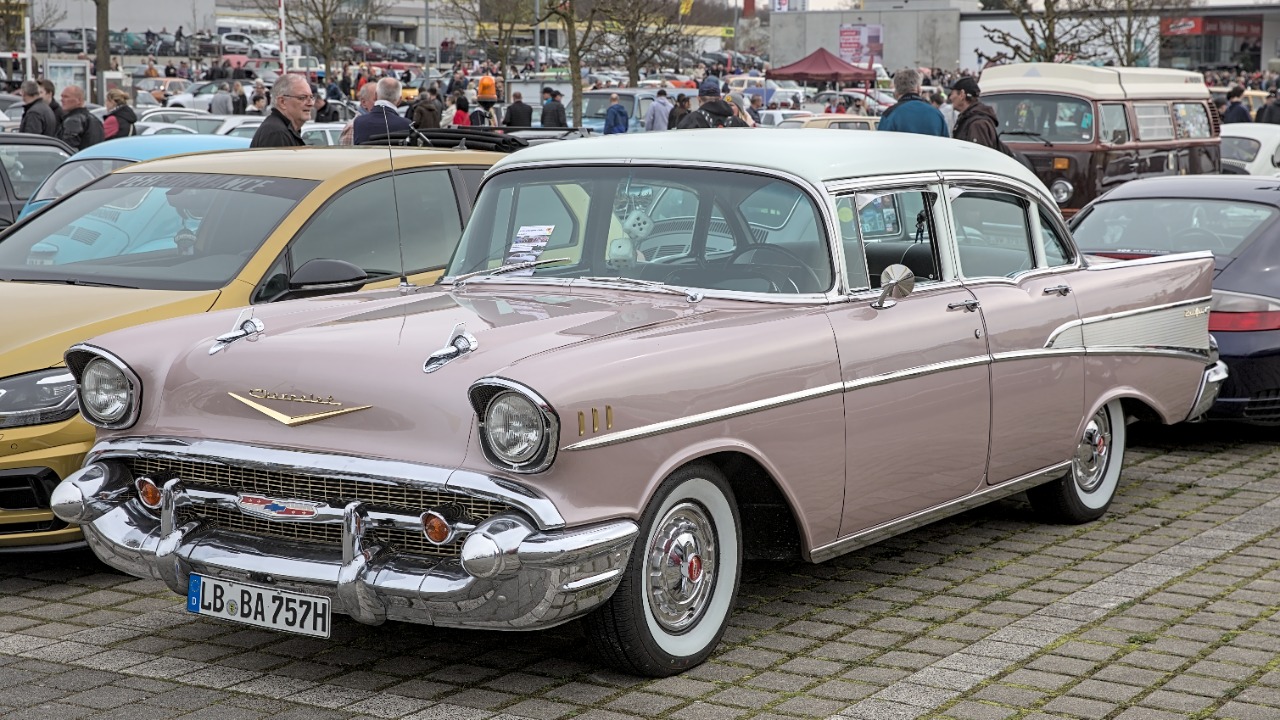
The 1957 Chevrolet Bel Air is often celebrated as the quintessential classic American car, and its use of chrome is a significant aspect of its allure. This model features a dazzling array of chrome trim, from the iconic front grille to the distinctive rear tail fins, which contributed to its bold, dynamic appearance. The Bel Air’s design encapsulated the spirit of the 1950s, a decade characterized by optimism and a sense of freedom, making it a favorite among car enthusiasts and collectors.
What made the Bel Air particularly noteworthy was its ability to fuse style with performance, boasting a range of powerful engine options. The extensive use of chrome not only enhanced its visual appeal but also symbolized American automotive prowess during a time of rapid innovation. The Bel Air’s lasting legacy is evident in its continued popularity, with many restored models still gracing car shows and exhibitions today. Its timeless design and chrome accents have become synonymous with American automotive history.
1960 Lincoln Continental
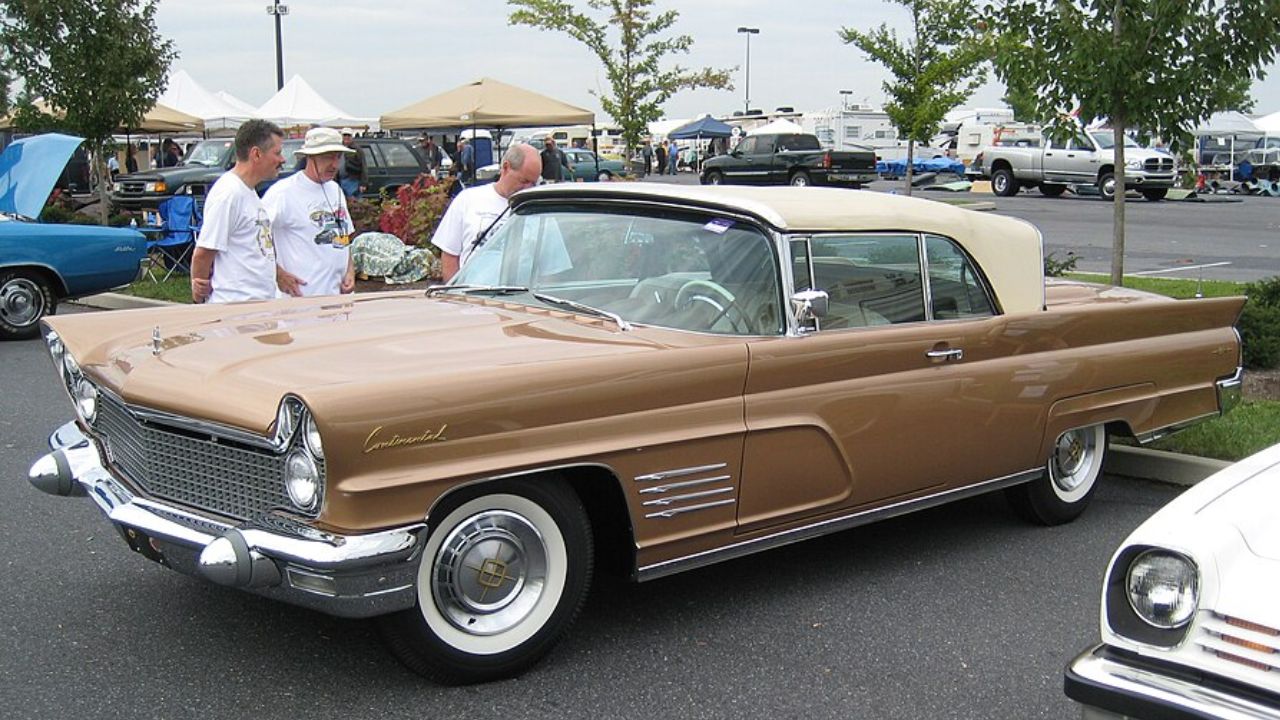
The 1960 Lincoln Continental epitomized elegance and sophistication, featuring a striking design that showcased an impressive amount of chrome. Its distinctive front grille and chrome accents contributed to a luxurious appearance that set it apart from its contemporaries. The Continental’s design was not only about aesthetics; it also emphasized comfort and style, making it a favorite among affluent buyers. The vehicle’s sleek lines and chrome detailing conveyed a sense of prestige, embodying the American dream of luxury.
With its spacious interior and advanced features, the Lincoln Continental became a symbol of status and refinement. The extensive use of chrome was indicative of the era’s design philosophy, where opulence was celebrated. This model influenced future luxury vehicles, reinforcing chrome as a staple of American automotive design. Today, the 1960 Continental remains an icon, admired for its timeless elegance and the way it encapsulated the era’s spirit of innovation and luxury.
1963 Buick Riviera
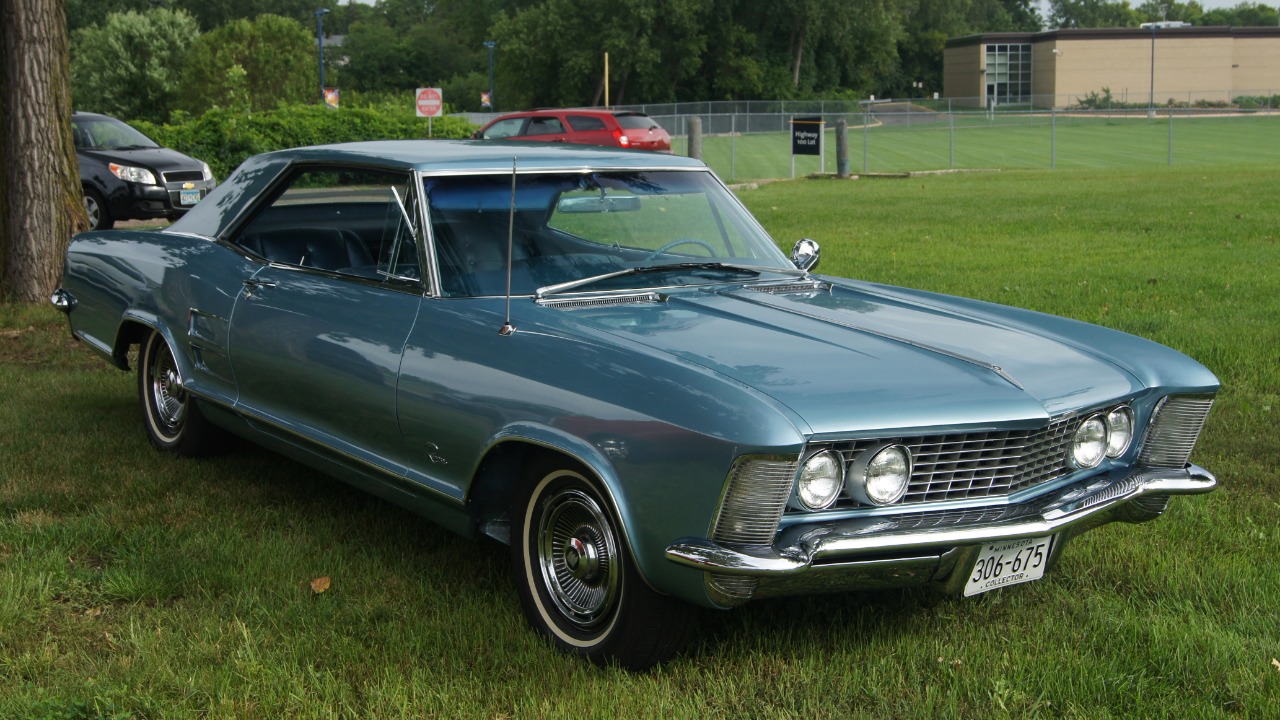
The 1963 Buick Riviera was a game-changer in the world of American automobiles, introducing a unique design that prominently featured chrome elements. Its sleek, low profile and elegant contours were enhanced by a striking chrome grille and accents, giving it a sophisticated look. The Riviera was designed to appeal to a discerning audience, and its combination of style and performance made it an instant classic. Buick aimed to create a vehicle that exuded luxury while maintaining a sporty appeal.
This model’s design was pivotal in establishing a new direction for American coupes, showcasing how chrome could be integrated into a more refined aesthetic. The Riviera’s success helped solidify Buick’s reputation as a maker of premium vehicles, and its chrome detailing became a hallmark of the brand. Even today, the 1963 Riviera is revered by collectors and enthusiasts, underscoring the lasting impact of chrome in American automotive culture.
1965 Ford Mustang
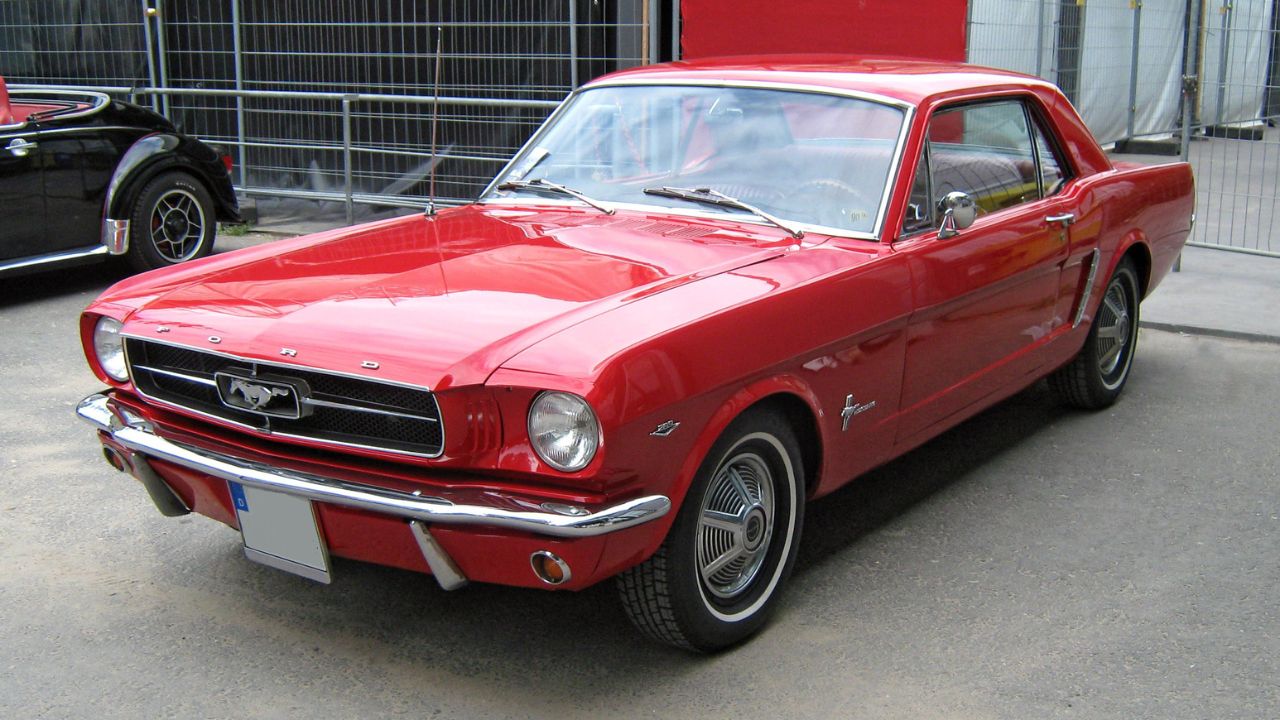
The 1965 Ford Mustang revolutionized the automotive landscape, introducing a new class of vehicles known as “pony cars.” Its design featured sleek lines and a generous amount of chrome, particularly around the grille and bumpers. The Mustang was not just a car; it was a cultural phenomenon that captured the spirit of the 1960s. Its combination of style, performance, and affordability made it immensely popular among a diverse audience, helping to solidify chrome as an integral part of American automotive design.
The Mustang’s success paved the way for a new generation of vehicles, inspiring countless models that would follow. Its chrome accents emphasized its sporty, aggressive stance, appealing to younger drivers looking for a vehicle that embodied freedom and excitement. The Mustang remains a symbol of American automotive culture, with its enduring popularity highlighting the lasting impact of chrome on car design.
1970 Dodge Challenger
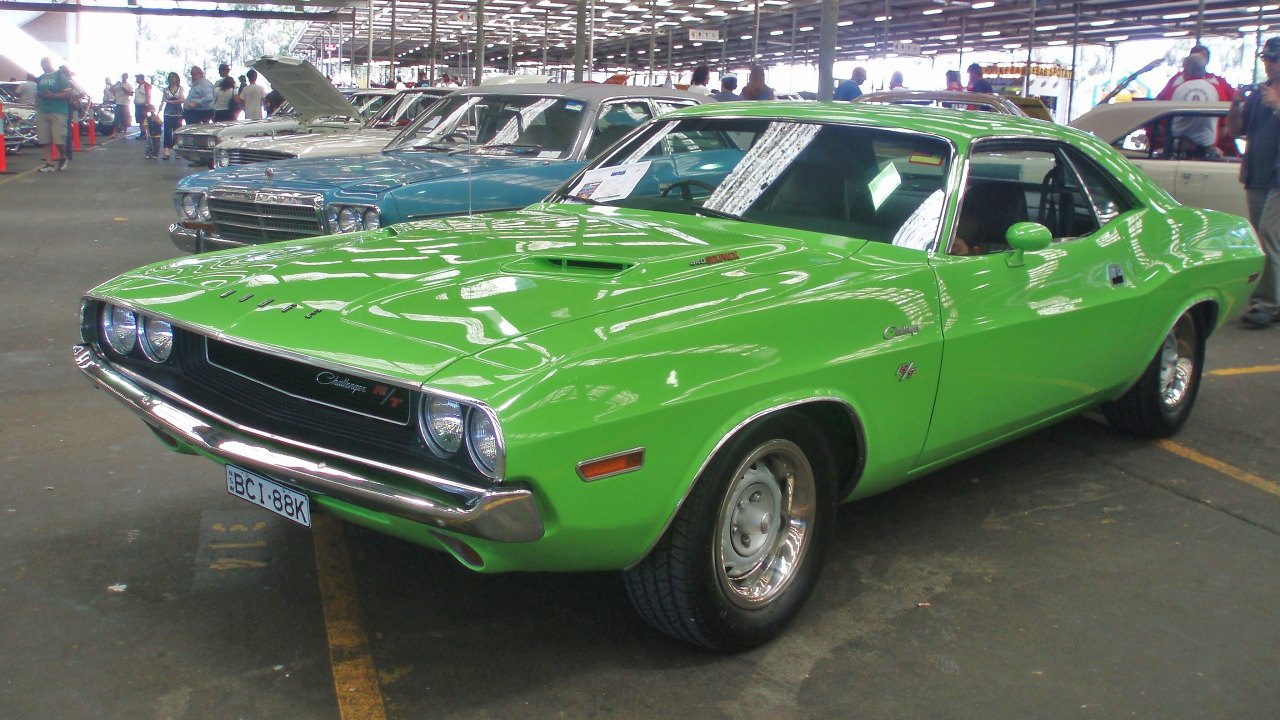
The 1970 Dodge Challenger is an iconic representation of the muscle car era, featuring bold lines and an aggressive stance highlighted by striking chrome elements. The car’s front grille and chrome accents contributed to its fierce appearance, making it a favorite among muscle car enthusiasts. The Challenger was designed to deliver high performance, and its design language emphasized speed and power.
Beyond its bold styling, the 1970 Dodge Challenger offered a wide range of engine options that appealed to drivers seeking everything from everyday cruising to serious performance. Its long hood, short rear deck, and muscular proportions reinforced its commanding road presence, while carefully integrated chrome trim added visual contrast without overshadowing its aggressive character. The combination of powerful engineering and distinctive styling helped establish the Challenger as one of the defining American muscle cars of its generation, securing its lasting reputation among collectors and automotive enthusiasts alike.
More from Fast Lane Only