Throughout automotive history, certain cars have emerged that not only performed well but also redefined design standards for their time. These vehicles often looked significantly more modern than their contemporaries, setting trends that would influence future designs. Here are ten remarkable examples that stood out for their advanced aesthetics and engineering.
1963 Chevrolet Corvette Sting Ray
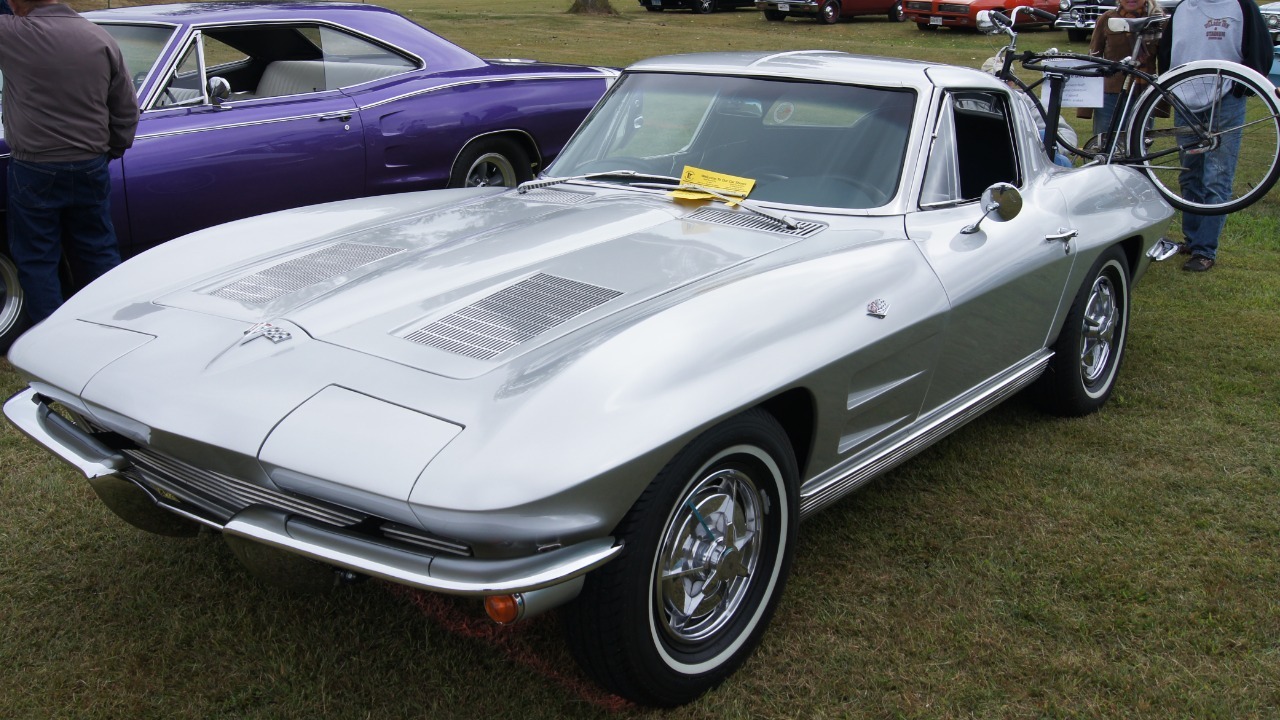
The 1963 Chevrolet Corvette Sting Ray was a game changer in the world of sports cars. With its sleek lines, hidden headlights, and a sophisticated rear end, it looked like a car from the future. The Sting Ray’s design was influenced by racing and aerodynamics, making it appear decades ahead of its time. Notably, its split rear window became an iconic design feature, adding to its allure. Underneath its stunning exterior was a powerful V8 engine, which provided exhilarating performance. The Sting Ray is not just a car; it’s a symbol of American ingenuity and style that still captivates enthusiasts today.
1970 BMW 2002
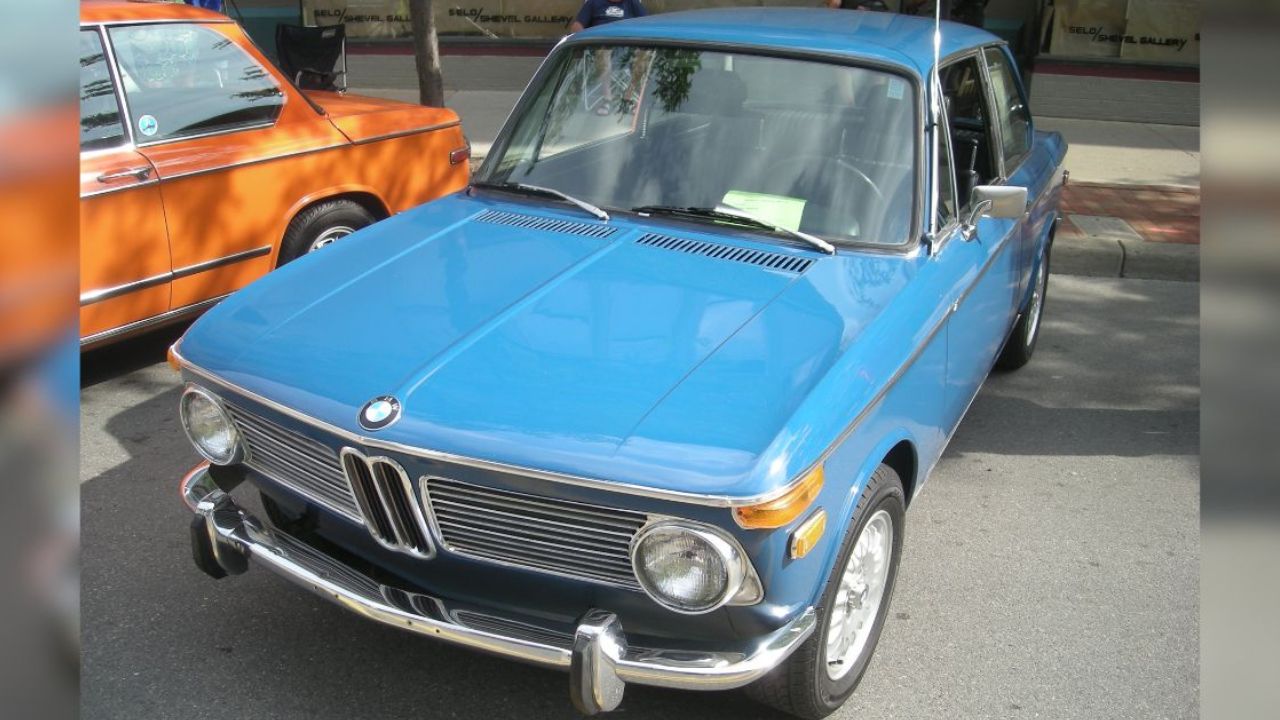
The 1970 BMW 2002 stands as a testament to the brand’s commitment to sporty and elegant design. With its compact dimensions and muscular stance, the 2002 offered a fresh look that deviated from the more traditional sedans of its time. The car’s clean lines and minimalist styling brought a sense of modernity that appealed to a new generation of drivers. Coupled with its spirited performance and rear-wheel-drive layout, the 2002 established itself as a pioneer in the compact sports sedan segment. It influenced not only BMW’s future designs but also the entire automotive industry, making it a classic that remains highly regarded.
1983 Audi Quattro
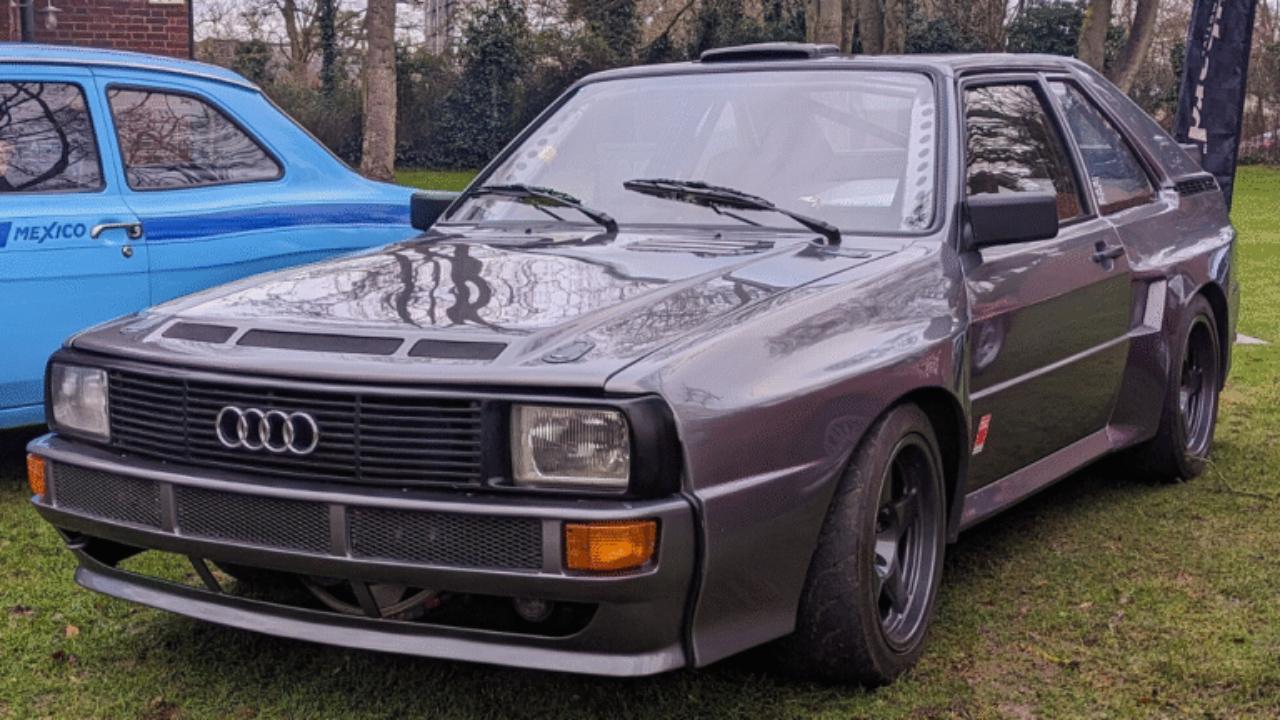
The 1983 Audi Quattro introduced a revolutionary design that combined practicality with performance. Its distinctive boxy shape and flared wheel arches gave it a rugged yet sophisticated appearance, making it stand out among its contemporaries. The Quattro was not just about looks; it introduced all-wheel drive to the rally scene, greatly enhancing its capabilities. This combination of innovative technology and striking aesthetics allowed the Quattro to dominate both the streets and racetracks. Its design influenced the evolution of Audi’s lineup and remains a classic example of how function and style can coexist seamlessly.
1990 Mazda MX-5 Miata
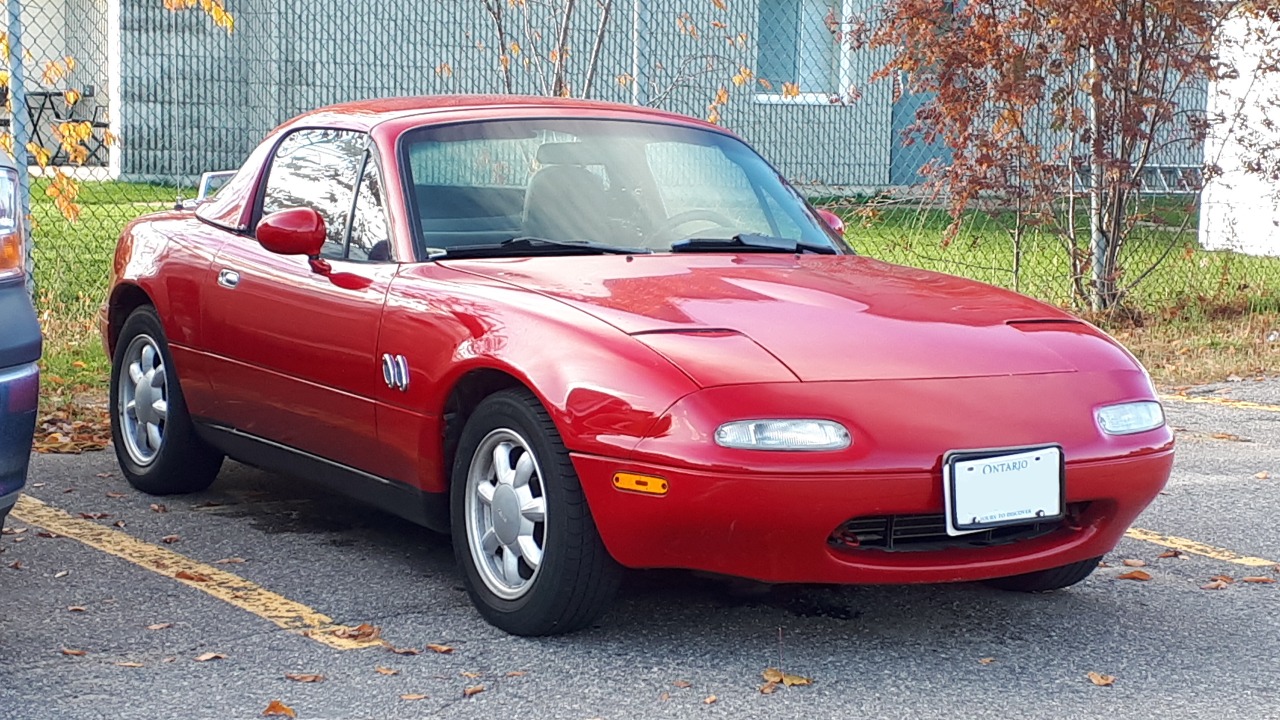
The 1990 Mazda MX-5 Miata was a breath of fresh air in the sports car market, showcasing a design philosophy that prioritized simplicity and driving enjoyment. Its lightweight construction and compact dimensions made it feel nimble and responsive, while its classic roadster silhouette brought a vintage charm that was rare for its time. The Miata’s clean lines and minimalistic interior stood out against bulkier competitors, making it a favorite among enthusiasts. Over the years, it has established itself as an enduring symbol of fun and accessibility in sports cars, influencing countless models that followed.
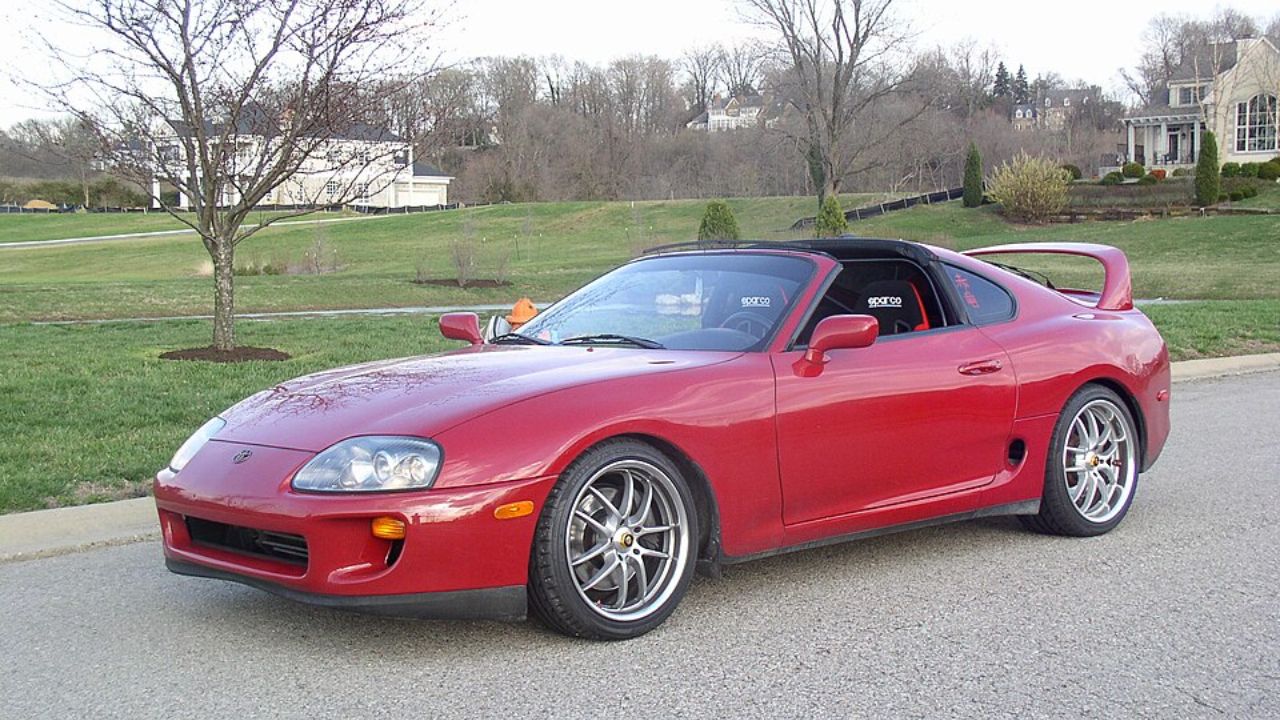
1993 Toyota Supra Mk4

The 1993 Toyota Supra Mk4 is often remembered for its aggressive styling and performance capabilities. With its sleek, aerodynamic design and wide stance, the Supra looked like a car from a future generation. The pop-up headlights and sculpted bodywork added to its sporty aesthetic, making it a head-turner on the road. Under the hood, the Supra housed a formidable turbocharged inline-six engine, providing exhilarating speed and performance. Its combination of style, power, and reliability has cemented its status as a legendary model that continues to be celebrated in car culture today.
2002 Volkswagen Beetle

The 2002 Volkswagen Beetle reimagined the iconic shape of its predecessor while infusing it with modern elements. With its rounded body and retro styling, the new Beetle was instantly recognizable yet felt contemporary. The design paid homage to the original while introducing features like a spacious interior and advanced safety technologies. This blend of nostalgia and innovation appealed to a broad audience, making it a popular choice among drivers. The Beetle’s unique look and personality set it apart from other compact cars, proving that a vehicle can be both practical and stylish.
2003 Infiniti G35

The 2003 Infiniti G35 was a bold statement in the luxury sedan market, showcasing a design that was both elegant and aggressive. Its long hood, sweeping lines, and muscular rear gave it a sporty silhouette that was uncommon among luxury vehicles at the time. The G35’s interior was equally impressive, featuring high-quality materials and a driver-focused layout. With a powerful V6 engine and rear-wheel-drive dynamics, it offered both performance and comfort. The G35’s striking appearance and engaging driving experience helped redefine what a luxury sedan could be, influencing future models in the segment.
2008 Tesla Roadster
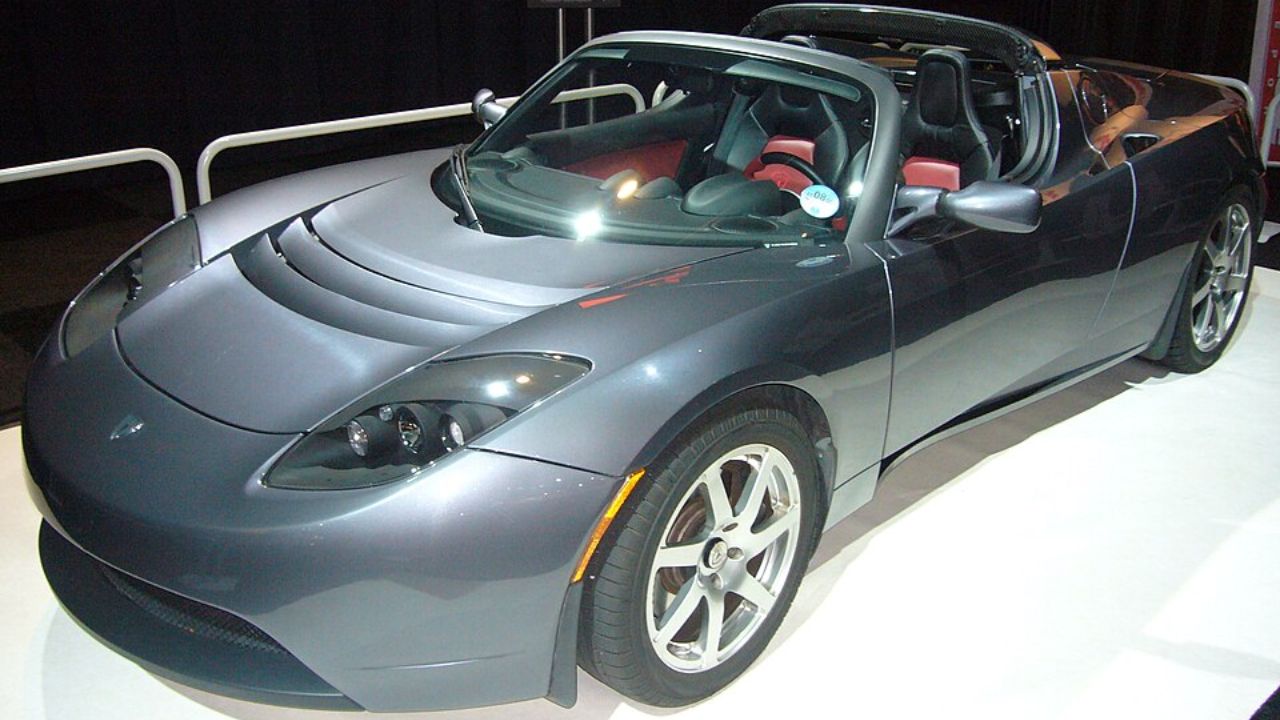
The 2008 Tesla Roadster broke new ground as the first production electric sports car, boasting a design that looked remarkably modern and futuristic. Its sleek, aerodynamic body and minimalist interior set it apart from traditional gasoline-powered sports cars. The Roadster’s impressive performance, including a 0-60 mph time of just 3.7 seconds, showcased the potential of electric powertrains. This vehicle not only changed perceptions of electric vehicles but also paved the way for Tesla’s future innovations. With its unique blend of cutting-edge technology and striking aesthetics, the Roadster remains a significant milestone in automotive history.
2010 Ford Fusion

The 2010 Ford Fusion made waves in the midsize sedan market with its bold and modern design. With its aggressive front grille and sculpted body lines, the Fusion looked far more contemporary than many of its competitors. Inside, the spacious cabin featured high-quality materials and advanced technology, enhancing the overall driving experience. The Fusion offered a range of powertrains, including hybrid options, appealing to a wide audience of drivers. Its stylish appearance and practicality helped it gain popularity, earning accolades as one of the best midsize cars on the market, as noted by Consumer Reports.
2021 Hyundai Ioniq 5
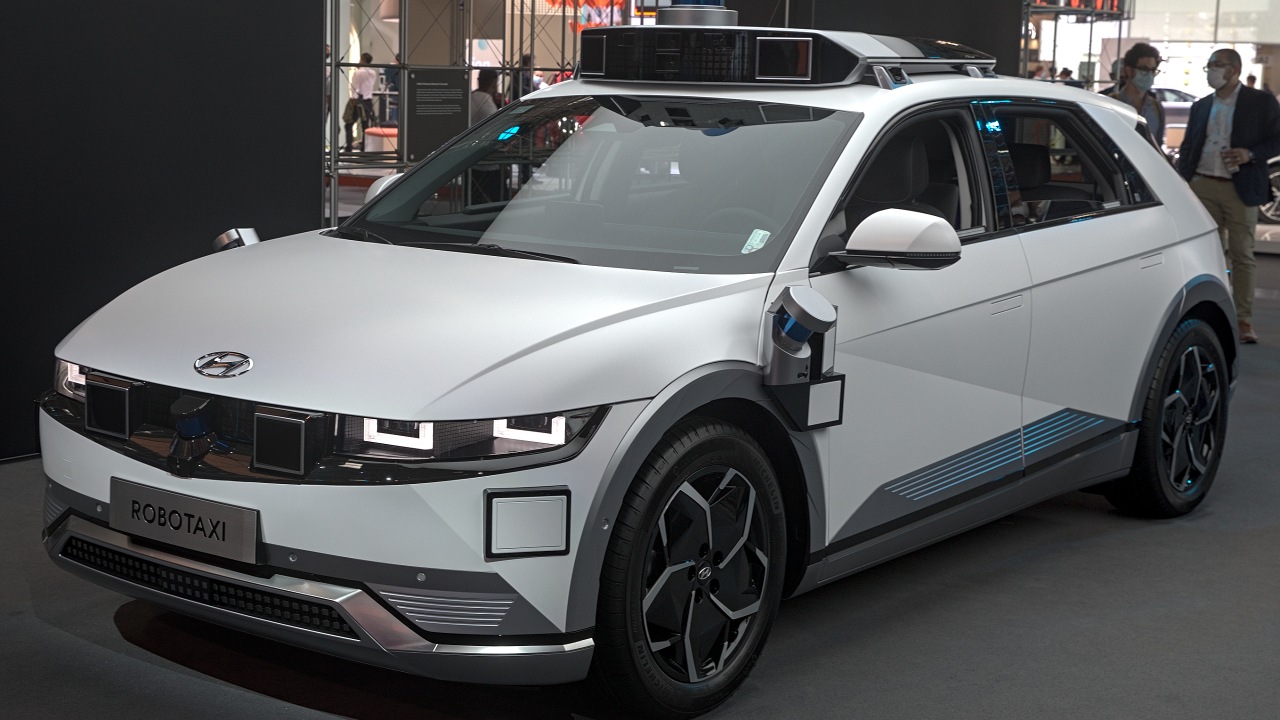
The 2021 Hyundai Ioniq 5 represents a significant leap forward in electric vehicle design. Its bold, angular lines and futuristic aesthetic set it apart from traditional SUVs and crossovers. The spacious interior is designed with sustainability in mind, featuring eco-friendly materials and a tech-forward layout. With a range of performance options and cutting-edge features, the Ioniq 5 showcases Hyundai’s commitment to innovation. Its design not only looks modern but also reflects the growing trend toward electrification in the automotive industry. The Ioniq 5 is a prime example of how modern designs are shaping the future of transportation.
More from Fast Lane Only