Big-block V8s are usually associated with torque, performance, and durability, but not every engine earned a good reputation. Some developed serious weaknesses, expensive repair requirements, or poor real-world reliability. These eight big-blocks deserve extra caution, especially when considering an unrestored or heavily used example.
Cadillac 500 V8

The Cadillac 500 V8 delivered enormous displacement and impressive low-end torque, but its size and fuel consumption could make ownership expensive. Later emissions-era versions also produced considerably less power than earlier American big-blocks. A neglected example can require substantial mechanical work, particularly when cooling, fuel, and electrical systems have deteriorated. Buyers should carefully inspect its condition before taking on a restoration.
Cadillac 8.2 Liter V8
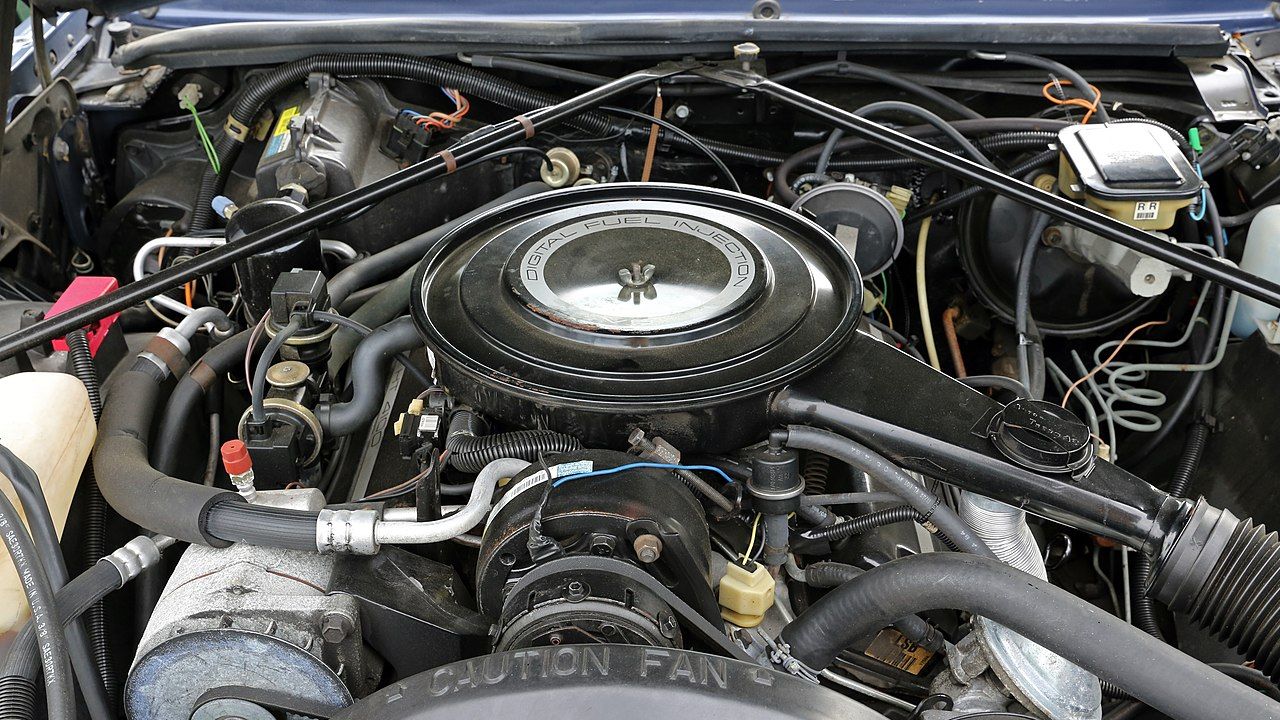
The Cadillac 8.2-liter V8 offered enormous displacement and smooth performance, but certain versions suffered from durability and fuel-economy concerns. The engine arrived during a period of changing emissions and fuel requirements, which complicated its development. Its large size also did not necessarily translate into impressive performance. Buyers considering one today should pay close attention to its condition and history.
AMC 401

The AMC 401 was one of the largest and most powerful V8s produced by American Motors. Although generally respected for its strength, original examples can be difficult and expensive to restore because specialized parts are less common than those for Chevrolet, Ford, or Chrysler engines. Finding a complete, unmodified 401 is also increasingly difficult, making a poorly preserved example a risky project.
Buick 455
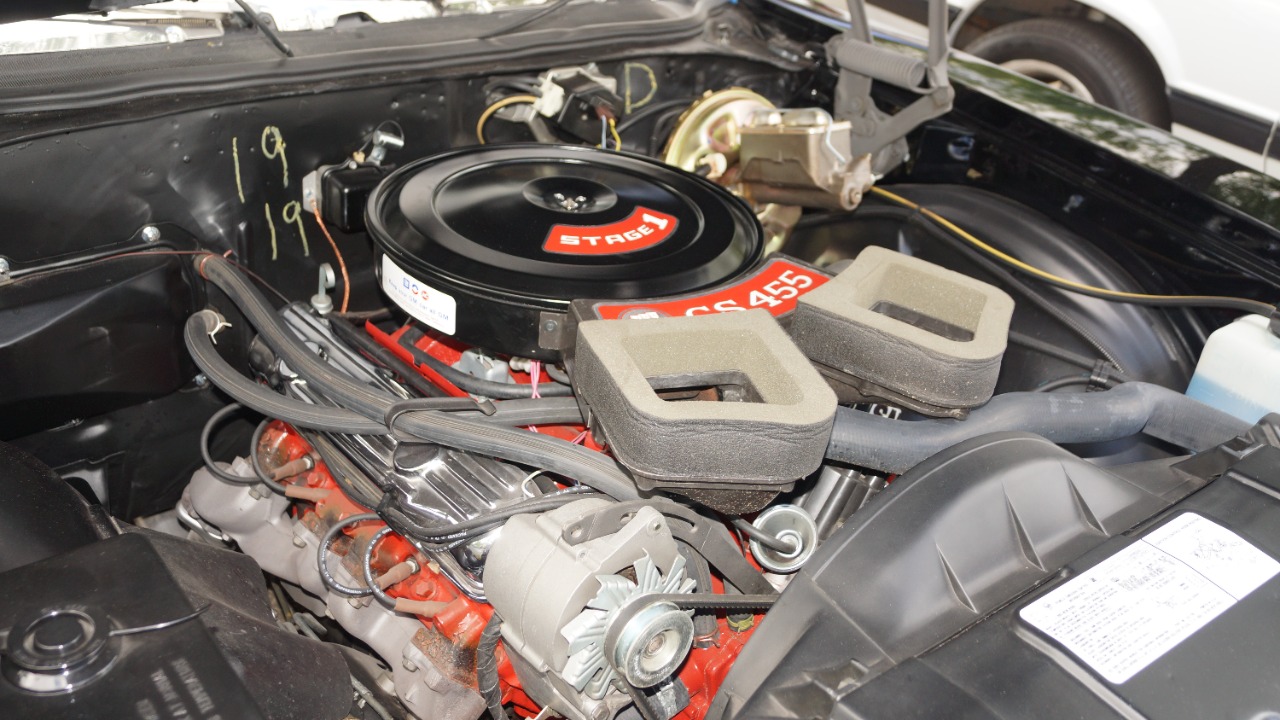
The Buick 455 is generally respected, but heavily neglected examples can become costly to rebuild. Its unique architecture means that parts selection and machine work require knowledge specific to Buick engines. Incorrect rebuilding practices can create reliability problems. The engine itself is not inherently undesirable, but a poorly maintained or improperly rebuilt example can be a risky purchase.
Pontiac 455
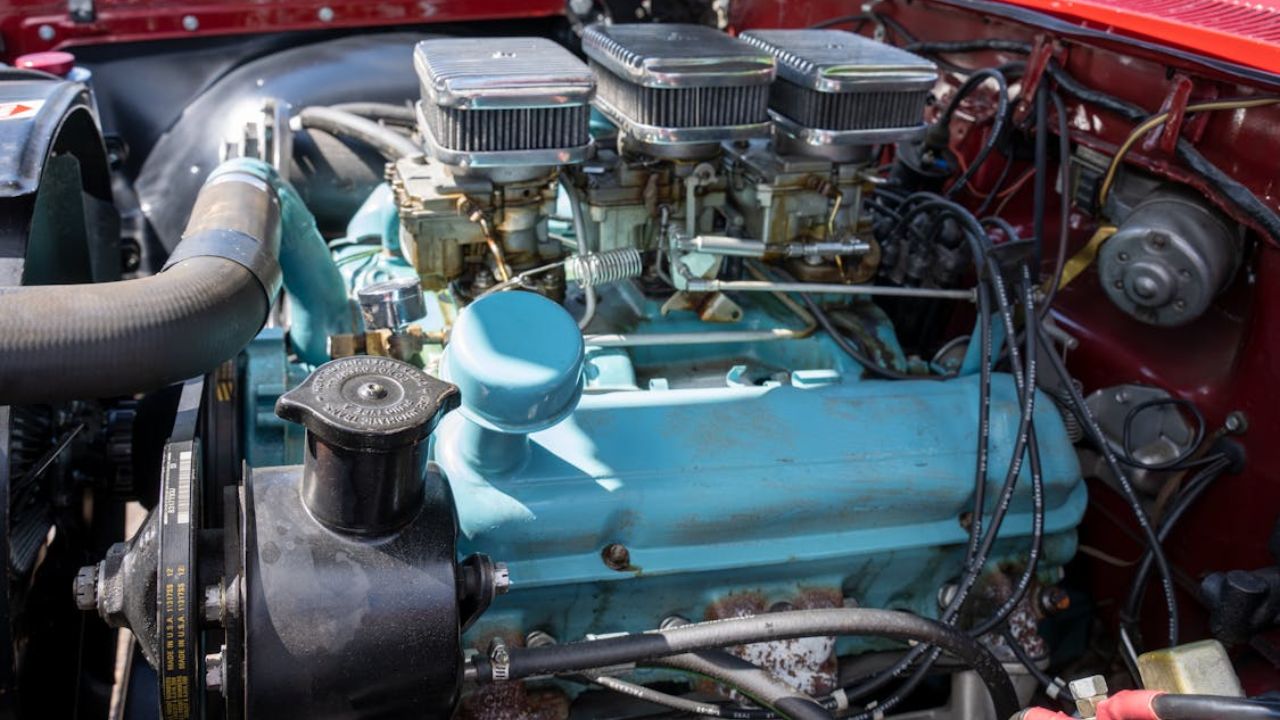
The Pontiac 455 delivered substantial torque, but late examples were produced during a difficult period for American performance engines. Emissions equipment, lower compression ratios, and reduced output changed the character of later versions. Worn timing components and neglected cooling systems can also create problems. Buyers should distinguish desirable high-performance versions from ordinary, heavily worn examples.
Ford 460
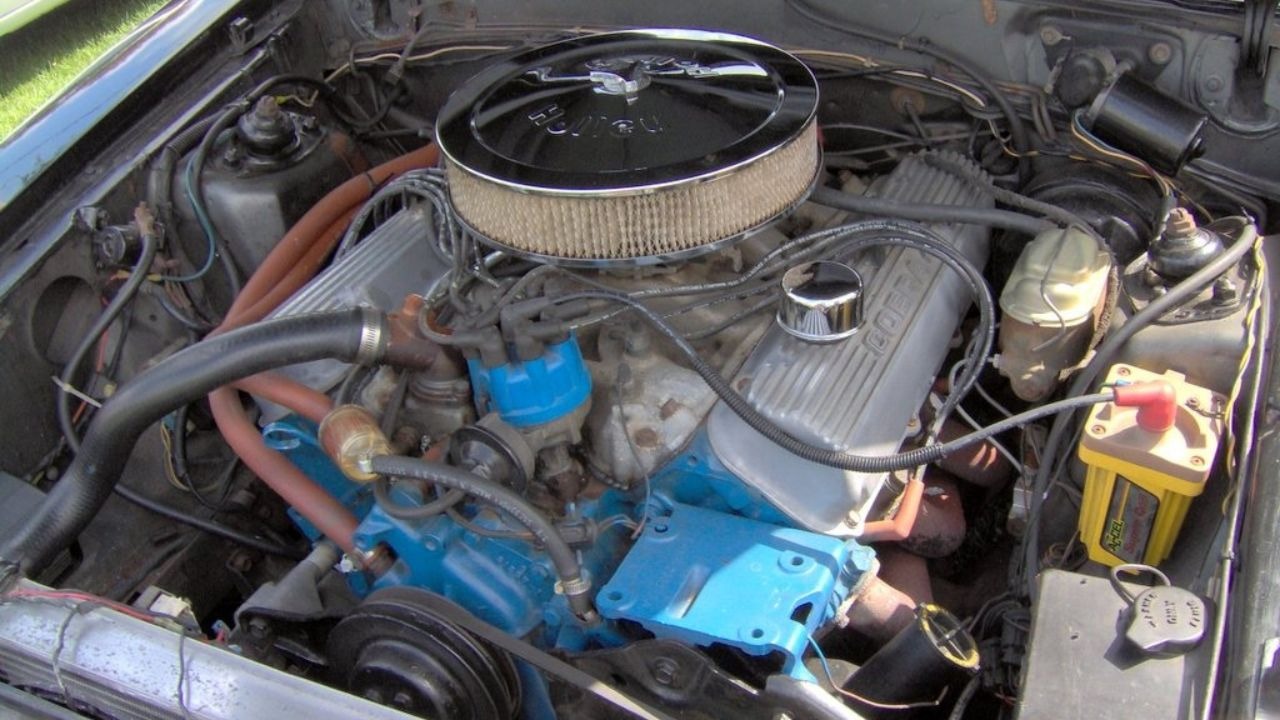
The Ford 460 became a respected heavy-duty engine, but certain applications can be expensive to restore. Large displacement means substantial cooling and fuel-system requirements, while neglected examples may need extensive machine work. Older carbureted versions can also require careful tuning. A worn 460 is not automatically a bad engine, but restoration costs can quickly exceed the value of an ordinary vehicle.
Chrysler 440
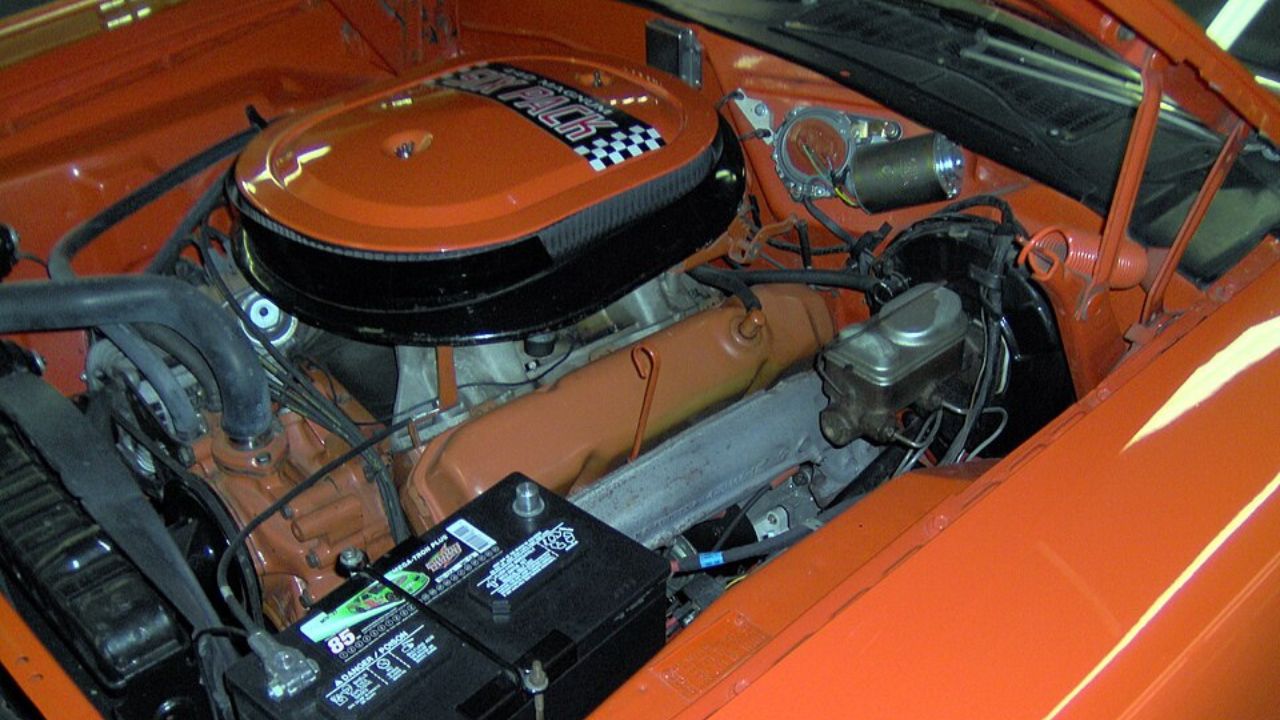
The Chrysler 440 earned a strong reputation overall, but not every 440-powered vehicle is worth restoring. Low-performance emissions-era versions can lack the appeal of earlier high-output engines, while decades of neglect can leave worn valve trains, cooling systems, and fuel systems. Buyers should evaluate the specific engine and vehicle rather than assuming every 440 is a valuable performance package.
Chevrolet 454
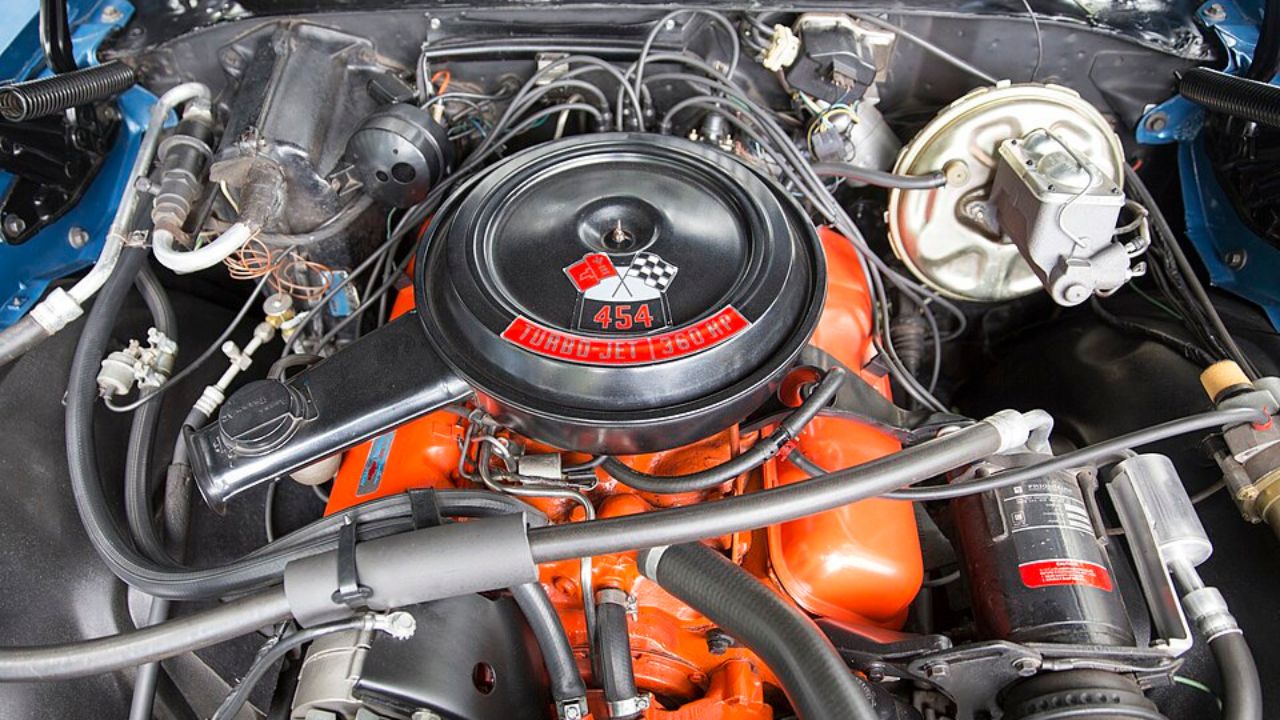
The Chevrolet 454 became one of America’s most famous big-blocks, but its reputation does not make every example a smart restoration candidate. Later low-compression versions can offer considerably less performance than their muscle-car-era counterparts. A neglected 454 may also require expensive machining and replacement components. Condition, originality, and engine specification matter far more than the displacement number alone.
More from Fast Lane Only
- Unboxing the WWII Jeep in a Crate
- 15 rare Chevys collectors are quietly buying
- 10 underrated V8s still worth hunting down
- Police notice this before you even roll window down
*Research for this article included AI assistance, with all final content reviewed by human editors