Some prototype cars showed enough promise to become successful production models, yet changing priorities, high development costs, corporate decisions, or difficult market conditions stopped them from reaching buyers. These eight prototypes remain fascinating reminders of opportunities that automakers ultimately left behind.
Pontiac Banshee
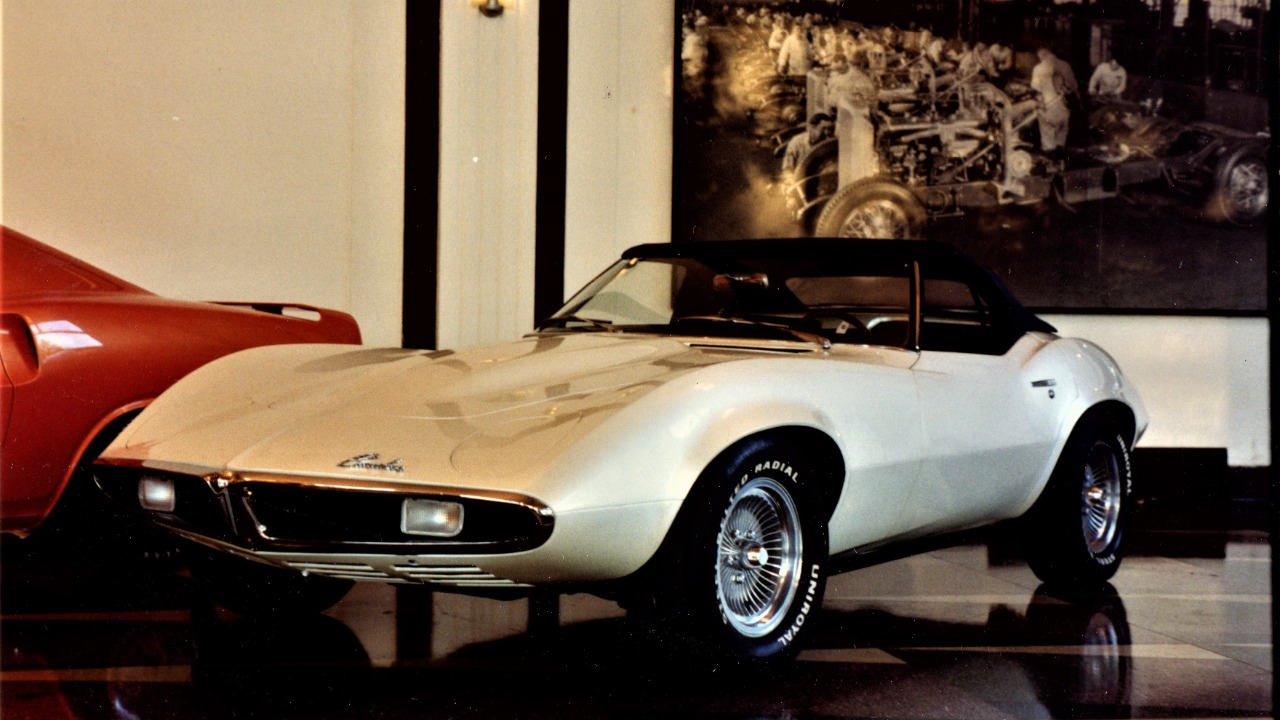
The Pontiac Banshee was developed as a lightweight sports car that could have given Pontiac a smaller alternative to the Firebird. Its sleek body, compact proportions, and performance-oriented design created a distinctive package. Pontiac ultimately decided against putting it into production, leaving the Banshee as one of the brand’s most intriguing what-if projects.
Chevrolet Monza GT
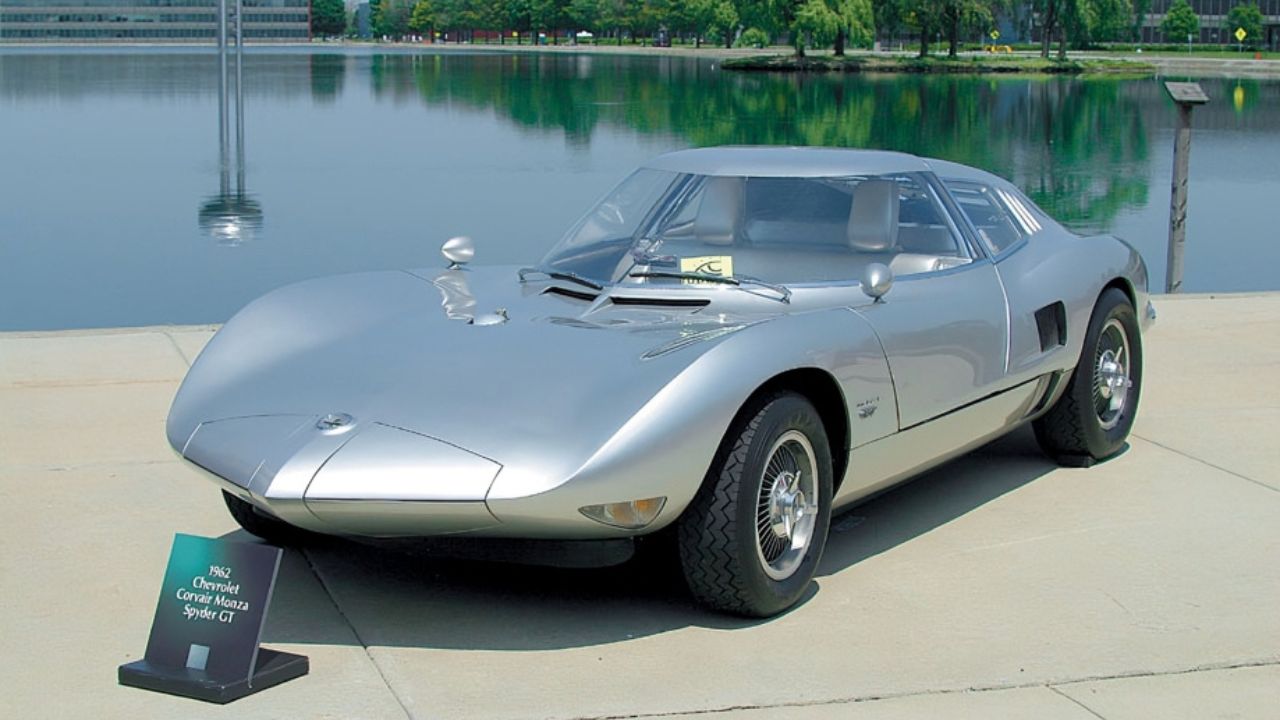
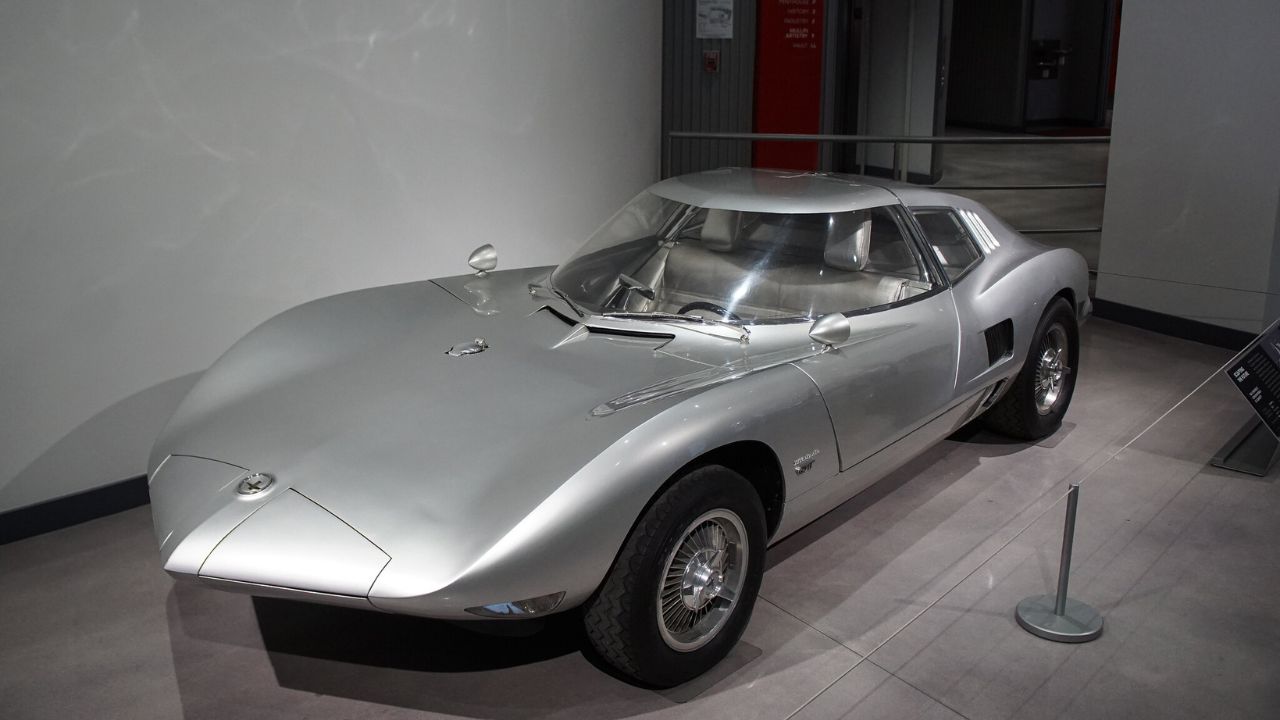
The Chevrolet Monza GT was a futuristic two-seat concept that explored a radically different direction for Chevrolet’s compact performance cars. Its mid-engine layout, fastback profile, and aerodynamic bodywork gave it the appearance of a miniature exotic sports car. Although Chevrolet never developed the Monza GT into a production model, its design influenced later Chevrolet styling and remains one of the company’s most memorable experimental cars.
Chevrolet Corvette XP-882
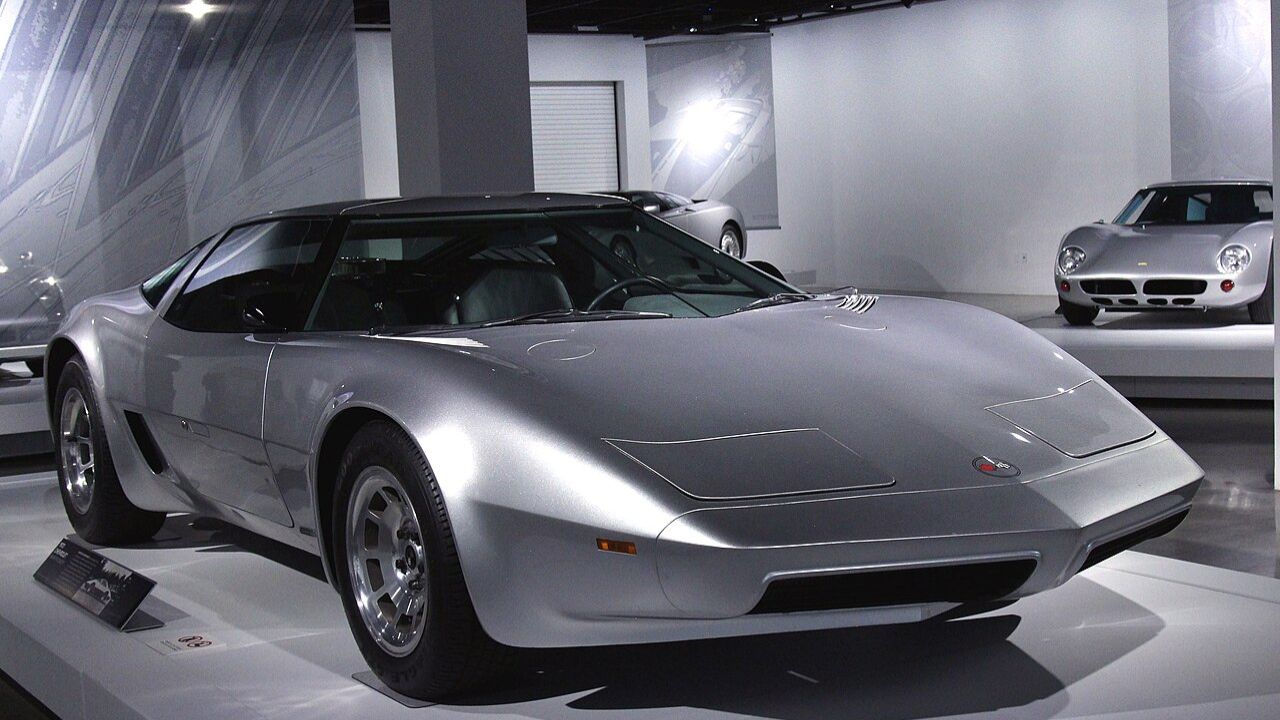
The Chevrolet Corvette XP-882 explored a mid-engine layout at a time when Chevrolet was considering major changes to the Corvette formula. Its compact proportions and unusual engineering represented a possible future for America’s sports car. Although the project never became a production Corvette at the time, it demonstrated that Chevrolet had seriously considered moving the engine behind the driver decades before the idea finally became reality.
Ford X2000
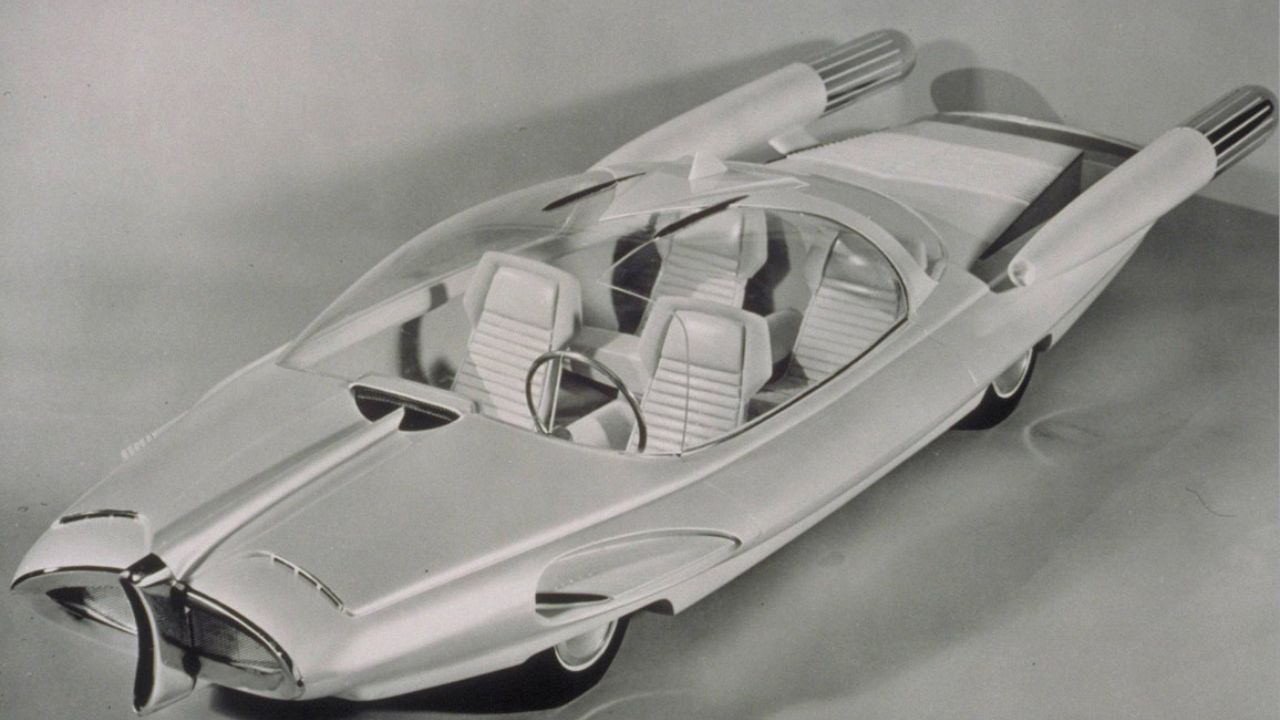
The Ford X2000 was a spectacular 1950s concept that imagined what automobiles might look like in the distant future. Its enormous tailfins, futuristic front end, and jet-inspired details reflected America’s fascination with the Space Age. Although it was never intended for production, the X2000 demonstrated how dramatically automotive designers were willing to rethink the traditional car during the height of the jet-age era.
AMC AMX-2
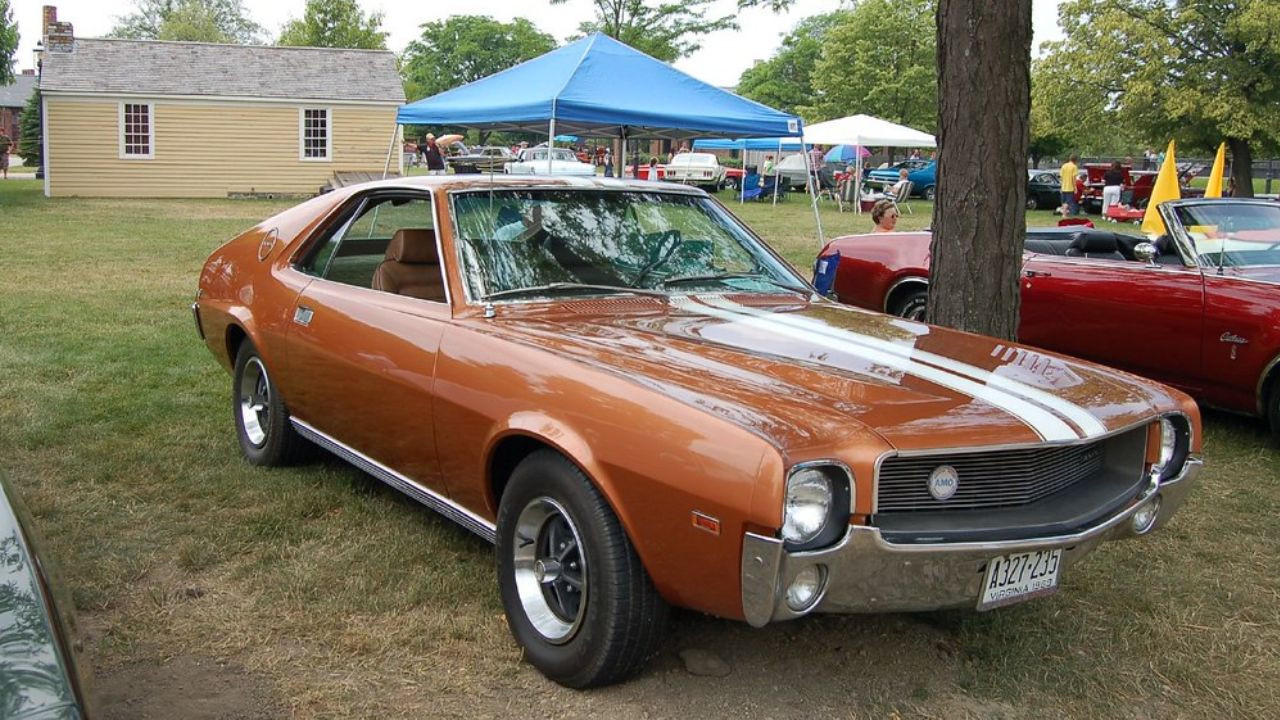
The AMC AMX-2 explored a more exotic direction for AMC’s performance-car lineup. Its mid-engine configuration and wedge-shaped styling were dramatically different from the conventional front-engine AMX. The project never progressed to production, partly because AMC faced increasing financial pressure. Had it reached the market, the AMX-2 could have given the company a much more serious sports-car presence.
Ford Gyron
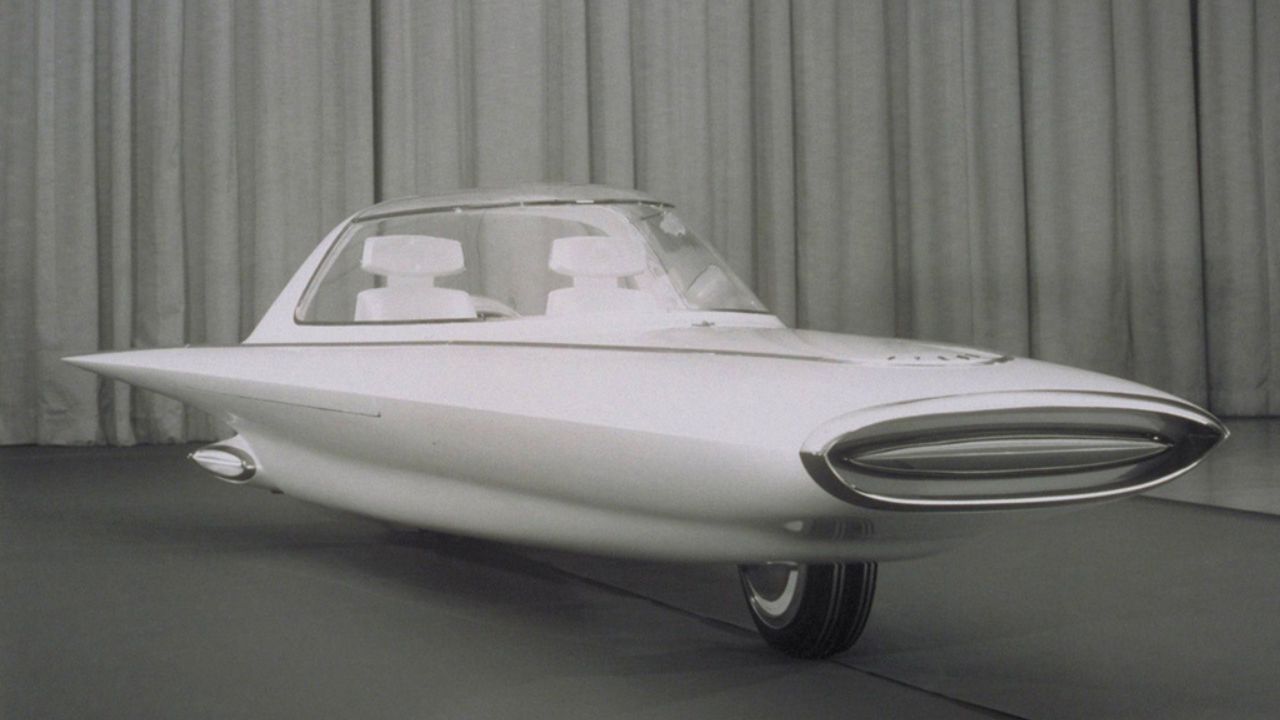
The Ford Gyron was an experimental two-wheeled concept designed to explore futuristic personal transportation. Its enclosed body and gyroscopic stabilization system made it radically different from conventional automobiles. Although it was never intended as an immediate production vehicle, the Gyron demonstrated how far Ford’s designers were willing to look beyond traditional car layouts.
Chrysler Turbine Car
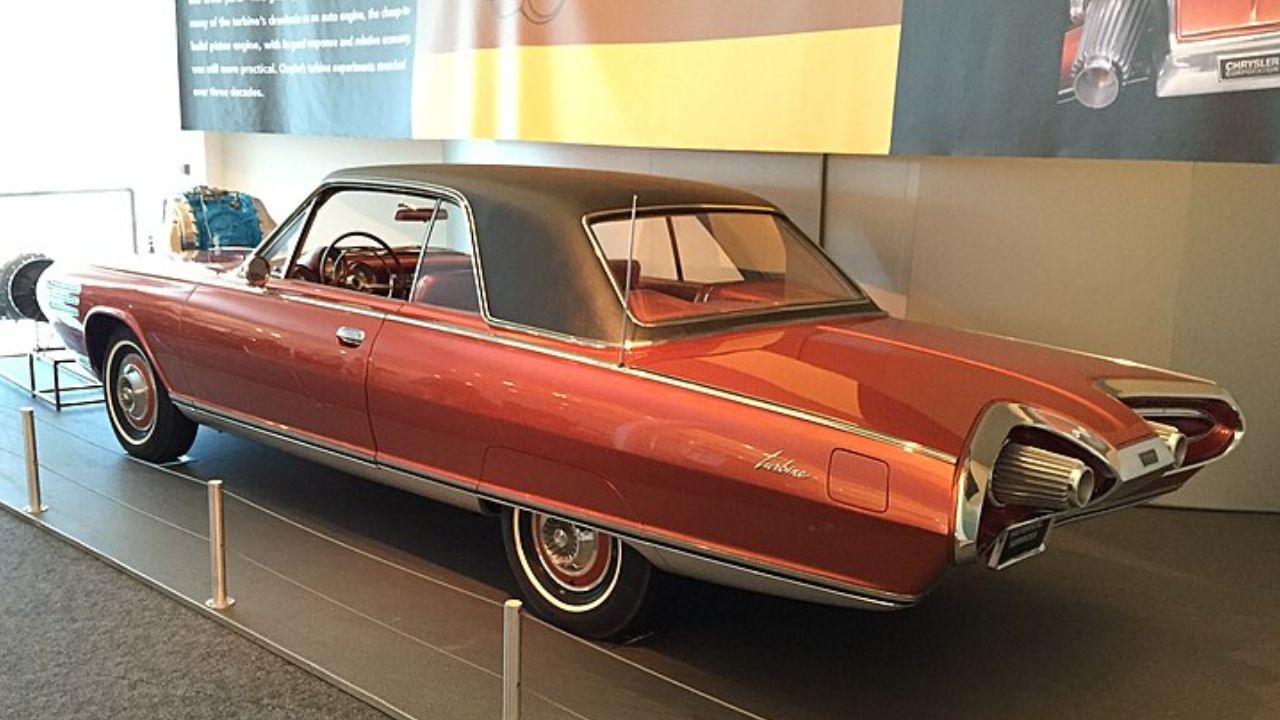
The Chrysler Turbine Car was more than a styling prototype; it was a genuine engineering experiment involving turbine propulsion. Chrysler produced a limited fleet for public evaluation, allowing ordinary drivers to experience the technology. The program ultimately ended because of cost, efficiency, emissions, and practical limitations. Its cancellation remains one of the most fascinating missed opportunities in American automotive history.
Buick Y-Job
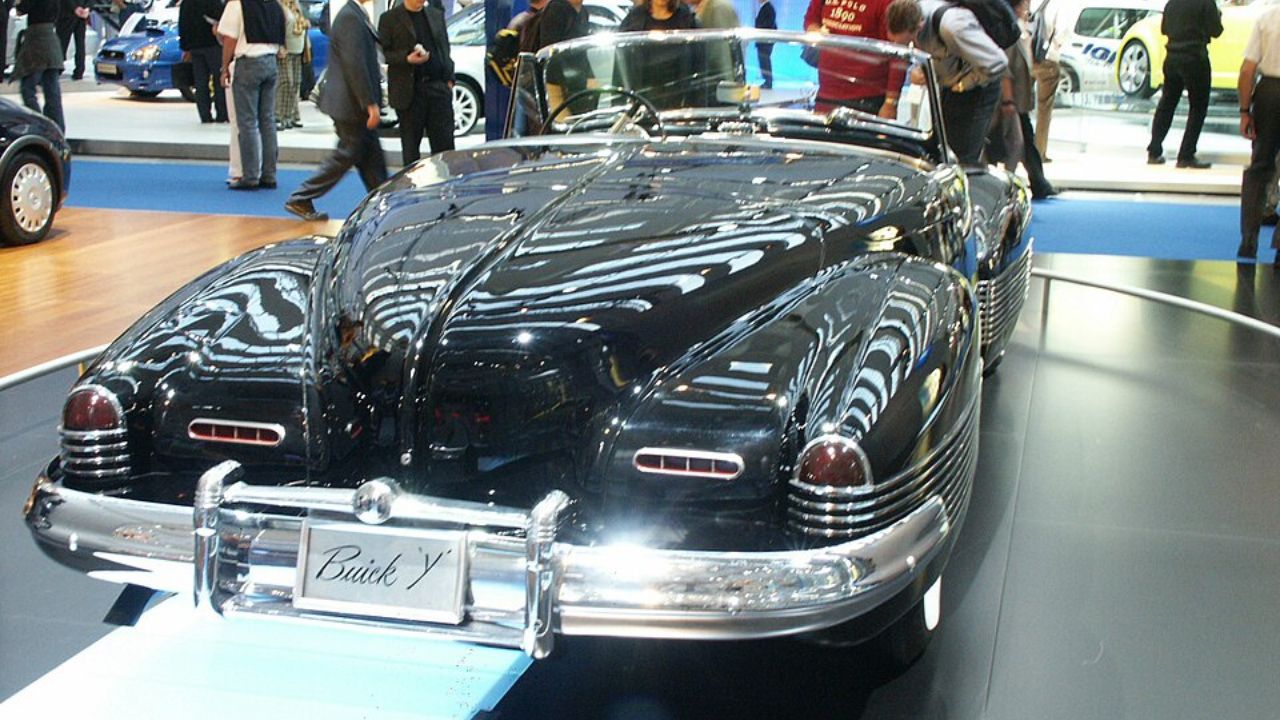
The Buick Y-Job was an early concept car that demonstrated advanced styling and equipment years before many of its ideas became commonplace. Designed under Harley Earl, it featured hidden headlights, power-operated windows, and a streamlined body. Although it was never intended for mass production, its influence was enormous. Its survival makes it one of the most historically important American concept cars ever built.
More from Fast Lane Only
- Unboxing the WWII Jeep in a Crate
- 15 rare Chevys collectors are quietly buying
- 10 underrated V8s still worth hunting down
- Police notice this before you even roll window down
*Research for this article included AI assistance, with all final content reviewed by human editors