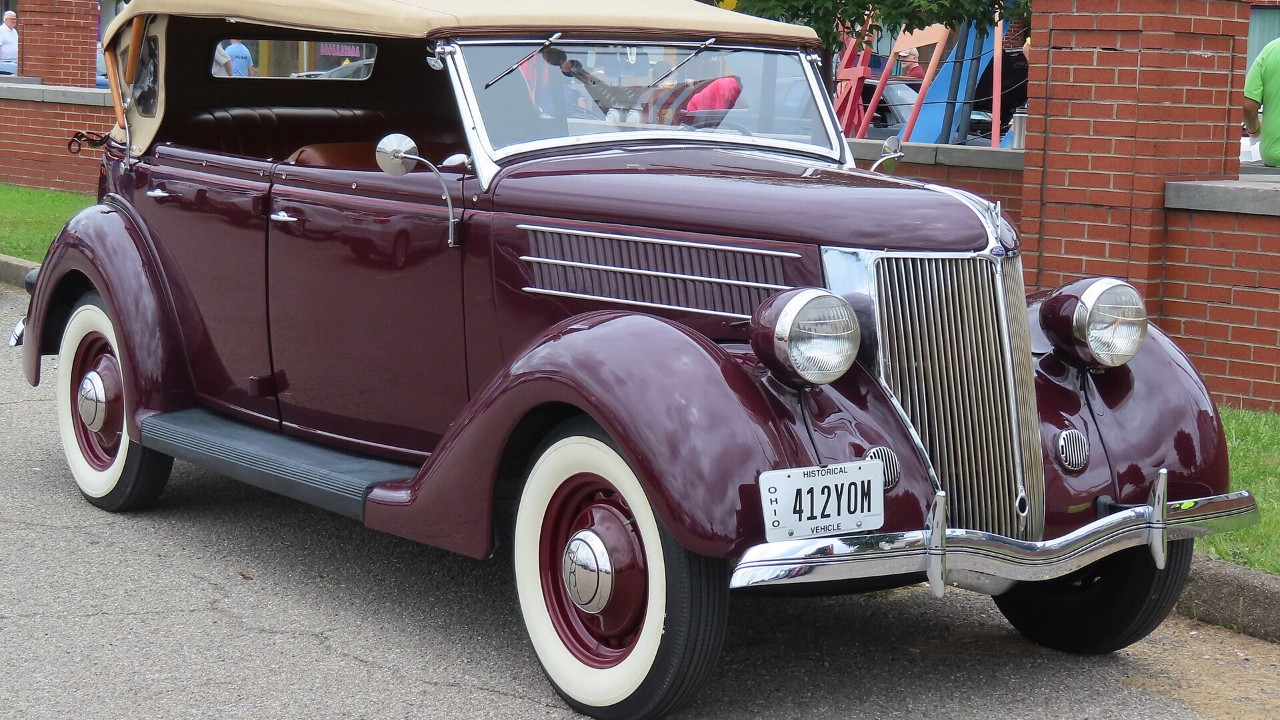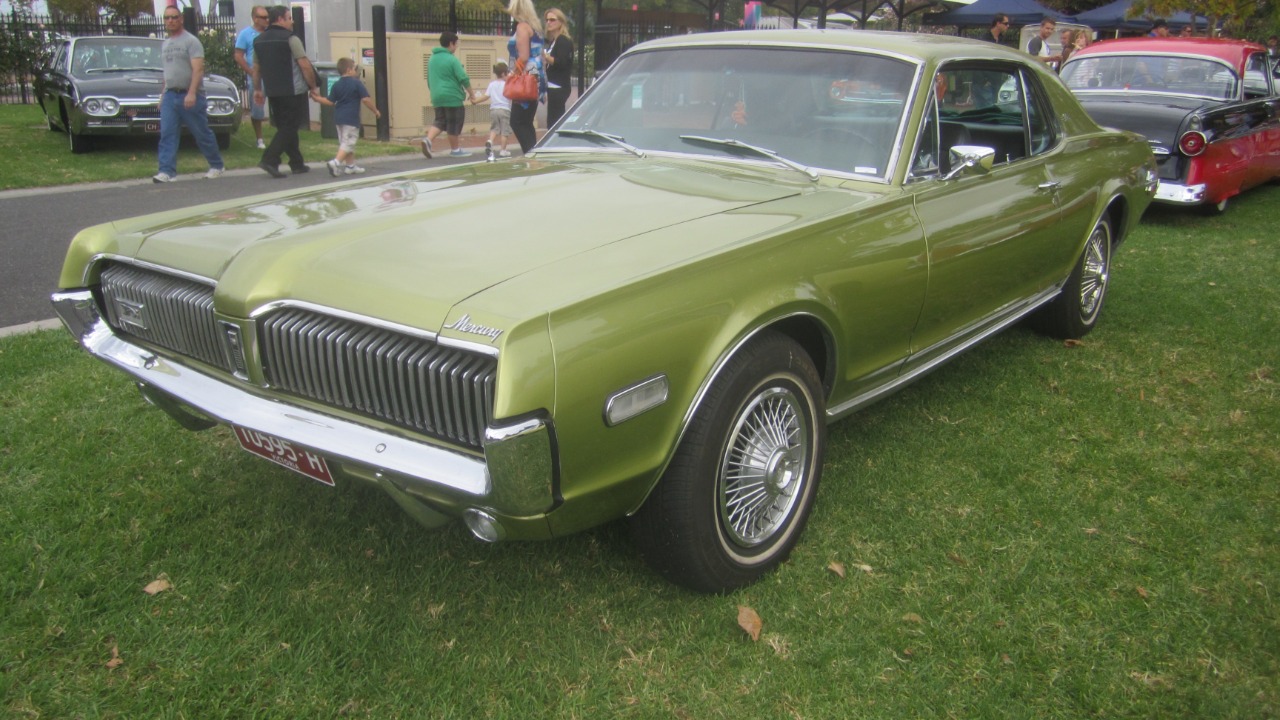
Mercury produced plenty of memorable automobiles, but not every model earned a strong reputation for reliability, performance, or long-term value. Some suffered from questionable engineering, complicated systems, poor durability, or limited parts support. These eight Mercurys deserve extra caution, especially when considering a neglected example.
Mercury Bobcat

The Mercury Bobcat was the upscale companion to the Ford Pinto, but it inherited many of the platform’s limitations. Rust, aging interiors, and deteriorated suspension components can make neglected examples expensive to restore. Its compact size and modest performance also limit its appeal compared with more desirable Mercury models. A complete, rust-free survivor is far more attractive than a deteriorated project.
Mercury Capri
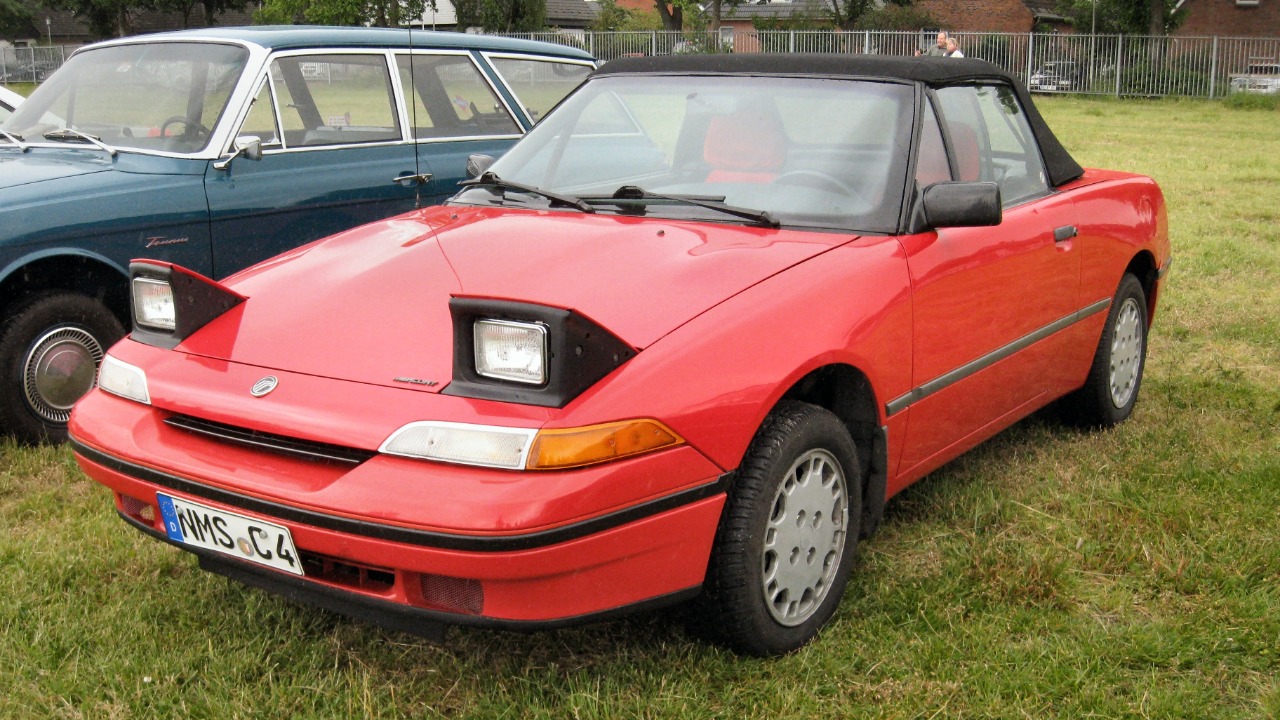
The Mercury Capri went through several generations with very different engineering. Early European-built versions offered distinctive styling, but later examples shared increasingly ordinary Ford components. Some versions also developed aging electrical, cooling, and drivetrain issues. Although clean Capris have enthusiast appeal, heavily neglected cars can require considerable work before they become dependable drivers.
Mercury Lynx
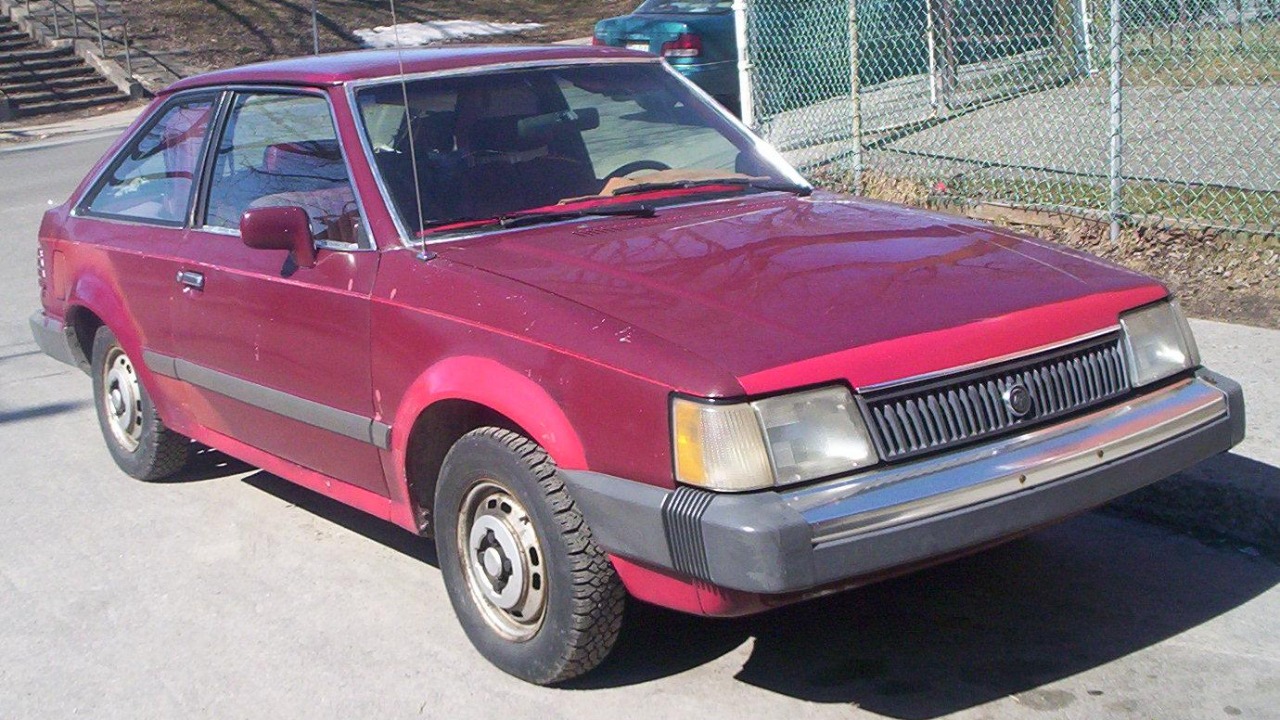
The Mercury Lynx was Mercury’s version of Ford’s compact front-wheel-drive platform during the 1980s. While practical when new, age has not been kind to many examples. Rust, worn interiors, deteriorated rubber components, and aging electrical systems can make restoration difficult. Its limited collector demand also makes a major mechanical rebuild difficult to justify financially.
Mercury Topaz
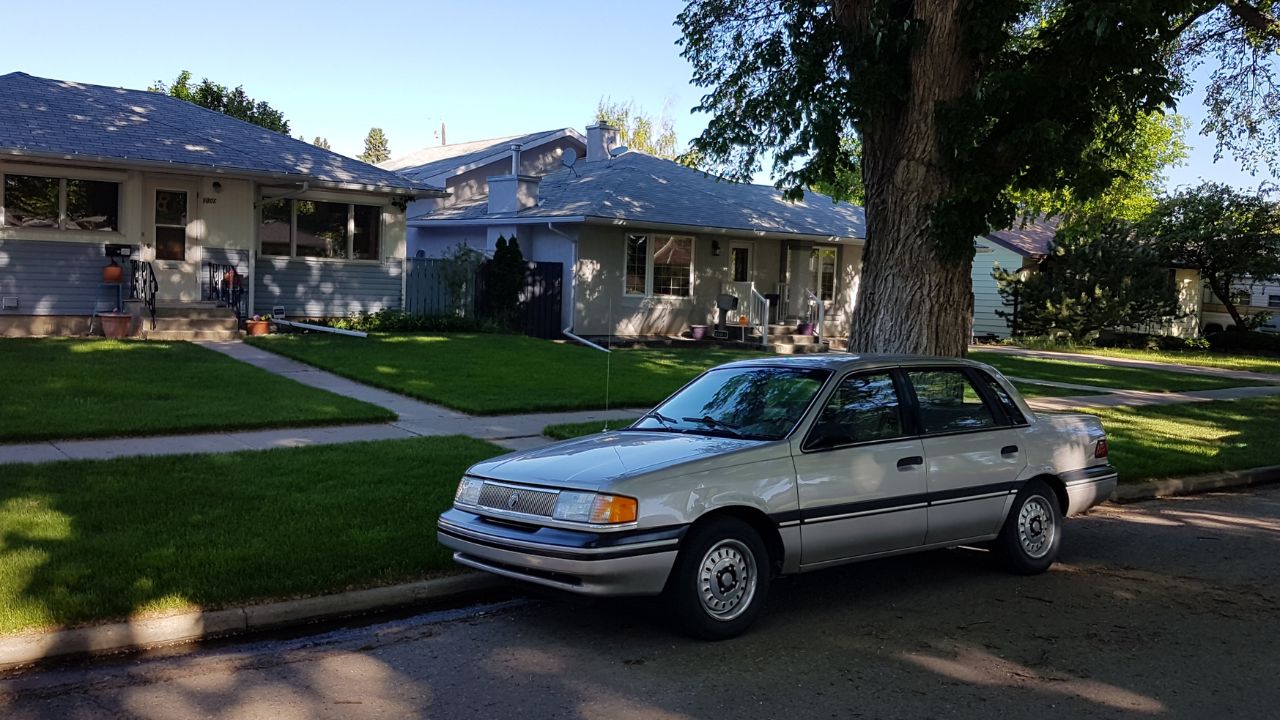
The Mercury Topaz provided affordable transportation but was never designed as a collectible. Years of ordinary use left many examples with worn transmissions, deteriorated interiors, suspension problems, and corrosion. Replacement parts can also become increasingly difficult to source for certain components. Unless an example is exceptionally original and well preserved, a major restoration is rarely worthwhile.
Mercury Tracer
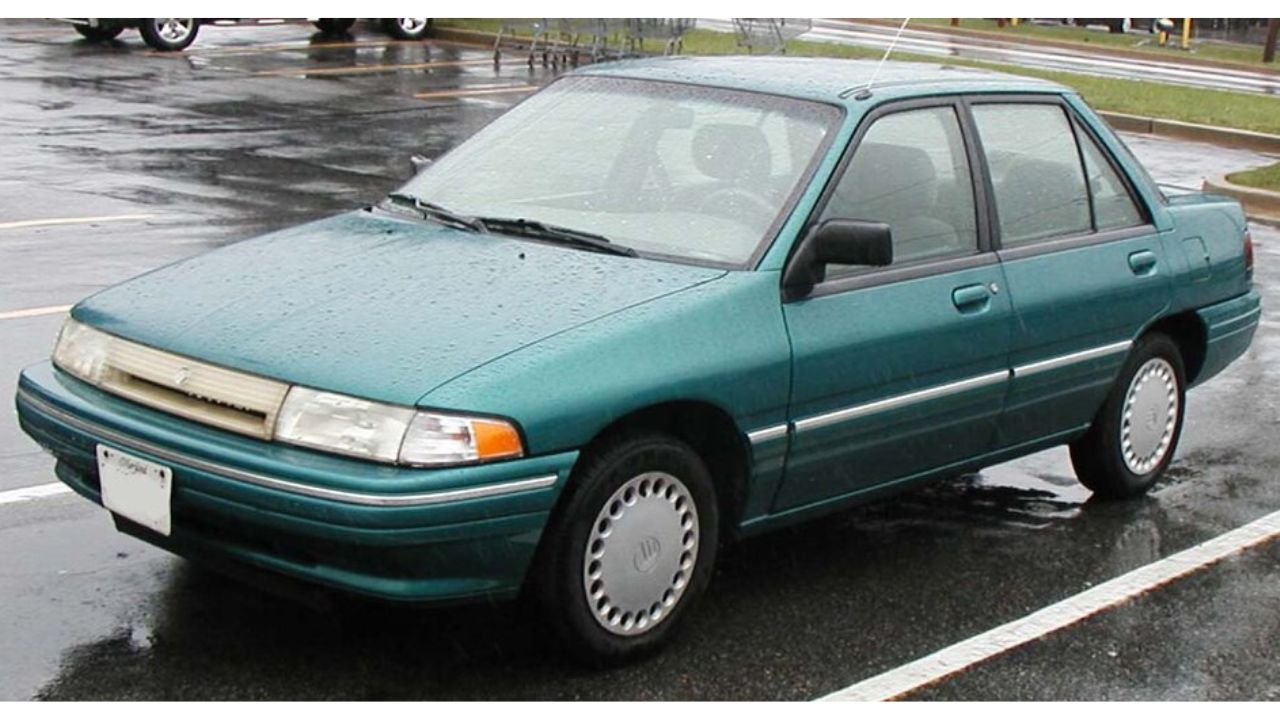
The Mercury Tracer shared much of its mechanical foundation with Ford’s compact Escort family. It offered practical transportation but developed little collector interest. Age-related electrical problems, rust, worn automatic transmissions, and deteriorating interior components can make rough examples difficult to justify. A clean survivor may be interesting, but a heavily neglected Tracer can quickly become an expensive project.
Mercury Sable
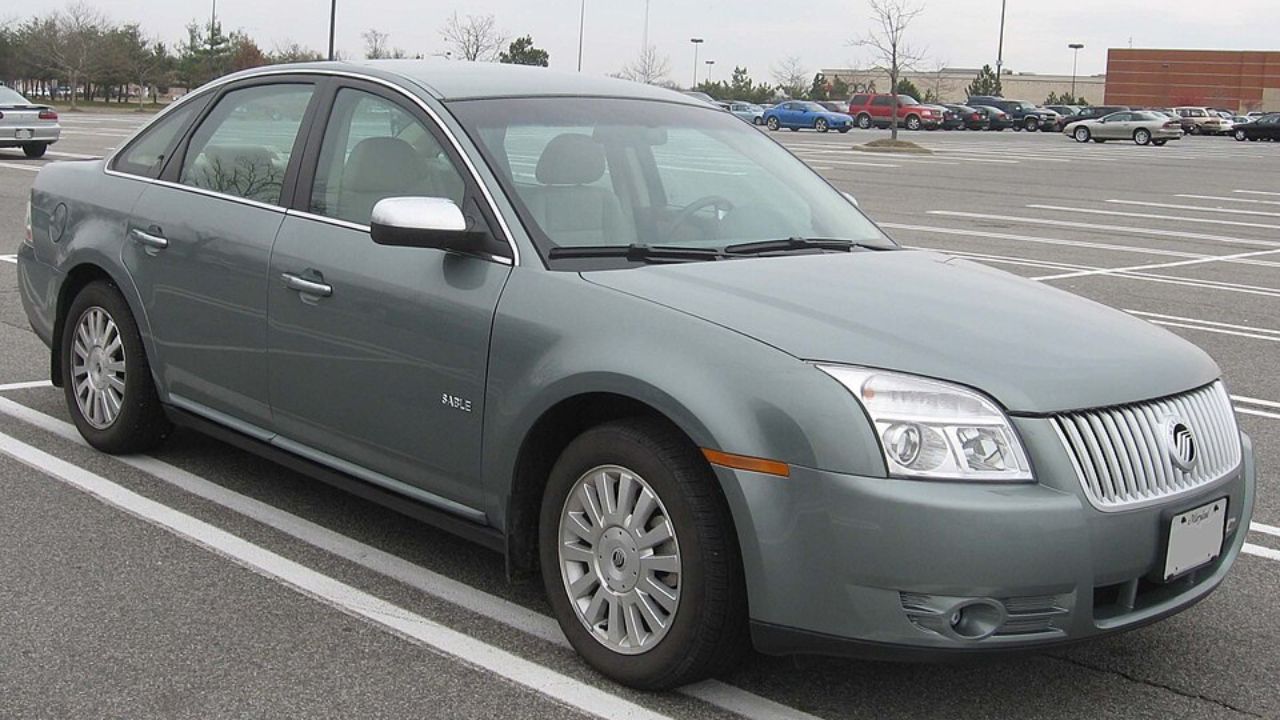
The Mercury Sable introduced distinctive aerodynamic styling and front-wheel drive when it debuted, but older examples can present substantial maintenance challenges. Aging transmissions, electrical components, cooling systems, and suspension parts can require significant attention. Because large numbers were produced, ordinary examples generally lack strong collector value. Condition is therefore especially important when considering one today.
Mercury Villager
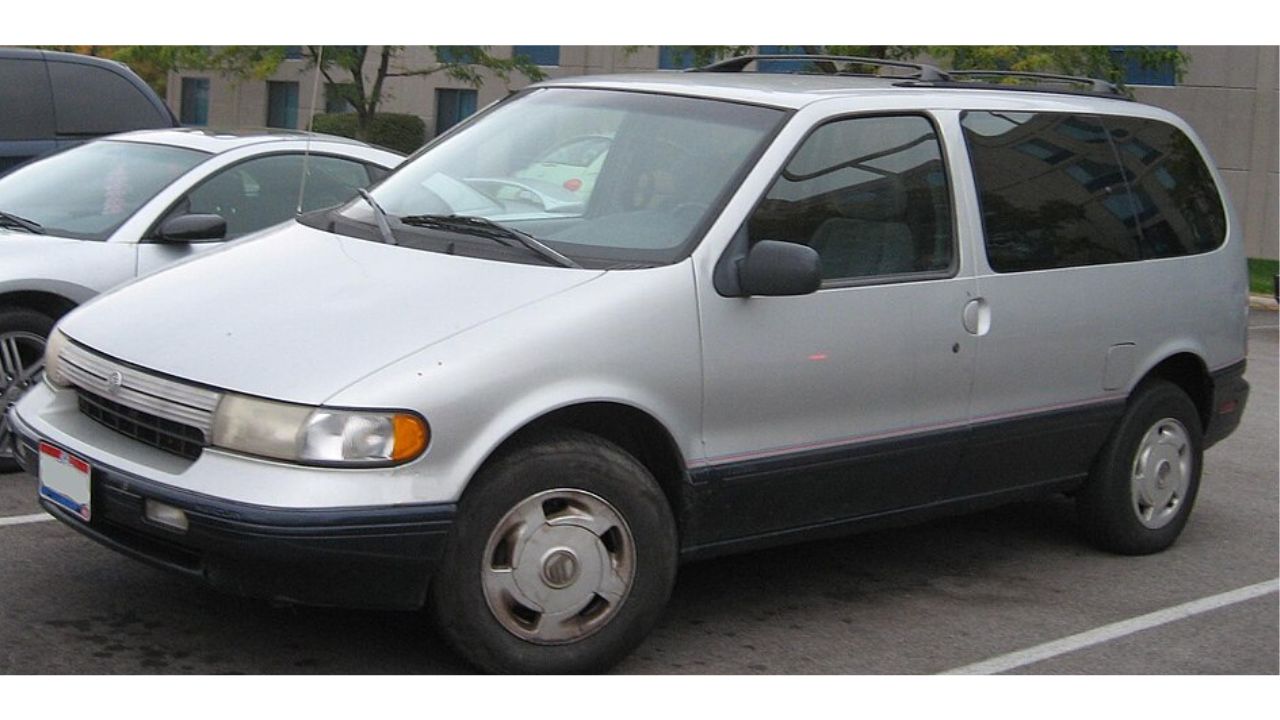
The Mercury Villager was a joint-development minivan that offered practical family transportation but has limited collector appeal. Age can bring transmission problems, electrical faults, deteriorated suspension components, and difficult-to-source interior pieces. Because clean examples remain relatively inexpensive, restoring a severely neglected Villager rarely makes financial sense. A solid survivor is usually the better choice.
Mercury Cougar
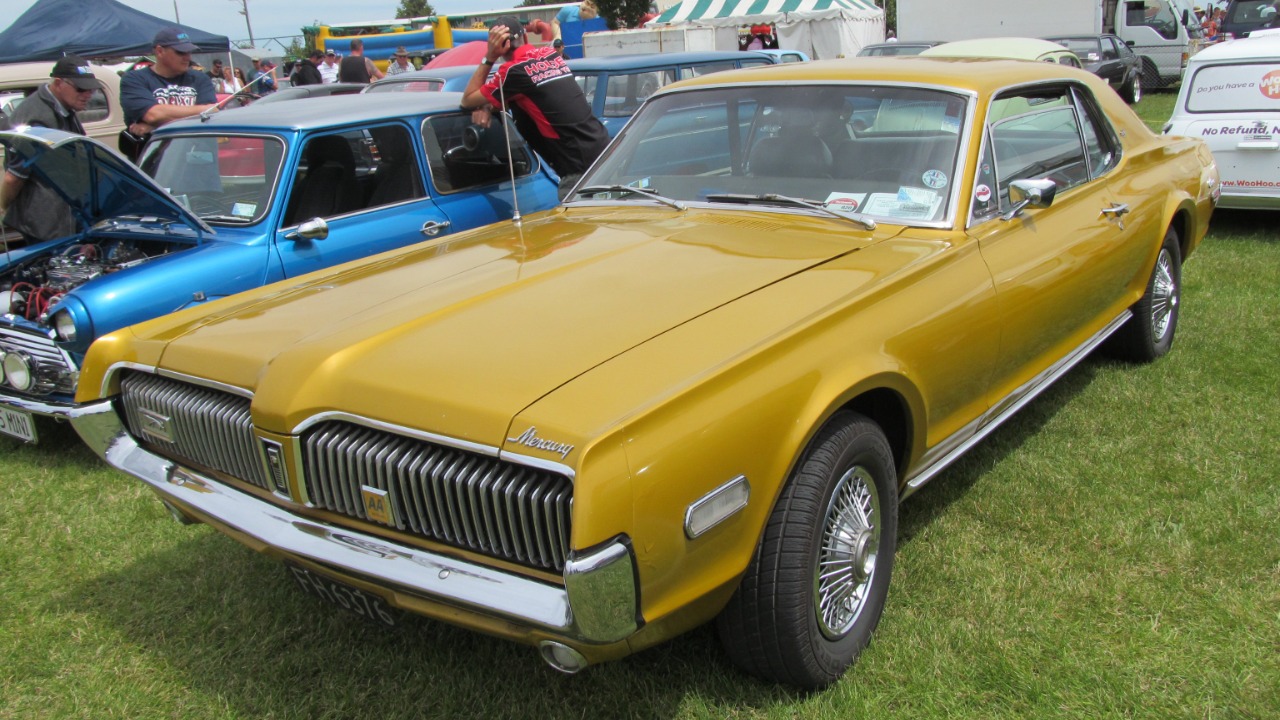
The Mercury Cougar name carries considerable historical appeal, but not every Cougar is worth restoring. Later generations moved far away from the original pony-car formula and were often produced in large numbers. Rust, neglected interiors, worn drivetrains, and complicated accessories can make rough examples expensive to rebuild. The specific generation and condition matter greatly before committing to a restoration.
More from Fast Lane Only
- Unboxing the WWII Jeep in a Crate
- 15 rare Chevys collectors are quietly buying
- 10 underrated V8s still worth hunting down
- Police notice this before you even roll window down
*Research for this article included AI assistance, with all final content reviewed by human editors