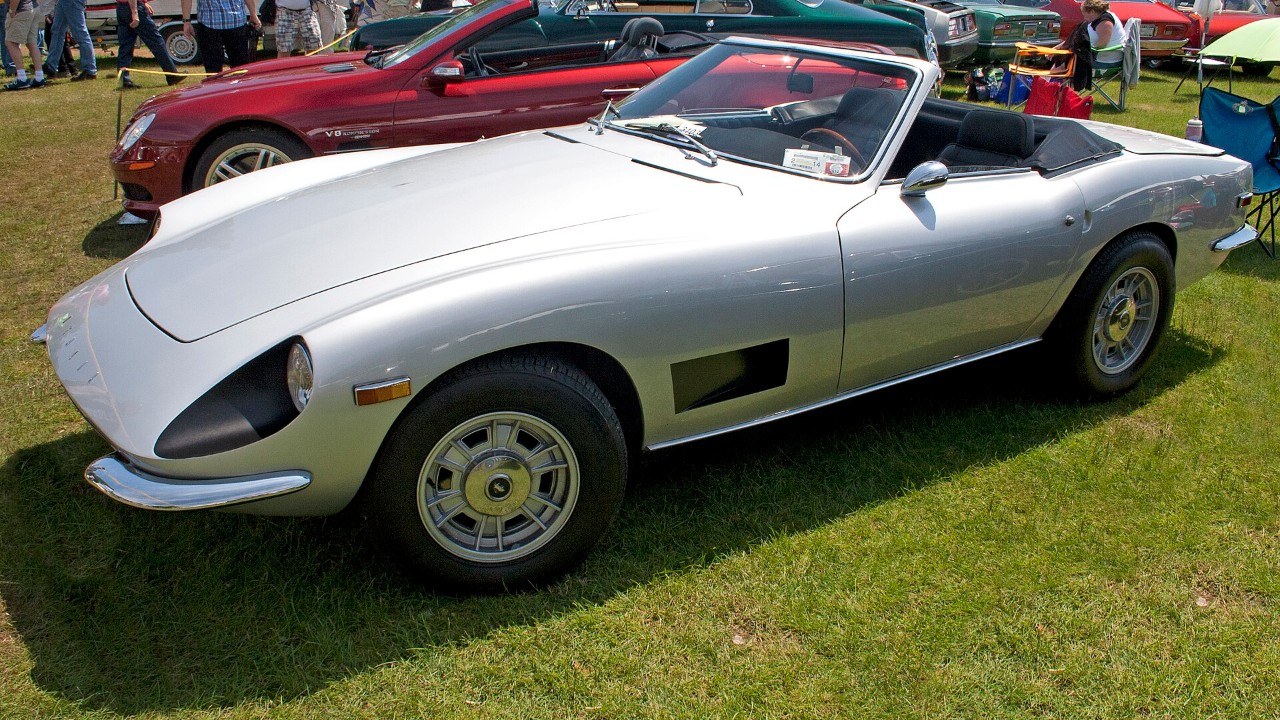
Cadillac has long been synonymous with luxury and innovation, but not all models have lived up to that reputation. Over the years, some vehicles have fallen short in terms of reliability, performance, and overall value. If you’re considering a Cadillac, it’s essential to be aware of the models that have garnered less-than-stellar reviews. Below are eight Cadillacs that you might want to avoid at all costs, based on extensive research and consumer feedback.
Cadillac Cimarron
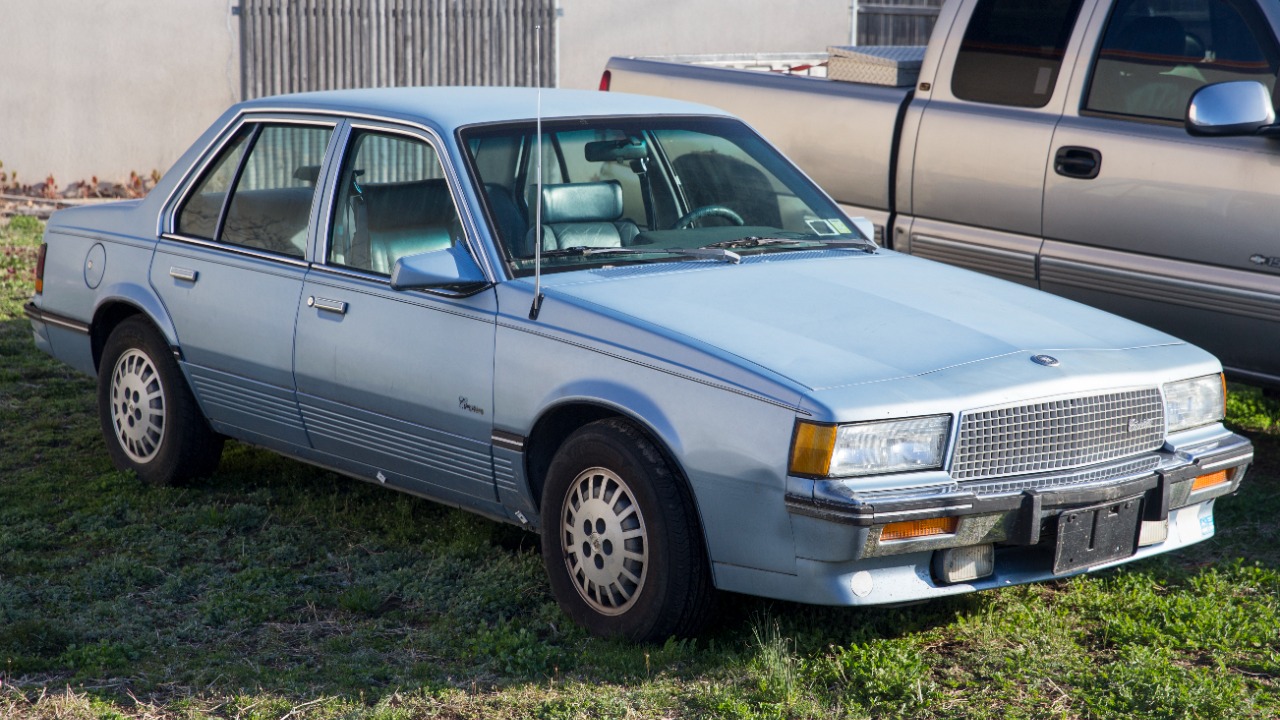
The Cadillac Cimarron, produced from 1982 to 1988, is often cited as one of the brand’s biggest blunders. Marketed as a compact luxury sedan, it was essentially a rebranded Chevrolet Cavalier, which led to an identity crisis for the Cadillac brand. With underwhelming performance and a lack of luxury features typically associated with Cadillac, the Cimarron failed to impress consumers. Many owners reported issues like poor build quality and a lack of advanced technology, which made this vehicle feel outdated even upon release. The Cimarron is better remembered as a cautionary tale than a beloved classic, making it wise to steer clear of this model.
Cadillac Escalade (Early Models)
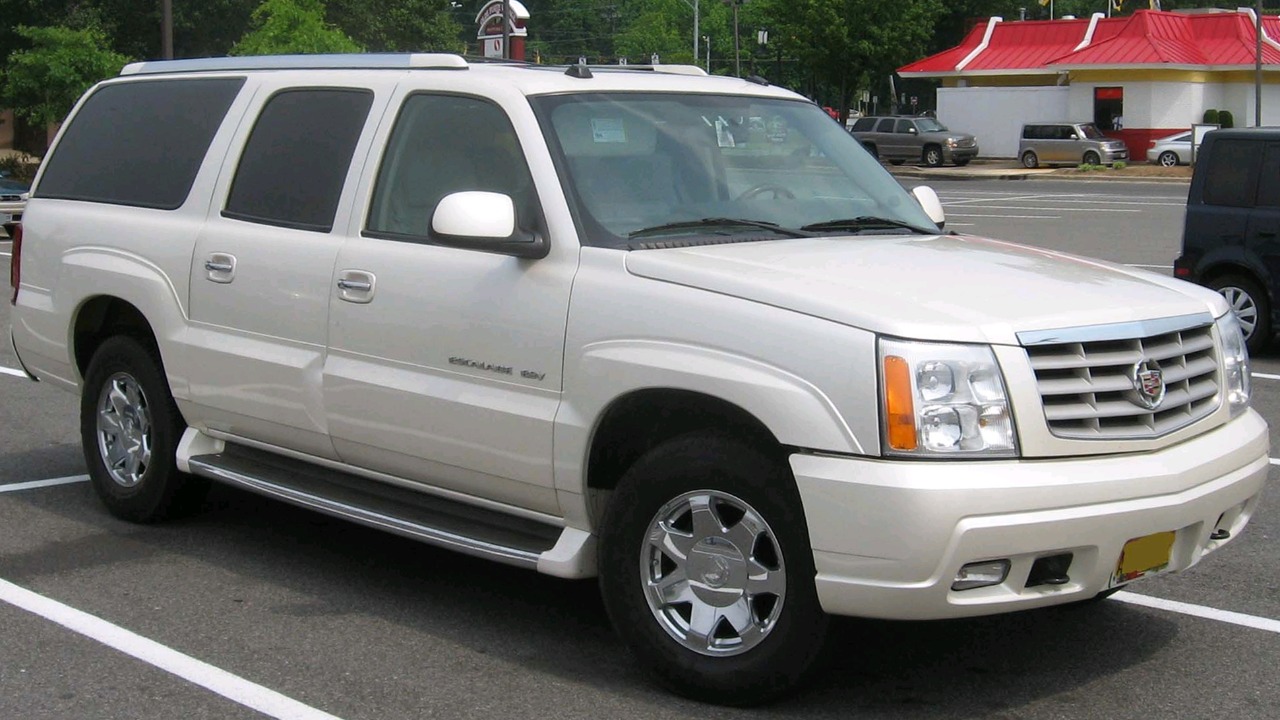
The Cadillac Escalade has become a symbol of luxury SUVs, but early models, specifically those from 2002 to 2006, are often criticized for their reliability issues. While they offered a bold design and plenty of space, many owners reported frequent mechanical failures and electrical problems that could be costly to repair. The fuel economy was also a significant drawback, especially for consumers looking for a family-friendly SUV. If you’re in the market for an Escalade, consider opting for later models that come with improved technology and reliability. For a more in-depth look at these early models, check out this analysis on Cadillac’s reputation.
Cadillac Allante
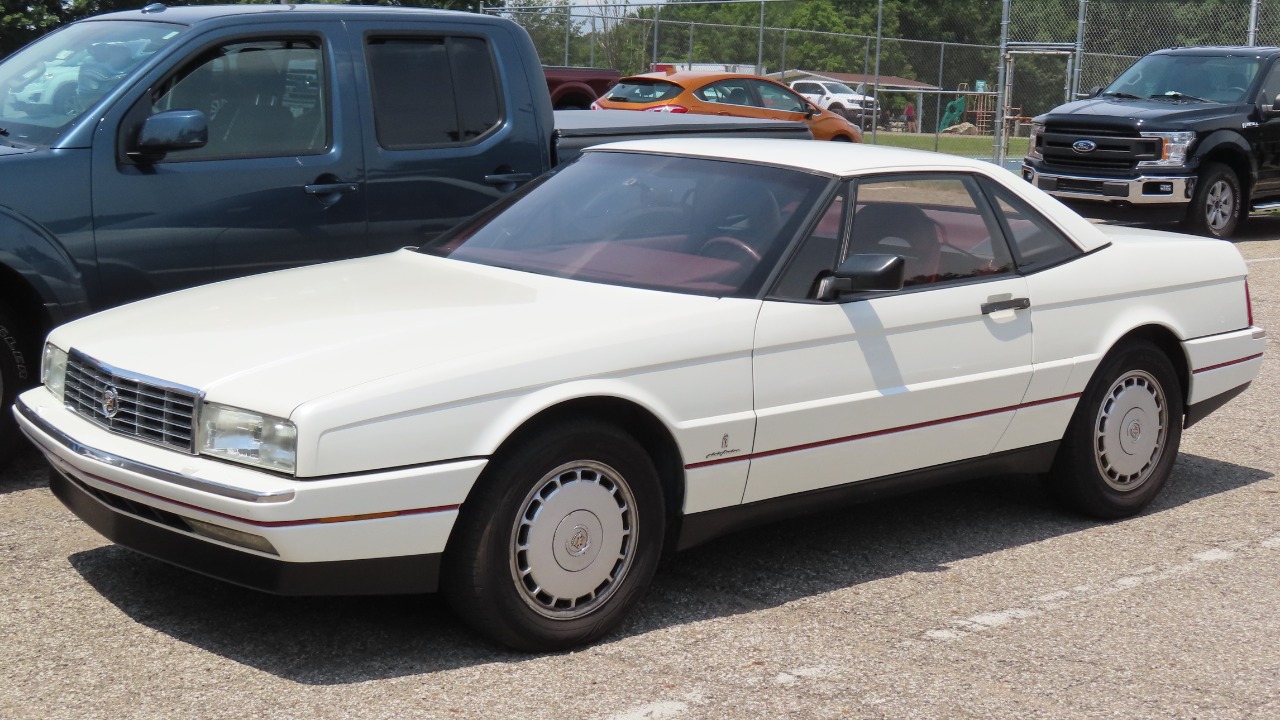
Produced from 1987 to 1993, the Cadillac Allante was an ambitious project featuring a unique design and a high price tag. However, it fell short in terms of performance and build quality. Many owners found that the Allante’s handling was subpar, especially given its premium positioning in the market. Adding to the woes, parts for this model can be difficult to find, which can lead to expensive repairs. The Allante’s interior, while luxurious at first glance, has also proven to show wear and tear faster than expected. For these reasons, this vehicle is often regarded as one of Cadillac’s missteps, making it one to avoid.
Cadillac XLR
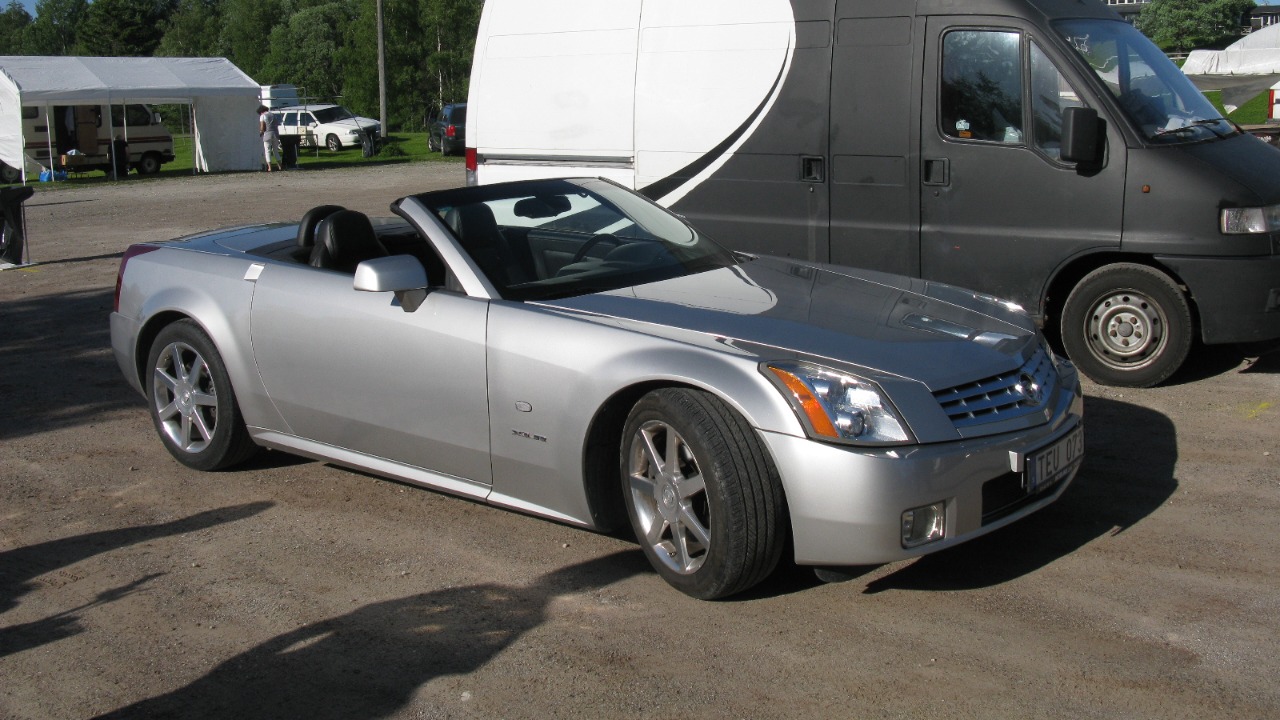
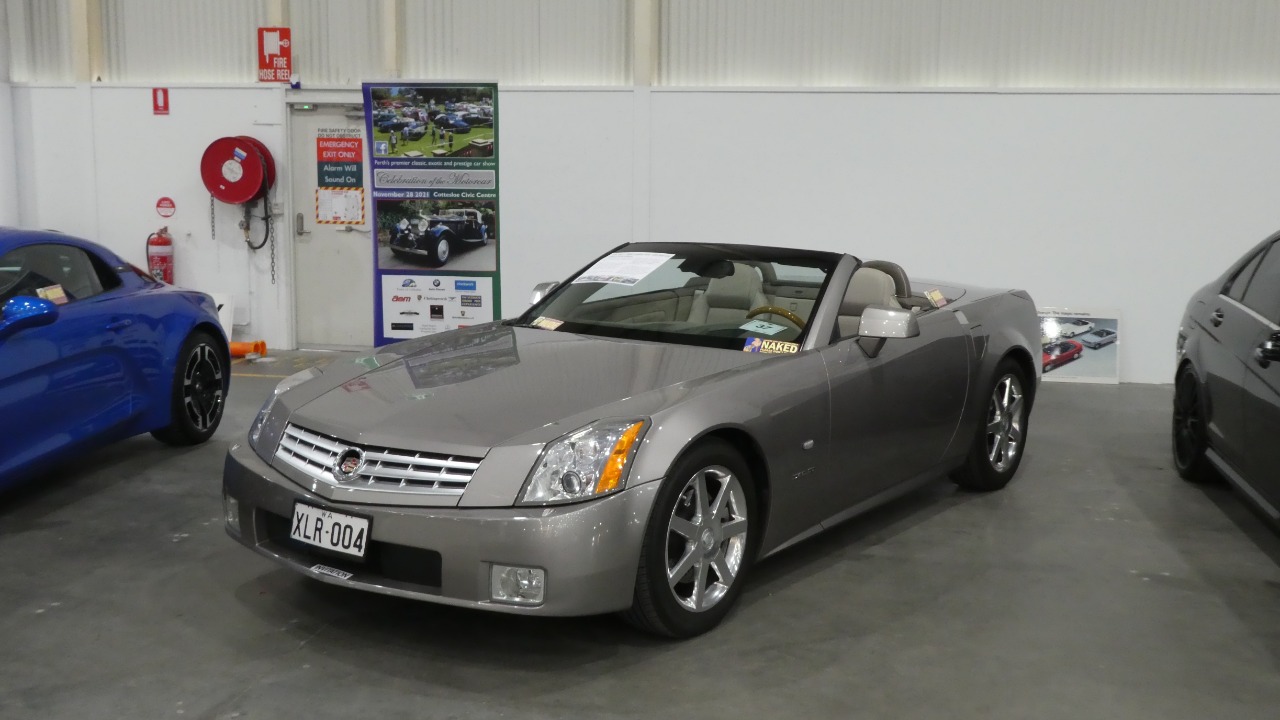
The Cadillac XLR made waves with its sleek design and retractable hardtop, but it was plagued by reliability issues that overshadowed its appeal. Produced from 2004 to 2009, the XLR suffered from engine problems and transmission issues that could be frustrating for owners. While it aimed to compete with luxury sports cars, many reviews highlighted its lack of performance compared to rivals like the Porsche Boxster. Additionally, the XLR’s resale value has been disappointing, making it a poor investment for those looking for a reliable luxury vehicle. For a more comprehensive look at why the XLR may not be the best choice, consider this article.
Cadillac SRX (First Generation)
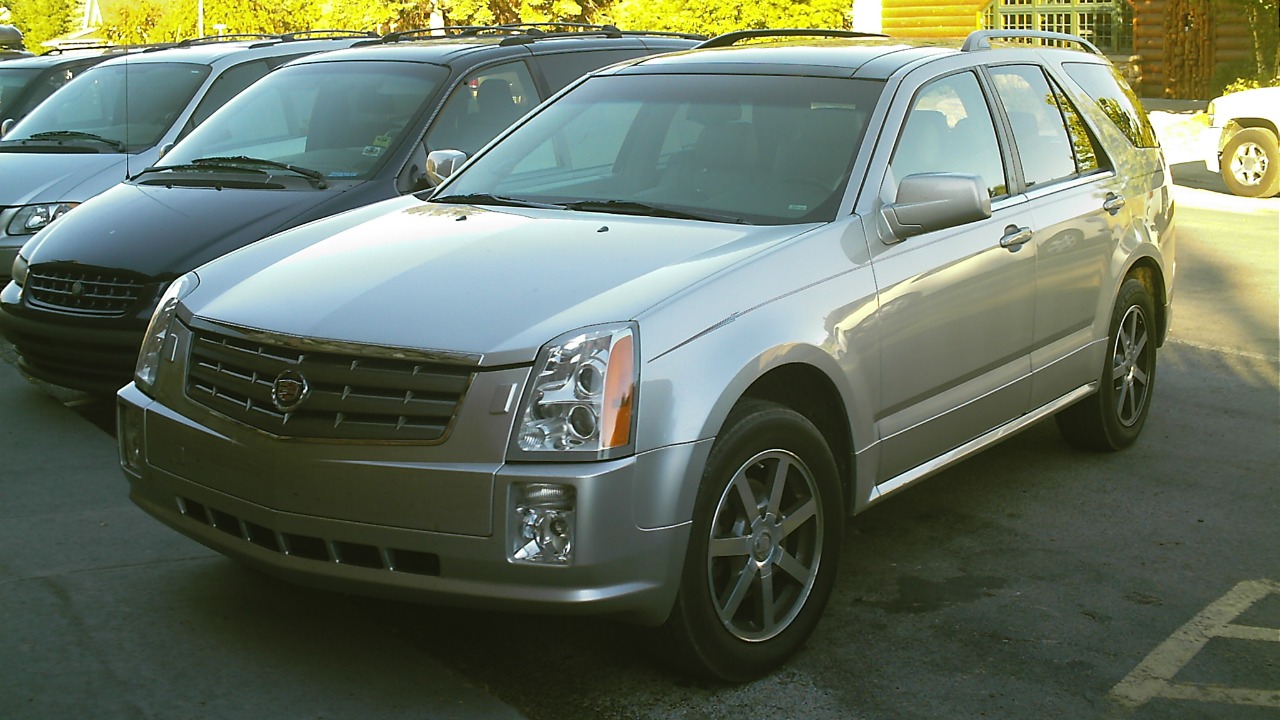
The first generation of the Cadillac SRX, produced from 2004 to 2009, has received mixed reviews over the years. While it was designed as a luxury crossover, many owners reported significant issues with reliability, particularly related to the electrical system and suspension. The ride quality, although initially praised, has been criticized for being less comfortable over time. Additionally, the interior materials didn’t hold up well, leading to a sense of wear that detracted from the luxury experience. If you’re considering the SRX, it may be better to look for a second-generation model, which addressed many of the earlier issues.
Cadillac CTS (2003-2007)
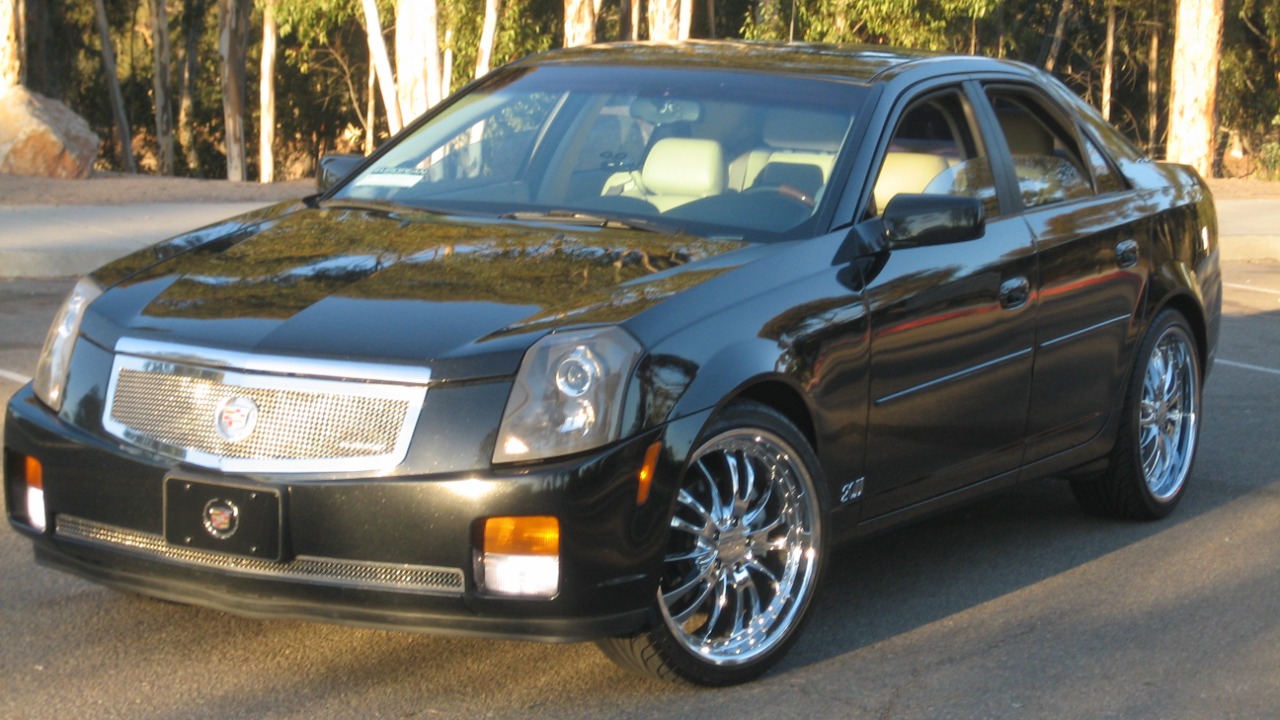
The first generation of the Cadillac CTS, particularly the models produced from 2003 to 2007, garnered attention for its bold styling but was marred by various reliability concerns. Owners frequently reported problems with the engine and transmission, leading to costly repairs. The interior, though stylish, was often criticized for its use of lower-quality materials that did not age well. Additionally, the CTS struggled with performance in comparison to competitors in its class, such as the BMW 3 Series. If you’re considering a used CTS, I recommend checking out this detailed overview that lists the years to avoid: Cadillac CTS Years to Avoid.
Cadillac DTS
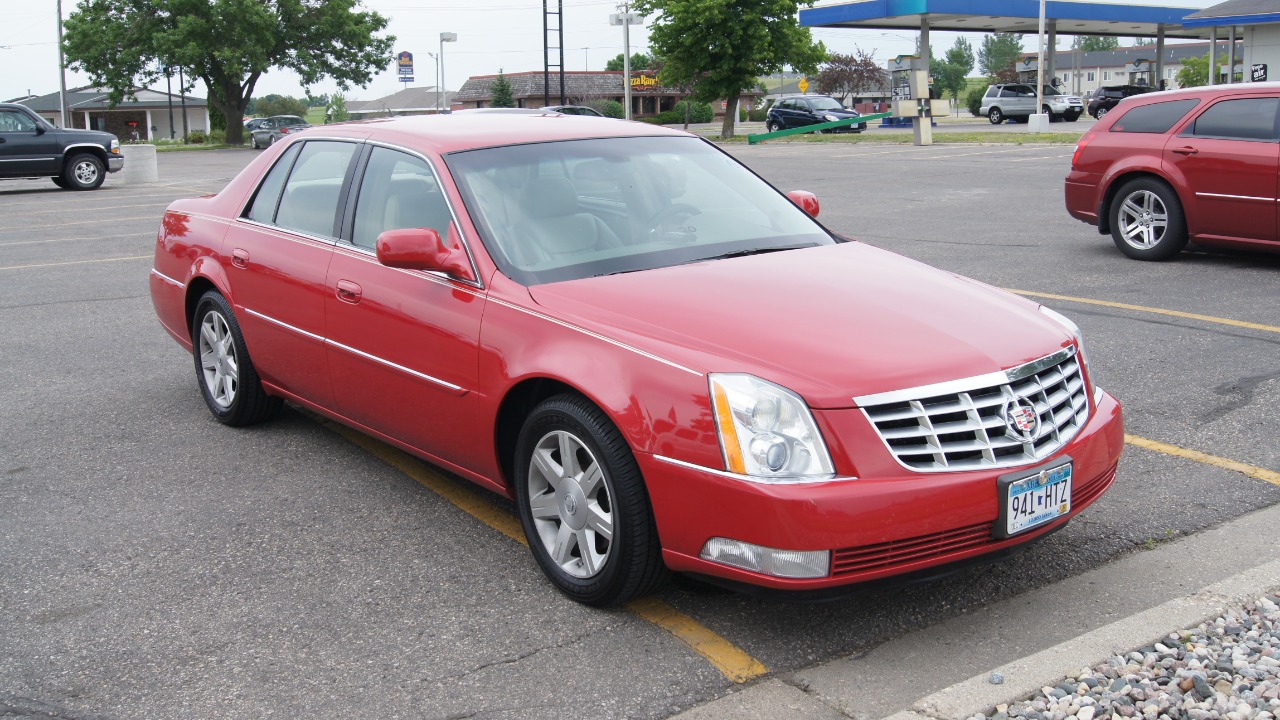
Produced from 2006 to 2011, the Cadillac DTS was positioned as a full-size luxury sedan. However, it has been frequently criticized for its outdated technology and lackluster performance. Many owners have reported serious issues with the transmission, which can lead to expensive repairs. The DTS also struggled with fuel economy, making it less appealing for those looking for a family car. Although it offered a spacious interior, the overall driving experience was often described as uninspiring. The DTS does not hold its value well either, making it a risky investment for potential buyers.
Cadillac ELR
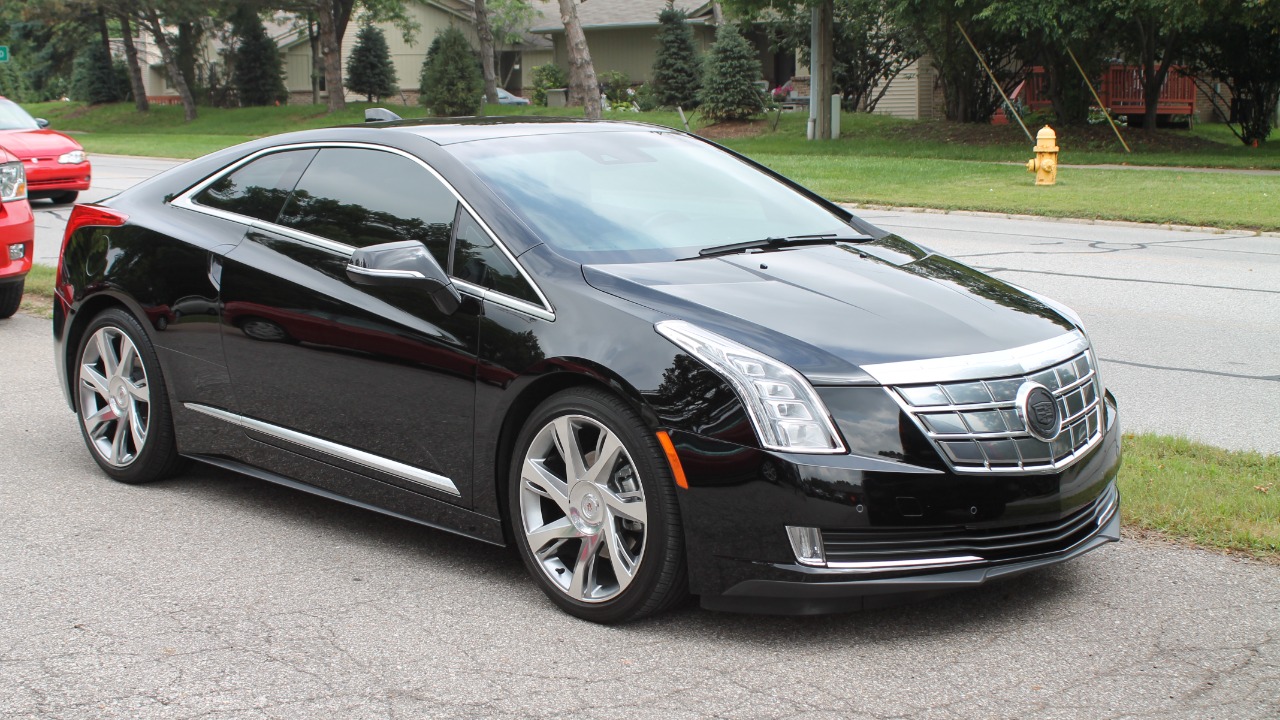
The Cadillac ELR, produced from 2014 to 2016, aimed to blend luxury with hybrid technology, but it failed to resonate with consumers. With a high starting price and limited electric range, many found it underwhelming compared to other luxury hybrids on the market. Performance-wise, the ELR did not live up to the expectations set by its sporty exterior design. Furthermore, its technology features, while advanced for the time, have not aged well and can appear outdated today. The resale value for the ELR has been disappointing, making it challenging to justify the initial investment. For those seeking a luxury hybrid, it’s advisable to explore other options.
More from Fast Lane Only
- Unboxing the WWII Jeep in a Crate
- 15 rare Chevys collectors are quietly buying
- 10 underrated V8s still worth hunting down
- Police notice this before you even roll window down
*Research for this article included AI assistance, with all final content reviewed by human editors.