The Lancia Montecarlo, the Toyota MR2 and the Ferrari 348 all put the engine behind the seats, where a driver can feel the weight shift through a corner. None of these seven cars chased the same buyer or cost the same money. Each one, however, puts the driver right in the middle of the car.
These are our picks, and the verdict is our opinion: if one of these were in our garage, we’d keep it. The specs and history behind each choice come from marque histories, a museum and model references.
1. 1975–1981 Lancia Montecarlo
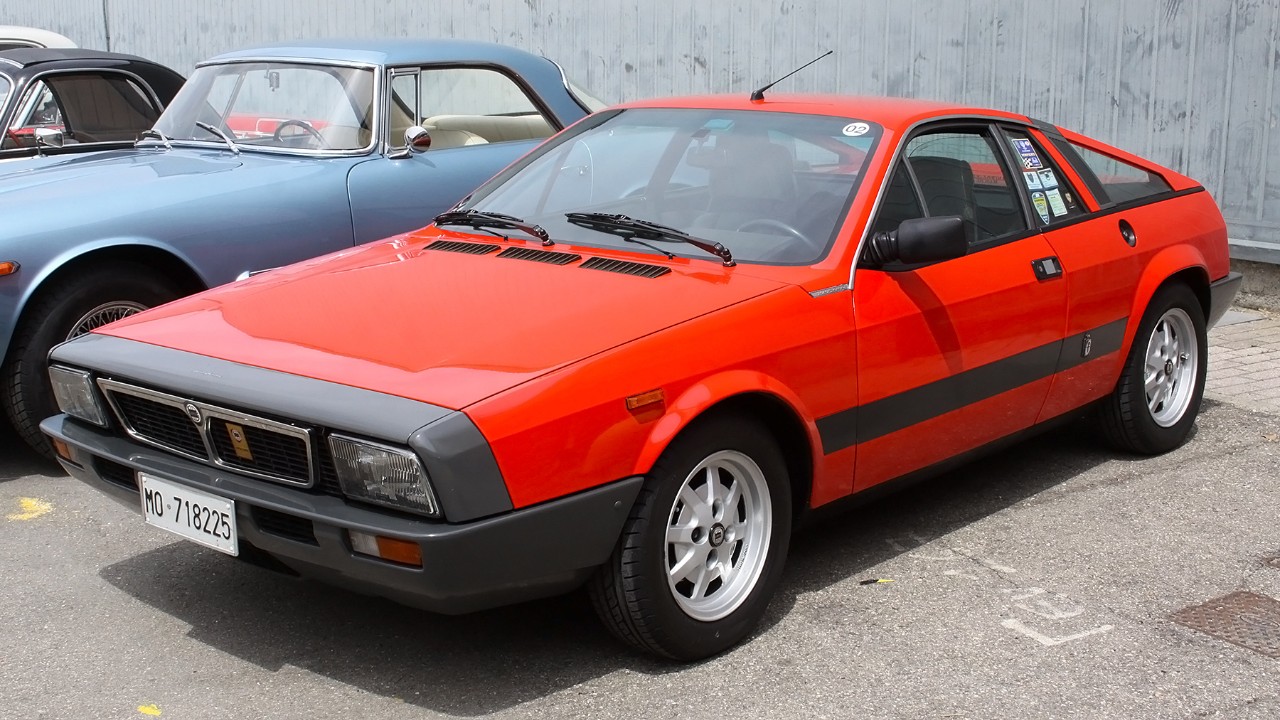
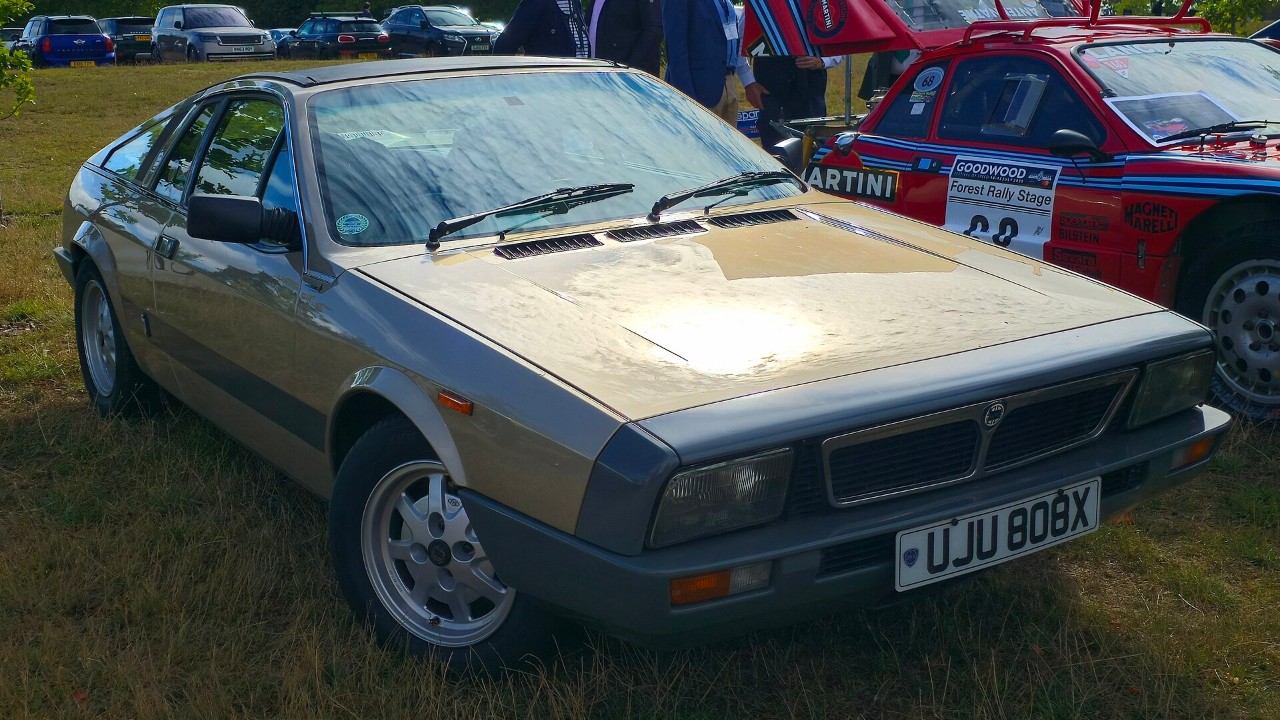
Pininfarina did more than style this car. In fact, the Lancia Montecarlo was the first car the coachbuilder developed and built entirely itself, instead of basing it on an existing production model. Its 1,995 cc Lampredi twin-cam four sat sideways behind the cabin. In European form, it made 120 hp at 6,000 rpm.
According to Carrozzieri Italiani, Lancia built 7,798 in all. American buyers got the Scorpion, a 1,756 cc version with a catalytic converter and only 81 hp. Early cars had over-boosted brakes that could lock the front wheels in the wet. As a result, production paused in 1978 and the servo came out, as HotCars notes. Our take: a sorted later car is one we’d hold onto for good.
2. 1989–1999 Toyota MR2 SW20
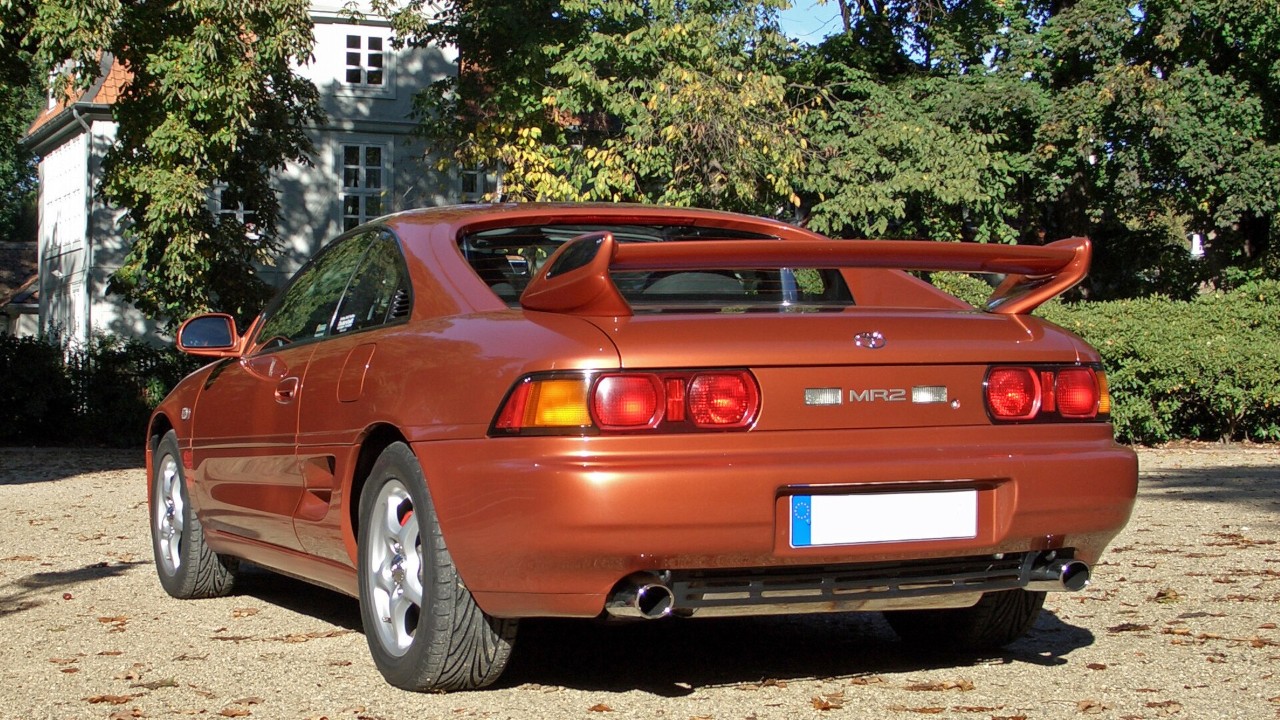
Toyota launched the second-generation MR2, chassis code SW20, in Japan on October 17, 1989, according to JDM Buy Sell’s model history. America, however, got only the 1991 to 1995 model years. Its turbo model used the 2.0-liter 3S-GTE from the Celica GT-Four, rated at 200 hp in U.S. trim.
Early cars could snap into oversteer if a driver lifted mid-corner. For 1993, Toyota revised the suspension and fitted wider tires. Hagerty’s SW20 guide says only about 19% of U.S. cars were post-revision examples. It also puts an Excellent-condition later turbo at $23,800. We’d never sell one, because that turbo engine sits right behind your shoulders.
3. 1996–1999 Renault Sport Spider
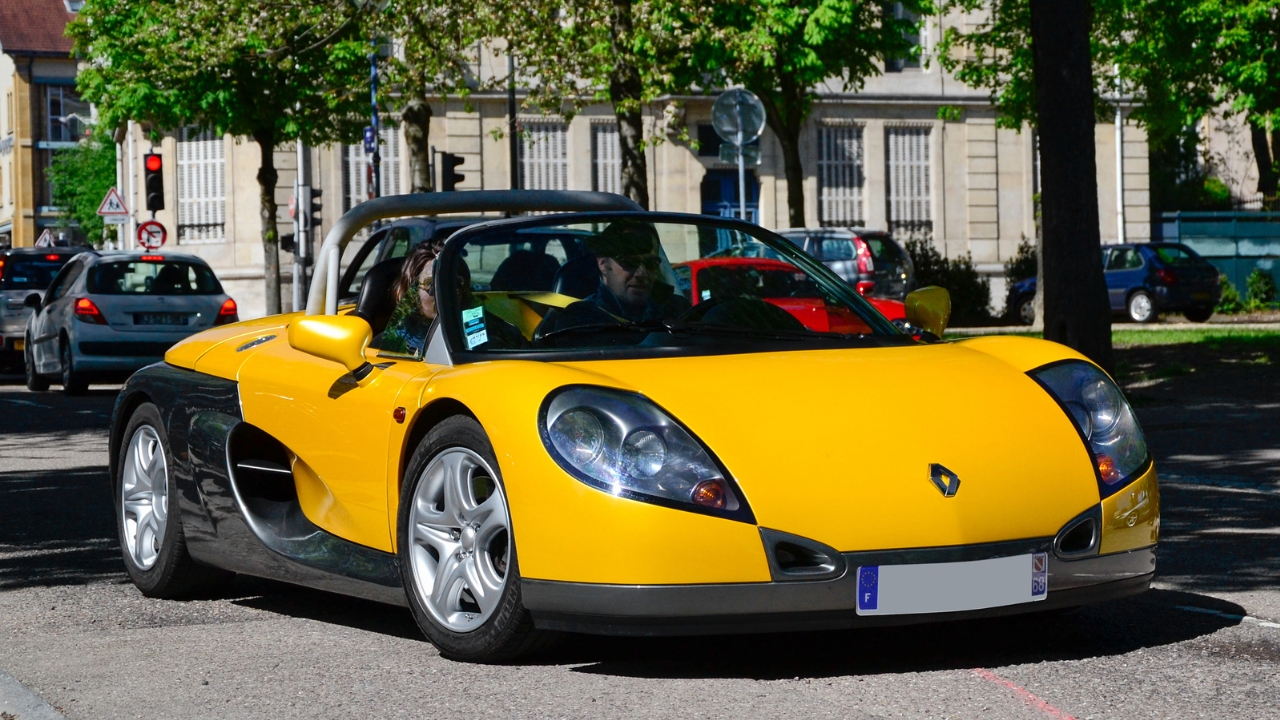
Renault Sport built the Spider at the Alpine plant in Dieppe, France. It wore a plastic body over an aluminum chassis and weighed 2,050 pounds. At first it had no windscreen, no roof, no heater and no ABS. Instead, a large wind deflector was the only shield in front of the driver.
Behind the seats sat the 2.0-liter F7R from the Clio Williams, rated at 150 hp and paired with a five-speed manual. According to The Autopian, Renault made 1,726 between 1996 and 1999, and 90 of them were Spider Trophy race cars. About a year into production, a windscreen and a basic top became options. Our take: a car this raw and this scarce is one we’d never let go.
4. 1972–1989 Fiat X1/9

Fiat and Bertone did not build a new engine for the X1/9. Instead, they borrowed the 1,290 cc four from the 128 Rally and moved it behind the cabin. That shift put 58.6% of the weight over the rear wheels. The removable roof panel stowed in the front compartment, and the 1300 weighed 880 kg.
In 1978, the car gained a 1,498 cc engine and a five-speed gearbox. From 1982, Bertone took over and swapped the Fiat badge for its own. Then the last Grand Finale cars added new alloy wheels and a small rear spoiler, as VeloceToday’s history explains. Overall, production totaled about 170,000. In our view, a tidy one is an easy keeper because it shrinks the supercar layout down to small-car scale.
5. 1976–2004 Lotus Esprit
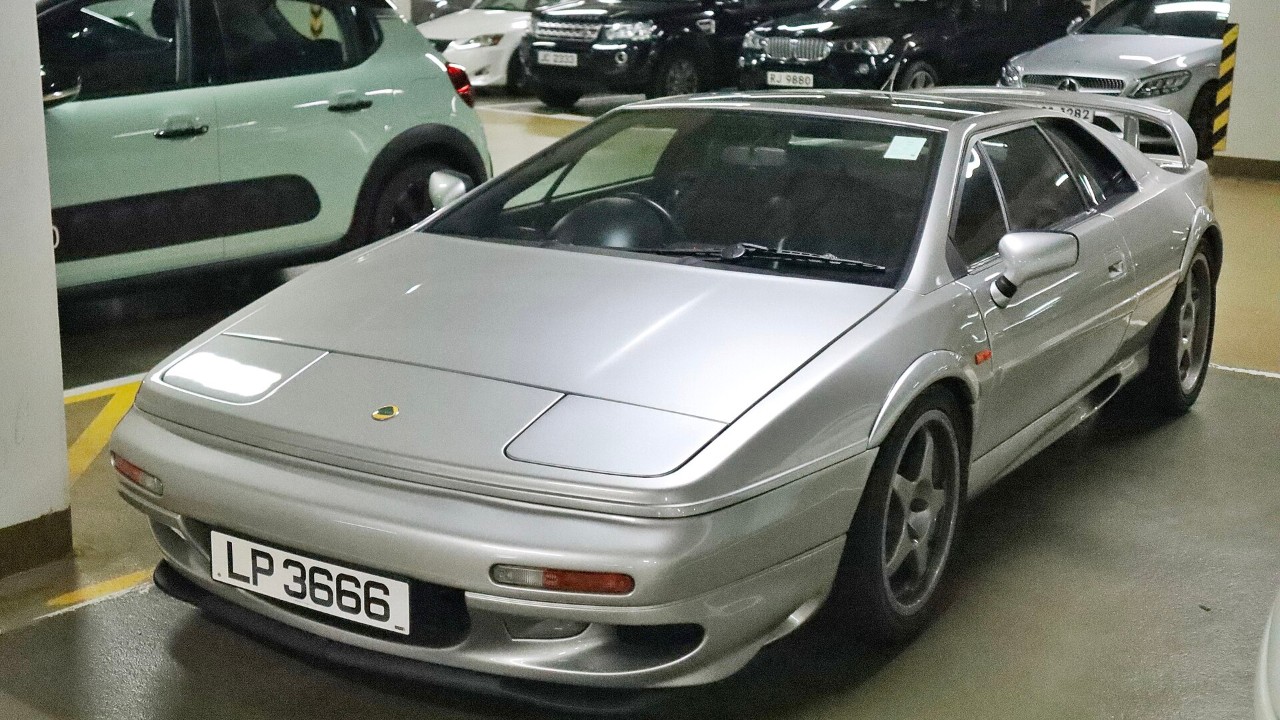
Giorgetto Giugiaro’s wedge began as Italdesign’s Project M70, shown at the 1972 Turin Motor Show on a modified Lotus Europa. Early cars used Lotus’s own 907 engine, a 2.0-liter, 16-valve, all-aluminum four. Later, Peter Stevens restyled the body with stiffer panels and a more mature interior.
The final chapter brought a 3.5-liter twin-turbo V8. The Audrain Automobile Museum lists it at 350 bhp, with a Renault-derived five-speed manual. Production ended in February 2004 after 10,675 cars, according to Car & Classic. We’d keep a V8 car, since it closes the book on the whole Esprit story.
6. 1989–1994 Ferrari 348

The name spells out the hardware: 3.4 liters and eight cylinders. Ferrari’s own magazine says the V8 made 300 hp at launch and revved to almost 8,000 rpm. It was also the last mid-engined V8 Ferrari developed under Enzo Ferrari.
Leonardo Fioravanti oversaw the Pininfarina body. Behind the engine, a transverse five-speed gearbox gave the drivetrain a T-shape, according to Secret Classics. A full Spider joined in 1993, and Ferrari built about 1,100 of them. Over six years, total output came to just under 9,000 cars. We’d keep one because it links Enzo’s era to the modern V8 cars.
7. 1996–2004 Porsche Boxster 986
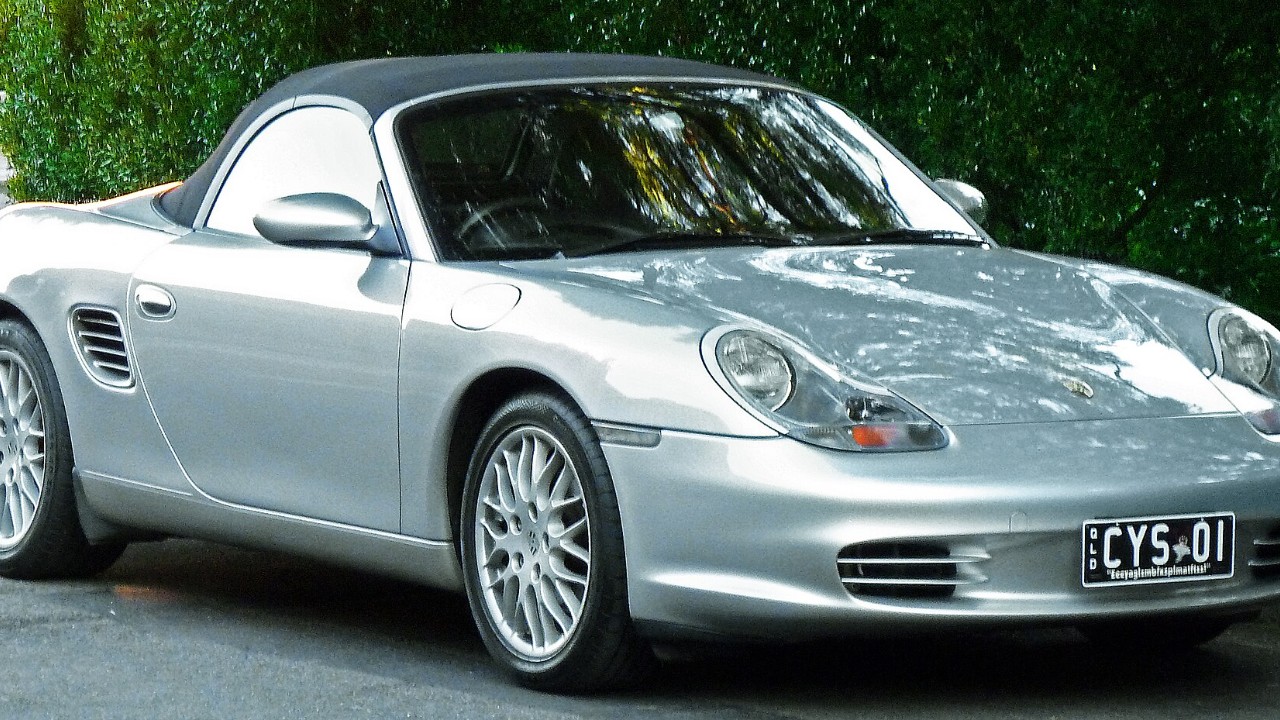
Porsche showed the production Boxster at the Paris Motor Show on October 3, 1996. Sales then began that November, as a 1997 model. At first, its 2.5-liter flat-six made 150 kW and drove through a five-speed gearbox.
Demand soon outgrew Stuttgart. So Porsche contracted Valmet Automotive in Uusikaupunki, Finland, which built its first Boxster on September 3, 1997, according to Stuttcars’ model history. For 2000, the base engine grew to 2.7 liters, while a new Boxster S got a 3.2-liter flat-six and a six-speed manual. Our take: an S is the one we’d never sell, since it even borrows brake discs from the 996 Carrera.
More from Fast Lane Only