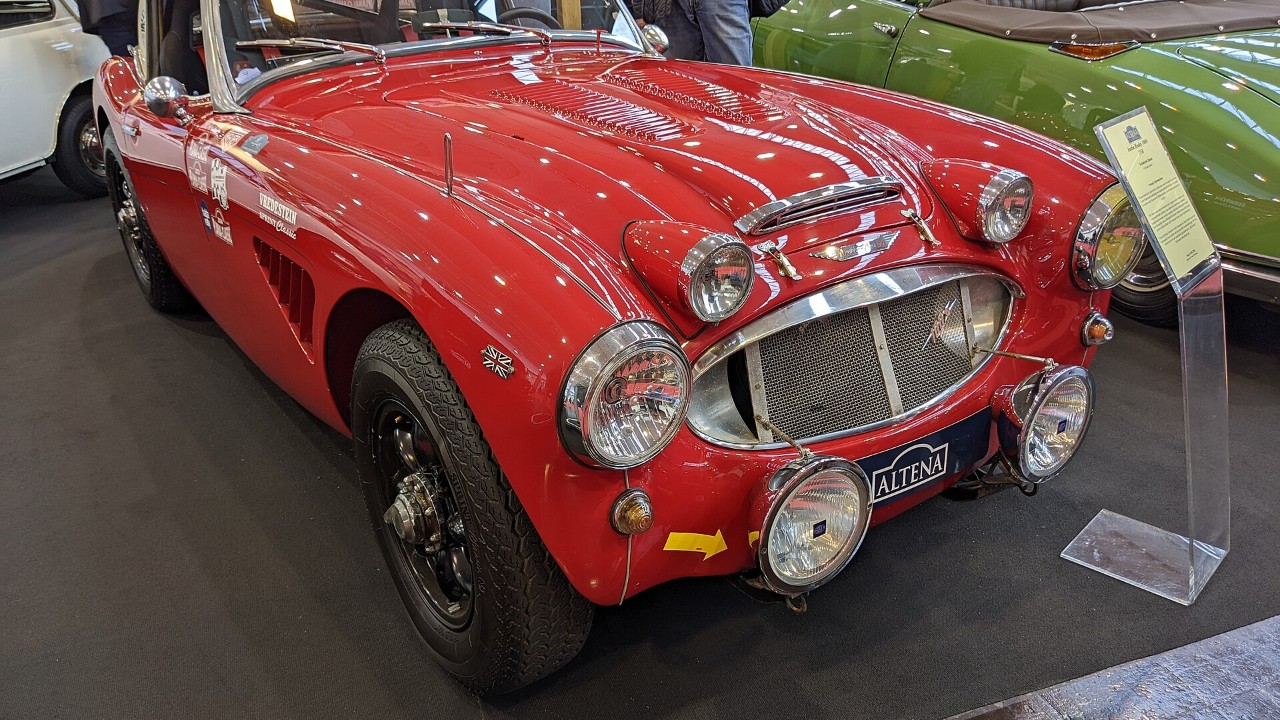
The two-seat Austin-Healey 100-Six BN6 arrived in 1958 with a stronger six-cylinder engine and no rear seats at all. That kind of small, specific change is how Austin-Healey kept improving its cars. So we went trim by trim through the big Healeys and the Sprites to pick our favorites.
These eight are our picks and our opinion. We chose them for what each version added, whether that was a gearbox, a brake upgrade or a set of roll-up windows. Every year, engine figure and production count below comes from a marque club, a model history or an auction record.
1. 1955–1956 Austin-Healey 100 BN2
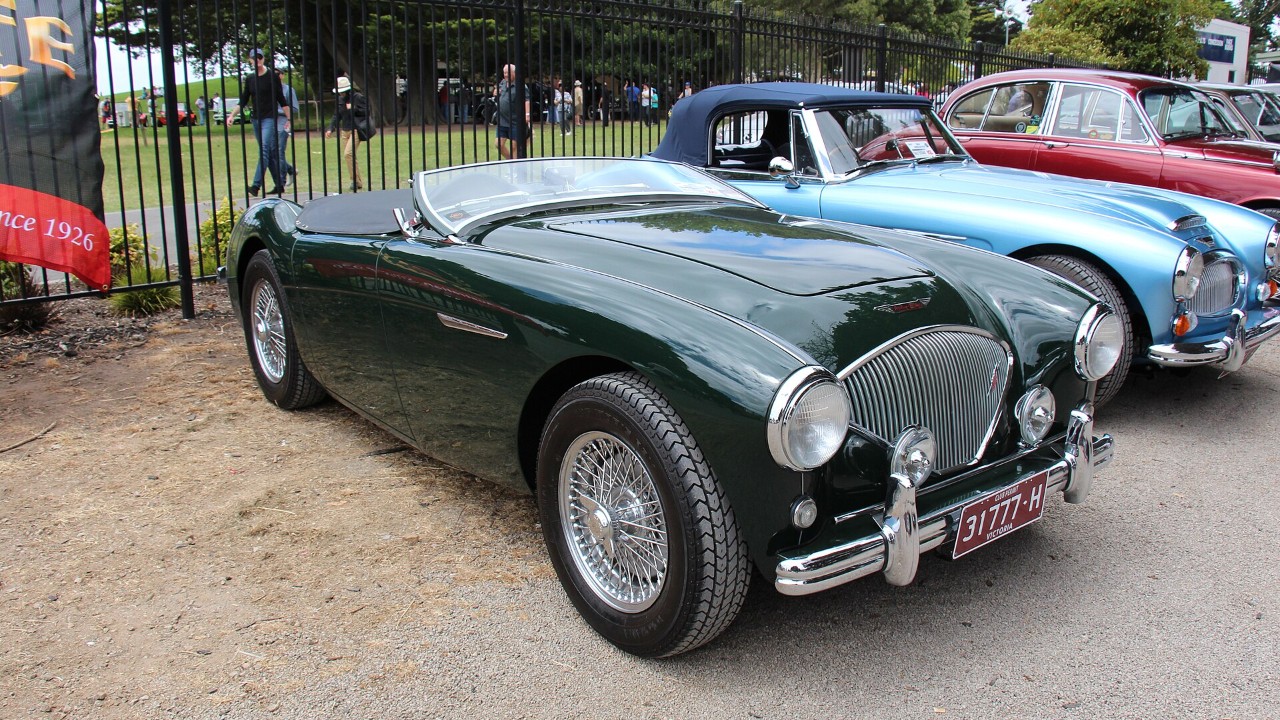
The first Healey 100, the BN1, used a three-speed gearbox with overdrive. The Austin-Healey Club of America says that transmission is somewhat weak and its spare parts are rare. By contrast, the BN2 got a four-speed with overdrive, and the club counts 4,604 BN2s against 10,030 BN1s.
We’d pick the BN2 because it keeps the four-cylinder car’s simplicity and fixes its main flaw. According to conceptcarz, it also gained larger drum brakes. Meanwhile, the 100M Le Mans package added a 1.75-inch SU carburetor setup, a cold air box and a louvered hood. However, the Austin-Healey Club of America warns that many claimed 100Ms are not authentic.
2. 1958–1959 Austin-Healey 100-Six BN6
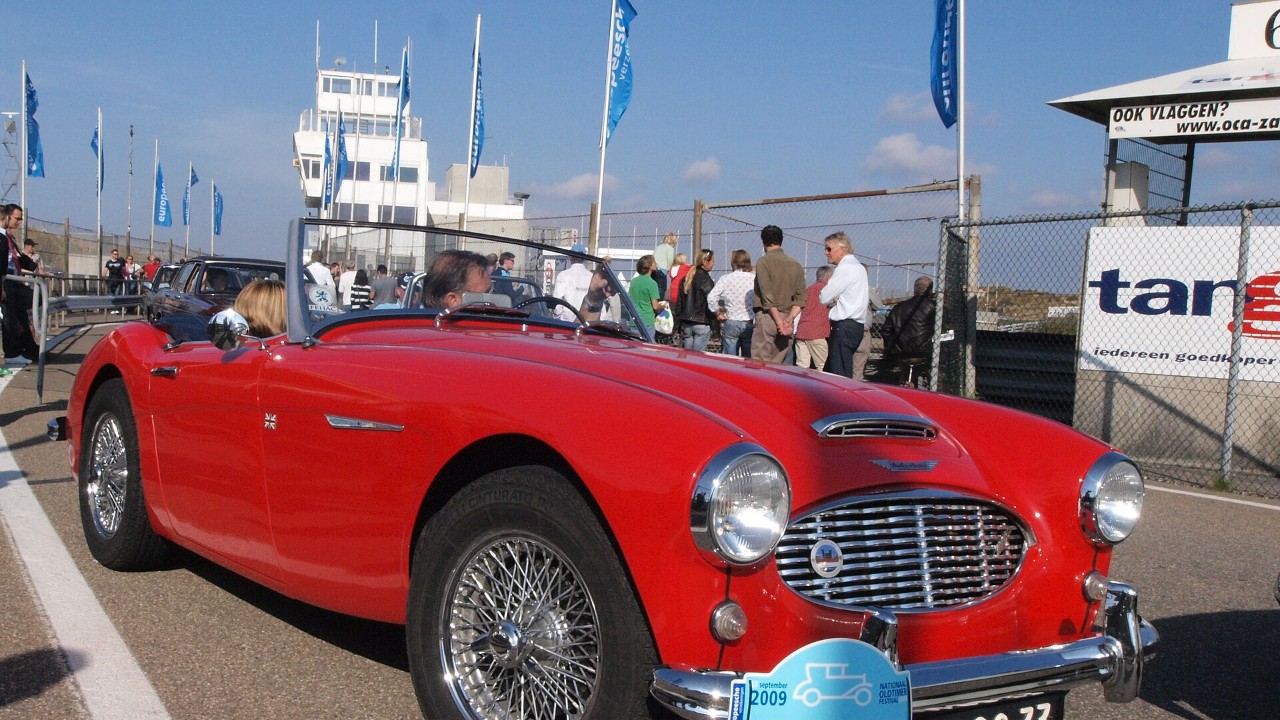
Austin-Healey launched the 100-Six as a 2+2, the BN4. Then, in April 1958, the BN6 brought back a strict two-seat layout. According to Unique Cars and Parts, it made 117 bhp against 102 bhp for the early BN4. It also topped out at 111 mph, compared with 102 mph.
The extra power came from a six-port cylinder head, which arrived in 1957. In fact, the club’s 100-6 page says every BN6 carries that improved engine, and only 4,150 BN6s were built. Production had also moved from Longbridge to MG’s Abingdon plant in 1957. In our view, this is the 100-Six to own.
3. 1959–1961 Austin-Healey 3000 BT7
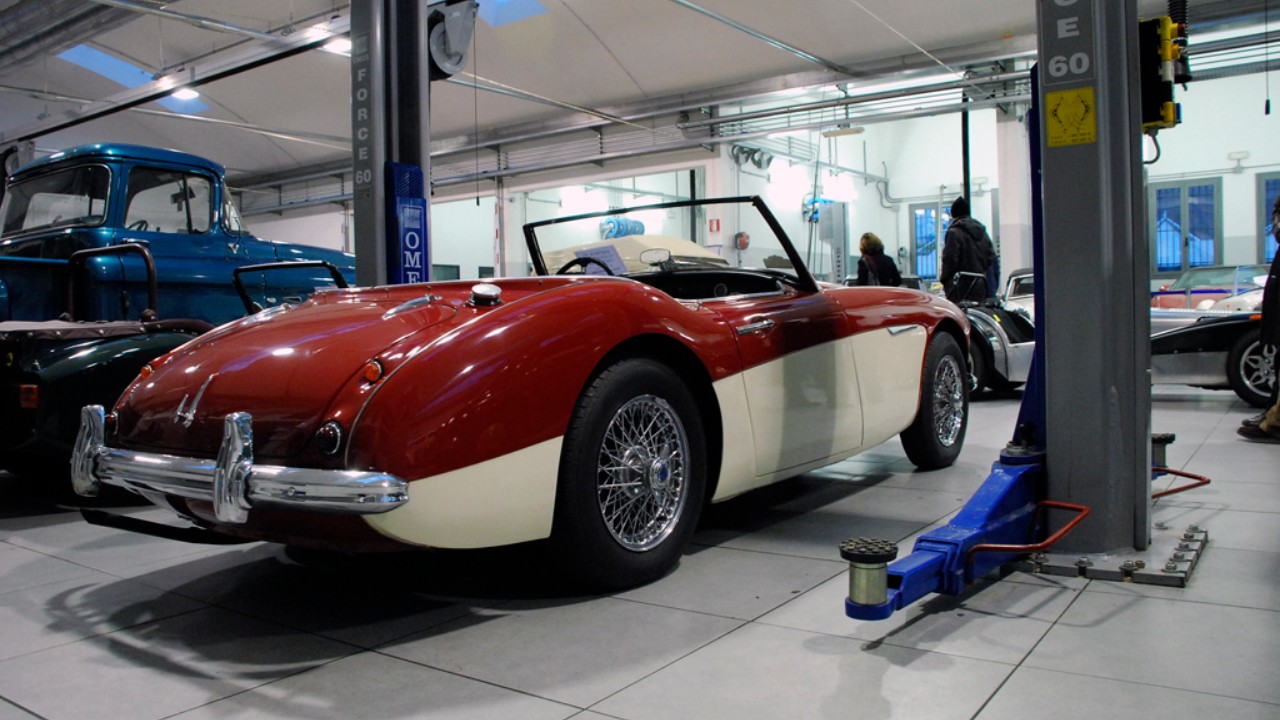
Austin-Healey announced the 3000 on July 1, 1959, as Classic Promenade’s model overview notes. It replaced the 2.6-liter six with a 3-liter BMC C-Series engine and added front disc brakes. The maker claimed 0-60 mph in 11 seconds and 0-100 mph in 31 seconds.
As the 2+2 version, the BT7 far outsold the two-seat BN7. The overview counts 10,825 BT7s against 2,825 BN7s in the Mark I run. Our take: those small rear seats make the BT7 the practical big Healey. Besides, the club’s 3000 page confirms the engine grew to 2,912 cc.
4. 1962–1963 Austin-Healey 3000 Mk II BJ7
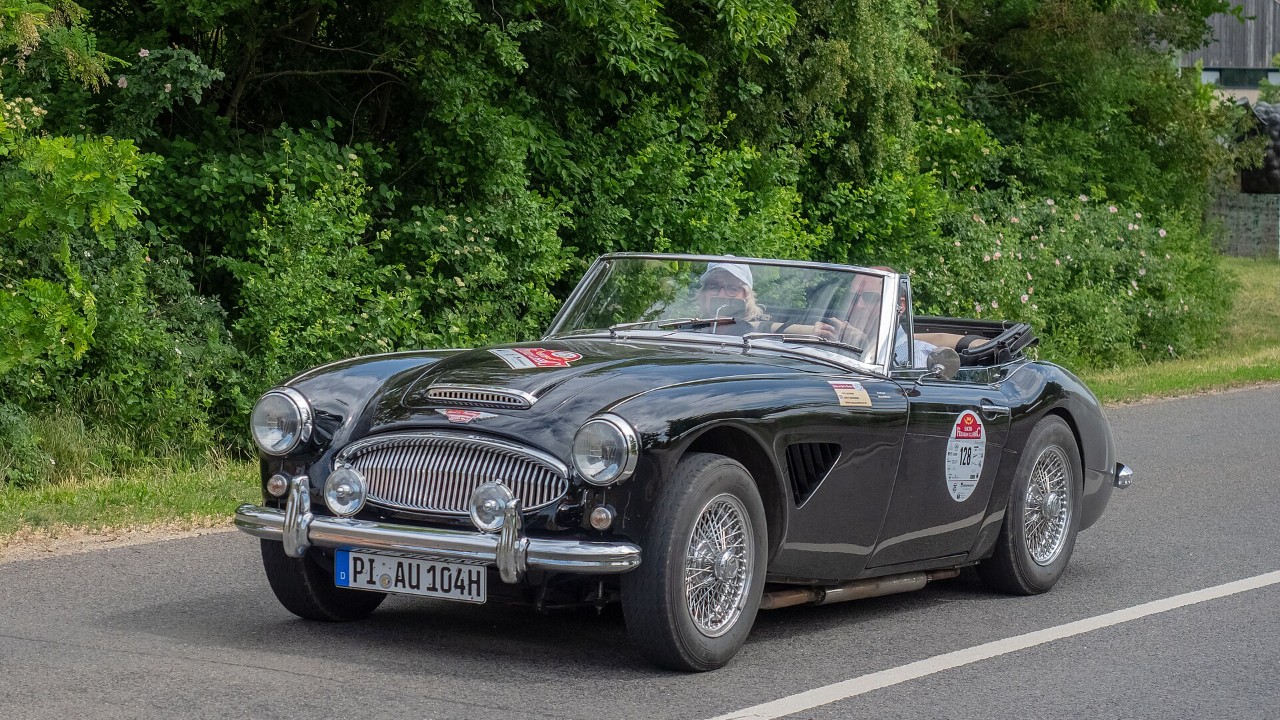
The BJ7 arrived in early 1962 and changed how a big Healey felt in bad weather. The Austin-Healey Club of America lists roll-up windows, pivoting wing windows and a curved wrap-around windscreen. It also lists a folding top that stays attached, and the club counts 6,113 BJ7s.
The BJ7 went back to two carburetors after the triple-carb Mk II BT7. Even so, the Audrain Automobile Museum rates it at 130 hp and 167 lb-ft. We’d rank it high for its comfort. Later, at Amelia Island in 2015, RM Sotheby’s sold a restored 1963 BJ7 for $77,000.
5. 1961–1964 Austin-Healey Sprite Mk II
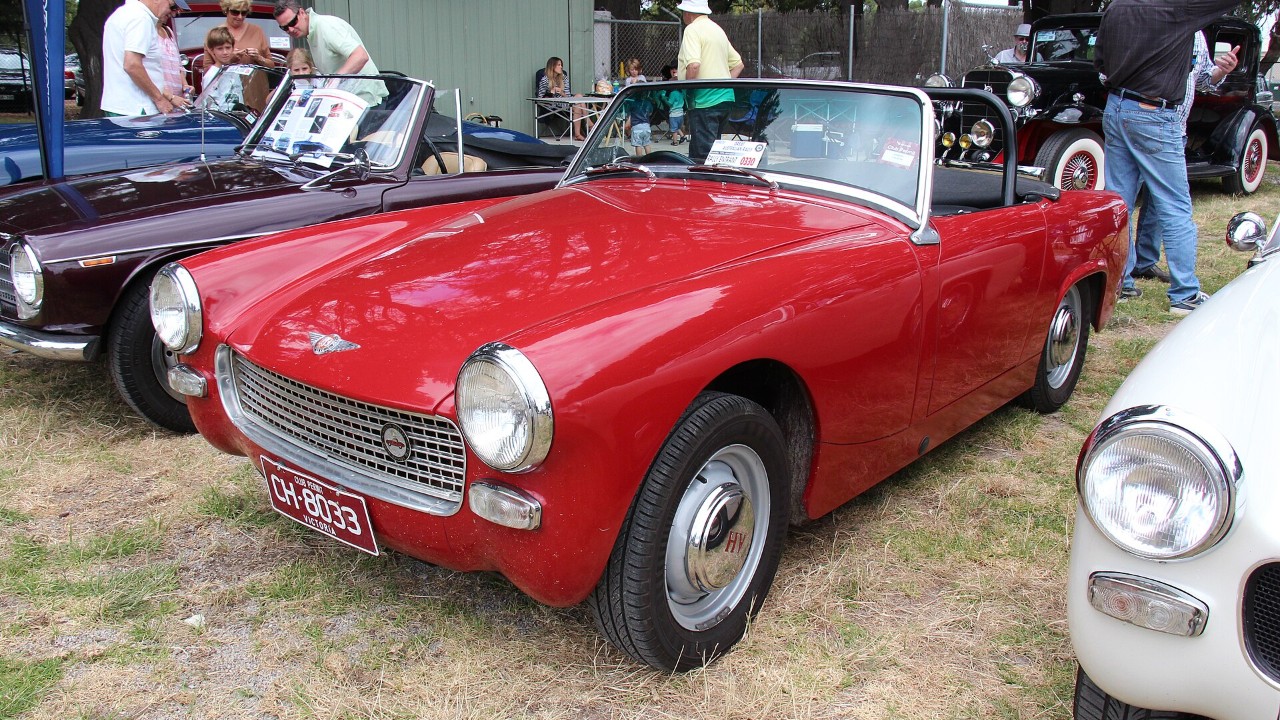
The Mk II gave the little Sprite a boot lid and moved its headlights into the wings. It also had a near-twin, the MG Midget. According to the Austin-Healey Club of America, the first HAN6 series kept the 948 cc engine but made 46 hp, three more than before. The club counts 20,450 of them.
Our pick within the Mk II is the later HAN7. It arrived in late 1962 with a 1,098 cc engine, 56 hp and front disc brakes. Only 11,215 were made, according to the club. In addition, the club notes that a Mk II costs less than a Bugeye, which makes it a sensible way into Sprite ownership.
6. 1964–1966 Austin-Healey Sprite Mk III
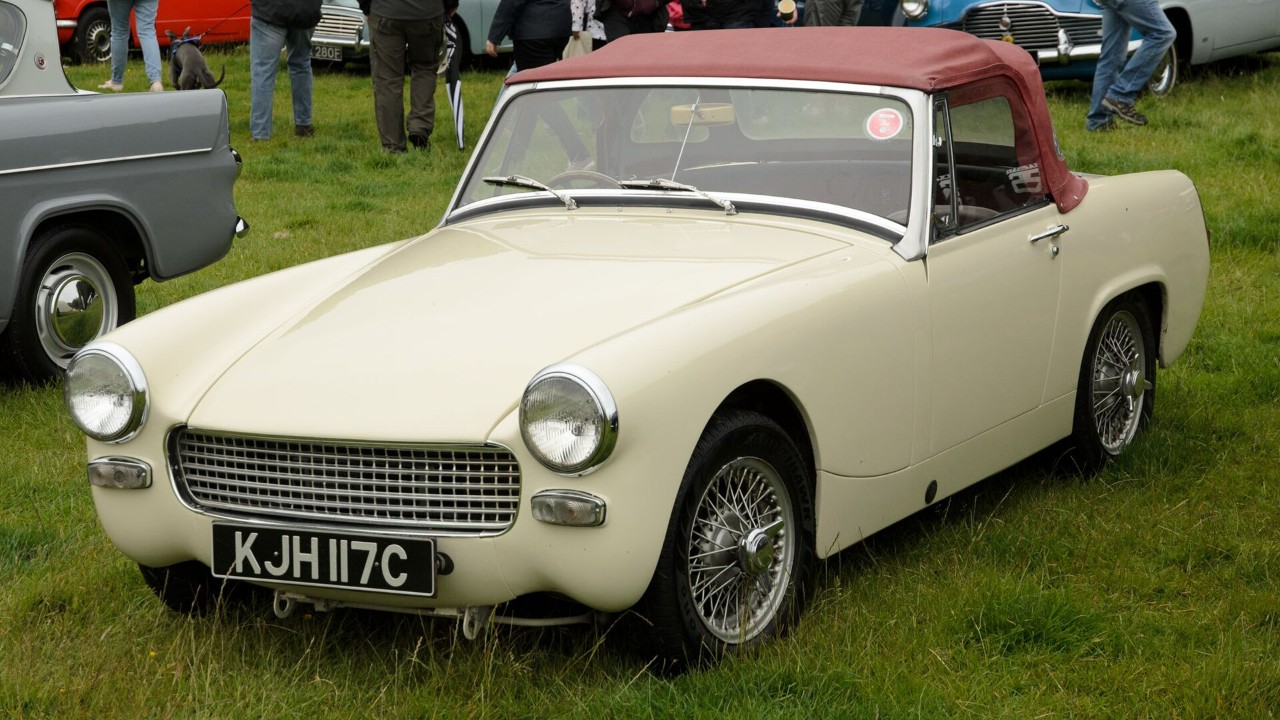
The HAN8 Mk III finally gave Sprite drivers roll-up windows. Its 1,098 cc engine made 59 hp, and the Austin-Healey Club of America counts 25,905 of them. The top was still an easily removed, button-down soft top.
The bigger change sat under the car. Unique Cars and Parts says four-blade half-elliptic rear springs replaced the old quarter-elliptic layout. The engine also got 9:1 compression and larger main bearing journals, up from 1.87 to 2.0 inches. Yet the car weighed only 6 pounds more than before. In our view, that makes the Mk III the most usable early Sprite.
7. 1966–1969 Austin-Healey Sprite Mk IV
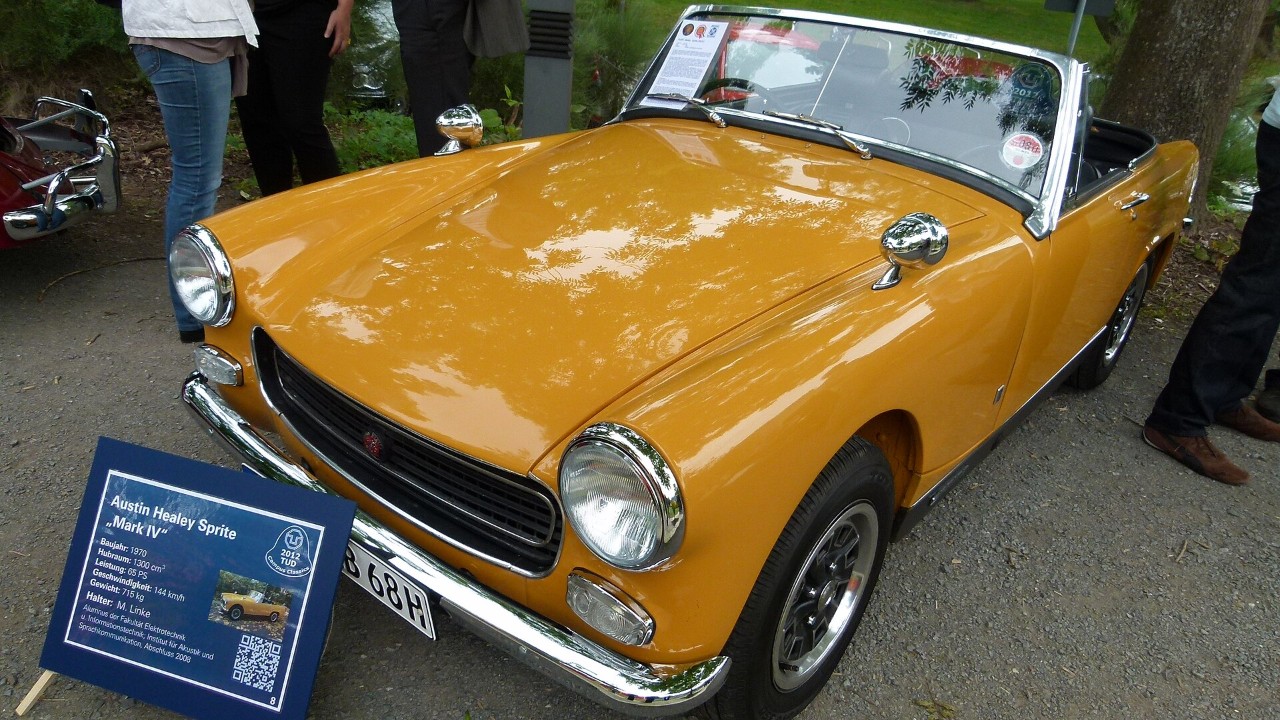
The HAN9 Mk IV used a 1,275 cc engine with 65 hp, the most of any Sprite on this list. It also had a folding top that stayed permanently attached, so it worked as a true convertible. The Austin-Healey Club of America counts 20,357 of them.
We’d rank the Mk IV high for anyone who wants to drive a Sprite often. After all, it is the final development of the line, as the club puts it. The club also says a Mk IV costs less than a Bugeye. For that reason, we think it is the best value among these four Sprites.
8. 1958–1961 Austin-Healey Sprite Mk I
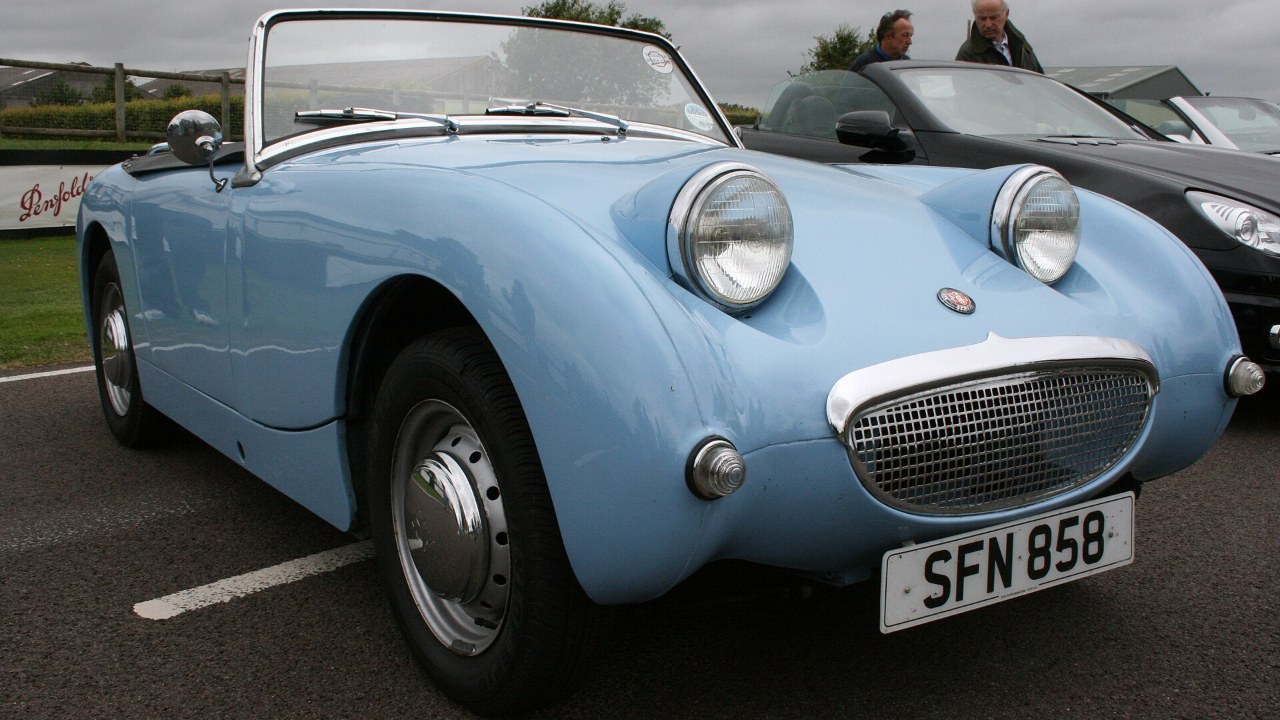
Gerry Coker styled the first Sprite with raised headlamps and a smiling grille. Underneath, it borrowed the Austin A30/A35 front suspension and gearbox, along with a Morris Minor steering rack. Its 948 cc A-Series made 43 bhp. Classic Cars magazine puts production at 48,987.
The Bugeye was bare. It had no outside door handles, no roll-up windows and no boot lid, according to the Austin-Healey Club of America. Even the front bumper was an option. Today, Classic Cars magazine says good cars start around £7,250 and the best concours cars reach about £18,000. Our take: it is the purest Sprite of all.
More from Fast Lane Only