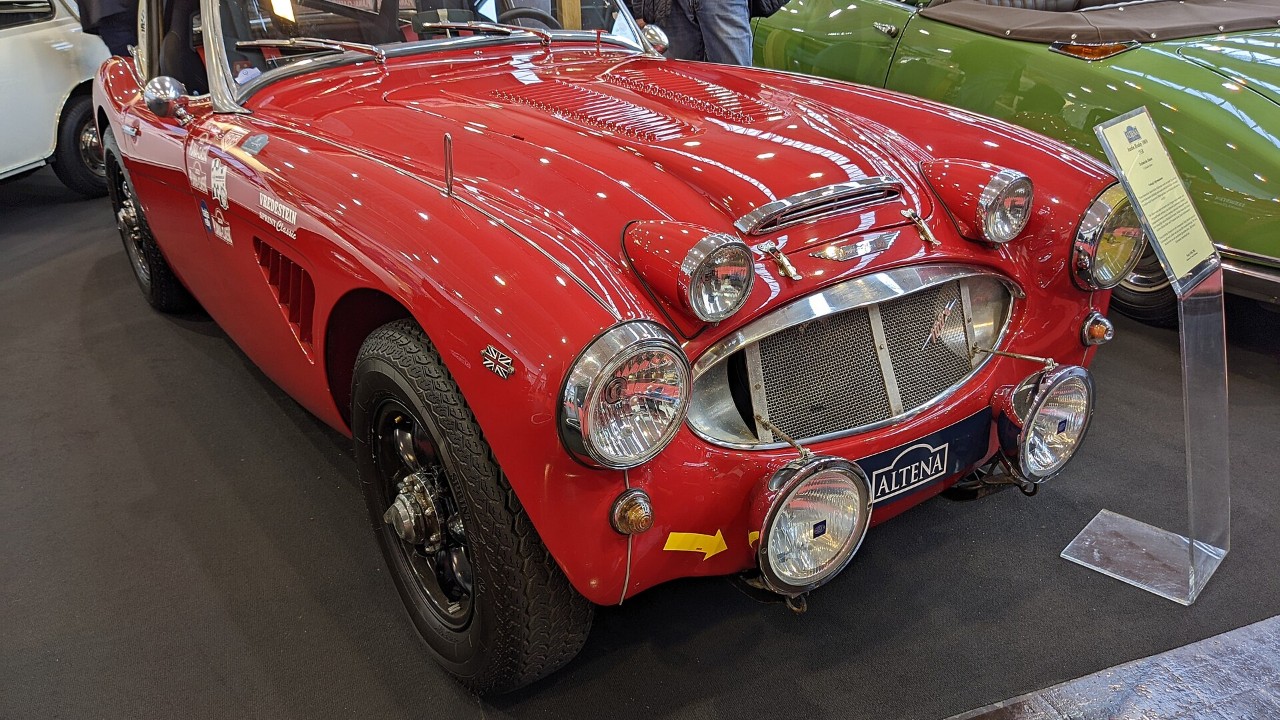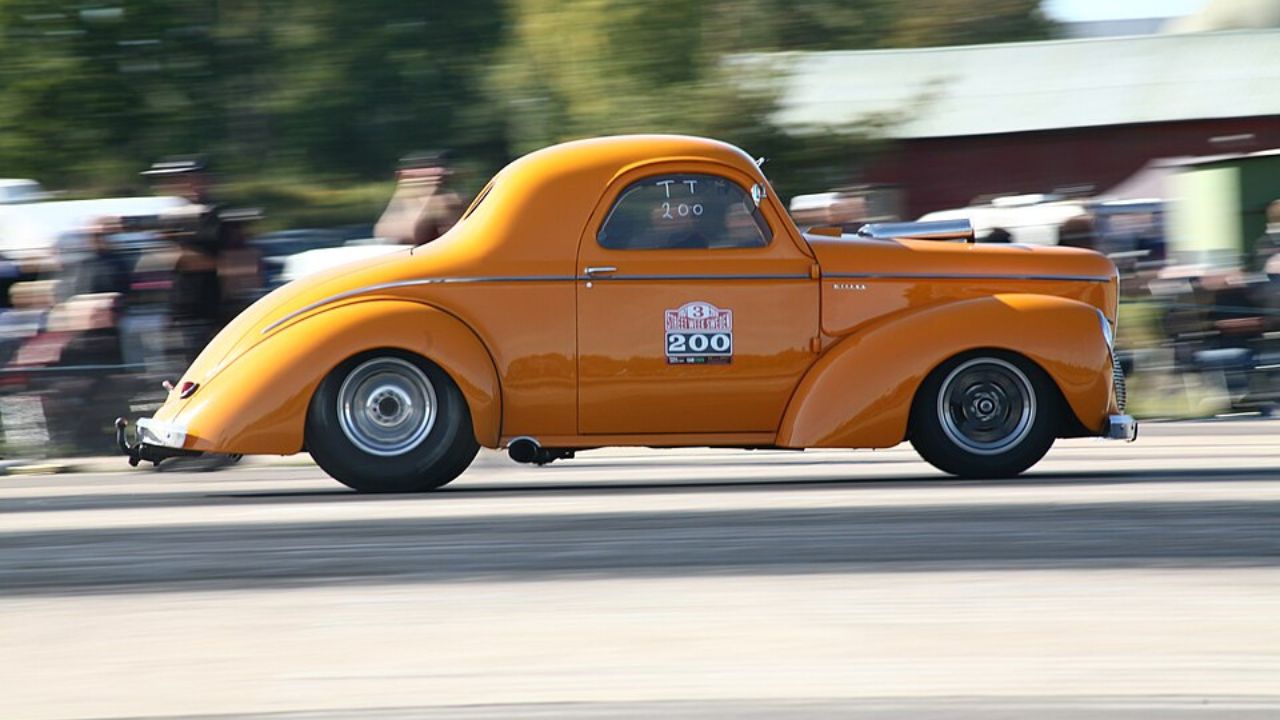
Hot rods are often associated with famous Ford coupes and heavily customized American classics, but plenty of fascinating builds have remained outside the spotlight. Some used unusual body styles, overlooked chassis, or unconventional engines. These eight hot rods demonstrated creativity and performance without receiving the recognition given to more famous customs.
Ford Model A
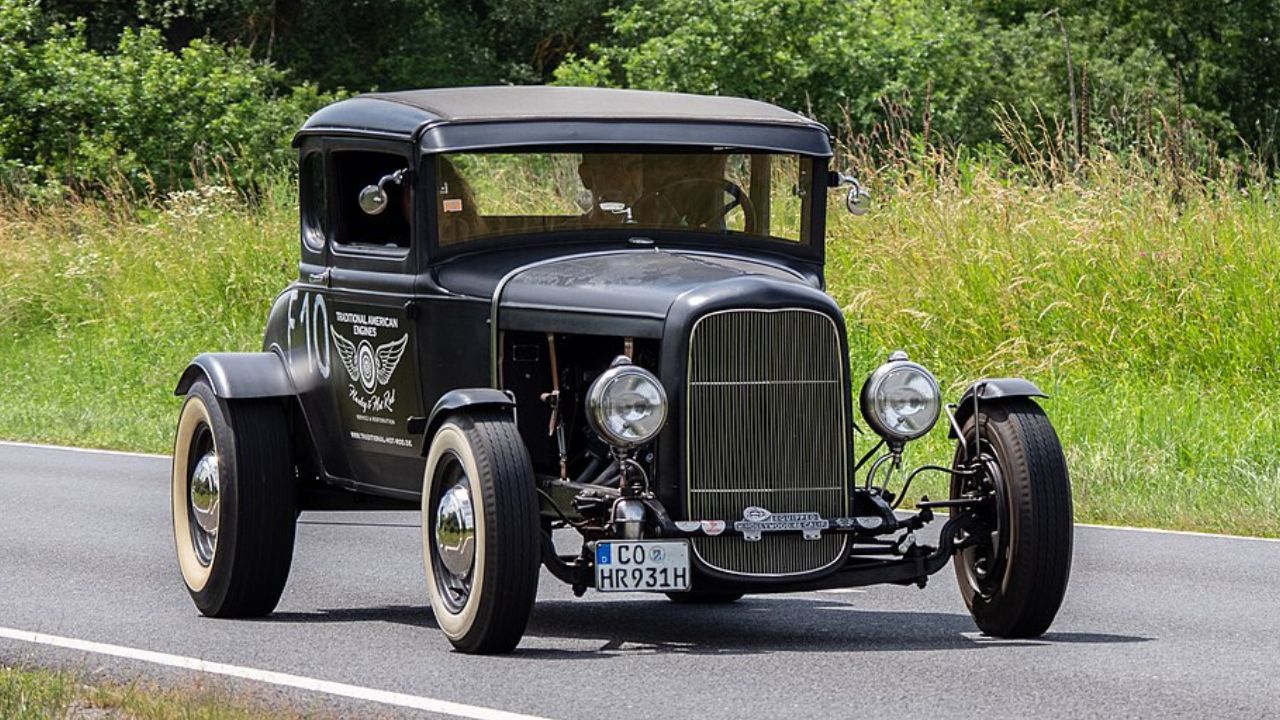
The Ford Model A became an important foundation for early hot-rod culture. Its sturdy frame, simple mechanical layout, and abundant availability made it an ideal platform for customization. Builders could modify the suspension, brakes, body, and engine without dealing with excessive complexity. Although overshadowed by the Model T and later Ford hot rods, the Model A remains one of the most versatile early hot-rod platforms.
Ford Model B
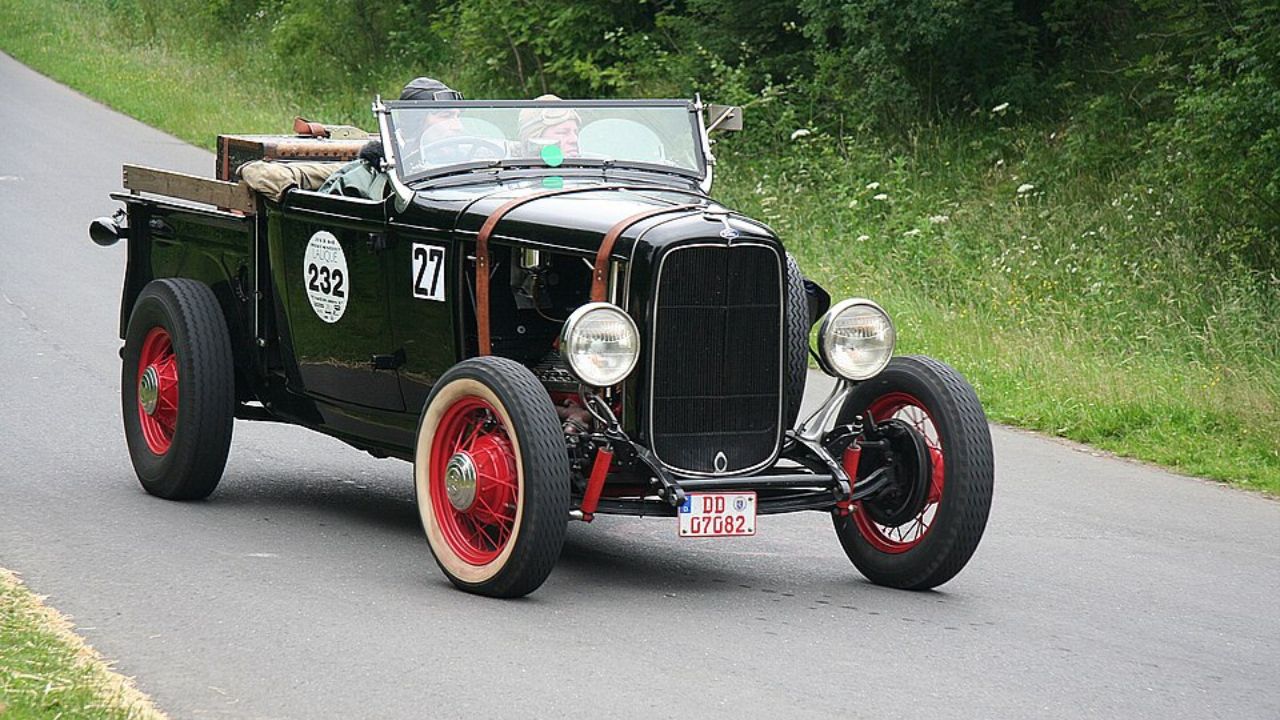
The Ford Model B offered hot-rodders something especially valuable: access to Ford’s early four-cylinder and later V8 powerplants in a relatively simple package. Its lightweight body and straightforward chassis made modifications practical. Many were transformed into performance machines, but surviving examples are increasingly appreciated for their connection to the formative years of American hot-rodding.
Willys Coupe
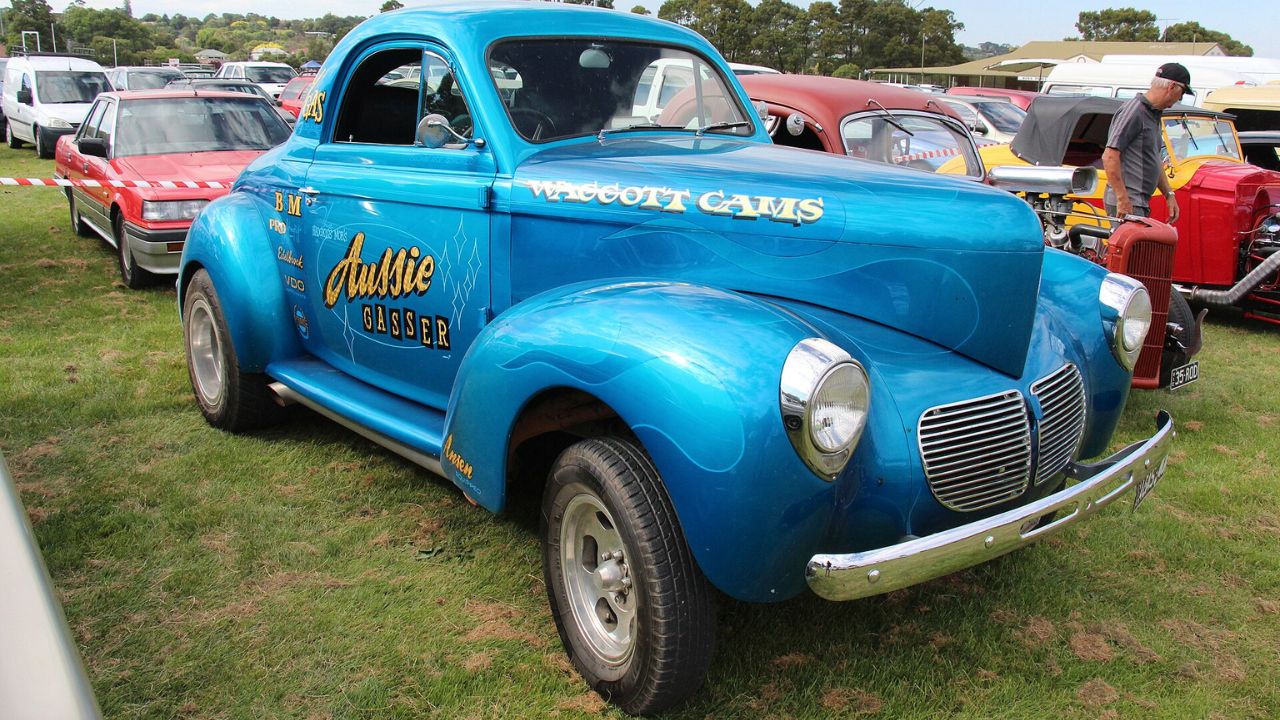
The Willys Coupe became a favorite among drag racers because its lightweight body could accommodate powerful engines. Its compact dimensions and distinctive proportions gave it a unique appearance compared with traditional Ford hot rods. Once fitted with serious V8 power, the little coupe could become remarkably quick. Its contribution to early drag racing deserves more recognition outside dedicated hot-rod circles.
Chevrolet 1932 Confederate
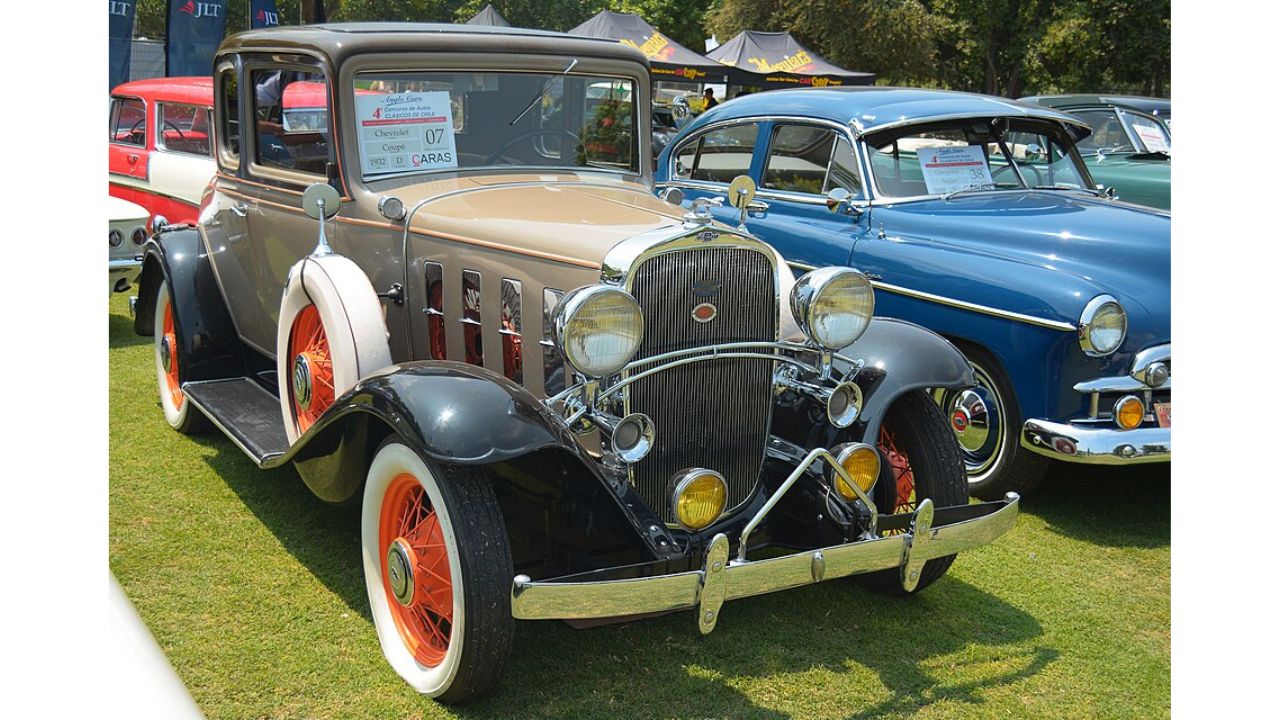
The 1932 Chevrolet Confederate provided an interesting alternative to the overwhelmingly popular Ford platforms. Its larger body and conventional chassis offered plenty of possibilities for customization, while Chevrolet’s inline-six could eventually be replaced with more powerful engines. Because fewer Chevrolet examples became iconic hot rods, well-built Confederate customs remain comparatively unusual.
Ford 1940 Coupe
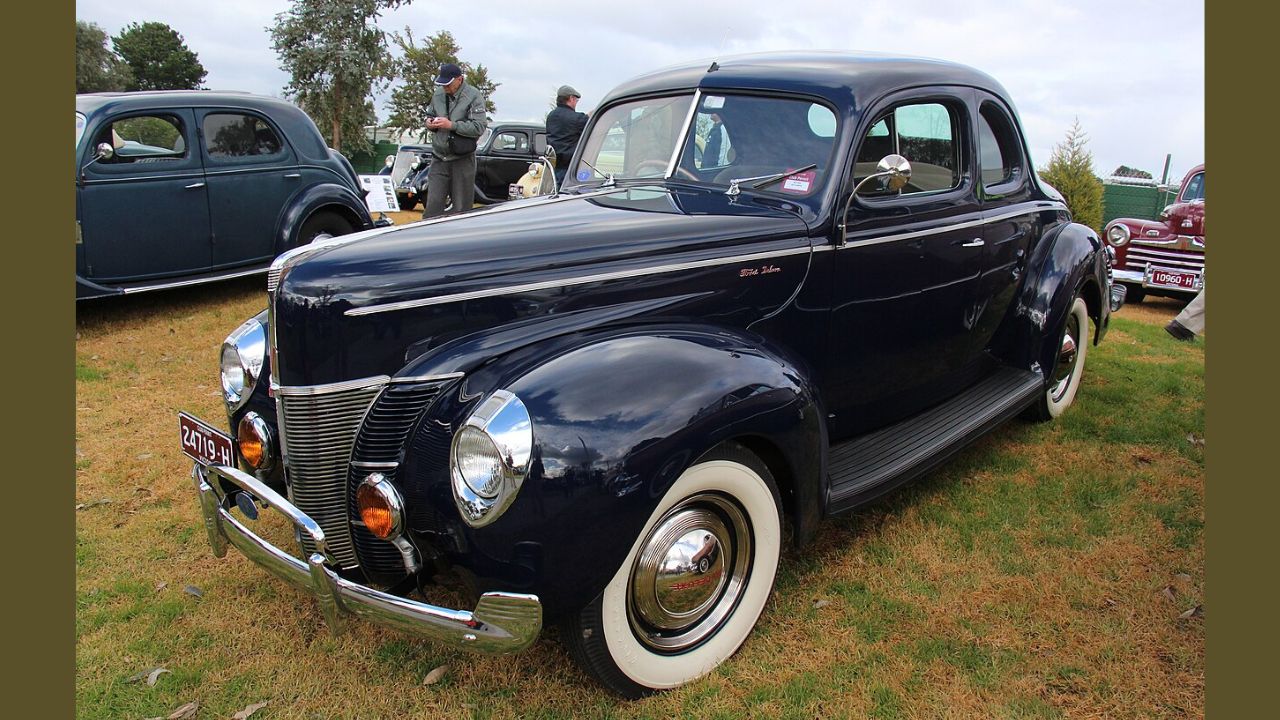
The 1940 Ford Coupe offered sleek prewar styling and a strong foundation for traditional hot-rod construction. Its streamlined body, wide stance, and flathead V8 created an appealing combination of appearance and performance potential. Although later Ford models often receive greater attention, the 1940 coupe remains an excellent example of how factory styling could provide the foundation for a sophisticated custom.
Mercury Eight
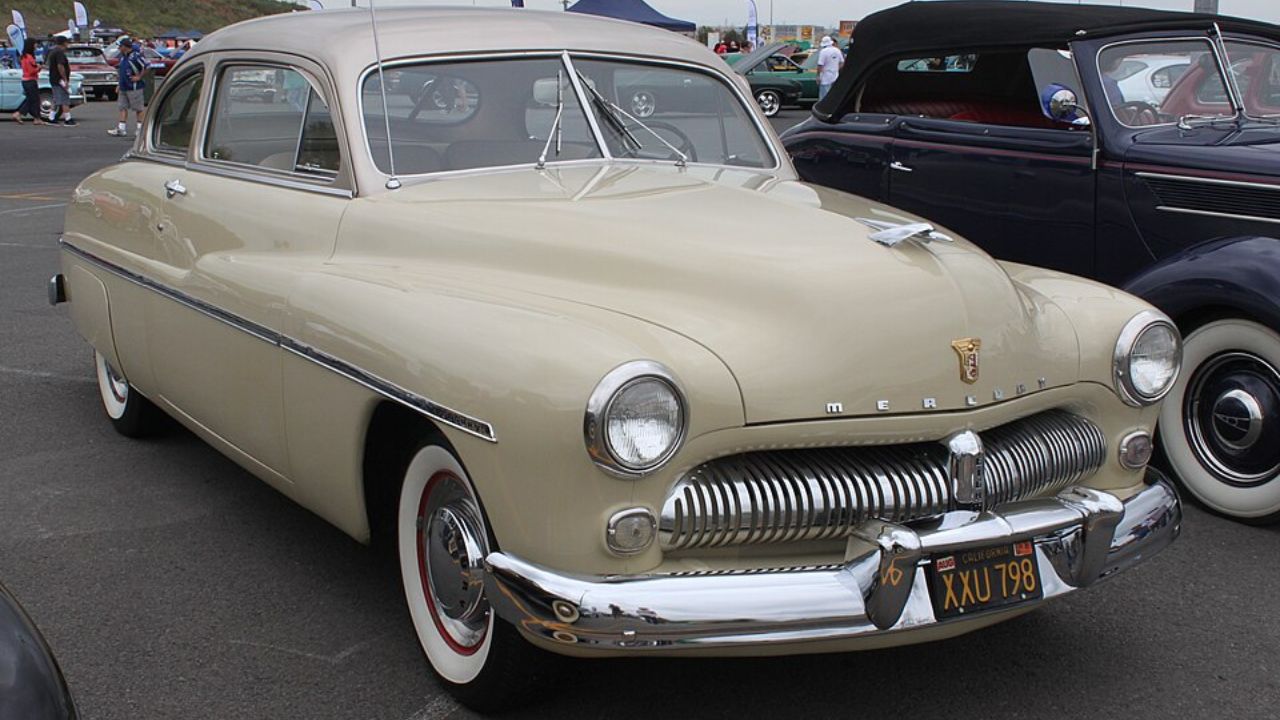
The Mercury Eight became an influential hot-rod platform because of its longer body and powerful flathead V8. Its distinctive proportions gave builders more visual presence than a standard Ford while retaining strong mechanical support. Customizers frequently chopped the roof and modified the suspension to create dramatic low-slung builds. Despite its importance, it is sometimes overshadowed by the Ford coupes most associated with traditional hot-rodding.
Hudson Terraplane
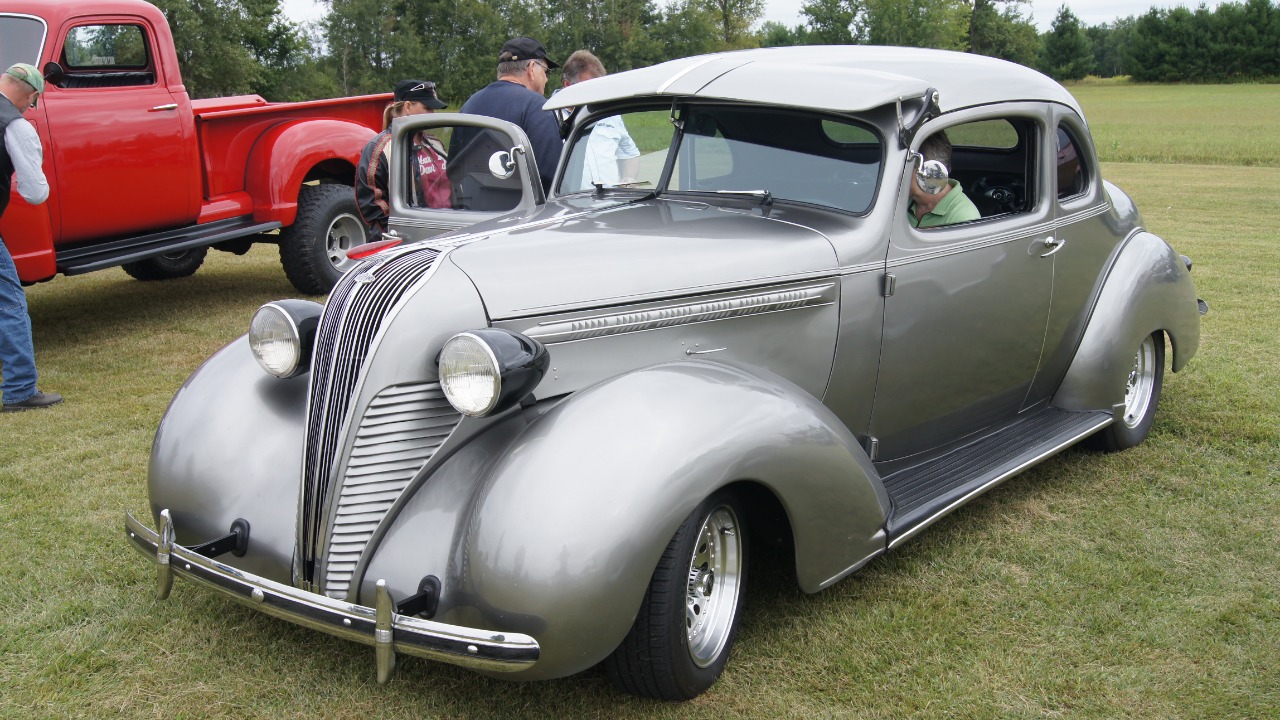
The Hudson Terraplane offered hot-rodders a lightweight and unusual alternative to Ford-based projects. Its streamlined body and relatively strong factory engines gave it plenty of potential for customization. Because Terraplanes were produced in smaller numbers and are less familiar to casual enthusiasts, surviving hot rods based on them are particularly interesting. They represent a less traveled path through American hot-rod history.
Studebaker Champion
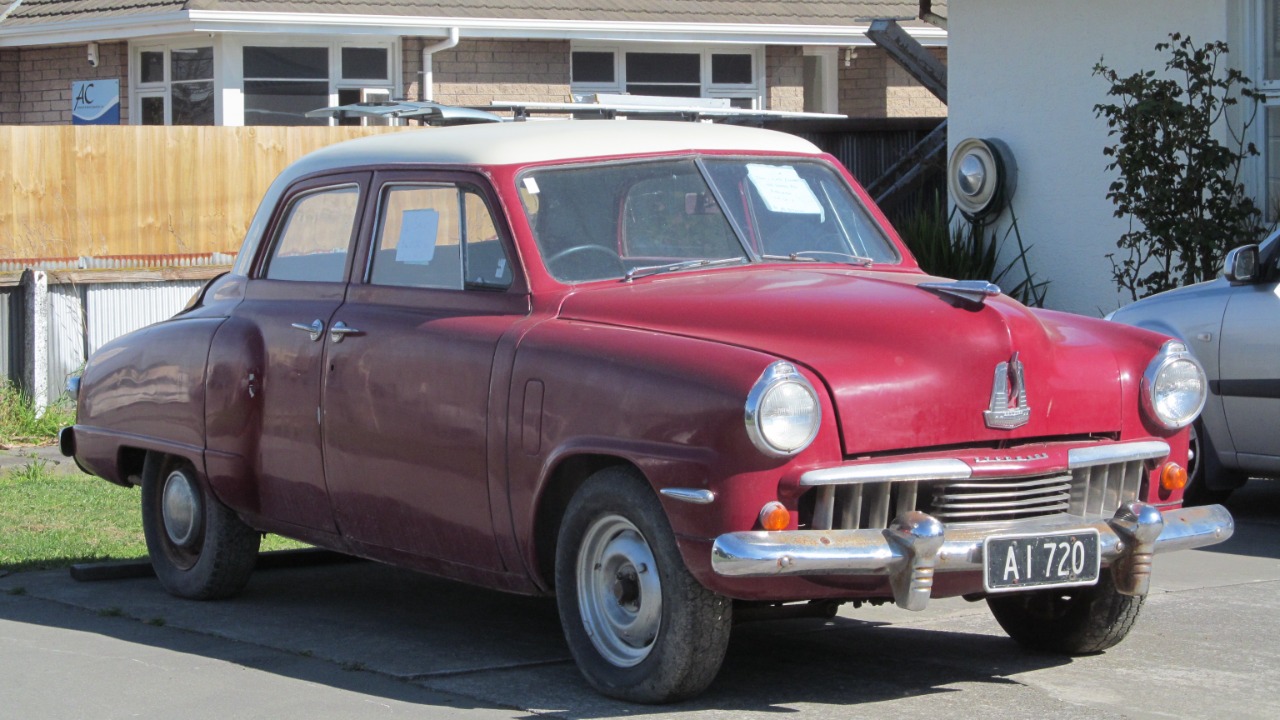
The Studebaker Champion brought a different perspective to hot-rodding. Its lightweight construction, compact proportions, and distinctive styling separated it from the more common Ford and Chevrolet platforms. Creative builders could turn the unusual body into a striking custom while upgrading the drivetrain for additional performance. The Champion’s relative obscurity makes successful hot-rod builds based on it especially deserving of attention.
More from Fast Lane Only
- Unboxing the WWII Jeep in a Crate
- 15 rare Chevys collectors are quietly buying
- 10 underrated V8s still worth hunting down
- Police notice this before you even roll window down
*Research for this article included AI assistance, with all final content reviewed by human editors.