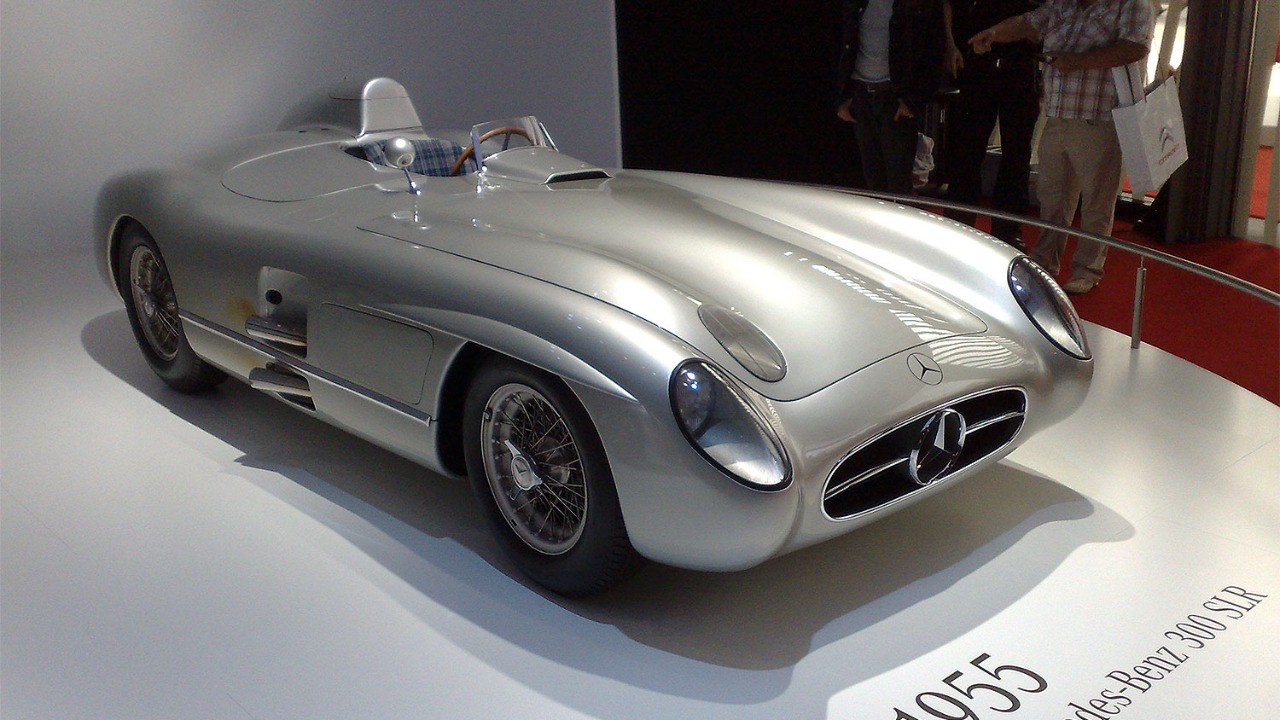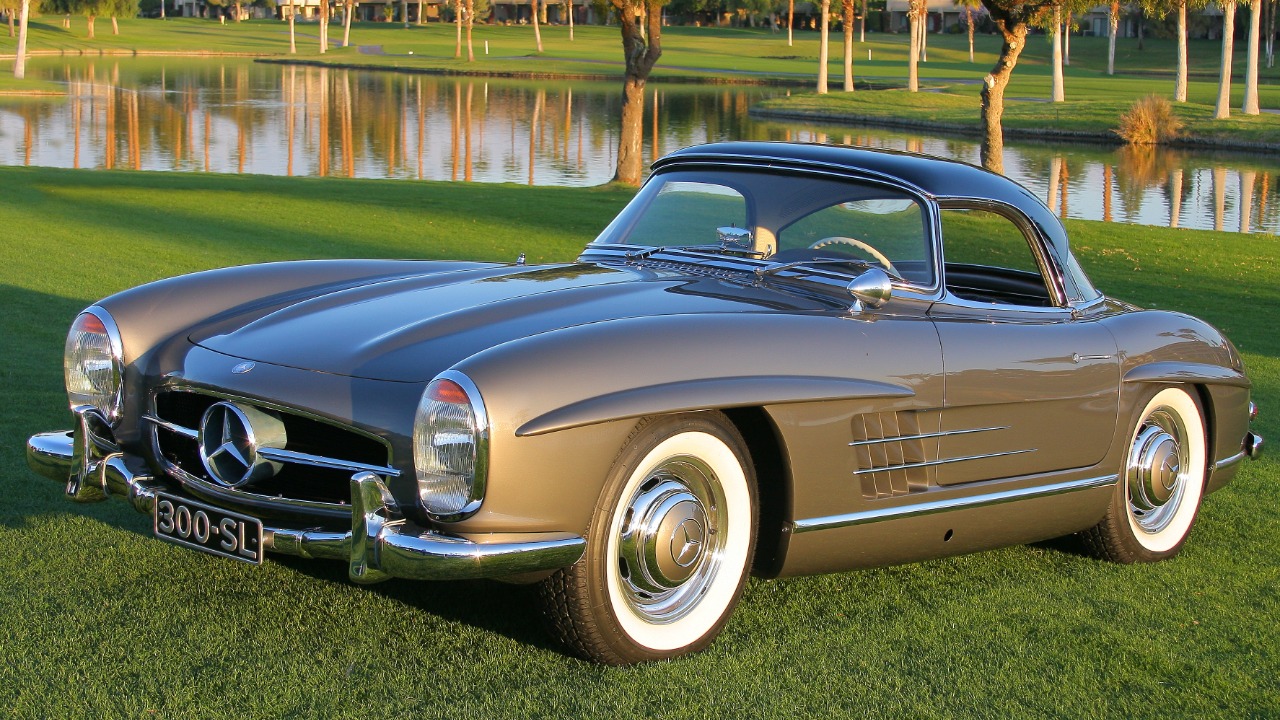
Throughout automotive history, certain vehicles have not only redefined their classes but also set benchmarks that others would strive to meet in the following decades. These cars, often considered ahead of their time, introduced groundbreaking technologies, designs, and concepts that would later become mainstream. From pioneering efficiency to embracing advanced engineering, these standout models have left an indelible mark on the industry.
Ford Model T
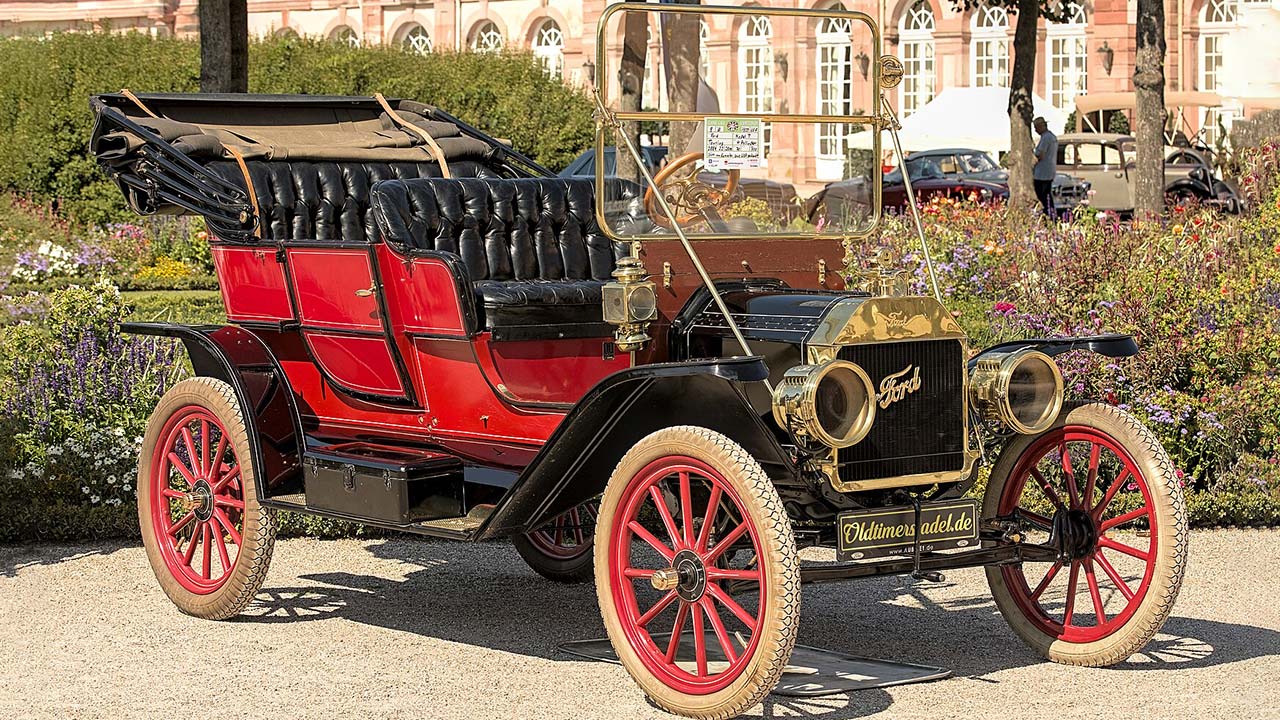
The Ford Model T, produced from 1908 to 1927, revolutionized the automotive landscape by making car ownership accessible to the masses. Henry Ford’s introduction of assembly line production not only cut costs but also increased efficiency, allowing this iconic vehicle to be sold at a price point that nearly every American could afford. The Model T’s simplicity and durability made it an instant favorite, establishing a blueprint for mass production that would be emulated worldwide.
Moreover, its design was practical and user-friendly, appealing to a wide demographic. The Model T featured a lightweight structure and simple mechanics, which made it easy to repair and maintain. This combination of affordability and practicality allowed it to dominate the market, setting the stage for the modern automotive industry and proving that innovation could drive mass accessibility.
Volkswagen Beetle
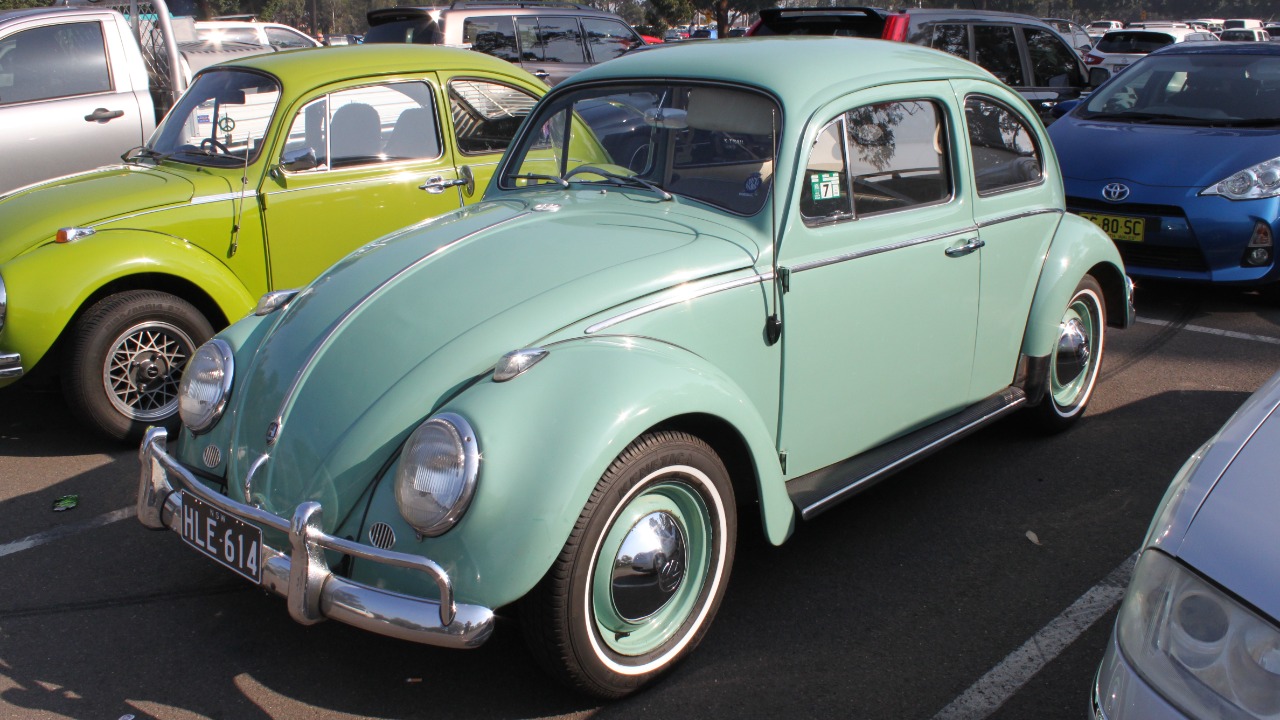
Launched in 1938, the Volkswagen Beetle became iconic for its distinct shape and reliable performance. Designed by Ferdinand Porsche, this compact car was intended to be an affordable vehicle for the average family. Its rear-engine layout and air-cooled design made it incredibly efficient and easy to manufacture, contributing to its global appeal.
The Beetle’s design was not just about aesthetics; it focused on functionality and efficiency. It became a symbol of counterculture in the 1960s and has remained a beloved classic ever since. The model’s longevity and continued evolution showcase how innovative engineering can create lasting legacies in the automotive world.
Citroën DS
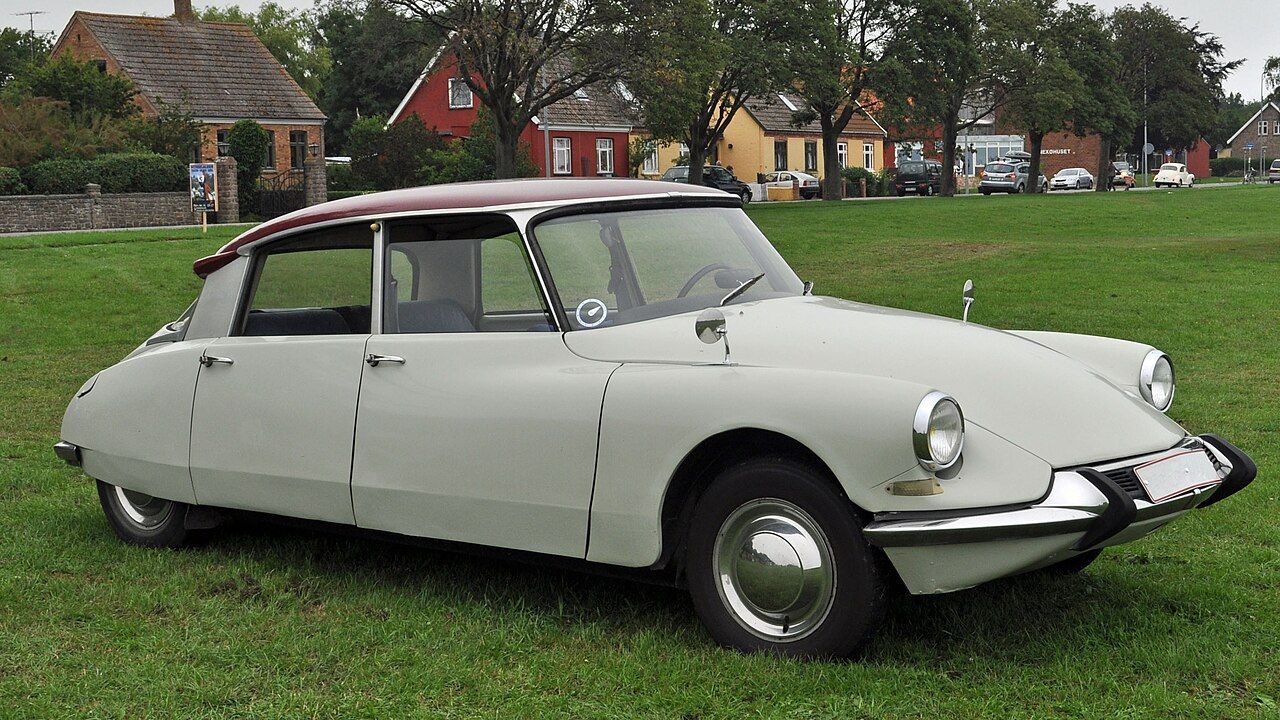
When the Citroën DS was unveiled in 1955, it captivated the automotive world with its futuristic design and advanced technology. The car featured hydropneumatic suspension, which provided a smooth ride and set a new standard for comfort. Its aerodynamic shape was revolutionary, offering both style and efficiency that were well ahead of its time.
The DS was not just about looks; it embraced safety and innovation. Features like disc brakes and a unique steering system contributed to its reputation as one of the safest cars of its era. This blend of aesthetics, comfort, and pioneering engineering made the Citroën DS a timeless classic, admired even today for its visionary approach and design excellence.
BMW i8
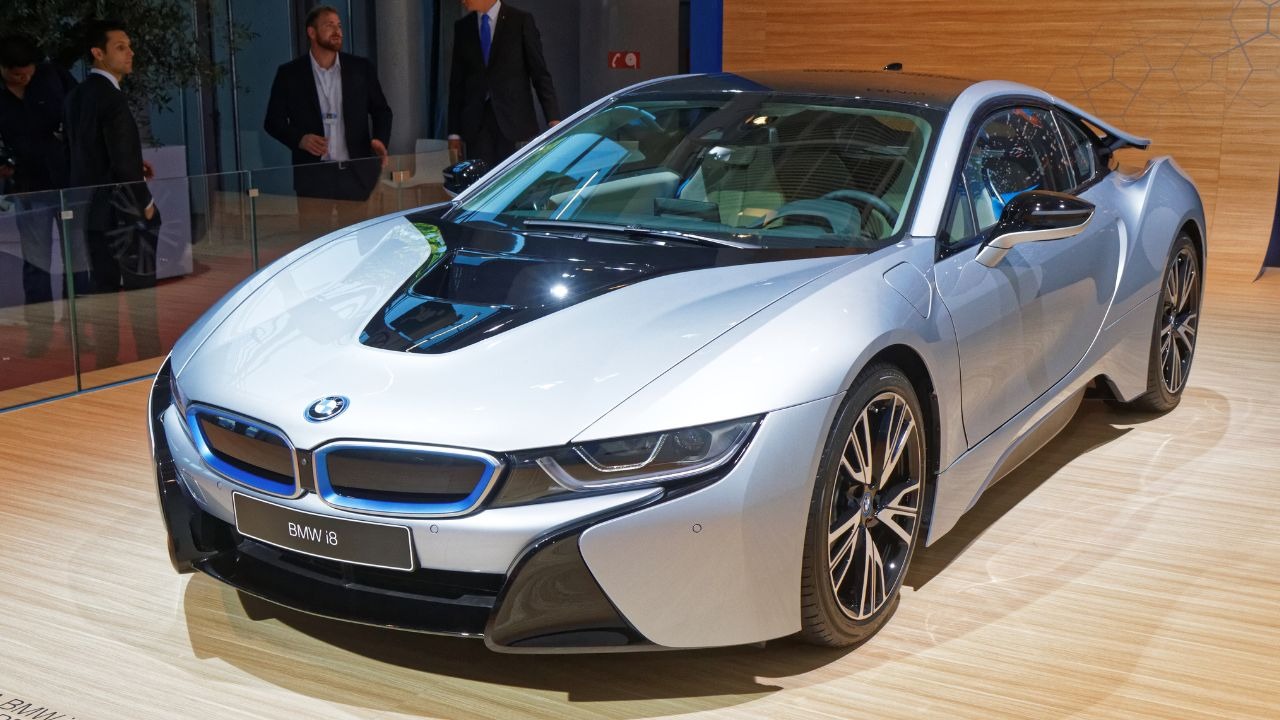
The BMW i8, launched in 2014, represented a significant leap into the future of automotive engineering with its plug-in hybrid technology. Combining a turbocharged three-cylinder engine with an electric motor, the i8 achieved remarkable performance while maintaining impressive fuel efficiency. Its striking design, with scissor doors and sleek lines, was both a nod to the future and a celebration of BMW’s performance heritage.
This car’s technology included innovative materials like carbon fiber and aluminum, reducing weight while enhancing strength and safety. The i8 showcased how luxury and sustainability could coexist, paving the way for future hybrid and electric vehicles. Its legacy continues to influence modern sports cars, proving that performance and eco-friendliness can go hand-in-hand.
Tesla Roadster
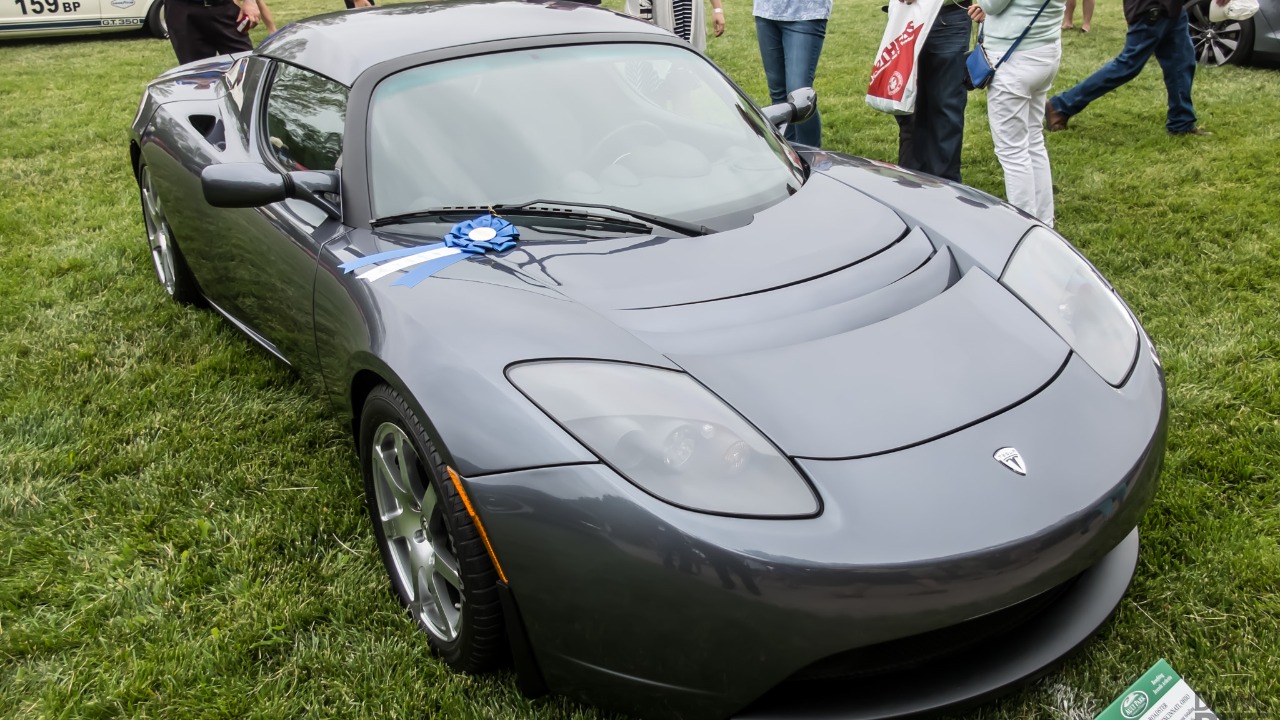
When the Tesla Roadster debuted in 2008, it shattered preconceived notions about electric vehicles. With a 0-60 mph time of just 3.7 seconds, it demonstrated that electric cars could rival traditional sports cars in performance. The Roadster’s sleek design and groundbreaking technology helped pave the way for the electric vehicle revolution.
Equipped with a lithium-ion battery pack, the Roadster offered a range of over 200 miles on a single charge, addressing one of the major concerns surrounding electric vehicles. Its success not only proved the viability of electric vehicles but also challenged the automotive industry to innovate further. Today, the Tesla Roadster is recognized as a catalyst for the shift towards sustainable transportation.
Mercedes-Benz 300SL
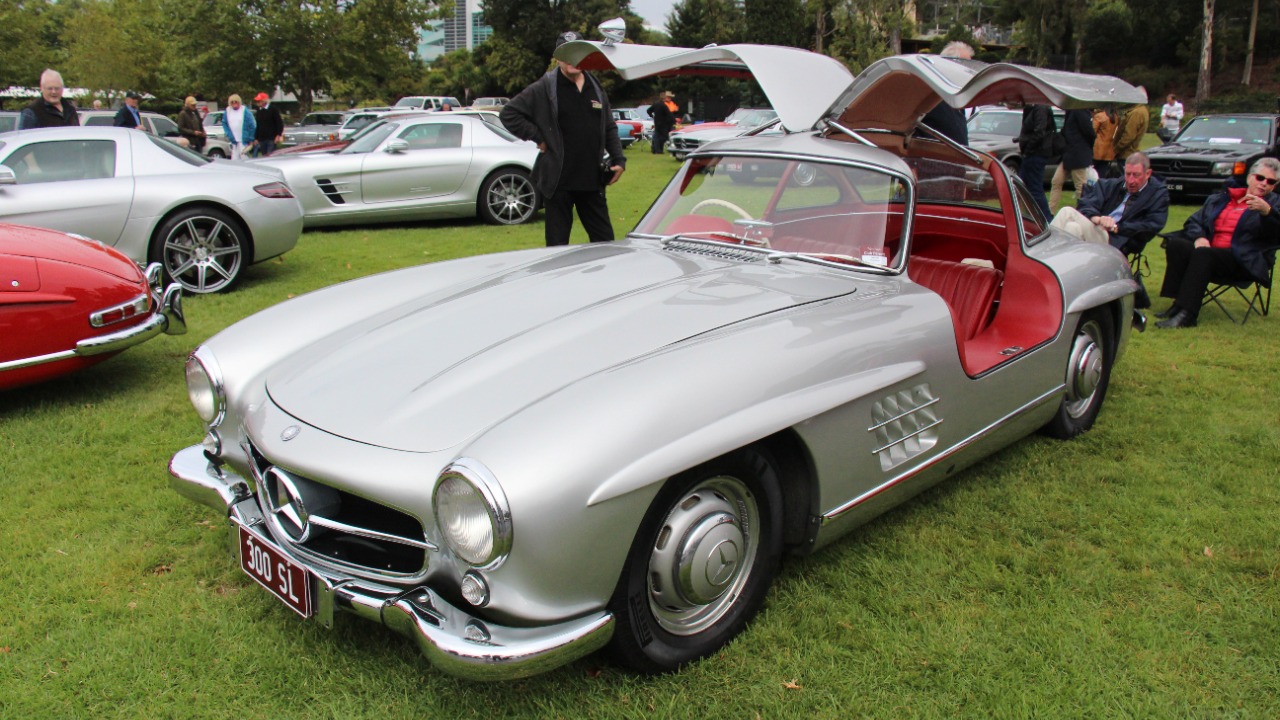
The Mercedes-Benz 300SL, produced from 1952 to 1963, was a groundbreaking sports car that introduced several innovations we take for granted today. Its iconic gullwing doors and lightweight aluminum body were revolutionary, setting a new standard for sports car design. The 300SL’s direct fuel injection system was also a major milestone, significantly improving engine performance and efficiency.
This vehicle not only impressed with its engineering but also captivated car enthusiasts with its aesthetic appeal. The 300SL became a symbol of luxury and performance, influencing countless designs and innovations in the decades that followed. It remains a prized collector’s item, embodying the spirit of innovation in automotive history.
Honda Insight
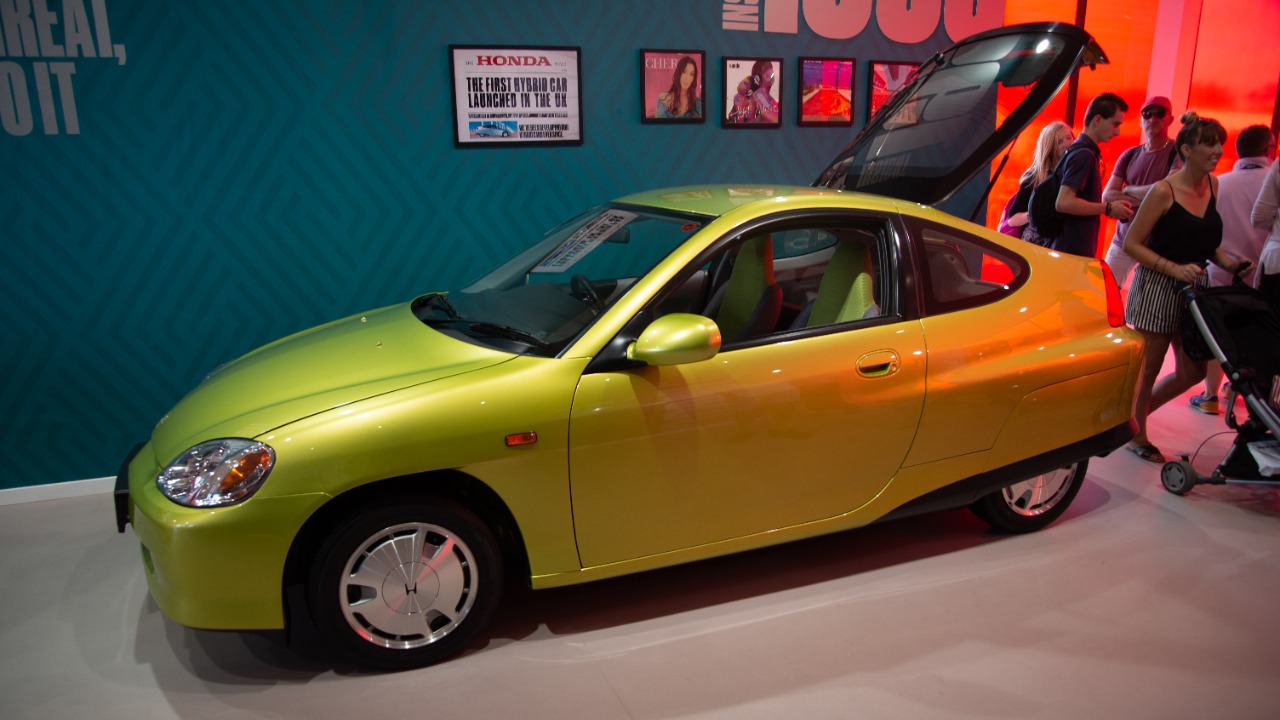
Introduced in 1999, the Honda Insight was one of the first hybrid vehicles available to consumers. With its sleek, aerodynamic design and lightweight construction, it showcased how efficiency could be achieved without sacrificing style or performance. The Insight featured an innovative Integrated Motor Assist system, which provided additional power while optimizing fuel economy.
As the first hybrid to be sold in America, the Insight laid the groundwork for future hybrids and electric vehicles. Its success prompted other manufacturers to explore hybrid technology, leading to the widespread adoption of fuel-efficient vehicles. The Honda Insight is often overlooked, but its pioneering spirit continues to resonate in today’s environmentally conscious automotive market.
DeLorean DMC-12
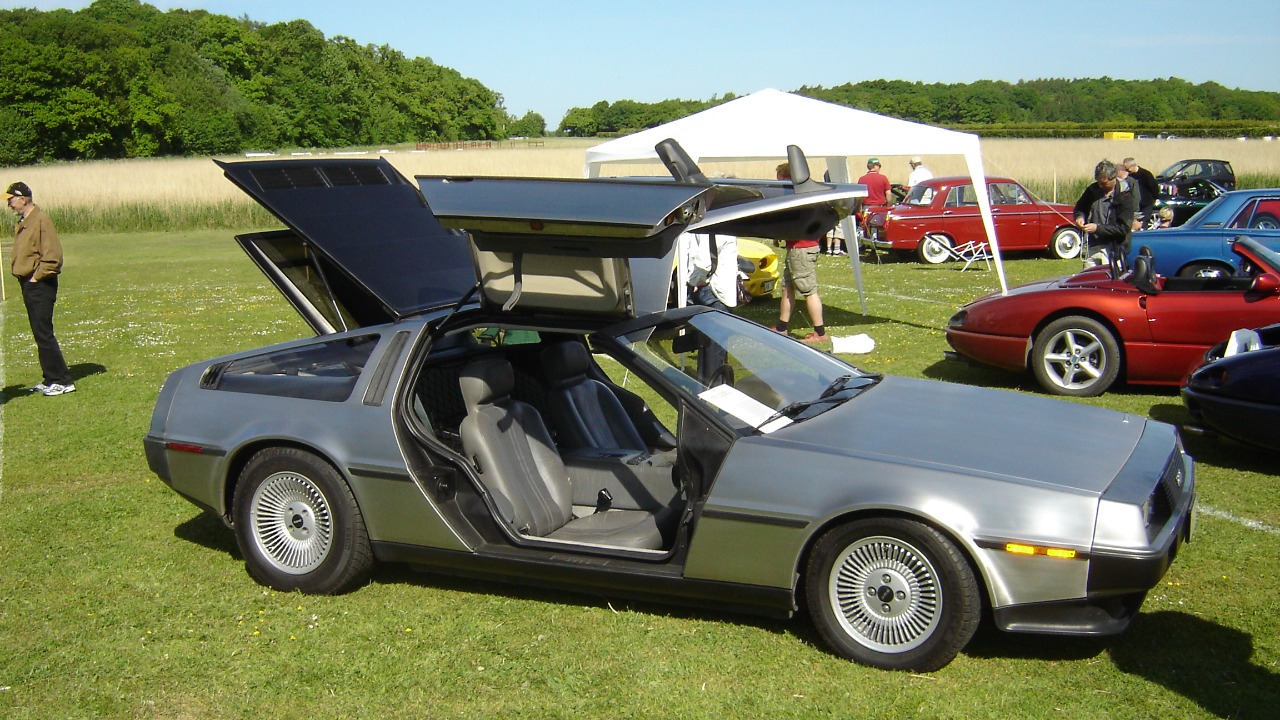
The DeLorean DMC-12, produced from 1981 to 1983, is best known for its unique design and cultural significance, especially following its appearance in the “Back to the Future” films. With its stainless steel body and gullwing doors, the DMC-12 was unlike any vehicle on the market. While it faced production challenges, its futuristic design still captivates enthusiasts decades later.
Beyond its aesthetics, the DeLorean was a pioneer in using composite materials and advanced safety features. Though it didn’t achieve commercial success, the DMC-12’s vision of a sporty, affordable, and innovative vehicle challenges the norms of its time. It remains a symbol of ambition and creativity in automotive design, inspiring future generations of car makers.
More from Fast Lane Only
- Unboxing the WWII Jeep in a Crate
- 15 rare Chevys collectors are quietly buying
- 10 underrated V8s still worth hunting down
- Police notice this before you even roll window down
*Research for this article included AI assistance, with all final content reviewed by human editors.