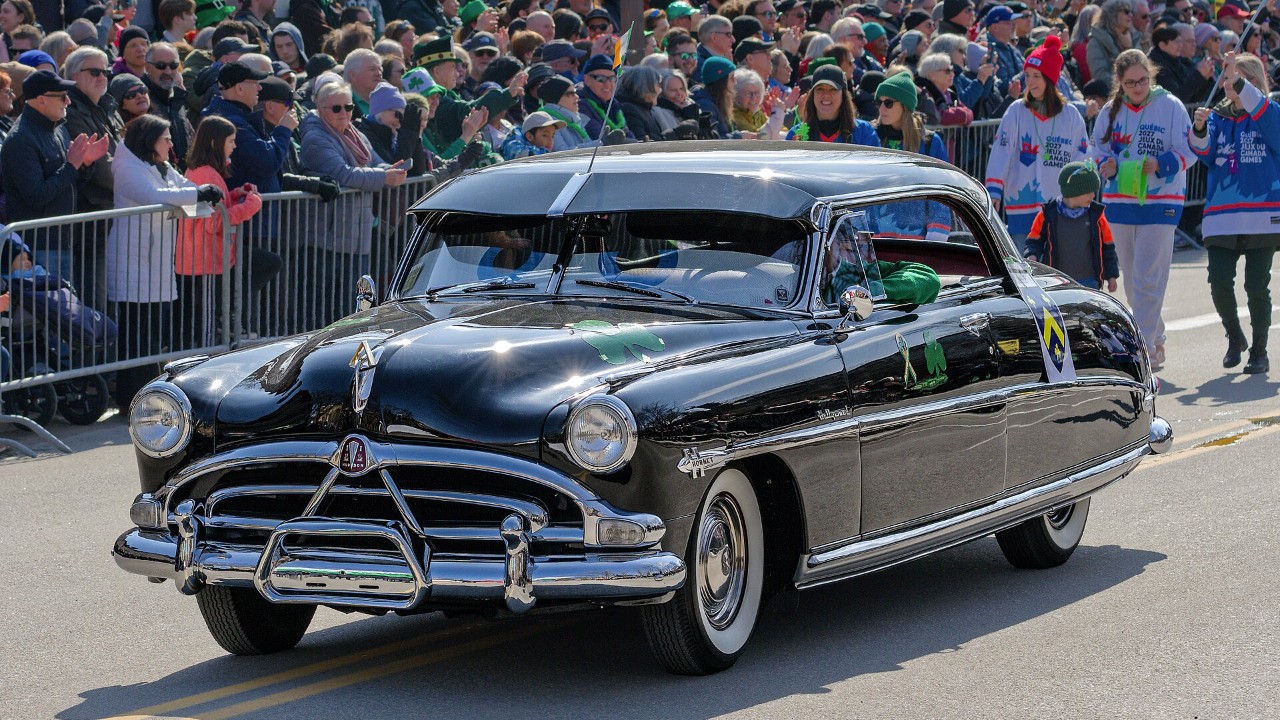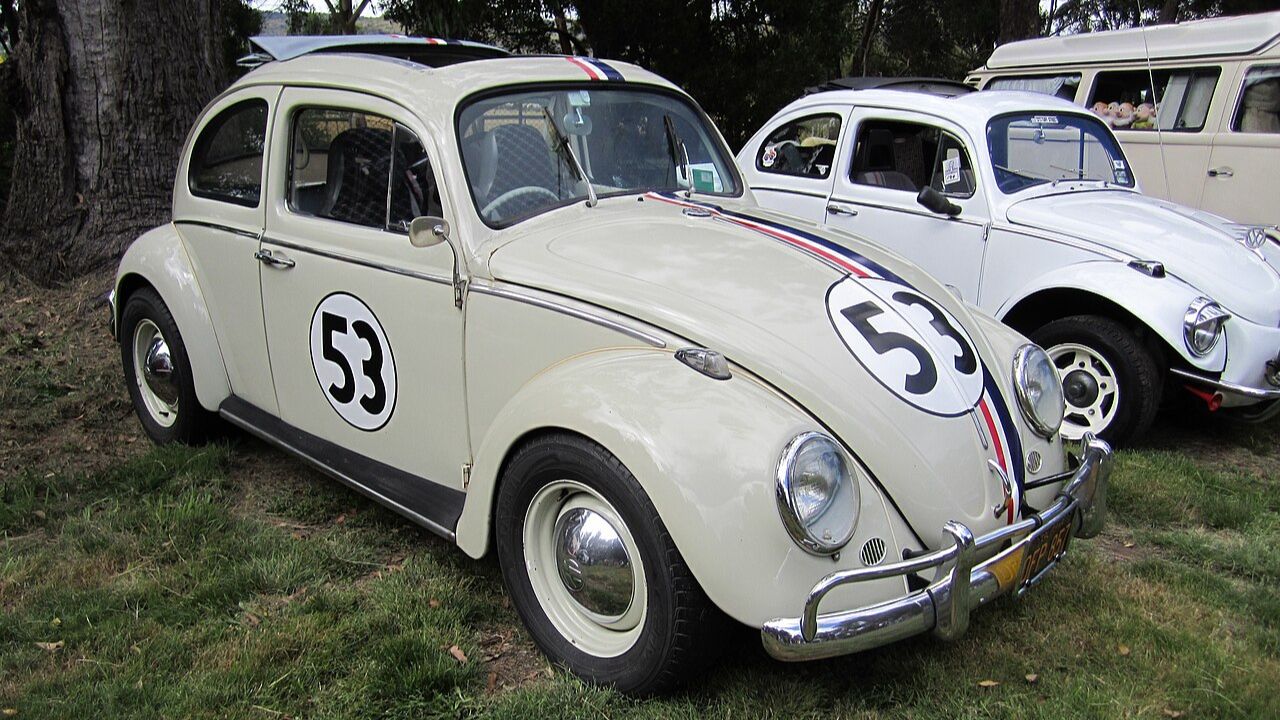
Throughout automotive history, certain vehicles have transcended their purpose, becoming timeless icons that continue to inspire modern designers. From their innovative designs to their cultural significance, these cars represent creativity and craftsmanship that resonate in today’s automotive landscape. Here are nine vehicles that have left an indelible mark on design and continue to influence the way we think about cars.
Ford Model T
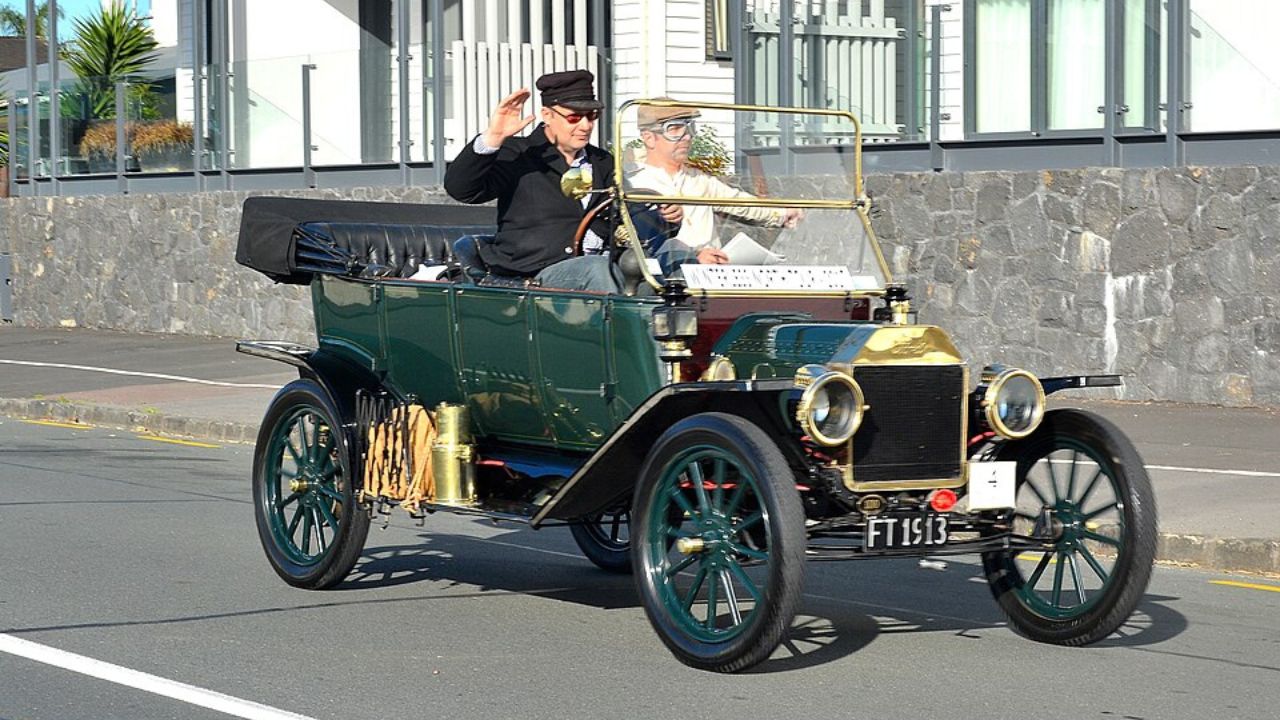
The Ford Model T, produced from 1908 to 1927, is often credited with revolutionizing the automotive industry. Its simple yet effective design set the foundation for mass production, making cars accessible to the average American. The Model T’s boxy shape and minimalistic approach not only defined the early 20th-century vehicle aesthetic but also showcased functionality over form. Designers today still draw inspiration from its utilitarian design principles, which emphasize efficiency and practicality. The legacy of the Model T can be seen in the modern emphasis on user-friendly and cost-effective vehicles. Its influence is further explored in various design retrospectives, such as this showcase.
Volkswagen Beetle
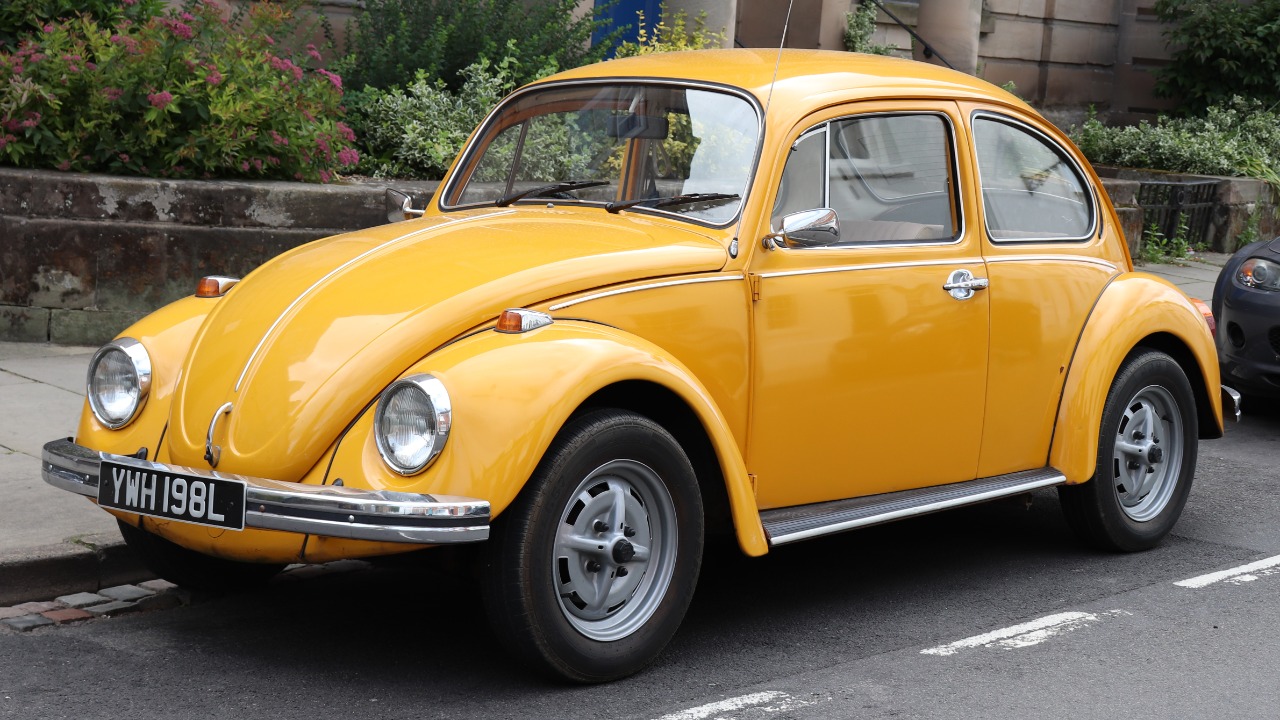
Launched in the late 1930s and continuing production in various forms until 2019, the Volkswagen Beetle’s distinctive rounded shape and friendly demeanor have made it a beloved icon. Its design was originally intended to be affordable and practical, yet it achieved a level of charm that resonated globally. The Beetle’s simplicity and approachability have inspired countless designers to prioritize user experience and emotional connection in their work. Even today, the timeless design elements of the Beetle are evident in contemporary vehicles, as seen in the recent discussions about a potential Volkswagen Golf Mk9 that reflects its spirit. The Beetle remains a symbol of design that balances functionality with personality.
Porsche 911
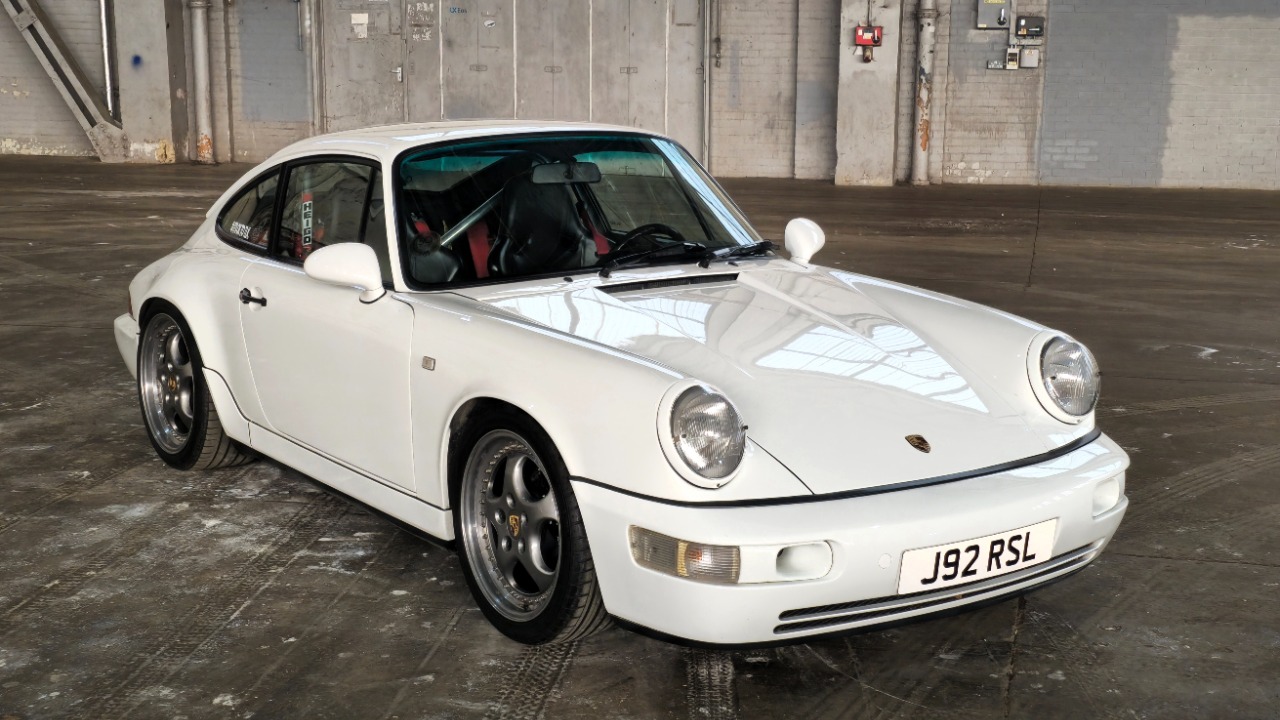
Since its introduction in 1964, the Porsche 911 has become synonymous with performance and elegance. Its distinctive silhouette, characterized by a sloping roofline and round headlights, has remained largely unchanged over the decades, proving that great design can endure the test of time. The 911’s integration of form and function has made it a benchmark for sports cars, inspiring countless designers to prioritize aerodynamics without sacrificing aesthetic appeal. The car’s evolution reflects a continuous dialogue between tradition and innovation, a principle that modern automotive designers strive to achieve. The enduring popularity of the 911 is evident in its presence across various media, including YouTube reviews that celebrate its legacy.
Mini Cooper
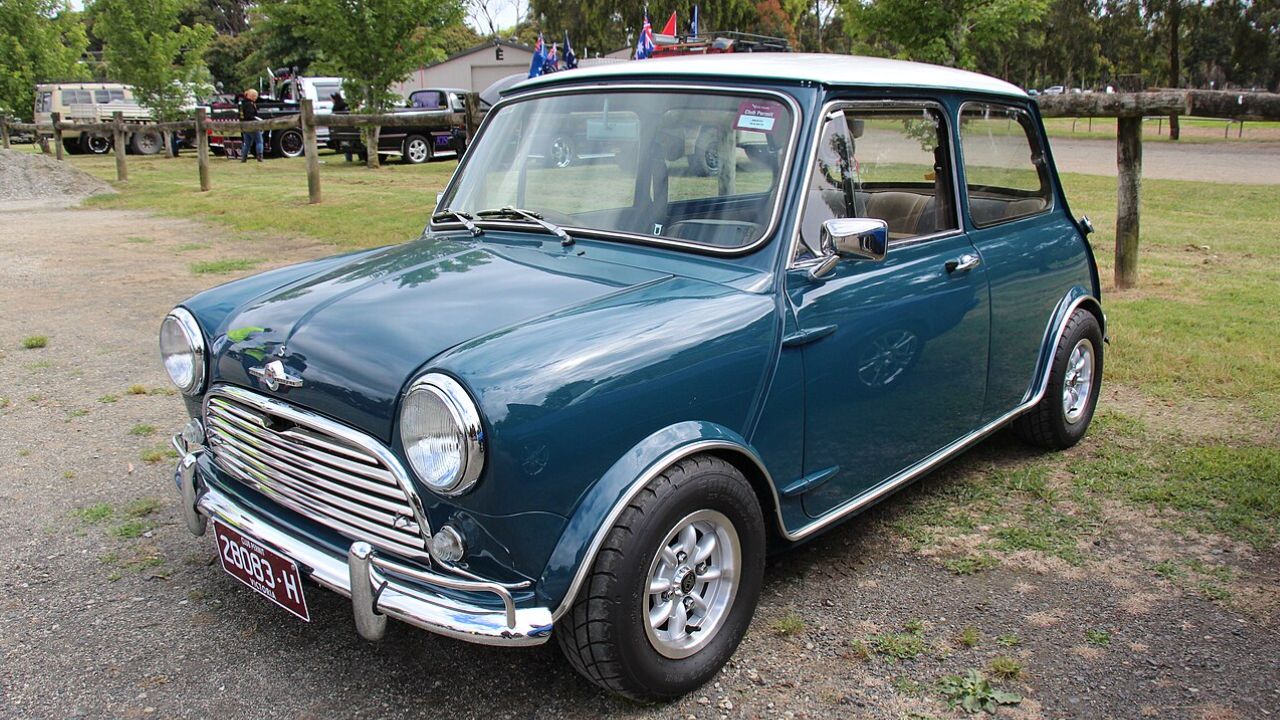
The Mini Cooper, originally released in 1961, is an enduring symbol of compact car design and British automotive culture. Its quirky proportions and efficient use of space have inspired modern designers to think creatively about urban mobility. The Mini’s playful character and unique styling have made it a favorite among enthusiasts, leading to various design iterations that embrace its roots while incorporating modern technology. The revival of the Mini brand in the early 2000s showcased how classic design could be reinterpreted for a new generation, influencing a wave of retro-inspired vehicles. The Mini’s design philosophy can be seen in many contemporary cars that prioritize compactness and style.
Jaguar E-Type
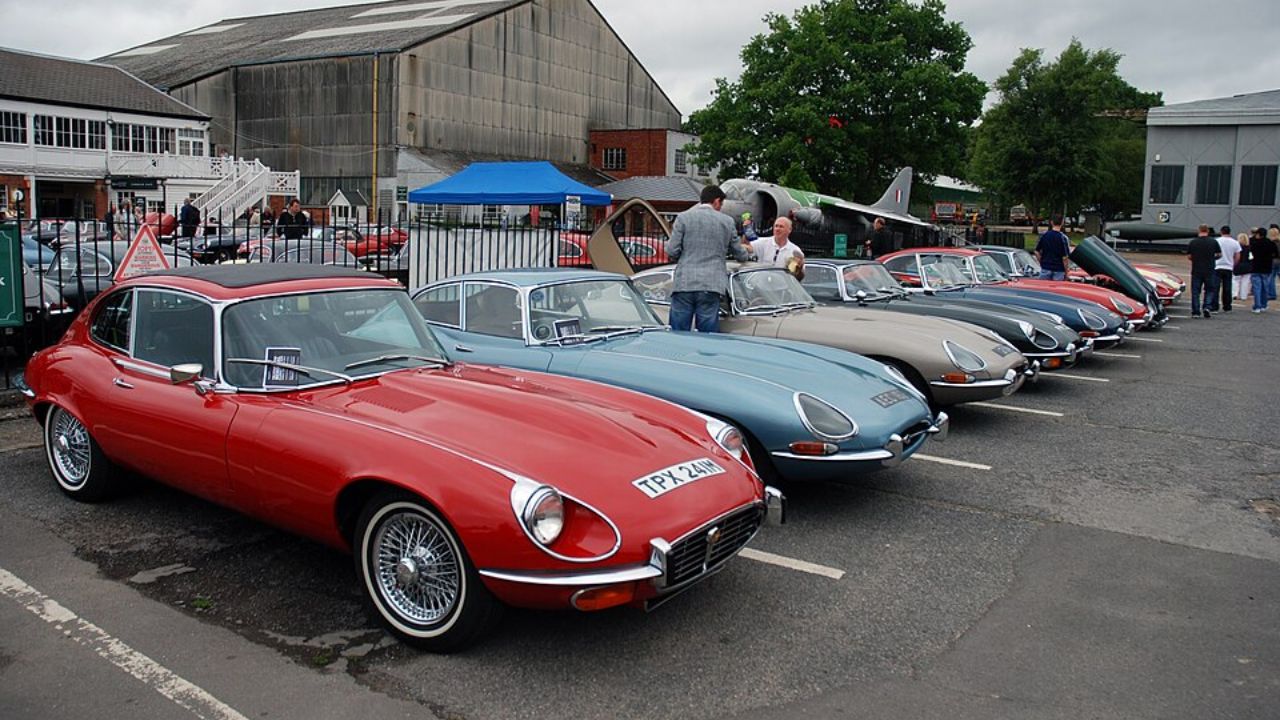
The Jaguar E-Type, introduced in 1961, is often regarded as one of the most beautiful cars ever made. Its sleek lines, long hood, and elegant proportions captured the essence of 1960s automotive design and performance. The E-Type’s combination of speed and style has left a lasting influence on sports car design, encouraging modern manufacturers to prioritize aesthetics alongside engineering excellence. Designers frequently reference the E-Type when creating high-performance vehicles that aim to evoke a sense of passion and excitement. Its legacy continues to inspire discussions about beauty in automotive design, reinforcing the idea that a car can be both a machine and a work of art.
Chevrolet Corvette
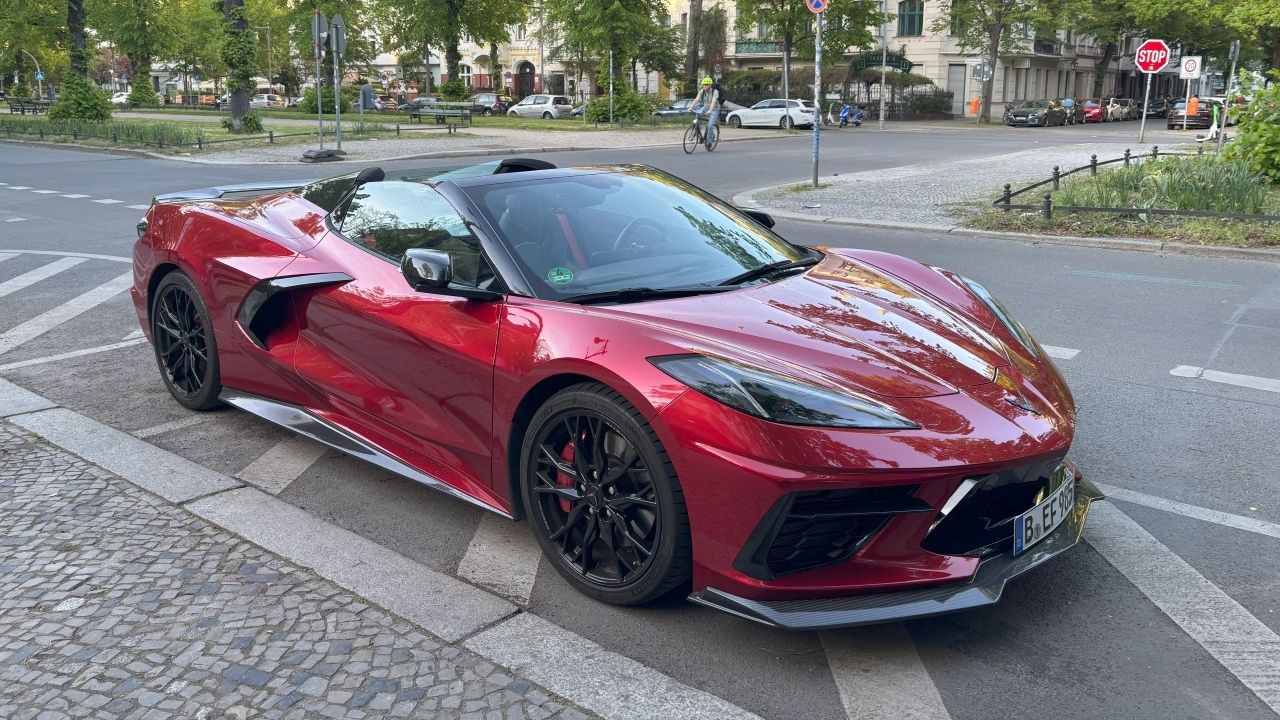
Since its debut in 1953, the Chevrolet Corvette has epitomized American sports car culture. Known for its sleek, aerodynamic design and powerful performance, the Corvette has continually evolved while maintaining its distinctive identity. The bold lines and aggressive stance of the Corvette have influenced many contemporary sports cars, encouraging designers to push the envelope of performance and aesthetics. The introduction of the C8 Corvette in 2020 marked a significant shift, featuring a mid-engine layout that redefined the sports car segment. This evolution has sparked renewed interest in the Corvette’s design, proving that innovation can coexist with tradition in creating iconic vehicles.
Mercedes-Benz 300SL
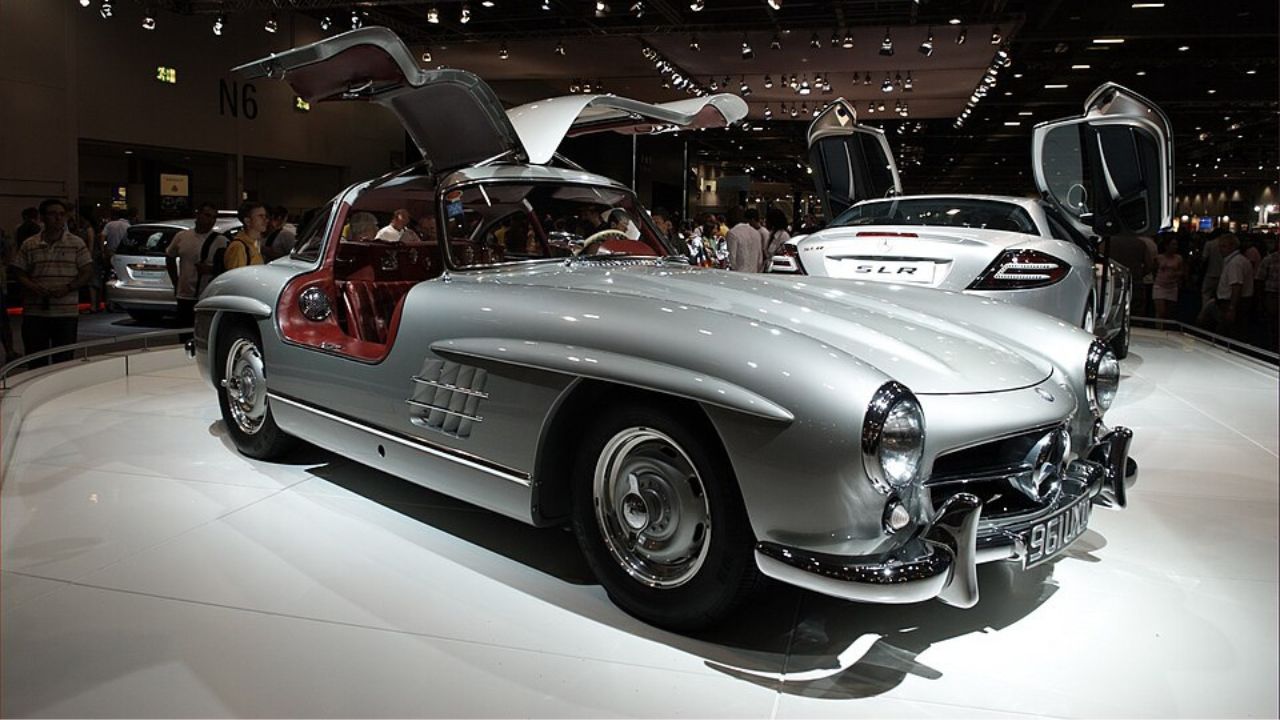
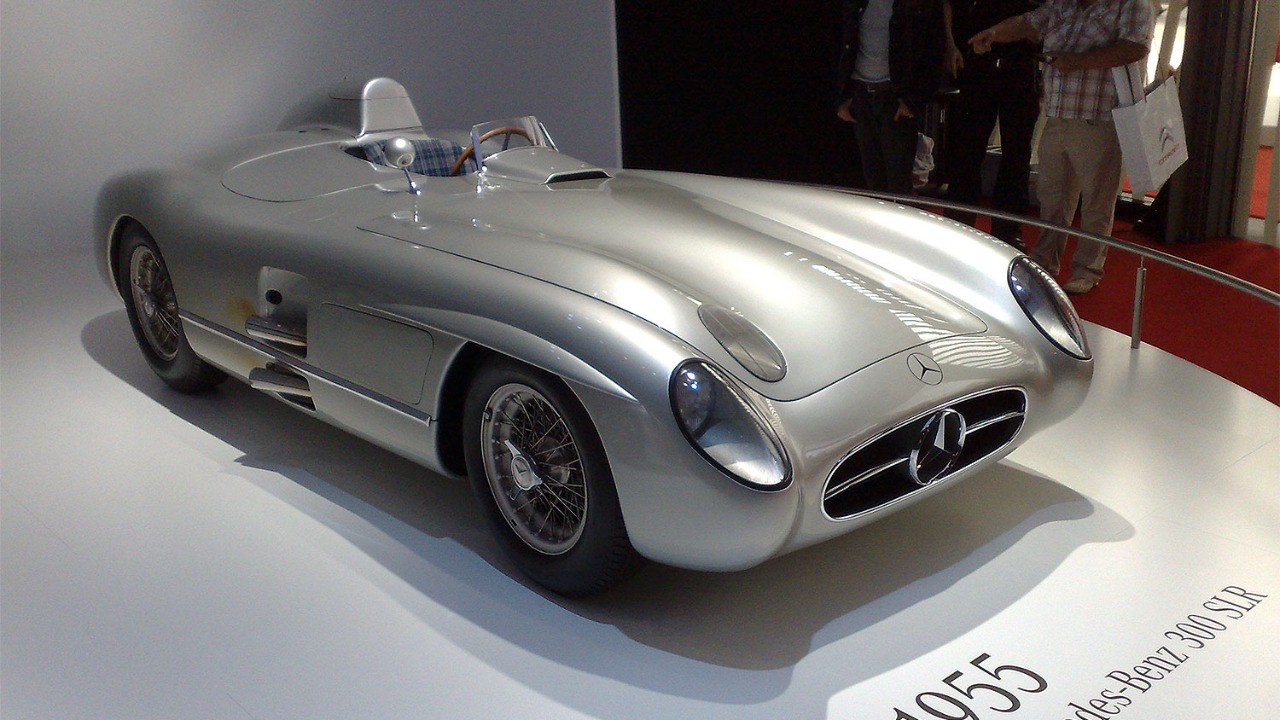
The Mercedes-Benz 300SL, produced from 1952 to 1963, is celebrated for its pioneering design and engineering. Known as the “Gullwing,” its distinctive doors and elegant silhouette have made it a classic in automotive history. The 300SL’s innovative engineering, including its lightweight construction and fuel-injected engine, set new standards for performance. Modern designers often look to the 300SL for inspiration, particularly in the realm of luxury vehicles where style meets precision. Its enduring appeal is evidenced by the numerous tributes and recreations that continue to emerge in the market. The 300SL serves as a reminder of the timelessness of great design and engineering excellence.
Lamborghini Miura

Launched in 1966, the Lamborghini Miura is often hailed as the world’s first supercar, setting the stage for a new era of high-performance vehicles. Its striking design, characterized by sharp lines and a low profile, has influenced generations of sports car aesthetics. The Miura’s mid-engine layout and advanced engineering were groundbreaking at the time, demonstrating that performance and beauty could coexist. Modern automotive designers frequently reference the Miura when creating high-performance models, as its legacy continues to inspire innovation and bold design choices. The Miura’s impact is not only seen in its successors but also in the broader sports car segment, where its influence is undeniable.
Tesla Model S
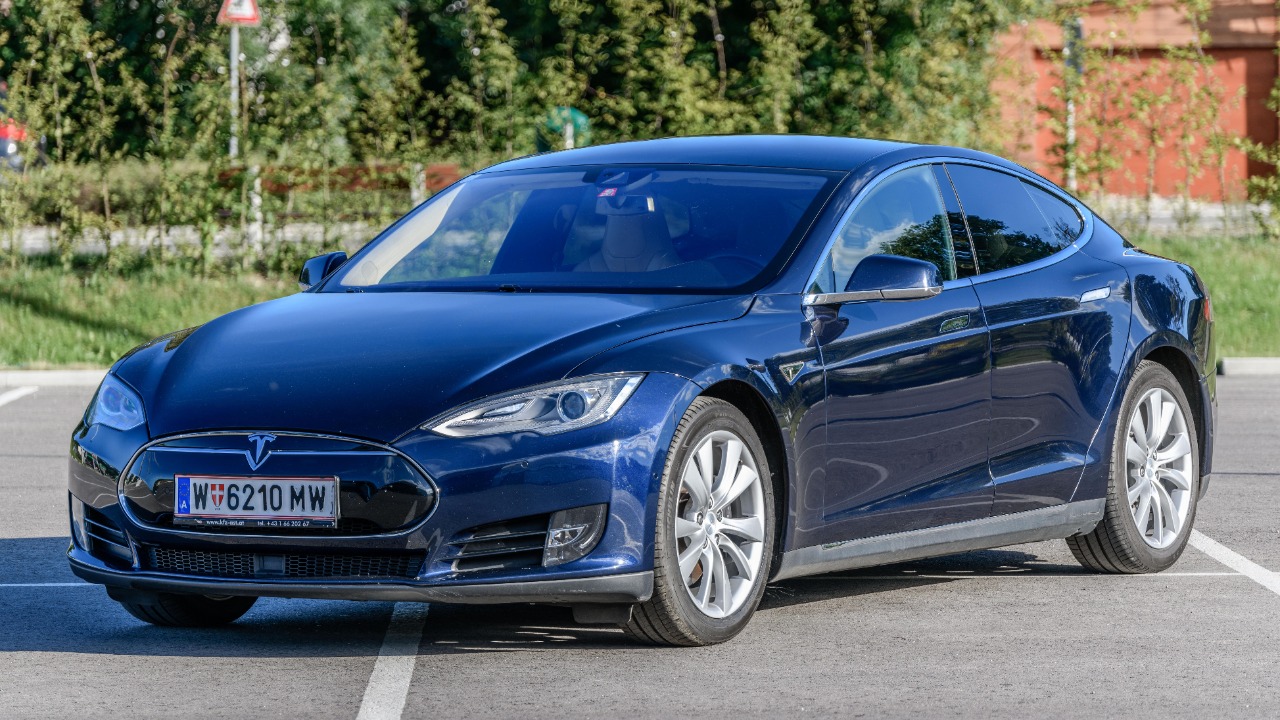
Introduced in 2012, the Tesla Model S has redefined the concept of electric vehicles with its sleek design and cutting-edge technology. Its minimalist interior and aerodynamic exterior have set new standards for both aesthetics and functionality. The Model S demonstrates how modern design can integrate sustainability and performance, inspiring a new generation of electric vehicles that prioritize efficiency without compromising style. As a leader in the electric vehicle market, Tesla has challenged traditional automotive design paradigms, encouraging other manufacturers to rethink their approach. The Model S’s influence can be seen in the growing trend toward electric mobility and the emphasis on user-centric design in future vehicles.
More from Fast Lane Only
- Unboxing the WWII Jeep in a Crate
- 15 rare Chevys collectors are quietly buying
- 10 underrated V8s still worth hunting down
- Police notice this before you even roll window down
*Research for this article included AI assistance, with all final content reviewed by human editors.