Some Chryslers were once overlooked because they depreciated quickly, lacked a famous performance badge, or were simply considered everyday transportation. That made them surprisingly affordable for years. As collectors have started looking beyond the usual muscle cars, several forgotten Chryslers have gained new appreciation. These eight are the kinds of cars enthusiasts wish they had recognized earlier.
Chrysler 300 Letter Series
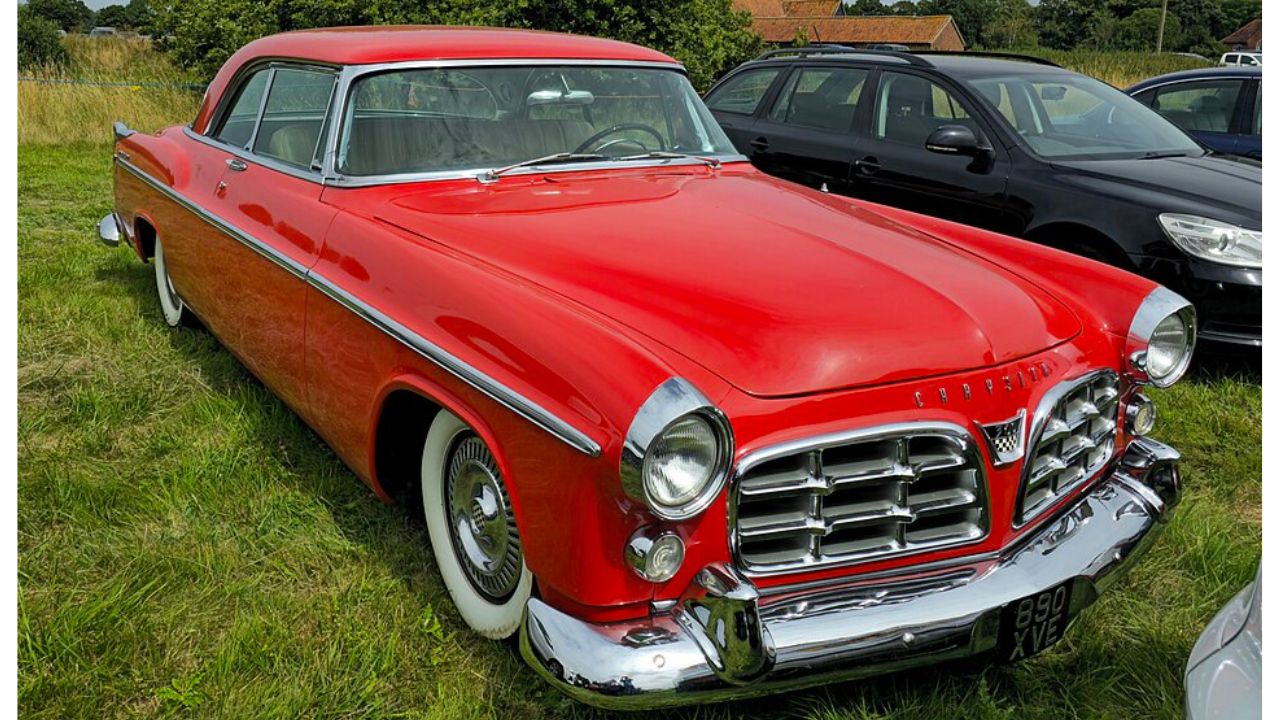
The Chrysler 300 Letter Series combined luxury with serious performance, creating one of America’s earliest true muscle-luxury formulas. Powerful V8 engines, distinctive styling, and limited production made these cars special from the beginning. Many were used as ordinary highway cruisers and eventually disappeared. Clean, original examples are now highly desirable, especially cars retaining their correct engines and factory equipment.
Chrysler Imperial
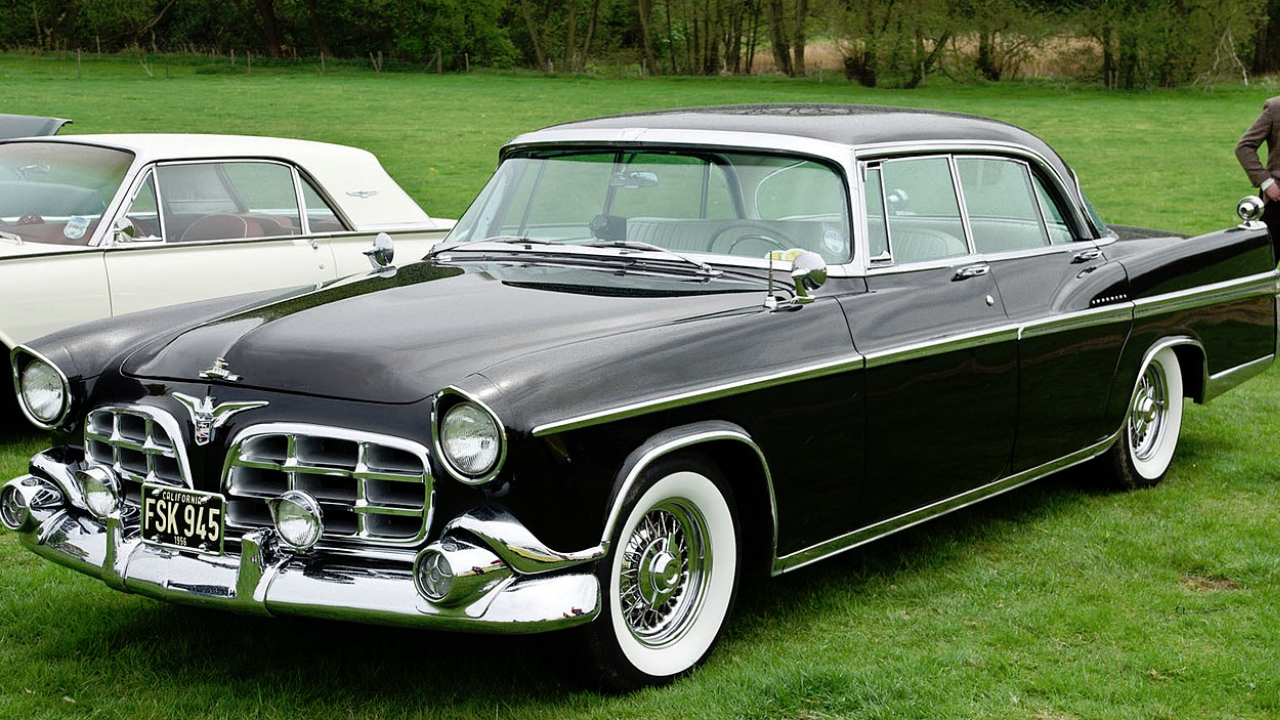
The Imperial represented Chrysler’s answer to Cadillac and Lincoln, offering enormous dimensions, lavish interiors, and powerful engines. Its imposing styling made it an unmistakable luxury car, but many examples eventually became inexpensive used vehicles. That led to significant losses through neglect and modification. Today, well-preserved Imperials are increasingly attractive to collectors interested in traditional American luxury.
Chrysler Cordoba

The Cordoba became famous for its personal-luxury styling and plush interior, but it was once simply an affordable used coupe. Its comfortable character and distinctive presentation made it a popular choice during its heyday. Many disappeared through rust and neglect. Clean examples are now gaining attention from enthusiasts who appreciate the era’s extravagant personal-luxury cars.
Chrysler New Yorker
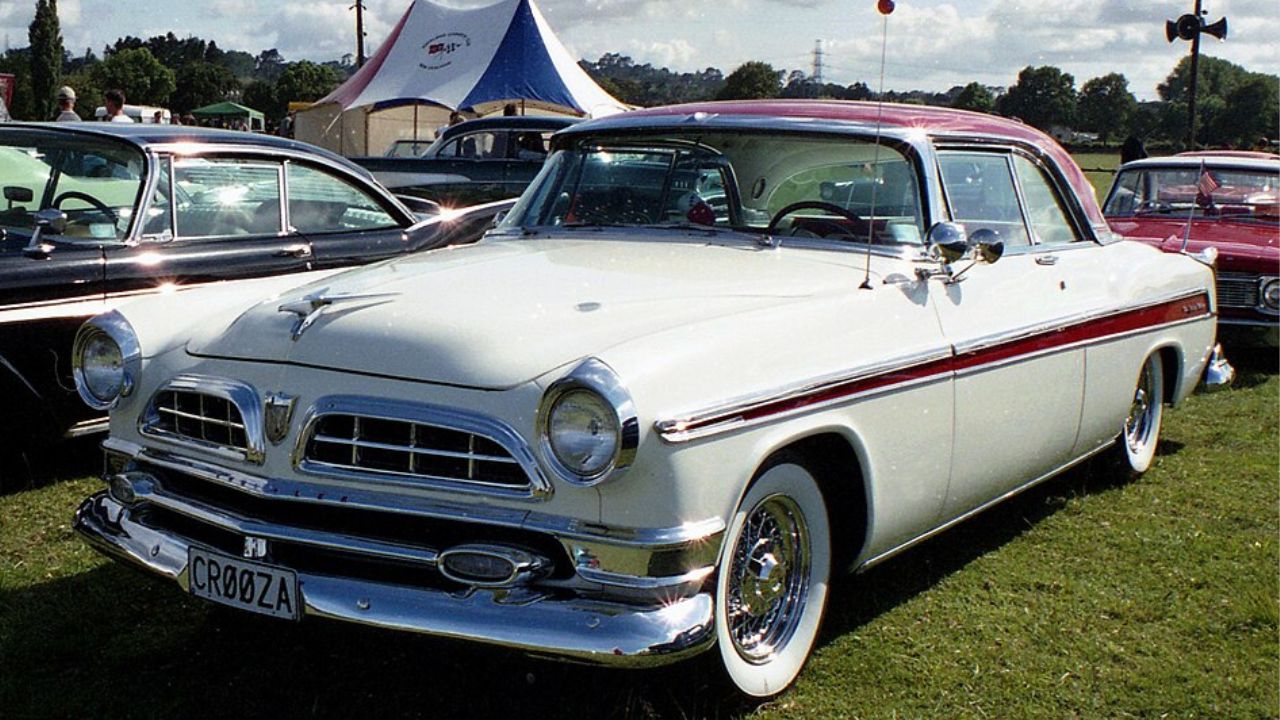
The New Yorker represented traditional Chrysler luxury, offering a spacious cabin, soft ride, and powerful V8 engines. It was produced in large numbers, which made it easy to overlook as a collectible. Decades later, however, surviving examples are becoming much less common. Original cars with excellent interiors and factory trim are increasingly appreciated for their period authenticity.
Chrysler Newport

The Newport was positioned below Chrysler’s more prestigious models, making it a common choice for families seeking a large American sedan. Its conventional mechanical design and comfortable ride made it dependable transportation. Because owners rarely considered them collectible, many were driven until they disappeared. A solid, original Newport now provides an unusually authentic look at everyday American motoring.
Chrysler 300M
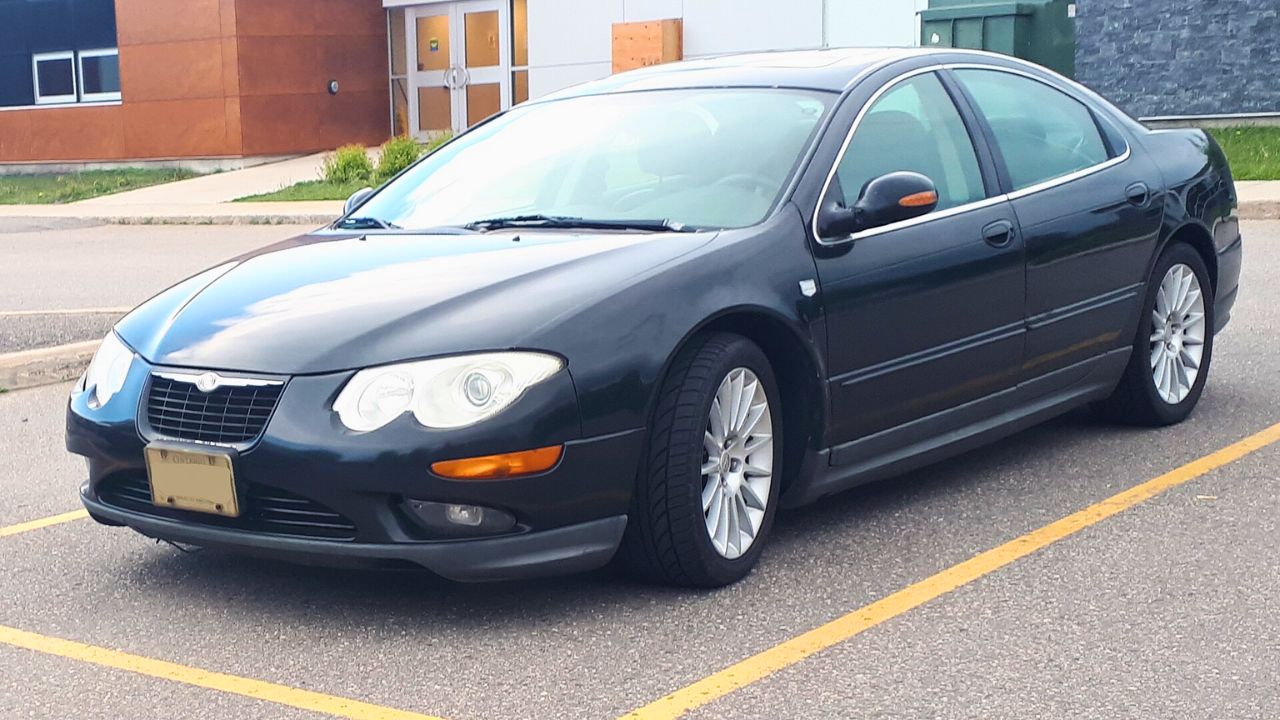
The 300M brought a more modern interpretation of the Chrysler 300 name, combining a sleek body with a strong V6 and comfortable interior. It was once heavily depreciated, making good examples easy to overlook. Today, enthusiasts are beginning to appreciate its styling and place in Chrysler’s history. Low-mileage, unmodified cars are becoming increasingly interesting as survivors disappear.
Chrysler Crossfire
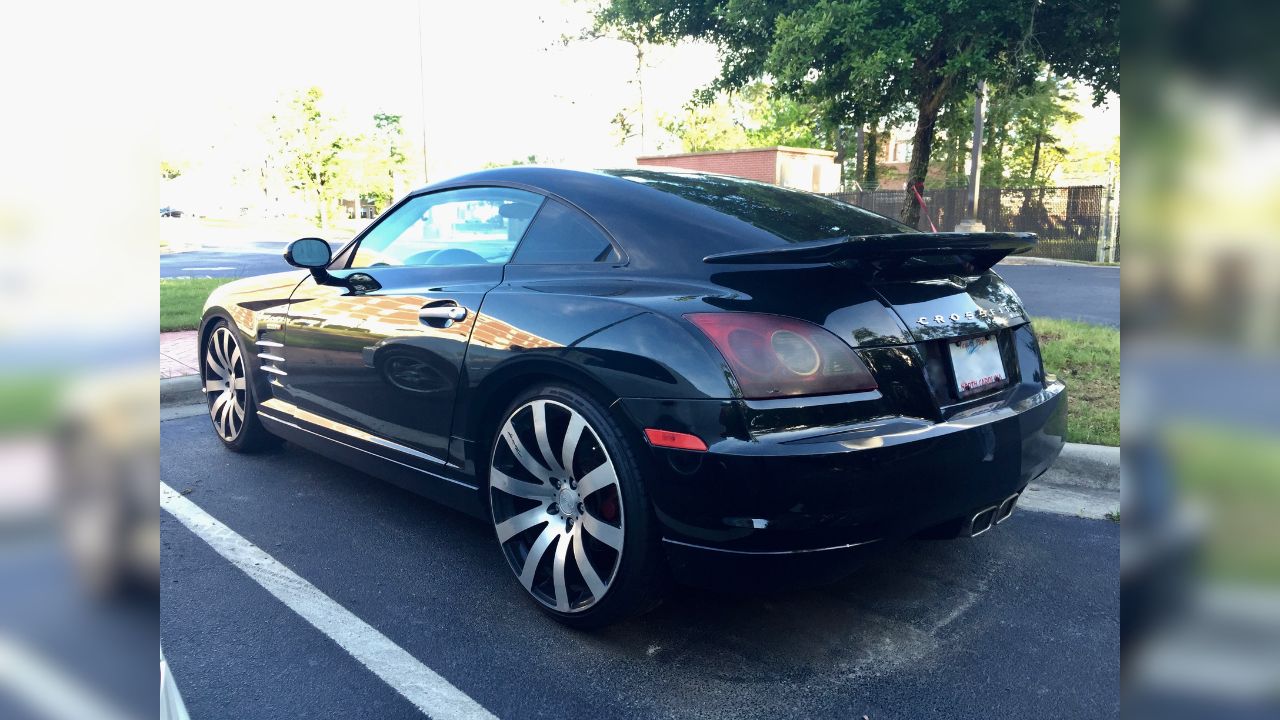
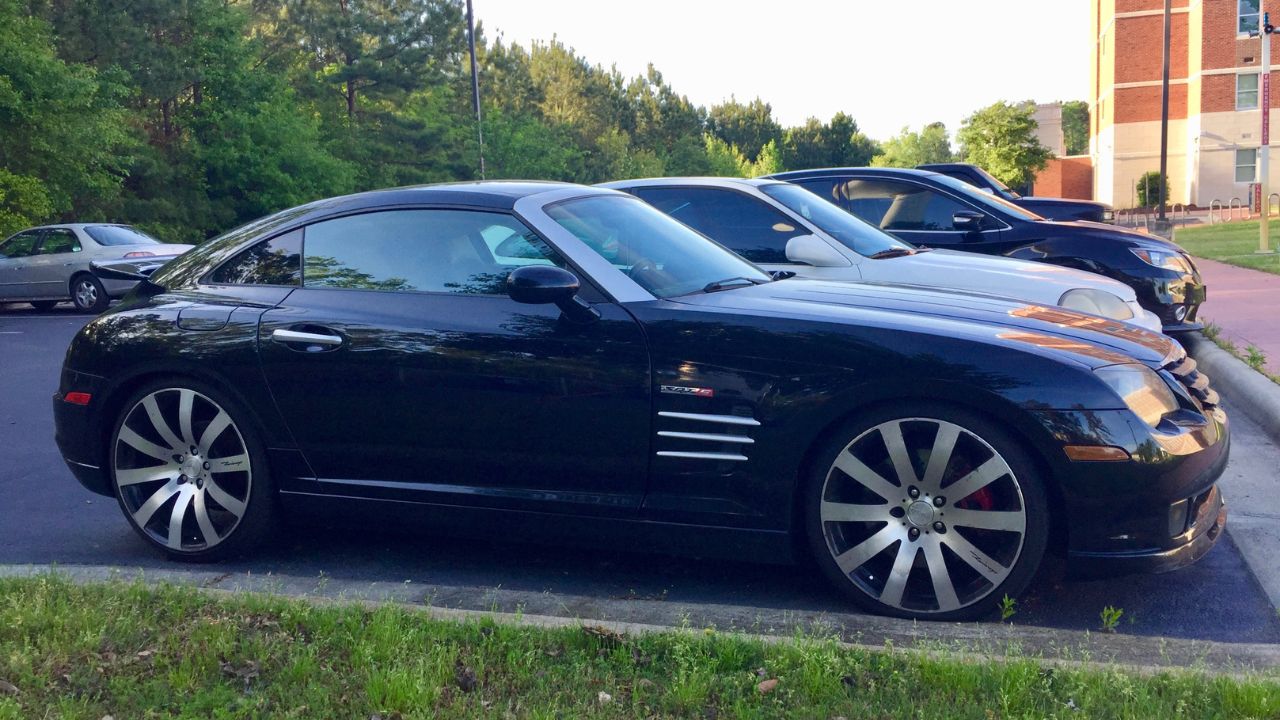
The Crossfire was an unusual Chrysler with a distinctly European character and a sophisticated rear-wheel-drive platform. Its styling was unlike almost anything else in the American lineup, while its limited production kept it relatively uncommon. Many buyers overlooked it when prices fell sharply. Clean examples are now becoming interesting to collectors who appreciate unusual early-2000s performance cars.
Chrysler Prowler
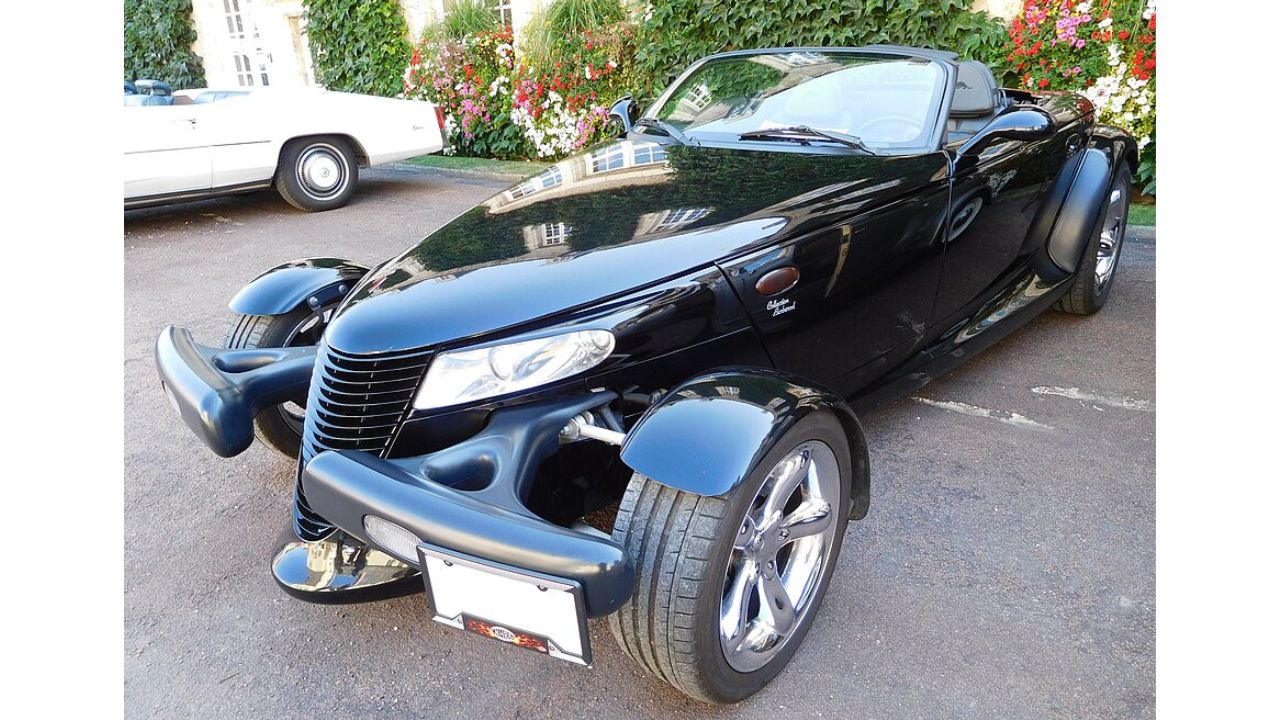
The Prowler brought hot-rod-inspired styling into modern production and looked dramatically different from ordinary Chryslers. Its exposed front suspension, narrow body, and retro proportions made it instantly recognizable. Production was limited, and many examples were preserved rather than heavily used. Collectors who bought Prowlers when they were affordable may have made a surprisingly smart long-term choice.
More from Fast Lane Only
- Unboxing the WWII Jeep in a Crate
- 15 rare Chevys collectors are quietly buying
- 10 underrated V8s still worth hunting down
- Police notice this before you even roll window down
*Research for this article included AI assistance, with all final content reviewed by human editors