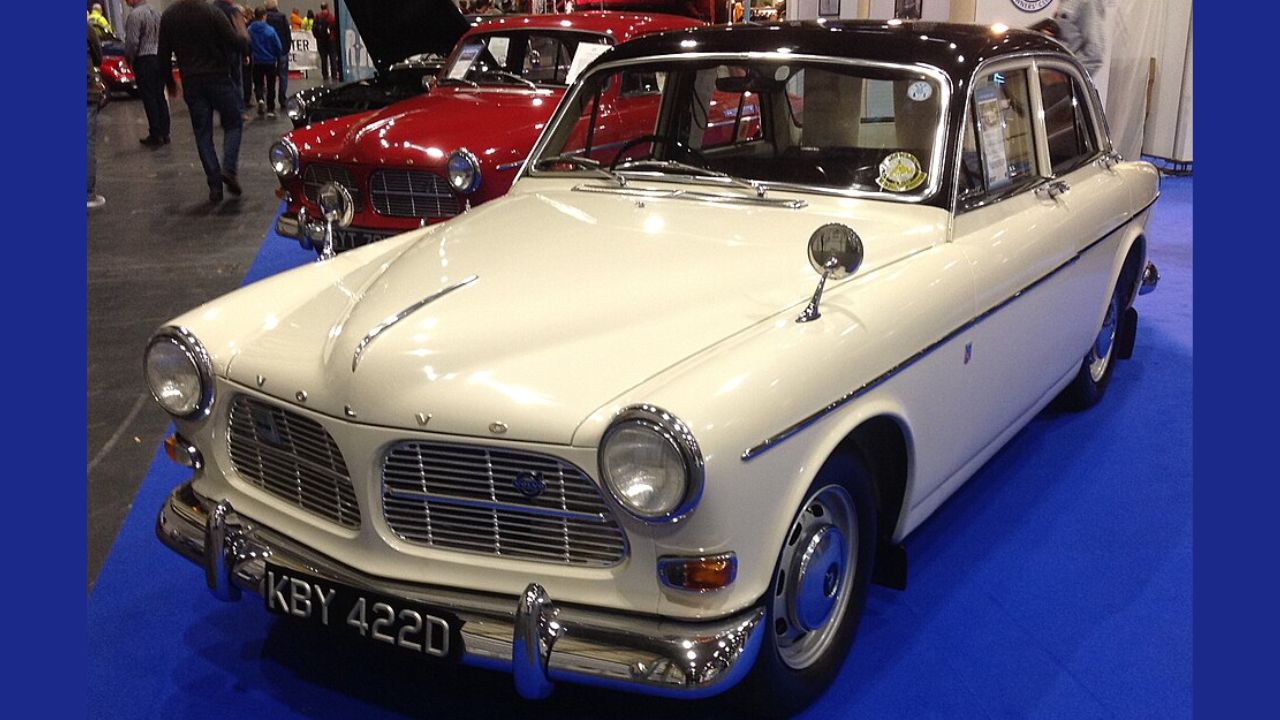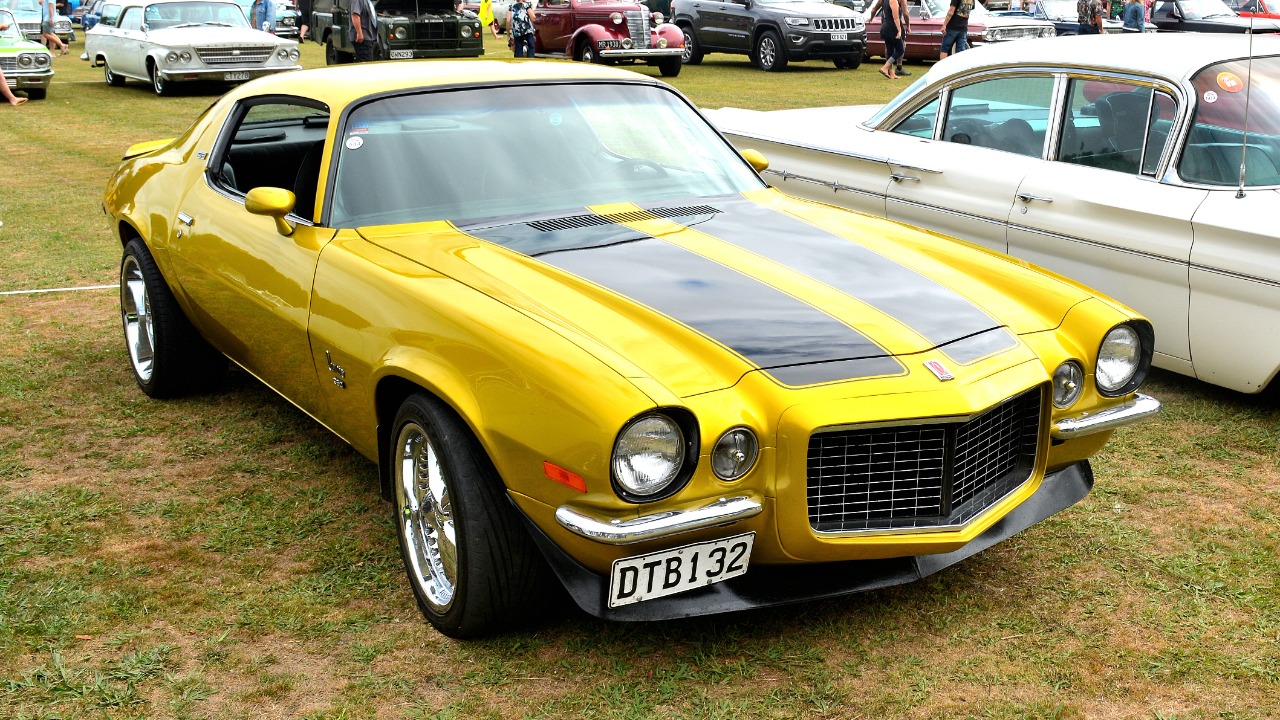
The late 1970s marked a transition for the automotive world as rising fuel costs and stricter emissions standards reshaped performance. Instead of chasing raw horsepower alone, manufacturers focused on better handling, improved comfort, and more refined driving experiences. These classic cars proved that enjoyable performance could take many forms during a changing era.
Pontiac Firebird Formula
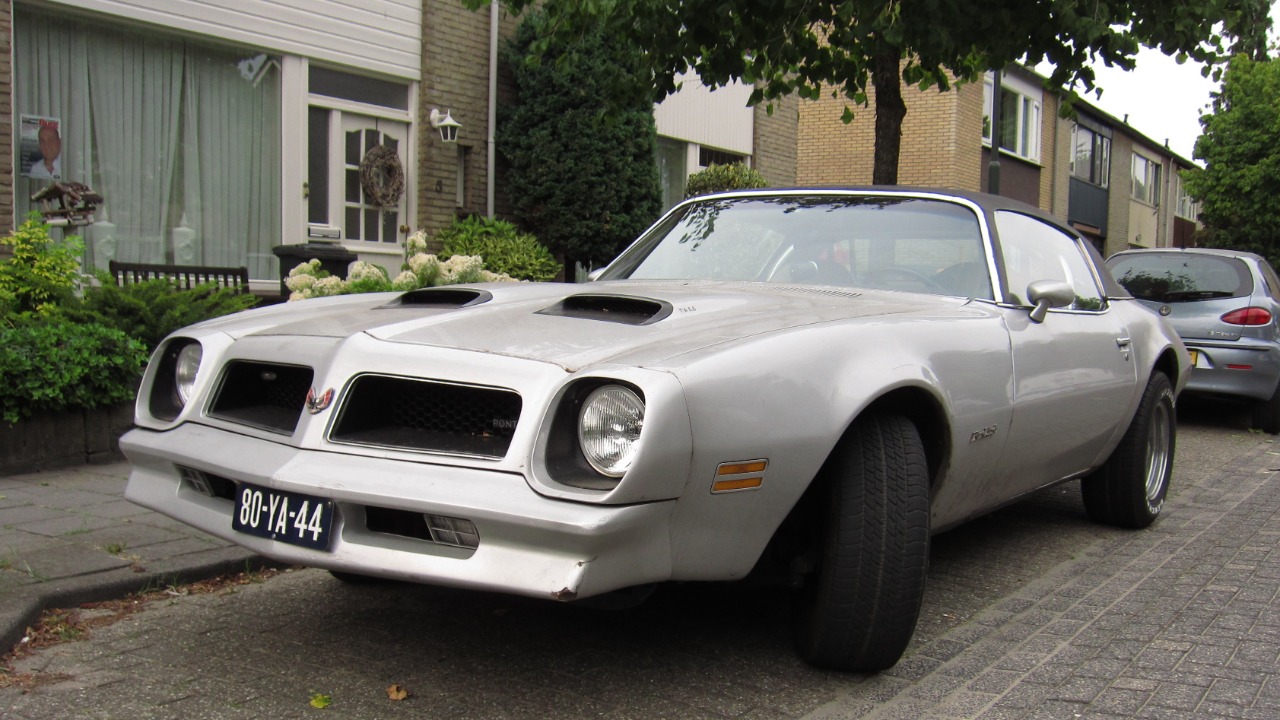
The Pontiac Firebird Formula delivered balanced performance with aggressive styling that kept the spirit of American muscle alive. While horsepower figures were lower than earlier in the decade, its capable chassis, responsive handling, and available V8 engines made it an engaging car to drive. The Formula remains a respected classic that blended everyday usability with unmistakable performance character.
Chevrolet Camaro Z28
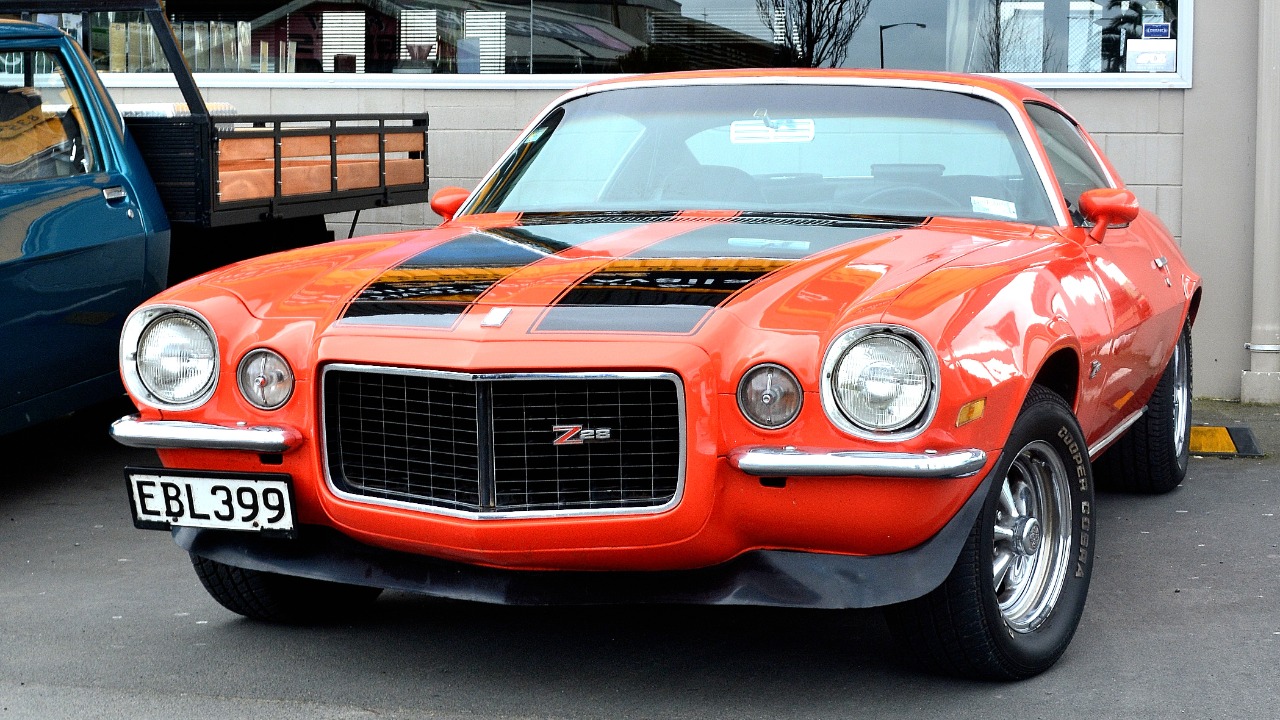
The Chevrolet Camaro Z28 adapted to changing regulations without abandoning its sporty identity. Distinctive striping, functional styling cues, and suspension improvements helped create a rewarding driving experience beyond straight-line speed. Enthusiasts continue to appreciate the Z28 for preserving the Camaro’s performance image during one of the industry’s most challenging periods.
Ford Mustang Cobra II
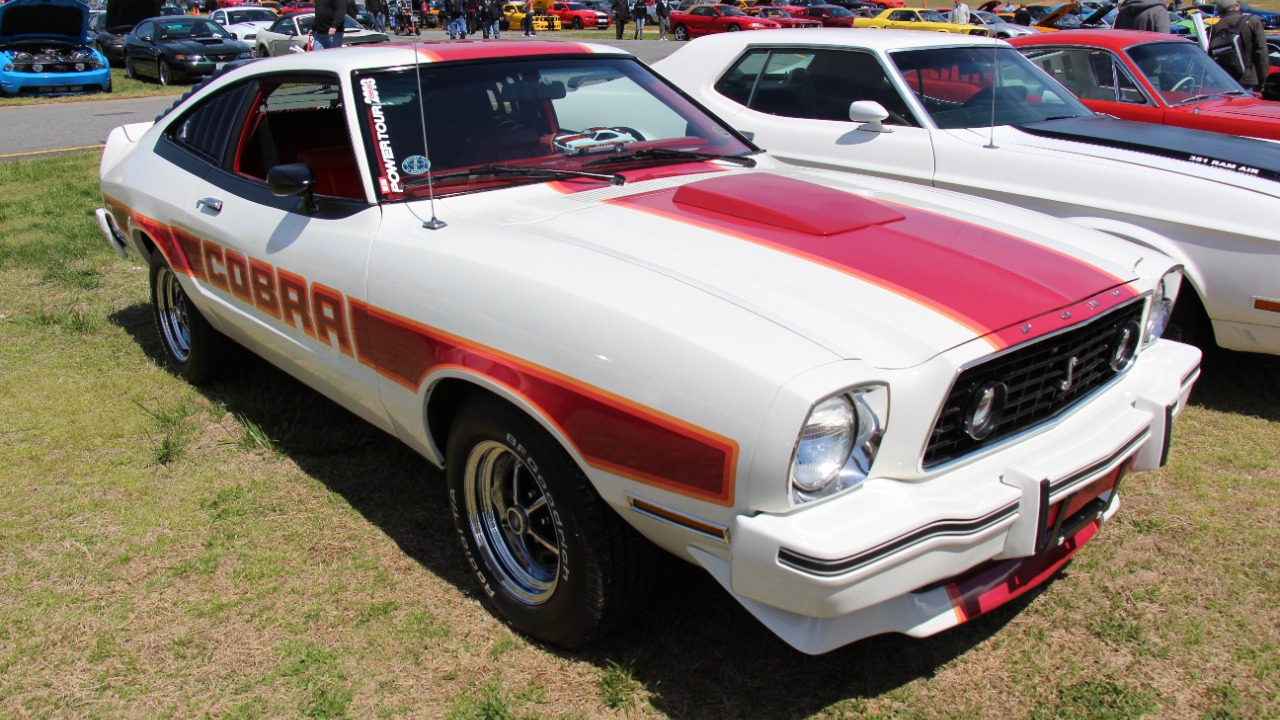
The Ford Mustang Cobra II emphasized appearance and road manners during a time when outright horsepower was difficult to achieve. Bold graphics, sporty suspension tuning, and V8 availability helped maintain the Mustang’s performance heritage. Today, the Cobra II has gained recognition as a unique chapter in the long history of America’s iconic pony car.
Datsun 280ZX

The Datsun 280ZX shifted the Z-car formula toward grand touring, combining smooth performance with refined comfort and dependable engineering. Its sleek styling, independent suspension, and responsive inline-six engine made it enjoyable on both winding roads and long highway drives. The 280ZX proved that performance could also mean balance, reliability, and everyday drivability.
Mazda RX-7
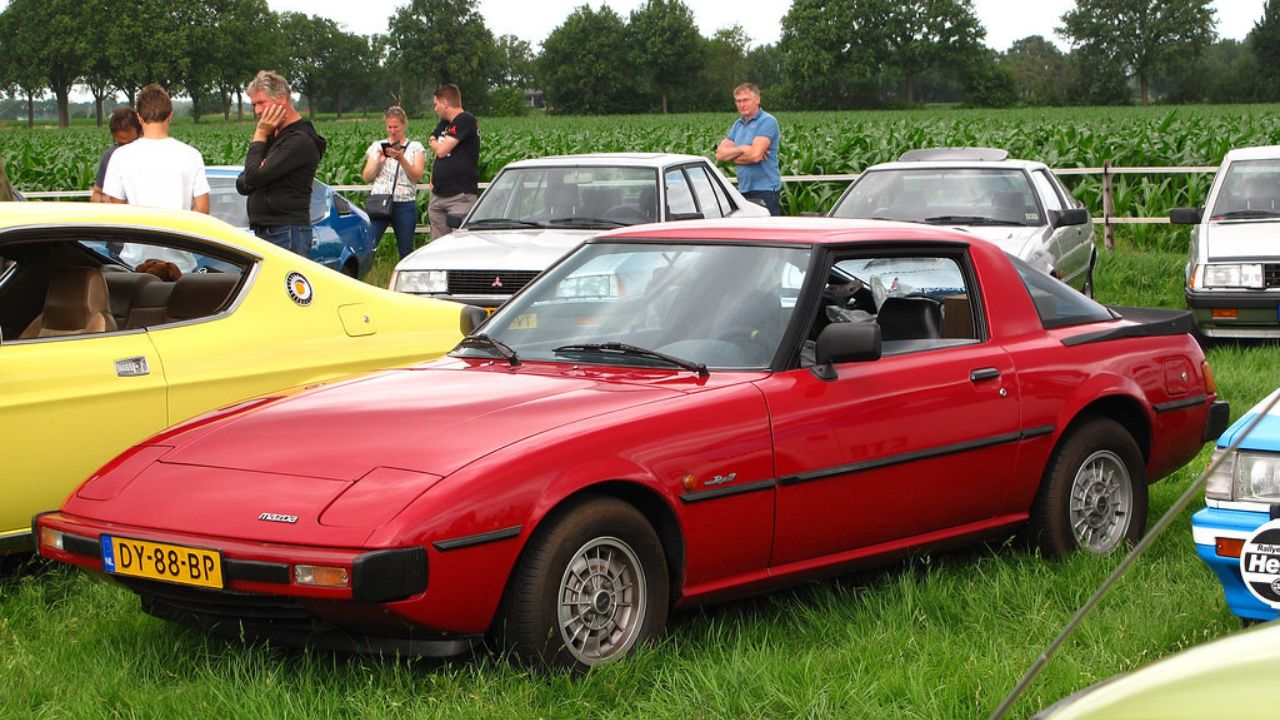
The Mazda RX-7 introduced lightweight construction and rotary power to a new generation of sports car enthusiasts. Rather than relying on large engines, it emphasized agile handling, precise steering, and excellent weight distribution. The RX-7 demonstrated that an engaging driving experience could come from innovation instead of sheer horsepower.
BMW 320i
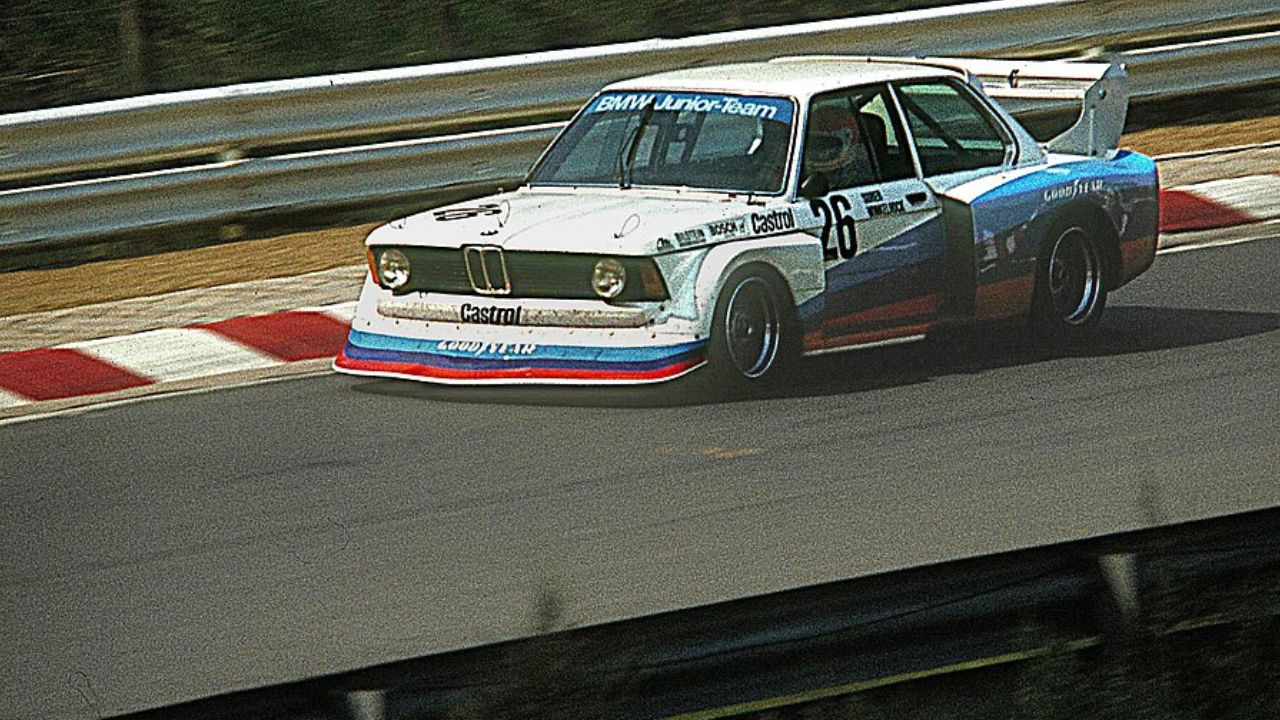
The BMW 320i brought European driving dynamics to buyers seeking precision over brute force. Its balanced chassis, responsive steering, and efficient four-cylinder engine rewarded drivers who appreciated handling above acceleration alone. The 320i helped establish BMW’s reputation in North America and showed that performance could be measured by confidence behind the wheel.
Saab 99 Turbo
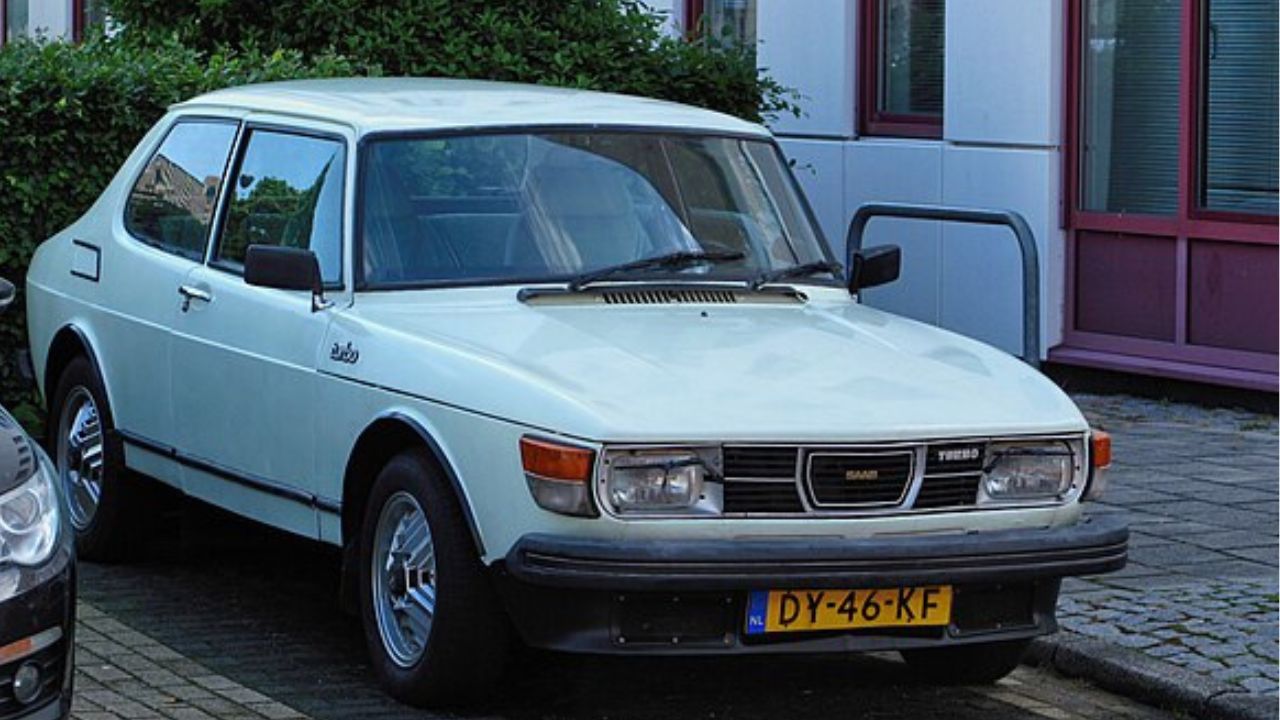
The Saab 99 Turbo introduced turbocharging to a wider audience with a practical, well-engineered package. Its innovative forced-induction engine delivered strong mid-range performance while maintaining everyday usability. Combined with confident handling and distinctive Scandinavian styling, the 99 Turbo became one of the most influential performance cars of the late 1970s.
Porsche 924
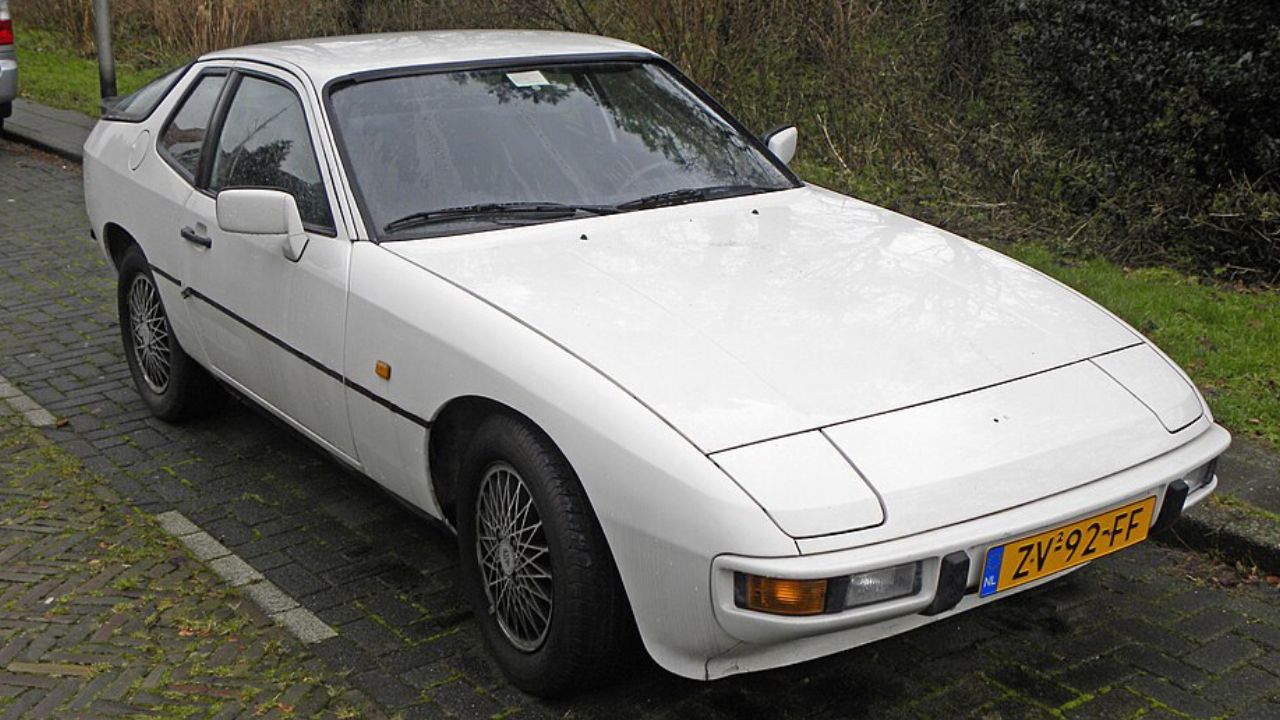
The Porsche 924 offered a fresh interpretation of sports car performance through balanced handling, lightweight construction, and excellent driving refinement. Although its modest engine output drew criticism when new, enthusiasts have come to appreciate its precise chassis and everyday practicality. The 924 remains an important Porsche that proved driver enjoyment involves far more than horsepower alone.
More from Fast Lane Only
- Unboxing the WWII Jeep in a Crate
- 15 rare Chevys collectors are quietly buying
- 10 underrated V8s still worth hunting down
- Police notice this before you even roll window down
*Research for this article included AI assistance, with all final content reviewed by human editors