Ferdinand Porsche’s innovative spirit and engineering expertise laid the groundwork for modern automotive design and performance. His legacy continues to influence generations of cars, shaping not only the Porsche brand but the entire automotive industry.
Early Life and Education
Ferdinand Porsche was born on September 3, 1875, in the small town of Maffersdorf, Austria. From a young age, he displayed an affinity for mechanics and engineering, often dismantling household items to understand how they worked. This early curiosity set the stage for a lifetime of innovation in the automotive world. His formal education in engineering began at the Technical University of Vienna, where he honed his skills and deepened his understanding of mechanical engineering.
Throughout his education, Porsche was influenced by several key mentors who recognized his potential. His early experiences working in various automotive companies, including Lohner & Co., where he developed a reputation for his work on electric vehicles, solidified his engineering philosophy. These formative years were crucial in shaping Porsche’s approach to design, emphasizing the importance of performance, efficiency, and innovative engineering solutions.
Pioneering Automotive Engineering
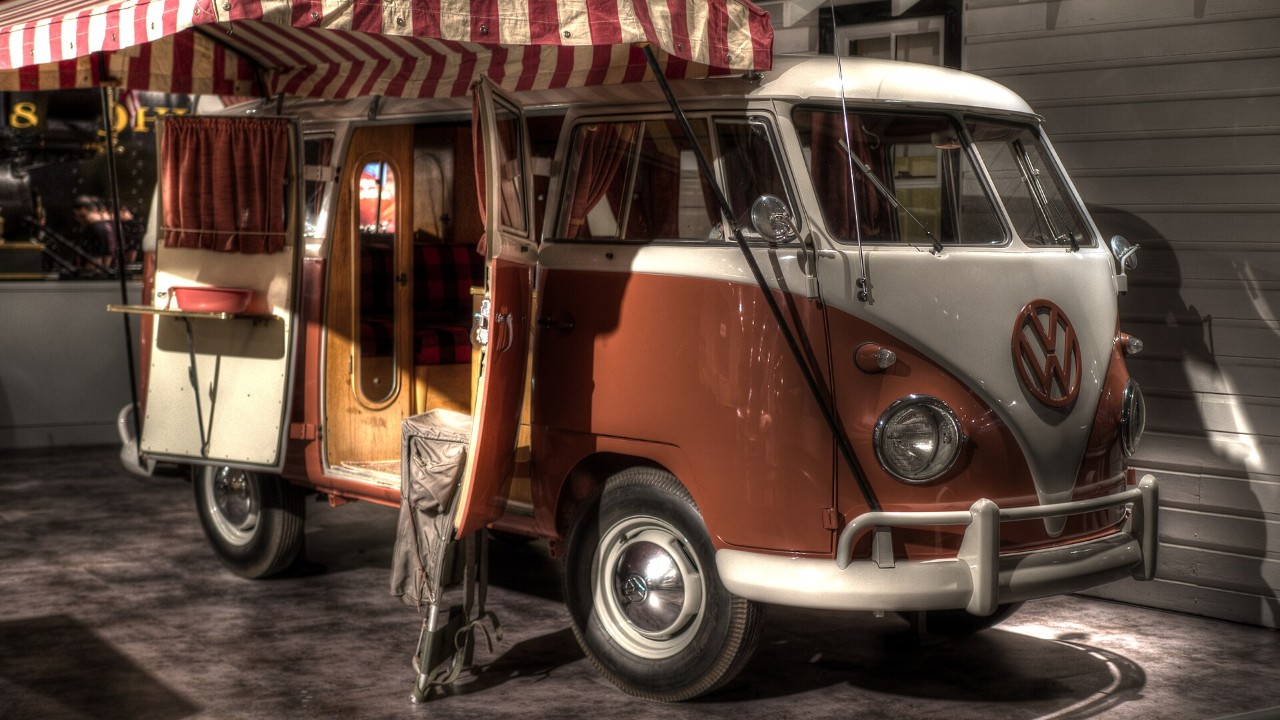
One of Ferdinand Porsche’s most significant contributions to the automotive industry was the development of the first Volkswagen Beetle in the 1930s. This iconic vehicle not only revolutionized personal transportation but also set the stage for mass production in the automotive sector. The Beetle’s design focused on affordability and practicality, making it accessible to a wider audience and establishing a new standard for what a car could be.
Porsche’s influence extended beyond the Beetle, as he introduced groundbreaking concepts such as the Porsche 356, the first car to bear the family name. Launched in 1948, the 356 was notable for its lightweight design and exceptional performance, characteristics that would become hallmarks of the Porsche brand. Additionally, Porsche’s early work with electric vehicle technology and hybrid systems showcased his forward-thinking approach, paving the way for future advancements in sustainable automotive engineering.
The Founding of Porsche
In 1931, Ferdinand Porsche established Dr. Ing. h.c. F. Porsche GmbH, initially focusing on vehicle development and consulting. The company’s early projects included designing vehicles for various manufacturers, which laid the groundwork for its later successes. However, with the onset of World War II, Porsche’s focus shifted to military vehicles, including the infamous Volkswagen Kübelwagen, which played a significant role during the conflict.
After the war, the company transitioned from consultancy to manufacturing, producing iconic sports cars that would define the brand’s identity. The Porsche 356, launched in 1948, marked the beginning of a new era, establishing the company as a key player in the luxury sports car market. This transition exemplified Porsche’s ability to adapt to changing circumstances while maintaining a commitment to quality and performance.
The Porsche 911 and Its Legacy
The introduction of the Porsche 911 in 1964 marked a turning point for the brand and the automotive industry as a whole. This model was revolutionary in its design and engineering, featuring a distinctive rear-engine layout and a sleek, aerodynamic shape. The 911 quickly became a symbol of performance and luxury, influencing sports car design standards for decades to come.
Through its various iterations, the Porsche 911 has maintained an enduring cultural significance, becoming a favorite among car enthusiasts and collectors alike. Its impact on sports car design is evident in numerous models produced by other manufacturers, which often draw inspiration from the 911’s iconic styling and performance capabilities. The 911’s legacy continues to inspire new generations of automotive engineers and designers, illustrating the lasting influence of Ferdinand Porsche’s vision.
Innovation and Performance Philosophy
Porsche’s commitment to performance is evident in the brand’s engineering philosophy, which emphasizes lightweight design and aerodynamics. The use of materials like aluminum and advanced composites has allowed Porsche to optimize vehicle performance while maintaining structural integrity. This focus on reducing weight without sacrificing strength has become a guiding principle in automotive engineering.
The adoption of the rear-engine layout in models like the Porsche 911 has significantly influenced vehicle dynamics, offering unique handling characteristics that set Porsche apart from its competitors. This engineering choice, combined with a rigorous focus on performance, has led to numerous racing successes, elevating consumer expectations for sports cars. Porsche’s achievements on the racetrack have had a profound impact on the automotive industry, inspiring rival manufacturers to push the boundaries of performance and engineering.
Influence on Other Manufacturers
Ferdinand Porsche’s innovative engineering principles have had a ripple effect throughout the automotive industry, inspiring rival manufacturers and luxury brands alike. The emphasis on performance, design, and technology that Porsche championed can be seen in various models produced by companies like Ferrari, Aston Martin, and McLaren. These brands have often looked to Porsche as a benchmark for performance excellence, striving to meet or exceed the standards set by the iconic sports car manufacturer.
Collaboration with other automotive companies has also played a significant role in shaping design trends and engineering advancements. For instance, Porsche’s partnership with Volkswagen in developing the Porsche Cayenne and Macan has influenced the luxury SUV market, blending performance with practicality. The legacy of Porsche’s technology can be found in modern vehicles, with many manufacturers adopting similar performance metrics and chassis designs that reflect Porsche’s engineering philosophy.
Environmental Considerations and Future Technologies
Porsche’s commitment to sustainability is evident in its early work with electric and hybrid vehicle technology. The development of the Porsche 918 Spyder, a plug-in hybrid supercar, showcased the brand’s dedication to performance while minimizing environmental impact. This innovative model not only provided exceptional performance but also set a precedent for future hybrid and electric vehicles within the high-performance segment.
Looking ahead, Porsche remains focused on sustainable practices in automotive manufacturing, emphasizing the importance of reducing carbon footprints and promoting environmentally friendly technologies. The brand’s vision for the future includes the continued development of electric vehicles, aligning with Ferdinand Porsche’s original principles of efficiency and innovation. As the automotive industry shifts toward electrification, Porsche’s legacy of engineering excellence will undoubtedly play a pivotal role in shaping the future of mobility.
Global Impact of the Porsche Brand
Ferdinand Porsche’s influence extends far beyond the borders of Europe, as the brand has established a significant presence in global markets. The expansion of Porsche’s influence has been instrumental in shaping the luxury sports car market, with the brand becoming synonymous with high-performance vehicles. As Porsche vehicles gain popularity worldwide, they have become cultural icons, representing not only automotive excellence but also a lifestyle associated with prestige and success.
The cultural significance of Porsche vehicles is evident in popular culture and motorsport, where they have been featured in countless films, television shows, and racing events. The brand’s dedication to performance and engineering has earned it a passionate following, solidifying its status as one of the most respected names in the automotive industry. This global impact is a testament to Ferdinand Porsche’s vision and the enduring legacy of his engineering principles.
Ferdinand Porsche’s Enduring Legacy
Ferdinand Porsche’s vision continues to inspire current automotive engineers and designers, as his principles remain relevant in contemporary car development. The emphasis on performance, innovative engineering, and a commitment to excellence are values that resonate with today’s automotive leaders. As the industry evolves, Porsche’s legacy serves as a guiding light for those who aspire to push the boundaries of automotive design and technology.
The ongoing relevance of Porsche’s engineering philosophies is commemorated through various museums and automotive events dedicated to celebrating his contributions. The history of Porsche offers insights into his remarkable journey and the impact he had on the automotive world. As the brand continues to evolve, the principles established by Ferdinand Porsche will undoubtedly shape the future of the industry, ensuring that his legacy endures for generations to come.
More from Fast Lane Only