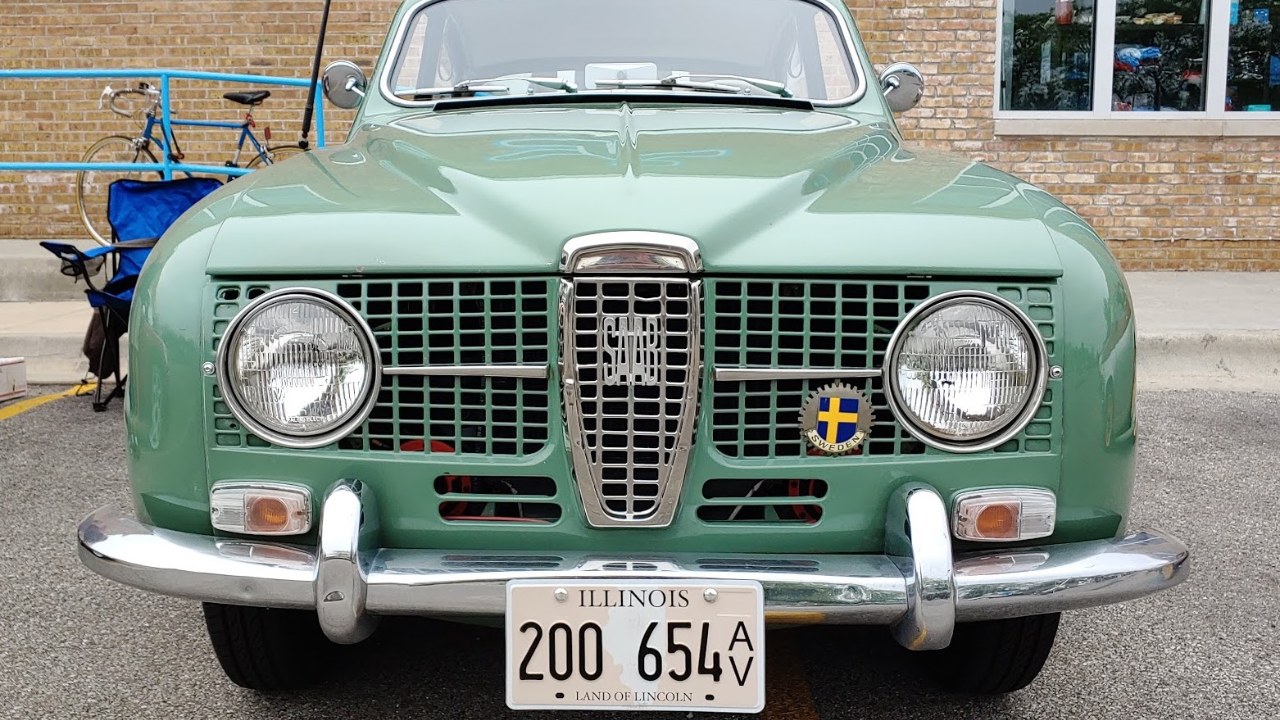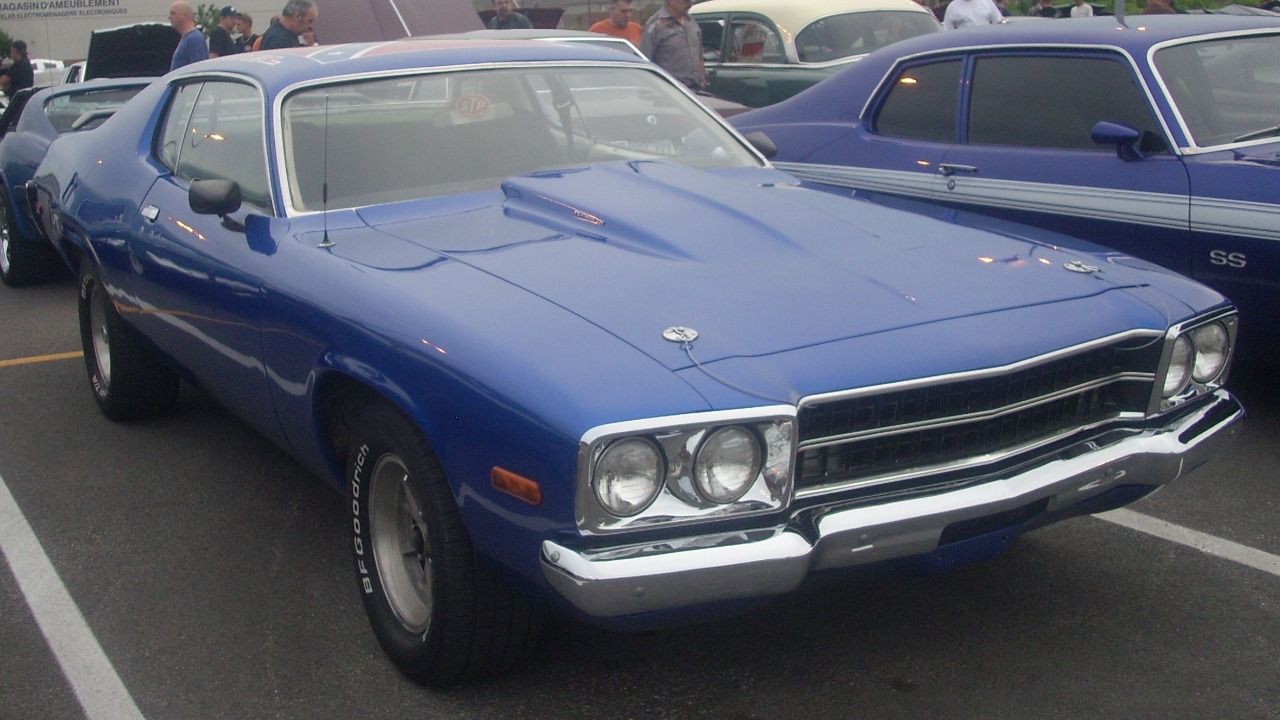
Classic cars often attract attention for their styling, history, and character, but mechanics tend to judge them differently. They appreciate vehicles with durable engines, straightforward mechanical systems, accessible components, and strong aftermarket support. These qualities can make certain classics especially appealing to experienced owners who understand what makes an older car genuinely enjoyable to maintain.
Chevrolet Nova
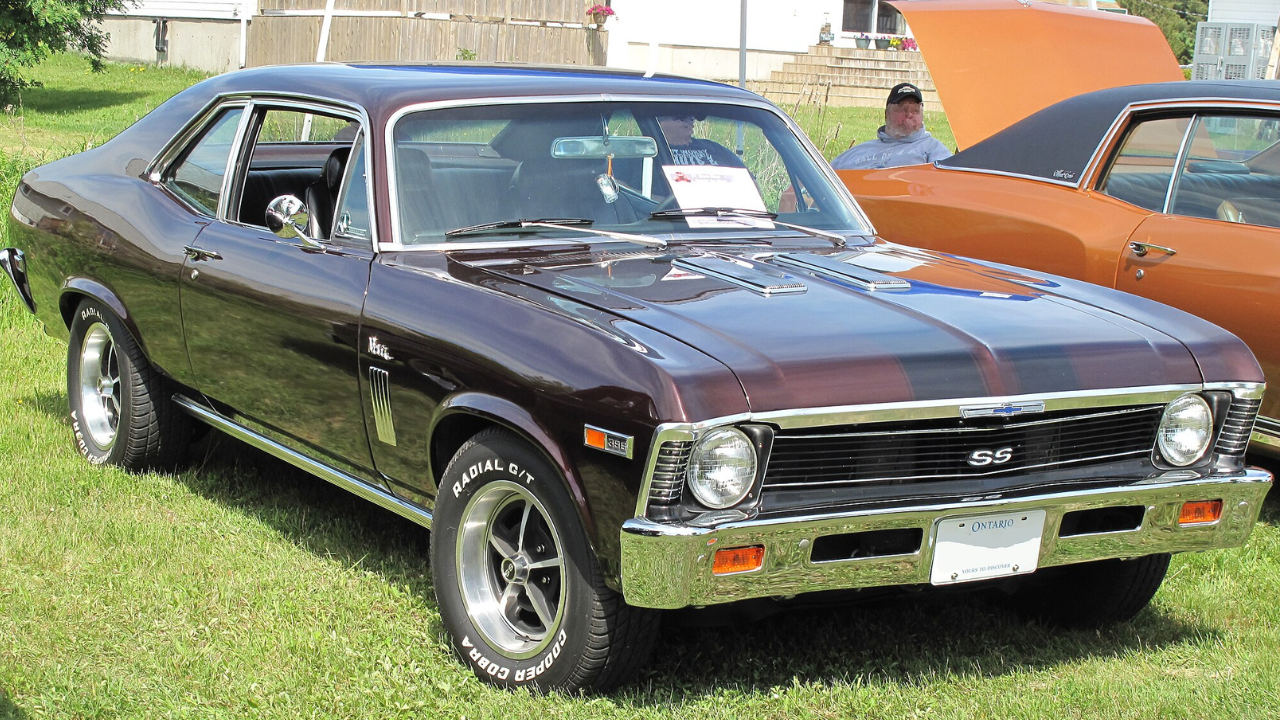
The Chevrolet Nova remains a favorite among mechanically minded enthusiasts because of its simple construction and enormous performance potential. Earlier models used straightforward mechanical systems that are relatively easy to understand and repair compared with many newer vehicles. The Nova also benefited from Chevrolet’s broad parts availability and numerous engine choices. Mechanics appreciate that routine maintenance can be handled without excessive complexity, while the lightweight body provides an excellent foundation for restoration, customization, or traditional V8 performance builds.
Ford Mustang
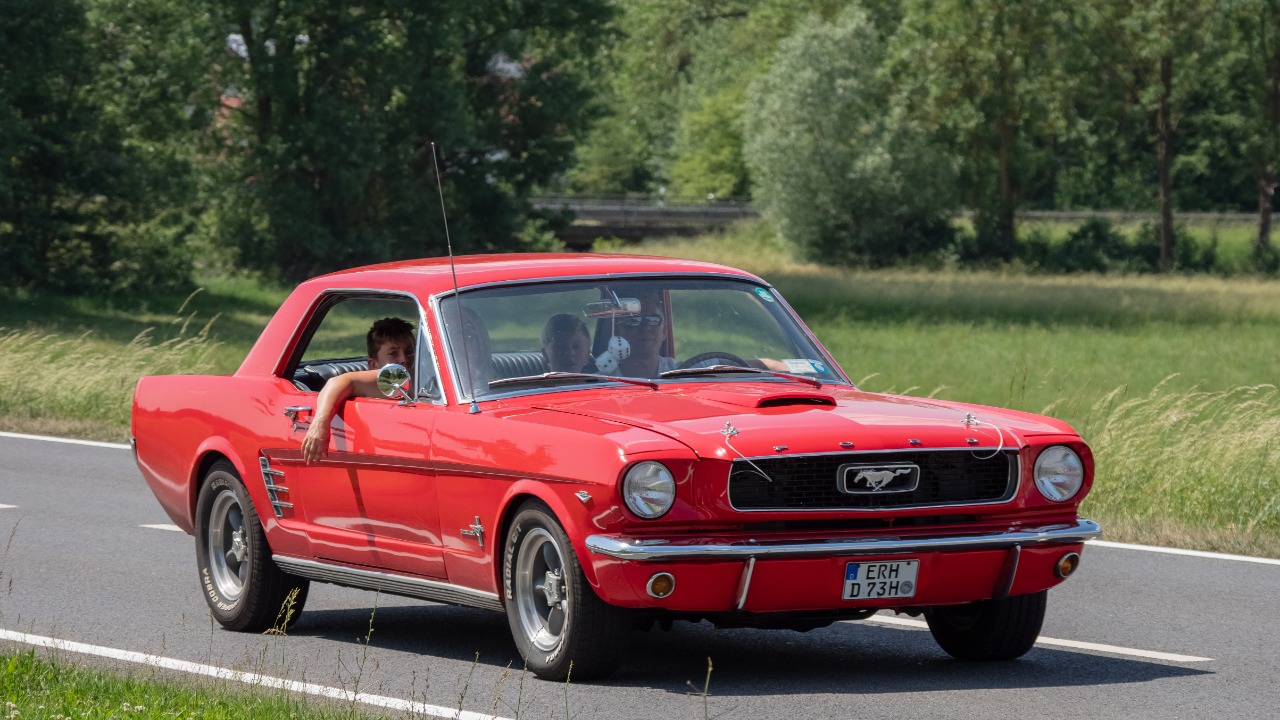
The Ford Mustang combines recognizable styling with mechanical simplicity that makes many classic examples appealing to experienced mechanics. Early Mustangs shared numerous components with other Ford vehicles, helping owners find replacement parts and service information. Their conventional engines, rear-wheel-drive layouts, and straightforward suspension systems are familiar territory for professionals. A mechanic can enjoy the Mustang as both a classic cruiser and a hands-on project, with countless restoration parts and performance upgrades available for virtually every generation.
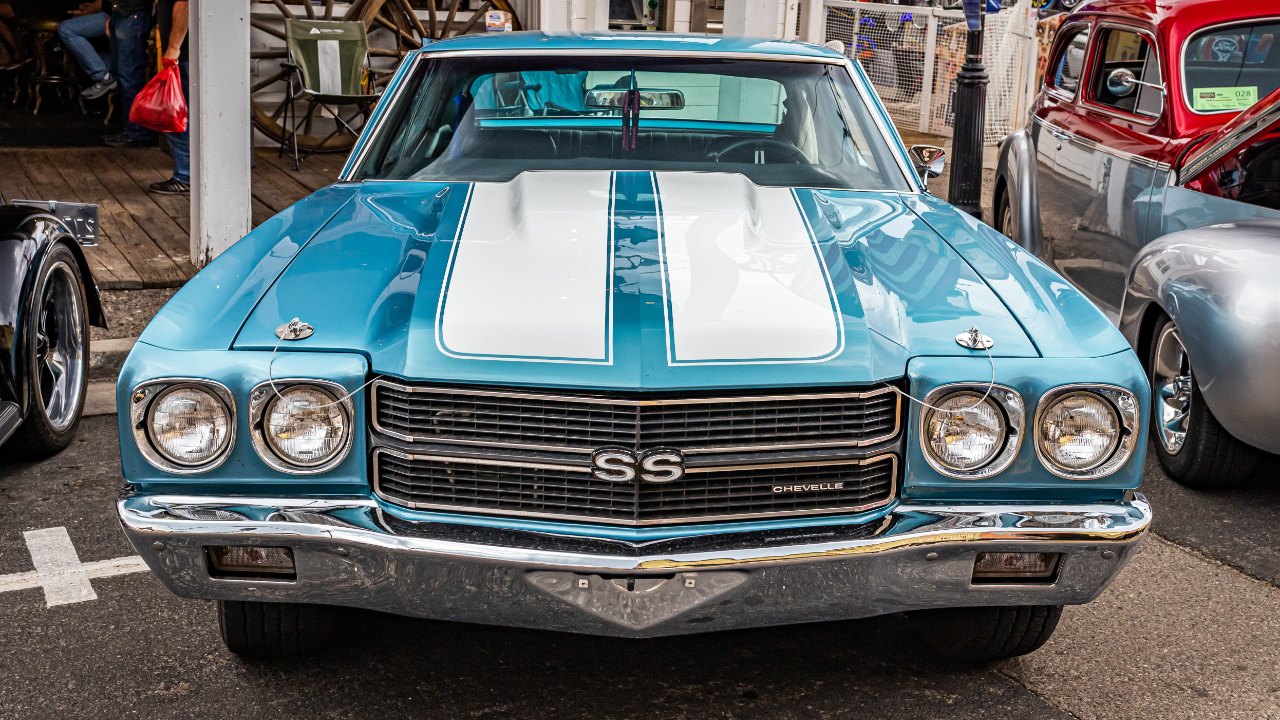
Chevrolet Chevelle
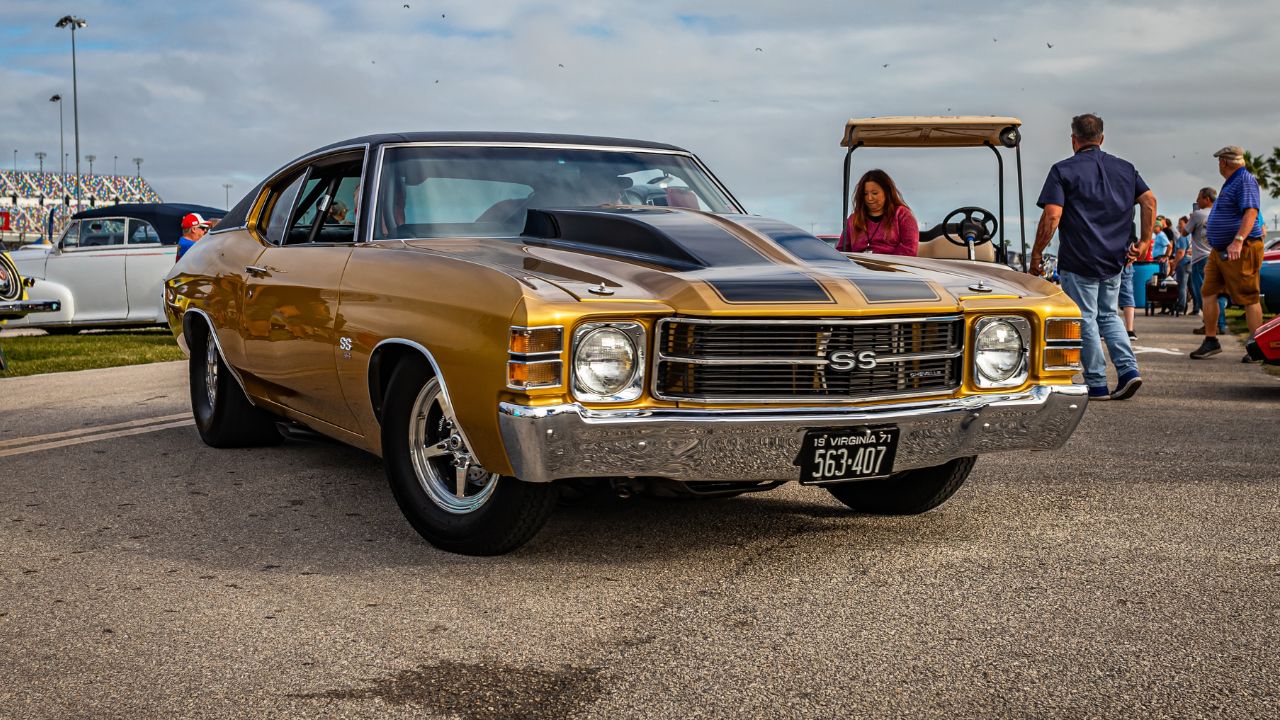
The Chevrolet Chevelle offers the combination many mechanics appreciate most: strong engines, conventional mechanical systems, and a huge supply of replacement components. Classic Chevelles can be serviced without the specialized electronic equipment required by modern vehicles. Their engine bays provide reasonable access for repairs, while the platform supports everything from mild cruisers to serious muscle cars. Mechanics also recognize the Chevelle’s strong aftermarket, making restoration and performance work considerably easier than with many obscure classic automobiles.
Dodge Dart
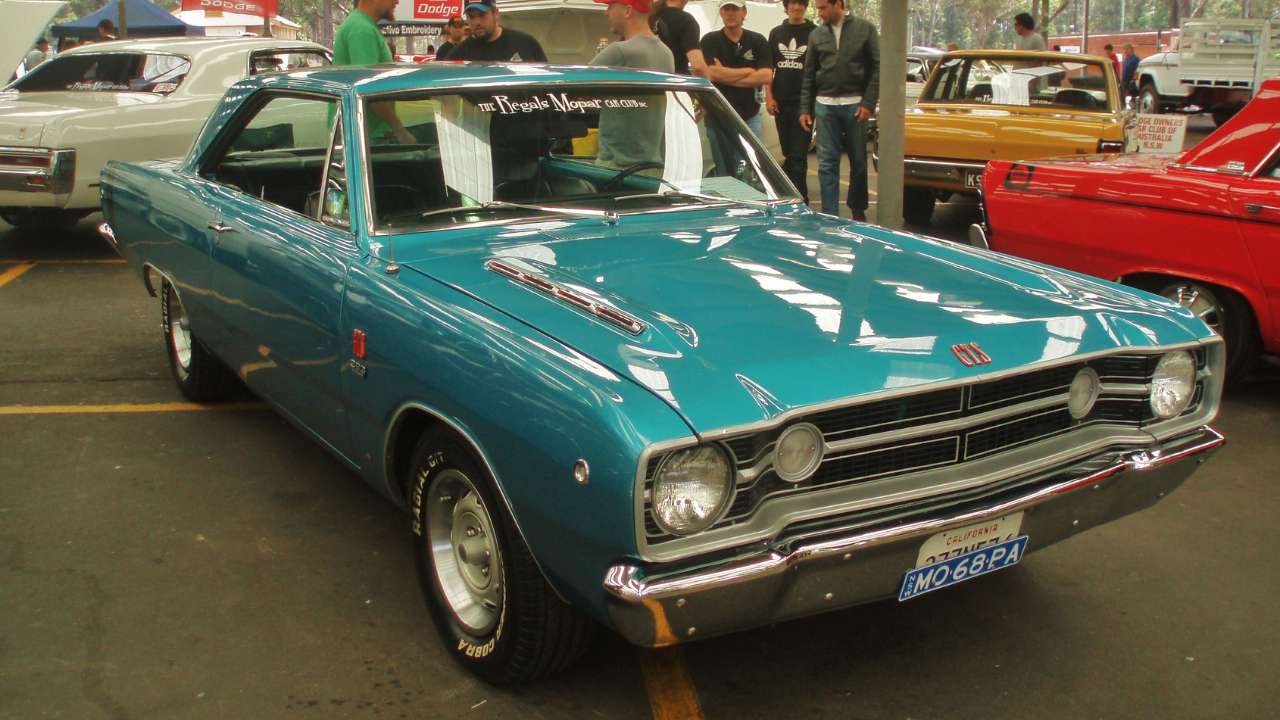
The Dodge Dart may not receive the same attention as the most famous Mopar muscle cars, but its straightforward engineering makes it attractive to hands-on owners. Many classic Darts used simple mechanical systems that can be diagnosed with basic tools and mechanical knowledge. Chrysler offered several engine configurations, giving enthusiasts plenty of options for restoration or upgrades. Mechanics can appreciate the Dart because it delivers classic-car character without requiring the complicated systems found in much newer vehicles.
Pontiac Firebird
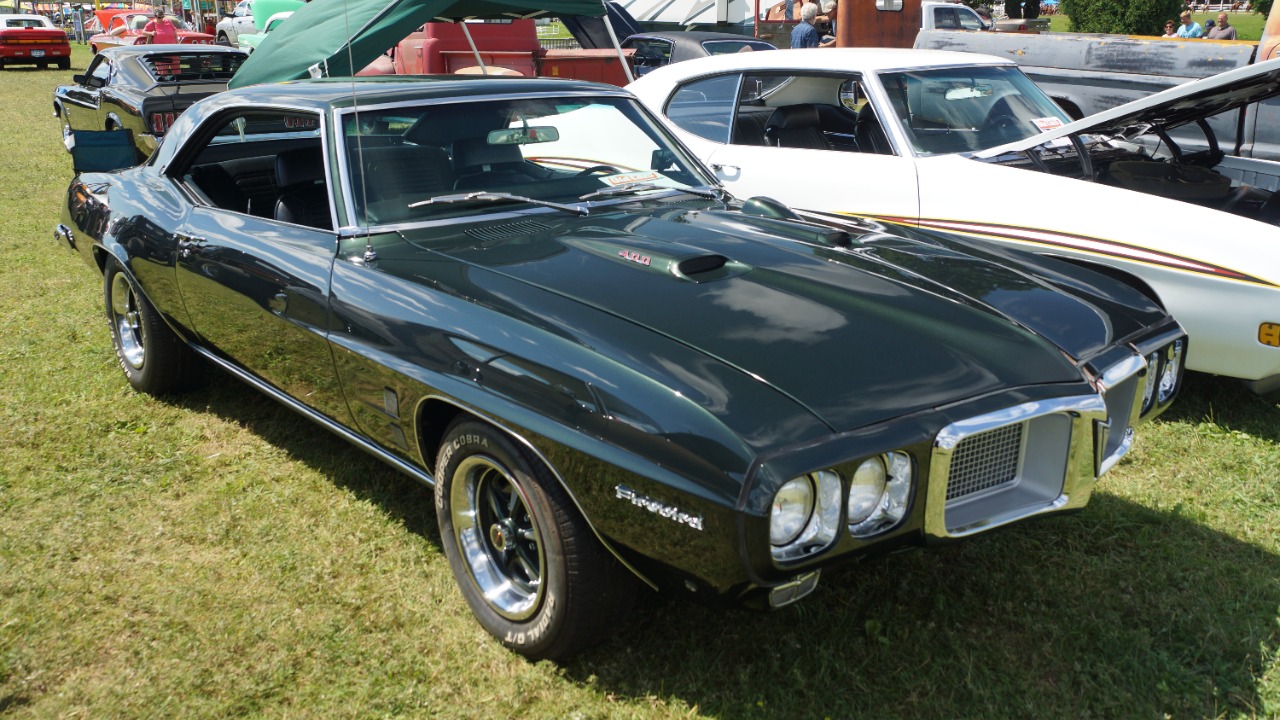
The Pontiac Firebird appeals to mechanics because its traditional rear-wheel-drive layout and familiar American V8 architecture provide plenty of opportunities for hands-on work. Many classic versions share mechanical components with other General Motors vehicles, making parts and technical knowledge relatively accessible. The Firebird also offers substantial aftermarket support, allowing owners to rebuild engines, upgrade suspension components, or improve braking systems. For a mechanic, owning one can combine practical wrenching with the distinctive styling of a classic performance car.
Ford Galaxie
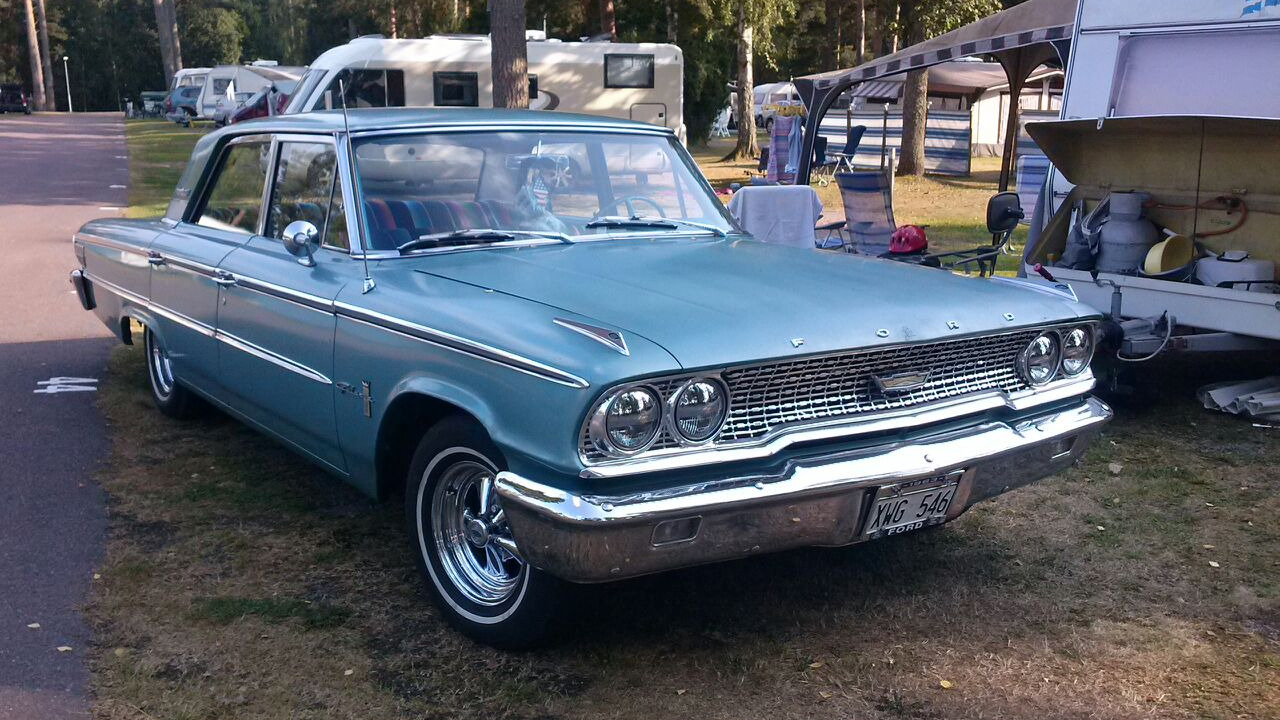
The Ford Galaxie is the kind of classic car mechanics can appreciate for its honest mechanical character. Large engines, rear-wheel drive, conventional transmissions, and relatively uncomplicated electrical systems make many examples approachable for experienced DIY owners. The spacious engine compartment is another advantage, providing room to work during maintenance or restoration. Although the Galaxie is larger and heavier than many muscle cars, its straightforward construction and comfortable cruising ability make it an appealing classic for someone who enjoys working on older automobiles.
Plymouth Road Runner
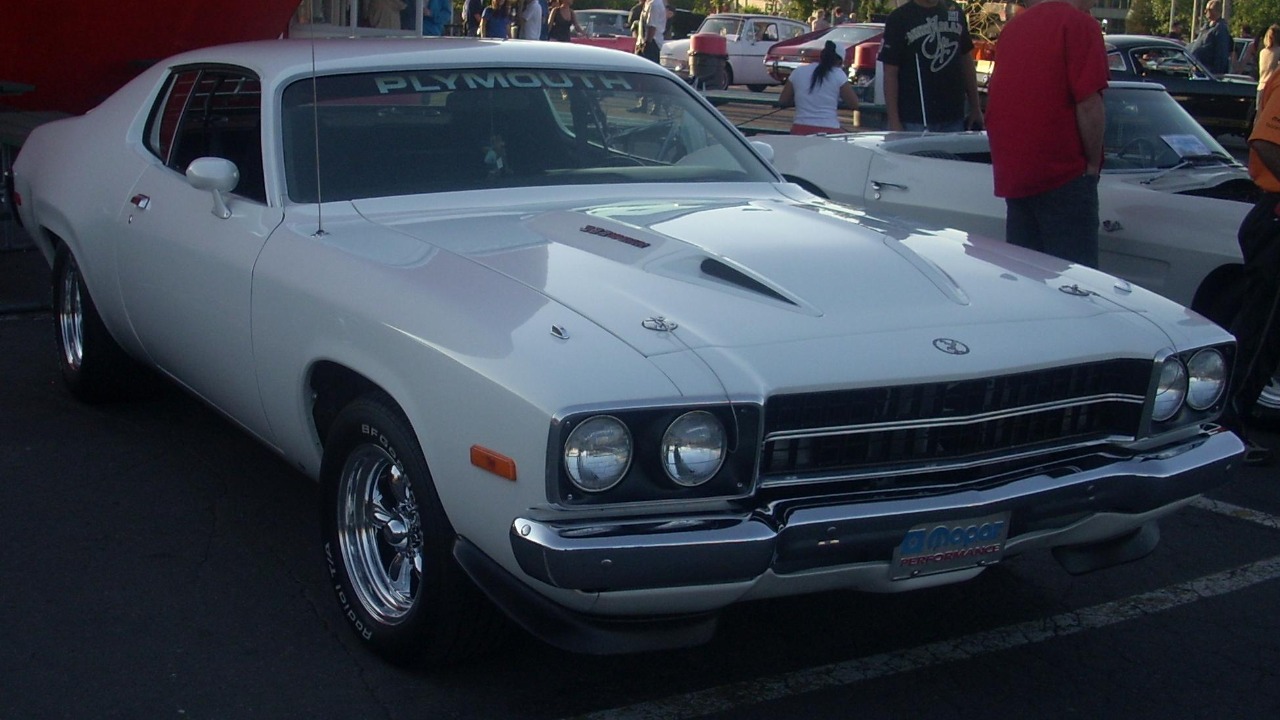
The Plymouth Road Runner was designed around affordable performance rather than unnecessary complexity, which makes it especially attractive to mechanics. Its traditional drivetrain, simple interior, and powerful Chrysler engines provide plenty of opportunities for hands-on maintenance and upgrades. Owners can work on many systems using familiar tools and techniques, while the car’s strong enthusiast community supports restoration projects. Mechanics also appreciate that the Road Runner delivers genuine muscle-car performance without relying on complicated technology or fragile electronic systems.
Chevrolet Camaro
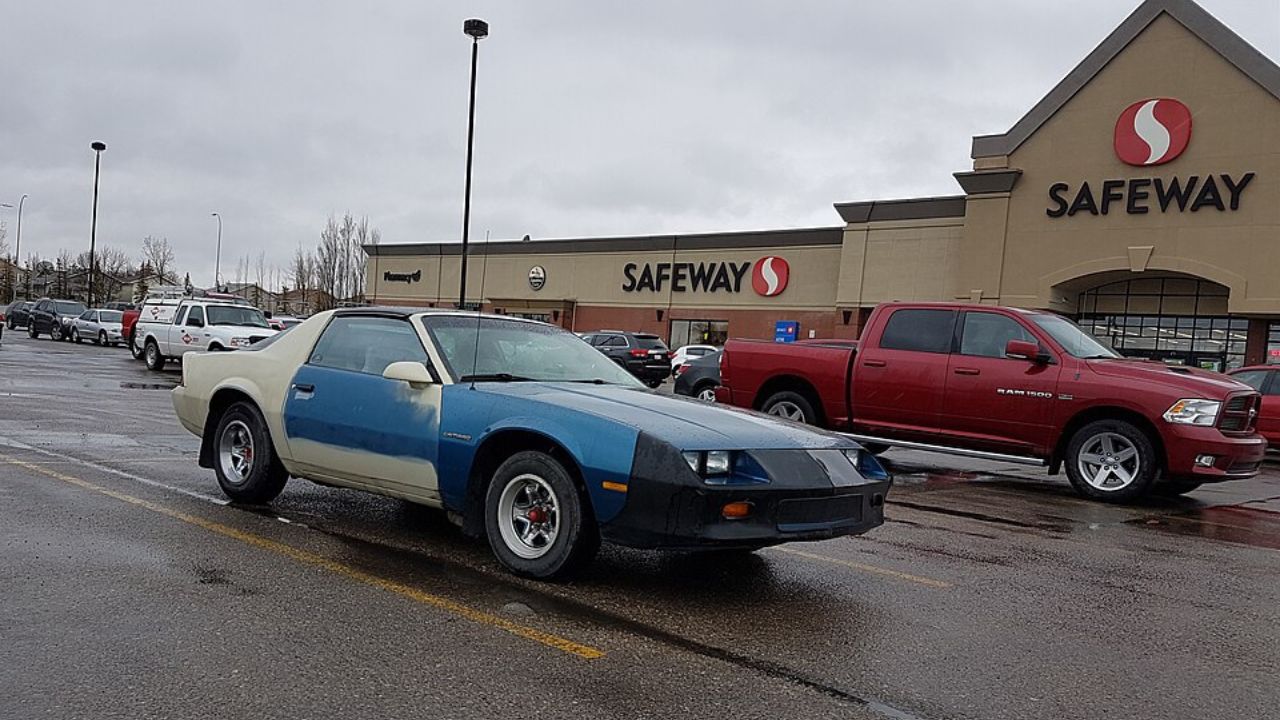
The Chevrolet Camaro has remained popular with mechanics because it combines classic styling with familiar General Motors mechanical components. Many older Camaros use conventional engines, rear-wheel-drive systems, and straightforward suspension layouts that experienced technicians can easily understand. Parts availability is another major advantage, particularly for popular generations. A mechanic can restore a Camaro close to factory specification or build a personalized performance car using widely available components. That flexibility makes the classic Camaro particularly rewarding for hands-on ownership.
More from Fast Lane Only
- Unboxing the WWII Jeep in a Crate
- 15 rare Chevys collectors are quietly buying
- 10 underrated V8s still worth hunting down
- Police notice this before you even roll window down
*Research for this article included AI assistance, with all final content reviewed by human editors