Some cars don’t just age well—they age into legends people feel compelled to talk about. These coupes turn routine fuel stops into mini car shows, drawing strangers with stories, questions, and camera phones. Whether it’s design, sound, or sheer cultural impact, each one carries a presence that transcends generations. Decades after debuting, they still command attention in a way modern machines rarely replicate.
Chevrolet Chevelle SS 454

The 1970 Chevelle SS 454 remains one of the most recognizable American muscle coupes ever built, and its reputation starts conversations before the hood even opens. With its LS6 454 cubic-inch V8 rated at a thunderous 450 horsepower, it represented the peak of factory big-block bravado. The squared-off stance, twin stripes, and rumbling idle create instant nostalgia for anyone who remembers the golden era of Detroit horsepower. Even younger enthusiasts recognize it as a symbol of unfiltered performance, making it the kind of car that draws crowds every time the gas pump clicks off and the engine fires back to life.
Ford Mustang Boss 429

Built to homologate a NASCAR engine, the 1969 Mustang Boss 429 carries a mystique few muscle cars can match. Its massive semi-hemispherical 429 cubic-inch V8 required extensive factory modifications just to fit under the hood, instantly setting it apart from other Mustangs. Subtle graphics and a functional hood scoop give it understated aggression that sparks curiosity among bystanders. Because production numbers were limited, spotting one in public feels rare, and that rarity fuels conversations. People gather not just to admire the styling, but to hear the story behind one of Ford’s boldest engineering statements.
Datsun 240Z
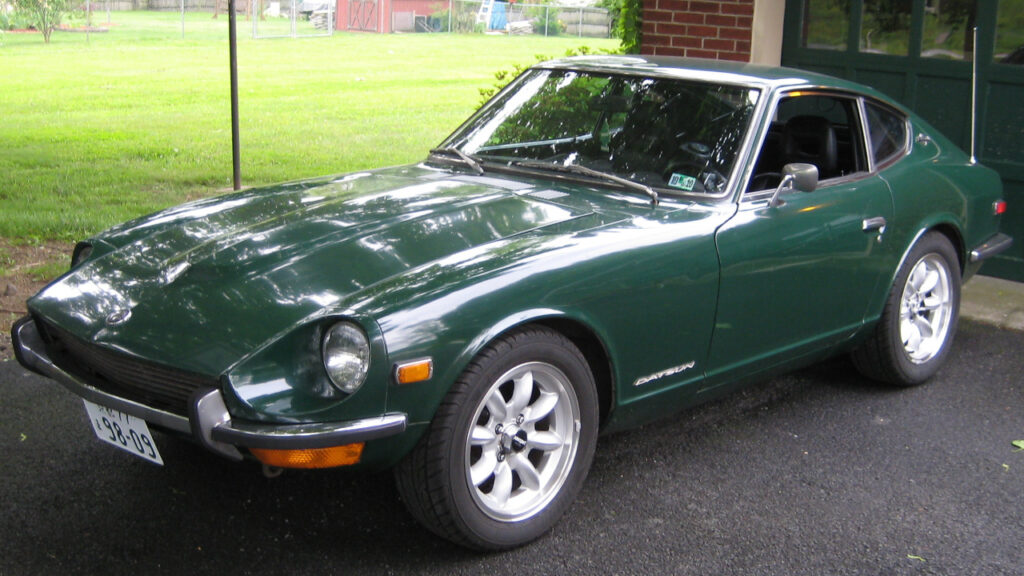
The Datsun 240Z changed perceptions of Japanese performance in America, and today it still stops people who appreciate clean, timeless design. Its long hood, short deck proportions echo European sports cars, yet its inline-six engine delivered accessible reliability and strong performance. Restored examples often feature period-correct wheels and subtle modifications that spark detailed conversations among enthusiasts. Older owners share memories of affordable speed, while younger fans admire its purity compared to modern complexity. At a gas station, the 240Z bridges generations, reminding everyone how revolutionary and balanced a simple, well-executed coupe can be.
Porsche 911 Carrera RS 2.7
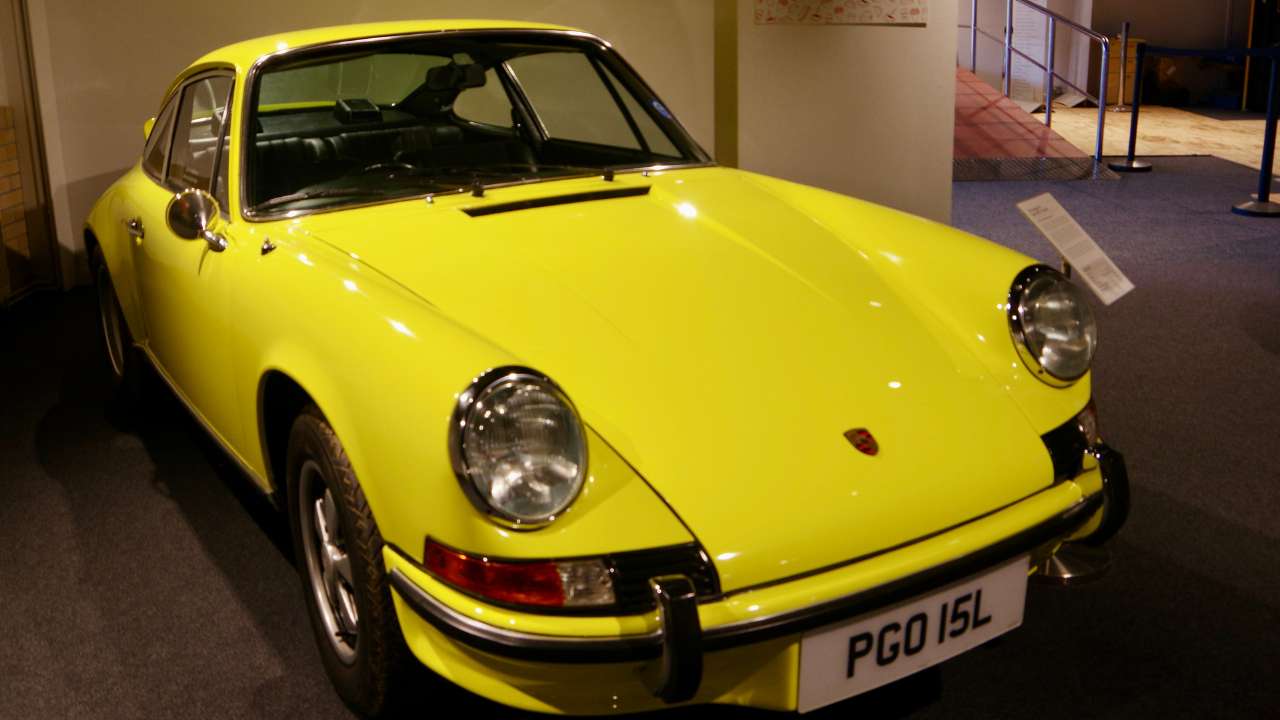
The 1973 Porsche 911 Carrera RS 2.7 carries racing pedigree that commands immediate respect. Its iconic ducktail spoiler and bold side graphics make it unmistakable, even to casual observers. Designed as a homologation special, it emphasized lightweight construction and razor-sharp handling over brute force, reshaping expectations for performance coupes. The high-revving flat-six and mechanical soundtrack draw enthusiasts closer the moment it idles nearby. At a fuel stop, conversations quickly turn to its racing history and soaring collector values, reinforcing its reputation as one of the most influential and revered 911 variants ever produced.
BMW E9 3.0 CSL
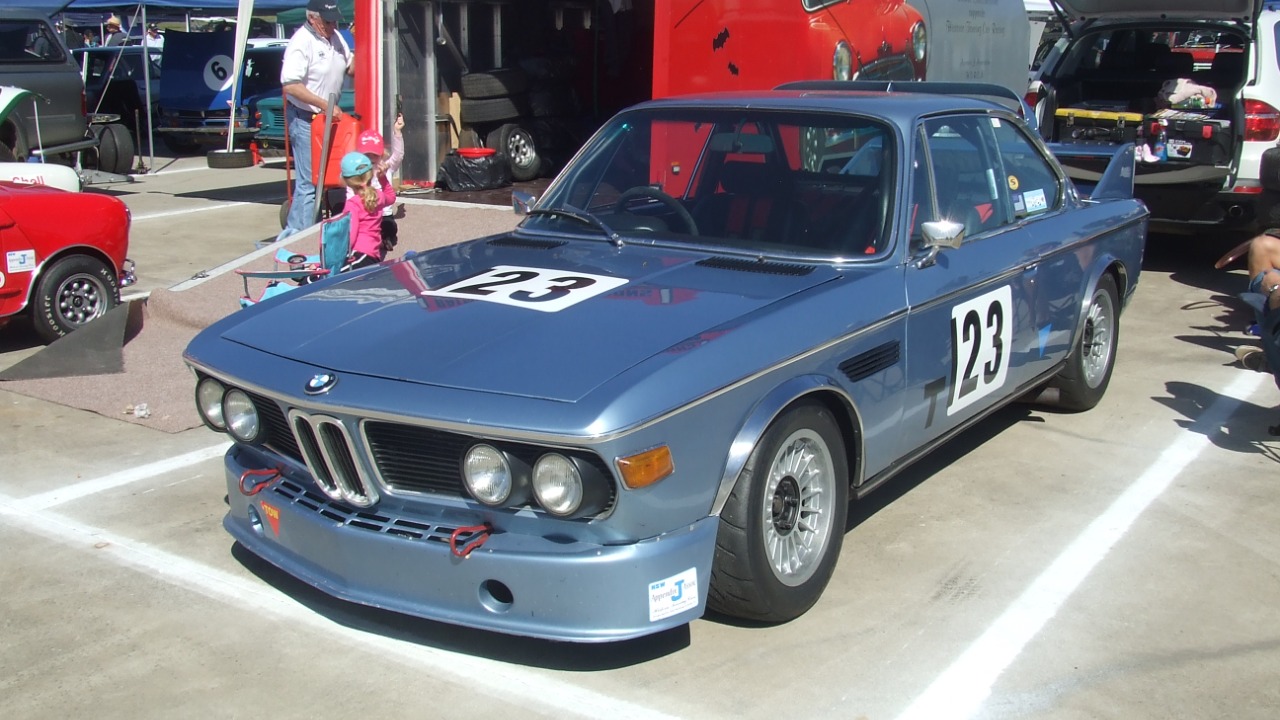
The BMW E9 3.0 CSL, often nicknamed the “Batmobile,” blends elegance and aggression in a way that remains captivating decades later. Lightweight aluminum panels and distinctive aerodynamic add-ons signaled its motorsport intent, while the inline-six engine delivered smooth yet assertive performance. Its long, pillarless profile exudes classic European sophistication that stands apart from typical muscle-era styling. When one appears at a gas station, admirers are drawn to both its rarity and its racing legacy. Conversations often center on BMW’s touring car dominance, highlighting how the CSL helped cement the brand’s performance identity worldwide.
Pontiac Firebird Trans Am
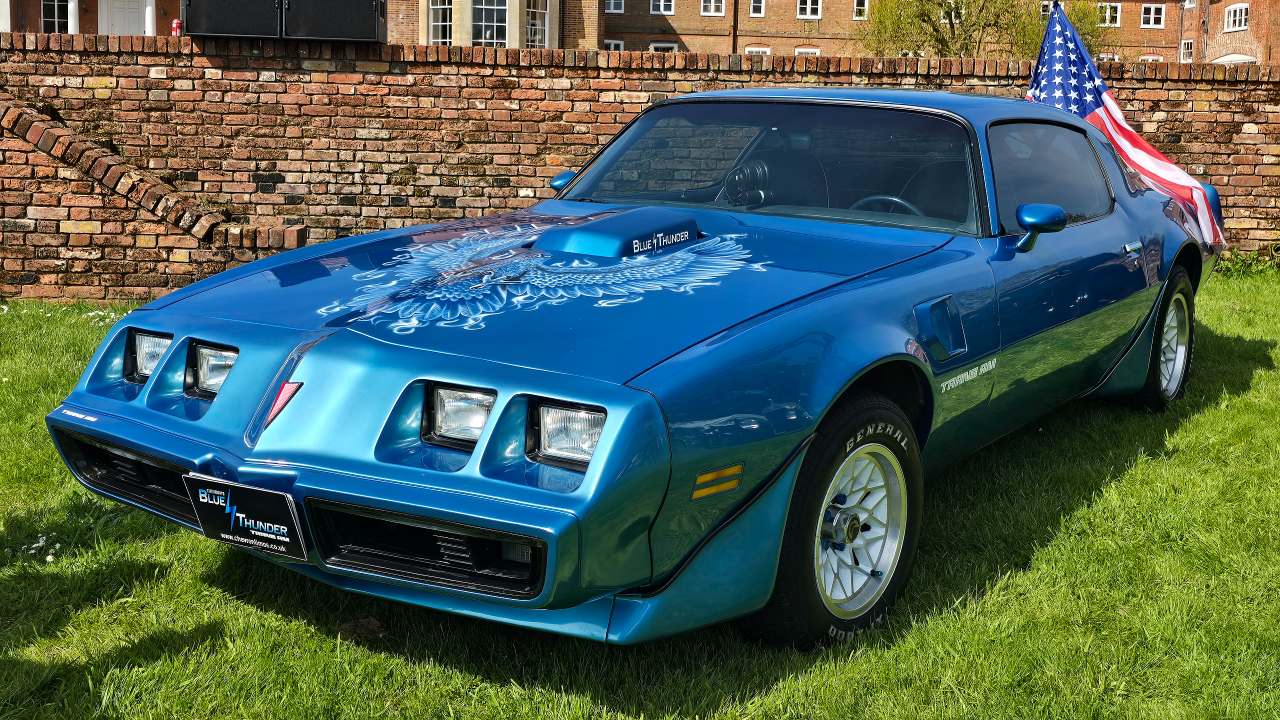
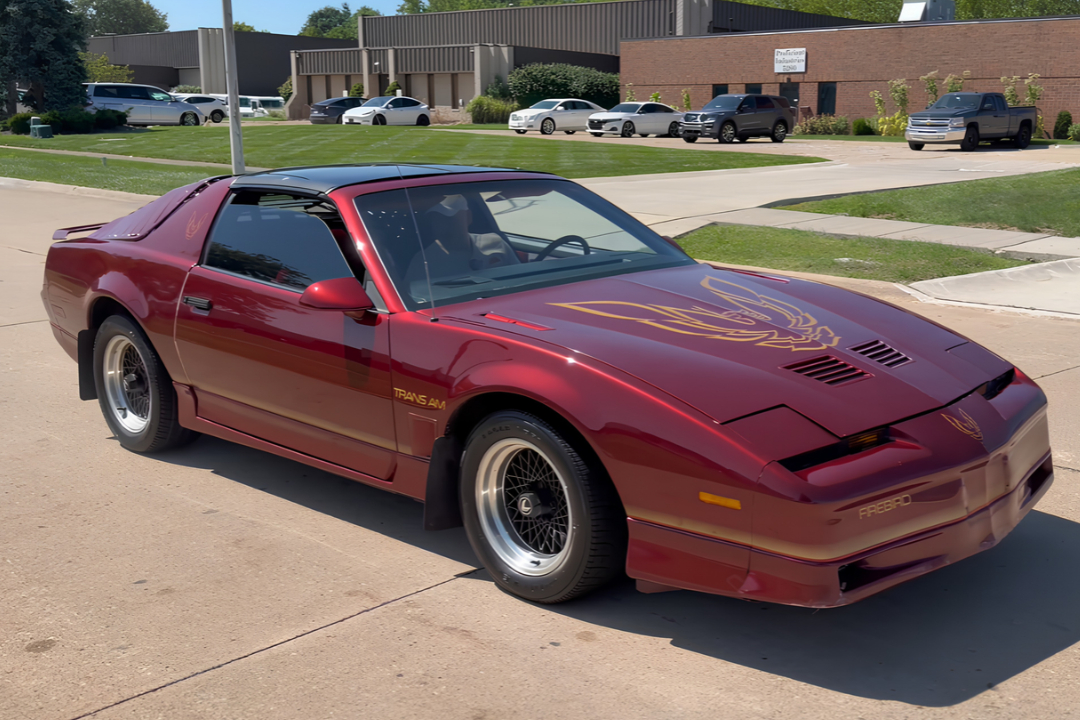
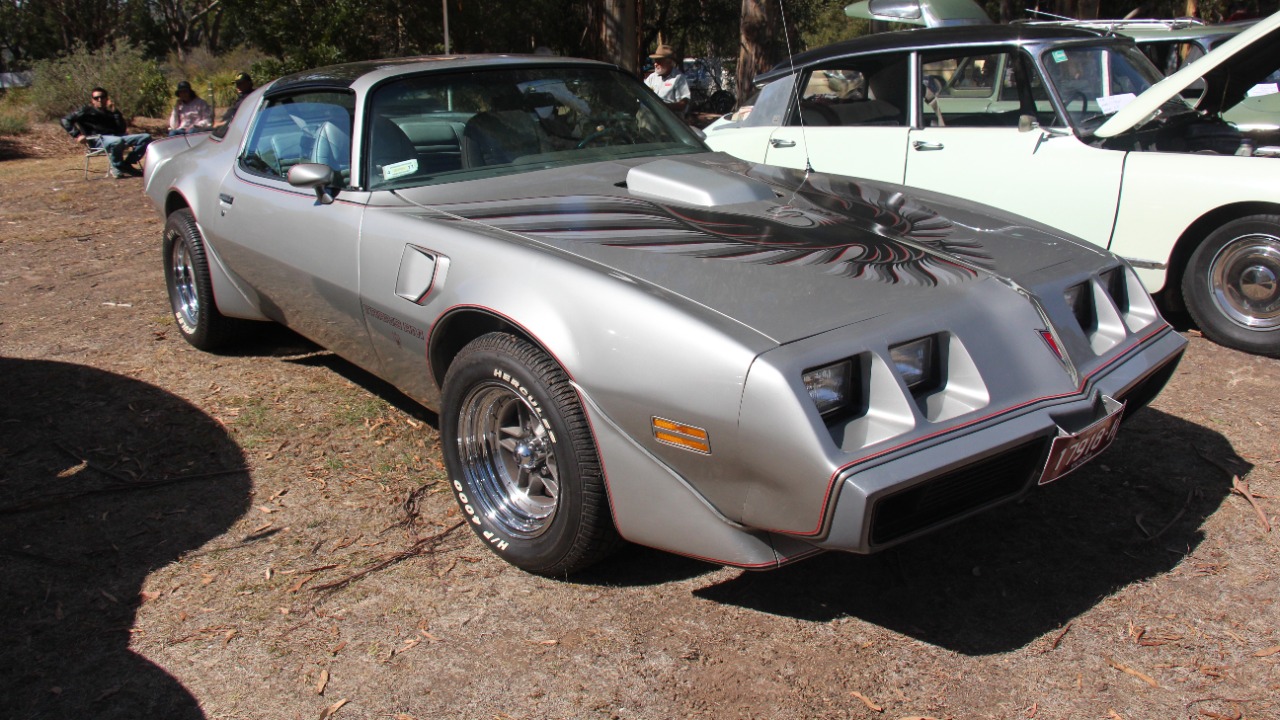
The 1977 Pontiac Firebird Trans Am became a pop-culture icon thanks to bold styling and cinematic fame. Its shaker hood scoop, screaming eagle hood decal, and gold accents create unmistakable curb appeal. Underneath, V8 power and rear-wheel-drive dynamics offered accessible American performance during a challenging emissions era. Owners frequently recount stories of late-1970s street cruising and highway bravado, drawing nods from passersby. At modern fuel stations, the Trans Am’s flamboyant personality sparks smiles and nostalgia, proving that attitude and presence can sometimes matter just as much as raw horsepower in building a lasting legacy.
Mercedes-Benz 300CE AMG Hammer
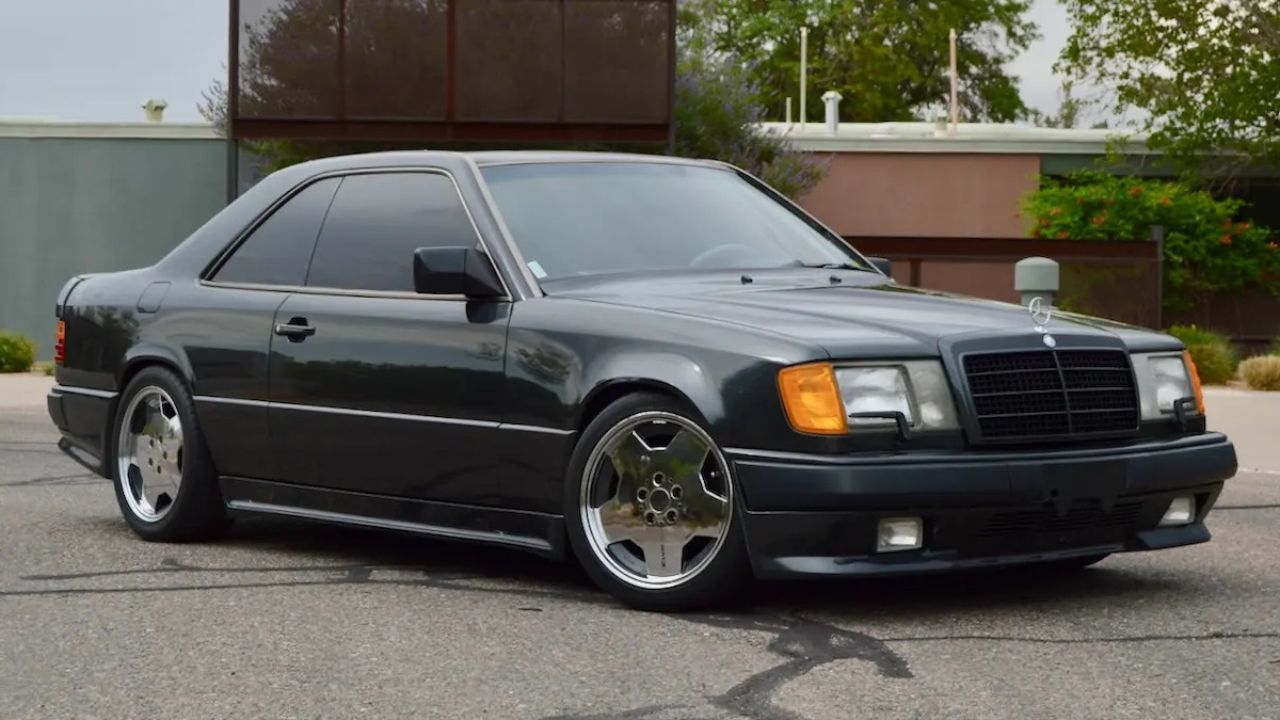
The Mercedes-Benz 300CE AMG Hammer looks understated at first glance, but that subtlety makes its performance story even more compelling. Based on the W124 coupe, AMG transformed it with a large-displacement V8 that delivered supercar-rivaling acceleration in executive-car clothing. Wider wheels and discreet body enhancements hint at its capabilities without shouting. When enthusiasts recognize it, conversations quickly shift to its rarity and its role in defining AMG’s pre-merger legacy. At a gas station, it attracts a different crowd—those who appreciate sleeper performance and the idea that true speed doesn’t always need flashy graphics.
Toyota Supra Mk4
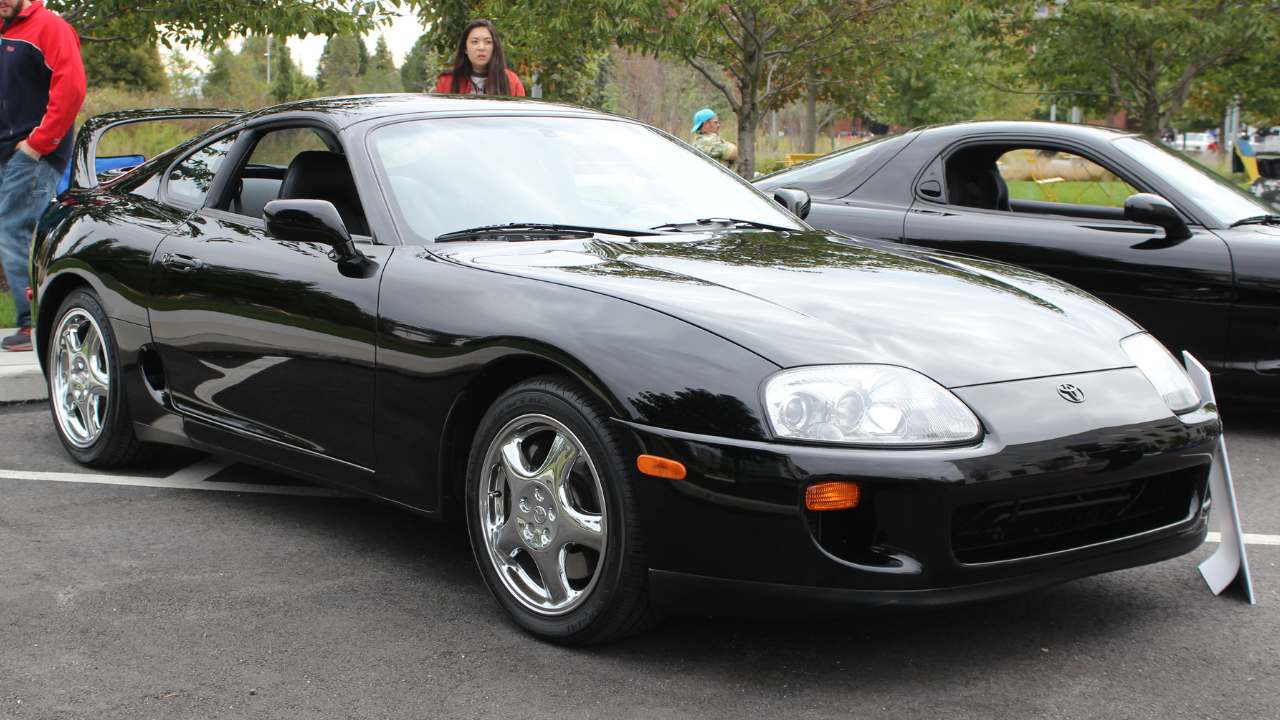
The fourth-generation Toyota Supra earned global fame through motorsport tuning culture and film appearances, and today it remains a magnet for attention. Its 3.0-liter twin-turbocharged inline-six, known for immense tuning potential, became legendary for handling extreme horsepower builds. Even stock examples carry a wide, purposeful stance and a distinctive rear wing that sparks immediate recognition. Younger fans approach with smartphones ready, while older enthusiasts debate factory specifications versus modified setups. At a simple gas stop, the Supra becomes a centerpiece, proving that cultural impact and engineering strength can elevate a coupe into enduring icon status.
More from Fast Lane Only