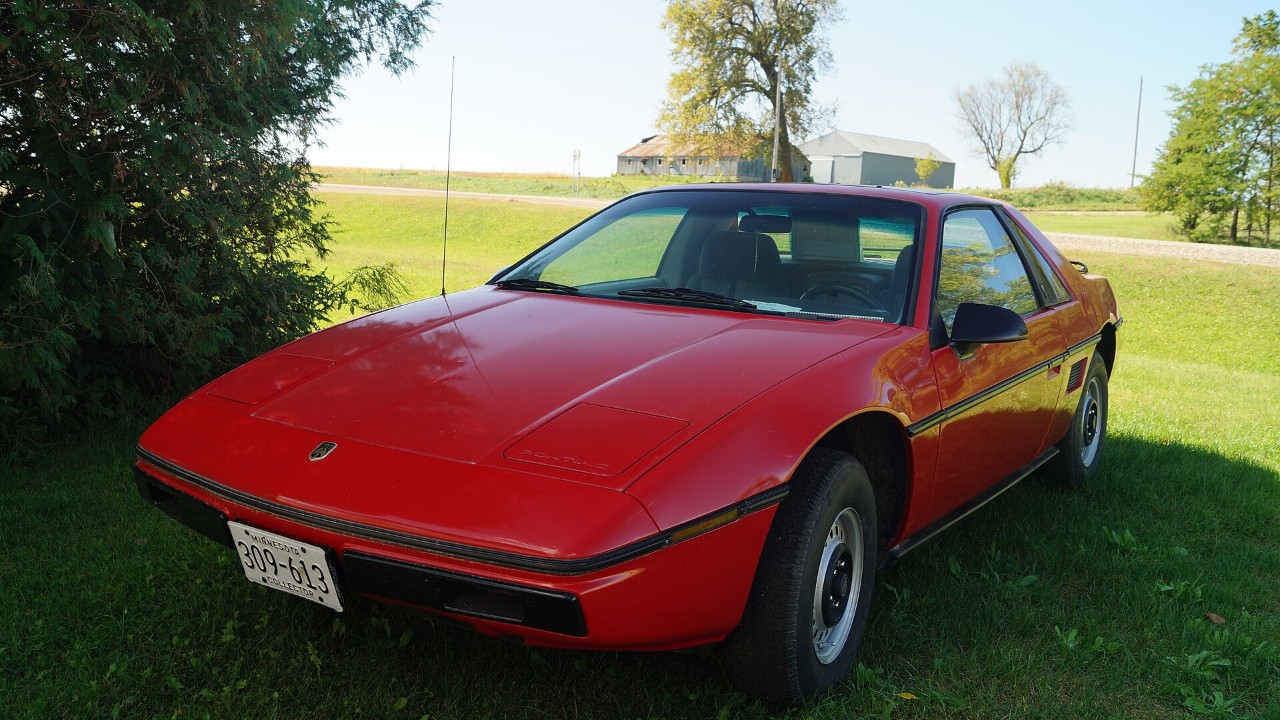
Some high-performance vehicles do more than produce huge horsepower numbers—they transform that power into relentless acceleration, extreme top speed, and nonstop performance. Advanced aerodynamics, AWD systems, lightweight construction, and precision engineering allow these machines to stay brutally fast long after the initial launch.
These machines are built to convert raw power into unstoppable speed.
Nissan GT-R R35
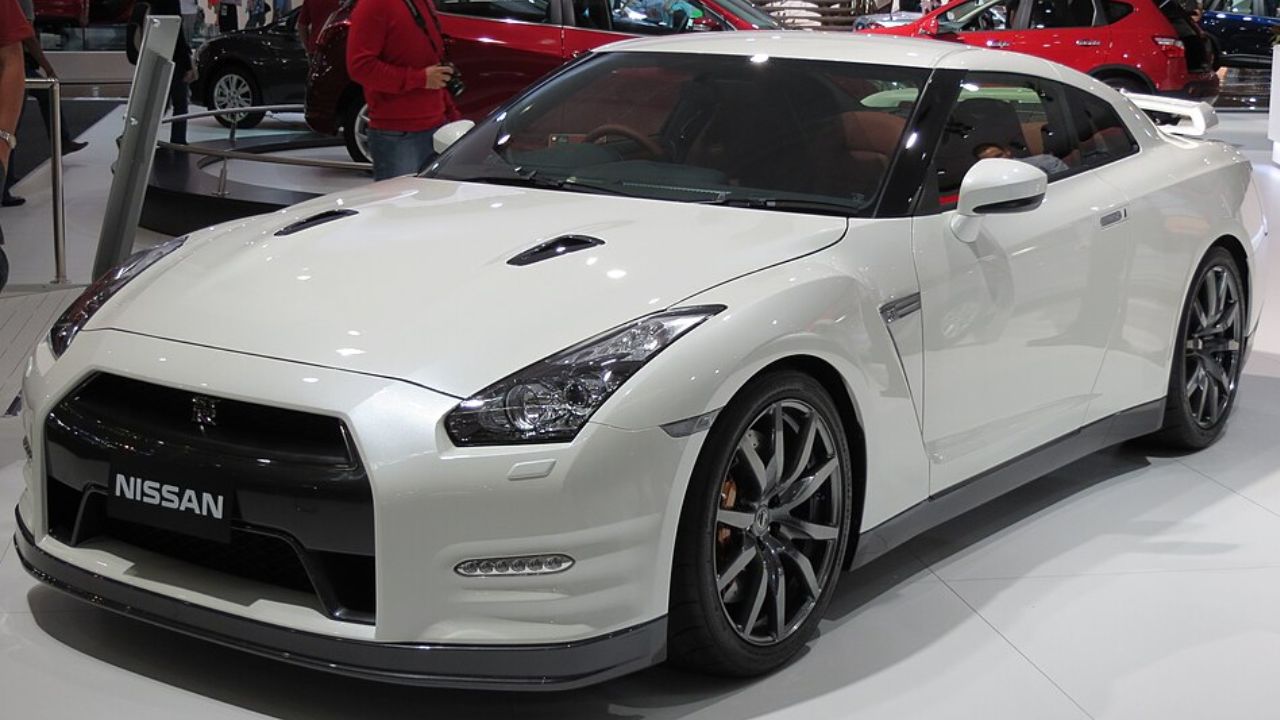
When the Nissan GT-R R35 arrived, it completely disrupted the performance car world by delivering supercar-level acceleration, advanced all-wheel-drive traction, and track capability at a price far lower than most European exotics. Its twin-turbo V6 and launch control system allowed it to outrun cars costing twice as much, forcing brands like Porsche, BMW, and Audi to improve technology and performance across their own lineups. The GT-R also changed expectations for real-world usability because it combined daily-driver practicality with brutal speed and consistency. Many manufacturers realized they could no longer rely only on heritage or luxury branding once the GT-R began producing lap times and acceleration figures comparable to elite supercars around the world.
Tesla Model S Plaid
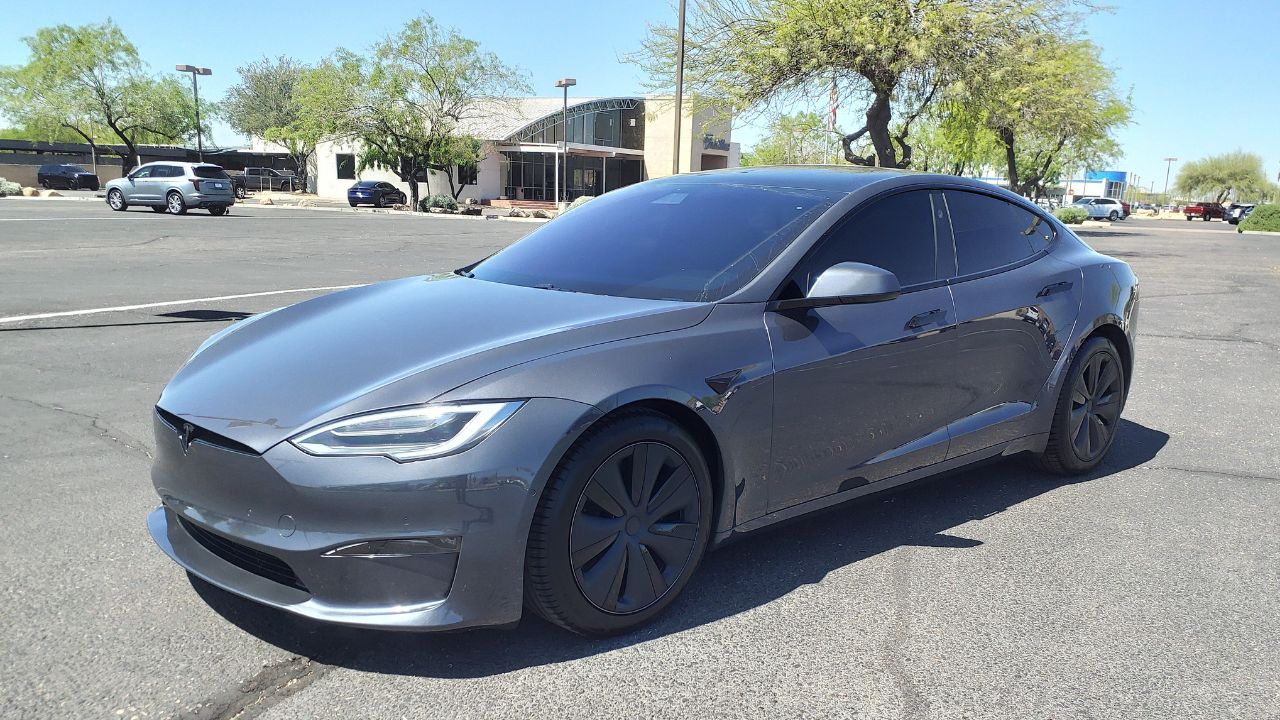
The Tesla Model S Plaid forced the automotive industry to rethink what electric vehicles were capable of by delivering acceleration levels once reserved for million-dollar hypercars. Its tri-motor electric drivetrain produced instant torque and shockingly quick launches that embarrassed traditional V8 and V12 performance cars. Luxury brands and sports car manufacturers suddenly faced pressure to develop faster EV platforms because the Plaid showed that electric power could dominate straight-line acceleration while remaining practical enough for everyday commuting. The car also demonstrated how software, battery technology, and electric drivetrains could outperform decades of traditional combustion-engine engineering, pushing companies like Porsche, Mercedes-Benz, BMW, and Audi to accelerate development of their own high-performance electric vehicles.
McLaren F1
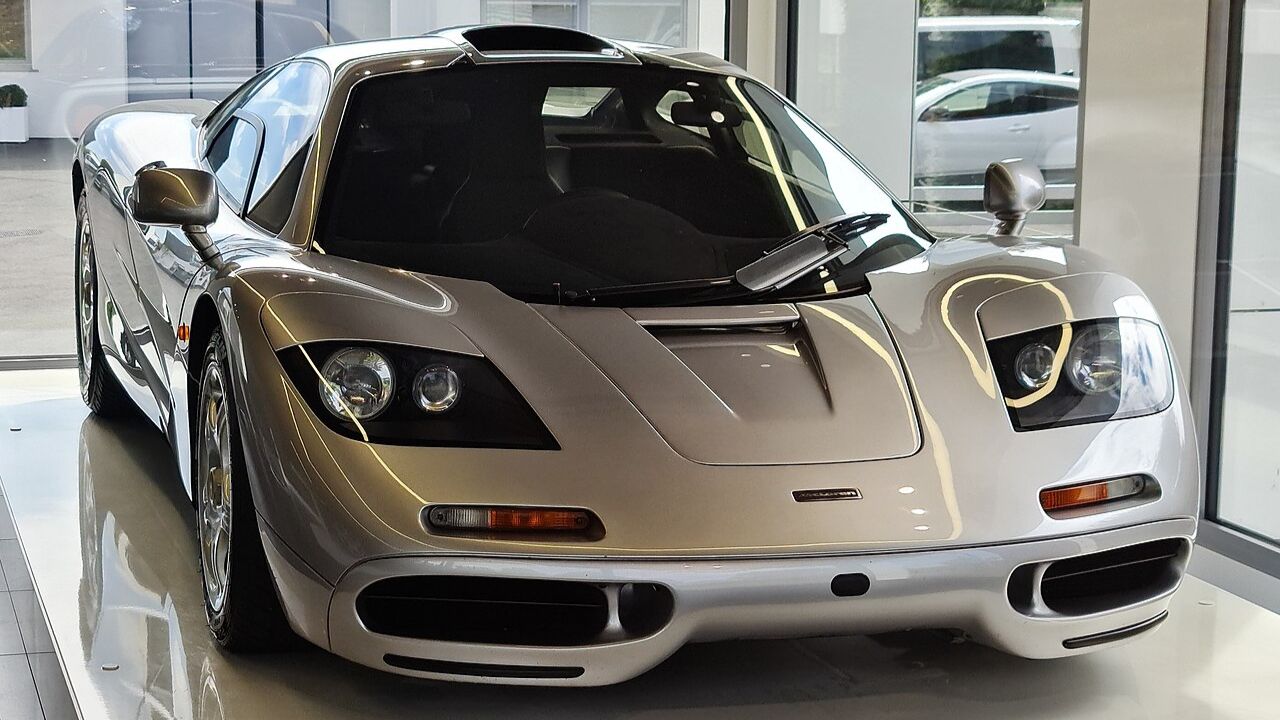
The McLaren F1 transformed expectations for supercars during the 1990s through lightweight carbon-fiber construction, advanced aerodynamics, and a naturally aspirated BMW V12 engine producing extraordinary performance. It became the fastest production car in the world and remained respected for decades because of its engineering purity and driver-focused design. Competitors realized that raw horsepower alone was no longer enough because the F1 combined speed, balance, and efficiency in ways few cars could match. The use of carbon fiber and race-inspired engineering pushed Ferrari, Lamborghini, and Porsche to rethink how future supercars would be developed, influencing nearly every high-end performance car that followed in the modern hypercar era.
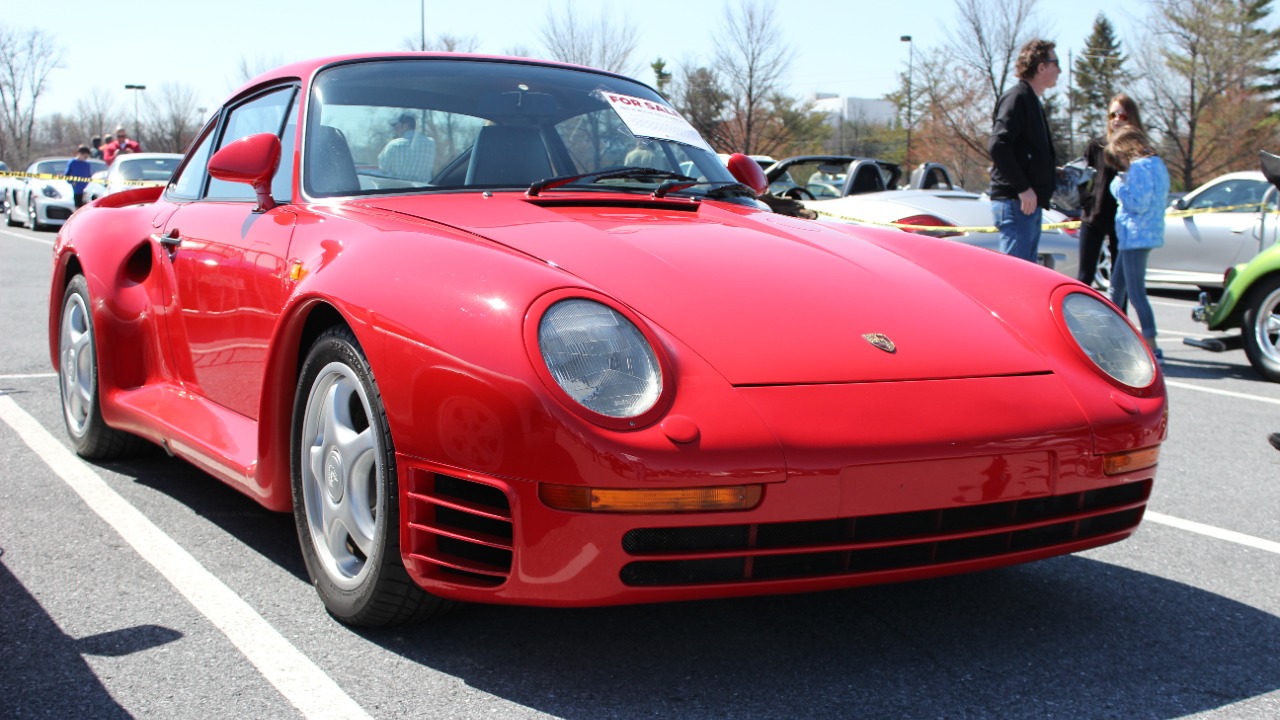
Porsche 959
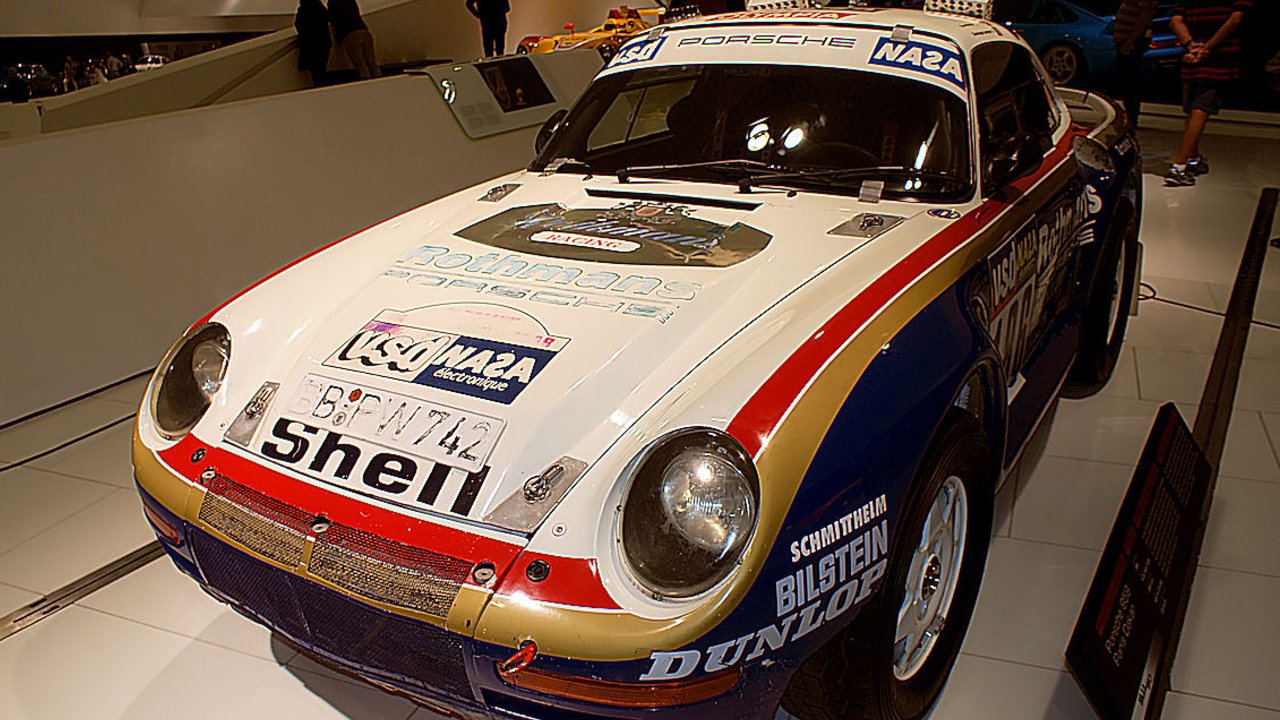
The Porsche 959 introduced groundbreaking technology that changed the direction of performance engineering during the 1980s. It featured advanced all-wheel drive, twin turbochargers, lightweight materials, and electronically controlled systems rarely seen in production cars at the time. The 959 proved that technology and computer-controlled performance could dramatically improve speed, handling, and stability. Competing manufacturers quickly realized that traditional mechanical engineering alone would no longer be enough to stay competitive in the supercar market. The innovations introduced by the 959 influenced future generations of sports cars and helped establish modern expectations for intelligent traction systems, turbocharging efficiency, and high-speed drivability across the entire automotive industry.
Bugatti Veyron 16.4
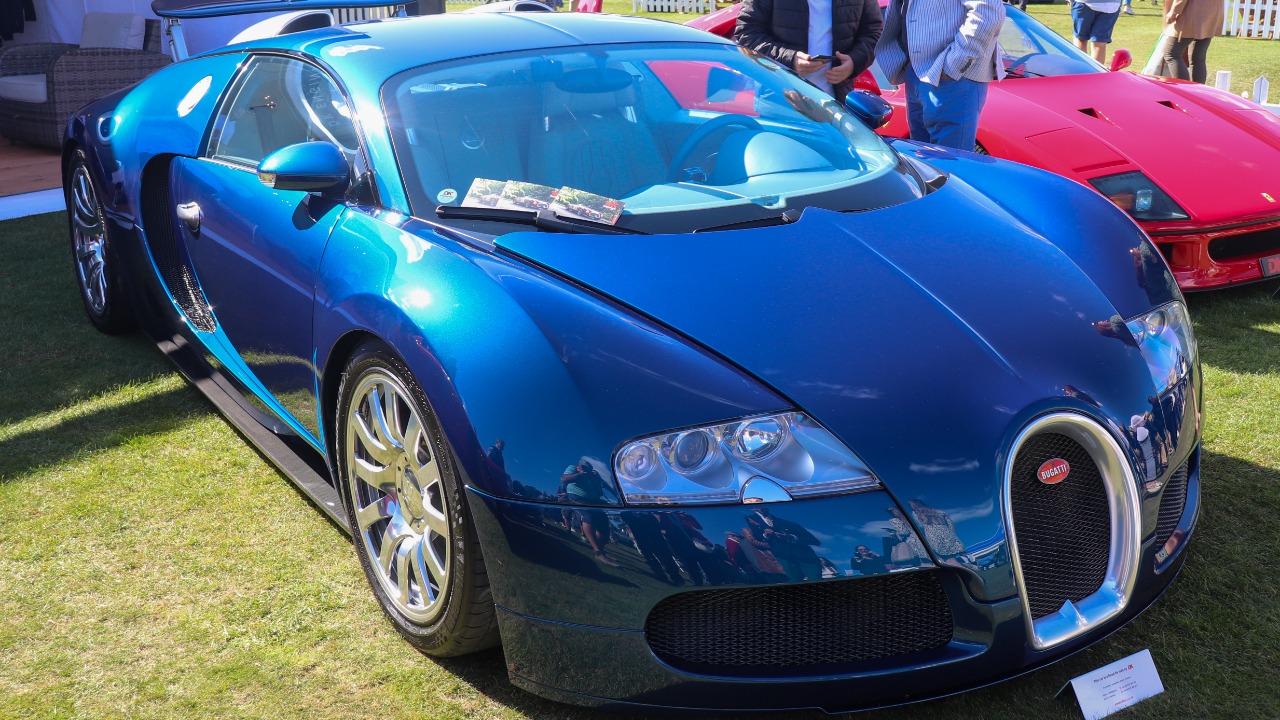
The Bugatti Veyron completely redefined what manufacturers believed possible for a street-legal production vehicle. With its quad-turbocharged W16 engine producing over 1,000 horsepower and a top speed exceeding 250 mph, it forced the automotive world into an entirely new performance category. Competitors suddenly faced pressure to pursue higher speeds, more advanced aerodynamics, and increasingly powerful drivetrains. The Veyron also demonstrated that extreme performance could coexist with luxury and everyday drivability, something rarely achieved before. Manufacturers such as Koenigsegg, Hennessey, and SSC began chasing new speed records partly because Bugatti had dramatically raised expectations for what a factory-built hypercar could accomplish.
Dodge Challenger SRT Demon
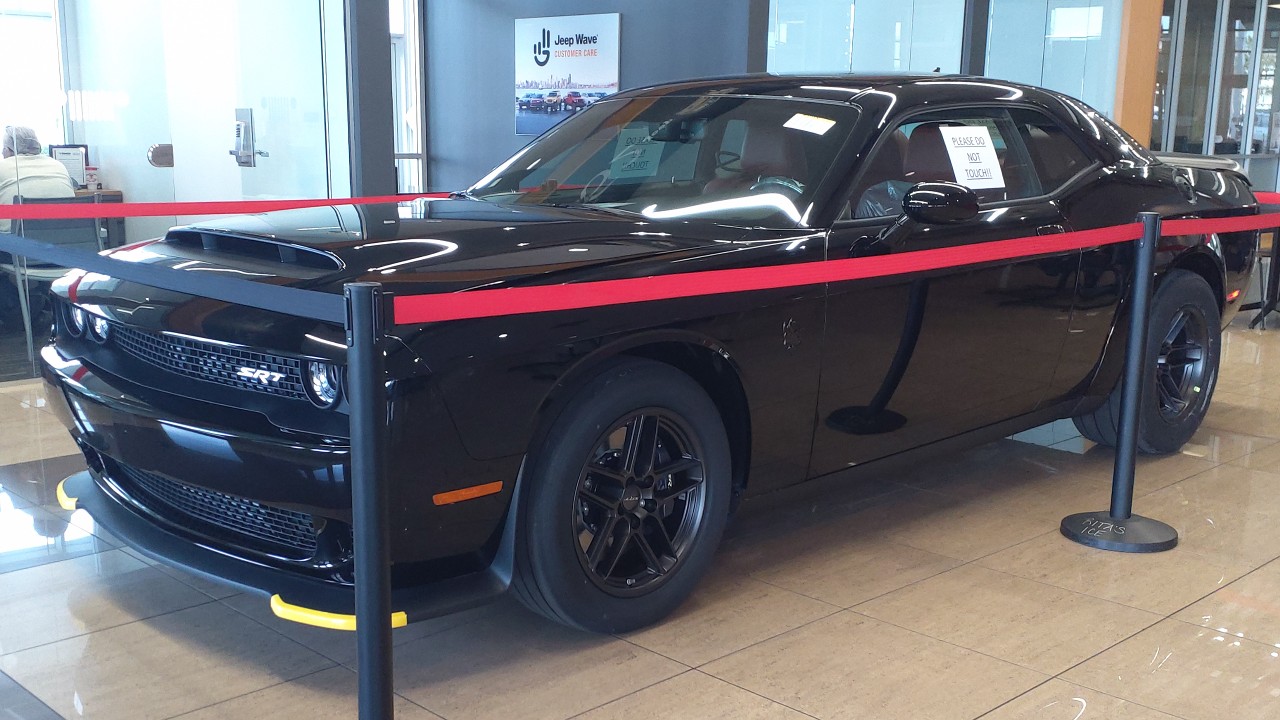
The Dodge Challenger SRT Demon shocked the performance industry by bringing near-professional drag racing capability directly to public roads. Designed specifically for quarter-mile dominance, it featured massive supercharged V8 power, drag-focused suspension tuning, launch optimization systems, and factory-installed drag radials. Competitors realized that factory muscle cars could become highly specialized performance machines instead of simple high-horsepower cruisers. The Demon forced Ford and Chevrolet to intensify their own muscle car development programs because it established new expectations for factory acceleration and straight-line performance. It also revived widespread excitement around drag racing culture and demonstrated how aggressively manufacturers could tune production vehicles while maintaining street legality.
Ferrari F40
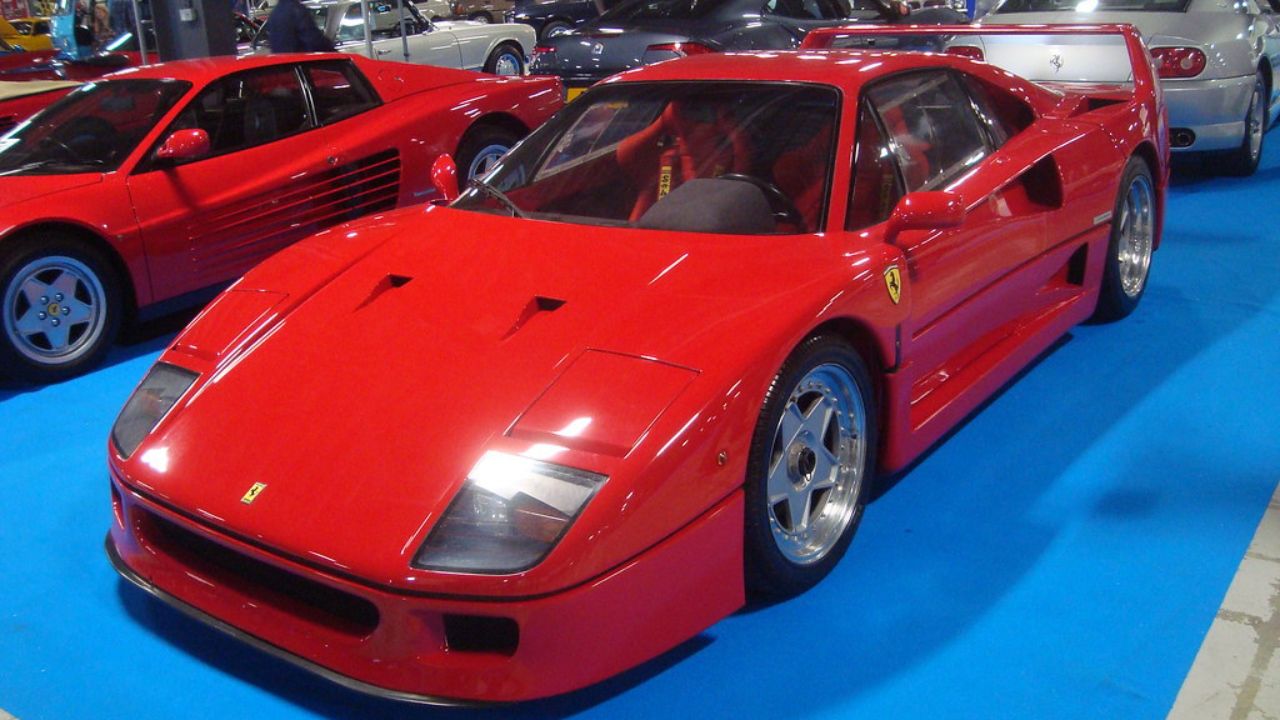
The Ferrari F40 pushed performance expectations far beyond what most drivers believed possible from a road-going Ferrari during the late 1980s. Its twin-turbocharged V8, lightweight body, and race-inspired engineering created an aggressive driving experience unlike anything available at the time. The F40 abandoned luxury features in favor of pure speed and driver engagement, proving that extreme performance could become the primary focus of a production supercar. Rival manufacturers recognized that customers increasingly valued raw driving excitement and authentic motorsport-inspired engineering. The F40 helped shape the identity of modern supercars and influenced future performance cars focused on minimal weight, aerodynamic efficiency, and intense driver connection.
Mitsubishi Lancer Evolution VI
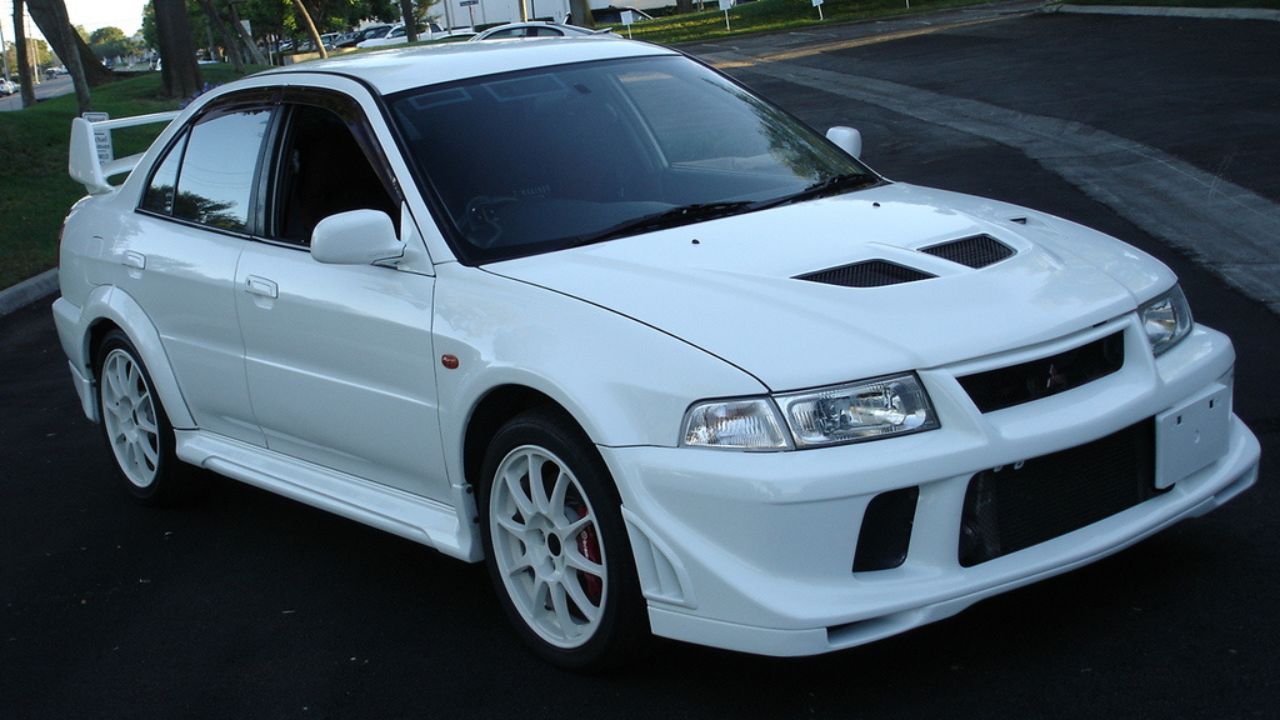
The Mitsubishi Lancer Evolution VI demonstrated that compact sedans could achieve incredible performance through rally-inspired engineering, turbocharging, and advanced all-wheel-drive systems. It challenged larger and more expensive sports cars by delivering exceptional traction, quick acceleration, and precise handling on both road and track. Manufacturers around the world recognized that lightweight AWD sedans could become serious performance platforms capable of competing with traditional sports cars. The Evolution series also popularized turbocharged four-cylinder performance among younger enthusiasts and pushed competitors such as Subaru and even European brands to further develop compact high-performance sedans with advanced traction and motorsport-derived technologies.
Chevrolet Corvette ZR1
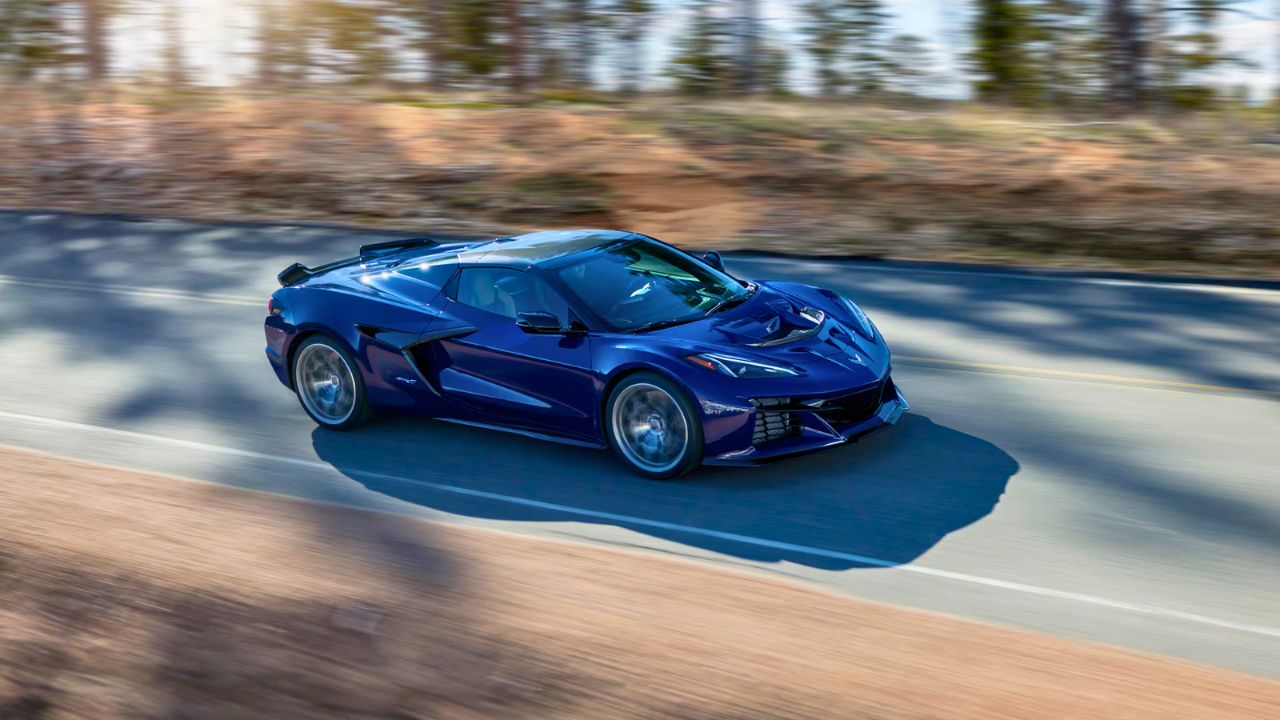
The Chevrolet Corvette ZR1 forced competitors to rethink American performance cars by delivering supercar-level acceleration, handling, and top speed at a comparatively attainable price. Equipped with a powerful supercharged V8 and advanced aerodynamic upgrades, the ZR1 proved that an American sports car could directly challenge elite European performance brands on track and in straight-line speed. Competing manufacturers could no longer dismiss Corvette as merely a traditional muscle car because the ZR1 produced world-class lap times and engineering sophistication. Its success encouraged greater investment in high-performance engineering across the industry and helped establish modern Corvette models as legitimate global supercar competitors.
Koenigsegg Agera RS
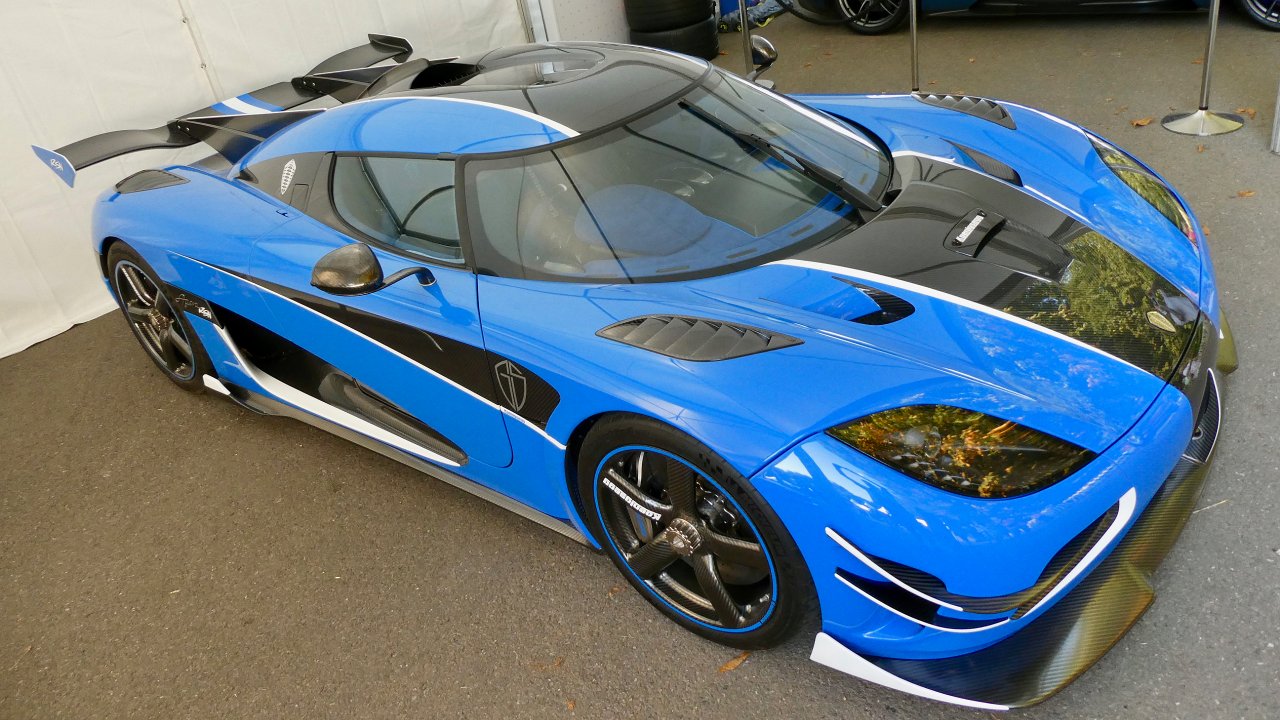
The Koenigsegg Agera RS shocked the automotive industry by setting world speed records while coming from a relatively small independent manufacturer. Its lightweight carbon-fiber construction, advanced aerodynamics, and immense twin-turbo V8 power allowed it to compete directly against automotive giants with much larger budgets. The Agera RS proved that innovation and engineering efficiency could outperform traditional industry scale and reputation. Competitors were forced to pay closer attention to lightweight construction, aerodynamic optimization, and top-speed engineering because Koenigsegg demonstrated that smaller companies could lead the hypercar world. The car’s record-breaking achievements helped intensify the modern race for extreme speed among elite performance manufacturers.
More From Fast Lane Only: