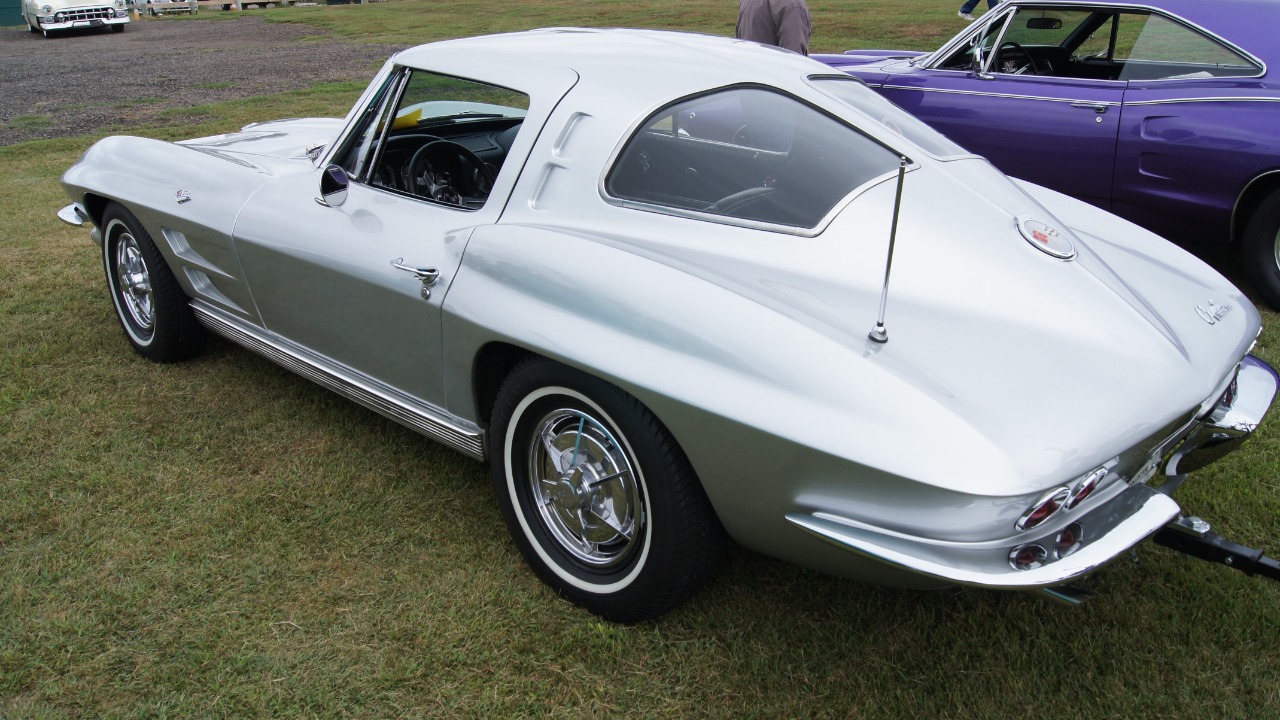
The 1963 Chevrolet Corvette, famously known as the split-window model, is a beloved classic that has captivated car enthusiasts since its debut. However, despite its iconic design and strong fanfare, the split-window configuration was short-lived, lasting only a single year. This article delves into the reasons behind its brief production run and the factors that led to its discontinuation.
The Birth of the Split-Window Design
The split-window design of the 1963 Corvette was a significant shift in the evolution of the Corvette series. Before this model, the Corvette had undergone various styling changes, but none as bold as the split-window configuration. The early 1960s marked a period of innovation and fierce competition in the automotive market, with manufacturers seeking to capture the youthful spirit of the era. The new design aimed to not only enhance aerodynamics but also to make a striking statement on the road.
Influenced by contemporary automotive trends, the split-window design was a daring marketing choice. The two-piece rear window was not just a stylistic quirk; it was an attempt to differentiate the Corvette from other sports cars. The design was futuristic, embodying the spirit of the space age that captivated much of America during that time. It was a head-turner, and Chevrolet aimed to leverage this attention to solidify the Corvette’s place in the sports car hierarchy.
Production Challenges and Technical Issues
Despite its visual appeal, the split-window design presented several production challenges that ultimately contributed to its downfall. One of the primary issues was the complexity of manufacturing the unique split-window glass. The two-piece design required precision engineering to ensure that both sections fit seamlessly while maintaining structural integrity. This complexity led to complications in production, with delays becoming commonplace as the manufacturing team struggled to meet quality standards.
Moreover, engineers raised concerns about the structural integrity of the split-window setup. The design, while visually striking, compromised the strength of the rear of the vehicle. These concerns became more pronounced as testing revealed that the split-window could lead to potential issues in crash safety. As a result, the Chevrolet team was caught in a dilemma: retain the aesthetically pleasing design that had garnered excitement or prioritize safety and functionality for consumers.
Market Reception and Consumer Feedback
When the 1963 Corvette was unveiled, it generated significant buzz among enthusiasts and the media alike. The initial excitement surrounding the split-window model was palpable, with many automotive journalists praising its innovative design and performance capabilities. However, this initial wave of enthusiasm did not translate into long-term consumer satisfaction. As owners began to live with the car, critiques emerged regarding visibility issues caused by the split-window design. Many drivers found that the two-piece rear window obstructed their rearward visibility, raising safety concerns that overshadowed its aesthetic appeal.
Consumer feedback played a pivotal role in Chevrolet’s decision to move away from the split-window design. While the car was celebrated for its styling, potential buyers expressed a preference for practicality and performance over aesthetics. As a result, Chevrolet began to reassess its design priorities, leading to the decision to simplify the Corvette’s rear window in subsequent models. The first-year production numbers, while impressive, indicated that a significant portion of the market was not fully embracing the split-window concept.
Shifts in Chevrolet’s Strategic Direction
The sports car market in the early 1960s was becoming increasingly competitive, with models like the Ford Mustang and the Jaguar E-Type gaining traction among consumers. Chevrolet recognized the need to adapt its strategy in response to these competitive forces. The shift in consumer demand for design versus performance highlighted a critical turning point for the Corvette brand. As the market evolved, Chevrolet understood that it must prioritize performance metrics that resonated with buyers, rather than solely relying on unique design elements.
In addition, the company aimed to streamline its production process. The challenges associated with the split-window design were a significant factor in the decision to discontinue it after just one year. By moving towards a more efficient manufacturing process that prioritized ease of production and safety, Chevrolet could maintain its reputation for quality while meeting the demands of a rapidly changing market. The decision to eliminate the split-window design was not merely a response to consumer feedback but also a strategic pivot to ensure the Corvette remained competitive.
Legacy of the Split-Window Corvette
Even though the split-window design lasted only a single year, its legacy within the Corvette history is substantial. The 1963 model has become a symbol of a bygone era and remains highly sought after by collectors and enthusiasts today. Its unique styling elements and the stories surrounding its production challenges contribute to its allure. The split-window Corvette is often celebrated as a collector’s item, commanding high prices at auctions and in private sales.
The split-window’s role in shaping the Corvette’s identity cannot be understated. It set the stage for future generations, influencing design choices that followed. The Corvette brand has continued to evolve, but the essence of the split-window model is woven into its legacy. Enthusiasts still discuss the 1963 model with reverence, often sharing stories and experiences on platforms like Reddit and various car enthusiast forums.
A Short-lived Icon
Several factors contributed to the discontinuation of the split-window design in the Corvette lineup. From production challenges to shifts in consumer preferences and market dynamics, it became clear that the unique design could not sustain itself in a competitive landscape. Despite its brief existence, the split-window Corvette remains a cherished symbol of automotive design, reflecting a time when cars were not just vehicles but expressions of personal style and performance.
Today, the fascination with the 1963 split-window Corvette continues to thrive. It is not just a car; it is a piece of history that captures the imagination of automotive enthusiasts across generations. Collectors often seek out the rare model, and stories about the split-window configuration circulate among car clubs and gatherings. It stands as a testament to the idea that sometimes, the most iconic designs are those that are fleeting, leaving an indelible mark on automotive culture.
More from Fast Lane Only
- Unboxing the WWII Jeep in a Crate
- 15 rare Chevys collectors are quietly buying
- 10 underrated V8s still worth hunting down
- Police notice this before you even roll window down
*Research for this article included AI assistance, with all final content reviewed by human editors.