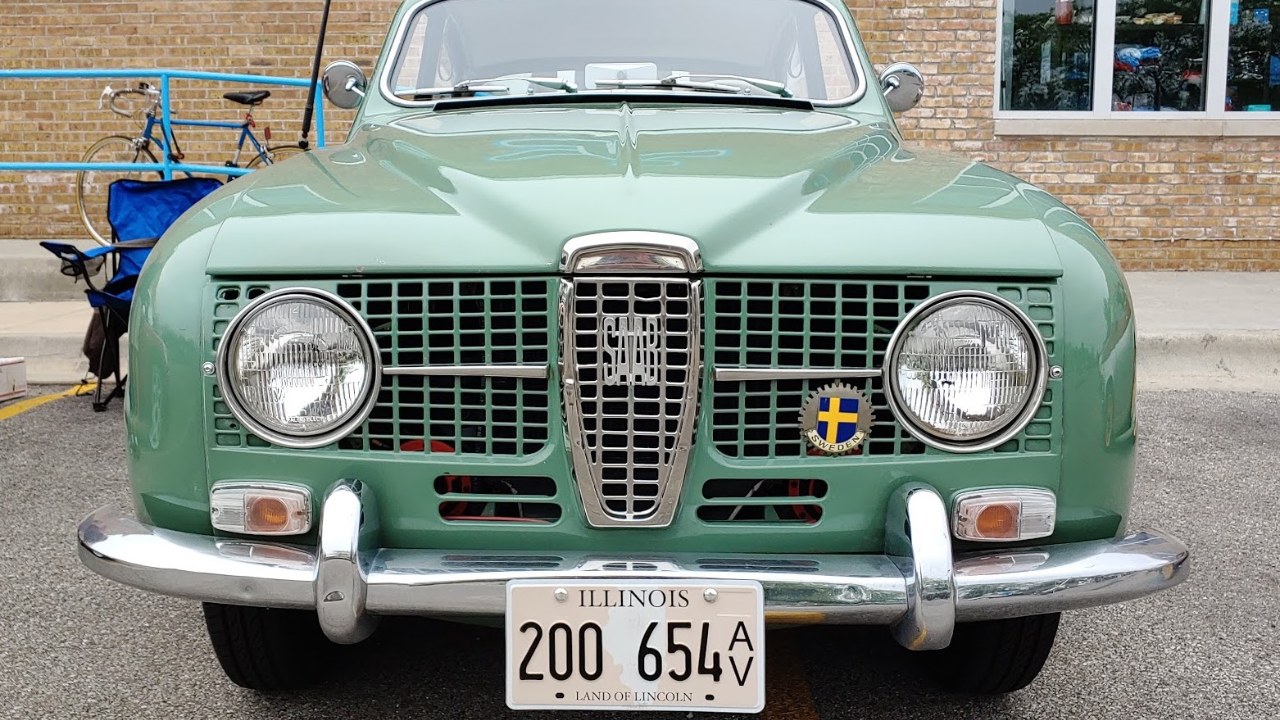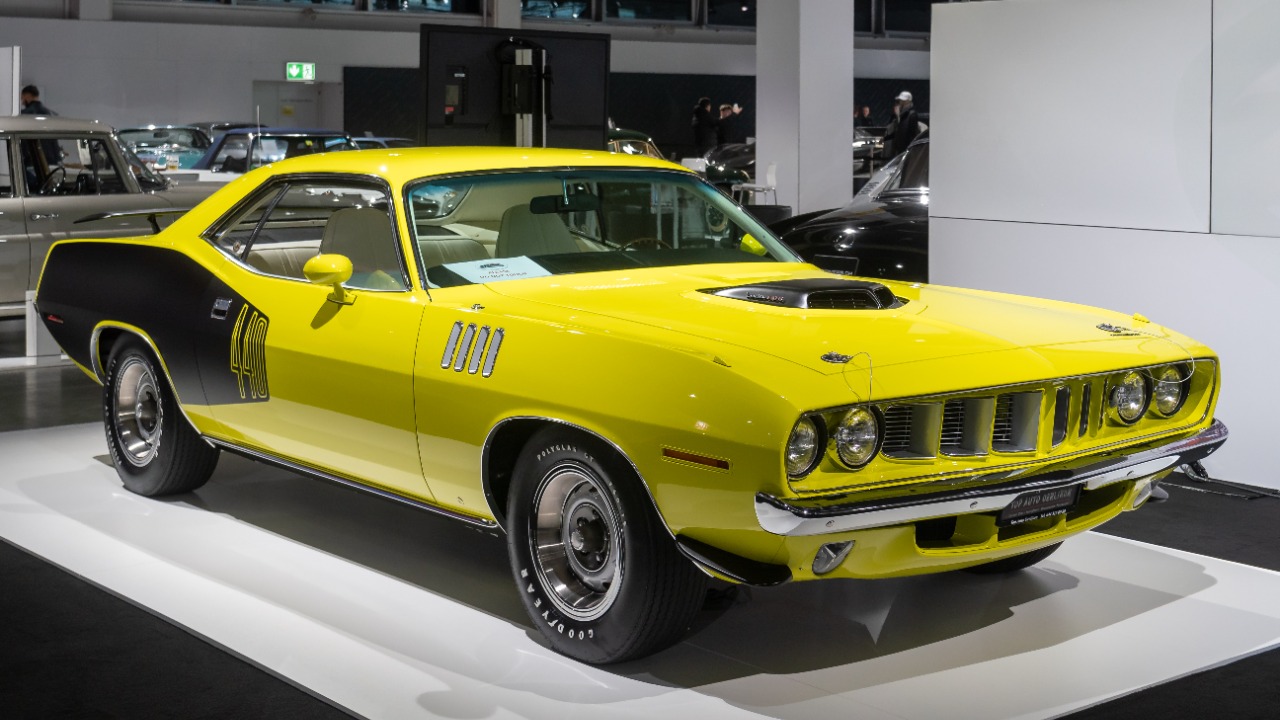
The golden age of American cars produced plenty of flashy designs, but some models offered something more lasting than bright trim and powerful engines. Their character came from distinctive styling, strong personalities, and the way they drove. Even after decades of changing automotive trends, these classics still feel recognizable and special. They have aged well because they never needed to copy anything else to stand out.
Studebaker Hawk

The Studebaker Hawk brought European-inspired styling to an American coupe at a time when most domestic cars were becoming larger and more elaborate. Its sleek roofline and restrained proportions gave it a distinctive appearance that still looks different from its Detroit rivals. The Hawk also offered available V8 power, giving owners both style and performance. Its unusual design has helped it remain a favorite among enthusiasts.
Mercury Comet
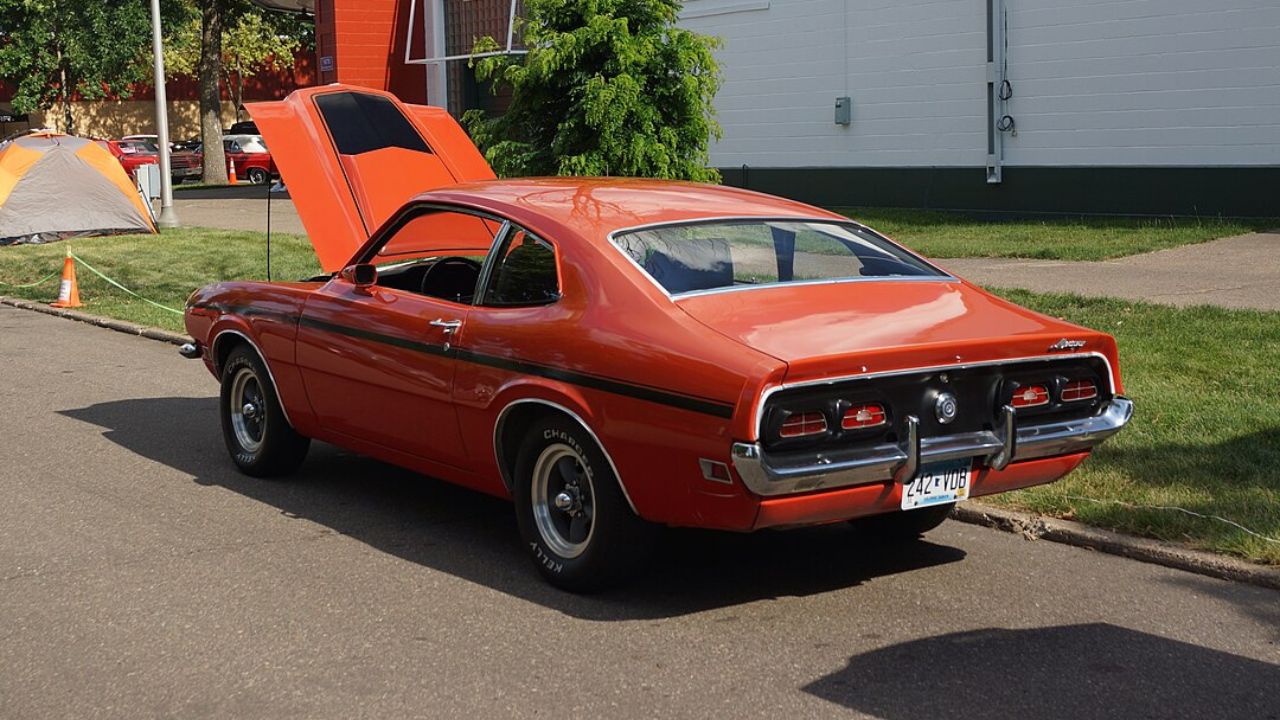
The Mercury Comet offered a smaller alternative to the increasingly large American cars of its era. Its compact dimensions made it easier to handle, while available V8 engines gave later versions plenty of personality. The Comet never became as famous as the Mustang or Cougar, which is part of its appeal today. Collectors enjoy its simple design and unmistakable connection to an earlier era.
Buick Riviera
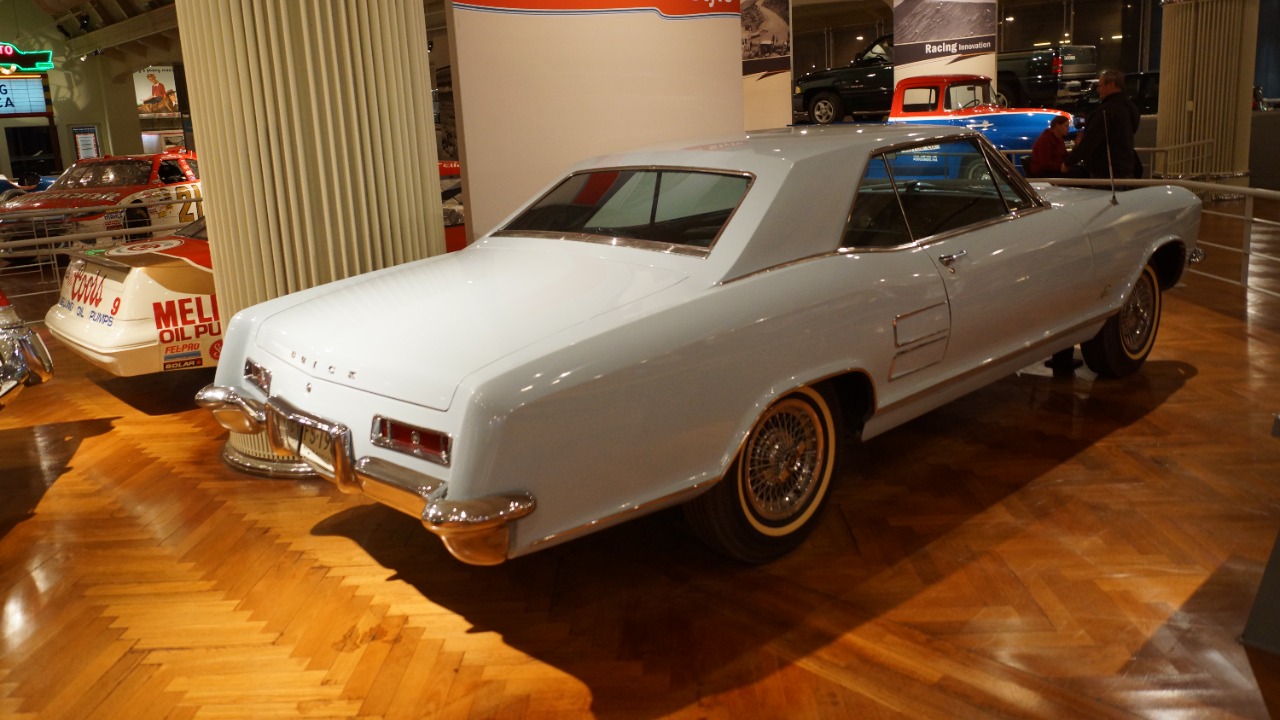
The Buick Riviera proved that American luxury could be stylish without relying on excessive decoration. Its crisp body lines, hidden headlights, and comfortable interior gave it a sophisticated personality that still works today. Strong V8 engines added performance to its grand touring character. The Riviera remains one of the easiest classic American cars to recognize, and its design continues to impress at shows.
Plymouth Barracuda

The Plymouth Barracuda developed a strong identity by combining compact dimensions with sporty styling and available V8 power. Early fastback models looked unlike almost anything else on American roads, while later versions became serious performance cars. The Barracuda’s unusual appearance has aged particularly well. Even today, it has enough visual character to stand apart from the better-known muscle cars surrounding it.
Pontiac Firebird
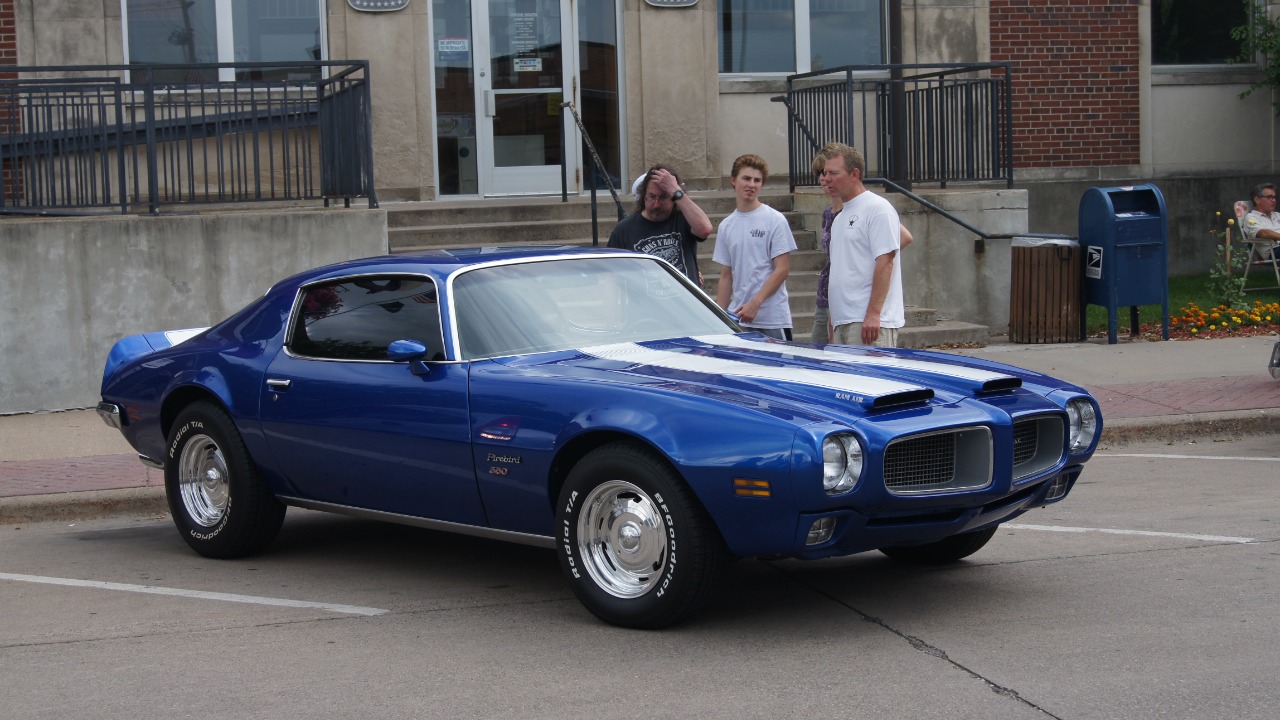
The Pontiac Firebird brought youthful styling and performance to the growing pony car market. Its long hood, aggressive front end, and range of V8 engines gave it a personality separate from its Chevrolet cousin. Special versions added even more excitement, but the standard Firebird had plenty of character on its own. Its distinctive shape remains instantly recognizable decades after production ended.
Oldsmobile Toronado

The Oldsmobile Toronado was never an ordinary American coupe. Its front-wheel-drive layout was unusual for the time, while its long, low body gave it a dramatic appearance. The combination of advanced engineering and V8 power made it one of the most interesting American cars of its generation. Its individuality is exactly why enthusiasts continue seeking out well-preserved examples.
AMC Javelin
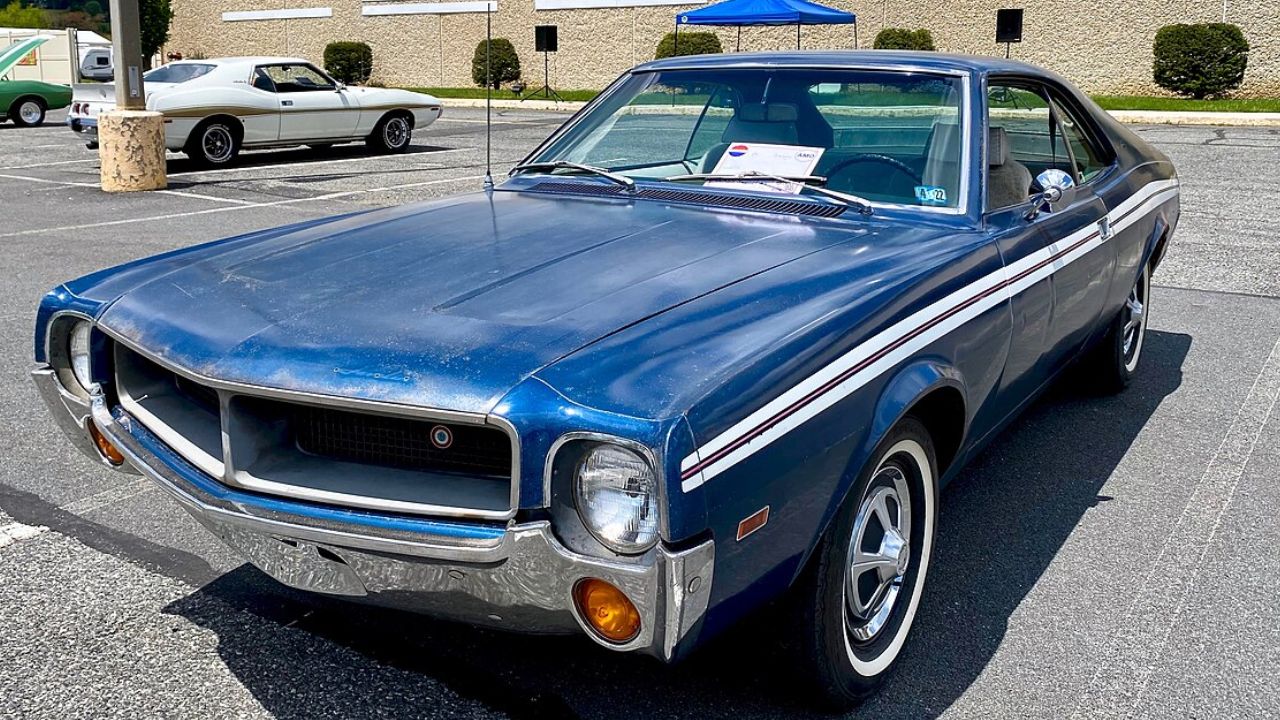
The AMC Javelin proved that a smaller American manufacturer could create a genuine performance coupe with its own personality. Its bold body design, spacious interior, and available V8 engines gave it an identity that did not depend on copying Ford or Chevrolet. Racing success added to its reputation. Today, the Javelin remains an appealing choice for collectors who want something different.
Chevrolet El Camino
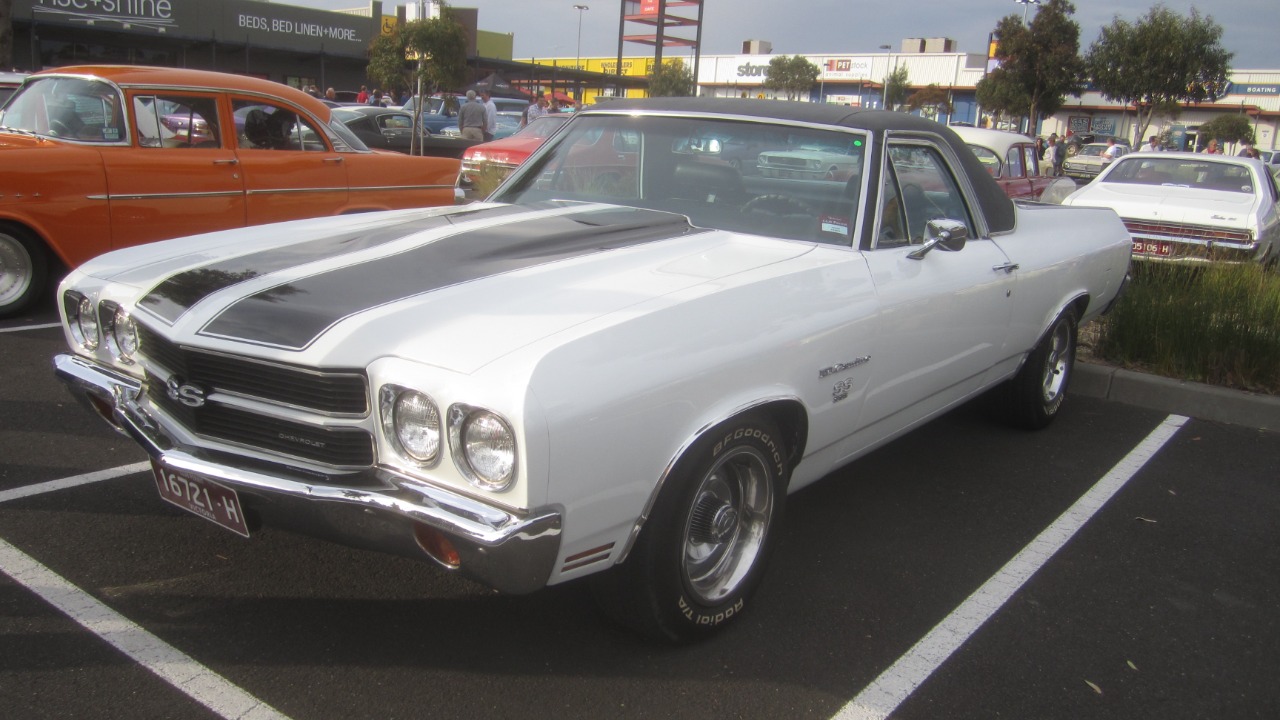
The Chevrolet El Camino created its own category by combining the comfort of a car with the usefulness of a pickup. Its unusual proportions gave it an unmistakable appearance, while available V8 engines added performance. The formula remained distinctive throughout its production life. Even today, the El Camino stands apart from ordinary classic cars because few vehicles ever offered the same combination of style and utility.
More from Fast Lane Only
- Unboxing the WWII Jeep in a Crate
- 15 rare Chevys collectors are quietly buying
- 10 underrated V8s still worth hunting down
- Police notice this before you even roll window down
*Research for this article included AI assistance, with all final content reviewed by human editors.