Not every great Japanese coupe was fully appreciated when it was new. Some were overshadowed by rivals, while others needed years for enthusiasts to recognize their engineering, styling, or performance potential. As collector interest in Japanese vehicles has grown, these coupes have earned increasing respect and admiration, becoming far more celebrated than many people initially expected.
Toyota Celica Supra
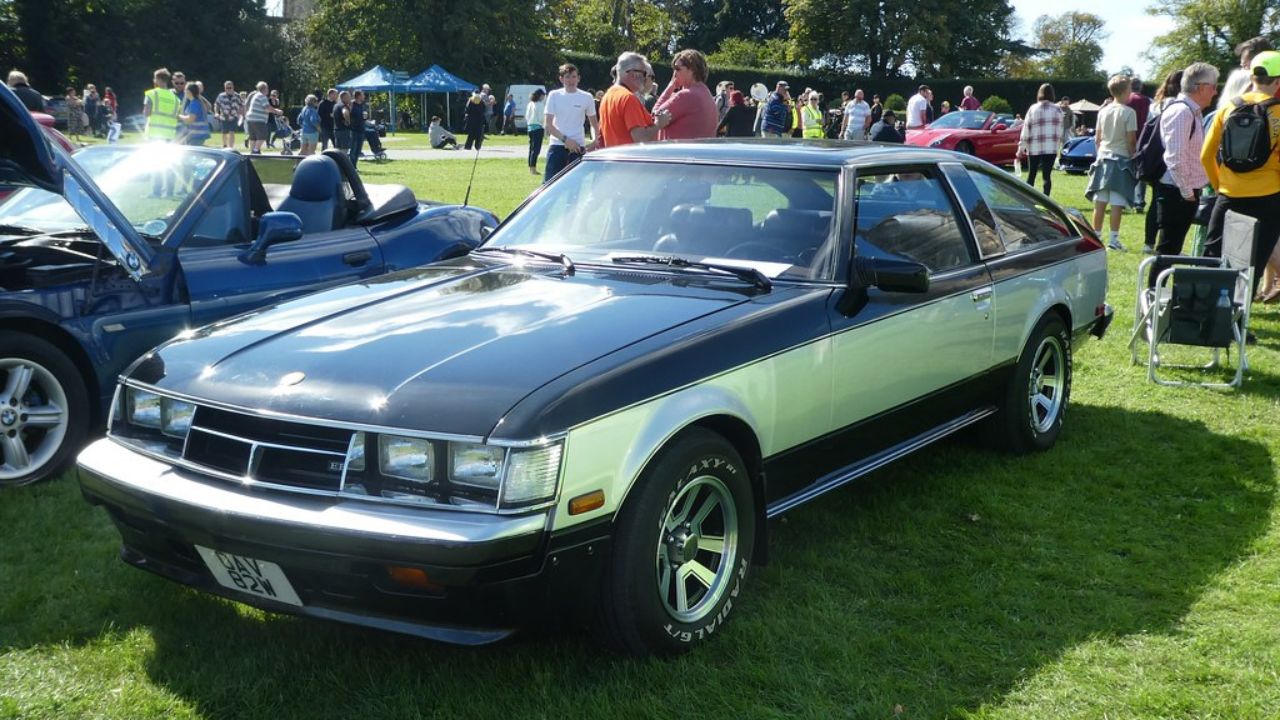
The Toyota Celica Supra spent years living in the shadow of the later standalone Supra models. However, enthusiasts eventually recognized its smooth inline-six engine, balanced chassis, and comfortable grand-touring character. Mechanics appreciated its durability and thoughtful engineering. Today, the Celica Supra is admired for representing an important stage in Toyota’s performance evolution while offering a driving experience that remains enjoyable decades after production ended.
Nissan 300ZX Z32
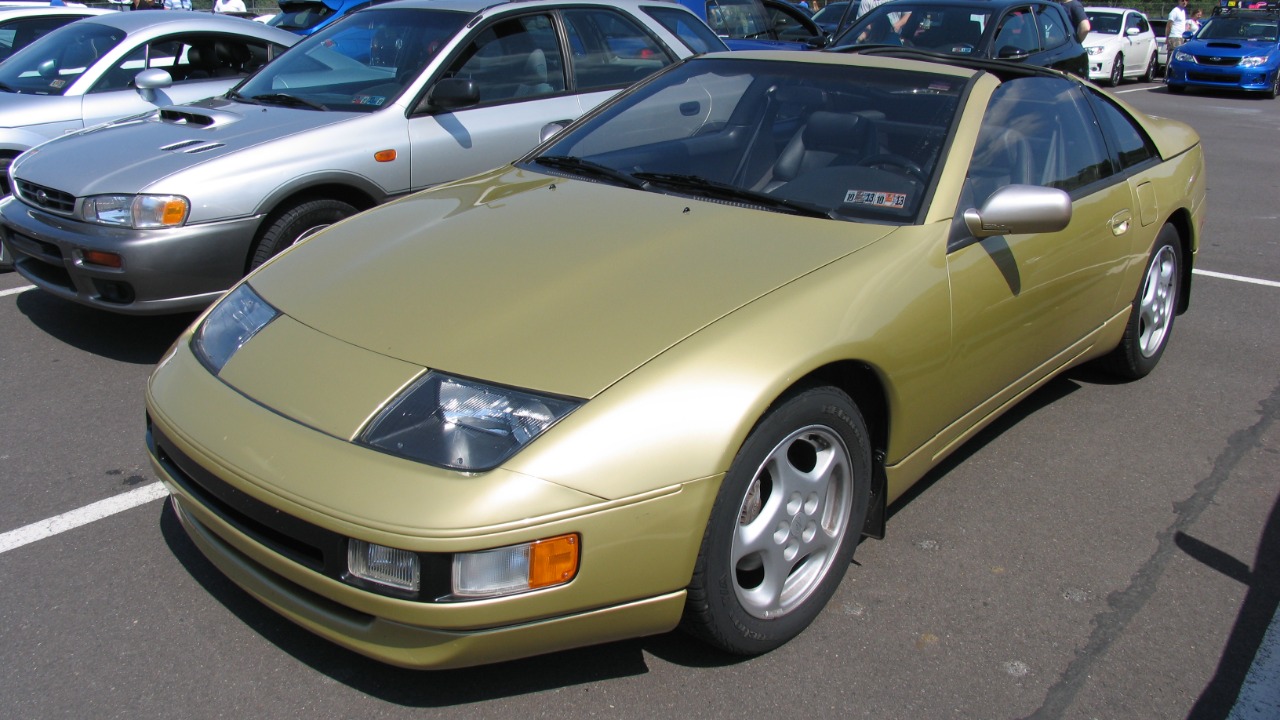
The Nissan 300ZX impressed reviewers when new but was often overshadowed by more exotic sports cars. Over time, enthusiasts gained greater appreciation for its advanced technology, sleek styling, and strong twin-turbo performance. Mechanics respected its engineering sophistication and capable drivetrain. As clean examples became harder to find, the Z32 emerged as one of the most respected Japanese performance coupes of the 1990s.
Mazda RX-7 FC
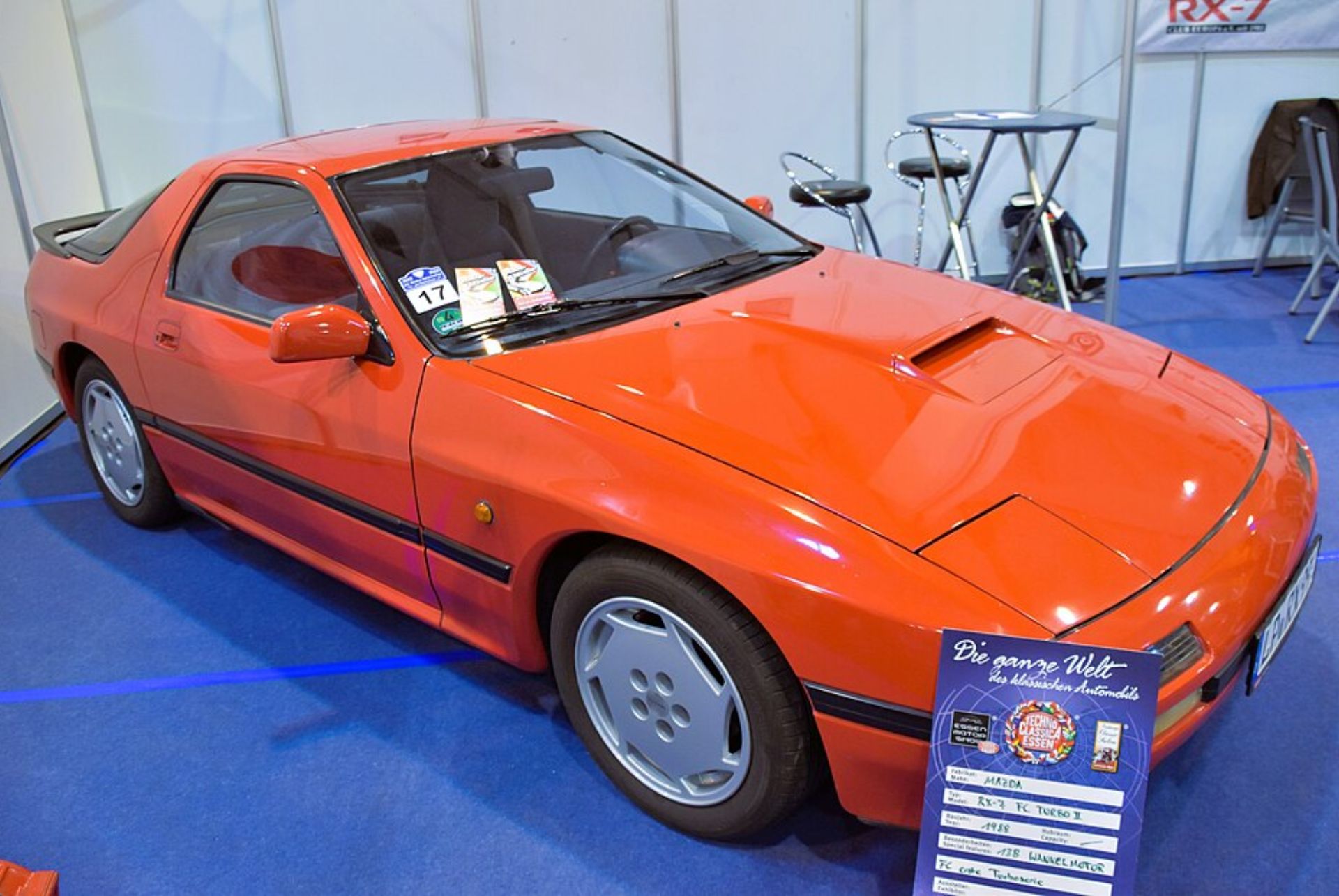
The Mazda RX-7 FC spent many years overshadowed by both its predecessor and the famous FD generation that followed. Yet its balanced handling, lightweight construction, and turbocharged rotary engine gradually earned growing respect. Mechanics admired its unique engineering and responsive chassis. Modern enthusiasts increasingly value the FC because it offers a rewarding driving experience while representing an important chapter in Mazda’s rotary history.
Mitsubishi Starion

The Mitsubishi Starion was a serious performance machine in its day but never achieved the widespread recognition of some Japanese rivals. Its turbocharged engine, aggressive styling, and capable chassis have aged remarkably well. Mechanics appreciated its durable drivetrain and tuning potential. As collectors search for lesser-known performance icons, the Starion has become increasingly admired for its combination of rarity, character, and engineering ambition.
Honda Prelude Si 4WS
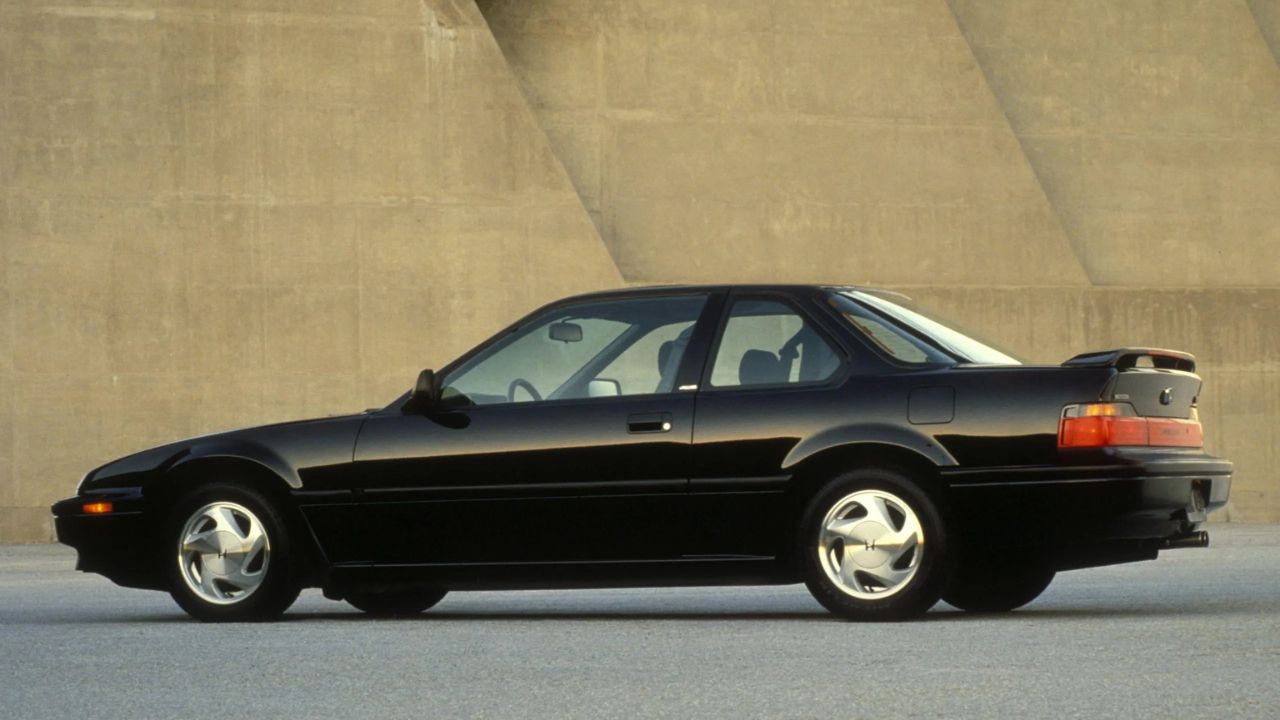
The Honda Prelude Si 4WS showcased technology that seemed remarkably advanced for its era. While some buyers initially viewed the four-wheel-steering system as a novelty, enthusiasts later recognized its effectiveness and engineering sophistication. Mechanics respected Honda’s precision and reliability. The Prelude Si 4WS has gained admiration because it demonstrated Honda’s willingness to innovate while still delivering the engaging driving dynamics enthusiasts expected.
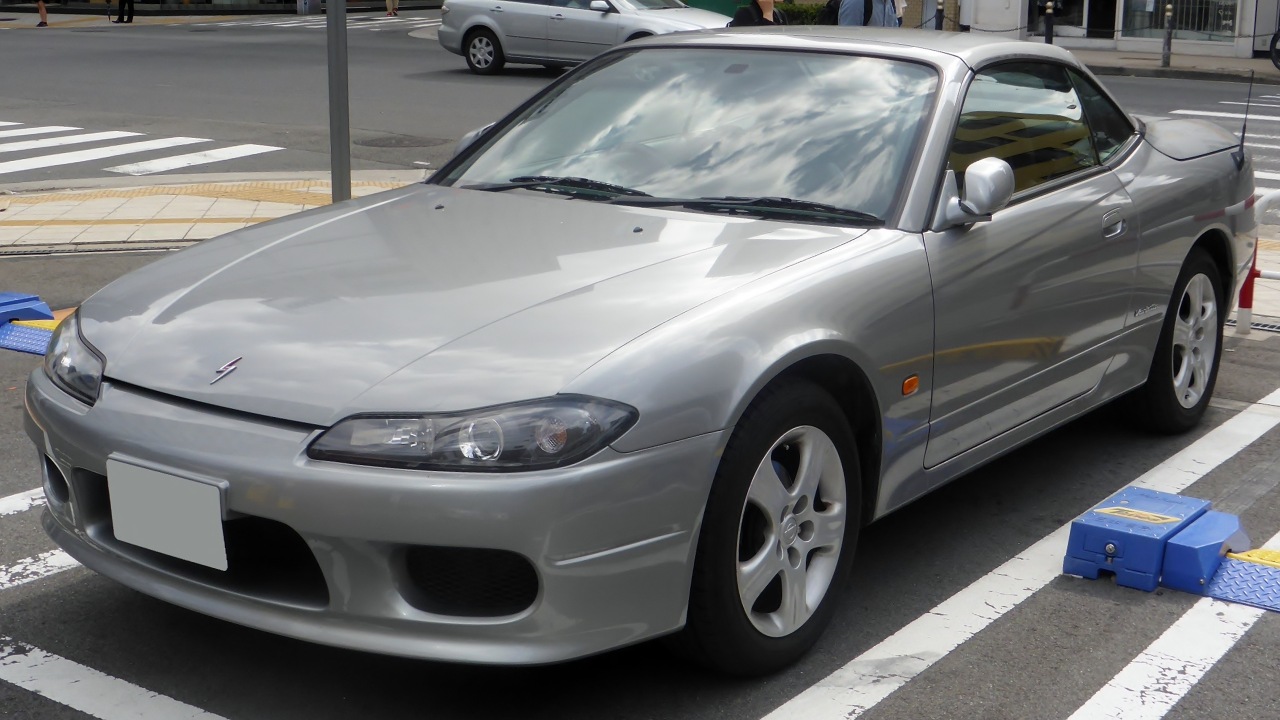
Nissan Silvia S15
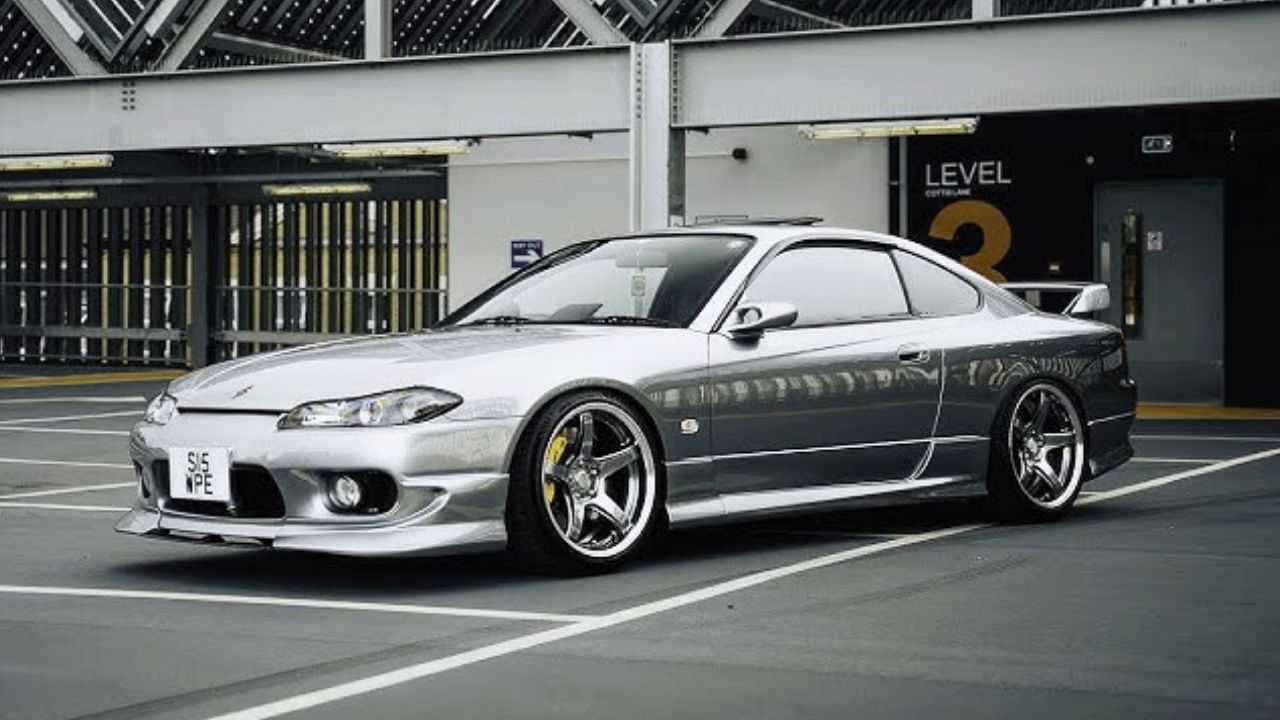
The Nissan Silvia S15 was highly regarded among enthusiasts but became even more admired after production ended. Its balanced chassis, attractive styling, and turbocharged performance made it a favorite for drifting and motorsports. Mechanics appreciated its robust engine and aftermarket support. As availability declined, the S15’s reputation continued growing, transforming it into one of the most sought-after Japanese coupes of its generation.
Toyota Soarer

The Toyota Soarer blended advanced technology, comfort, and performance in a way that was ahead of its time. Initially overlooked outside Japan, it gradually earned recognition for its sophisticated engineering and smooth powertrains. Mechanics admired its build quality and innovation. Today, enthusiasts appreciate the Soarer as a distinctive grand tourer that successfully combined luxury and performance long before such combinations became commonplace.
Isuzu Piazza
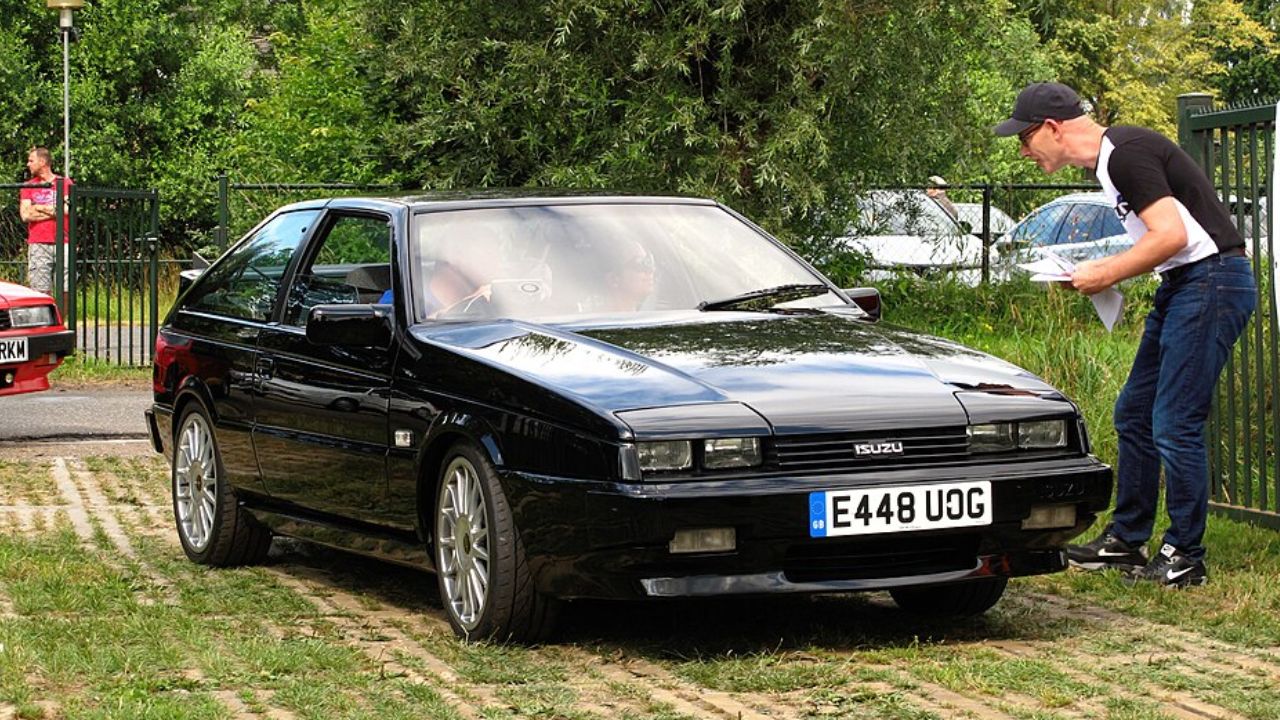
The Isuzu Piazza never achieved mainstream success, but its striking design and well-balanced driving dynamics helped it develop a loyal following. Mechanics appreciated its simplicity and durable mechanical components. As collectors became more interested in rare and unconventional Japanese vehicles, the Piazza gained appreciation for its individuality and distinctive styling. It now stands as one of the most intriguing and underrated Japanese coupes of its era.
More from Fast Lane Only
- Unboxing the WWII Jeep in a Crate
- 15 rare Chevys collectors are quietly buying
- 10 underrated V8s still worth hunting down
- Police notice this before you even roll window down
*Research for this article included AI assistance, with all final content reviewed by human editors