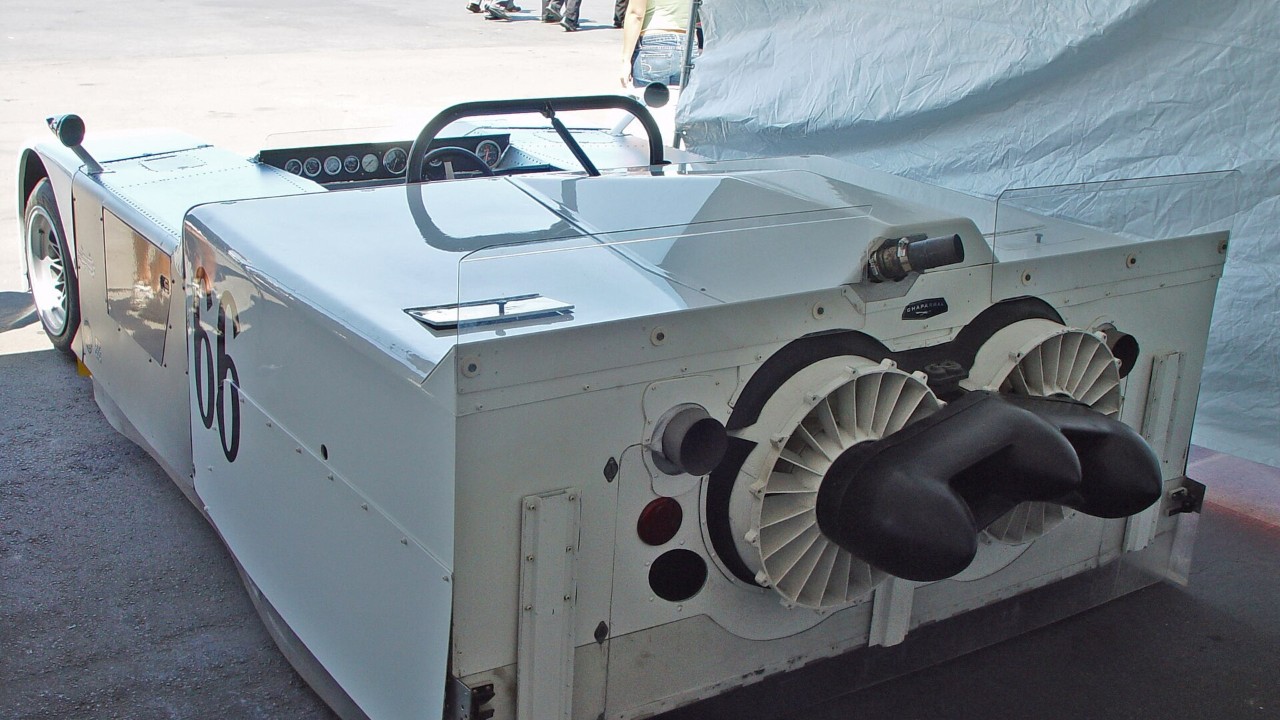
Big American luxury cars can be wonderfully comfortable, but size alone does not make an old land yacht a good buy. Rust, complicated equipment, thirsty engines, scarce trim, and enormous restoration bills can quickly turn a cheap cruiser into a money pit. These eight deserve especially careful inspection before you bring one home.
Cadillac Eldorado
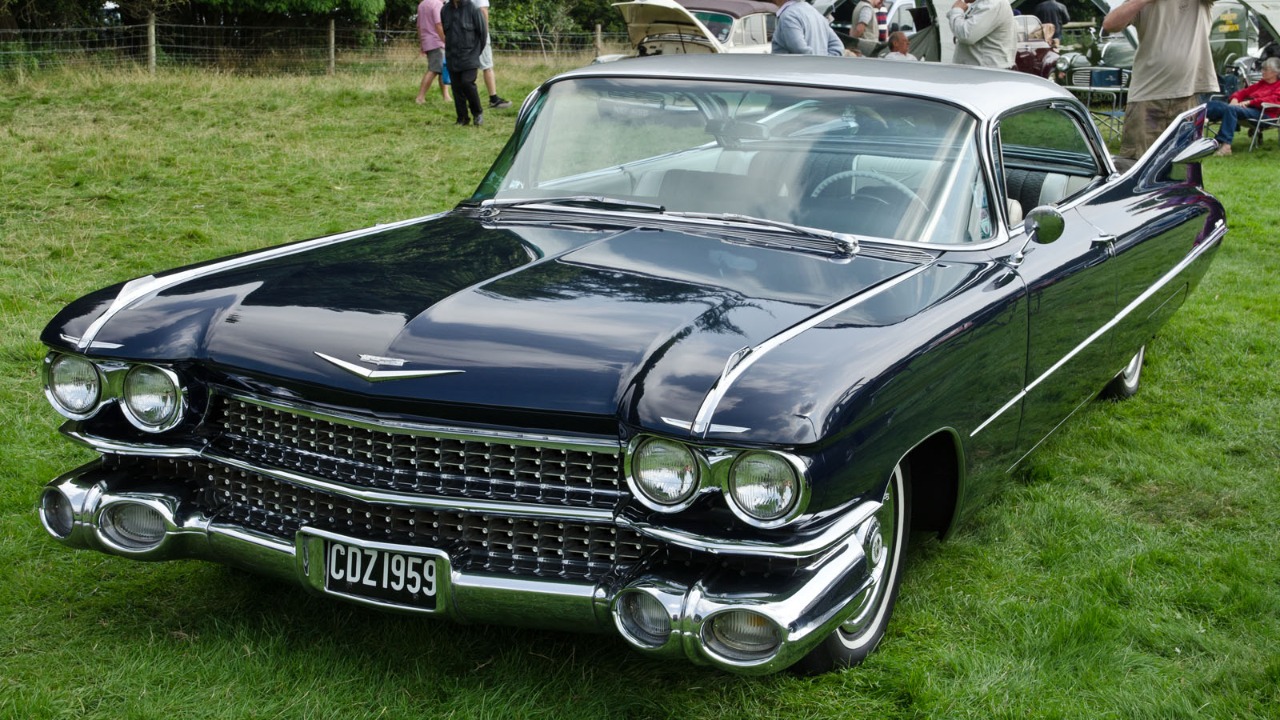
The Eldorado name covers some spectacular classics, but certain examples can be difficult and expensive to restore. Large bodies mean substantial rust-repair costs, while luxury equipment adds plenty of potential failure points. Trim and interior pieces can also be expensive. A complete, solid car is worth considering, but a neglected Eldorado can overwhelm a modest restoration budget.
Lincoln Continental
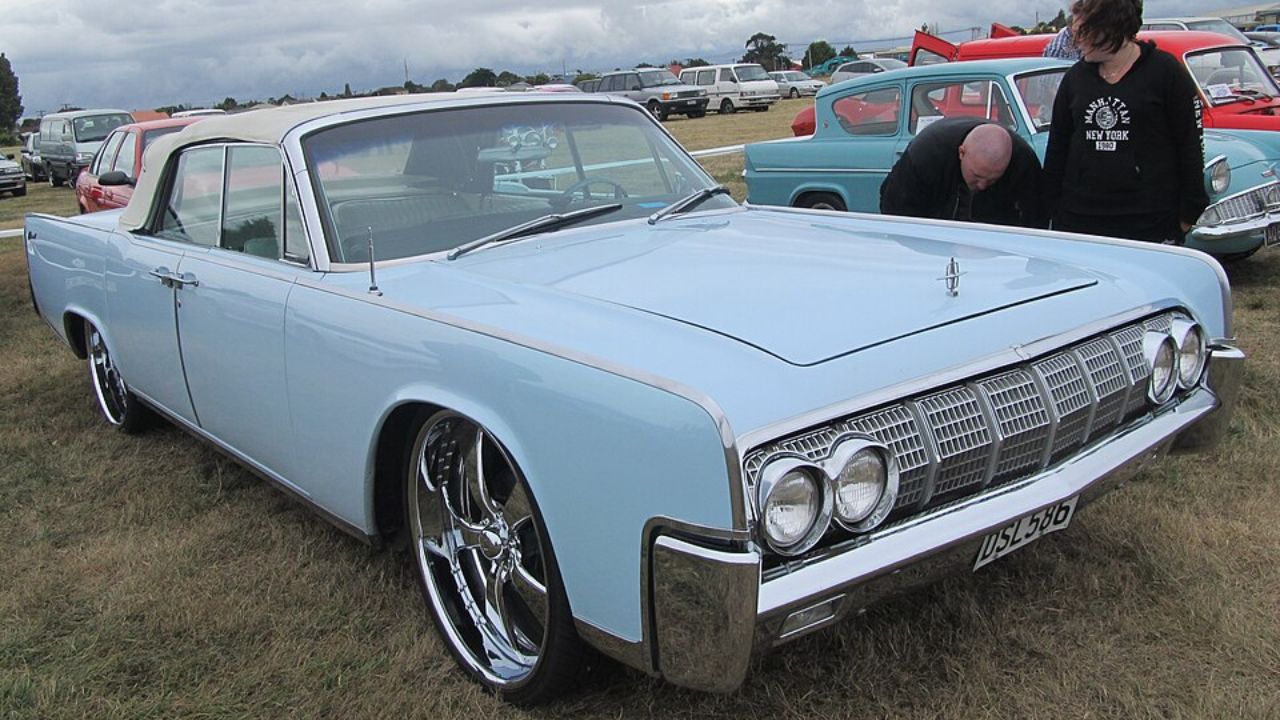
The Lincoln Continental is one of America’s most recognizable luxury cars, but its enormous size makes body restoration particularly expensive. Rust can affect large sections of the body, while power accessories and elaborate interiors add further complications. Four-door convertibles are especially demanding. Buying the cheapest example available can easily lead to a much larger project than expected.
Chrysler Imperial
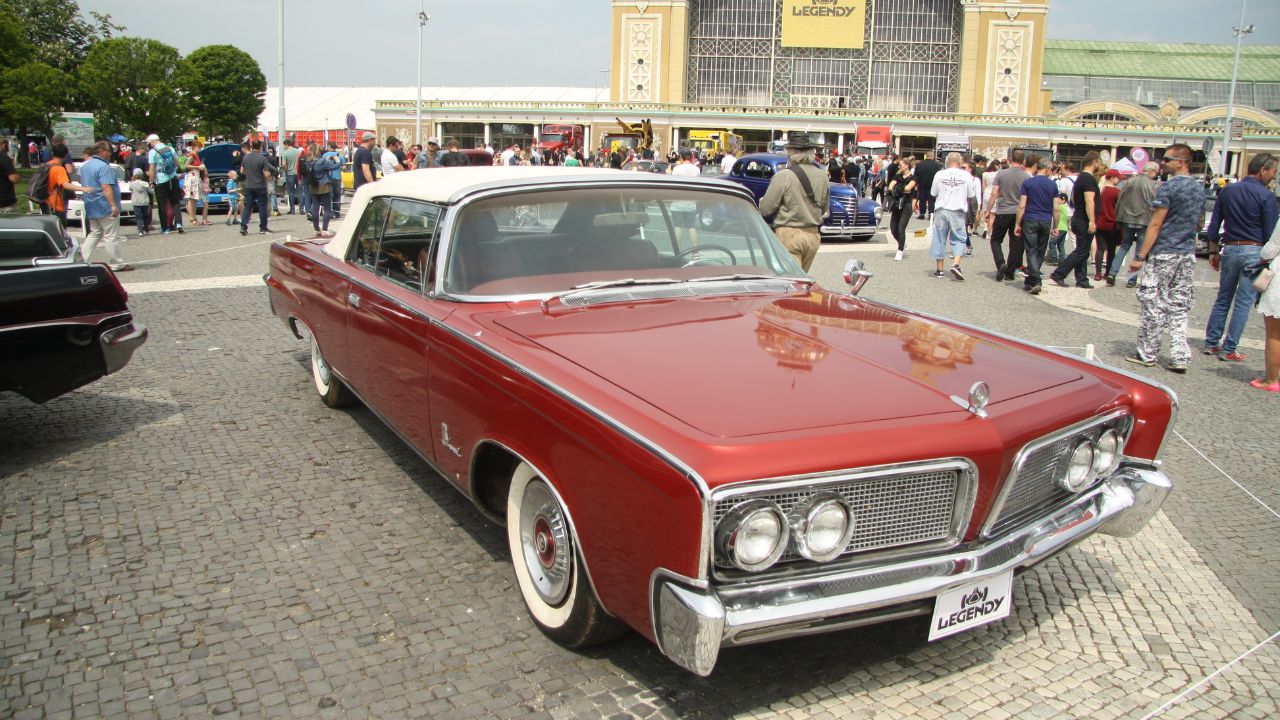
The Imperial delivered Cadillac-style luxury with enormous dimensions and powerful engines, but neglected examples can be difficult to bring back. Large areas of rust require extensive repair, while original chrome and interior components can be costly. The cars also need considerable storage space. A solid survivor is desirable, but a rough Imperial can become a financial headache.
Buick Electra
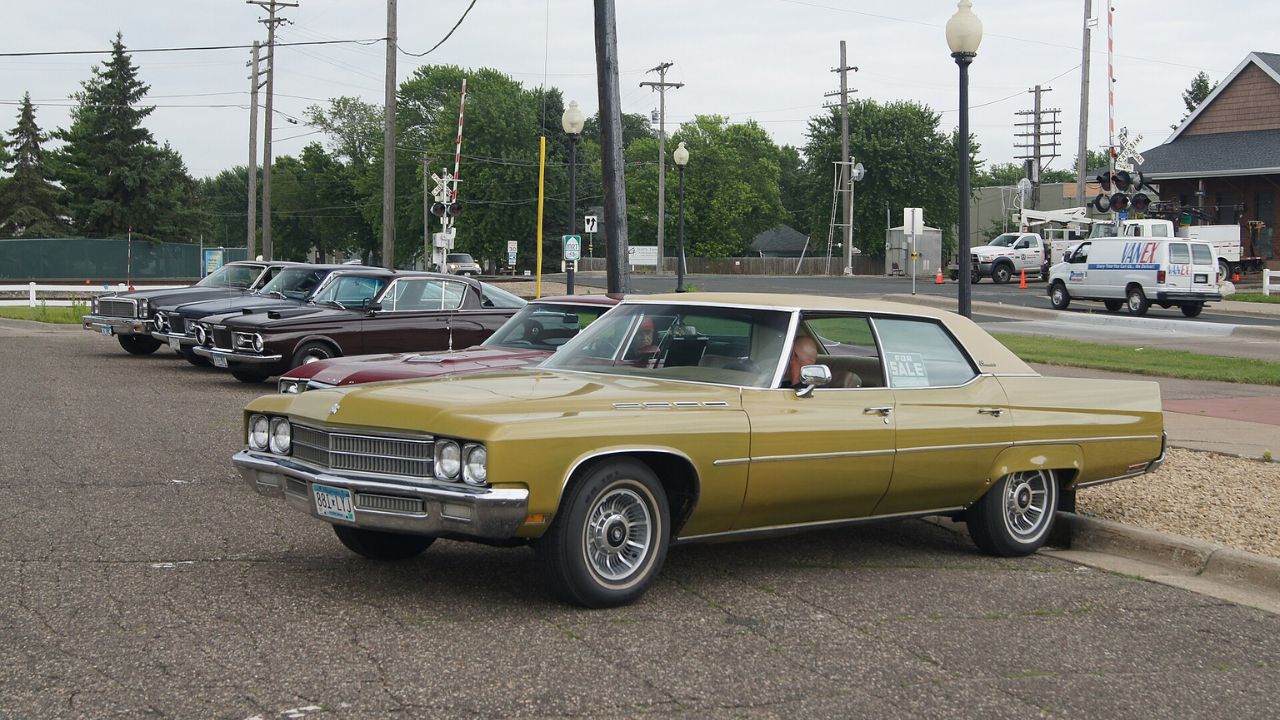
The Buick Electra was built for comfortable long-distance cruising, but its size creates serious restoration challenges today. Large body panels, extensive chrome, and substantial interiors can make cosmetic repairs expensive. Mechanical parts may be easier to source than specialized trim. Buyers should prioritize rust-free examples because structural and body repairs can quickly exceed the car’s value.
Oldsmobile Ninety-Eight

The Ninety-Eight offered a spacious cabin, soft ride, and powerful V8 engines, but neglected examples can require attention in many areas at once. Suspension, brakes, cooling systems, electrical equipment, and interiors all age with time. Many were driven for decades before being discarded. A cheap project can therefore require much more work than its purchase price suggests.
Pontiac Bonneville
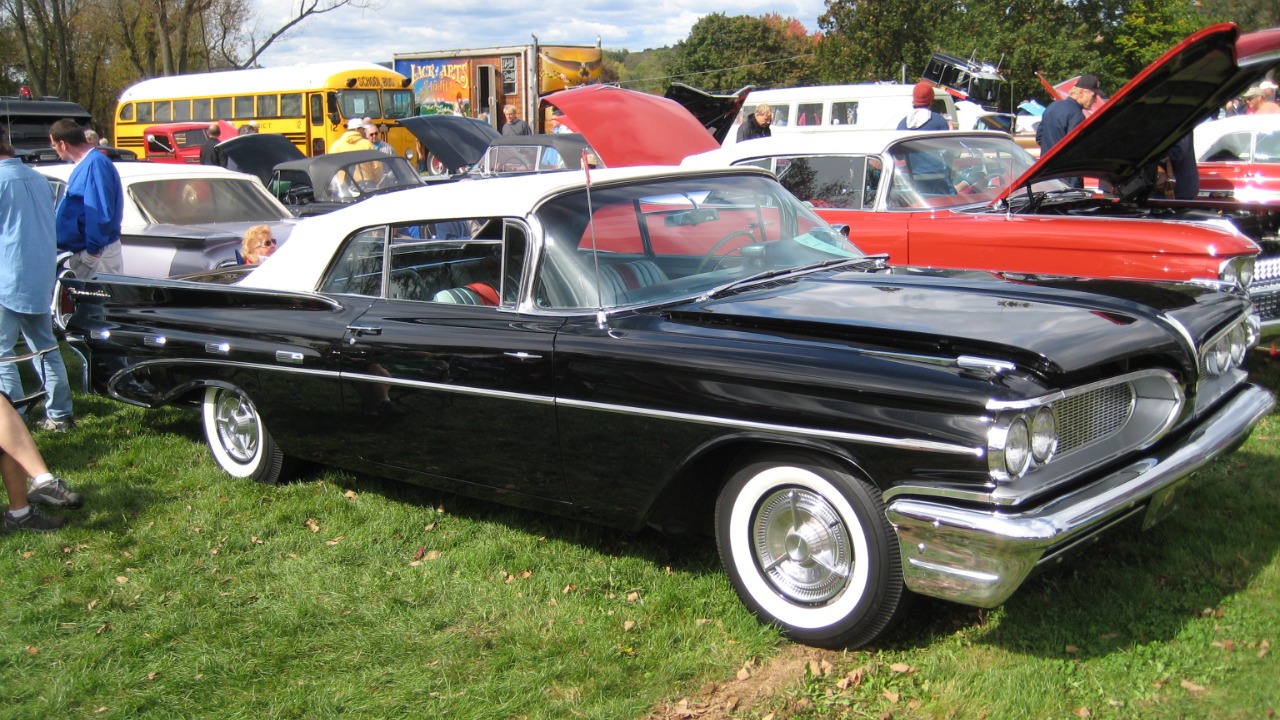
The Bonneville became one of Pontiac’s signature full-size cruisers, but its large dimensions and extensive trim can make restoration costly. Rust is a major concern, particularly on cars that spent years outdoors. Interior and chrome pieces may also be difficult to replace. A clean survivor is appealing, while a heavily deteriorated example is best left to experienced restorers.
Mercury Grand Marquis
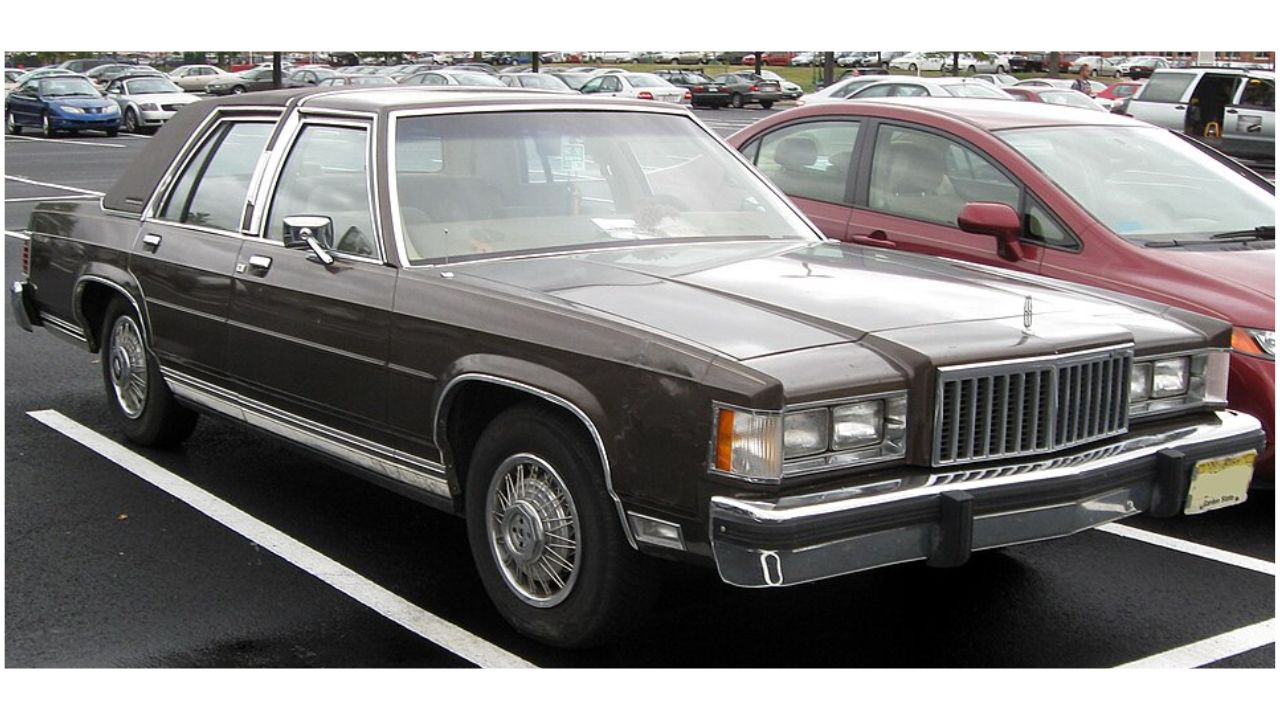
The Grand Marquis is mechanically simpler than many classic luxury cars, but age and neglect can still create expensive problems. High-mileage examples may need suspension, steering, cooling, and transmission work simultaneously. Rust can also become a serious issue on older cars. The best candidates are low-mileage or well-maintained survivors with solid bodies.
Chevrolet Caprice
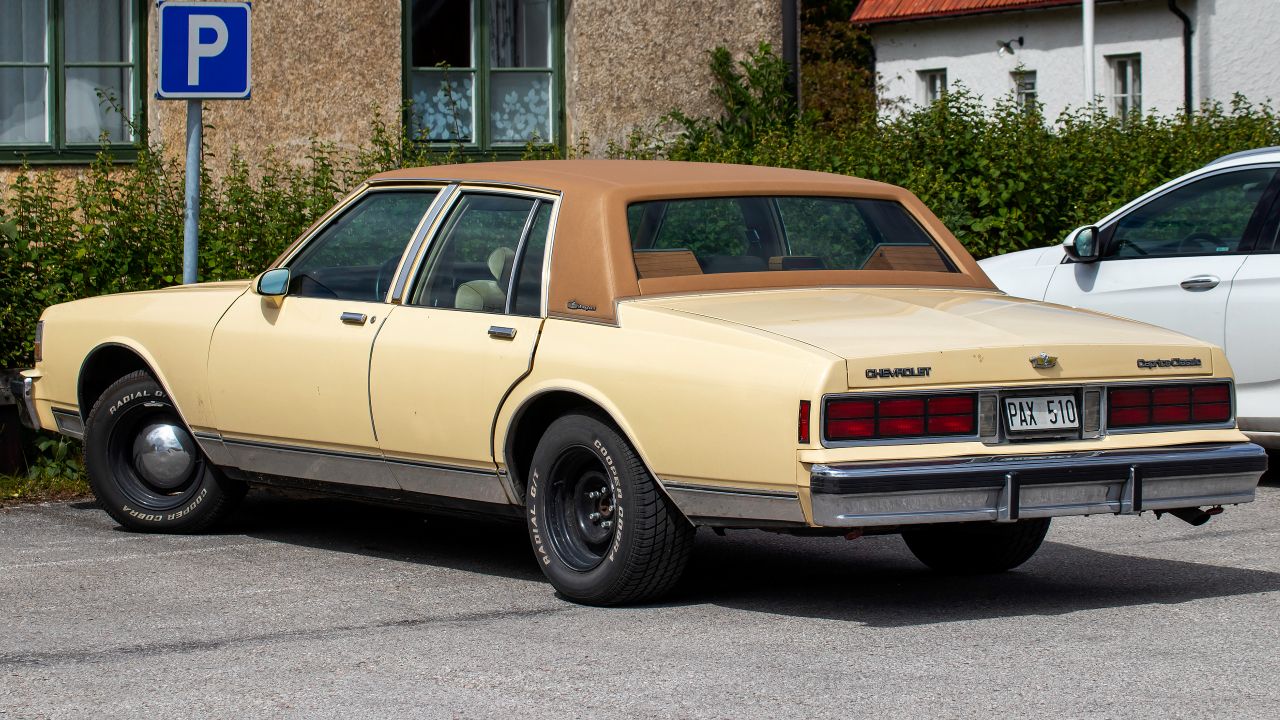
The Caprice was produced in large numbers, but that does not mean every old example is an easy restoration. Former fleet and police cars can have substantial mileage and hard-use histories, while civilian cars may suffer from decades of neglect. Rust and worn interiors are common concerns. A complete, mechanically sound example is far preferable to a cheap project with an unknown history.
More from Fast Lane Only
- Unboxing the WWII Jeep in a Crate
- 15 rare Chevys collectors are quietly buying
- 10 underrated V8s still worth hunting down
- Police notice this before you even roll window down
*Research for this article included AI assistance, with all final content reviewed by human editors