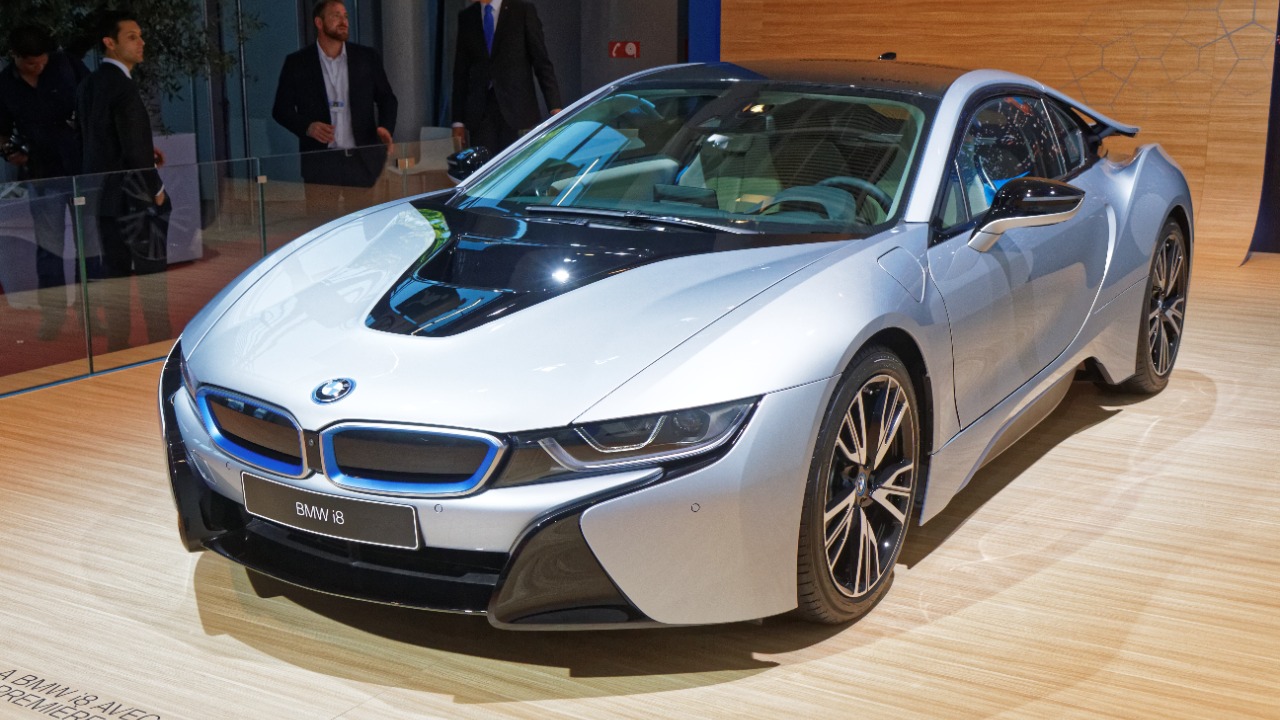
BMW has long been a name synonymous with innovation, luxury, and driving pleasure. Over the years, the brand has crafted vehicles that not only stand the test of time but also continue to feel relevant and forward-thinking. Here’s a look at eight legendary BMW models that still feel like they belong in the future.
BMW 507
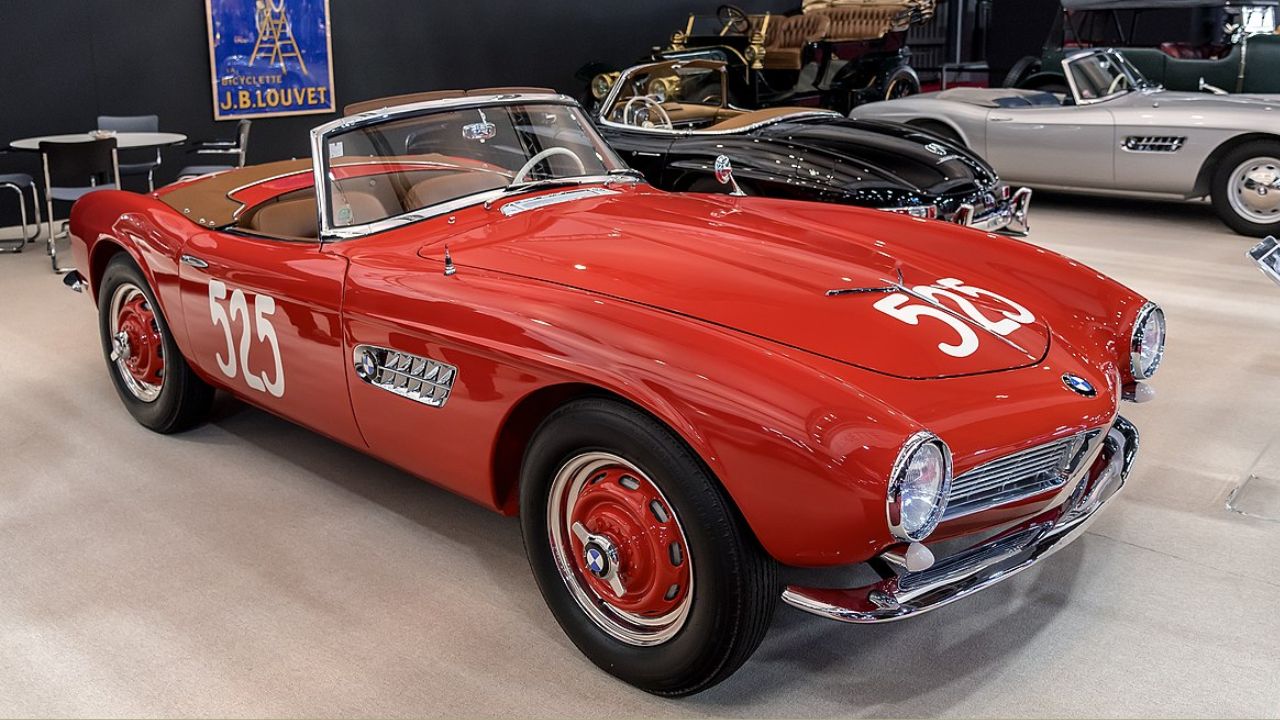
The BMW 507, produced between 1956 and 1959, has become an icon in the automotive world. With its sleek design and powerful V8 engine, the 507 was a testament to BMW’s commitment to performance and style. Despite its limited production run, the car’s influence on future BMW designs is undeniable. Collectors and enthusiasts continue to admire its timeless aesthetics, making it a highly sought-after classic today.
Albrecht von Goertz’s design work on the 507 resulted in a vehicle that was both elegant and sporty, characteristics that have become hallmarks of BMW’s design language. While only around 250 units were produced, the 507’s legacy lives on, influencing modern models with its focus on driver engagement and premium craftsmanship.
BMW E9 3.0 CSL
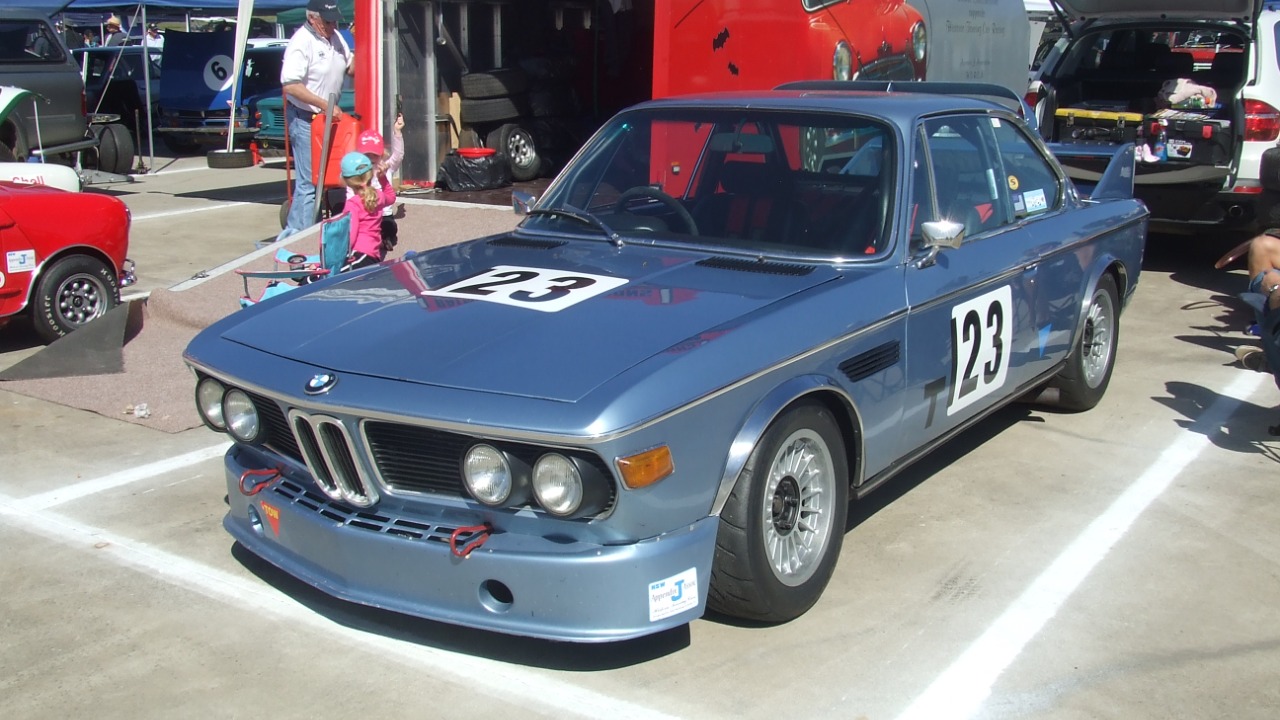
The BMW E9 3.0 CSL, often referred to as the “Batmobile” due to its distinctive aerodynamic enhancements, was a game-changer in the world of motorsport during the 1970s. Built to comply with homologation requirements for racing, the 3.0 CSL combined lightweight construction with a powerful engine, creating a formidable force on the track.
Its success in the European Touring Car Championship cemented its reputation as a performance icon. Today, the 3.0 CSL is celebrated not only for its racing pedigree but also for its bold design and engineering excellence, aspects that continue to inspire BMW’s modern performance vehicles.
BMW M1

The BMW M1, introduced in 1978, was the first car to be developed by BMW’s M division and remains the only mid-engine model from the brand to date. Its sharp, angular design and impressive performance capabilities made it a standout in the supercar segment. With a top speed of over 160 mph and a 0-60 time of less than 6 seconds, the M1 was a technological marvel of its time.
Despite facing production challenges, the M1 established BMW’s M division as a leader in high-performance engineering. Its influence can be seen in every M-badged vehicle that followed, carrying forward the spirit of innovation and driving excellence first embodied by the M1.
BMW E30 M3
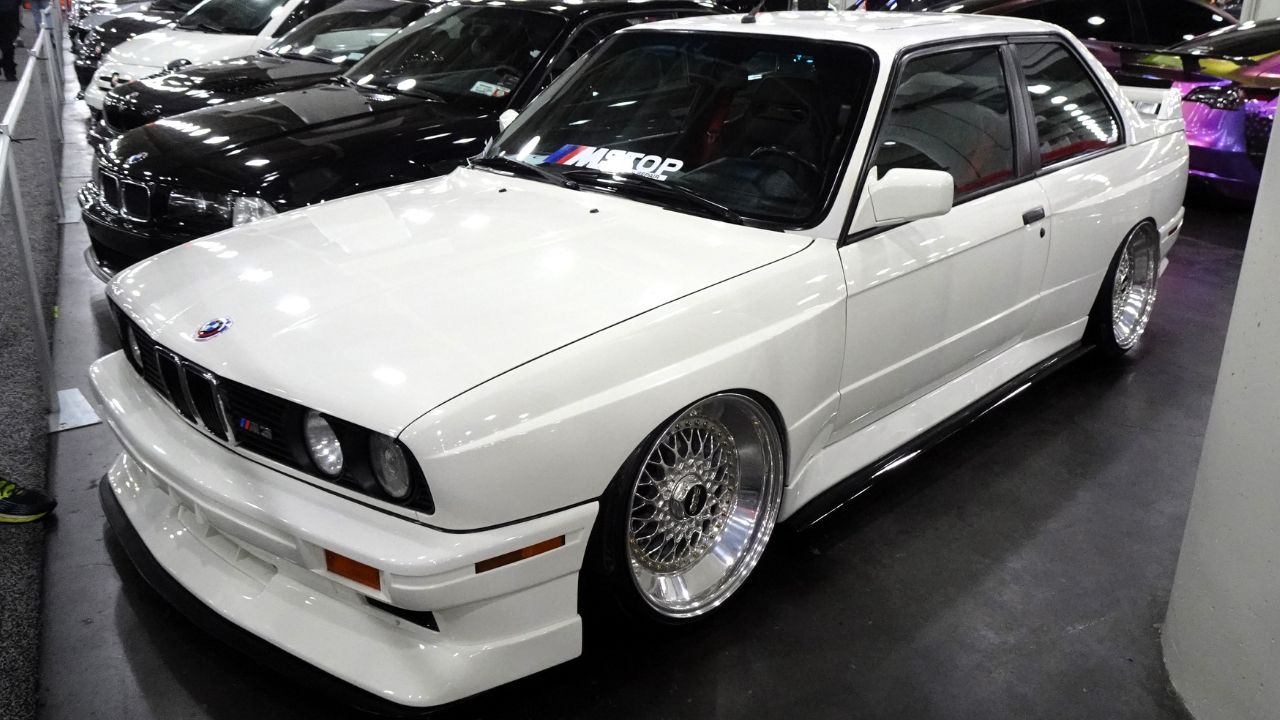
The BMW E30 M3, produced from 1986 to 1991, is often hailed as one of the greatest sports sedans of all time. Designed for homologation purposes, the E30 M3 dominated in motorsports, particularly in touring car championships. Its aggressive stance, flared wheel arches, and high-revving four-cylinder engine made it a fan favorite.
Beyond its motorsport success, the E30 M3 has left a lasting legacy in the automotive world. Its perfect balance of performance, handling, and everyday usability set the standard for future M models, ensuring its place in the annals of automotive history.
BMW Z8
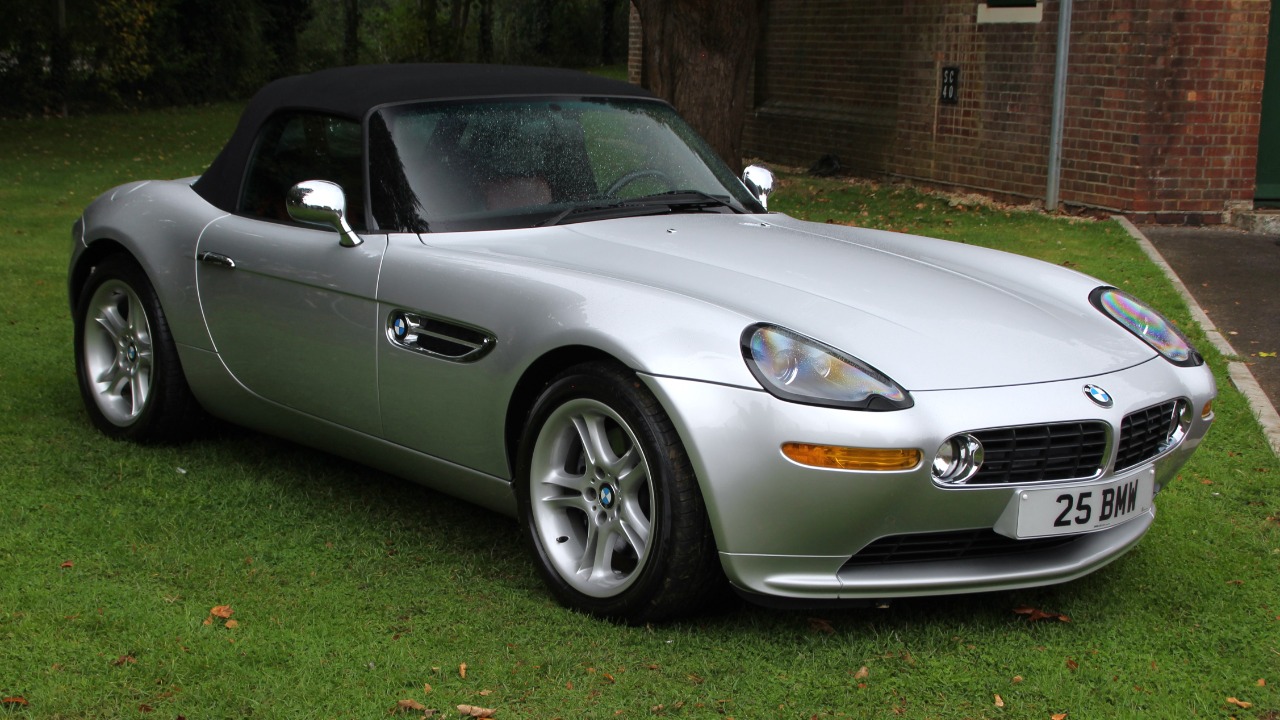
The BMW Z8, produced between 1999 and 2003, is a modern classic that pays homage to the legendary 507. Designed by Henrik Fisker, the Z8 featured a sleek aluminum body and a powerful V8 engine borrowed from the E39 M5. This combination of retro styling and contemporary performance made the Z8 a unique offering in BMW’s lineup.
Famous for its appearance in the James Bond film “The World Is Not Enough,” the Z8 captivated audiences with its stunning looks and thrilling driving experience. The Z8’s blend of nostalgia and modernity continues to captivate collectors and enthusiasts around the world.
BMW E39 M5
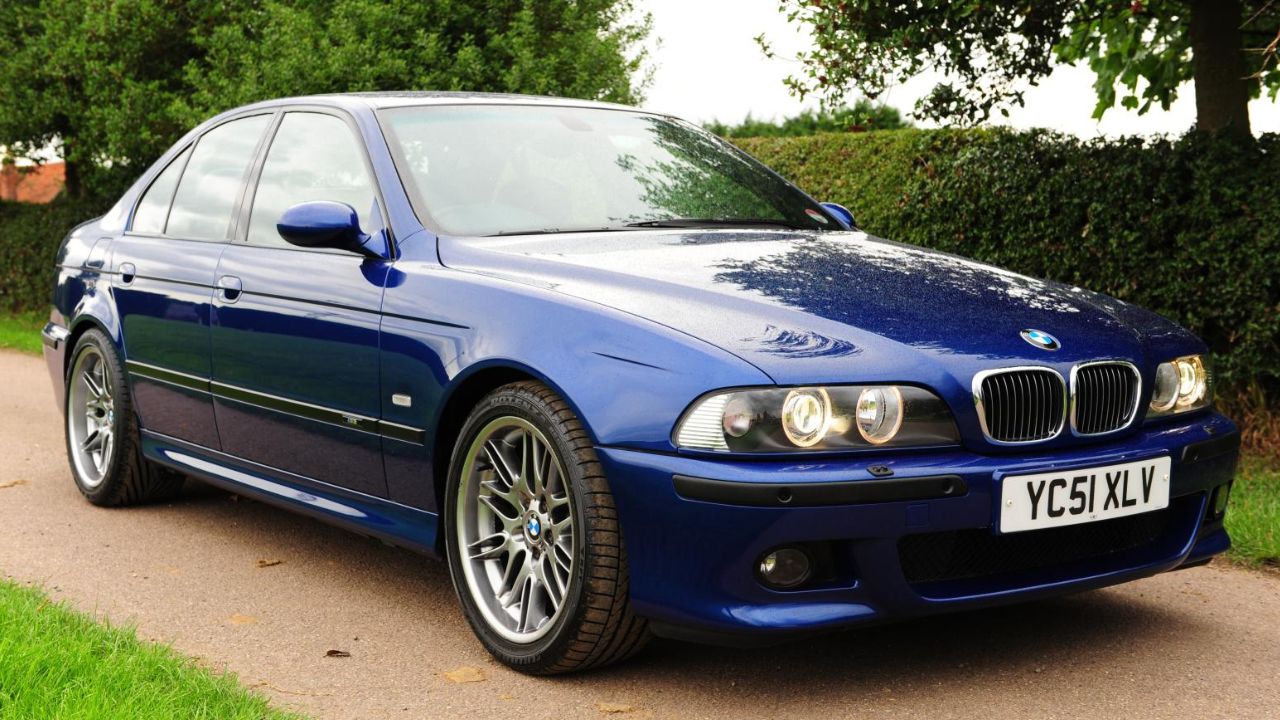
The BMW E39 M5, launched in 1998, is widely regarded as one of the finest sports sedans ever built. Powered by a naturally aspirated 4.9-liter V8 engine, the E39 M5 delivered a perfect blend of performance and luxury. Its understated design and comfortable interior made it a versatile choice for both spirited drives and daily commutes.
What truly set the E39 M5 apart was its ability to offer supercar-like performance in a practical sedan package. Its legacy as a benchmark for sports sedans endures, influencing the design and engineering of subsequent M5 models and beyond.
BMW i8
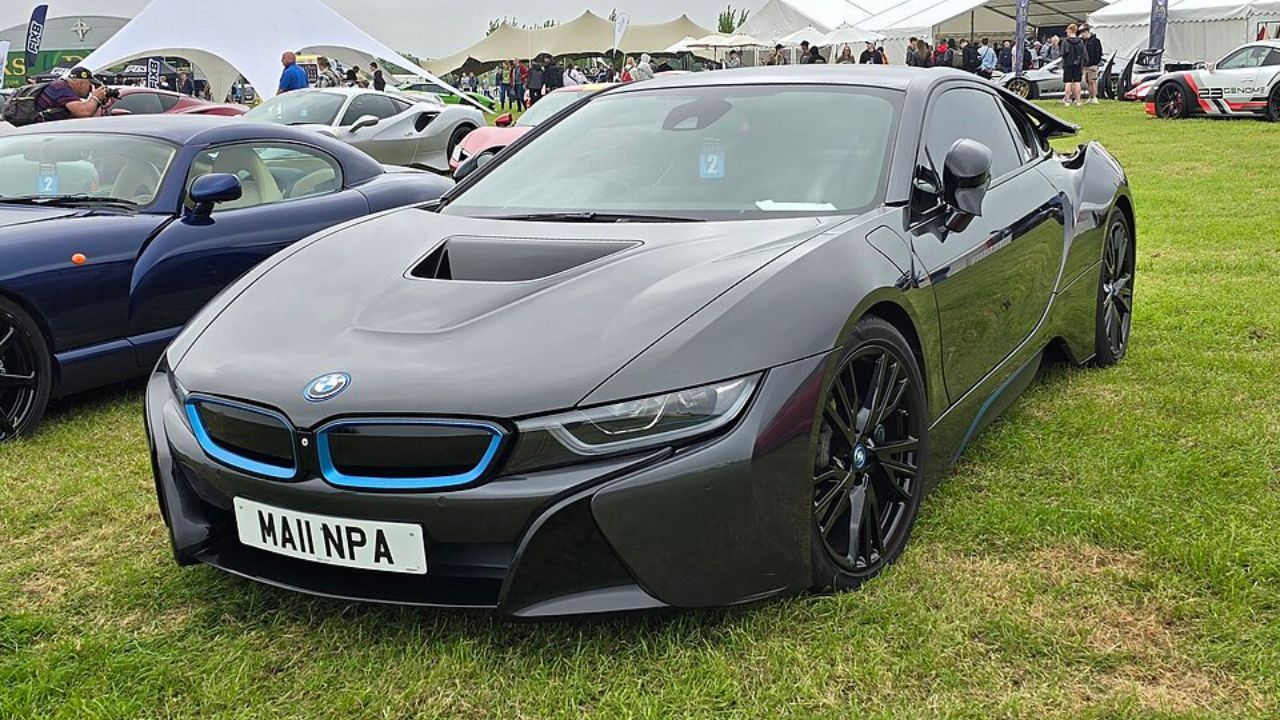
The BMW i8, introduced in 2014, represented a significant leap forward in hybrid technology and design. With its futuristic aesthetics and innovative plug-in hybrid powertrain, the i8 blended performance with sustainability. Its carbon fiber construction and lightweight design ensured that it was just as thrilling to drive as it was visually striking.
The i8 challenged traditional notions of what a sports car could be, paving the way for future electric and hybrid models. Although production ended in 2020, the i8’s influence on BMW’s approach to sustainable mobility continues to resonate.
BMW G20 3 Series
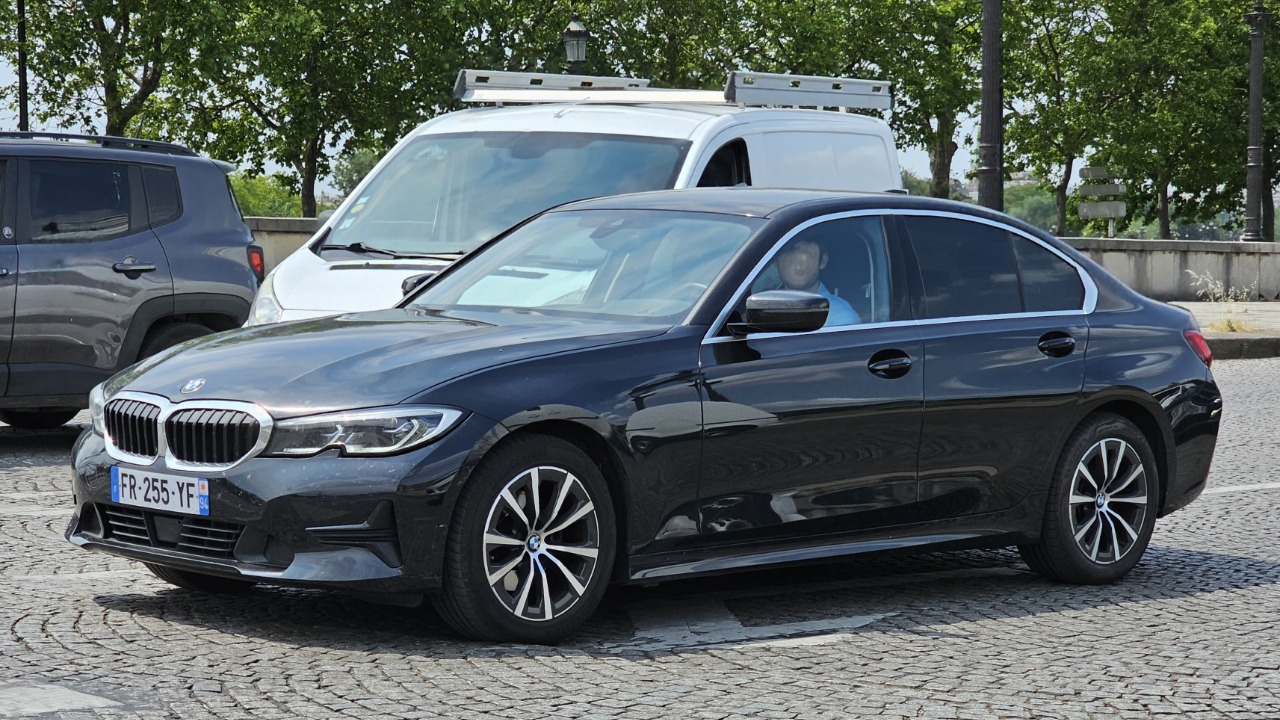
The BMW G20 3 Series, introduced in 2018, continues the legacy of one of BMW’s most successful model lines. With its focus on driving dynamics, advanced technology, and refined design, the G20 embodies the brand’s commitment to innovation and excellence. It offers a range of engines, including efficient diesels, potent petrols, and eco-friendly hybrids.
The G20’s integration of digital technology, such as the BMW Intelligent Personal Assistant, highlights the brand’s forward-thinking approach to connectivity and user experience. As the latest iteration of a beloved classic, the G20 3 Series remains a testament to BMW’s ability to evolve while staying true to its roots.
More from Fast Lane Only