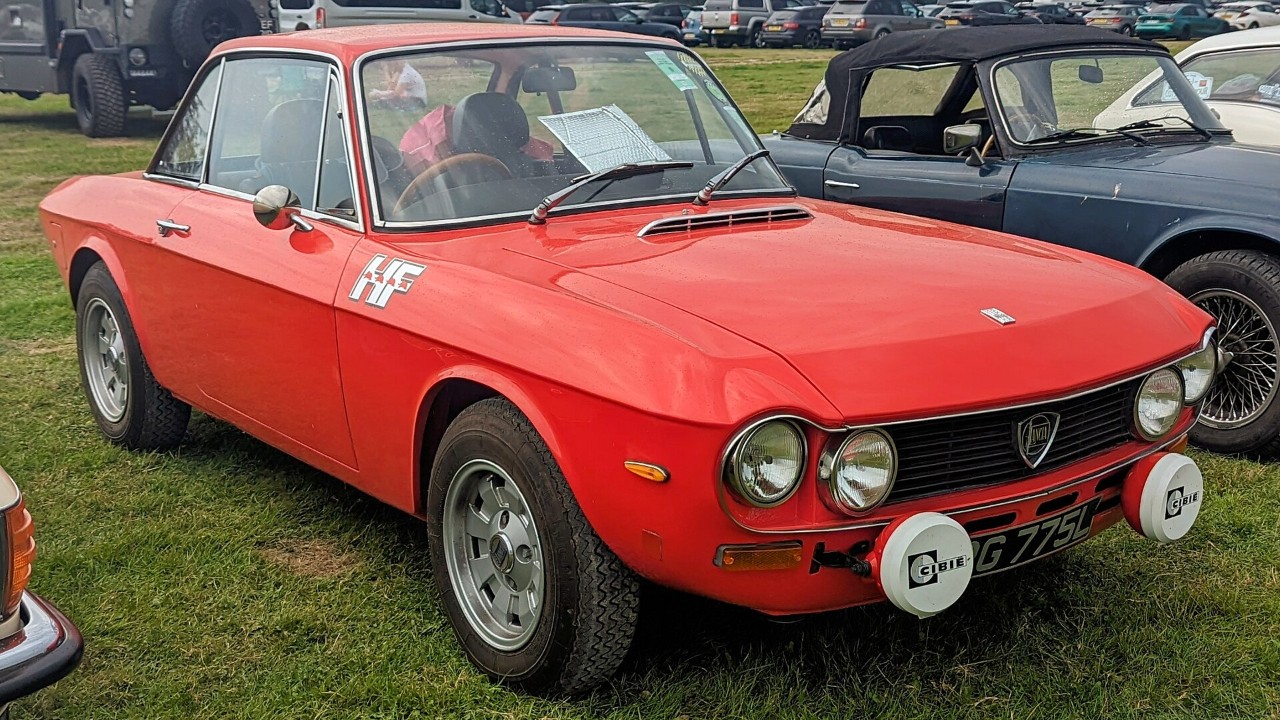
Europe spent the 1960s, 1970s and 1980s building small, clever sports cars that most buyers treated as fun and nothing more. The Lancia Fulvia HF won a rally championship, BMW built a roadster with doors that dropped into its sills, and Matra put three seats across one row. Yet when collectors talk about the best of each era, these cars rarely lead the conversation.
We think that should change. Some of these cars sold in tiny numbers, some carried real racing credentials, and a few did things no rival tried. All of them still feel special from behind the wheel.
These are our picks, and the verdict is our opinion: 12 European sports cars that deserve a place near the top of their era’s collector lists. The facts behind each choice come from makers, museums and the record books.
1. Lancia Fulvia Coupé HF
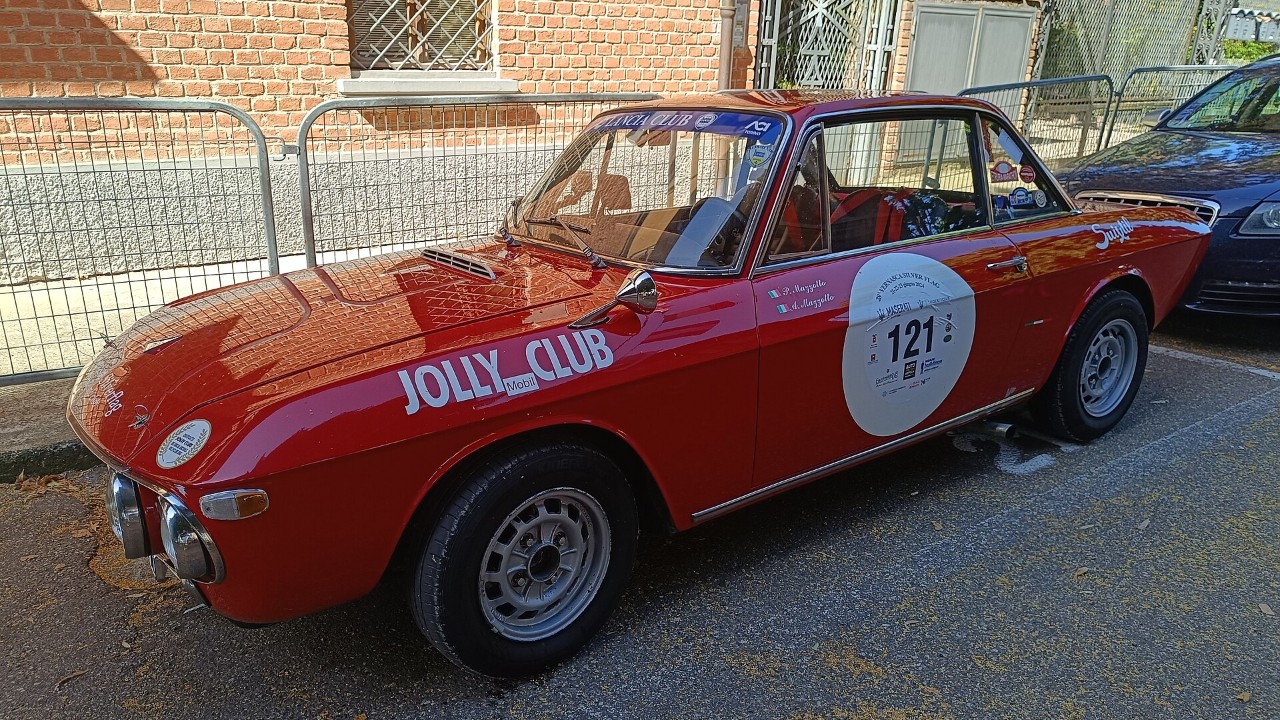
The Fulvia Coupé looks gentle, but its engine tells a different story. Lancia used a narrow-angle V4, with its cylinder banks only about 12 degrees apart, and twin overhead camshafts. Piero Castagnero styled the coupe in-house, and Lancia built 139,797 of them between 1965 and 1976.
The HF versions were the sharp end of the range. The first Coupé HF used a 1,216 cc engine rated at 88 CV, while the later 1.6 HF made 115 CV from 1,584 cc. Then came the results for the Lancia Fulvia HF. Sandro Munari and Mario Mannucci won the 1972 Monte Carlo Rally, and Lancia clinched that year’s International Championship for Manufacturers two rounds early.
In our view, the Lancia Fulvia HF is a giant-killing rally winner with enough engineering to deserve far more attention. If the Fulvia HF’s rally story hooks you, our run through eight Lancia rally cars picks up where it left off.
2. 1970 Porsche 914/6
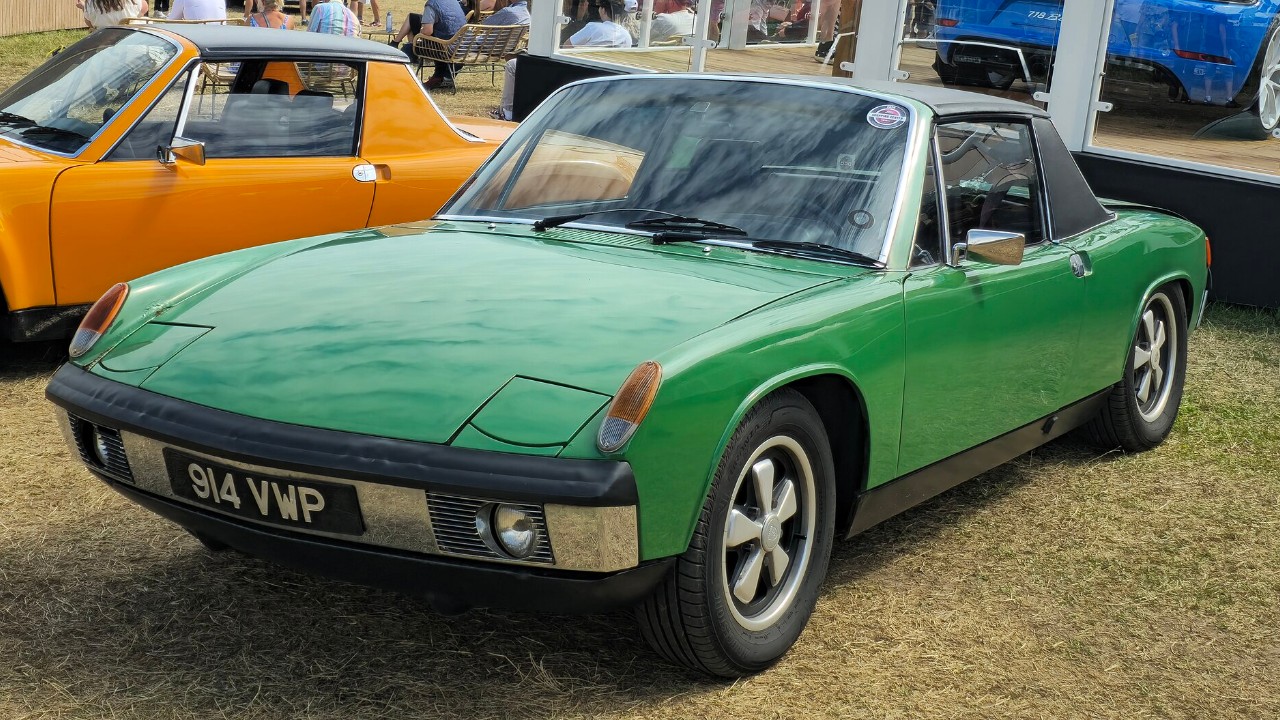
The 914 began as a deal between two companies that both needed a cheaper car. Porsche designed it, Volkswagen supplied the engine, and both sold it. The standard car used VW’s flat-four, but the 914/6 carried a 2.0-liter air-cooled flat-six instead.
That six made the car better and harder to sell. According to the Audrain Automobile Museum, the 914/6 cost nearly as much as a 911 and sold only about 3,300 cars in three years. By comparison, the four-cylinder 914 sold more than 118,000. It also proved itself in racing. A 914/6 GT won the GTS class at Le Mans in 1970 and finished sixth overall.
Our take: a mid-engined Porsche six with a Le Mans class win should not sit in the shadow of the 911. The 1970 cars, from the first year, are the ones we would hunt.
3. 1977 Fiat X1/9
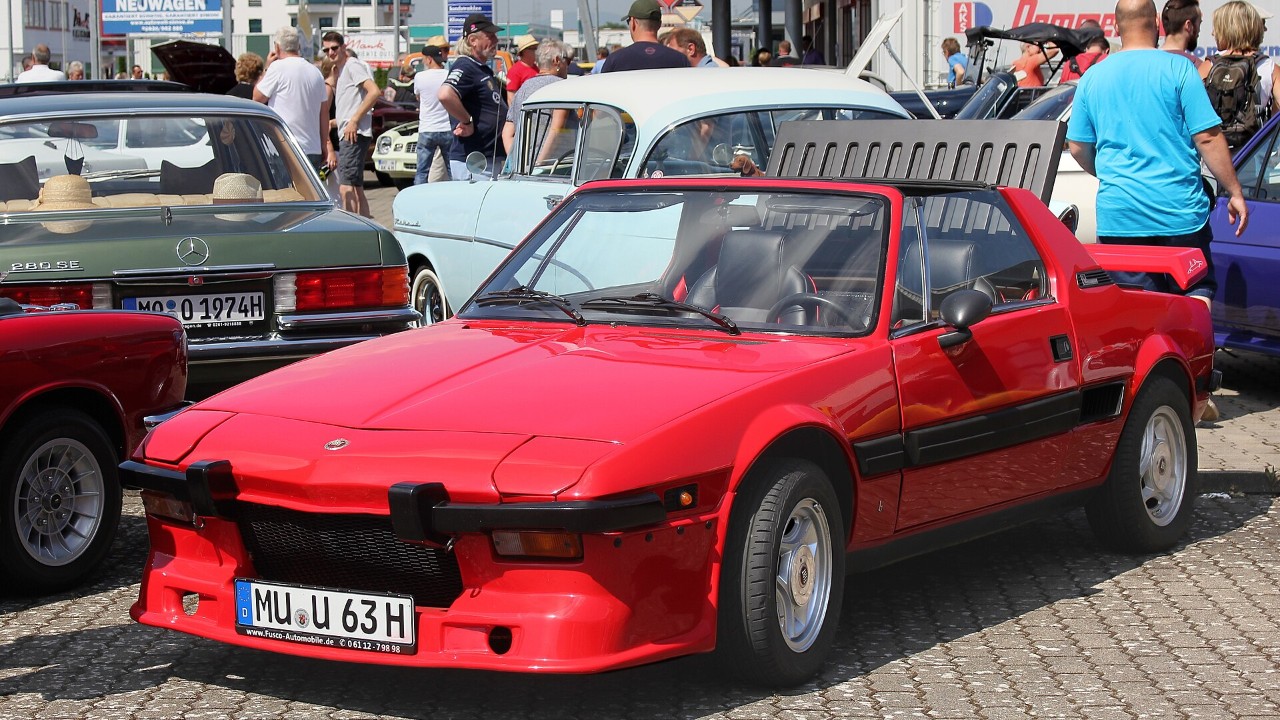
Few cars this small ever looked this deliberate. Marcello Gandini drew the X1/9 at Bertone, and Fiat put the 1,290 cc four from its humble 128 sedan behind the seats. The removable roof panel also stows in the front trunk, so the car becomes a targa without losing luggage space.
The 1977 car shows the X1/9 at its most American. From 1975 through 1978, US cars wore impact-absorbing bumpers and emissions equipment, and their rating dropped to 61 hp. Even so, the balance stayed. Fiat built roughly 140,500 before Bertone took over in 1982 and added about 19,500 more.
We would not chase these for speed. Instead, we would buy one because it brought mid-engined handling to buyers using a family-car engine, and that idea deserves collector respect.
4. 1989–1991 BMW Z1
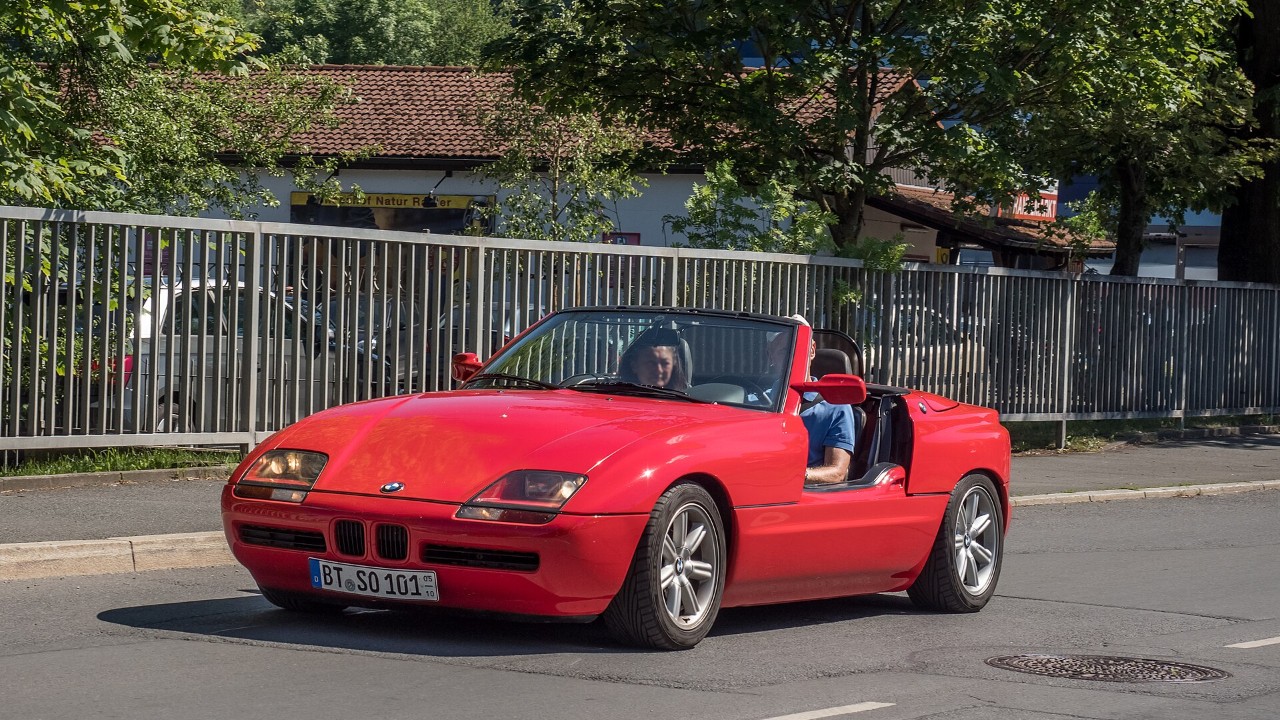
BMW set up a new division, BMW Technik, in 1985 to develop new vehicle concepts and technologies. The Z1 was the result. Its doors slide down into the sills instead of swinging out, and you can drive with them lowered. Meanwhile, the side panels use thermoplastic, and a new multi-link “Z axle” sits at the rear.
Power comes from a 2.5-liter straight-six rated at 168 hp. BMW priced the car at DM 83,000 when production began. In the end, the company built exactly 8,000 before the line closed in June 1991, Goodwood notes.
In our opinion, few cars of the late 1980s carried so many genuinely new ideas in one body.
5. 1997 TVR Griffith 500
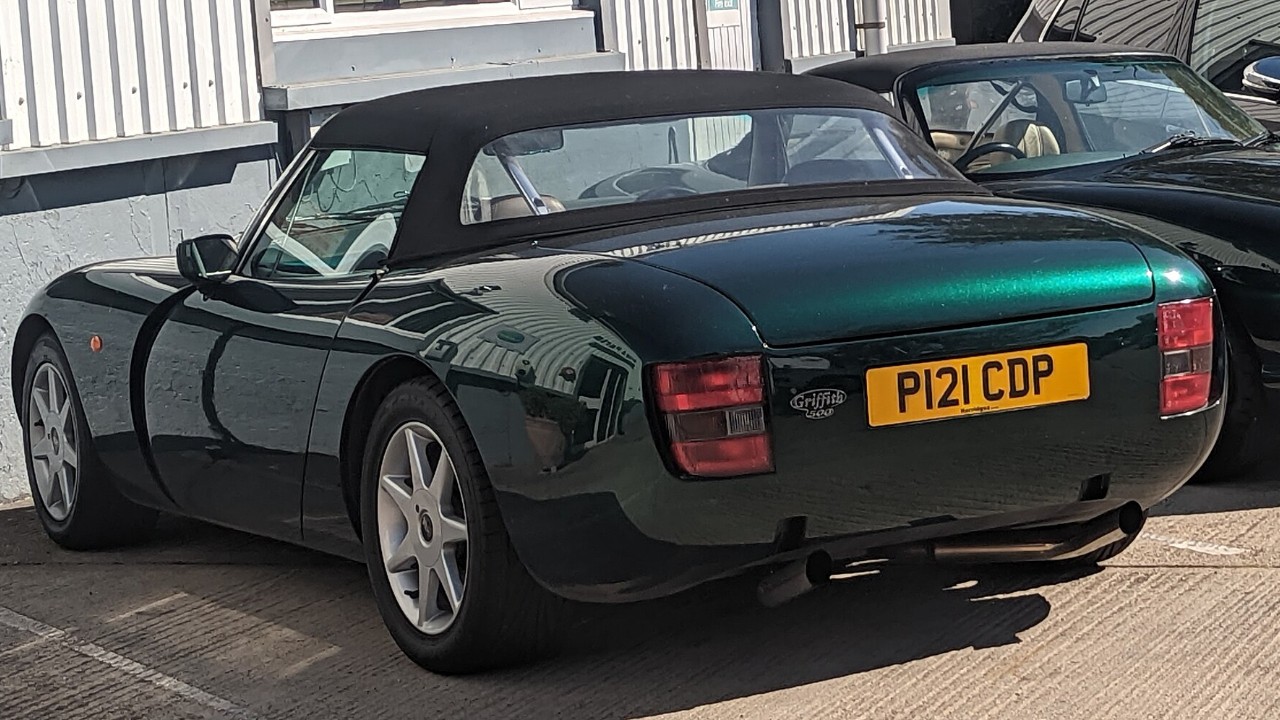
TVR built the Griffith in Blackpool from 1990 to 2002, and the later cars wore the Griffith 500 name. The formula was simple: a light fibreglass body, two seats, rear-wheel drive and a big Rover-based V8 up front. By 1993, TVR’s own 5.0-liter version made 340 hp and 350 lb-ft.
The Griffith also had very little between driver and road. It weighed about 1,060 kg dry, which helps explain its quoted 4.1-second dash to 97 km/h. As a result, a well-kept 1997 car feels quicker than its age suggests.
We think the Griffith 500 is the best-looking car TVR ever made, and the 1997 cars are fully developed examples. Our tour of seven TVR sports cars shows how it fits the family line.
6. 1981 Alfa Romeo GTV6 2.5
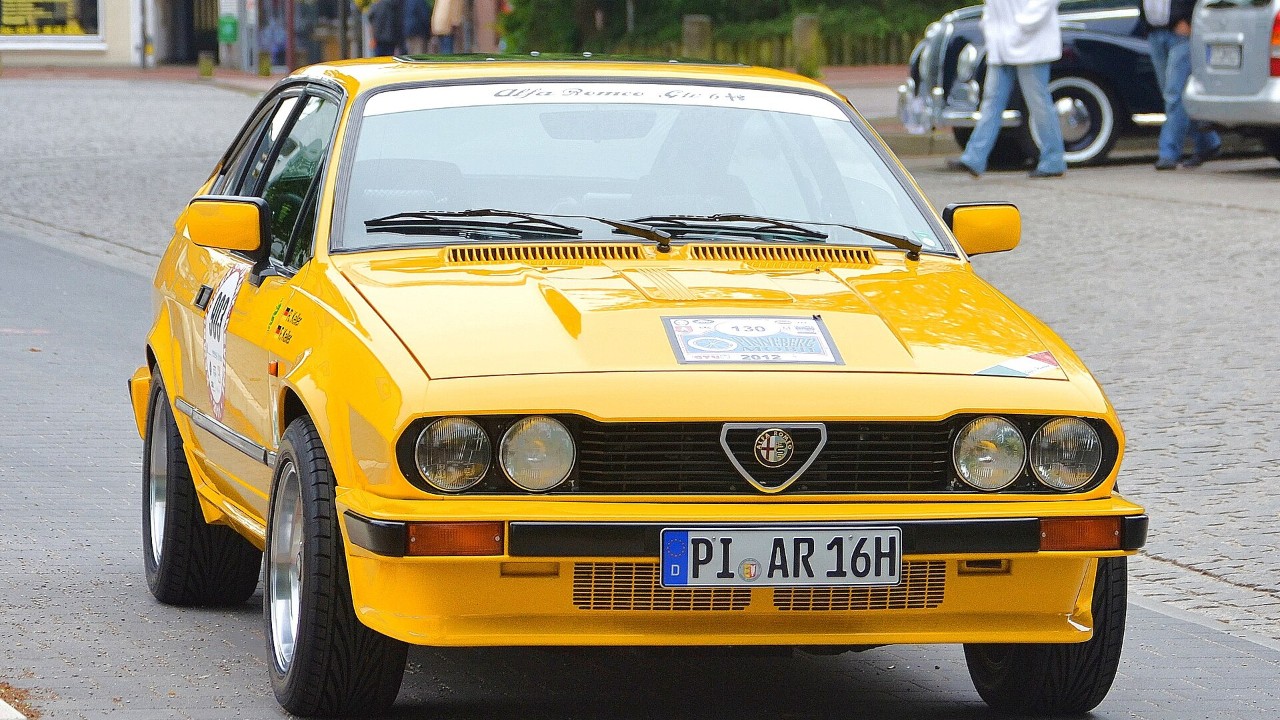
Alfa Romeo dropped a 2,492 cc V6 from its Alfa 6 sedan into the GTV coupe in 1980. Giorgetto Giugiaro had already shaped the body at Italdesign. Alfa also replaced the sedan’s six carburetors with Bosch L-Jetronic injection, and the engine made 158 hp.
Underneath, the layout is unusual for a road coupe. The gearbox and clutch sit at the back with the differential, and a De Dion tube locates the rear wheels. That balance paid off on track, because the GTV6 won the European Touring Car Championship four years running, from 1982 to 1985.
Alfa built about 22,380 in all. In our view, a four-time touring car champion with one of the best-sounding sixes of its day belongs on every short list of 1980s collector coupes.
7. 1969 Opel GT 1900
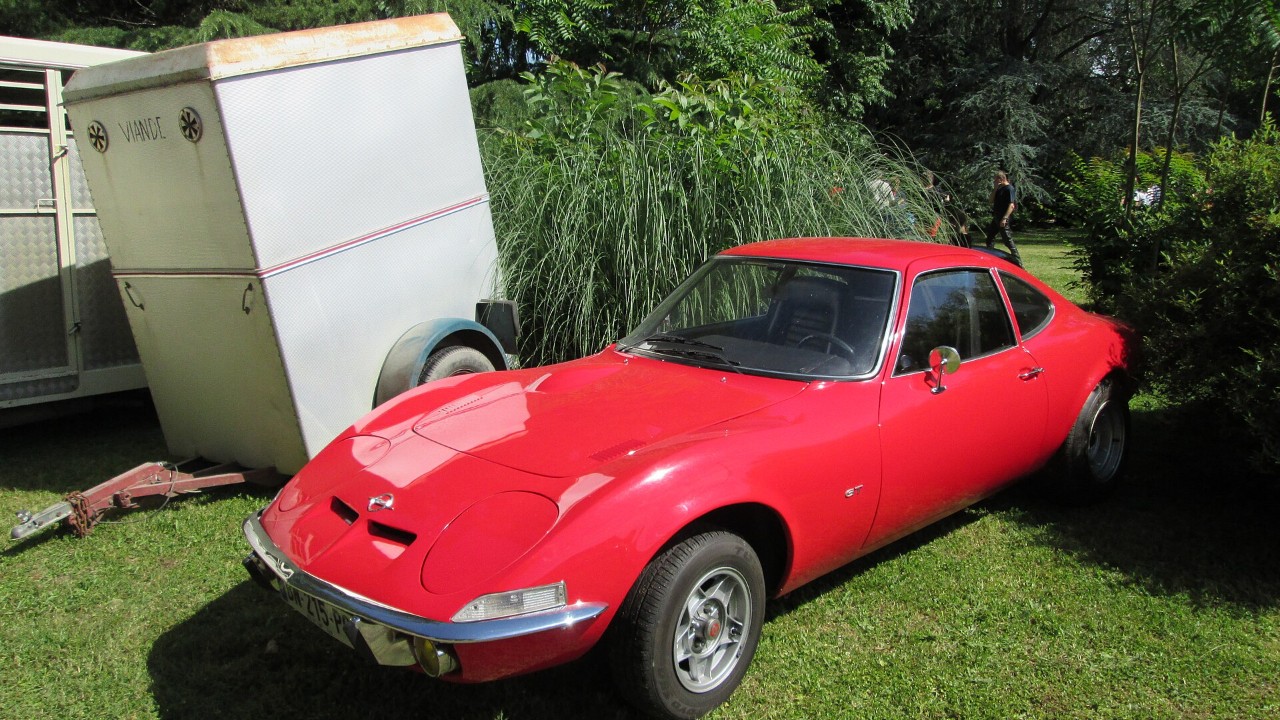
Opel’s little fastback came out of France as much as Germany. The French firm Brissonneau & Lotz built the bodies, and in North America the car reached buyers through Buick dealers. Early 1.9-liter cars made 102 hp (SAE), before 1971 emissions changes cut US output to 83 hp.
The details are pure 1960s fun. A big lever on the center console rotates both headlamps into view, and both turn the same way. There is also no trunk lid at all, so luggage goes in through the doors. Even so, Road & Track’s June 1969 test saw about 113 mph.
Opel sold 103,463 between 1968 and 1973. We would single out the 1969 cars, with their full early power, as the versions that deserve top billing.
8. 1976–1978 Lotus Esprit S1
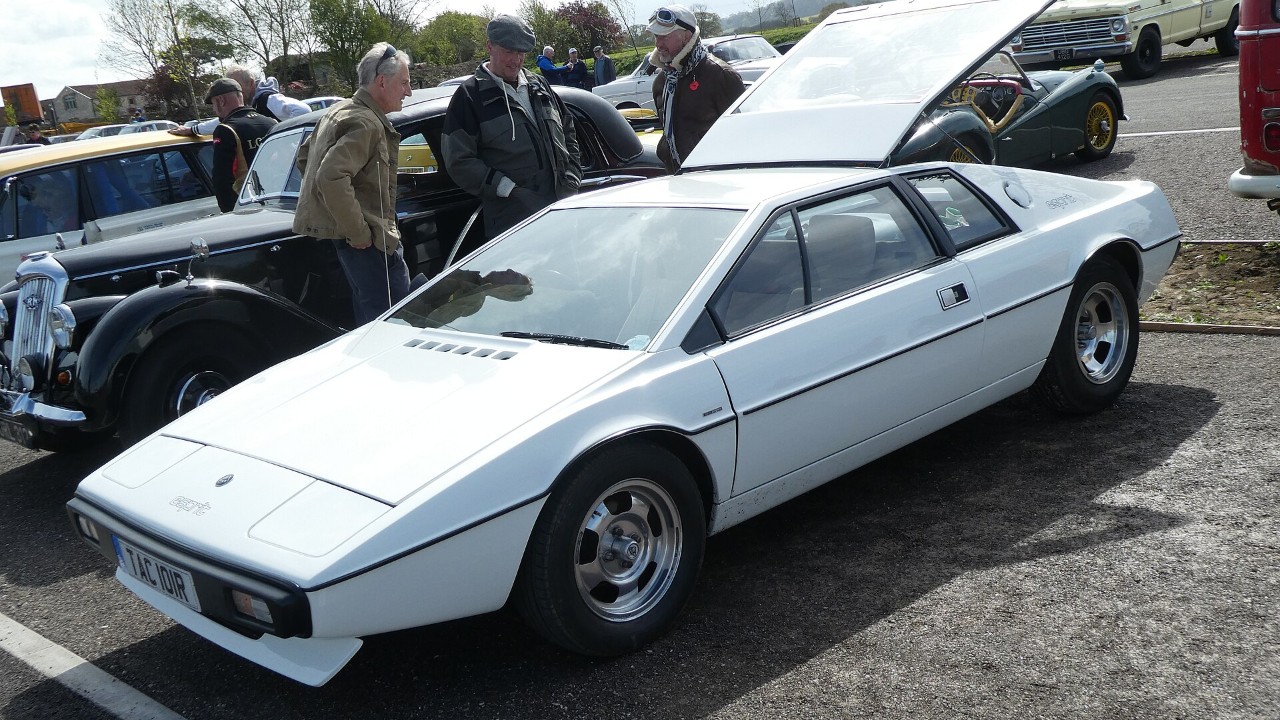
Lotus showed the Esprit at the Paris Motor Show in October 1975 and began building it in June 1976. Giugiaro gave it the sharp, folded-paper shape, and Lotus mounted the fibreglass body on a steel backbone chassis. The 1,973 cc Lotus 907 four made 160 hp in European form, or 140 hp in US form.
Then came the role that made it famous. An S1 turned into a submarine in the 1977 James Bond film The Spy Who Loved Me. However, Lotus built only 718 Series 1 cars through 1978.
That number is the reason we rate the first Esprit so highly. Later cars got faster, but the S1 is the purest version of Giugiaro’s original design.
9. 1980–1983 Talbot Matra Murena
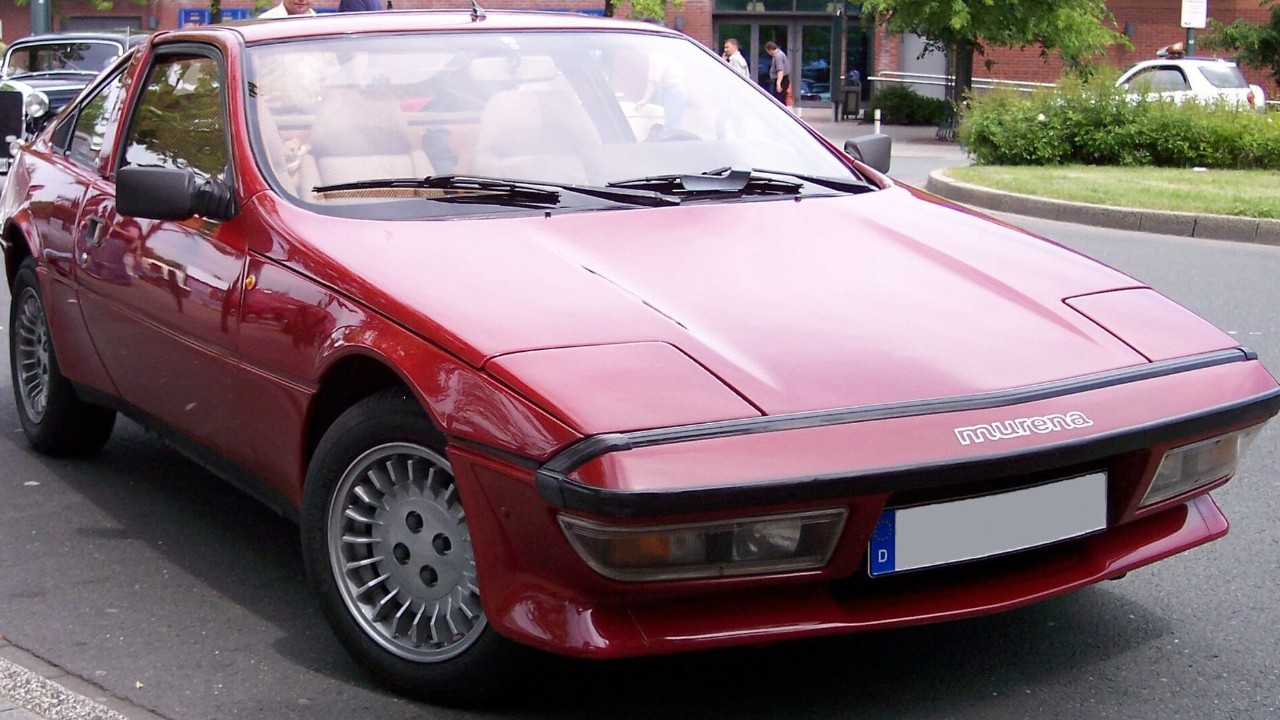
The Murena seats three people in a single row, with the middle seat folding into an armrest. Matra built it at Romorantin, France, from 1980 to 1983. It also used a fully galvanized steel chassis under 12 major fibreglass body panels.
Two engines were offered: a 1.6 with 92 PS and a 2.2 with 118 PS. Later, the Murena S pushed the 2.2 to 142 PS, and the last 480 cars left the factory in that form. Production ended in July 1983, when the plant switched over to building the Renault Espace.
Matra built 10,680 Murenas in total. We think a mid-engined three-seater on a galvanized chassis deserves far more than footnote status.
10. 1972 Lotus Europa Special
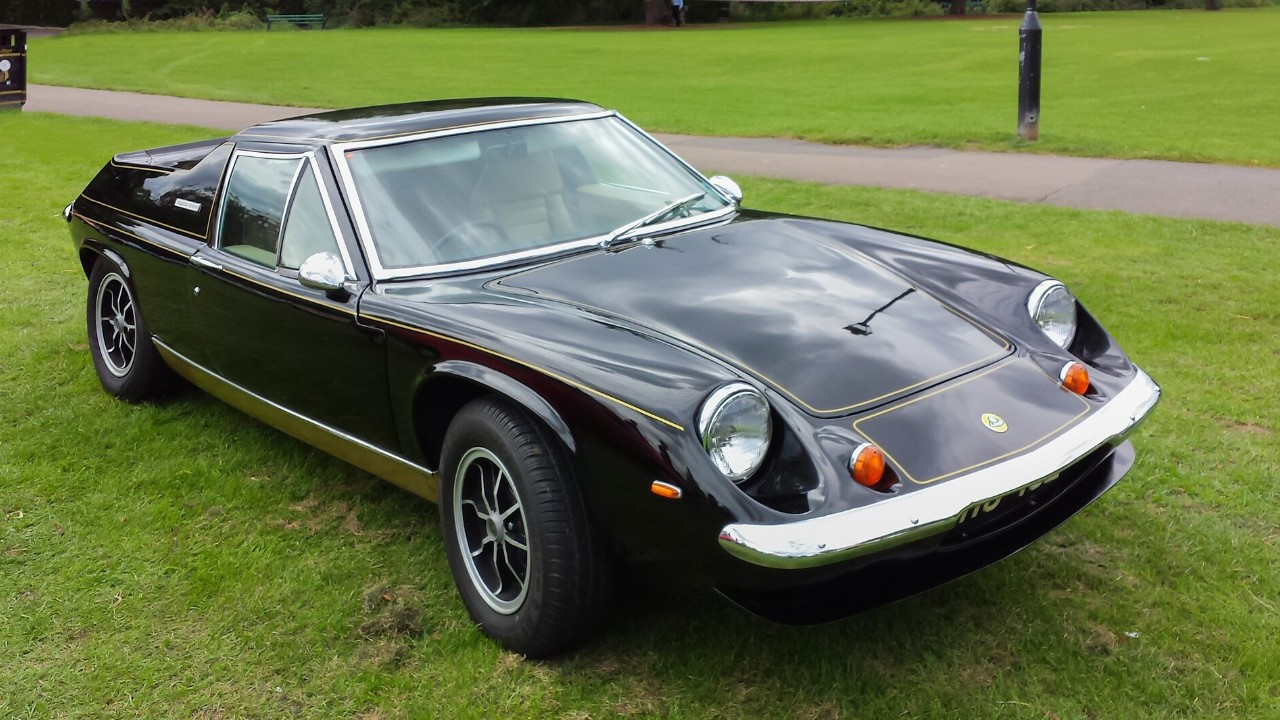
The Europa started with a Renault engine, but the Special made it a proper Lotus. Its Big Valve version of the Lotus-Ford twin cam made 126 hp in European form. The whole Europa line also stood only about 42.5 inches tall.
The 1972 cars brought the famous look. In September of that year, Lotus launched the first 100 John Player Special cars in black with gold pinstripes, each with a numbered dash plaque. Lotus built 4,710 twin-cam Type 74 cars, and 3,130 of them carried the Special badge.
Our take: the Europa Special is the most complete version of a brilliant mid-engined idea, and a black-and-gold 1972 car is the one to have.
11. 1974 Saab Sonett III
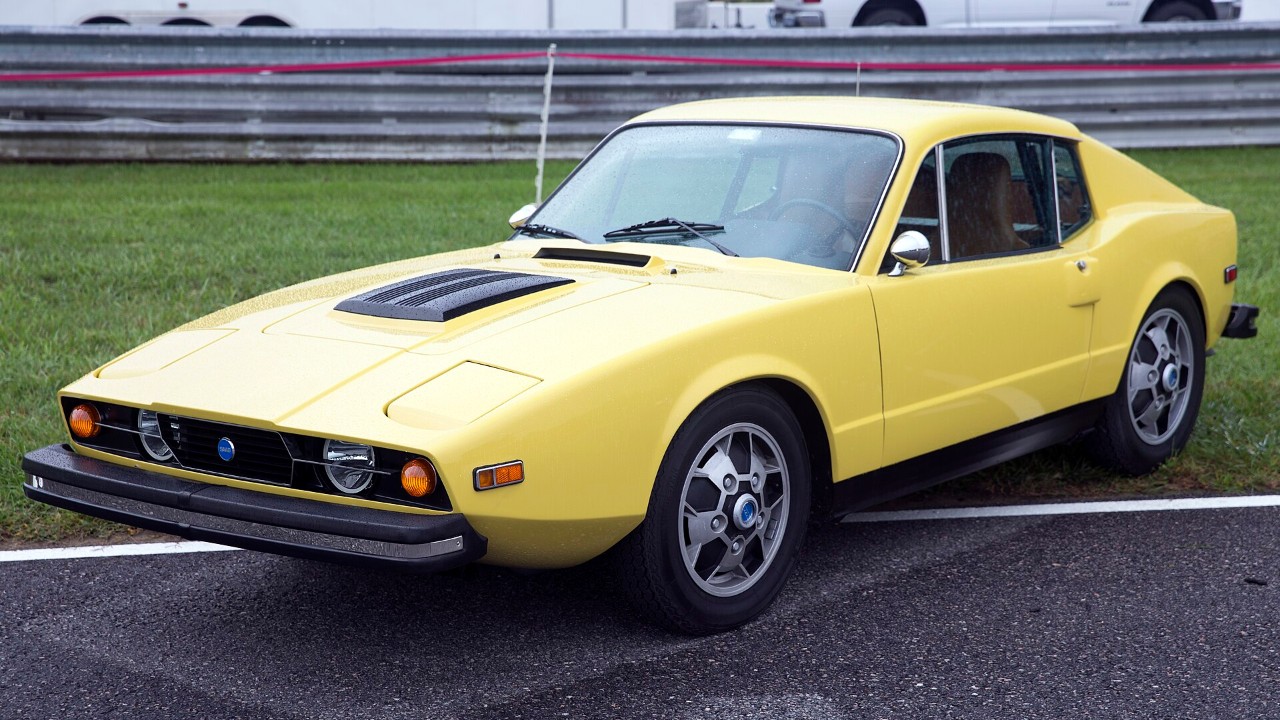
Saab built the Sonett III almost entirely for American buyers. Every one had left-hand drive, a floor shifter and optional dealer-fitted air conditioning. The redesign passed from Sergio Coggiola to Saab’s own Gunnar Sjögren, so the car could keep the Sonett II chassis.
By 1974, the car used a 1.7-liter Ford V4, though emissions rules held power at 65 hp. In addition, US bumper rules forced low-speed impact bumpers after 1972. Weak sales during the 1973 oil crisis then ended production in late 1974.
Saab built 8,368 Sonett IIIs, and the 1974 cars are the last of the line. We would argue this Swedish oddball deserves a spot near the top of 1970s collector lists. For more of the brand, see our 10 elegant Saabs.
12. 1980 Porsche 924 Carrera GT
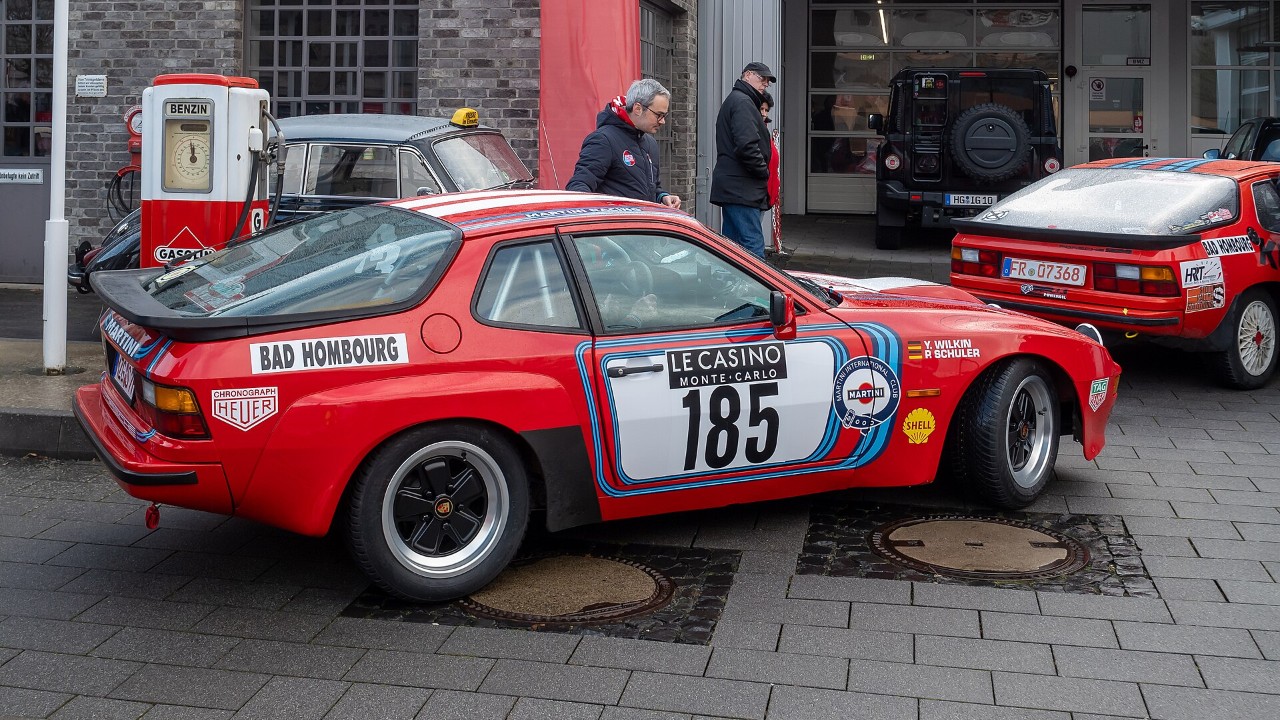
Porsche built the 924 Carrera GT for one reason: racing rules. To homologate it for motorsport, the company needed 400 road cars within two years. By February 1981, Porsche had reported the sale of the 406th, according to the Porsche Museum’s data sheet.
The numbers are serious for a car built on the 924. Its 1,984 cc turbocharged four makes 210 hp, the car weighs 1,180 kg, and Porsche quotes a top speed of 240 km/h.
In our view, a 406-car homologation special deserves the same respect as any Porsche from its era. That run of 406 cars is also all the factory ever needed to reach the track.
More from Fast Lane Only