Every racer has seen a machine that looked finished for good. Most of the time, a minibike that burns in the pits goes straight to the scrap pile.
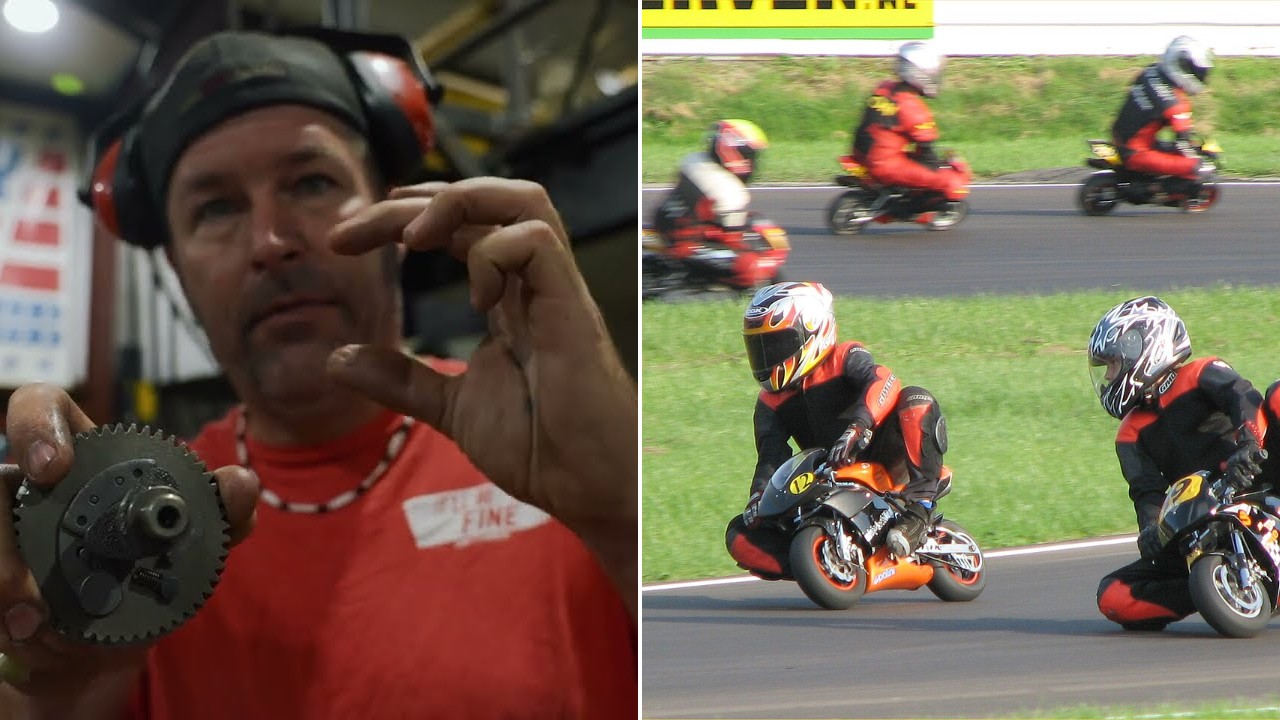
The minibike racing crew behind @CarsandCameras decided to do the opposite. They took home a race bike that burned at a Texas endurance race and tried to turn it into this year’s race bike, and tested how much punishment its cooked engine could take.
A Bike That Burned In The Pits
The team races in a 180-minute minibike enduro in Texas, where they say more than 100 teams enter and about half finish. Last year, one competitor’s bike burst into flames on practice day. According to the team, a fuel leak probably started it.
“We bought a pile of ashes in Texas and brought it back all the way to North Carolina”
Afterward, the remains sat in a shipping container for six months. Inside, the carburetor had melted, the tires looked like burnt marshmallows and the grips were ruined. Most of all, they worried about the frame, since heat can weaken the metal. Fittingly, they named the project the Phoenix.
“this is the first ever bike to burn to the ground at the 180”
Bringing The Burned Engine Back
Taking the old engine apart, they found melted plastic plugs, a missing governor, a melted oil sensor and cooked oil in the cylinder. They used a flywheel from their shelf that did not quite belong, fitted without a key, then added a carburetor they had lying around.
It ran. So they did something even stranger, filling it with vegetable oil and taking it for a lap. That lap was slow, at 1 minute and 27 seconds, but it held together. Next, they ran it wide open with no load for almost four minutes, a test the team warned viewers never to try at home. It jumped timing once, they tightened it up, and it kept going.
“This engine was on fire, raced, put back together with random parts, and you can’t kill it.”
Building The Real Race Minibike
While the old engine was surviving abuse, the team built a fresh race engine for the burned frame, a 225cc Tillotson with a performance head, a hotter cam and a mild port job. The goal was strength over peak power, since it must last three hours.
They gusseted the front of the heat-damaged frame, welded the rubber-mounted engine plate solid so the chain stays tight, and fitted new front suspension, wheels and a new fuel tank. On track, the new engine turned a lap of 56.43 seconds, the fastest time they mention.
Four Hours On Vegetable Oil
Even so, the team still was not done with the old engine. Next, they took it to a Mini Mayhem trail ride, still running vegetable oil, and rode it hard for hours.
“I’m still trying to just blow up this engine, dude. I cannot believe this.”
After about four hours on the trails, it was still running.
Lessons From A Bike That Rose From The Ashes
- Heat can weaken a frame even where the paint looks fine, so reinforce it or replace it.
- Route fuel lines away from hot engine parts. The team found a hose resting on the cooling fins.
- Small details like a slipping chain tensioner can cost a race. Check every bolt.
- Don’t copy the no-load, wide-open test. The team said never to try it at home.
Where Things Stand
The Phoenix is now gusseted, fitted with its new race engine and wearing flame decals. Next up, the team planned to take it to this year’s 180-minute race on November 7, 2026, to see whether a bike that burned there can finish it.
More from Fast Lane Only